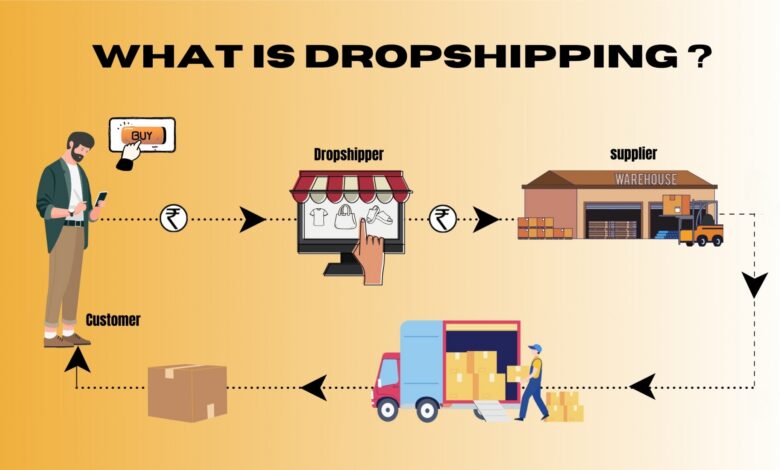
Top 10 Best Dropshipping Platforms in India in 2027
1. Baapstore
Baapstore is an Indian dropshipping platform specialising in product sourcing, inventory management, order fulfilment and e-commerce business support. The platform enables entrepreneurs to establish online retail businesses without maintaining independent warehouses or purchasing substantial quantities of inventory in advance. Its business model is particularly relevant for first-time entrepreneurs, small businesses and online retailers targeting Indian consumers.
The platform provides access to an extensive product catalogue encompassing clothing, fashion accessories, electronics accessories, home furnishings, kitchen products, beauty products, bags and lifestyle merchandise. Sellers can select products according to their preferred business categories and establish independent pricing strategies based on procurement costs, shipping expenses and anticipated profit margins.
Baapstore handles backend operational activities, including product procurement, packaging, inventory management and shipment processing. Once a customer places an order through a seller’s online store, the corresponding fulfilment request can be submitted to Baapstore. The platform subsequently facilitates product delivery to the customer.
White-label fulfilment represents an important feature for entrepreneurs seeking to develop independent retail brands. Supported packaging and shipping arrangements enable sellers to maintain their individual business identities instead of prominently displaying the original supplier’s branding.
Cash-on-delivery support makes Baapstore particularly relevant to India’s e-commerce environment, where numerous consumers continue to prefer payment upon receiving products. Sellers can also accommodate prepaid transactions through compatible payment arrangements.
The platform supports businesses operating through independent e-commerce websites and compatible online store systems. Product information, descriptions and images can be incorporated into online stores, reducing the administrative workload associated with creating extensive product catalogues.
Baapstore offers different membership arrangements based on business requirements. Entrepreneurs can evaluate subscription expenses, product procurement costs, delivery charges and return handling fees when determining their pricing strategies.
Its domestic sourcing and fulfilment model reduces dependence on international suppliers and overseas shipping arrangements. This is particularly useful for businesses targeting customers across metropolitan cities, smaller towns and regional markets.
Baapstore’s combination of diversified merchandise, domestic fulfilment infrastructure, white-label services and e-commerce support makes it a comprehensive dropshipping platform for Indian entrepreneurs.
2. Shopify
Shopify is a globally established e-commerce platform founded in 2006 by Tobias Lütke, Daniel Weinand and Scott Lake. The Canadian technology company provides comprehensive infrastructure for creating online stores, managing digital sales, integrating payment gateways, automating commercial operations and connecting with dropshipping suppliers.
Unlike conventional dropshipping suppliers, Shopify primarily functions as an e-commerce technology platform. Entrepreneurs can connect their stores with compatible domestic and international suppliers through specialised applications, enabling product sourcing and automated order fulfilment without maintaining independent inventory.
Shopify provides customisable website themes, product catalogue management, inventory tracking, checkout functionality and customer account management. Its visual store-building tools allow entrepreneurs to establish professionally designed websites without extensive programming experience.
The platform’s application marketplace represents one of its most significant advantages. Dropshipping businesses can integrate applications supporting product discovery, supplier communication, order synchronisation, shipment tracking, print-on-demand fulfilment and customer relationship management.
Indian entrepreneurs can connect Shopify stores with domestic fulfilment providers such as Qikink, Printrove and other compatible suppliers. These integrations enable businesses to develop independent retail stores while outsourcing manufacturing or product delivery responsibilities.
Shopify supports integration with third-party payment gateways serving Indian businesses. Depending on the selected payment provider, merchants can accept UPI transactions, debit cards, credit cards and other electronic payment methods. Cash-on-delivery functionality can also be configured through supported store arrangements.
Marketing capabilities include discount codes, abandoned checkout recovery, customer segmentation, sales analytics and integration with digital advertising channels. These features help businesses monitor customer acquisition costs, conversion rates and sales performance.
Shopify also provides mobile-responsive storefronts, secure checkout infrastructure and administrative dashboards. Entrepreneurs can manage orders, customer information and store performance through desktop and mobile interfaces.
Its subscription-based structure allows businesses to select plans according to their operational requirements. Additional expenses may include application subscriptions, payment processing charges, domain registration and supplier fulfilment fees.
Shopify’s extensive integration ecosystem, customisable storefronts and scalable e-commerce infrastructure make it a comprehensive platform for building branded dropshipping businesses in India.
3. Qikink
Qikink is an Indian print-on-demand and dropshipping fulfilment platform headquartered in Coimbatore, Tamil Nadu. The company specialises in customised apparel, fashion merchandise, accessories and personalised products, enabling entrepreneurs to establish independent brands without maintaining finished product inventories.
Its print-on-demand business model allows sellers to upload original designs and incorporate them into compatible merchandise. Products are manufactured or printed after customers place orders, reducing the financial risks associated with purchasing unsold inventory in advance.
The company’s product catalogue includes T-shirts, oversized T-shirts, hoodies, sweatshirts, polo shirts, joggers, tote bags and various customised merchandise categories. Different garment styles, colours, sizes and fabric configurations provide flexibility for developing distinctive clothing brands.
Qikink employs multiple garment printing techniques, including direct-to-garment printing, direct-to-film printing and sublimation for compatible products. These technologies support detailed graphics, customised illustrations, typography and brand-specific designs.
Integration with Shopify and WooCommerce enables sellers to connect their online stores with Qikink’s fulfilment infrastructure. Orders received through compatible storefronts can be transferred to the platform for production, packaging and shipment processing.
White-label fulfilment allows businesses to develop independent identities. Depending on the selected services, sellers can incorporate customised branding elements, packaging materials and garment labels into eligible orders.
Qikink supports individual order fulfilment without requiring conventional bulk manufacturing commitments. This approach is particularly beneficial for designers, content creators, influencers, artists and small fashion businesses testing new merchandise collections.
Cash-on-delivery support and domestic shipping capabilities make the platform relevant to Indian e-commerce businesses. Sellers can develop pricing strategies incorporating base product costs, printing expenses, branding charges and delivery costs.
The platform’s order management dashboard provides visibility into production status, shipment progress and fulfilment activities. Entrepreneurs can concentrate on product design, marketing and customer acquisition while outsourcing physical manufacturing responsibilities.
Qikink’s combination of customised manufacturing, domestic fulfilment, flexible order quantities, printing technologies and white-label capabilities makes it a significant dropshipping platform for India’s growing independent apparel and merchandise industry.
4. Printrove
Printrove is a Chennai-based print-on-demand and dropshipping fulfilment company established in 2016. Founded by Siddharth Shah and Dishant Shah, the company provides customised merchandise manufacturing, product printing, white-label packaging and direct-to-customer shipping services for online entrepreneurs and independent brands.
Printrove enables businesses to sell customised merchandise without purchasing inventory in advance. Entrepreneurs can develop product designs, upload artwork and list merchandise through their online stores. Production begins after individual customer orders are received.
The platform’s product portfolio includes T-shirts, hoodies, sweatshirts, mugs, mobile phone cases, posters and other personalised merchandise. Its diverse product categories allow businesses to establish specialised clothing stores, lifestyle brands and customised gifting enterprises.
Printrove provides digital printing technologies suitable for different materials and product categories. Businesses can incorporate illustrations, photographs, typographic designs, logos and original artwork into eligible merchandise.
Product mock-up functionality helps sellers generate digital representations of customised products. These visual assets can support online catalogue development, digital advertising campaigns and social media marketing without requiring physical photography for every design.
Integration with compatible e-commerce platforms, including Shopify and WooCommerce, facilitates order processing and fulfilment automation. Sellers can manage merchandise listings and customer transactions through independent storefronts while Printrove handles production and delivery-related activities.
White-label fulfilment enables businesses to maintain their independent brand identities. Customised branding options can include supported packaging elements and promotional materials, helping entrepreneurs develop a more consistent customer experience.
Printrove accommodates prepaid and cash-on-delivery arrangements for eligible domestic orders. Its fulfilment infrastructure connects merchandise production with shipping services across supported Indian locations.
The company’s pay-per-order model reduces dependence on substantial upfront manufacturing expenditure. Entrepreneurs can test multiple designs, assess customer preferences and subsequently expand successful collections.
Printrove is especially relevant for independent artists, digital creators, fashion entrepreneurs, educational institutions and businesses selling customised merchandise.
Its combination of on-demand manufacturing, digital printing, automated order processing, white-label branding and direct customer delivery makes Printrove an established participant in India’s customised merchandise and dropshipping industry.
5. vFulfill
vFulfill is a managed dropshipping and e-commerce fulfilment platform specialising in product sourcing, procurement, inventory coordination, order processing and cash-on-delivery management. Its business model addresses entrepreneurs seeking to manage online retail operations without independently coordinating numerous suppliers, warehouses and logistics companies.
The platform provides product sourcing assistance across different retail categories. Businesses can identify merchandise opportunities, evaluate sourcing arrangements and list selected products through compatible online stores.
vFulfill’s managed fulfilment framework encompasses multiple stages of e-commerce operations. These include supplier coordination, product procurement, quality-related processes, warehousing arrangements, packaging and customer shipment.
Cash-on-delivery management represents an important component of its services. India’s substantial COD market creates operational challenges associated with order verification, unsuccessful deliveries, payment collection and settlement reconciliation. vFulfill provides infrastructure intended to help businesses manage these processes more systematically.
The platform also addresses return-to-origin management. When customers refuse deliveries or shipments cannot be completed, products may be returned to the fulfilment location. Managing such incidents is particularly important for dropshipping businesses operating with substantial digital advertising expenditure.
Integration with Shopify enables merchants to connect store operations with supported sourcing and fulfilment workflows. Order information can be transferred to the fulfilment system, reducing repetitive manual data entry.
Inventory coordination allows businesses to monitor product availability and manage procurement requirements. Depending on the selected arrangement, merchants may need to purchase or pre-fund inventory for particular products, distinguishing managed fulfilment from completely inventory-free dropshipping.
The platform provides operational dashboards supporting order status monitoring, shipment tracking and business performance assessment. Such visibility can help entrepreneurs identify fulfilment delays, unsuccessful deliveries and product-level operational issues.
vFulfill is particularly relevant for established e-commerce entrepreneurs seeking to expand beyond basic product reselling. Its managed services can reduce the administrative complexity associated with coordinating sourcing, storage and delivery independently.
The company’s combination of product procurement, managed fulfilment, COD handling, operational automation and logistics coordination makes it a notable platform within India’s direct-to-consumer dropshipping ecosystem.
6. DeoDap
DeoDap is an Indian wholesale, product sourcing and dropshipping platform based in Rajkot, Gujarat. The company specialises in affordable consumer merchandise across home improvement, kitchen accessories, personal care, electronics accessories, toys, stationery and everyday lifestyle product categories.
Its extensive product catalogue makes it particularly relevant for entrepreneurs operating general merchandise stores and businesses selling affordable utility products. Sellers can source products addressing everyday household requirements without developing independent manufacturing infrastructure.
Home and kitchen merchandise constitutes a significant component of DeoDap’s product portfolio. Available categories include kitchen organisers, household cleaning accessories, storage products, cooking tools and practical home improvement items.
The platform also provides mobile accessories, small electronic products, personal grooming accessories, decorative items, toys and various consumer utility products. This diversified catalogue allows sellers to experiment with different product categories according to market demand.
DeoDap combines wholesale purchasing opportunities with dropshipping arrangements. Businesses can initially test selected products through individual order fulfilment and subsequently purchase successful merchandise in larger quantities where commercially appropriate.
This flexibility is valuable for entrepreneurs seeking to control inventory expenditure during the early stages of business development. Products generating consistent demand can potentially be transitioned into conventional wholesale-based retail operations.
The platform supports online sellers through product information and catalogue resources. Entrepreneurs can incorporate merchandise listings into independent stores and develop marketing campaigns targeting specific customer segments.
Its sourcing infrastructure focuses on competitively priced consumer products, supporting businesses operating in price-sensitive market segments. However, sustainable product pricing also depends on delivery expenses, payment processing costs, advertising expenditure and return-related charges.
DeoDap’s fulfilment arrangements can support direct customer shipments through its dropshipping programme. Operational processes differ depending on the selected product, commercial arrangement and supported store integration.
The company’s business model is particularly suitable for small entrepreneurs, social media sellers, online retail businesses and merchants targeting affordable household merchandise.
DeoDap’s combination of wholesale sourcing, diversified consumer products, domestic fulfilment and flexible purchasing arrangements makes it a significant platform for India’s value-oriented dropshipping businesses.
7. Dropship India
Dropship India is a domestic dropshipping supplier platform specialising in product sourcing, catalogue management and direct customer fulfilment for Indian e-commerce entrepreneurs. Its services are structured around helping online retailers establish businesses without independently purchasing, storing and packaging every product listed in their stores.
The platform provides access to ready-to-sell merchandise across different consumer categories. Its catalogue supports businesses targeting home utility products, lifestyle accessories, kitchen merchandise and other everyday retail requirements.
Entrepreneurs can select suitable products from available catalogues and incorporate them into their online stores. Product selection can be aligned with customer demographics, seasonal purchasing patterns, advertising strategies and targeted retail categories.
Dropship India’s domestic fulfilment model is particularly relevant for businesses seeking alternatives to overseas suppliers. Domestic sourcing can reduce complications associated with international customs clearance, overseas shipment tracking and cross-border return arrangements.
Its order fulfilment services enable sellers to outsource operational activities associated with customer shipments. Once an order is submitted, the platform coordinates product preparation and delivery through supported logistics arrangements.
The company’s services are designed for entrepreneurs operating independent e-commerce websites, including Shopify-based businesses. Compatible store connections can help streamline the transfer of order information between retail storefronts and supplier systems.
The platform’s pay-as-you-use approach enables businesses to evaluate product opportunities without necessarily committing to substantial upfront catalogue procurement. Entrepreneurs can introduce selected products, assess customer demand and expand their merchandise range according to actual sales performance.
Cash-on-delivery and prepaid order arrangements depend on the applicable fulfilment services and delivery locations. Managing these payment options effectively is important for businesses targeting diverse Indian customer segments.
Dropship India’s operational model also allows sellers to concentrate on website management, digital marketing, customer acquisition and product positioning while outsourcing substantial portions of physical fulfilment.
Its services are particularly relevant for small online retailers and entrepreneurs establishing general merchandise stores.
Dropship India’s combination of domestic product sourcing, direct fulfilment, flexible catalogue selection and e-commerce-oriented operational support makes it a practical platform for entrepreneurs entering India’s dropshipping industry.
8. Blinkstore
Blinkstore is an Indian print-on-demand and creator commerce platform that enables individuals and businesses to establish customised merchandise stores without developing independent manufacturing or logistics infrastructure. Its services are particularly relevant for content creators, influencers, artists, student communities, entrepreneurs and emerging clothing brands.
Unlike platforms requiring entrepreneurs to establish separate e-commerce websites, Blinkstore provides hosted online storefront functionality alongside merchandise production and fulfilment services. This integrated structure reduces the technical requirements associated with launching an independent online merchandise business.
Users can create customised products by uploading original designs, graphics, photographs or brand-related artwork. The platform generates digital product representations that can be incorporated into the seller’s hosted storefront.
Blinkstore’s merchandise portfolio includes customised T-shirts, hoodies, sweatshirts, tote bags, mugs and other supported apparel and lifestyle products. Sellers can develop specialised collections targeting particular interests, communities, occasions or customer segments.
The platform operates through a print-on-demand model, meaning eligible products are manufactured or customised after customers place orders. This approach reduces the financial risks associated with purchasing substantial quantities of finished merchandise that may remain unsold.
Entrepreneurs can determine retail prices based on product manufacturing costs and desired commercial margins. Blinkstore handles the production and fulfilment activities associated with completed customer orders.
Its hosted storefront functionality provides product listing management, customer checkout and order processing capabilities. Businesses can promote their storefronts through social media accounts, digital advertising campaigns and community-based marketing initiatives.
Blinkstore is particularly useful for creators seeking to monetise established audiences through branded merchandise. Musicians, artists, educators, gaming communities and independent content creators can launch merchandise collections without investing in conventional clothing manufacturing facilities.
The platform’s integrated approach allows entrepreneurs to test different designs and product categories before expanding commercially successful collections.
Blinkstore’s combination of hosted e-commerce stores, customised merchandise production, individual order fulfilment and creator-oriented business tools makes it an accessible platform for developing print-on-demand dropshipping businesses in India.
9. Snazzyway
Snazzyway is an Indian fashion manufacturing and specialised dropshipping platform focusing primarily on women’s intimate apparel, lingerie, nightwear and related clothing categories. Its niche-oriented business model enables online retailers to establish specialised fashion stores without maintaining extensive inventories across numerous apparel sizes, styles and colour variants.
Unlike general merchandise suppliers operating across unrelated product categories, Snazzyway concentrates on specific segments of women’s fashion. This specialisation can help retailers develop focused brand identities and marketing strategies targeting clearly defined customer groups.
The company’s merchandise portfolio includes bras, panties, lingerie sets, nightwear, sleepwear, shapewear and other supported intimate apparel categories. Its manufacturing and sourcing capabilities allow sellers to access multiple styles, sizes and product configurations.
Snazzyway’s dropshipping programme enables entrepreneurs to list eligible products through independent digital storefronts. Once customer orders are received, the corresponding products can be processed through the company’s fulfilment arrangements.
The platform’s manufacturer-oriented approach can reduce the number of commercial intermediaries involved in product sourcing. Businesses can evaluate procurement costs and develop retail pricing strategies according to their chosen market positioning.
White-label and private-label arrangements provide opportunities for businesses seeking to establish independent fashion identities. Available branding services depend on the selected commercial programme and product specifications.
Product catalogue resources assist entrepreneurs with developing online listings. Detailed merchandise information, product photographs, size descriptions and style variations are particularly important for apparel-related e-commerce businesses.
The platform’s domestic fulfilment arrangements help sellers manage customer shipments without independently operating warehouses or packaging facilities.
Fashion-oriented dropshipping requires careful management of product sizing, customer expectations, exchange requests and category-specific return policies. Snazzyway’s specialised product focus provides a structured sourcing environment for businesses addressing these requirements.
The company’s services are particularly relevant for boutique fashion retailers, independent lingerie brands, online women’s apparel stores and entrepreneurs targeting specialised clothing markets.
Snazzyway’s combination of niche product manufacturing, fashion catalogue development, domestic fulfilment and brand-oriented sourcing arrangements makes it a distinctive dropshipping platform within India’s online apparel industry.
10. IndiaMART
IndiaMART InterMESH Limited is one of India’s largest business-to-business online marketplaces, established in 1996 by Dinesh Agarwal and Brijesh Agrawal. Headquartered in Noida, Uttar Pradesh, the publicly listed company connects manufacturers, wholesalers, distributors, exporters and commercial buyers across extensive product categories.
IndiaMART differs from conventional dropshipping platforms because it primarily provides supplier discovery and business communication infrastructure rather than directly managing all customer order fulfilment. Entrepreneurs can identify manufacturers and negotiate individual dropshipping arrangements according to their commercial requirements.
The marketplace covers numerous product categories, including apparel, electronics accessories, home furnishings, handicrafts, kitchen products, beauty merchandise, packaging materials, industrial goods and consumer accessories.
Its extensive supplier network allows entrepreneurs to identify regional manufacturers, specialised wholesalers and businesses offering customised products. This approach is particularly useful for sellers seeking distinctive merchandise that may not be available through standard dropshipping catalogues.
IndiaMART enables buyers to communicate directly with suppliers, request quotations, compare product specifications and negotiate procurement conditions. Entrepreneurs can discuss minimum order requirements, individual order processing, packaging arrangements and direct customer shipping capabilities.
Private-label sourcing represents a significant opportunity for businesses seeking to develop differentiated retail brands. Manufacturers may offer customised products, packaging and branding arrangements based on negotiated commercial terms.
IndiaMART also enables businesses to identify alternative suppliers for existing merchandise categories. Establishing multiple sourcing relationships can reduce dependence on a single manufacturer and improve operational flexibility.
Entrepreneurs using IndiaMART for dropshipping typically manage supplier coordination, inventory communication, order processing and customer service more independently than businesses using managed fulfilment platforms.
Its supplier discovery infrastructure is particularly valuable for experienced e-commerce entrepreneurs seeking greater control over product selection, procurement pricing and manufacturing relationships.
Businesses can also use the marketplace to transition successful dropshipping products into bulk procurement and private-label manufacturing arrangements as sales volumes expand.
IndiaMART’s extensive domestic supplier ecosystem, direct manufacturer communication, diverse product categories and flexible sourcing opportunities make it an important platform for developing supplier-driven dropshipping businesses in India.