

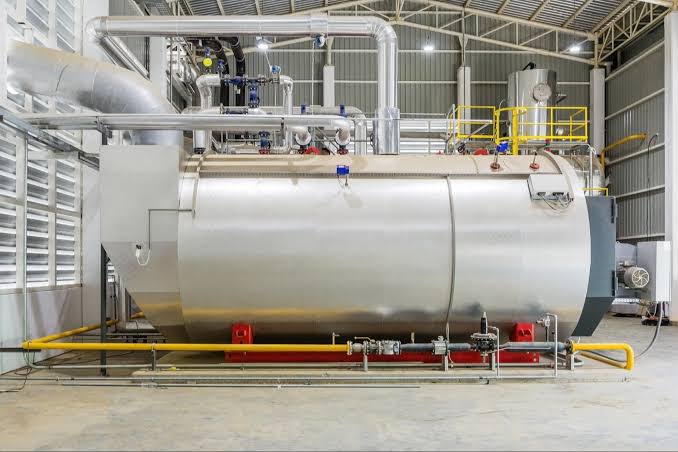
Top 10 Best Boiler Manufacturers in India in 2027
The Indian boiler manufacturing industry has developed considerably, with domestic engineering companies offering advanced steam-generation equipment, fuel-efficient combustion systems, waste heat recovery solutions and automated boiler management technologies. Manufacturers are increasingly focusing on improving thermal efficiency, reducing fuel consumption, controlling emissions and developing equipment compatible with different industrial fuels, including coal, natural gas, oil, biomass and industrial waste gases.
Modern industrial boilers are also designed to provide better operational flexibility, improved safety and reduced maintenance requirements. Features such as automatic combustion control, advanced instrumentation, economisers, superheaters, efficient heat exchangers and intelligent monitoring systems have become important considerations for industrial buyers.
The following are ten prominent boiler manufacturers in India, offering solutions for different industrial requirements, capacities and applications.
1. Thermax Limited
Thermax Limited is one of India’s established engineering companies in the industrial boiler, energy and environmental solutions sector. Headquartered in Pune, Maharashtra, the company has developed a substantial portfolio of steam-generation equipment, industrial heating systems, waste heat recovery boilers and power plant solutions. Its boiler manufacturing capabilities serve industries such as chemicals, pharmaceuticals, fertilisers, textiles, paper, sugar, steel, cement, food processing and oil and gas. Thermax caters to businesses requiring both conventional steam-generation equipment and specialised high-capacity boiler installations.
The company’s product portfolio includes packaged steam boilers, solid fuel-fired boilers, oil and gas-fired boilers, biomass-fired boilers, high-pressure boilers, waste heat recovery boilers and waste-to-energy systems. Its UltraPac and CombiPac product ranges address industrial process heating requirements, while its bi-drum boiler systems are designed for applications involving higher-pressure steam generation, cogeneration and power production. The company also offers specialised equipment for industrial facilities that need continuous steam supply and the ability to operate using different fuel sources.
An important area of Thermax’s expertise is its work with biomass and agricultural waste. Its boiler technologies can utilise fuels such as rice husk, wood chips, biomass briquettes, agricultural residues and other solid fuels. This is relevant to industries seeking alternatives to conventional fossil fuels. The company’s GreenPac biomass boiler, for instance, is designed to handle difficult agricultural residues, including rice straw and mustard straw. Its design incorporates specialised combustion technology, automated cleaning arrangements, heat recovery equipment and digital monitoring capabilities.
Thermax also manufactures waste heat recovery boilers that capture thermal energy from industrial exhaust gases and convert it into useful steam. These systems can be particularly valuable for carbon black plants, steel facilities, glass manufacturing units, refineries and other energy-intensive industries. Recovering heat that would otherwise be discharged into the atmosphere can reduce the requirement for additional fuel and improve the overall energy utilisation of an industrial facility.
The company provides engineering, procurement and construction capabilities for larger industrial energy projects. Its services extend beyond boiler supply to include plant engineering, installation, commissioning, maintenance, operational support and modernisation. Its digital monitoring and automation solutions help industrial customers monitor boiler performance, identify operational inefficiencies and manage equipment reliability.
Thermax is particularly relevant for businesses looking for an integrated boiler and energy-management partner rather than an equipment supplier alone. Its combination of packaged boilers, large industrial steam generators, biomass systems, waste heat recovery technologies and environmental equipment makes it suitable for projects with varied technical requirements. Its extensive experience in industrial energy systems also makes it a prominent name in India’s boiler manufacturing industry.
2. Bharat Heavy Electricals Limited (BHEL)
Bharat Heavy Electricals Limited (BHEL) is one of India’s largest public-sector engineering and manufacturing companies, with a major presence in power generation equipment and industrial infrastructure. Established in 1964, the company manufactures steam generators, turbines, generators, boilers and other equipment required for thermal power plants and industrial applications. Its boiler manufacturing capabilities are particularly important for India’s electricity generation infrastructure, where large-capacity steam generators are required to operate continuously under demanding conditions.
BHEL manufactures utility boilers for different power-generation capacities and fuel requirements. Its product portfolio includes pulverised coal-fired boilers, circulating fluidised bed combustion boilers, industrial steam generators and boilers designed for different conventional and alternative fuels. The company has manufacturing capabilities for conventional steam generators ranging from smaller utility capacities to large installations, including supercritical boiler technology. Its capabilities also extend to steam generators for nuclear power applications, subject to the relevant technical and regulatory requirements.
The company’s supercritical and advanced boiler technologies are important for large power-generation projects. Supercritical boilers operate at pressures and temperatures above the critical point of water, enabling power plants to achieve higher efficiency compared with conventional subcritical technology. BHEL has developed manufacturing capabilities for supercritical steam generators and equipment for large power units. Its portfolio includes capabilities for supercritical boiler units of up to 1,000 MW.
Another important area is circulating fluidised bed combustion technology. CFBC boilers are designed to accommodate different fuel characteristics and can be used with coal, lignite, petcoke and other suitable fuels. The combustion process allows effective fuel utilisation and provides flexibility in handling fuels that may be difficult to burn efficiently in conventional systems. Such boilers are relevant to industrial facilities and power projects where fuel quality and availability can vary.
BHEL also manufactures industrial boilers for sectors requiring substantial quantities of process steam. These applications include fertilisers, steel, cement, chemicals, refineries, paper and other heavy manufacturing industries. Depending on project requirements, the company can provide different boiler configurations, combustion systems and associated equipment. Its manufacturing portfolio includes economisers, superheaters, air preheaters and other boiler pressure parts that contribute to efficient steam generation.
The company’s engineering capabilities are supported by manufacturing facilities, research and development activities, quality assurance systems and experience in executing large infrastructure projects. Boiler manufacturing requires specialised fabrication, welding, pressure-part engineering and stringent inspection procedures. BHEL’s experience in heavy electrical and mechanical equipment manufacturing provides an important foundation for these operations.
In addition to equipment manufacturing, BHEL undertakes engineering and project-related activities, including installation support, commissioning, renovation, modernisation and maintenance. Its services are relevant to power utilities and industrial customers operating large steam-generation facilities. The company also has experience in fuel-flexible technologies and equipment designed to meet changing operating and environmental requirements.
BHEL is particularly suited to large-scale utility power plants, public-sector infrastructure projects and industrial facilities with high-capacity steam-generation requirements. Its extensive manufacturing infrastructure and experience with conventional and supercritical technologies make it one of the most significant boiler manufacturers in the Indian engineering industry.
3. ISGEC Heavy Engineering Limited
ISGEC Heavy Engineering Limited is an Indian engineering and manufacturing company with extensive capabilities in boilers, pressure vessels, process equipment, power plants and industrial machinery. Headquartered in Noida, Uttar Pradesh, the company has a long operating history and serves domestic and international industrial customers. Its boiler business covers equipment for process industries, captive power generation, independent power plants and specialised industrial applications.
ISGEC manufactures different types of industrial and power boilers, including pulverised coal-fired boilers, fluidised bed combustion boilers, oil and gas-fired boilers, biomass-fired boilers and waste heat recovery boilers. Its engineering capabilities allow it to address projects involving different steam capacities, operating pressures, fuel types and industrial operating conditions. These products are relevant to sectors such as sugar, chemicals, cement, paper, steel, fertilisers and other process industries.
The company’s circulating fluidised bed combustion and atmospheric fluidised bed combustion technologies are important components of its boiler portfolio. These systems can accommodate a range of solid fuels, depending on the boiler configuration and operating conditions. Fluidised bed combustion technology is particularly useful where fuel characteristics, including ash content and calorific value, require specialised combustion arrangements. Such flexibility can help industrial customers manage fuel availability and operating costs.
ISGEC also has capabilities in waste heat recovery systems. Industrial facilities frequently release high-temperature exhaust gases during manufacturing operations. Instead of allowing this energy to go unused, waste heat recovery boilers can capture the thermal energy and use it to generate steam. This steam can support manufacturing processes or contribute to captive power generation. These solutions are relevant to steel plants, cement facilities, refineries, chemical plants and other energy-intensive industries.
Another important part of the company’s business is its engineering, procurement and construction capability. ISGEC undertakes projects involving power plants and associated industrial equipment. Its integrated engineering approach enables customers to procure boiler systems along with other necessary equipment and project services. This can include material handling systems, pollution-control equipment, pressure vessels and associated plant infrastructure.
The company also manufactures pressure vessels, heat exchangers and other process equipment that complement its boiler operations. These capabilities are useful for industrial customers requiring multiple types of engineered equipment from a single supplier. Its experience in heavy engineering and fabrication is particularly relevant to projects involving complex pressure-containing components and demanding operating environments.
ISGEC’s boiler solutions are designed around industrial requirements such as steam availability, combustion efficiency, fuel flexibility, equipment durability and compliance with applicable standards. The company also undertakes modernisation and related engineering work for existing installations. Industrial operators can benefit from such services when upgrading equipment, improving performance or adapting boilers to changing fuel requirements.
With its combination of industrial boilers, power-generation equipment, waste heat recovery technology and heavy engineering capabilities, ISGEC is an established choice for companies seeking customised steam-generation and industrial energy solutions. Its international project experience also supports its position in the broader boiler manufacturing market.
4. Forbes Marshall
Forbes Marshall is a prominent Indian engineering company specialising in steam engineering, industrial boilers, process efficiency and automation solutions. Founded in 1946, the company has built its business around improving the efficiency, reliability and safety of industrial steam systems. Headquartered in Pune, Maharashtra, it serves manufacturing businesses across several sectors, including pharmaceuticals, chemicals, food processing, textiles, paper, power and other process industries.
The company’s boiler portfolio includes oil and gas-fired boilers, biomass-fired boilers, industrial waste-fired boilers and exhaust gas and heat recovery boilers. Its products cater to different steam-generation requirements, from smaller industrial installations to larger facilities requiring substantial quantities of process steam. Its packaged boiler systems are designed to provide reliable steam generation while reducing installation complexity and maintenance requirements.
Forbes Marshall’s oil and gas-fired boiler range includes equipment designed for different fuel types, such as high-speed diesel, light diesel oil, furnace oil, low sulphur heavy stock, natural gas and liquefied petroleum gas. Its industrial steam boilers are available in capacities ranging from approximately 500 kilograms per hour to 35 tonnes per hour. This makes the portfolio relevant to both smaller manufacturing units and larger industrial facilities.
The company’s Marshall B Series and Marshall C Series packaged boilers are designed for industrial steam applications. Other product offerings include duplex boilers, DynaMax small industrial boilers and compact packaged systems. These products incorporate engineering features intended to support efficient heat transfer, reliable combustion and consistent steam production. Compact and modular configurations can also help reduce the space required for boiler installation.
An important part of Forbes Marshall’s business is its broader steam engineering expertise. Boiler efficiency depends not only on the equipment used to generate steam but also on how steam is distributed, monitored and recovered throughout the plant. The company offers steam traps, condensate management systems, control valves, instrumentation, automation equipment and process monitoring solutions. These technologies help industrial facilities identify steam losses and improve energy utilisation.
The company’s services also include boiler efficiency monitoring, safety monitoring and digital performance management. Through instrumentation and automation, industrial operators can monitor important operating parameters, identify changes in boiler performance and improve maintenance planning. Such capabilities are especially useful for facilities where uninterrupted steam supply is essential to production quality and operational continuity.
Forbes Marshall also has a presence in biomass-based energy generation through ForbesVyncke, its joint venture with Belgium-based Vyncke. The business offers biomass-based power and cogeneration solutions that utilise biomass and industrial waste as energy sources. Cogeneration systems can produce both electricity and useful process heat, helping industrial facilities make better use of their fuel resources.
The company’s approach combines boiler manufacturing with steam-system optimisation and industrial automation. This makes it relevant to customers who want to improve the performance of their entire steam network rather than simply replace an existing boiler. Its experience in process industries and range of supporting technologies make Forbes Marshall an important name in India’s industrial boiler and steam engineering sector.
5. TKIL Industries Private Limited
TKIL Industries Private Limited, formerly known as thyssenkrupp Industries India Private Limited, is an engineering company with a substantial presence in boilers, power plants, sugar machinery, cement equipment and industrial manufacturing solutions. Its energy business has been involved in the development and supply of large-capacity boilers since the 1970s. The company’s boiler operations initially developed around the sugar industry and subsequently expanded into industrial power generation and turnkey thermal power projects.
TKIL offers boiler technologies suitable for solid, liquid and gaseous fuels. Its product portfolio includes circulating fluidised bed combustion boilers, biomass-fired boilers and waste heat recovery boilers. The company also manufactures boiler components and pressure parts through its manufacturing facilities in Pune and Hyderabad. These capabilities allow it to participate in projects requiring specialised boiler engineering and fabrication.
One of the company’s important offerings is its CFBC boiler technology. Its circulating fluidised bed combustion boilers are available in capacities ranging from approximately 50 tonnes per hour to 1,000 tonnes per hour. These systems are designed for industrial and power-generation applications involving different types of solid fuels. Their configurations include water-tube construction, natural circulation and associated heat recovery components such as economisers and air heaters.
TKIL’s CFBC boilers are designed to operate using fuels such as domestic and imported coal, lignite, petcoke, washery rejects and other suitable solid fuels. Their multi-fuel capabilities are useful for industrial operators that need to manage variations in fuel quality and availability. The technology also incorporates combustion and emission-management features intended to support reliable operation and environmental performance.
The company offers biomass-fired boilers for facilities seeking to utilise agricultural and other biomass resources. Such systems can be relevant to sugar mills, agro-processing businesses, paper manufacturers and industrial units located near biomass-producing regions. Biomass availability varies according to geography and season, making combustion design, fuel feeding and ash handling important considerations in boiler selection.
Waste heat recovery is another area of TKIL’s capabilities. Its systems are designed to recover thermal energy from industrial processes and use it for steam generation. This can improve energy utilisation in facilities that produce substantial quantities of recoverable waste heat. The company also offers heat recovery steam generator systems for relevant industrial and power-generation applications.
TKIL’s broader industrial engineering business provides additional capabilities for customers undertaking integrated projects. Its offerings include manufacturing, engineering, erection and commissioning support. The company can participate in projects involving boiler installations, power-generation systems and related plant infrastructure. Its experience in sugar machinery also gives it an understanding of the thermal and cogeneration requirements of sugar-processing facilities.
With its experience in large-capacity CFBC boilers, biomass systems, waste heat recovery and turnkey power projects, TKIL is an established supplier for industrial customers seeking specialised steam-generation equipment. Its engineering and manufacturing infrastructure makes it relevant to both domestic and international industrial projects.
6. Cheema Boilers Limited
Cheema Boilers Limited (CBL) is an Indian boiler manufacturing and engineering company headquartered in Mohali, Punjab. The company specialises in industrial steam boilers, power boilers, biomass-fired systems, cogeneration equipment and associated engineering solutions. With more than three decades of experience in boiler manufacturing, it serves customers across a variety of industrial sectors, including sugar, distilleries, chemicals, pharmaceuticals, textiles, paper, food processing and power generation.
The company’s product portfolio includes atmospheric fluidised bed combustion boilers, grate-fired boilers, oil and gas-fired boilers, biomass-fired boilers, slop-fired boilers and waste heat recovery boilers. It manufactures equipment for both process industries and power-generation applications. Its product range includes solutions for small and medium-sized industrial steam requirements as well as larger captive and independent power projects.
Cheema Boilers’ process boiler portfolio includes products such as Hypac, Energypac, Energypac Plus, Effypac, GasPac, Steam Marshal, Steam Max and INPAC. These products are designed for different fuel requirements, operating conditions and industrial applications. Hypac, for example, is a process boiler designed to provide efficient steam generation through its water-tube and smoke-tube configuration. Its design incorporates a substantial water-holding capacity and steam-generation arrangement intended to deliver consistent steam quality.
The company’s GasPac and OilPac boilers are designed for industrial applications using liquid and gaseous fuels. Their packaged configurations support efficient combustion and heat transfer. Effypac is another product offering designed with a skid-mounted and plug-and-play configuration, which can help reduce on-site erection requirements. Steam Marshal, meanwhile, is designed for rice husk-fired applications and incorporates bubbling bed combustion technology to improve fuel utilisation.
Cheema Boilers also has a substantial presence in power boilers. Its AFBC and grate-fired boiler systems are designed for facilities requiring higher steam-generation capacities and captive power production. These systems can utilise different solid fuels, depending on their technical configuration. The company also manufactures waste heat recovery boilers that help industrial facilities recover energy from exhaust gases and process waste heat.
Biomass is an important part of the company’s product portfolio. Its biomass-fired systems are relevant to industries seeking to use rice husk, agricultural residues and other suitable renewable fuel sources. The company also manufactures slop-fired boilers for distilleries and other industrial operations where specialised waste-derived fuel handling is required. Such systems require appropriate combustion design, fuel feeding and emission-control arrangements.
Beyond boiler manufacturing, Cheema Boilers provides engineering and support services, including boiler installation, maintenance, retrofitting, modernisation, operational audits and spare parts. It also offers pollution-control equipment such as electrostatic precipitators, bag filters, cyclones and wet scrubbers. These systems can be integrated into industrial boiler installations to address particulate emissions and other environmental requirements.
The company has developed capabilities in integrated power plant solutions and provides engineering support for captive and independent power generation projects. Its offerings also include boiler water treatment systems, which are important for reducing scaling, corrosion and other problems associated with poor feedwater quality.
Cheema Boilers is relevant to businesses looking for customised industrial steam-generation systems, biomass-fired equipment and integrated boiler-related services. Its combination of process boilers, power boilers, pollution-control technologies and maintenance capabilities makes it a recognised participant in India’s boiler manufacturing industry.
7. Walchandnagar Industries Limited
Walchandnagar Industries Limited (WIL) is an established Indian heavy engineering company with a history dating back to 1908. Headquartered in Maharashtra, the company has operations across several engineering and manufacturing segments, including power plants, industrial boilers, sugar machinery, cement equipment, foundry products and specialised engineering components. Its boiler business is an important part of its industrial equipment portfolio, serving customers requiring process steam, cogeneration and power-generation solutions.
Walchandnagar manufactures high-efficiency, multi-fuel industrial boilers and steam generators. Its capabilities are supported by engineering technology acquired from Foster Wheeler and its experience in heavy fabrication and project execution. The company offers boiler solutions for different industrial fuels, including bagasse, coal, lignite, biomass, municipal solid waste, natural gas and other suitable fuels.
Its boiler portfolio includes travelling grate boilers, pulverised fuel boilers, atmospheric fluidised bed combustion boilers and circulating fluidised bed combustion boilers. It also manufactures oil and gas-fired boilers, waste heat recovery boilers and packaged boilers. This range enables the company to address the requirements of industries with different steam-generation capacities and fuel characteristics.
Walchandnagar’s industrial boilers are designed for applications involving substantial process steam requirements and captive power generation. The company has capabilities to manufacture boilers with capacities of up to 300 tonnes per hour, operating pressures of up to 125 kg/cm² and steam temperatures of up to 540 degrees Celsius. These specifications make its products relevant to demanding industrial and cogeneration applications.
Biomass-fired boilers are an important part of its business. The company works with different biomass fuels, including bagasse, paddy husk, straw, soybean stalks, cotton stalks, mustard husk, corn cobs and wood-based residues. These fuels are particularly relevant to agricultural processing facilities and industries located in regions where biomass is available. The company’s boiler configurations are designed around the combustion and fuel-handling requirements associated with these materials.
Walchandnagar also offers AFBC and CFBC boiler systems. Its AFBC boilers are available in capacities ranging from approximately 15 tonnes per hour to 150 tonnes per hour. Its CFBC technology is designed for applications requiring higher capacities and multi-fuel flexibility. These systems incorporate combustion and heat recovery arrangements intended to support efficient operation and manage different fuel characteristics.
Waste heat recovery is another area of the company’s capabilities. Its systems can recover thermal energy from gas turbine exhaust, diesel engine exhaust and industrial process gases. The recovered heat can be used for steam generation, contributing to better energy utilisation in industrial facilities and power plants.
The company also undertakes turnkey and semi-turnkey power plant projects. Its engineering services cover design, manufacturing, supply, erection and commissioning of relevant equipment. Walchandnagar has experience in captive and independent power projects, including cogeneration installations associated with sugar manufacturing. Its experience in sugar machinery provides an additional advantage in understanding the operational requirements of sugar mills and their associated power-generation facilities.
With more than five decades of boiler installation experience and a portfolio covering biomass, coal, fluidised bed combustion and waste heat recovery technologies, Walchandnagar Industries is an established supplier for industrial and power-generation customers. Its heavy engineering capabilities make it suitable for projects requiring customised boiler systems and associated plant infrastructure.
8. Rakhoh Industries Private Limited
Rakhoh Industries Private Limited is a Pune-based Indian boiler manufacturing company specialising in industrial steam boilers, packaged boilers, solid fuel-fired systems and thermic fluid heaters. The company serves manufacturing facilities that require dependable steam and heating solutions for their production processes. Its product portfolio is designed to address different industrial capacities, fuel preferences and operating conditions.
Rakhoh’s boiler offerings include solid fuel-fired boilers, packaged modular boilers, oil and gas-fired boilers, hybrid boilers and waste heat recovery boilers. The company also manufactures thermic fluid heaters for industrial heating applications where indirect heating is required instead of conventional steam generation. These products are relevant to sectors such as pharmaceuticals, chemicals, food processing, textiles, paper, rubber, packaging and other manufacturing industries.
One of its important product categories is the Power X solid fuel-fired boiler. This range is designed for industrial facilities that use solid fuels for steam generation. Depending on the configuration, such systems can accommodate fuels used in industrial combustion applications, including biomass and other suitable solid fuels. Fuel selection and boiler configuration are important because different solid fuels have varying moisture content, calorific value, ash characteristics and combustion requirements.
The company also offers Combo X, a packaged modular multi-fuel-fired steam boiler. Its modular design is intended to simplify installation and provide flexibility for industrial customers. Packaged boiler systems can reduce the amount of fabrication and assembly required at the installation site, potentially making commissioning more convenient. Such equipment is particularly relevant to businesses seeking compact steam-generation systems.
Rakhoh’s Optipac range includes packaged-type boilers designed for industrial steam requirements. Its OilPac and GasPac products address applications involving liquid and gaseous fuels. These boilers are relevant to businesses that require controlled combustion and consistent steam generation using conventional industrial fuels. The company’s product range also includes Power X-D, an oil and gas-fired boiler configuration.
Membrane X is another important product in the company’s portfolio. It is a multi-fuel hybrid solid fuel-fired boiler designed for industrial applications, including facilities using biomass. The company also offers specialised configurations for biomass materials such as paddy straw and agricultural residues. Such systems require appropriate combustion and fuel-feeding arrangements to maintain reliable steam output.
Rakhoh also manufactures Huskon boilers and waste heat recovery systems. Waste heat recovery boilers are useful for facilities that generate high-temperature exhaust gases and want to recover some of the energy through steam generation. This can improve overall plant energy utilisation and help reduce dependence on additional fuel.
The company’s thermic fluid heaters serve industrial applications requiring high-temperature heating through a circulating thermal fluid. These systems are used in manufacturing processes where indirect heating offers operational advantages. Their applications include chemical processing, textiles, pharmaceuticals and other industries with specialised heating requirements.
Apart from manufacturing, Rakhoh provides services associated with boiler installation, maintenance, spare parts and technical support. Industrial buyers can consider these services when evaluating the long-term operating requirements of their equipment. Factors such as access to replacement components, maintenance response, technical assistance and commissioning support can significantly influence boiler performance over its operating life.
Rakhoh Industries is a relevant option for businesses looking for packaged industrial boilers, solid fuel-fired systems, multi-fuel equipment and specialised heating solutions. Its range of products allows customers to evaluate different boiler configurations according to steam demand, fuel availability, installation space and operational requirements.
9. Thermodyne Engineering Systems
Thermodyne Engineering Systems is an Indian industrial boiler and thermal engineering company specialising in steam-generation equipment, industrial heating solutions and boiler accessories. The company has more than two decades of experience in the industrial heating sector and serves customers across several manufacturing and process industries. Its portfolio includes steam boilers, hot water generators, hot air generators, thermic fluid heaters and other thermal equipment.
Thermodyne manufactures different types of industrial boilers, including fire-tube boilers, water-tube boilers, packaged steam boilers, high-pressure boilers and solid fuel-fired systems. These products are designed for businesses requiring steam or heat for manufacturing operations. The company caters to industrial customers in sectors such as food processing, pharmaceuticals, chemicals, textiles, paper, hospitality, engineering and other process industries.
Its fire-tube boilers are designed for applications where hot combustion gases pass through tubes surrounded by water. This arrangement supports steam generation through heat transfer from the combustion gases to the surrounding water. Fire-tube boilers are commonly considered for industrial facilities requiring relatively compact steam-generation systems. Their suitability depends on the required steam output, operating pressure and process conditions.
Thermodyne’s water-tube boilers use a different configuration, with water circulating through tubes exposed to hot combustion gases. Such systems are used for applications requiring different pressure and capacity characteristics. The company’s portfolio also includes high-pressure boiler configurations for industrial customers with specialised steam requirements.
The company offers packaged steam boilers intended to simplify installation and reduce the complexity associated with on-site assembly. Its product range also includes baby boilers for smaller steam requirements. These systems can be relevant to small manufacturing units, commercial facilities and businesses that do not require the large steam capacities associated with major industrial plants.
Fuel flexibility is another important aspect of Thermodyne’s product portfolio. Its industrial heating solutions include equipment designed for different conventional fuels and solid fuel applications. Depending on the selected configuration, industrial users can evaluate options involving coal, biomass, oil and gaseous fuels. The availability of different boiler types allows customers to choose systems according to fuel costs, supply conditions and process requirements.
In addition to steam boilers, Thermodyne manufactures thermic fluid heaters, hot water generators and hot air generators. Thermic fluid heaters are used in industrial processes requiring indirect heating at controlled temperatures. Hot water generators support applications involving industrial and commercial hot water requirements, while hot air generators are relevant to drying, heating and process applications.
The company’s boiler-related services include energy consultancy, customised heating solutions, maintenance support and technical assistance. It also focuses on improving thermal efficiency through waste heat recovery, condensate heat recovery and fuel-conversion solutions. These services can help industrial operators assess energy losses and identify opportunities to improve equipment performance.
Thermodyne’s manufacturing capabilities include plate rolling, welding, tube bending, machining, heat treatment and heavy fabrication. Its facilities also incorporate quality-control and testing arrangements. The company identifies IBR compliance and other applicable engineering standards as important aspects of its manufacturing operations. Buyers should verify the specific approvals and certifications applicable to the model and capacity being procured.
Thermodyne is particularly relevant to small and medium-sized industrial customers looking for packaged boilers, fire-tube and water-tube systems, thermic fluid heaters and customised industrial heating equipment. Its range of thermal engineering products makes it a notable participant in India’s industrial boiler manufacturing sector.
10. Industrial Boilers Limited
Industrial Boilers Limited (IBL) is an Indian engineering company associated with the manufacturing of packaged industrial boilers and steam-generation equipment. It operates in the industrial thermal energy segment, catering to businesses that depend on steam for manufacturing and processing activities. Its boiler-related capabilities are relevant to process industries that require dependable steam supply, appropriate fuel utilisation and equipment designed around specific operating conditions.
Industrial Boilers Limited is recognised as one of the established participants in India’s organised packaged boiler manufacturing sector. Its business is associated with industrial steam-generation systems designed for manufacturing facilities with different steam requirements. Packaged boilers are particularly important for businesses that need equipment supplied in an integrated configuration, reducing the complexity of installation and assembly at the customer’s premises.
The company’s relevance lies in the industrial boiler segment, where equipment must be designed around factors such as steam output, working pressure, fuel type, feedwater quality and operating hours. These parameters influence the boiler’s configuration, combustion system, heat-transfer arrangement and auxiliary equipment. Industrial customers must also consider whether a particular boiler is suitable for continuous operation or intermittent production requirements.
Packaged industrial boilers generally incorporate important components such as the furnace, combustion equipment, heat-transfer surfaces, pressure parts, controls and safety systems. Depending on the boiler design, additional equipment such as economisers, blowdown arrangements, feedwater pumps, burners and instrumentation may be required. Proper integration of these components is important for achieving reliable steam production and maintaining safe operating conditions.
For industrial facilities, boiler efficiency is closely linked to fuel consumption and operating costs. Even relatively small improvements in combustion performance and heat recovery can have a meaningful impact on annual energy expenditure when equipment operates for extended periods. Businesses evaluating Industrial Boilers Limited should therefore examine the technical efficiency of the specific model, its operating characteristics and the availability of supporting services.
Another important consideration is the management of boiler feedwater. Water containing excessive dissolved minerals or impurities can contribute to scale formation, corrosion and reduced heat-transfer performance. Effective water treatment, regular blowdown and appropriate monitoring are necessary to protect boiler pressure parts and maintain operational reliability. Boiler manufacturers and associated service providers can help customers identify suitable water-management arrangements.
Industrial buyers should also evaluate the control and safety features provided with a boiler. Pressure monitoring, temperature controls, water-level indicators, flame safeguards, alarms and appropriate protection systems are essential components of safe boiler operation. The precise requirements depend on the equipment design, applicable Indian Boiler Regulations and the operating environment.
The company’s position in the packaged boiler segment makes it relevant to businesses seeking industrial steam-generation equipment rather than only large utility-scale power boilers. However, procurement decisions should be based on current product availability, manufacturing approvals, technical specifications, references from existing installations and service capabilities for the particular project.
Industrial Boilers Limited represents the specialised packaged boiler manufacturing segment of India’s engineering industry, where reliability, fuel efficiency, equipment safety and long-term maintenance support are important purchasing considerations.
Important Factors to Consider When Choosing a Boiler Manufacturer
Selecting a boiler manufacturer requires an assessment of the industrial facility’s steam-generation requirements, operating conditions and long-term energy costs. Businesses should begin by determining the quantity of steam required during normal production, peak operating periods and future expansion. Boiler capacity is generally expressed in tonnes per hour (TPH) or kilograms per hour, and the appropriate capacity depends on the plant’s actual steam demand.
Fuel compatibility is another important consideration. Industrial boilers may operate using coal, biomass, rice husk, bagasse, natural gas, furnace oil, diesel, petcoke or other fuels. The choice should account for fuel availability, transportation costs, calorific value, moisture content, ash generation and environmental requirements. A multi-fuel boiler can offer flexibility, but its actual performance must be assessed against the specific fuels the facility intends to use.
Thermal efficiency should also be evaluated carefully. Economisers, air preheaters, effective insulation, efficient combustion systems and heat recovery arrangements can help reduce fuel consumption. Businesses should examine the manufacturer’s stated efficiency figures, the testing conditions under which they were calculated and the expected performance under actual operating conditions.
Safety and regulatory compliance are equally important. Boilers covered by the applicable provisions of the Boilers Act, 2025, and the Indian Boiler Regulations must meet the relevant design, manufacturing, inspection, registration and operational requirements. Buyers should verify the manufacturer’s current approvals, applicable certifications, inspection documentation and compliance with the requirements governing the specific boiler installation.
After-sales service is another important factor because boiler performance depends on regular maintenance, inspection and timely replacement of components. Customers should examine the manufacturer’s service network, availability of spare parts, maintenance arrangements, technical assistance and commissioning capabilities before making a purchase.
Ultimately, the right boiler manufacturer depends on the scale of the project, the type of industry, fuel availability, steam requirements, operating pressure, energy efficiency expectations and long-term maintenance considerations. Comparing these factors can help businesses select an appropriate boiler system that supports reliable production, efficient energy utilisation and safe industrial operations.