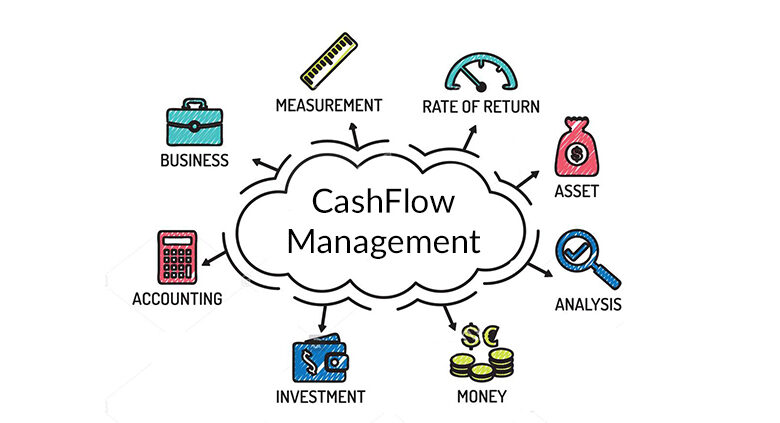
Top 10 Best Cash Flow Management Software in India in 2027
Cash flow management is an important part of running a financially stable business. Whether it is a small business, startup, manufacturing company, retail enterprise or large corporation, maintaining a clear picture of money coming into and going out of the organisation is essential for making informed financial decisions. Even businesses that generate consistent revenue can face financial difficulties when customer payments are delayed, operating expenses increase, inventory costs rise or short-term financial obligations become difficult to meet.
Cash flow management software helps businesses monitor their financial position, track receivables and payables, manage expenses, prepare cash flow forecasts and understand their available working capital. Instead of depending entirely on spreadsheets and manually updated accounting records, companies can use these platforms to consolidate financial information and gain better visibility into their cash position.
In India, the importance of cash flow management has increased with the growing adoption of digital payments, cloud accounting, GST-compliant business software, automated banking integrations and enterprise resource planning systems. Businesses increasingly require software that can work with Indian accounting practices, support multiple bank accounts, track outstanding invoices, manage vendor payments and provide useful financial reports.
Modern cash flow management platforms also offer capabilities such as automated reconciliation, payment reminders, expense categorisation, financial dashboards, budgeting, scenario planning and integration with accounting applications. These features help business owners, finance teams, accountants and chief financial officers identify potential cash shortages and plan expenditure more effectively.
The following are ten notable cash flow management software platforms available to Indian businesses, covering accounting-led solutions, dedicated cash flow forecasting applications and broader financial management systems.
1. Zoho Books
Zoho Books is one of the most comprehensive cloud-based accounting and financial management platforms for businesses in India. Developed by Zoho, the software helps organisations manage their accounting operations, monitor income and expenditure, track outstanding payments and maintain financial records through a centralised online system. It is particularly useful for startups, small and medium-sized enterprises, professional service providers, consultants and growing businesses that want better control over their finances without investing in a complicated enterprise accounting infrastructure.
One of the important capabilities of Zoho Books is its cash flow reporting functionality. Businesses can use financial reports to understand how money moves through their operations, evaluate their income and expenses, and identify changes in their financial position. Its accounting system records sales, purchases, expenses, customer payments and supplier transactions, helping finance teams maintain an updated view of financial activity. The platform also supports bank feeds and bank reconciliation, making it easier to compare accounting entries with actual bank transactions and identify discrepancies.
Zoho Books provides accounts receivable and accounts payable management features that are particularly relevant to cash flow planning. Businesses can create invoices, monitor payment statuses, maintain customer records and send automated payment reminders. These capabilities help organisations follow up on overdue invoices and reduce delays in receiving payments. On the expenditure side, companies can record supplier bills, track payment deadlines and manage their outstanding obligations. Having information about incoming and outgoing payments in one system helps businesses understand their expected liquidity requirements.
The platform also offers expense management, recurring invoices, purchase orders, sales orders, inventory management and transaction categorisation. Its GST-related features are important for Indian businesses that need to maintain tax-compliant financial records. Depending on the subscription plan and applicable configuration, users can access GST reports, e-invoicing capabilities and other compliance-related functions. Zoho Books also supports multiple currencies, making it useful for companies dealing with international customers and suppliers.
Another advantage is its integration with the broader Zoho ecosystem. Businesses can connect their accounting operations with applications such as Zoho CRM, Zoho Inventory and other business productivity tools. This can help finance teams obtain information about sales, purchases and customer transactions without maintaining multiple disconnected records. Its mobile applications also allow business owners to review financial information and manage routine accounting activities remotely.
Zoho Books offers different subscription plans, including a free option for eligible smaller businesses and paid plans with additional capabilities. Higher-tier plans provide more advanced features, including budgeting, cash flow forecasting and expanded financial management capabilities. Businesses should compare the available plans carefully because user limits, transaction allowances and specific features vary.
For Indian businesses looking for a combination of accounting, payment tracking, bank reconciliation and cash flow visibility, Zoho Books provides a practical cloud-based solution. It is particularly suitable for organisations that want to connect everyday bookkeeping with financial planning and reduce dependence on manually maintained spreadsheets.
2. TallyPrime
TallyPrime is a widely used business accounting and financial management software in India. Developed by Tally Solutions, it is particularly popular among traders, manufacturers, wholesalers, distributors, service providers and small and medium-sized enterprises. Its extensive accounting capabilities make it useful for organisations that want to monitor their financial transactions, manage outstanding payments, understand business expenses and maintain accurate records of their cash movements.
Cash flow management in TallyPrime is closely connected with its accounting, banking and financial reporting capabilities. The software allows businesses to record receipts, payments, sales, purchases, journal entries and other financial transactions. These records provide the foundation for understanding how money enters and leaves the organisation. Finance teams can use its accounting reports to examine cash balances, bank balances, outstanding customer payments and supplier liabilities.
The software provides cash flow and fund flow reporting capabilities that help businesses understand their financial position over a selected period. These reports can help management examine whether operating activities are generating sufficient cash and identify the financial impact of different transactions. Businesses can also review cash and bank balances to understand their available funds and evaluate their short-term financial commitments.
Its outstanding receivables and payables reports are useful for working capital management. Organisations can identify customers who have not paid their invoices, examine overdue balances and monitor supplier payments. TallyPrime supports bill-wise accounting, which helps businesses track individual invoices and payment obligations. This is particularly useful for wholesalers and distributors that handle numerous customer accounts and supplier transactions.
Bank reconciliation is another important functionality. TallyPrime enables businesses to reconcile accounting records with bank statements, helping identify unmatched entries and discrepancies. Its banking capabilities also support payment-related processes and the management of financial transactions. Accurate reconciliation is important because the accounting balance and actual bank balance may differ due to pending payments, deposits or transactions that have not yet been recorded.
For Indian companies, TallyPrime offers extensive GST-related accounting capabilities. Businesses can manage GST transactions, generate relevant reports, handle e-invoicing workflows and maintain records needed for statutory compliance. The platform also supports inventory management, purchase and sales tracking, cost centres, budgets and other financial controls. These capabilities are particularly relevant for companies where inventory purchases, production costs and supplier credit have a significant impact on cash flow.
TallyPrime is also suitable for businesses that need to manage multiple godowns, stock movements and financial transactions across different business activities. Its reporting capabilities can help management understand the relationship between inventory, sales, outstanding payments and available working capital. Companies can use this information to avoid excessive inventory purchases and improve the timing of payments.
The software is primarily associated with desktop-based accounting, although remote access and hosting arrangements can extend its accessibility. Its licensing options include single-user and multi-user editions, as well as rental arrangements. The final cost depends on the edition, licence model and additional services required.
TallyPrime is particularly appropriate for Indian businesses that already have established accounting processes and work with accountants familiar with the Tally environment. While it is not exclusively a dedicated treasury forecasting platform, its accounting reports, cash flow statements, banking tools and receivables management capabilities make it a useful option for everyday cash flow monitoring.
3. CashFlo
CashFlo is an Indian financial technology platform focused on finance automation, accounts payable management, vendor management and working capital optimisation. It is designed primarily for businesses with complex procurement, supplier payment and financial operations. Unlike conventional accounting software, CashFlo focuses on improving financial processes that directly influence how efficiently companies manage their outgoing cash and working capital.
One of its key areas is accounts payable automation. Large organisations often receive substantial volumes of supplier invoices, purchase documents and payment requests. Manually processing these documents can create delays, increase administrative workloads and make it difficult for finance departments to maintain visibility over upcoming cash requirements. CashFlo helps businesses streamline these processes through automated invoice workflows, document management and payment-related controls.
Its invoice processing and reconciliation capabilities can help organisations compare supplier invoices with relevant business records. This is important for identifying discrepancies before payments are approved. By improving the accuracy of invoice processing, businesses can reduce duplicate payments, avoid unnecessary financial leakage and maintain better control over their payable obligations.
CashFlo also offers vendor management capabilities. Companies can centralise supplier information, monitor vendor-related transactions and improve communication between procurement and finance teams. This is particularly useful for manufacturing companies, large distributors, consumer businesses and organisations that work with extensive supplier networks. Better visibility into vendor obligations allows finance teams to make more informed decisions about payment scheduling and working capital requirements.
Another important area is payment automation. Businesses can use financial workflow controls and payment-related integrations to streamline the movement of funds. CashFlo’s platform is designed to complement existing enterprise resource planning systems rather than replace them. It can integrate with a company’s existing ERP and banking arrangements, allowing organisations to improve financial operations without necessarily changing their entire accounting infrastructure.
The platform also focuses on supply chain financing and dealer financing. These capabilities are relevant because cash flow challenges do not always originate within a company’s own operations. Suppliers may require faster payments, while distributors and dealers may need additional credit to maintain inventory and meet demand. Financial solutions that connect these participants can help businesses improve the movement of working capital throughout their supply chains.
CashFlo highlights GST and compliance-related capabilities alongside invoice processing and payment controls. This can help businesses improve documentation, maintain financial oversight and reduce the risks associated with manual financial processes.
The platform is aimed more towards mid-sized and large organisations than individuals or very small businesses looking for simple income-and-expense tracking. Its pricing is customised according to the solutions selected and the requirements of the organisation.
For businesses dealing with high invoice volumes, complex vendor relationships and substantial procurement expenditure, CashFlo provides a specialised approach to cash flow management. Its strength lies in improving the processes that determine when and how money is paid, rather than functioning as a standalone bookkeeping application.
4. HighRadius
HighRadius is an enterprise financial technology platform that provides cash management, treasury management, accounts receivable automation and financial planning solutions. It is designed for medium-sized and large organisations that need to manage complex financial operations across multiple business units, banking relationships and geographical locations. Its cash flow management capabilities are particularly relevant for companies that want to improve liquidity forecasting, automate financial processes and gain better visibility into their working capital.
One of the major capabilities of HighRadius is AI-powered cash forecasting. Traditional cash forecasting often depends on historical financial statements, manually maintained spreadsheets and estimates prepared by finance teams. These processes can become difficult to manage when a company operates across several locations or deals with thousands of customer and supplier transactions. HighRadius uses historical financial information and financial transaction data to help organisations generate cash flow forecasts and evaluate expected liquidity requirements.
Its cash forecasting functionality helps treasury departments examine expected cash inflows and outflows over different periods. Businesses can analyse payment patterns, customer collections, supplier obligations and other financial activities to estimate their future cash positions. The platform also supports variance analysis, allowing finance teams to compare forecasted figures with actual financial results and understand where their assumptions may need adjustment.
HighRadius provides cash management capabilities that help organisations monitor balances across multiple bank accounts. This is particularly important for large companies that maintain relationships with several banks and operate through different subsidiaries. Consolidated cash visibility can help treasury teams understand where funds are available and whether money needs to be transferred between business entities or accounts.
Its accounts receivable automation capabilities also contribute to improved cash flow. Businesses can automate parts of their invoicing, collections and payment application processes. Finance teams can monitor overdue customer invoices, identify collection priorities and streamline communication with customers. Faster collection of outstanding payments can reduce the amount of working capital locked in receivables.
Another important feature is automated bank reconciliation. Matching bank transactions with accounting records manually can consume considerable time, particularly for companies processing large transaction volumes. HighRadius offers automation designed to improve transaction matching and reduce manual reconciliation work. Its treasury and risk management solutions also provide capabilities related to financial instruments and liquidity management.
HighRadius is suitable for organisations that require more than conventional accounting reports. Its focus is on financial intelligence, enterprise treasury operations, forecasting accuracy and working capital optimisation. The platform can be particularly relevant for large manufacturing companies, multinational businesses, financial service organisations and enterprises with complex receivables operations.
Implementation generally requires integration with the organisation’s existing ERP, accounting and banking infrastructure. Businesses should evaluate data availability, implementation requirements, integration capabilities and the total cost of ownership before selecting the platform.
For enterprises looking to strengthen financial planning and obtain a more forward-looking understanding of their cash position, HighRadius offers a specialised combination of artificial intelligence, automation and treasury management functionality.
5. SAP S/4HANA Cloud
SAP S/4HANA Cloud is an enterprise resource planning platform that includes extensive financial management and cash management capabilities. It is designed for large organisations that need to manage accounting, procurement, sales, inventory, banking and financial planning through an integrated enterprise system. Its cash management functionality is particularly useful for businesses that operate across multiple subsidiaries, countries, bank accounts and business divisions.
The platform provides centralised cash position monitoring, allowing finance departments to obtain an overview of available funds across different accounts and organisational units. Instead of relying on separate spreadsheets maintained by individual departments, companies can consolidate financial information and examine their cash positions through integrated reporting capabilities.
SAP’s cash management functionality includes cash flow forecasting and liquidity analysis. Businesses can examine actual cash movements and forecast expected inflows and outflows using information from integrated financial and operational processes. This helps treasury teams evaluate future liquidity requirements and identify potential cash shortages before they become operational problems.
One of the platform’s important capabilities is its Cash Flow Analyzer. This functionality allows authorised users to review aggregated cash positions, actual cash flows and medium- and long-term liquidity forecasts. Finance teams can examine cash movements across different periods, including days, weeks, months, quarters and years. They can also investigate individual cash flow items to understand the underlying transactions and financial documents.
SAP supports the integration of cash flow information from different source applications. This allows organisations to connect financial information with operational transactions such as customer invoices, supplier payments and other business activities. By consolidating these records, companies can improve the quality of their financial forecasts and obtain a more complete understanding of their liquidity position.
The platform also provides bank account management and bank relationship management capabilities. Organisations can centralise information about their bank accounts and establish structured processes for account opening, modification and closure. These controls are particularly useful for enterprises that need stronger oversight of their banking relationships and financial operations.
Another important aspect is its integration with procurement, accounts payable and accounts receivable processes. Companies can use the broader SAP ecosystem to monitor supplier obligations, customer payments, purchase commitments and other financial transactions. This helps finance teams understand how operational decisions influence cash availability.
SAP S/4HANA Cloud is also suitable for organisations that need financial reporting, multi-currency accounting, compliance management and enterprise-wide financial controls. Its extensive functionality makes it relevant to manufacturing, infrastructure, pharmaceuticals, retail, logistics and multinational businesses.
However, the platform is generally more suitable for organisations with substantial financial operations and dedicated IT and finance teams. Implementation, configuration, training and integration can require considerable planning and investment. Businesses should assess the specific SAP edition and licensing arrangement before making a decision.
For large Indian enterprises seeking an integrated approach to financial management, treasury visibility and cash flow forecasting, SAP S/4HANA Cloud provides a comprehensive enterprise-level solution.
6. Oracle NetSuite
Oracle NetSuite is a cloud-based enterprise resource planning platform that combines financial management, accounting, inventory, procurement, order management and business reporting. It is used by growing businesses and larger enterprises that want to consolidate financial and operational information within a single system. Its financial management capabilities make it useful for companies looking to improve cash flow visibility and maintain better control over their financial operations.
One of the important advantages of NetSuite is its integrated financial management environment. Businesses can record financial transactions, manage accounts receivable and accounts payable, monitor bank balances and generate financial statements through a centralised platform. This reduces the need to maintain separate financial records across different departments.
Cash flow management depends heavily on the availability of accurate information about expected receipts and upcoming payments. NetSuite helps organisations maintain this information through its accounting and financial reporting functions. Finance teams can examine outstanding customer invoices, supplier bills, payment transactions and other financial obligations to understand their current financial position.
Its accounts receivable functionality allows companies to manage customer invoices, track outstanding amounts and monitor payment activity. Businesses can use this information to identify delayed collections and understand how much money is expected from customers. Accounts payable management helps finance departments monitor supplier bills, manage payment schedules and maintain visibility into upcoming financial commitments.
NetSuite also offers bank reconciliation and cash management-related capabilities. Businesses can maintain banking information, record transactions and reconcile their accounting records against bank statements. This helps reduce discrepancies and improve the reliability of financial reports. Better reconciliation also helps management obtain a more accurate understanding of the funds actually available to the organisation.
Another important feature is its financial reporting and dashboard functionality. Companies can monitor key financial indicators, review income and expenditure patterns and generate reports based on their business requirements. Its multi-subsidiary and multi-currency capabilities are useful for businesses operating through multiple legal entities or international markets.
The platform also connects financial information with other business processes. For example, inventory purchases, sales orders and procurement activities can influence the company’s expected cash requirements. By connecting these activities with financial management, NetSuite helps businesses understand the wider impact of operational decisions on liquidity.
NetSuite can be particularly useful for Indian companies expanding into international markets, businesses managing multiple subsidiaries and organisations that require more sophisticated financial controls. Its cloud-based deployment also enables authorised users to access financial information from different locations.
The software is generally offered through customised subscription and implementation arrangements. The overall cost depends on the number of users, selected modules, business complexity and implementation requirements. Organisations should also evaluate local compliance configurations and integration requirements before adopting the platform.
For companies that have outgrown basic accounting software and need integrated financial management, reporting and cash flow monitoring, Oracle NetSuite offers a scalable solution.
7. Odoo Accounting
Odoo Accounting is part of the broader Odoo business management ecosystem. It provides accounting, invoicing, payment tracking, bank reconciliation and financial reporting capabilities that help businesses manage their financial operations. The software is particularly useful for organisations that want to combine accounting with other business functions such as sales, purchasing, inventory, manufacturing and customer relationship management.
One of its important advantages is the connection between accounting and operational activities. A company’s cash flow is influenced by several business processes, including customer orders, supplier purchases, stock management and operating expenses. Odoo allows these activities to work together through an integrated application environment, helping businesses maintain a clearer view of their financial transactions.
The Accounting module supports double-entry bookkeeping and generates accounting entries for relevant business transactions. Companies can manage customer invoices, vendor bills, payments and financial records while monitoring their outstanding obligations. These records form the basis for evaluating the company’s cash position and identifying expected receipts and payments.
Odoo also provides bank transaction import and reconciliation functionality. Businesses can import bank statements, use supported bank synchronisation arrangements or record transactions manually. Its reconciliation interface helps match bank transactions with corresponding invoices, bills and payment entries. Automated matching rules can reduce the time required for routine reconciliation, while unmatched transactions can be reviewed separately.
The platform supports cash flow visibility through its accounting and financial reporting environment. Businesses can examine financial transactions, cash and bank movements and outstanding amounts. Its reporting capabilities also include profit and loss statements, balance sheets and other accounting reports that help management evaluate financial performance.
Accounts receivable and accounts payable management are important components of the platform. Companies can create customer invoices, record payments, manage vendor bills and monitor payment statuses. These features help finance teams identify customers with outstanding balances and understand the timing of supplier obligations.
Odoo also offers budgeting and analytical accounting capabilities that can support internal financial planning. Businesses can organise expenses by projects, departments or other analytical dimensions, depending on their configuration. This is useful for companies that need to understand which activities are consuming cash and how expenditure is distributed across the organisation.
Its modular architecture is another advantage. Businesses can start with accounting and gradually add applications for inventory, sales, purchasing, manufacturing, human resources and other activities. This makes it suitable for organisations that want to build an integrated business management system without immediately implementing a large enterprise platform.
Odoo offers different deployment and licensing options, including cloud-based and self-hosted arrangements, depending on the edition and service selected. Businesses should assess the availability of India-specific GST localisation, tax configurations, bank integrations and implementation support before choosing a particular setup.
Odoo Accounting is particularly useful for growing companies, manufacturers, distributors and service businesses that want financial management connected with everyday operations. Its ability to bring accounting, purchasing, inventory and sales information together makes it a useful platform for monitoring the business activities that influence cash flow.
8. ERPNext
ERPNext is an open-source enterprise resource planning software developed by Frappe. It provides accounting, inventory management, sales, purchasing, manufacturing, payroll and other business management applications. Its integrated financial management capabilities make it a useful option for Indian businesses looking for cash flow monitoring alongside broader operational management.
One of its key advantages is its accounting and financial reporting functionality. ERPNext allows organisations to maintain financial records, record receipts and payments, manage customer invoices and supplier bills, and generate important financial statements. Its accounting module supports double-entry bookkeeping, which helps businesses maintain a structured record of financial transactions.
The software provides cash flow reporting that helps companies understand their financial movements over a selected period. Businesses can review money received and money paid, examine cash and bank transactions and evaluate the impact of their financial activities. The cash flow statement is particularly useful for management teams that want to understand whether the organisation is generating sufficient cash through its operations.
ERPNext also provides accounts receivable and accounts payable reports with ageing information. These reports help finance teams identify overdue customer payments and outstanding supplier obligations. Companies can examine which customers have delayed payments and determine which supplier bills require attention. This information is important for maintaining working capital and planning short-term financial commitments.
Bank reconciliation is another important feature. ERPNext allows businesses to import bank transactions and match them with accounting entries. Its reconciliation functionality helps identify missing transactions, unmatched payments and differences between bank statements and accounting records. This improves financial accuracy and helps companies maintain reliable cash balances.
The platform also supports budgeting, cost centres, project accounting and financial dimensions. Businesses can organise expenses according to departments, projects or business activities. This helps management understand where funds are being spent and evaluate whether expenditure is consistent with planned budgets.
For companies involved in manufacturing and distribution, ERPNext offers additional advantages through its inventory and procurement modules. Businesses can connect purchase orders, supplier invoices, inventory movements and production costs with their accounting processes. This helps finance departments understand how inventory purchases and operational expenditure affect available working capital.
ERPNext also supports multi-company accounting, multiple currencies and consolidated financial reporting capabilities. These features can be useful for businesses operating through different entities or dealing with international customers and suppliers. Its open-source nature gives organisations flexibility in customising workflows and developing integrations according to their requirements.
Another important consideration for Indian businesses is localisation. ERPNext can be configured for Indian tax and accounting requirements, including GST-related workflows, although businesses should confirm the relevant version, localisation features and implementation arrangements before deployment.
ERPNext offers an attractive option for companies that want flexibility in their software infrastructure. Organisations can choose suitable hosting and implementation arrangements, including self-hosting. While the software itself is open source, businesses may still incur expenses for hosting, customisation, technical support, migration and maintenance.
ERPNext is particularly suitable for startups, manufacturers, distributors and growing businesses that want accounting, inventory and financial management in one integrated system. Its cash flow reports, receivables and payables ageing, budgeting and bank reconciliation capabilities make it useful for organisations that want to improve financial visibility without necessarily adopting a high-cost enterprise ERP solution.
9. BUSY Accounting Software
BUSY is an accounting and business management software developed for Indian businesses. It is particularly popular among traders, wholesalers, distributors, manufacturers and small and medium-sized enterprises that require accounting, GST compliance, inventory management and financial reporting capabilities.
The software helps businesses maintain financial records and monitor their daily cash movements through its accounting and reporting features. Companies can record sales, purchases, receipts, payments, expenses and other transactions. These entries provide the information needed to understand how money moves through the business and evaluate its financial position.
One of the useful aspects of BUSY is its reporting functionality. Businesses can examine cash and bank balances, review outstanding customer payments and monitor supplier liabilities. Its financial reports help management understand income, expenditure and the overall position of the organisation. Companies can also examine their cash flow information to understand the movement of funds during a particular period.
Accounts receivable and payable management are important components of the software. Businesses can maintain customer and supplier accounts, record payment transactions and monitor outstanding invoices. This is particularly useful for trading and distribution companies that frequently sell goods on credit. By monitoring overdue payments, businesses can identify customers who require follow-up and take steps to improve collection efficiency.
BUSY also provides bank reconciliation functionality. Users can import bank statements in compatible formats and compare the imported transactions with the entries recorded in the relevant bank ledger. The software supports automatic matching of transactions that meet the required conditions, while unmatched entries can be reviewed and reconciled manually. This helps businesses identify differences between their accounting records and bank statements.
Its inventory management capabilities are particularly relevant for companies where stock purchases and sales have a direct impact on cash flow. Businesses can maintain stock records, monitor inventory movements and manage multiple locations. Better inventory visibility can help organisations avoid unnecessary purchases, identify slow-moving stock and plan working capital more efficiently.
The platform also supports GST-related accounting, tax reporting, e-invoicing and other compliance-oriented functions. Businesses can manage purchase and sales transactions while maintaining records required for their accounting and taxation processes. Its capabilities can help reduce repetitive data entry and improve the consistency of financial information.
Another advantage is its suitability for businesses with established accounting workflows. Companies can use its reporting tools to examine financial transactions and review their business performance without necessarily moving to a comprehensive cloud ERP platform. Depending on the edition and deployment arrangement, users can access different accounting and business management functionalities.
BUSY offers different editions and licensing arrangements, with pricing depending on the selected product and business requirements. Businesses should evaluate the number of users, inventory requirements, banking workflows and support arrangements before selecting an edition.
For Indian businesses that primarily need accounting-led cash flow monitoring, GST compliance, inventory control and bank reconciliation, BUSY provides a practical solution. It is particularly relevant for traders and distributors that need to maintain control over customer credit, supplier payments and stock-related expenditure.
10. Vyapar
Vyapar is a business accounting and billing software designed primarily for small businesses, retailers, traders, wholesalers and individual entrepreneurs. It provides invoicing, expense tracking, inventory management, payment monitoring and financial reporting capabilities through desktop and mobile applications. Its relatively straightforward interface makes it suitable for business owners who want to manage their finances without requiring extensive accounting knowledge.
Cash flow management is an important part of Vyapar’s reporting functionality. The software provides a dedicated cash flow report that allows businesses to monitor money moving into and out of their operations. Users can examine cash-in and cash-out activities over monthly or customised date ranges and review the running balance. This helps business owners understand their day-to-day financial position.
The software also provides transaction reports that bring together information about sales, purchases, receipts, payments and expenses. These reports help businesses understand how much money they have received and how much they have spent. Users can filter financial information according to different periods and business records, making it easier to examine specific transactions.
One of Vyapar’s important features is its invoice and payment tracking functionality. Businesses can generate sales invoices, record customer payments and monitor outstanding balances. Payment due dates and payment terms can be configured to help track when customers are expected to pay. Its sales ageing reports provide information about overdue payments, helping business owners identify customers with pending balances.
The platform also supports payment reminders. Businesses can follow up with customers regarding outstanding invoices and use reminders to encourage timely payments. This can be especially useful for small businesses that operate on credit and depend on regular customer collections to meet their operating expenses.
Expense management is another useful feature. Businesses can record their daily expenditure, categorise transactions and monitor payments made towards different operating requirements. This helps owners understand where their money is being spent and identify expenses that may require closer attention.
Vyapar also offers inventory management capabilities, including stock tracking, purchase records and product-related reporting. For retailers and traders, inventory is closely connected with cash flow because money invested in unsold stock cannot be used for other business requirements. Maintaining accurate stock information can help businesses make better purchasing decisions and avoid unnecessary accumulation of inventory.
The software supports GST billing and related accounting functions for Indian businesses. Users can generate GST invoices, maintain purchase and sales records and access relevant reports depending on their subscription and configuration. Its mobile-first approach is particularly useful for small business owners who need to monitor transactions while managing their shops or other business activities.
Vyapar’s reporting features include cash flow, profit and loss, balance sheet, sales ageing and other transaction-related reports. Businesses can export relevant information for further analysis and accounting purposes. Its mobile and desktop availability provides flexibility to owners who prefer managing their business from different devices.
The platform offers different plans and subscription options, with features varying according to the selected version. Businesses should review device compatibility, data backup arrangements, multi-device requirements and the available accounting features before subscribing.
Vyapar is particularly suitable for micro and small enterprises, independent retailers, service providers and local traders that need a simple way to monitor income, expenses, outstanding payments and available cash. While it does not replace the advanced treasury forecasting capabilities of enterprise platforms, it provides practical cash flow visibility for everyday business operations.
Conclusion
Cash flow management software has become an important business requirement for organisations that want to maintain financial stability, manage working capital and make informed expenditure decisions. The right software can help businesses monitor incoming payments, track outstanding invoices, manage supplier obligations, reconcile bank transactions and understand their future financial requirements.
The ten platforms discussed above serve different business requirements. Zoho Books, TallyPrime, BUSY and Vyapar provide accounting-led financial monitoring capabilities for small and medium-sized businesses. CashFlo focuses on accounts payable automation, vendor management and working capital optimisation. HighRadius offers specialised treasury management and AI-powered cash forecasting for larger enterprises. SAP S/4HANA Cloud and Oracle NetSuite provide broader enterprise financial management capabilities, while Odoo Accounting and ERPNext combine accounting with other operational business functions.
Businesses should evaluate software according to their size, transaction volume, accounting practices, banking requirements and financial reporting needs. Organisations that primarily need invoice tracking and expense monitoring may find a conventional accounting platform sufficient. Companies operating across multiple subsidiaries or dealing with complex financial transactions may benefit from specialised treasury management and forecasting tools.
Integration with existing accounting systems, Indian GST requirements, data security, user access controls, reporting flexibility and implementation costs should also be considered before selecting a platform. It is equally important to ensure that financial records are updated regularly because even sophisticated software cannot produce reliable cash flow forecasts from incomplete or inaccurate transaction data.
Ultimately, effective cash flow management is not simply about recording financial transactions. It involves understanding when money will be received, when payments must be made and how much liquidity will remain available to support business operations. Selecting suitable software can help organisations establish better financial discipline, reduce manual work and build a more sustainable approach to managing their finances.