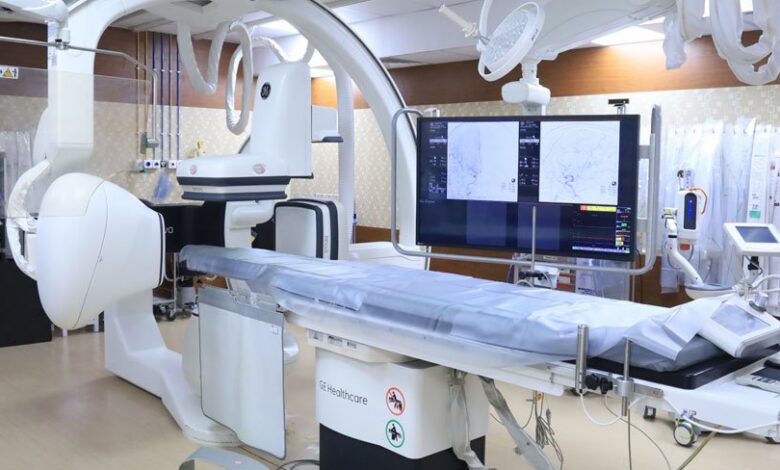
Top 10 Best Cardiology Hospitals in India in 2027
India has developed into one of the leading destinations for advanced cardiac treatment, offering a wide range of facilities for diagnosing, managing and treating cardiovascular diseases. From coronary artery disease and heart valve disorders to congenital heart defects, heart rhythm abnormalities and advanced heart failure, hospitals across the country provide specialised cardiac services supported by experienced cardiologists, cardiac surgeons, modern diagnostic equipment and specialised intensive care units.
The growing burden of cardiovascular diseases has increased the importance of specialised cardiac healthcare in India. Hospitals are investing in advanced catheterisation laboratories, minimally invasive cardiac surgery, robotic-assisted procedures, heart transplantation programmes and sophisticated imaging technologies. These developments have expanded access to treatment for patients requiring both routine cardiac consultations and highly complex surgical interventions.
Cardiology is a broad medical speciality that involves several interconnected disciplines, including clinical cardiology, interventional cardiology, electrophysiology, paediatric cardiology, cardiac anaesthesia and cardiothoracic and vascular surgery. A comprehensive cardiac hospital generally brings these departments together to provide coordinated treatment, from initial diagnosis and emergency stabilisation to surgery, rehabilitation and long-term follow-up.
India has several established institutions with decades of experience in cardiovascular medicine, alongside newer multispeciality hospitals equipped with advanced cardiac infrastructure. The following hospitals are among the country’s prominent destinations for specialised heart care.
1. All India Institute of Medical Sciences (AIIMS), New Delhi
All India Institute of Medical Sciences (AIIMS) in New Delhi is one of India’s most prominent government medical institutions and an established centre for advanced cardiovascular treatment, medical education and research. Its Cardiothoracic Sciences Centre is dedicated to the diagnosis and management of a wide range of cardiovascular and thoracic disorders. The institution has developed a strong reputation for handling complicated cardiac conditions, including coronary artery disease, congenital heart defects, valvular heart disease, heart failure and diseases affecting the major blood vessels.
The Cardiothoracic Sciences Centre has dedicated departments for cardiology, cardiothoracic and vascular surgery, cardiac anaesthesia and critical care, cardiac pathology, cardiac biochemistry and vascular radiology. This multidisciplinary structure allows patients to receive medical evaluation, diagnostic investigations, interventional procedures and surgical treatment within an integrated healthcare environment. The centre has approximately 200 beds dedicated to cardiology and cardiovascular surgery, supported by facilities required for comprehensive cardiac treatment.
AIIMS provides both non-invasive and invasive cardiac services. These include electrocardiography, echocardiography, cardiac imaging, coronary angiography, angioplasty and other specialised investigations. Its cardiology and surgical departments work together to manage patients who require coronary artery bypass grafting, valve surgery and other complex cardiovascular interventions. The institution also has specialised cardiac anaesthesia and intensive care facilities for patients undergoing major operations.
One of the important strengths of AIIMS is its ability to manage complicated cases that require coordination between several medical specialities. Patients with multiple health conditions can benefit from the institution’s wider network of departments, including nephrology, neurology, endocrinology, pulmonary medicine and emergency medicine. This becomes particularly important when cardiovascular diseases are accompanied by diabetes, kidney complications or other chronic conditions.
AIIMS also plays an important role in cardiovascular research and specialist training. Its academic environment contributes to the development of clinical knowledge, surgical expertise and new approaches to treating heart disease. As a government institution, it is an important option for patients seeking specialised cardiac care through the public healthcare system. However, patients should consider appointment availability, waiting periods and the requirements of the relevant department before planning treatment.
2. Apollo Hospitals, Chennai
Apollo Hospitals in Chennai is one of India’s established private healthcare institutions and has a long history of providing specialised cardiovascular treatment. Its Apollo Heart Institute offers a comprehensive range of services covering preventive cardiology, clinical cardiology, interventional cardiology, cardiac surgery, electrophysiology and paediatric cardiology. The institution has developed an extensive cardiac healthcare programme supported by experienced specialists, advanced diagnostic facilities and dedicated cardiac critical care infrastructure.
Apollo’s cardiac services cover the treatment of coronary artery disease, heart valve disorders, congenital heart defects, heart rhythm abnormalities, cardiomyopathy and advanced heart failure. Patients can undergo routine cardiac assessments as well as specialised investigations required to determine the severity of cardiovascular conditions. Diagnostic services include electrocardiograms, echocardiography, transoesophageal echocardiography, Holter monitoring, treadmill stress testing, cardiac CT, MRI and nuclear cardiac imaging.
The hospital has dedicated catheterisation laboratories for procedures such as coronary angiography, angioplasty and stenting. Its interventional cardiology services also cover complex coronary interventions, including procedures that require detailed assessment of blood vessels and specialised imaging technologies. These facilities help cardiologists evaluate blockages and determine suitable treatment approaches based on the patient’s condition.
Apollo’s cardiac surgery programme covers coronary artery bypass grafting, heart valve repair and replacement, minimally invasive procedures and other complex cardiovascular operations. The institution also offers heart transplantation and specialised treatment for patients with advanced heart failure. Its cardiac teams coordinate with anaesthesiologists, intensivists and other specialists to manage patients before and after major operations.
Another important component of its cardiac programme is electrophysiology. This speciality focuses on electrical abnormalities of the heart, including atrial fibrillation and other potentially serious rhythm disorders. Patients may require electrophysiological studies, catheter ablation, pacemaker implantation or implantable cardioverter-defibrillator placement, depending on their diagnosis.
Apollo also has facilities for paediatric cardiac care, making it relevant for children with congenital heart conditions requiring medical or surgical intervention. Dedicated cardiac critical care units provide monitoring and treatment for patients recovering from cardiac procedures and those experiencing serious cardiovascular emergencies.
The institution’s broader hospital network provides access to cardiac specialists across multiple Indian cities. However, Apollo’s Chennai facilities remain an important destination for patients seeking specialised heart treatment in South India. Its combination of diagnostic services, interventional procedures, cardiac surgery and transplant-related care makes it a comprehensive option for different stages of cardiovascular disease.
3. Medanta – The Medicity, Gurugram
Medanta – The Medicity in Gurugram is a major multispeciality hospital known for its specialised cardiac sciences programme. Its Heart Institute brings together cardiologists, interventional cardiologists, cardiac surgeons, electrophysiologists, cardiac anaesthesiologists and critical care specialists to manage a broad spectrum of cardiovascular conditions. The hospital has developed infrastructure for routine cardiac treatment as well as complicated procedures involving coronary arteries, heart valves, electrical abnormalities and advanced heart failure.
Medanta’s cardiac services include clinical and preventive cardiology, interventional cardiology, cardiac surgery, electrophysiology, paediatric cardiology and heart transplantation. The hospital follows a multidisciplinary approach in which specialists from different cardiac departments collaborate to assess complicated cases and determine appropriate treatment strategies. This approach is particularly relevant for patients who may require a combination of medical management, catheter-based intervention and surgical treatment.
Its interventional cardiology department provides services for coronary angiography, angioplasty, stenting and complex coronary interventions. The hospital also offers structural heart procedures for selected patients with conditions affecting heart valves and other internal cardiac structures. Procedures such as transcatheter aortic valve implantation can provide an alternative to conventional open-heart surgery for appropriately selected patients.
Medanta has also developed capabilities in cardiac electrophysiology and pacing. The department evaluates and treats heart rhythm disorders through electrophysiological studies, catheter ablation and the implantation of devices such as pacemakers and defibrillators. Advanced mapping and ablation technologies help specialists identify abnormal electrical pathways responsible for certain arrhythmias. The hospital has particular expertise in treating conditions such as atrial fibrillation and ventricular tachycardia.
The cardiac surgery department handles a range of adult and paediatric cardiovascular conditions. Services include coronary artery bypass surgery, valve repair and replacement, minimally invasive cardiac procedures and complex surgical interventions. The hospital also provides treatment for patients with advanced heart failure who may require mechanical circulatory support or heart transplantation.
Another important area is the hospital’s critical care infrastructure. Cardiac patients often require continuous monitoring, particularly after major surgery or during the management of acute heart attacks and serious rhythm disorders. Medanta’s specialised cardiac intensive care facilities support post-operative recovery and the management of patients with complicated cardiovascular conditions.
The institution’s multidisciplinary infrastructure also enables coordination with other specialities when heart disease is accompanied by kidney disorders, diabetes, respiratory conditions or neurological complications. Patients travelling from different parts of India can access consultations, diagnostic investigations and advanced treatment services at the Gurugram facility.
4. Narayana Institute of Cardiac Sciences, Bengaluru
Narayana Institute of Cardiac Sciences in Bengaluru, part of Narayana Health, is a specialised cardiac healthcare institution with an established presence in cardiovascular treatment, cardiac surgery and advanced heart care. The institute is associated with the development of large-scale specialised cardiac healthcare in India and has become an important destination for patients seeking treatment for both common and complex heart conditions.
The institute provides a wide range of services through its cardiology, interventional cardiology, cardiothoracic surgery, paediatric cardiology and cardiac critical care departments. Its treatment programmes cover coronary artery disease, heart valve disorders, congenital heart defects, cardiomyopathy, heart failure and cardiac rhythm abnormalities. The hospital’s multidisciplinary model brings together specialists who assess patients and develop treatment plans based on the severity and nature of their conditions.
Narayana’s interventional cardiology services include coronary angiography, angioplasty, stenting and other catheter-based procedures. These interventions are used to diagnose and treat blockages in the coronary arteries and help restore blood supply to the heart. The institute also provides advanced structural heart interventions for selected patients who require treatment for valve-related conditions.
Cardiac surgery is another important part of the institute’s healthcare programme. Its surgical teams undertake coronary artery bypass grafting, heart valve repair and replacement, congenital heart surgery and other complex cardiovascular operations. Minimally invasive surgical approaches are available for suitable patients, potentially reducing the size of surgical incisions and supporting recovery.
The institute also has expertise in paediatric and congenital cardiac care. Children born with structural abnormalities of the heart may require specialised investigations, catheter-based interventions or surgery. The availability of paediatric cardiac specialists and surgical teams is particularly important for managing newborns and children with complex congenital conditions.
Advanced heart failure management is another area of focus. Patients with severe heart muscle weakness may require specialised medication, device-based treatment, mechanical circulatory support or transplantation. Narayana Health has developed heart transplantation and advanced cardiac care capabilities, supported by multidisciplinary teams.
The hospital also offers electrophysiology services for patients with abnormal heart rhythms. Depending on the diagnosis, treatment may involve medication, electrophysiological studies, catheter ablation or device implantation. Its cardiac critical care infrastructure supports patients requiring continuous monitoring after interventions and major operations.
Narayana Health’s larger network extends its cardiac services to multiple cities, creating opportunities for patients to access consultations and follow-up care closer to their homes. The Bengaluru institute remains particularly relevant for patients requiring specialised cardiac surgery, paediatric heart treatment and complex cardiovascular interventions.
5. Fortis Escorts Heart Institute, New Delhi
Fortis Escorts Heart Institute in New Delhi is one of India’s well-established specialised cardiac hospitals. Located in Okhla, the institution has developed its identity around cardiovascular medicine and surgery, offering treatment for a wide range of heart-related conditions. Its experience in cardiac healthcare, specialised medical teams and advanced infrastructure have made it a recognised destination for patients from across India and abroad.
The hospital’s cardiac sciences programme covers clinical cardiology, interventional cardiology, cardiac surgery, electrophysiology, paediatric cardiology and heart failure management. Its facilities include multiple catheterisation laboratories and specialised operation theatres, along with cardiac intensive care infrastructure. This allows the hospital to provide a combination of diagnostic, catheter-based and surgical treatment.
The interventional cardiology department manages patients with coronary artery blockages and other cardiovascular conditions requiring catheter-based procedures. Services include coronary angiography, angioplasty, stenting and complex coronary interventions. The hospital also provides specialised treatments such as transcatheter aortic valve replacement for appropriately selected patients with severe aortic valve disease.
Its cardiac pacing and electrophysiology services focus on the diagnosis and treatment of abnormal heart rhythms. Patients with conditions such as atrial fibrillation, ventricular arrhythmias and conduction disorders may require electrophysiological studies, catheter ablation, pacemakers or implantable defibrillators. These services are important because certain rhythm abnormalities can lead to serious complications if they are not appropriately managed.
Fortis Escorts also has an extensive adult cardiac surgery programme. Its surgical services include coronary artery bypass grafting, heart valve repair and replacement, aortic surgery and minimally invasive cardiac procedures. The availability of advanced surgical techniques allows specialists to assess whether a patient may be suitable for conventional open-heart surgery or a less invasive alternative.
The hospital also provides paediatric cardiac treatment for children with congenital heart conditions. These patients may require specialised diagnostic procedures, catheter-based interventions or surgical correction, depending on the nature of the defect. The coordination of paediatric cardiologists, cardiac surgeons, anaesthesiologists and intensive care specialists is important in managing these cases.
Heart failure treatment and transplantation-related services further strengthen the hospital’s cardiac programme. Patients with advanced cardiac conditions may require specialised medication, ventricular assist devices or heart transplantation assessment. The institution’s multidisciplinary infrastructure supports the management of patients with complicated medical requirements.
Fortis Escorts also benefits from its location in the National Capital Region, which makes it accessible to patients from Delhi, Haryana, Uttar Pradesh, Rajasthan and other northern states. Its dedicated cardiac focus and broad treatment capabilities make it an important option for patients requiring specialised cardiovascular care.
6. Christian Medical College (CMC), Vellore
Christian Medical College (CMC) in Vellore, Tamil Nadu, is one of India’s respected medical institutions, with a long history of providing specialised healthcare, medical education and clinical research. Its Department of Cardiology has played an important role in the development of modern cardiology in India. Established in 1957, the department has decades of experience in diagnosing and treating cardiovascular disorders and has developed specialised services for patients requiring advanced cardiac interventions.
CMC’s cardiology department provides treatment for coronary artery disease, valvular heart disease, congenital heart defects, cardiomyopathy, heart failure and other cardiovascular conditions. Its clinical services cover preventive cardiology, diagnostic investigations, interventional procedures and long-term management of chronic heart diseases. The hospital’s wider medical infrastructure allows cardiac specialists to coordinate treatment with other departments when patients have multiple health complications.
Interventional cardiology is an important component of the institution’s services. The department performs procedures such as coronary angiography, percutaneous transluminal coronary angioplasty and stenting. It also provides balloon valvuloplasty for selected patients with narrowed heart valves. These procedures can help patients who require treatment without undergoing conventional open-heart surgery.
CMC has expertise in treating certain complex cardiovascular conditions through specialised catheter-based procedures. Its services include rotational atherectomy for selected patients with heavily calcified coronary artery blockages, device closure of congenital defects such as atrial septal defects and patent ductus arteriosus, and alcohol septal ablation for appropriately selected patients with hypertrophic cardiomyopathy.
The department also provides peripheral vascular interventions, including angioplasty and stenting for selected conditions affecting blood vessels outside the heart. Carotid artery stenting and endovascular treatment of certain vascular abnormalities form part of its specialised interventional services.
Another important aspect of CMC is its integrated approach to patient care. Cardiovascular conditions frequently require collaboration between cardiologists, cardiac surgeons, anaesthesiologists, radiologists and critical care specialists. The institution’s broader clinical infrastructure supports the management of patients who require coordinated medical attention.
CMC is also an important centre for medical education and research. Its long-standing cardiology training programme has contributed to the development of cardiovascular specialists in India. The institution’s academic environment supports clinical learning, research and the adoption of evidence-based treatment practices.
Patients seeking cardiac treatment at CMC can benefit from its experience in clinical cardiology and interventional procedures. The hospital is particularly relevant for those requiring detailed evaluation of complicated cardiac conditions and treatment within a large multidisciplinary medical institution. Its established reputation and extensive clinical experience make it an important destination for specialised cardiac healthcare in South India.
7. Asian Heart Institute, Mumbai
Asian Heart Institute in Mumbai is a specialised cardiac hospital established with a focus on cardiovascular medicine, cardiac surgery and advanced heart treatment. Located in the Bandra Kurla Complex, the institute has developed a reputation for managing patients with a broad range of cardiac conditions, including coronary artery disease, heart valve disorders, heart failure and complicated cardiovascular problems requiring surgical intervention.
Unlike general multispeciality hospitals where cardiology is one of several departments, Asian Heart Institute has a strong emphasis on cardiac healthcare. Its clinical services bring together cardiologists, cardiac surgeons, cardiac anaesthesiologists, intensivists and other healthcare professionals involved in the treatment of cardiovascular diseases. This specialised structure supports coordinated care from diagnosis and pre-operative assessment to surgery and post-operative recovery.
The institute offers diagnostic services for evaluating different types of cardiovascular disorders. These include electrocardiography, echocardiography, cardiac imaging and other investigations required to assess heart function and identify abnormalities. Its interventional cardiology programme provides treatment for coronary artery disease through procedures such as coronary angiography, angioplasty and stenting.
Cardiac surgery is one of the institute’s major areas of focus. The hospital provides coronary artery bypass grafting, heart valve repair and replacement, and other complex cardiovascular surgical procedures. Minimally invasive surgical approaches may also be considered for eligible patients, depending on the nature of their condition and overall health.
The hospital has specialised critical care facilities for patients undergoing cardiac procedures. Its cardiac intensive care unit and cardiac surgical intensive care unit support patients experiencing heart attacks, serious arrhythmias, heart failure and complications following major operations. Continuous monitoring and coordinated critical care are particularly important during the initial recovery period after cardiac surgery.
Asian Heart Institute also provides treatment for patients with advanced cardiovascular conditions. The hospital’s clinical services include the management of heart failure, congenital heart disorders and conditions requiring complex surgical assessment. Its specialists evaluate patients individually to determine whether medical treatment, catheter-based procedures or surgery is appropriate.
Preventive cardiology is another important part of its healthcare approach. Screening, risk assessment and lifestyle-related interventions can help identify cardiovascular risk factors before they develop into serious conditions. Patients with diabetes, hypertension, high cholesterol, obesity or a family history of heart disease may benefit from structured cardiovascular evaluation.
The institute has also received international accreditation and recognition for its quality and patient safety standards. Its specialised focus, established cardiac surgical programme and dedicated intensive care facilities make it an important option for patients seeking heart treatment in Mumbai and other parts of western India.
8. Postgraduate Institute of Medical Education and Research (PGIMER), Chandigarh
Postgraduate Institute of Medical Education and Research (PGIMER) in Chandigarh is a prominent government medical institution known for specialised treatment, postgraduate medical education and clinical research. Its Advanced Cardiac Centre provides dedicated infrastructure for patients requiring cardiology and cardiovascular surgery services. The centre is designed to manage a broad range of heart conditions, including coronary artery disease, congenital heart defects, heart rhythm abnormalities and complex cardiovascular disorders.
The Advanced Cardiac Centre brings together cardiology, cardiovascular and thoracic surgery, cardiac anaesthesia and intensive care. Its infrastructure includes dedicated cardiac beds, intensive care units, cardiac operation theatres and catheterisation laboratories. These facilities support the diagnosis and management of patients requiring both medical and surgical treatment.
The centre provides a wide range of diagnostic services, including electrocardiography, echocardiography, stress testing and Holter monitoring. Advanced investigations such as CT scans, MRI and nuclear medicine studies are also used for evaluating cardiovascular conditions. These diagnostic facilities help specialists assess heart structure, blood flow, electrical activity and overall cardiac function.
Its interventional cardiology programme includes coronary angioplasty, device closure of selected congenital heart defects and radiofrequency ablation for certain cardiac rhythm disorders. Patients with coronary artery blockages may undergo angiography to determine the severity and location of the obstruction before a suitable treatment plan is developed.
The cardiovascular and thoracic surgery department handles adult and paediatric patients requiring major operations. Its services include coronary artery bypass grafting, heart valve procedures and surgery for congenital heart conditions. The centre has specialised operation theatres and post-operative cardiac care facilities to support patients undergoing complex procedures.
One of PGIMER’s important areas of strength is paediatric cardiac treatment. Children born with congenital heart defects may require medical management, catheter-based interventions or surgical correction. The institution has facilities and specialist teams for treating children with complex cardiac conditions, including newborns who require advanced medical and surgical support.
The Advanced Cardiac Centre also operates specialised clinics for arrhythmias, heart failure, cardiac conditions associated with pregnancy and paediatric cardiac disorders. These focused services allow patients with specific cardiovascular problems to receive evaluation from relevant specialists.
As a government-funded institution, PGIMER provides an important treatment option for patients from Chandigarh, Punjab, Haryana, Himachal Pradesh, Jammu and Kashmir and neighbouring regions. Its combination of specialised cardiac infrastructure, experienced medical professionals and academic research makes it a significant centre for cardiovascular healthcare in northern India.
9. U. N. Mehta Institute of Cardiology and Research Centre, Ahmedabad
U. N. Mehta Institute of Cardiology and Research Centre in Ahmedabad, Gujarat, is a specialised cardiac healthcare institution that focuses on the diagnosis, treatment and research of cardiovascular diseases. Affiliated with B. J. Medical College, the institute is an important destination for patients requiring specialised cardiac treatment, including those who need complicated surgical interventions and advanced critical care.
The institute provides dedicated services in adult cardiology, paediatric cardiology, interventional cardiology, cardiothoracic and vascular surgery, cardiac anaesthesia and intensive care. Its specialised infrastructure supports the treatment of patients with coronary artery disease, heart valve disorders, congenital heart defects, aortic conditions and advanced heart failure.
One of the institute’s important features is its extensive cardiac infrastructure. It has dedicated cardiac operation theatres, catheterisation facilities, intensive care units and specialised recovery areas for adult and paediatric patients. The availability of these facilities helps the hospital manage patients requiring complex procedures and prolonged post-operative monitoring.
Its cardiovascular and thoracic surgery department undertakes a wide range of procedures, including coronary artery bypass grafting, heart valve replacement and repair, aortic surgery, peripheral vascular interventions and other thoracic operations. The department also handles emergency and repeat cardiac surgeries, which can involve patients who have previously undergone cardiovascular operations.
The institute’s cardiac anaesthesia department supports adult and paediatric cardiac operations and provides specialised anaesthesia services for patients undergoing procedures in operation theatres and catheterisation laboratories. Advanced equipment, including extracorporeal membrane oxygenation systems and intra-aortic balloon pumps, supports the management of selected critically ill patients.
Paediatric cardiac care is another important component of the hospital’s services. Children with congenital heart defects may require specialised diagnosis, medical management, catheter-based procedures or surgery. The institute has dedicated paediatric and neonatal recovery facilities to support children undergoing cardiac treatment.
The hospital also provides specialised critical care for patients with serious cardiovascular conditions. Patients experiencing heart attacks, severe heart failure, complications following cardiac surgery and other life-threatening conditions may require continuous monitoring and advanced supportive treatment. Its intensive care infrastructure is designed to address these requirements.
An important aspect of U. N. Mehta Institute is its focus on making specialised cardiac healthcare accessible to patients from different economic backgrounds. As a public-sector institution, it has an important role in providing affordable cardiac treatment, particularly for patients who may not be able to access expensive private healthcare facilities.
Its combination of specialised cardiac departments, surgical infrastructure, teaching activities and public healthcare orientation makes it one of the significant cardiac institutions in western India.
10. Sri Jayadeva Institute of Cardiovascular Sciences and Research, Bengaluru
Sri Jayadeva Institute of Cardiovascular Sciences and Research in Bengaluru is a major government-run autonomous institution dedicated to cardiovascular healthcare. The institute is recognised for its specialised focus on heart diseases and its efforts to provide affordable cardiac treatment to patients from different economic backgrounds. With a large dedicated cardiac infrastructure, it serves patients from Karnataka and neighbouring states who require specialised medical and surgical treatment.
The institute has developed a comprehensive cardiac healthcare programme covering clinical cardiology, interventional cardiology, cardiovascular surgery and specialised cardiac care. Its services include the diagnosis and treatment of coronary artery disease, heart valve disorders, congenital heart defects, cardiomyopathy, heart failure and cardiac rhythm abnormalities.
Its dedicated cardiac infrastructure includes facilities for outpatient consultations, inpatient treatment, intensive cardiac care and specialised diagnostic investigations. Patients can undergo electrocardiography, echocardiography, cardiac CT and MRI examinations and other investigations required to assess cardiovascular health.
The interventional cardiology department provides procedures such as coronary angiography, angioplasty and stenting. These procedures are important for patients with narrowed or blocked coronary arteries, particularly those experiencing symptoms associated with reduced blood supply to the heart. Timely diagnosis and intervention can be essential in managing acute coronary events.
The institute also provides specialised treatment for patients with congenital heart conditions and other structural abnormalities. Depending on the diagnosis, patients may require catheter-based procedures or surgical correction. Its cardiac surgery and anaesthesia teams support patients undergoing major cardiovascular operations.
Another important service area is the management of cardiac rhythm disorders. Patients experiencing abnormal heartbeats may require specialised investigations and treatment, including electrophysiological procedures and device-based interventions, depending on their clinical condition.
Sri Jayadeva Institute has a significant role in public-sector cardiac healthcare. Its focus on affordability and access is particularly relevant in a country where the cost of advanced cardiac treatment can create financial difficulties for patients and their families. The institute has also developed a treatment-first approach for emergency cardiac admissions, reducing the need for patients to arrange advance payments before receiving urgent medical attention under applicable institutional provisions.
The hospital’s role extends beyond treatment to include medical education, research and the training of cardiovascular specialists. Its specialised academic environment supports the development of clinical expertise in cardiology, cardiovascular surgery and related medical disciplines.
The institute also has additional centres serving patients in other parts of Karnataka, including Mysuru and Kalaburagi. This broader presence helps extend access to specialised cardiovascular services beyond Bengaluru.
Its dedicated cardiac infrastructure, government-supported healthcare model and focus on treating patients from different economic backgrounds make Sri Jayadeva Institute an important destination for cardiovascular treatment in southern India.
Conclusion
India has several established hospitals offering specialised cardiology services, advanced diagnostic facilities and comprehensive cardiac surgery programmes. Institutions such as AIIMS New Delhi, Apollo Hospitals Chennai, Medanta Gurugram and Fortis Escorts Heart Institute New Delhi provide extensive treatment options for patients with complicated cardiovascular conditions. Similarly, specialised institutions such as Asian Heart Institute Mumbai, U. N. Mehta Institute Ahmedabad and Sri Jayadeva Institute Bengaluru play an important role in expanding access to dedicated cardiac healthcare.
The choice of a cardiology hospital depends on the patient’s diagnosis, the complexity of the condition, the availability of the required specialist, treatment infrastructure and overall affordability. Patients requiring angioplasty may have different requirements from those needing bypass surgery, heart valve replacement, paediatric cardiac surgery or heart transplantation. The availability of specialised intensive care, emergency cardiac services and post-treatment rehabilitation is also important when evaluating a hospital.
With improvements in medical technology, specialist training and cardiac treatment infrastructure, India’s leading hospitals are increasingly equipped to manage a wide range of cardiovascular conditions. Their contributions to clinical treatment, research, medical education and specialised cardiac services continue to strengthen the country’s healthcare system.