
Top 10 Best Conveyor Manufacturers in India in 2027
The conveyor manufacturing industry in India plays an important role in supporting industrial production, transportation, warehousing, logistics, mining, infrastructure, food processing and manufacturing operations. As businesses increasingly focus on automation, production efficiency and large-scale material movement, the demand for technologically advanced conveyor systems has expanded across different industrial segments. From transporting raw materials in cement and steel plants to moving finished products through automated warehouses, conveyor systems have become an essential part of modern industrial infrastructure.
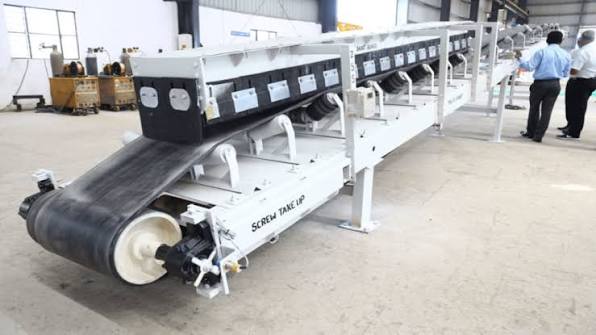
Indian conveyor manufacturers offer a diverse range of solutions, including belt conveyors, roller conveyors, chain conveyors, screw conveyors, pipe conveyors, pneumatic conveying systems, modular conveyors, pallet handling systems and automated material handling equipment. These systems are designed to handle different types of materials, including bulk commodities, packaged goods, food products, industrial components and heavy equipment. Manufacturers also provide customised engineering, fabrication, installation, commissioning, maintenance and after-sales support, depending on the requirements of individual projects.
The growing adoption of automated manufacturing facilities, e-commerce warehouses, distribution centres and integrated production lines has further increased the importance of reliable conveyor technology. Companies operating in this sector are investing in engineering capabilities, product development, automation integration and specialised material handling solutions to address increasingly complex industrial requirements.
India has several established conveyor manufacturers serving both domestic and international markets. Some specialise in large-scale bulk material handling for mining, cement, steel and power industries, while others concentrate on automated conveying solutions for manufacturing, food processing, pharmaceuticals, automotive production and logistics.
The following companies are among the notable conveyor manufacturers operating in India, offering different technologies, engineering capabilities and industrial applications.
1. Elecon Engineering Company Limited
Elecon Engineering Company Limited is one of India’s established engineering companies specialising in industrial gearboxes, power transmission equipment and bulk material handling systems. Established in 1951 and headquartered in Vallabh Vidyanagar, Gujarat, the company has developed extensive capabilities in designing and manufacturing equipment for industries that require continuous movement of large quantities of raw materials. Its material handling division caters to sectors such as cement, steel, mining, power generation, fertilisers and other heavy industries, where dependable conveying infrastructure is essential for maintaining production efficiency.
Elecon offers a comprehensive portfolio of conveyor systems designed for different industrial applications. Its product range includes belt conveyors, pipe conveyors, troughed conveyors, shiftable conveyors, high-speed conveyors and downhill conveying systems. These systems are engineered to transport materials such as coal, limestone, iron ore, clinker, minerals and other bulk commodities. The company also manufactures associated material handling equipment, including stacker reclaimers, wagon tipplers, sizers and other specialised machinery used in industrial material transportation and storage facilities.
One of Elecon’s important capabilities is its ability to provide integrated material handling solutions rather than concentrating exclusively on individual conveyor components. Its engineering teams undertake activities associated with system design, equipment manufacturing, project planning and execution. This integrated approach is particularly relevant for large industrial facilities where conveyors must operate alongside crushing, screening, storage, loading and unloading equipment. Proper coordination between these systems helps reduce material transfer bottlenecks and improve overall plant productivity.
The company’s pipe conveyor technology is particularly relevant for projects involving difficult terrain, environmental restrictions and the transportation of materials over long distances. Unlike conventional open belt conveyors, pipe conveyors enclose the transported material within a tubular belt formation. This arrangement helps minimise dust emissions, material spillage and exposure to external environmental conditions. It can also accommodate curved routes and challenging plant layouts, making it useful for industrial facilities operating in environmentally sensitive locations.
Elecon’s experience in manufacturing industrial gearboxes and power transmission equipment also complements its material handling operations. Conveyor systems depend on appropriately selected motors, gearboxes, drives, pulleys and other mechanical components to maintain consistent movement under varying loads. Engineering expertise across these interconnected equipment categories can be valuable when developing systems for demanding industrial environments.
For companies evaluating conveyor manufacturers for large-scale projects, Elecon offers solutions that cover both conveying requirements and broader bulk material handling infrastructure. Its established presence in core industrial sectors makes it relevant for cement plants, steel manufacturing facilities, mining operations, thermal power stations and fertiliser plants. Its ability to address complex engineering requirements, provide specialised conveying equipment and undertake integrated material handling projects makes it an important name in India’s conveyor manufacturing industry.
2. Macmet Engineering Limited
Macmet Engineering Limited is an Indian engineering company recognised for its expertise in bulk material handling systems, overland conveyors and specialised industrial conveying equipment. The company has established its presence in sectors such as cement, steel, power generation, mining and ports, where large quantities of raw materials need to be transported efficiently over considerable distances. Its engineering capabilities cover the design, manufacture, supply, installation and commissioning of conveyor systems developed for demanding industrial applications.
Macmet’s conveyor portfolio includes overland troughed belt conveyors, pipe conveyors, in-plant conveyors, shuttle conveyors, belt trippers, travelling hoppers, surface feeders, idlers and pulleys. These products are designed to address different requirements associated with bulk material movement. Conventional belt conveyors are used for transporting materials between different sections of an industrial facility, while overland systems are developed for longer transportation routes connecting mines, ports, storage yards and processing plants.
The company has particularly strong capabilities in pipe conveyor technology. Pipe conveyors are designed to enclose bulk materials inside a closed belt structure, helping prevent spillage and reducing dust generation during transportation. This is particularly useful for industries handling coal, limestone, iron ore, fly ash and other materials that may create environmental or housekeeping challenges when transported through open conveyor systems. The enclosed arrangement can also accommodate horizontal and vertical curves, allowing engineers to develop transportation routes that follow challenging geographical conditions.
Macmet has executed several significant long-distance conveyor projects in India. Its project portfolio includes a 21-kilometre cross-country conveyor system for Heidelberg Materials, a 20.9-kilometre pipe conveyor system for JSW Steel at Bellary and a 3.9-kilometre pipe conveyor installation for Tata Steel at West Bokaro. The company has also undertaken specialised conveying projects for power generation and other core industrial applications. These installations demonstrate its ability to engineer systems for continuous bulk material transportation across extensive industrial routes.
An important feature of Macmet’s engineering approach is its focus on designing conveyor systems according to the specific operating conditions of individual projects. Factors such as transportation distance, material characteristics, required throughput, terrain, elevation differences, environmental conditions and maintenance accessibility influence the selection and configuration of conveyor equipment. The company develops systems that account for these requirements rather than relying exclusively on standard conveyor configurations.
Macmet also manufactures water intake screening equipment, including travelling band screens, bar screens, trash racks, bar screen cleaners and related equipment. Although these products are separate from its conveyor business, they demonstrate the company’s broader engineering capabilities in industrial and infrastructure equipment.
For cement manufacturers, mining companies, steel producers, port operators and power generation facilities, Macmet offers specialised solutions for moving bulk materials over short and long distances. Its experience in overland conveying and enclosed pipe conveyor systems makes it particularly relevant for industrial projects where transportation capacity, environmental protection and operational reliability are important considerations.
3. Bevcon Wayors Private Limited
Bevcon Wayors Private Limited is an Indian engineering and manufacturing company specialising in bulk material handling equipment and industrial process solutions. Headquartered in Hyderabad, Telangana, the company serves several industrial sectors where the movement, processing and management of bulk materials form an important part of daily operations. Its areas of activity include conveyor systems, crushing and screening equipment, dust extraction systems and other material handling technologies.
The company’s conveyor solutions are designed for industrial environments involving the transportation of coal, minerals, limestone, ores, aggregates and other bulk materials. These applications require equipment capable of handling continuous operations, varying material loads and challenging environmental conditions. Bevcon develops conveying arrangements that can be integrated into larger industrial production and material handling facilities, helping businesses connect different stages of their manufacturing and processing operations.
Its bulk material handling capabilities cover different conveyor configurations and associated equipment required for moving materials between processing, storage and transportation areas. Belt conveyors are particularly useful in facilities where large volumes of material need to be transported continuously. Depending on the project, conveyor arrangements can be designed to accommodate different capacities, conveying distances, inclinations and material characteristics.
An important aspect of Bevcon’s operations is its broader focus on complete material handling systems. Industrial conveyor installations frequently require supporting equipment such as feeders, crushers, screens, transfer chutes, dust extraction units and material distribution arrangements. The integration of these components is necessary to maintain a consistent flow of materials and minimise interruptions caused by blockages, excessive dust or inefficient transfer points. Bevcon’s involvement in multiple equipment categories allows it to address several connected requirements within industrial material handling projects.
The company serves industries including cement, mining, steel, power, pharmaceuticals and other manufacturing segments. Each industry has different operational requirements. For example, cement plants require conveying systems for limestone, clinker, gypsum and coal, while mining facilities need equipment capable of transporting extracted minerals and processed ores. Power plants require dependable coal handling infrastructure, whereas manufacturing facilities may need more specialised arrangements for handling process materials.
Dust management is another important consideration in bulk material handling. When materials are transferred between conveyors, dust can be generated at loading points, discharge locations and transfer stations. Effective dust extraction, enclosure design and transfer-point engineering help improve workplace conditions and reduce material losses. Bevcon’s wider equipment portfolio includes solutions addressing these requirements.
The company’s engineering and manufacturing capabilities are relevant for businesses seeking customised equipment rather than standard off-the-shelf products. Industrial conveying systems often need to be adapted to the available plant layout, material flow requirements and existing machinery. Proper engineering coordination can help improve equipment compatibility, operational safety and maintenance accessibility.
For organisations operating in mining, cement, power generation, steel and other process industries, Bevcon Wayors offers a combination of conveying equipment and complementary material handling technologies. Its focus on industrial engineering and integrated bulk material handling makes it a notable participant in India’s conveyor manufacturing and equipment sector.
4. Tsubaki Conveyor Systems India Private Limited
Tsubaki Conveyor Systems India Private Limited is part of Japan’s Tsubakimoto Group, an international engineering group associated with industrial chains, power transmission products and material handling systems. The company operates in India through its specialised conveyor systems business, providing engineered material handling solutions for industrial applications. Its presence connects Japanese engineering experience with the requirements of Indian manufacturing and industrial facilities.
The company focuses on conveyor systems used for transporting materials and products across different stages of industrial operations. Conveyor technology is particularly important in automotive manufacturing, general engineering, industrial production and other sectors where components must move between workstations in a controlled and organised manner. Depending on the application, these systems can be configured for different loads, production speeds, layouts and operational conditions.
Tsubaki’s wider engineering background includes industrial drive chains, conveyor chains, attachment chains, sprockets and power transmission components. These products are important in applications where conventional belt-based systems may not provide the required strength, durability or material-handling characteristics. Chain conveyors are widely used in industrial environments for transporting heavy components, pallets, production materials and specialised loads.
The company’s group-level expertise in chain technology is particularly relevant to applications requiring reliable mechanical movement. Conveyor chains are designed to withstand operating loads and provide controlled movement across production lines. Their configuration can be adapted to different industrial processes, including assembly operations, material transfer and specialised manufacturing applications.
Tsubaki’s broader material handling portfolio also covers specialised industrial conveying requirements. Such systems can be incorporated into production layouts where multiple workstations need to operate in coordination. For example, automotive facilities require components to move through different stages of manufacturing, assembly and inspection. Conveyor arrangements help maintain production flow and reduce the need for manual movement between operational areas.
Engineering and equipment selection are important elements of conveyor system development. The weight and dimensions of transported products, production speed, operating temperature, environmental conditions and available installation space influence the design. In applications involving heavy industrial loads, chain selection, drive configuration and structural strength are especially important. Properly engineered equipment helps maintain consistent movement while reducing mechanical stress and unexpected downtime.
Tsubaki’s Indian operations provide access to the group’s industrial product and engineering capabilities through its domestic business network. This is relevant for manufacturers seeking specialised chain-based conveying equipment and mechanical power transmission solutions. The group’s international experience also supports applications where equipment performance and consistency are important across multiple manufacturing facilities.
For businesses looking for industrial conveyor technology with a focus on mechanical reliability, chain-based transportation and integration with manufacturing operations, Tsubaki Conveyor Systems India is a company worth considering. Its association with a long-established international engineering group and its specialised industrial product background make it an established name in the material handling equipment market.
5. Maschinen Fabrik India Private Limited
Maschinen Fabrik India Private Limited, commonly known as MF India, is an Indian engineering company specialising in conveyor systems and material handling equipment for unit goods and bulk materials. Established in 1991 and headquartered in Kolkata, the company combines German technical collaborations with domestic engineering and manufacturing capabilities. It develops conveying solutions for industries requiring the organised transportation of materials through production plants, processing facilities, warehouses and industrial distribution operations.
The company’s product portfolio includes belt conveyors, roller conveyors, screw conveyors, tube chain conveyors, flexible screw conveyors, gravity conveyors, bucket elevators and pallet handling systems. This diverse range allows it to address different material transportation requirements, from moving individual products and packaged goods to handling powders, granules and bulk industrial materials.
Belt conveyors are among the most commonly used products in its portfolio. These systems transport materials through continuous belt movement and can be configured for horizontal, inclined and customised layouts. They are suitable for applications involving packaged products, raw materials and industrial components. Roller conveyors, meanwhile, are used for transporting cartons, containers, pallets and other unit loads. Depending on the application, they may operate through gravity or powered roller arrangements.
MF India’s screw conveyor systems are relevant for applications involving powders, granules and other bulk materials. These conveyors use rotating screw mechanisms to move material through an enclosed or partially enclosed trough. They are commonly used in food processing, chemical manufacturing, cement production and other industries where controlled material transfer is required. Tube chain conveyors provide another option for transporting materials through enclosed pathways, particularly where plant layouts and material containment requirements demand specialised solutions.
Bucket elevators are also an important part of industrial material handling infrastructure. They are used to transport bulk materials vertically, making them useful in facilities where materials need to move between different processing levels or storage locations. Integrating bucket elevators with belt, screw and other conveyor arrangements can help create a coordinated material transportation system.
The company undertakes several stages of project execution, including design, dimensioning, engineering, manufacturing, testing, supply, erection and commissioning. It also provides post-installation services, including operator training and maintenance support. This is important because industrial conveying equipment must be designed around the actual operating environment rather than simply selected on the basis of product dimensions or nominal capacity.
MF India’s engineering approach draws upon international material handling technologies and technical collaborations. Its focus on both conventional and specialised conveying systems makes it relevant for businesses with different production and logistics requirements. The company serves industrial applications across sectors such as food processing, pharmaceuticals, chemicals, steel, defence, research and general manufacturing.
For companies seeking a conveyor manufacturer capable of providing multiple conveying technologies under one portfolio, Maschinen Fabrik India offers considerable product variety. Its combination of German engineering collaborations, Indian manufacturing and project execution capabilities makes it a relevant option for businesses developing or upgrading industrial material handling infrastructure.
6. Arudra Engineers Private Limited
Arudra Engineers Private Limited is an Indian engineering company specialising in conveyor systems and bulk material handling equipment. Established in 1982, the company has developed capabilities in designing and manufacturing conveying solutions for industries that require dependable transportation of raw materials, semi-finished products and bulk commodities. Its operations are associated with industrial applications in sectors such as steel, cement, mining, power generation and heavy manufacturing.
The company’s product portfolio includes belt conveyors, mobile conveyors, shuttle conveyors and other equipment used in bulk material transportation. It also manufactures associated conveyor components such as pulleys and idlers, which play an important role in the functioning of industrial conveyor installations. These products are designed to support different material handling requirements, depending on the volume of material, transportation distance, operating environment and layout of the industrial facility.
Belt conveyors are an important part of Arudra Engineers’ product range. These systems use a continuous moving belt to transport materials between different locations within an industrial facility. They are particularly useful in industries where materials need to be moved continuously without repeated manual handling. Depending on the application, belt conveyors can be designed for horizontal transportation, inclined movement and customised plant layouts.
Mobile conveyors provide flexibility in operations where material transportation points change according to production requirements. They can be used in stockyards, storage facilities and industrial processing areas where materials need to be moved between different locations. Their mobility can help businesses reduce the need for permanent conveying infrastructure in certain applications.
Shuttle conveyors are useful in facilities requiring controlled distribution of materials across multiple discharge points. These systems can move along a defined track or structure to distribute material at different locations. They are particularly relevant in storage and bulk material handling applications where materials need to be deposited at specific positions.
Conveyor pulleys and idlers are equally important because they support belt movement, alignment and load distribution. Pulleys are used to drive, redirect and maintain the tension of conveyor belts, while idlers support the belt and transported material along the conveying route. Their design and construction influence the operational performance, maintenance requirements and service life of the complete conveyor system.
Arudra Engineers’ experience in industrial engineering and manufacturing allows it to address projects requiring customised conveying equipment. Heavy industrial applications often involve difficult operating conditions, including abrasive materials, continuous loading, high transportation volumes and demanding environmental conditions. In such situations, the design of conveyor structures, belt support arrangements and associated mechanical components becomes particularly important.
The company is relevant to businesses looking for specialised conveying equipment for established industrial facilities as well as new manufacturing and processing projects. Its focus on bulk material handling and supporting conveyor components provides an integrated product offering for customers seeking equipment suited to their operational requirements.
For cement plants, steel manufacturers, mining operations and other heavy industrial facilities, Arudra Engineers offers conveying solutions designed around industrial material transportation. Its experience in the sector, product diversity and emphasis on engineered equipment make it a notable conveyor manufacturer in India.
7. Forech India Private Limited
Forech India Private Limited is an established Indian manufacturer specialising in conveyor belts, rubber products and material handling accessories. The company has more than four decades of experience in the conveyor industry and serves customers in India and international markets. Its products are primarily associated with bulk material handling applications, particularly in industries where conveyor belts operate under heavy loads, continuous working conditions and challenging environmental circumstances.
Forech manufactures textile-reinforced and steel cord-reinforced conveyor belts. These two categories serve different industrial requirements. Textile-reinforced belts are commonly used in applications involving general-purpose material transportation, while steel cord-reinforced belts are designed for demanding operations involving long distances, high tensile loads and heavy material movement. Selecting the appropriate belt construction is important for ensuring operational reliability and minimising unexpected breakdowns.
The company’s conveyor belt range includes general-purpose belts, heat-resistant belts, oil-resistant belts, fire-resistant belts, steel cord belts, bucket elevator belts, sidewall belts, chevron belts and pipe conveyor belts. Each category is developed to address specific operating conditions and material transportation challenges.
Heat-resistant conveyor belts are useful in industries where materials are transported at elevated temperatures. Cement plants, foundries, steel facilities and other industrial operations may require belts capable of maintaining their performance when exposed to hot materials. Oil-resistant belts are designed for applications where transported materials or operating conditions may expose the belt to oils and related substances. Fire-resistant belts are particularly relevant in mining, power generation and other industrial environments where fire safety is an important consideration.
Sidewall conveyor belts are designed for applications requiring steep-angle material transportation. Their raised sidewalls help contain transported materials, while specialised cleats can assist movement along inclined sections. This arrangement can help reduce the space required for certain material handling installations. Chevron belts, on the other hand, feature patterned surfaces that improve the movement of materials on inclined conveyors and help minimise material rollback.
Forech also manufactures pipe conveyor belts, which are used in enclosed conveying systems. These belts are shaped into a tubular configuration during operation, helping contain transported materials and reducing spillage and dust generation. Such systems can be useful for transporting bulk materials through areas where environmental protection and material containment are important.
Beyond conveyor belts, the company offers a range of supporting products and accessories, including pulley lagging, impact bars, chute and hopper linings, splicing materials, rubberised mechanical fasteners, wear-resistant liners and protective rubber sheets. These products help improve the performance of conveyor installations by addressing wear, impact, corrosion and maintenance-related challenges.
Forech’s manufacturing operations are supported by multiple facilities in India, including manufacturing locations in Haryana and Tamil Nadu. Its product testing and quality assurance capabilities are important for applications where belts must comply with demanding industrial requirements. The company manufactures products conforming to several internationally recognised standards, including DIN, RMA, JIS, AS, SABS, MSHA and EN-ISO standards.
For industrial buyers, conveyor belt selection requires careful consideration of tensile strength, belt width, material characteristics, operating temperature, fire resistance, abrasion resistance and expected service life. Forech’s broad product range allows customers to evaluate different belt constructions according to their operational requirements.
The company is particularly relevant for mining, cement, steel, power, ports, fertiliser and other bulk material handling industries. Its specialised conveyor belt manufacturing capabilities, range of accessories and experience in demanding industrial applications make it an important supplier in India’s conveyor manufacturing sector.
8. Oriental Rubber Industries Private Limited
Oriental Rubber Industries Private Limited is one of India’s established conveyor belt manufacturers, with a history dating back to 1949. The company specialises in the development and manufacturing of rubber conveyor belts and associated products for industrial material handling applications. Over the years, it has built a presence in domestic and international markets, supplying products to industries where reliable material transportation is essential for continuous production.
The company’s product portfolio includes general-purpose conveyor belts, heat-resistant belts, fire-retardant belts, oil-resistant belts, high-impact-resistant belts, high-incline chevron belts, pipe belts, anti-stick belts, aramid belts and energy-saving belts. These products are developed for different industrial environments and transportation requirements.
General-purpose conveyor belts are designed for routine material handling applications involving the transportation of industrial and bulk materials. They are commonly used in manufacturing plants, processing facilities and other industrial installations. Heat-resistant belts are designed for environments where transported materials generate considerable heat, while fire-retardant belts are used in applications requiring additional protection against fire-related risks.
High-impact-resistant belts are particularly relevant in operations involving the loading and transportation of heavy materials. Mining and quarrying operations, for example, can expose conveyor belts to significant impact when large pieces of rock or minerals are dropped onto the belt. The appropriate belt construction helps improve resistance to damage and supports longer operating life under demanding conditions.
The company’s high-incline chevron belts are designed for transporting materials along inclined conveyor routes. Their patterned surfaces help improve grip and reduce the possibility of material sliding backwards. These products are useful in industrial facilities where vertical space and transportation layouts require materials to be moved across elevated sections.
Oriental Rubber also offers pipe conveyor belts for enclosed material transportation systems. These belts are particularly useful in situations where material spillage, dust generation and exposure to external conditions need to be minimised. Their applications include industrial facilities handling coal, minerals, cement-related materials and other bulk commodities.
Another area of its product portfolio includes energy-saving conveyor belts. Energy efficiency has become an important consideration for industrial businesses operating large conveyor networks, as the electrical power required to run conveyor systems can contribute significantly to operating expenditure. Conveyor belt characteristics, including rolling resistance and belt construction, influence the energy required for transportation. Products designed to reduce energy consumption can therefore support operational efficiency over extended periods.
Oriental Rubber’s portfolio also includes ceramic pulley lagging, impact bars, repair patches, strips and other conveyor-related products. These supporting products are important for maintaining conveyor installations and addressing problems associated with belt damage, pulley slippage, material impact and wear.
The company’s long-standing manufacturing experience is relevant to industries such as mining, cement, power generation, steel, ports and general manufacturing. Different applications require different belt specifications, and industrial buyers need to assess factors such as material abrasiveness, transportation capacity, operating temperature, belt speed and environmental conditions before selecting a product.
Oriental Rubber is an important option for businesses primarily looking for specialised rubber conveyor belts rather than complete conveyor system installations. Its extensive product portfolio and experience in industrial belting make it a recognised participant in India’s conveyor belt manufacturing industry.
9. THEJO Engineering Limited
THEJO Engineering Limited is an Indian engineering solutions company specialising in bulk material handling, mineral processing and corrosion protection. Founded in 1974, the company has developed a significant presence in industries such as mining, steel, cement, power generation, ports and fertilisers. Its operations cover the manufacture and supply of engineering products as well as services associated with conveyor installation, maintenance and operations.
The company’s conveyor-related portfolio extends beyond the supply of individual belts. It offers products and engineering solutions addressing different stages of conveyor system performance, including belt maintenance, transfer-point management, wear protection and operational monitoring. This makes its business relevant to industrial facilities that depend on continuous material transportation and require reliable support throughout the operating life of their conveyor installations.
Its bulk material handling portfolio includes conveyor belting, conveyor care products, splicing and repair kits, pulley lagging, tool kits, transfer-point solutions, transfer chutes, skirting systems, belt trackers, impact cradles, dust suppression equipment, flow promoters and wear liners. These products address several common operational challenges associated with industrial conveyor systems.
Conveyor belt splicing is an important part of belt maintenance. When a conveyor belt is damaged or needs to be joined to form a continuous loop, appropriate splicing techniques are required to maintain its mechanical integrity. THEJO provides splicing and repair-related products and services, including solutions associated with conveyor belt installation and maintenance.
Pulley lagging is another important area of conveyor maintenance. Conveyor pulleys come into contact with moving belts and play a significant role in transmitting driving force. Appropriate lagging can improve friction between the pulley and belt, helping reduce slippage and supporting consistent operation. It also provides protection against wear under demanding operating conditions.
Transfer points are among the most important areas in a bulk material handling installation. Materials moving from one conveyor to another can generate impact, dust, spillage and excessive wear if the transfer arrangement is not properly engineered. THEJO offers transfer-point solutions, including transfer chutes, skirting and impact protection products. These systems help manage material flow and reduce operational problems associated with poorly designed conveyor discharge arrangements.
Dust suppression is another relevant area of its engineering portfolio. Bulk materials such as coal, minerals and cement-related products can generate dust during loading, unloading and transportation. Dust control solutions help reduce airborne particles and improve working conditions within industrial facilities.
The company also provides conveyor inspection, belt auditing, belt scanning, splicing, pulley lagging, commissioning and operation and maintenance services. These activities are important because conveyor systems require regular monitoring to identify belt damage, misalignment, excessive wear and other problems before they result in major operational interruptions.
THEJO’s wider operations include international subsidiaries and engineering activities in markets outside India. Its experience across different industrial environments allows it to serve customers requiring specialised bulk material handling support.
For companies operating large conveyor networks, equipment selection is only one part of maintaining efficient operations. Regular inspections, timely repairs, proper transfer-point design and suitable wear protection are equally important. THEJO Engineering addresses these requirements through its combination of engineering products and technical services, making it a notable company in India’s conveyor and bulk material handling industry.
10. Fabcon India
Fabcon India, operating through Noida Fabcon Machines Private Limited, is an Indian manufacturer of food processing machinery and conveying solutions. Established in 1981, the company has developed its business around equipment used in the snack food processing industry and related manufacturing applications. Based in the Delhi-NCR region, it provides customised machinery and material handling solutions for food manufacturers seeking integrated production and conveying arrangements.
Unlike companies primarily focused on mining and heavy industrial conveyor systems, Fabcon concentrates on conveying applications associated with food processing and production lines. Its equipment is designed to support the movement, distribution and handling of food products across different stages of manufacturing. This includes applications involving snacks, fried products, baked products, extruded snacks, potato chips, pellets, nuts and other processed food categories.
The company’s product range includes conveying and distribution systems, bucket elevator distribution equipment, snack processing machinery and integrated food production solutions. These products are developed to support manufacturing operations where materials need to move between processing stages in a controlled and consistent manner.
Conveying systems are particularly important in food processing facilities because production involves multiple interconnected activities. Raw materials may need to be transferred to processing equipment, while semi-finished products move through frying, baking, seasoning, cooling, inspection and packaging stages. An appropriately designed conveyor arrangement helps coordinate these operations and reduces the need for manual material movement.
Fabcon’s conveying and distribution solutions are designed to integrate with its wider food processing machinery portfolio. For instance, snack manufacturing lines require equipment that can transport products between processing machines without disrupting the production flow. Bucket elevators can be used for vertical transportation and distribution, while other conveying arrangements support horizontal movement and product transfer.
Food processing applications also require careful attention to hygiene, product handling and equipment construction. Conveyors used in these environments must be designed to minimise product contamination and facilitate cleaning and maintenance. Equipment configuration, material selection, surface finishing and accessibility are important considerations when developing conveying systems for food manufacturing facilities.
Fabcon states that its manufacturing operations incorporate technologies such as three-dimensional computer-aided design, laser cutting, CNC machining, sheet forming and specialised welding. These capabilities support the development and fabrication of customised machinery. The company also highlights the importance of engineering solutions designed around individual production capacities, product characteristics and customer requirements.
Its food processing equipment is intended for different segments of the snack industry, including extruded snacks, pellet snacks, Indian ethnic savouries, nuts and mixtures, and potato chips. The company also provides integrated solutions that connect conveying equipment with other production machinery, allowing food manufacturers to develop coordinated processing lines.
Fabcon has an international customer presence and exports its equipment to several overseas markets. Its experience in designing and manufacturing food processing machinery makes it relevant for businesses seeking specialised conveying solutions rather than general-purpose industrial conveyors.
For snack manufacturers and food processing companies, the selection of conveying equipment involves considering product fragility, production speed, hygiene requirements, temperature exposure, equipment integration and the space available within the production facility. Fabcon’s focus on customised food processing and conveying solutions makes it a notable Indian manufacturer serving this specialised segment of the conveyor industry.
Choosing the right conveyor manufacturer depends on the nature of the material being transported, production capacity, operating environment, transportation distance and automation requirements. Businesses handling heavy bulk materials may require specialised belt or pipe conveyor systems, whereas food processing, pharmaceutical and packaging facilities may need hygienic and customised conveying arrangements.
Manufacturers should also be evaluated on their engineering capabilities, manufacturing quality, installation expertise, availability of replacement components and after-sales support. Conveyor systems are long-term industrial investments, and their performance directly affects production continuity, operational expenditure and workplace safety.
The companies discussed above represent different segments of India’s conveyor manufacturing industry, ranging from heavy-duty bulk material handling and industrial conveyor belts to automated production-line and food processing conveying solutions. Their varied product portfolios and engineering capabilities make them relevant to businesses looking to establish new facilities, expand existing operations or modernise their material handling infrastructure.