Top 10 Best Contact Center as a Service Platforms in India in 2027
Contact Center as a Service (CCaaS) platforms have become an important part of modern customer experience management. As Indian businesses expand their digital operations, serve customers across multiple communication channels, and adopt cloud-based technologies, the demand for flexible and intelligent contact centre solutions continues to increase. Traditional contact centres, which largely depended on physical infrastructure, on-premises telephony systems, and separate customer service applications, are increasingly giving way to cloud-based platforms that offer greater scalability, automation, and operational flexibility.
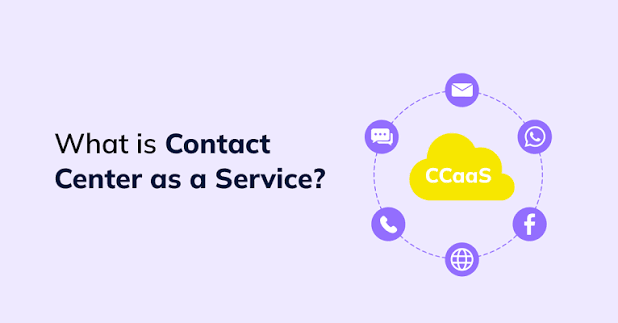
CCaaS platforms allow organisations to manage customer interactions through voice calls, emails, live chat, social media, messaging applications, and other digital channels through a unified cloud-based environment. These platforms provide businesses with tools to manage inbound and outbound calls, distribute customer enquiries, monitor agent performance, record conversations, analyse customer interactions, and improve service quality. They also help organisations reduce the infrastructure and maintenance expenses associated with conventional contact centre operations.
India has emerged as an important market for cloud-based customer experience technologies because of its expanding banking, financial services, insurance, telecommunications, retail, healthcare, travel, e-commerce, and technology sectors. Businesses operating in these industries increasingly require customer support systems capable of handling large interaction volumes while maintaining service quality. The growth of digital payments, online shopping, mobile banking, and app-based services has further increased the importance of efficient customer communication.
Artificial intelligence is also transforming the CCaaS industry. Modern platforms increasingly incorporate AI-powered virtual agents, automated call summaries, sentiment analysis, speech analytics, intelligent routing, predictive engagement, and real-time agent assistance. These capabilities help businesses automate repetitive customer enquiries, identify customer requirements, reduce waiting times, and provide agents with relevant information during conversations.
Another important development is the integration of CCaaS platforms with customer relationship management systems, enterprise resource planning applications, workforce management solutions, and business intelligence tools. Such integrations allow customer service teams to access relevant information without switching between multiple applications. They also help businesses create more consistent customer experiences across different communication channels.
The following are ten leading Contact Center as a Service platforms relevant to businesses operating in India in 2027.
1. Genesys Cloud CX
Genesys Cloud CX is one of the prominent cloud-based contact centre platforms available to enterprises seeking comprehensive customer experience management capabilities. Developed by Genesys, the platform combines contact centre operations, customer journey management, artificial intelligence, workforce engagement, and omnichannel communication within a unified cloud environment. It is designed to support organisations that manage large volumes of customer interactions across multiple channels and require sophisticated tools for managing customer experiences.
One of the platform’s major capabilities is omnichannel customer engagement. Businesses can manage voice calls, emails, web messaging, live chat, and other digital interactions through a consolidated environment. This allows customer service agents to handle conversations across different communication channels while maintaining access to relevant interaction histories. For example, when a customer initially contacts a company through a website chat and subsequently calls its support centre, the platform can help agents access the previous interaction and continue the conversation with greater context.
Genesys Cloud CX offers intelligent interaction routing capabilities that help businesses direct customer enquiries to suitable agents based on predefined business rules, agent skills, availability, and customer requirements. Skill-based routing is particularly useful for organisations operating in banking, insurance, telecommunications, and healthcare, where customers may need assistance from specialised departments. Businesses can configure routing strategies to improve response times and distribute workloads more effectively.
Artificial intelligence is an important part of the Genesys ecosystem. Its AI capabilities support virtual agents, predictive engagement, interaction analysis, agent assistance, and automated customer service processes. Virtual agents can manage routine enquiries, provide information, and assist customers with common requests. More complicated issues can be transferred to human agents with relevant interaction context, reducing the need for customers to repeat information.
The platform also provides analytics and reporting tools that allow organisations to monitor operational performance. Contact centre managers can examine metrics such as average handling time, customer waiting time, agent productivity, interaction volumes, service levels, and customer satisfaction. These insights help businesses identify operational bottlenecks and make improvements to their customer support processes.
Workforce engagement management is another important feature. Organisations can use available workforce management capabilities to forecast interaction volumes, plan agent schedules, monitor performance, and improve resource allocation. This is particularly useful for businesses managing customer support operations across multiple locations and time zones.
Genesys Cloud CX also supports integration with enterprise applications and customer relationship management platforms. Such integrations allow customer service representatives to access customer records, account details, previous interactions, and relevant business information while handling enquiries. This improves operational continuity and reduces manual work.
For Indian enterprises, Genesys Cloud CX is relevant to industries such as banking, insurance, telecommunications, retail, travel, healthcare, and technology services. Its broad feature set makes it suitable for organisations that need sophisticated contact centre operations and want to combine traditional customer support with digital engagement and AI-powered automation.
2. NICE CXone
NICE CXone is a cloud-based contact centre platform designed to help organisations manage customer interactions, automate service processes, improve agent productivity, and analyse customer experiences. Developed by NICE, the platform combines contact centre management, workforce engagement, artificial intelligence, analytics, and omnichannel communication capabilities.
The platform provides a unified environment for managing customer interactions across voice and digital channels. Businesses can handle incoming calls, outbound calling activities, emails, messaging, and digital conversations through an integrated contact centre infrastructure. This is particularly useful for companies that operate large customer support departments and need to maintain consistent service standards across different communication channels.
One of NICE CXone’s important capabilities is intelligent routing. The platform helps organisations direct customer interactions to appropriate agents based on skills, customer requirements, business priorities, and availability. Businesses can configure routing rules to ensure that technical enquiries reach specialised support teams, while billing-related questions are directed to the relevant department.
NICE CXone also offers AI-powered customer service capabilities. Its AI technologies support conversational automation, agent assistance, interaction analysis, and customer experience management. Virtual agents can handle routine customer enquiries, while AI-assisted tools can provide human agents with relevant information during conversations. These capabilities help organisations reduce repetitive tasks and improve the consistency of customer service.
Interaction analytics is another significant component of the platform. Organisations can analyse customer conversations to identify recurring complaints, service issues, customer sentiment, and operational trends. Speech analytics and interaction analysis can help businesses understand why customers contact support teams, which problems occur frequently, and where improvements may be required.
The platform also includes workforce management capabilities. Contact centre supervisors can use workforce forecasting, scheduling, performance monitoring, and operational reporting tools to manage agent resources. These functions are particularly relevant to businesses with high-volume customer service operations, where staffing requirements can change according to seasonal demand, promotional campaigns, and customer activity.
NICE CXone supports quality management processes that help organisations evaluate agent interactions and maintain service standards. Supervisors can review conversations, assess agent performance, identify training requirements, and monitor compliance with internal service procedures.
Integration capabilities further strengthen the platform’s enterprise relevance. Businesses can connect customer service workflows with CRM applications and other enterprise systems, allowing agents to access relevant customer information during interactions. This helps improve the continuity of service across different departments.
In India, NICE CXone is relevant to large enterprises, business process outsourcing providers, financial institutions, telecommunications companies, healthcare organisations, and retailers. Its combination of analytics, workforce management, automation, and customer interaction capabilities makes it a comprehensive option for businesses seeking to modernise their contact centre infrastructure.
3. Amazon Connect
Amazon Connect is a cloud-based contact centre service developed by Amazon Web Services. It enables organisations to establish and operate customer contact centres without investing in traditional on-premises telephony infrastructure. The platform is designed to provide flexible contact centre capabilities through cloud computing, artificial intelligence, automation, and integration with other AWS services.
One of the primary advantages of Amazon Connect is its cloud-native architecture. Businesses can configure contact centre operations according to their requirements and scale capacity as customer interaction volumes change. This flexibility is useful for organisations experiencing seasonal demand, rapid business expansion, or fluctuations in customer support requirements.
Amazon Connect supports inbound and outbound voice interactions along with digital customer engagement capabilities. Organisations can build customer service workflows that allow customers to connect with agents through different communication channels. Its contact routing capabilities help direct interactions to appropriate agents based on configured rules, agent availability, and customer requirements.
The platform offers interactive voice response capabilities that allow businesses to automate the initial stages of customer communication. Companies can configure menus and automated workflows to help customers select departments, obtain information, or complete routine requests without immediately speaking to an agent. These workflows can be connected with business applications to retrieve information and perform specific tasks.
Amazon Connect also incorporates AI capabilities through the broader AWS ecosystem. Businesses can use Amazon Lex to develop conversational interfaces and virtual agents. Amazon Transcribe supports speech-to-text conversion, while Amazon Comprehend can help analyse text and identify relevant information. These services can be combined to develop customer service workflows involving speech recognition, conversational automation, and interaction analysis.
Another important feature is its integration with AWS analytics and data services. Organisations can use available reporting and data processing tools to understand interaction volumes, customer behaviour, service performance, and operational efficiency. These insights can help businesses identify common customer problems and improve their service processes.
Amazon Connect also provides tools for contact flow management. Organisations can design customer interaction journeys using configurable workflows that determine how incoming enquiries are handled. These flows can incorporate automated responses, customer verification steps, queue management, and routing decisions.
The platform can be integrated with CRM systems and enterprise applications, allowing businesses to connect contact centre operations with customer databases and internal workflows. This is particularly valuable for organisations that already use AWS infrastructure or have cloud-based business applications.
For Indian businesses, Amazon Connect is relevant to technology companies, financial services organisations, e-commerce businesses, digital platforms, and enterprises with technically capable IT teams. Its flexible architecture and integration with AWS services make it particularly useful for organisations that want to build customised cloud contact centre environments rather than depend entirely on a fixed contact centre configuration.
4. Cisco Webex Contact Center
Cisco Webex Contact Center is a cloud-based customer experience platform designed to support enterprise contact centre operations through voice, digital communication, automation, analytics, and workforce management. It forms part of Cisco’s broader Webex collaboration and customer experience ecosystem.
The platform allows businesses to manage customer interactions through a unified environment. It supports voice and digital engagement, enabling customer service teams to handle enquiries across multiple channels. This helps organisations maintain continuity when customers move between communication methods during the resolution of an issue.
One of the important capabilities of Webex Contact Center is intelligent routing. Businesses can configure customer interaction distribution according to agent skills, customer information, interaction history, and business requirements. The platform helps organisations direct enquiries to suitable agents and manage contact centre queues more efficiently.
Cisco’s platform also incorporates artificial intelligence and automation capabilities. These can support automated customer interactions, agent assistance, conversational experiences, and interaction analysis. AI-powered features can help agents access relevant information, understand customer requirements, and handle conversations more efficiently.
Webex Contact Center provides analytics and reporting tools that help supervisors monitor contact centre performance. Organisations can review service levels, interaction volumes, waiting times, agent activity, and other operational indicators. Such information supports performance evaluation and helps management identify areas where service processes need improvement.
Another significant feature is its integration with collaboration technologies. Businesses using the broader Webex ecosystem can benefit from the relationship between contact centre operations and enterprise communication tools. This can improve coordination between customer-facing employees, internal specialists, and other departments when resolving complicated customer issues.
The platform also supports integrations with business applications and CRM systems. These integrations allow agents to access customer information and relevant business records while handling interactions. This reduces the need for manual data entry and helps improve the customer support experience.
Security, administration, and enterprise management are important considerations for Cisco’s contact centre offering. Large organisations generally require centralised control over user access, operational policies, customer interaction processes, and technology infrastructure. Cisco’s enterprise-oriented ecosystem addresses these requirements through its broader networking, collaboration, and security capabilities.
In India, Webex Contact Center is relevant to banks, insurance providers, telecommunications companies, IT services organisations, healthcare providers, and large enterprises. It can be particularly useful for businesses that already use Cisco or Webex technologies and want to bring their customer support operations into a connected cloud-based environment.
5. Avaya Experience Platform
Avaya Experience Platform is a customer experience and contact centre solution designed to help organisations manage interactions across traditional and digital communication channels. Avaya has an established presence in enterprise telephony and contact centre technology, and its experience platform extends these capabilities into cloud-based and hybrid customer experience environments.
The platform supports organisations that want to modernise customer service operations while maintaining flexibility in their technology infrastructure. Businesses can use cloud-based capabilities alongside existing communication investments, depending on their deployment requirements and supported configurations. This makes it relevant to enterprises that are transitioning from conventional contact centre systems to more flexible cloud-based operations.
Omnichannel communication is a central part of Avaya Experience Platform. Organisations can manage customer interactions through voice and digital channels, helping agents maintain a more consistent view of customer conversations. The ability to connect interactions across communication methods is particularly important for businesses where customers frequently move between telephone support, online messaging, and other digital touchpoints.
The platform provides intelligent routing capabilities that help businesses distribute customer enquiries according to agent skills, availability, and predefined operational requirements. This allows organisations to direct specialised enquiries to appropriately trained teams and manage customer interaction volumes more effectively.
Artificial intelligence and automation also form part of Avaya’s customer experience strategy. AI-powered capabilities can support customer self-service, virtual agents, interaction analysis, and agent assistance. Businesses can automate repetitive enquiries and provide agents with information that helps them resolve customer issues more efficiently.
Avaya Experience Platform also supports workforce engagement and contact centre management functions. Supervisors can monitor agent performance, review interactions, manage service levels, and analyse operational results. These features are important for organisations that operate large contact centres and need structured processes for quality assurance and employee performance management.
Integration with CRM applications and enterprise systems allows customer service representatives to access relevant information during interactions. This helps reduce fragmented customer records and allows businesses to connect customer service activities with broader organisational workflows.
The platform is particularly relevant to organisations with complex telephony requirements, multiple contact centre locations, and established enterprise communication infrastructure. Its hybrid deployment flexibility can be important for businesses that cannot immediately migrate every component of their communication environment to the cloud.
In India, Avaya Experience Platform can serve banking and financial services companies, telecommunications providers, government-related organisations, insurance companies, and large customer service operations. Its established enterprise communication capabilities make it a relevant option for organisations seeking to combine cloud-based customer experience management with existing telephony investments.
6. Five9 Intelligent CX Platform
Five9 Intelligent CX Platform is a cloud-based contact centre solution designed to support customer engagement, workforce productivity, interaction management, and AI-powered service automation. Five9 primarily focuses on helping organisations modernise customer contact operations through a cloud-based environment that integrates voice, digital channels, analytics, and intelligent automation.
The platform supports inbound and outbound contact centre operations. Businesses can manage incoming customer enquiries, conduct outbound calling campaigns, and coordinate customer interactions through a unified system. These capabilities are useful for organisations that operate sales teams, customer support departments, collections operations, and customer retention programmes.
Five9 provides omnichannel engagement capabilities that allow businesses to manage communication across voice and digital channels. Customers can interact with organisations through different communication methods, while agents can access relevant information within the contact centre environment. This helps businesses reduce fragmentation between separate communication systems.
Intelligent routing is another important capability. The platform can distribute interactions based on agent skills, customer information, availability, and business-defined rules. Organisations can use these capabilities to improve enquiry distribution and ensure that customer requests reach suitable support representatives.
Artificial intelligence is an important component of Five9’s platform. Its intelligent virtual agent and agent assistance capabilities support automated customer interactions and human-agent productivity. Virtual agents can handle routine questions, collect information, and guide customers through common processes. More complicated enquiries can be transferred to human representatives.
Five9 also offers speech analytics and interaction intelligence capabilities. These features can help organisations examine customer conversations, identify recurring issues, and understand service performance. Businesses can use these insights to improve agent training, identify customer dissatisfaction, and refine their support processes.
Workforce engagement capabilities help contact centre managers organise staffing requirements, monitor employee performance, and improve operational efficiency. Scheduling and forecasting tools can support businesses with fluctuating interaction volumes and large agent teams.
The platform also supports integration with CRM applications and other enterprise systems. This enables agents to access customer records, sales information, and previous interaction details while handling enquiries. Such integrations are especially useful for organisations where customer service and sales operations are closely connected.
In India, Five9 is relevant to enterprises, international customer service operations, outsourcing providers, technology businesses, and companies managing large inbound and outbound communication requirements. Its cloud-based architecture and AI-driven contact centre capabilities make it an option for organisations looking to improve customer engagement and operational flexibility.
7. Talkdesk
Talkdesk is a cloud-based contact centre platform focused on customer experience management, intelligent automation, digital communication, and enterprise customer service operations. The platform is designed to help businesses manage customer interactions while connecting contact centre workflows with CRM systems and other business applications.
Talkdesk provides omnichannel communication capabilities that allow organisations to manage customer enquiries through voice and digital channels. These include telephone interactions, messaging, and other supported digital engagement methods. A unified interaction environment helps agents maintain context when customers communicate through different channels.
One of the platform’s important capabilities is its AI-powered customer experience technology. Talkdesk offers tools for conversational automation, virtual agents, agent assistance, and interaction analysis. These capabilities help organisations automate repetitive tasks and provide agents with relevant information during customer conversations.
Talkdesk’s routing capabilities allow businesses to distribute interactions according to customer needs, agent availability, and configured business rules. This helps organisations manage high interaction volumes and direct specialised enquiries to suitable teams.
The platform also offers tools for contact centre analytics and reporting. Managers can monitor service levels, customer interaction volumes, agent performance, and operational efficiency. These insights help businesses identify problems in their customer support processes and make informed operational decisions.
Talkdesk provides workforce engagement and management capabilities that support scheduling, performance monitoring, and quality management. These tools are particularly useful for organisations operating large customer service teams where staffing requirements and interaction volumes change throughout the day.
Integration with CRM and enterprise applications is another important aspect of the platform. Businesses can connect contact centre workflows with customer databases and sales applications, allowing agents to access relevant customer information during conversations. This helps reduce manual processes and improve service continuity.
Talkdesk also offers industry-oriented customer experience solutions. Its capabilities can be configured for sectors such as financial services, retail, healthcare, and other customer-intensive industries. Industry-specific workflows can help organisations address specialised requirements involving customer verification, service requests, account management, and support operations.
For businesses in India, Talkdesk is relevant to enterprises with international customer service operations, technology companies, digital businesses, and organisations seeking AI-enabled customer engagement. Its platform is particularly suitable for businesses that want to combine customer interaction management with automation and analytics.
8. Twilio Flex
Twilio Flex is a programmable cloud contact centre platform designed for organisations that want greater control over how their customer engagement systems are developed and configured. Unlike conventional contact centre solutions that primarily provide predefined workflows, Twilio Flex offers a highly customisable environment that allows businesses to build customer communication experiences around their own operational requirements.
The platform is built on Twilio’s broader communications infrastructure, which includes programmable voice, messaging, and other communication APIs. This allows organisations to integrate customer contact centre functions with applications, websites, mobile platforms, and internal business systems.
One of Twilio Flex’s major strengths is its customisation capability. Businesses can configure agent interfaces, customer interaction workflows, routing rules, and communication experiences according to their requirements. Development teams can modify the platform to create specialised contact centre applications that align with their existing technology infrastructure.
Twilio Flex supports multiple communication channels, including voice and digital messaging. Organisations can use these capabilities to manage customer conversations through different channels while maintaining a consolidated view of interactions. Its programmable architecture also allows developers to connect additional communication services where supported.
The platform provides task routing capabilities that help organisations distribute customer interactions to appropriate agents. Routing decisions can be configured according to customer information, agent skills, availability, and business rules. This makes the platform useful for businesses with complex customer service processes.
Twilio’s programmable communication services can also support automated customer engagement. Organisations can build interactive voice response systems, messaging workflows, notifications, and conversational experiences. These features can help reduce manual customer service activities and improve the availability of basic support services.
Another important capability is integration with CRM systems and enterprise applications. Businesses can connect customer interaction workflows with customer databases, payment applications, order management systems, and other internal services. This makes it possible to create customised customer experiences that extend beyond conventional call centre functionality.
Twilio Flex also provides reporting and operational monitoring capabilities. Businesses can evaluate agent activity, interaction volumes, service performance, and other relevant operational indicators. Additional analytics and data services can be integrated depending on the organisation’s technology requirements.
The platform is particularly relevant to technology-driven businesses, fintech companies, e-commerce platforms, digital service providers, and organisations with internal software development teams. Its programmable structure makes it attractive to businesses that want to create customised customer service experiences rather than rely entirely on standard contact centre workflows.
For Indian companies, Twilio Flex can be useful for digital-first organisations that operate mobile applications, online services, and customer-facing platforms. However, businesses should assess communication availability, regional telephony requirements, integration needs, and applicable regulatory obligations before selecting a deployment model.
9. 8×8 Contact Center
8×8 Contact Center is a cloud-based customer engagement platform designed to help businesses manage customer communications, improve agent productivity, and coordinate contact centre operations. It forms part of the broader 8×8 communications ecosystem, which combines contact centre technology with business communication and collaboration capabilities.
The platform supports organisations that need to manage customer interactions across voice and digital channels. By bringing different communication methods into a unified environment, businesses can provide customers with multiple ways to obtain assistance while allowing agents to manage conversations through a consolidated interface.
One of its major capabilities is intelligent contact routing. Businesses can configure interaction distribution based on customer requirements, agent skills, and availability. This helps ensure that customer enquiries are directed to suitable representatives and reduces the possibility of customers being transferred repeatedly between departments.
8×8 Contact Center provides tools for managing inbound and outbound communication activities. Organisations can handle customer support enquiries, sales calls, service follow-ups, and other customer engagement activities. This makes the platform useful for businesses that combine customer service with sales and retention operations.
The platform also incorporates analytics and reporting capabilities. Managers can monitor interaction volumes, agent productivity, service levels, and operational performance. These insights can help organisations identify customer service issues and evaluate the effectiveness of their contact centre processes.
AI and automation capabilities are increasingly important within the 8×8 ecosystem. Businesses can use available technologies to support conversational experiences, automate customer interactions, and assist agents. These capabilities can improve the handling of repetitive enquiries and help customer support teams focus on more complex problems.
Workforce management and quality monitoring are also important considerations for contact centre operations. Businesses need to understand staffing requirements, maintain service standards, and evaluate agent performance. Available contact centre management capabilities can help supervisors monitor operations and make improvements.
The platform’s integration with the broader 8×8 communications environment is another advantage. Businesses can coordinate customer-facing communication with internal collaboration activities, allowing employees to communicate more efficiently when resolving customer issues that require support from multiple departments.
CRM integration helps agents access relevant customer information and interaction histories. This can improve the continuity of customer service and reduce the amount of time spent searching for records across separate applications.
In India, 8×8 Contact Center is relevant to enterprises, international service providers, technology companies, and organisations with distributed customer support teams. Businesses considering the platform should evaluate regional service availability, telephony requirements, local connectivity, and integration capabilities before implementation.
10. Exotel Ameyo
Exotel Ameyo is a cloud-based contact centre and customer engagement solution that is particularly relevant to the Indian business environment. Exotel provides cloud telephony and customer communication technologies, while Ameyo has an established background in contact centre software. The combined ecosystem addresses business requirements involving customer calling, omnichannel engagement, automation, and contact centre management.
One of the platform’s important capabilities is inbound and outbound call management. Businesses can manage customer enquiries, sales calls, service requests, collections activities, and follow-up communication through a cloud-based contact centre environment. This is particularly useful for organisations that require structured calling operations without maintaining extensive physical telephony infrastructure.
Exotel’s cloud telephony capabilities help businesses establish communication workflows for customer-facing teams. Organisations can configure call routing, interactive voice response systems, call recording, agent connectivity, and other contact centre processes. These features support customer service departments that handle high interaction volumes.
Ameyo’s contact centre capabilities extend the offering into agent management and omnichannel customer engagement. Businesses can coordinate interactions across supported communication channels and manage customer service operations through a unified environment. This helps organisations maintain more consistent communication when customers move between different support channels.
Intelligent routing is another important function. Customer calls and other enquiries can be distributed according to predefined business rules, agent availability, and departmental requirements. Organisations can use routing configurations to separate sales, technical support, billing, and general customer service enquiries.
Automation is an important part of modern Exotel and Ameyo deployments. Businesses can configure automated voice responses, customer notifications, conversational workflows, and other communication processes. These functions help reduce repetitive agent activities and allow customers to obtain basic information without always requiring human assistance.
The platform also supports integration with CRM systems and business applications. These integrations allow customer service agents to access customer details, previous interactions, and relevant business records. For e-commerce companies, financial service providers, and digital businesses, this can help connect customer communication with order management, account servicing, and other operational workflows.
Call recording and reporting capabilities are important for organisations that need to monitor customer interactions and maintain service quality. Supervisors can review conversations, evaluate agent performance, and identify areas where additional training may be necessary. Operational reports can also help management assess calling activity and customer support performance.
Exotel’s relevance to India is one of its notable characteristics. Indian businesses frequently require customer communication systems that can support large calling operations, local business workflows, and integrations with domestic digital services. Exotel’s experience in cloud telephony and business communication makes it relevant to startups, small and medium-sized businesses, fintech companies, e-commerce organisations, and large enterprises.
The platform can be particularly useful for businesses that want to connect cloud telephony with customer support software rather than operate separate systems for calling and customer interaction management. Organisations should nevertheless evaluate the exact features, deployment options, channel availability, and integration requirements included in their selected Exotel Ameyo offering.
Conclusion
Contact Center as a Service platforms are becoming an important component of business technology infrastructure as organisations increasingly focus on customer experience, operational efficiency, and digital engagement. The transition from traditional contact centres to cloud-based solutions allows businesses to manage customer interactions more flexibly while reducing dependence on physical infrastructure and disconnected communication systems.
The ten platforms discussed above offer different approaches to customer engagement and contact centre management. Genesys Cloud CX and NICE CXone provide comprehensive enterprise customer experience capabilities, including intelligent routing, workforce management, analytics, and automation. Amazon Connect offers a cloud-native and highly configurable approach that benefits organisations operating within the AWS ecosystem. Cisco Webex Contact Center and Avaya Experience Platform combine established enterprise communication capabilities with modern cloud-based customer service functions.
Five9 and Talkdesk focus on intelligent customer engagement, automation, and contact centre productivity. Twilio Flex provides a programmable environment for businesses that require extensive customisation and have the technical resources to build specialised communication workflows. 8×8 Contact Center combines customer engagement with broader business communication capabilities, while Exotel Ameyo offers a relevant combination of cloud telephony and contact centre functionality for Indian businesses.
Selecting the right CCaaS platform requires an understanding of an organisation’s customer interaction volumes, communication channels, operational structure, technology infrastructure, and long-term business objectives. Enterprises should also examine AI capabilities, CRM integration, reporting tools, workforce management, security, scalability, and the availability of regional telephony services.
For Indian businesses, language requirements, local calling capabilities, data protection, regulatory compliance, integration with domestic business applications, and customer support arrangements are particularly important considerations. Pricing structures also require careful evaluation because cloud contact centre costs can depend on agent licences, usage, communication charges, AI features, integrations, and additional services.
As customer expectations continue to evolve, CCaaS platforms are likely to become increasingly important for organisations seeking to deliver connected, responsive, and personalised customer service. The growing combination of cloud computing, artificial intelligence, automation, and analytics will continue to influence how businesses operate their contact centres and manage customer relationships.