Top 10 Best CPaaS Companies in India in 2027
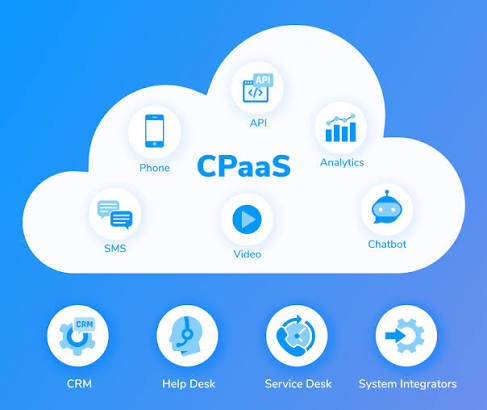
India’s digital communication landscape has undergone a remarkable transformation, driven by the rapid adoption of cloud technologies, mobile-first business strategies, artificial intelligence, and automated customer engagement. Communication Platform as a Service, commonly known as CPaaS, has emerged as an essential technology for businesses seeking to communicate with customers across multiple digital channels without building and maintaining complex telecommunications infrastructure. From sending transactional SMS notifications and one-time passwords to enabling WhatsApp conversations, automated voice calls, video interactions, and AI-powered customer support, CPaaS platforms have become integral to modern enterprise operations.
The growing importance of CPaaS in India reflects the country’s expanding digital economy, widespread smartphone adoption, increasing internet penetration, and the popularity of digital payment systems. Industries such as banking, financial services, insurance, healthcare, e-commerce, logistics, education, travel, and retail depend on reliable communication infrastructure to deliver timely information, authenticate users, manage customer relationships, and support business transactions. As customers increasingly expect instant responses and seamless interactions across channels, enterprises are investing in unified communication platforms capable of handling high volumes of messages while maintaining security, scalability, and operational efficiency.
Modern CPaaS solutions extend far beyond conventional SMS gateways. Leading providers offer application programming interfaces, commonly known as APIs, that enable developers to integrate messaging, voice, authentication, email, and conversational communication directly into websites, mobile applications, and enterprise software. Businesses can orchestrate customer journeys, automate notifications, integrate chatbots, monitor delivery performance, and create personalized communication experiences using a single technological ecosystem.
Artificial intelligence has further expanded the capabilities of CPaaS platforms. AI-powered chatbots, intelligent routing, automated customer assistance, natural language processing, and conversational analytics help organizations reduce repetitive workloads and improve customer engagement. Meanwhile, the growing importance of data privacy, telecom compliance, fraud prevention, and secure authentication has encouraged enterprises to prioritize communication providers offering dependable infrastructure and sophisticated management tools.
India has developed a competitive CPaaS ecosystem comprising homegrown technology companies and international communication platforms serving Indian enterprises. Several Indian-origin providers have established substantial global operations, while international companies have expanded their offerings to address the communication requirements of India’s diverse business environment.
The following ten CPaaS companies represent important participants in India’s enterprise communication industry, offering solutions across messaging, voice, authentication, omnichannel engagement, automation, and customer experience management.
1. Tanla Platforms Limited
Tanla Platforms Limited is one of India’s prominent cloud communications technology companies, providing enterprise messaging, communication infrastructure, and digital interaction solutions to businesses and telecommunications operators. Headquartered in Hyderabad, the company has developed an extensive presence in the enterprise communications ecosystem, supporting organizations that require secure, scalable, and high-volume customer communication services. Tanla’s technological capabilities encompass cloud communication platforms, messaging infrastructure, digital engagement solutions, and communication security technologies designed for enterprises operating across different industries.
One of Tanla’s important strengths is its ability to support enterprise communication at scale. Organizations in banking, financial services, e-commerce, telecommunications, and digital services regularly need to transmit large volumes of transactional messages, authentication codes, service alerts, and promotional communications. Tanla’s communication infrastructure helps enterprises manage these requirements through integrated platforms that connect business applications with telecommunications networks. Its solutions support the delivery of time-sensitive information, allowing businesses to maintain communication with customers throughout their digital journeys.
The company’s Wisely platform represents an important component of its technology portfolio. Wisely has been developed to support enterprise communication and digital interactions through cloud-based infrastructure, with an emphasis on security, privacy, and trusted communication. Its capabilities are relevant to organizations seeking greater control over customer engagement, communication workflows, and the management of interactions across digital channels.
Tanla is also associated with Trubloq, a blockchain-enabled platform developed for managing commercial communication preferences and compliance-related processes within India’s telecommunications ecosystem. The platform addresses requirements connected with regulatory controls, communication consent, and the management of commercial messaging. In a market where unsolicited communications and fraudulent messaging create challenges for businesses and consumers, technologies supporting transparency and communication governance are increasingly important.
Another significant aspect of Tanla’s operations is its relationship with telecommunications networks and enterprise communication infrastructure. The company operates in a technically demanding environment where message routing, network integration, delivery performance, and platform reliability directly influence customer experience. Its expertise in these areas makes it relevant to organizations requiring dependable communication services for mission-critical business processes.
Tanla’s technology offerings also reflect the industry’s movement toward more intelligent and secure digital engagement. Enterprises increasingly require communication systems that can integrate with existing customer relationship management software, automate interactions, and provide greater visibility into communication performance. Tanla’s platforms address these broader requirements through infrastructure and engagement technologies rather than functioning solely as conventional messaging gateways.
For enterprises prioritizing large-scale messaging, communication security, regulatory alignment, and integrated digital engagement, Tanla Platforms remains an important company within India’s CPaaS industry.
2. Route Mobile Limited
Route Mobile Limited is a major cloud communications provider with an Indian origin and an international enterprise customer base. Headquartered in Mumbai, the company provides CPaaS solutions that help businesses communicate with customers through messaging, voice, email, and digital communication channels. Its operations serve enterprises, telecommunications operators, and digital service providers seeking reliable communication infrastructure for customer engagement, authentication, marketing, and operational notifications.
Route Mobile’s communication portfolio includes application-to-person messaging, commonly referred to as A2P messaging, which enables businesses to send automated messages directly to customers. These communications include banking alerts, transaction confirmations, one-time passwords, appointment reminders, delivery updates, and promotional campaigns. The company’s infrastructure supports enterprise communication across domestic and international markets, making it relevant to businesses operating across multiple countries.
The company also provides communication APIs that enable developers to integrate messaging capabilities into enterprise applications. Rather than building independent telecommunications connections, organizations can use these APIs to automate communication workflows within their existing technology environments. This approach is particularly useful for financial institutions, online marketplaces, travel businesses, and digital platforms where communication must be triggered automatically by customer actions or business events.
Route Mobile’s omnichannel capabilities support engagement across messaging services and other communication interfaces. WhatsApp Business messaging is an important area of enterprise communication because it allows businesses to interact with customers through a familiar conversational environment. Companies can use approved business messaging capabilities for notifications, customer assistance, service interactions, and conversational commerce.
Voice communication is another component of Route Mobile’s enterprise communication offering. Automated voice services can support customer notifications, verification processes, interactive voice response applications, and contact centre requirements. Combining messaging and voice within a broader communication architecture helps businesses design customer journeys that accommodate different preferences and situations.
Route Mobile also offers solutions related to identity verification, communication security, and fraud prevention. These capabilities are especially relevant to industries handling sensitive transactions and customer information. Authentication mechanisms, secure communication processes, and enterprise-grade integration features help organizations manage digital interactions more effectively.
An important development in Route Mobile’s corporate journey has been its integration into the broader Proximus Group ecosystem following the acquisition of a controlling interest by Proximus Opal. This relationship strengthens its connection with international telecommunications infrastructure and digital communication capabilities, supporting opportunities for collaboration across global markets.
Route Mobile is particularly suitable for enterprises seeking international messaging connectivity, omnichannel communication, scalable APIs, and integrated customer engagement capabilities. Its combination of Indian market experience and international operations makes it a significant participant in the country’s CPaaS sector.
3. Gupshup
Gupshup is a leading conversational messaging and customer engagement technology company with strong roots in India’s digital communication ecosystem. The company specializes in helping enterprises create interactive customer experiences through messaging platforms, conversational automation, chatbots, and business communication APIs. Its solutions are particularly relevant to organizations seeking to transform conventional customer notifications into two-way conversations that support sales, customer service, marketing, and transactional interactions.
One of Gupshup’s most important capabilities is its conversational messaging infrastructure. Traditional enterprise messaging primarily involves sending information from a business to a customer. Gupshup extends this model by enabling customers to respond, ask questions, receive assistance, complete certain transactions, and interact with automated systems within familiar messaging applications. This approach allows businesses to establish more continuous customer relationships without requiring users to download separate applications or navigate complicated digital interfaces.
WhatsApp Business communication is a major component of Gupshup’s offerings. Businesses can use its platform to build automated WhatsApp customer journeys involving product discovery, order confirmations, appointment scheduling, payment-related interactions, customer support, and promotional engagement. Retailers can create conversational shopping experiences, while financial institutions can deliver account-related services and customer assistance through approved messaging workflows.
Gupshup’s chatbot development capabilities enable enterprises to automate frequently occurring interactions. Businesses can design conversational flows that answer common questions, collect customer information, provide service updates, and direct complicated requests to human representatives. This functionality is especially valuable for organizations handling large customer volumes, where manually responding to every enquiry can create substantial operational costs.
The company has also invested in conversational artificial intelligence, supporting the development of intelligent customer interaction systems that go beyond rigid, menu-based chatbots. AI-enabled conversational solutions can interpret customer requests, generate contextual responses, and support more natural exchanges. When integrated with enterprise databases and business applications, these systems can assist customers with information relevant to their accounts, purchases, or service requirements.
Gupshup’s communication portfolio extends to SMS, rich messaging, and other digital channels. Rich Communication Services, commonly known as RCS, offers businesses opportunities to deliver branded and interactive messaging experiences through compatible mobile messaging applications. Features such as images, suggested replies, interactive buttons, and structured content can make communication more engaging than conventional text messages.
Another advantage is the platform’s ability to integrate conversational engagement with existing enterprise systems. Businesses can connect messaging workflows with customer relationship management platforms, e-commerce applications, customer support software, and marketing systems. These integrations help organizations maintain continuity between customer conversations and internal business processes.
Gupshup is particularly relevant to e-commerce companies, consumer brands, financial service providers, travel platforms, healthcare organizations, and digital-first businesses seeking conversational customer engagement. Its focus on interactive messaging, chatbot development, WhatsApp communication, and AI-driven automation makes it an important participant in India’s CPaaS market.
4. Tata Communications Limited – Kaleyra
Tata Communications Limited, through its Kaleyra business and broader digital communication capabilities, offers enterprise-grade cloud communication services for organizations requiring scalable, secure, and internationally connected customer engagement infrastructure. Tata Communications acquired Kaleyra in 2023, strengthening its position in the CPaaS industry and expanding its ability to deliver integrated communication services to enterprises operating across different geographical markets.
Kaleyra has established expertise in cloud messaging, programmable voice, and enterprise communication APIs. Its technology enables businesses to integrate communication functionality directly into their digital applications, supporting automated notifications, authentication processes, customer engagement, and service-related interactions. The combination of Kaleyra’s communication platform capabilities with Tata Communications’ international network infrastructure creates a comprehensive technology environment for enterprises with demanding communication requirements.
Enterprise messaging is a central component of Kaleyra’s portfolio. Businesses can use its infrastructure to deliver transactional messages, one-time passwords, service alerts, promotional communications, and customer notifications. These services are particularly important for financial institutions, online marketplaces, healthcare providers, and technology companies that depend on consistent message delivery to maintain business continuity.
Kaleyra’s programmable voice capabilities allow organizations to incorporate automated calling functionality into their applications and customer service processes. Voice APIs can support customer verification, appointment reminders, interactive voice response systems, and communication between businesses and customers. These capabilities enable enterprises to automate repetitive communication tasks while maintaining the option of human interaction when necessary.
The platform also supports communication through WhatsApp Business and other digital messaging environments. Enterprises can develop customer journeys that combine automated notifications with interactive conversations, allowing users to receive information, respond to requests, and access services through familiar channels. This approach is useful for organizations seeking to reduce friction in customer interactions and provide consistent communication experiences.
One of the important benefits of Tata Communications’ involvement is access to a broader enterprise technology ecosystem. Tata Communications provides global network services, cloud connectivity, security solutions, and digital infrastructure capabilities. Integrating communication APIs with this wider technology portfolio creates opportunities for businesses to manage customer interactions alongside their networking and digital transformation requirements.
Kaleyra’s solutions are also relevant to multinational organizations requiring communication infrastructure across different telecommunications markets. International communication involves varying network conditions, regulatory requirements, message delivery practices, and customer preferences. A provider with global connectivity and enterprise experience can help organizations simplify these complexities through centralized communication management.
The company’s offerings are particularly appropriate for large enterprises, financial institutions, technology platforms, multinational corporations, and businesses requiring integrated messaging and voice infrastructure. Its combination of programmable communication services and Tata Communications’ enterprise technology capabilities makes it a significant player in India’s cloud communications industry.
5. Exotel
Exotel is an Indian cloud communications and customer engagement technology company recognized for its cloud telephony, contact centre, and enterprise communication solutions. Headquartered in Bengaluru, the company helps organizations manage customer interactions through programmable voice, messaging, contact centre infrastructure, and conversational engagement technologies. Its offerings address the communication requirements of businesses seeking to improve customer support, automate operational processes, and connect customer-facing teams through cloud-based systems.
Cloud telephony is one of Exotel’s foundational capabilities. Unlike conventional telephone systems that depend heavily on physical infrastructure, cloud telephony allows businesses to manage calling operations through internet-connected applications and centralized communication platforms. Organizations can configure virtual numbers, route incoming calls, automate outbound communication, and monitor calling activities without maintaining extensive on-premises telephone equipment.
Exotel’s voice APIs enable developers to incorporate calling capabilities into business applications. These APIs can support automated customer notifications, call routing, click-to-call functionality, call masking, and interactive voice response systems. For businesses operating in sectors such as logistics, transportation, e-commerce, and financial services, programmable voice communication can improve operational coordination and customer accessibility.
Call masking is particularly useful for platforms connecting customers with delivery personnel, drivers, service professionals, or other third-party representatives. Instead of exposing personal telephone numbers, businesses can establish communication through intermediary numbers, helping protect customer privacy while allowing necessary interactions to take place. This capability is valuable for marketplace businesses where communication between multiple parties is essential to service delivery.
Exotel also provides contact centre solutions that help businesses organize customer support and sales operations. These platforms can support inbound and outbound calling, agent management, call recording, reporting, and integration with customer relationship management systems. Supervisors can use communication analytics to monitor operational performance, understand call patterns, and identify opportunities to improve service quality.
The company’s customer engagement capabilities extend to digital messaging and conversational communication. By combining voice services with messaging channels, businesses can create customer journeys in which automated notifications, customer enquiries, and agent-assisted interactions operate within a connected environment. This approach reduces fragmentation between different communication systems and helps customer-facing teams maintain better visibility into interactions.
Artificial intelligence and conversational automation have become increasingly important within Exotel’s broader product direction. AI-powered voice and customer engagement technologies can assist organizations in handling routine enquiries, routing conversations, and improving the efficiency of contact centre operations. Businesses can use these capabilities to reduce waiting times and support customer service teams handling substantial interaction volumes.
Exotel is particularly relevant to Indian enterprises seeking localized cloud telephony capabilities, customer service automation, privacy-focused calling features, and integrated contact centre solutions. Its combination of programmable voice, messaging, and customer engagement infrastructure makes it an important technology provider for businesses where telephone-based communication remains central to operations.
6. Infobip
Infobip is a global cloud communications technology company offering comprehensive CPaaS and customer engagement solutions to enterprises operating across international markets, including India. Founded in Croatia, the company has developed a broad communications technology portfolio encompassing SMS, voice, email, WhatsApp Business, RCS, authentication, customer engagement automation, and conversational customer support. Its infrastructure is designed to help organizations connect with customers through multiple communication channels using integrated APIs and enterprise software platforms.
One of Infobip’s defining capabilities is its omnichannel communication architecture. Businesses can communicate with customers through different channels while managing interactions within a unified technological environment. This flexibility is particularly important because customer communication preferences vary according to geography, age, industry, and the nature of the interaction. Some customers prefer conventional SMS for urgent notifications, while others rely on WhatsApp or email for detailed information and ongoing conversations.
Infobip’s messaging APIs support transactional notifications, promotional communication, account verification, delivery alerts, and customer service interactions. Businesses can incorporate these APIs into websites, mobile applications, and enterprise systems to trigger communication automatically. This functionality enables organizations to deliver information at important stages of the customer journey without requiring extensive manual intervention.
The company’s WhatsApp Business capabilities allow enterprises to create interactive customer communication experiences involving automated responses, customer support, product information, and conversational engagement. Retailers can use messaging to communicate order updates and product recommendations, while financial service providers can support customer enquiries and service-related notifications through structured workflows.
Infobip also offers customer engagement software through its Moments platform. Moments helps businesses design and automate communication journeys using customer information, behavioral triggers, and channel preferences. Organizations can create campaigns that respond to customer activities, such as account registration, purchase completion, abandoned transactions, or service requests. This allows communication to become more personalized and responsive to individual customer behavior.
Its Conversations platform supports customer service operations by bringing interactions from multiple channels into a shared agent environment. Customer support teams can manage enquiries, review conversation histories, and coordinate responses without constantly switching between disconnected communication applications. Such functionality is valuable for enterprises seeking consistent customer experiences across digital touchpoints.
Infobip’s Answers solution provides chatbot-building capabilities that support automated customer interactions. Businesses can design conversational experiences for frequently asked questions, customer onboarding, service requests, and routine support processes. AI capabilities can further enhance automation by helping systems interpret customer requests and generate more contextual responses.
Security and authentication form another important component of Infobip’s offerings. Verification APIs help businesses authenticate users through supported communication channels, while communication management tools support monitoring and operational control. These capabilities are particularly useful for digital platforms handling account access, online transactions, and sensitive customer interactions.
Infobip is suitable for multinational enterprises, financial institutions, consumer brands, digital marketplaces, and organizations requiring extensive omnichannel communication capabilities. Its combination of international connectivity, automation platforms, developer APIs, and customer support technologies makes it a comprehensive CPaaS provider for businesses operating in India.
7. Twilio
Twilio is one of the world’s most established cloud communications technology companies, providing programmable communication APIs and customer engagement infrastructure to businesses across different industries. Headquartered in the United States, Twilio has developed a comprehensive portfolio of communication services that enables developers and enterprises to incorporate messaging, voice, email, video, and authentication functionality directly into their digital applications. Its developer-oriented approach makes it particularly relevant to Indian technology companies, software developers, digital platforms, and multinational enterprises seeking flexible communication infrastructure.
One of Twilio’s most significant strengths is its programmable messaging platform. Businesses can use Twilio’s APIs to send transactional notifications, customer alerts, verification messages, appointment reminders, and other automated communications. The platform supports multiple messaging channels, allowing organizations to develop communication workflows that respond to customer actions and operational requirements. For example, an e-commerce application can automatically notify customers when orders are confirmed, dispatched, or delivered, while a financial technology platform can integrate authentication messages into its account registration and transaction processes.
Twilio’s Programmable Voice technology enables organizations to build calling functionality into websites, mobile applications, and enterprise systems. Developers can create automated voice notifications, interactive voice response applications, call routing systems, and customer communication workflows. Businesses can also incorporate voice communication into customer support and sales processes, reducing dependence on traditional telecommunications infrastructure.
Authentication and digital identity verification represent another important area of Twilio’s technology portfolio. Twilio Verify provides APIs that help organizations authenticate users through supported verification methods, including one-time passwords and other authentication channels. These capabilities are particularly relevant to financial technology applications, online marketplaces, subscription services, and digital platforms where account security and customer verification are essential.
Twilio SendGrid extends the company’s communication capabilities into email infrastructure. Businesses can use SendGrid to deliver transactional emails, account notifications, password reset messages, and marketing communications. Integrating email with messaging and voice technologies allows organizations to develop more comprehensive communication strategies while maintaining centralized application-level control.
Another important component of Twilio’s ecosystem is Twilio Segment, a customer data platform designed to help businesses collect, organize, and activate customer information across different applications and digital touchpoints. Customer data infrastructure can support personalized communication by enabling businesses to understand customer behavior and connect relevant information with engagement workflows.
Twilio Flex provides a programmable cloud contact centre platform that allows organizations to develop customized customer service environments. Businesses can configure agent interfaces, integrate communication channels, connect customer information systems, and design workflows according to their operational requirements. This flexibility is valuable for enterprises with complex customer service processes that cannot be accommodated easily through conventional contact centre software.
Twilio also provides extensive developer documentation, software development kits, integration resources, and testing environments. These tools allow engineering teams to experiment with communication functionality and incorporate APIs into different software architectures. For Indian startups and technology-driven enterprises developing products for international markets, such flexibility can be particularly useful.
Twilio is well suited to businesses seeking programmable communication infrastructure, extensive developer tools, international communication capabilities, and customizable customer engagement systems. Its broad technology portfolio supports organizations ranging from emerging software companies to large enterprises managing sophisticated digital communication requirements.
8. Bharti Airtel Limited – Airtel IQ
Bharti Airtel Limited, through its Airtel IQ platform, provides cloud communication and enterprise customer engagement solutions supported by the company’s telecommunications infrastructure. Airtel IQ enables businesses to integrate communication services into their applications and operational systems, offering capabilities across voice, messaging, customer engagement, and cloud-based communication management. The platform is particularly relevant to Indian enterprises seeking communication technology supported by an established domestic telecommunications operator.
Airtel IQ’s programmable voice capabilities allow businesses to manage customer calling operations through cloud-based infrastructure. Organizations can integrate calling functionality into their applications, automate communication workflows, and configure customer interactions according to business requirements. These capabilities are useful for customer support teams, financial institutions, logistics companies, healthcare providers, and businesses that depend on frequent telephone communication.
One of Airtel IQ’s important features is its ability to support number masking and privacy-oriented communication. In industries where customers interact with delivery partners, service personnel, drivers, or sales representatives, sharing personal telephone numbers can create privacy concerns. Number masking allows businesses to facilitate communication while limiting direct exposure of personal contact details. This functionality is particularly useful for digital marketplaces, transportation platforms, and last-mile delivery operations.
Airtel IQ also supports cloud contact centre and customer engagement requirements. Businesses can use cloud-based communication systems to organize incoming calls, manage customer enquiries, route interactions, and improve coordination between customer service representatives. Such solutions can reduce the operational complexity associated with conventional telephone infrastructure while allowing enterprises to expand their communication capacity according to demand.
Messaging capabilities form another important part of Airtel’s enterprise communication ecosystem. Businesses require dependable messaging infrastructure for transactional alerts, authentication codes, service updates, promotional campaigns, and customer notifications. Airtel’s telecommunications background provides an important foundation for delivering enterprise communication services within India’s mobile-first business environment.
The platform’s communication capabilities are relevant to organizations seeking to connect automated messaging and calling processes with their existing business applications. For example, a healthcare organization may use communication APIs to send appointment notifications and coordinate patient interactions, while a financial institution may incorporate automated communication into account servicing and customer verification workflows.
Airtel’s broader enterprise portfolio also includes connectivity, networking, cloud, cybersecurity, and digital infrastructure services. This creates opportunities for organizations to procure communication capabilities alongside other enterprise technology requirements. Businesses with geographically distributed operations may benefit from working with a provider that understands both telecommunications connectivity and cloud-based application infrastructure.
Another important consideration is the platform’s relevance to Indian regulatory and operational requirements. Enterprise communication in India involves telecommunications rules, commercial messaging registration, customer consent management, and industry-specific security expectations. Airtel’s position within the domestic telecommunications ecosystem makes its enterprise communication services particularly relevant to organizations operating in regulated or communication-intensive sectors.
Airtel IQ is suitable for businesses seeking cloud telephony, programmable voice, enterprise messaging, customer communication management, and telecommunications-backed digital infrastructure. Its combination of domestic network expertise and cloud communication technology makes it an important participant in India’s CPaaS ecosystem.
9. MSG91
MSG91 is an Indian cloud communications platform offering messaging, authentication, email, voice, and customer engagement solutions to businesses seeking accessible communication APIs and automated communication infrastructure. The platform has established a strong presence among startups, software developers, small and medium-sized businesses, and growing enterprises that require communication services without investing in complicated telecommunications systems.
One of MSG91’s core capabilities is its SMS communication infrastructure. Businesses can use the platform to send transactional messages, promotional notifications, account alerts, delivery updates, appointment reminders, and customer information. SMS remains an important communication channel in India because it can reach mobile users without requiring internet connectivity or the installation of a particular messaging application.
MSG91’s SMS APIs allow developers to integrate messaging functionality into websites, mobile applications, and business software. Organizations can configure automated messages triggered by specific customer activities or operational events. For example, an online retail platform can generate order confirmation messages, while an educational institution can automate admission notifications, payment reminders, and administrative announcements.
Authentication is another significant component of MSG91’s portfolio. Its OTP and verification solutions help businesses authenticate users during account registration, login, transaction confirmation, and other security-sensitive processes. The platform’s SendOTP offering is designed to simplify the implementation of one-time password workflows, reducing the development effort required to establish user verification systems.
MSG91 also offers WhatsApp Business communication capabilities that allow enterprises to engage customers through interactive messaging. Businesses can use WhatsApp for service notifications, customer enquiries, promotional communication, and automated conversational workflows. Integrating WhatsApp with other communication services helps organizations provide customers with more convenient ways to interact with their brands.
Email communication forms another component of MSG91’s technology ecosystem. Businesses can use email infrastructure to deliver transactional notifications, customer updates, and marketing communications. Combining SMS, email, and messaging applications enables organizations to select communication channels according to customer preferences, message urgency, and business requirements.
MSG91’s broader product ecosystem includes customer engagement and communication management tools that help businesses organize interactions more effectively. These capabilities are relevant to companies seeking to move beyond isolated messaging services toward more integrated customer communication operations.
An important feature of MSG91 is its developer-oriented integration model. Businesses can access communication APIs and technical resources that simplify the process of incorporating messaging and authentication into digital products. This is particularly useful for startups and smaller technology teams that need dependable communication functionality but have limited engineering resources.
MSG91 also addresses the requirements of Indian commercial messaging regulations through support for relevant messaging configurations and enterprise communication processes. Businesses using SMS for commercial purposes must operate within India’s distributed ledger technology framework, including the registration of relevant sender identities and approved message templates.
The platform is particularly suitable for startups, e-commerce businesses, educational institutions, healthcare providers, digital service companies, and small and medium-sized enterprises. Its combination of SMS, authentication, WhatsApp, email, and communication APIs makes MSG91 a practical option for organizations seeking to automate essential customer interactions.
10. Netcore Cloud
Netcore Cloud is an Indian-origin customer engagement and marketing technology company offering communication infrastructure, messaging capabilities, and AI-powered customer experience solutions. Headquartered in Mumbai, the company has developed an extensive technology ecosystem focused on helping businesses communicate with customers, automate marketing activities, personalize digital experiences, and improve customer retention. Its capabilities extend across email, SMS, WhatsApp, push notifications, customer engagement automation, and customer data management.
One of Netcore Cloud’s principal strengths is its ability to combine communication delivery with customer engagement intelligence. Conventional CPaaS platforms primarily enable businesses to send and receive communications through programmable interfaces. Netcore Cloud expands this functionality by incorporating customer behavior, segmentation, automation, and personalization into communication workflows. This approach allows organizations to deliver messages that are relevant to individual customer interests and activities.
Email communication is a major component of Netcore Cloud’s portfolio. The company provides email delivery and engagement solutions that support transactional messages, promotional campaigns, customer onboarding, and automated communication journeys. Businesses can use these capabilities to manage email communication at scale while monitoring delivery performance, engagement patterns, and campaign effectiveness.
Netcore Cloud also supports mobile and digital messaging through channels such as SMS, WhatsApp, and push notifications. These capabilities enable businesses to reach customers through multiple digital touchpoints, depending on the nature of the communication and the customer’s preferred interaction channel. For example, an online retailer can send a push notification about a promotional offer, deliver an order confirmation through messaging, and follow up with personalized product recommendations through email.
The company’s customer engagement platform enables businesses to create automated communication journeys based on customer behavior and predefined conditions. Organizations can develop workflows that respond to events such as account registration, product browsing, purchase completion, abandoned shopping carts, and periods of customer inactivity. This event-driven approach helps businesses communicate at relevant moments rather than relying exclusively on broad promotional campaigns.
Customer segmentation is another important capability within Netcore Cloud’s technology portfolio. Businesses can organize audiences according to behavioral information, transaction history, engagement patterns, and other available customer attributes. These segments can then be used to develop more targeted communication campaigns, improving the relevance of messages delivered across different channels.
Artificial intelligence and machine learning contribute to the company’s customer engagement capabilities. AI-powered tools can support recommendations, customer behavior analysis, campaign optimization, and personalized communication. These technologies are particularly valuable for digital businesses seeking to improve customer retention and increase the effectiveness of their marketing activities.
Netcore Cloud’s solutions are also designed to integrate with e-commerce platforms, mobile applications, customer databases, and enterprise marketing systems. These integrations help organizations connect communication activities with broader customer lifecycle management processes. Businesses can coordinate marketing, transactional communication, and customer engagement through a more unified technological environment.
The company’s technology is particularly relevant to e-commerce, retail, banking, financial services, travel, media, and digital consumer businesses. Organizations that prioritize customer retention, personalized engagement, marketing automation, and multichannel communication can benefit from its integrated technology portfolio.
Netcore Cloud represents an important part of India’s evolving communication technology landscape, where CPaaS functionality increasingly overlaps with customer engagement platforms, marketing automation, and AI-driven digital experience management.
Conclusion
The Indian CPaaS industry is evolving from a market dominated by basic SMS gateways and automated calling services into a sophisticated ecosystem of programmable communication infrastructure, conversational artificial intelligence, omnichannel engagement, and integrated customer experience technologies. Businesses increasingly require communication platforms that do more than deliver messages. They need systems capable of supporting secure authentication, personalized interactions, automated customer journeys, real-time assistance, and consistent communication across multiple digital channels.
Tanla Platforms, Route Mobile, Gupshup, Tata Communications through Kaleyra, Exotel, Infobip, Twilio, Airtel IQ, MSG91, and Netcore Cloud offer different combinations of communication capabilities suited to diverse business requirements. Some specialize in enterprise messaging and telecommunications connectivity, while others emphasize conversational automation, programmable voice, developer flexibility, customer engagement intelligence, or integrated communication management.
The growing adoption of WhatsApp Business messaging, RCS, AI-powered conversational systems, and cloud contact centres is creating new opportunities for enterprises to improve customer interactions. At the same time, authentication security, customer privacy, communication compliance, and reliable message delivery remain essential considerations for organizations operating in India’s digital economy.
For businesses evaluating CPaaS solutions in 2027, the most important considerations include supported communication channels, API integration capabilities, scalability, customer engagement features, security controls, domestic and international connectivity, technical support, and overall operating costs. Selecting a platform that aligns with an organization’s communication requirements can improve operational efficiency, strengthen customer relationships, and support long-term digital growth.
As India’s digital economy continues expanding, CPaaS companies will remain essential technology partners for enterprises seeking to deliver faster, more intelligent, and increasingly personalized customer communication experiences.