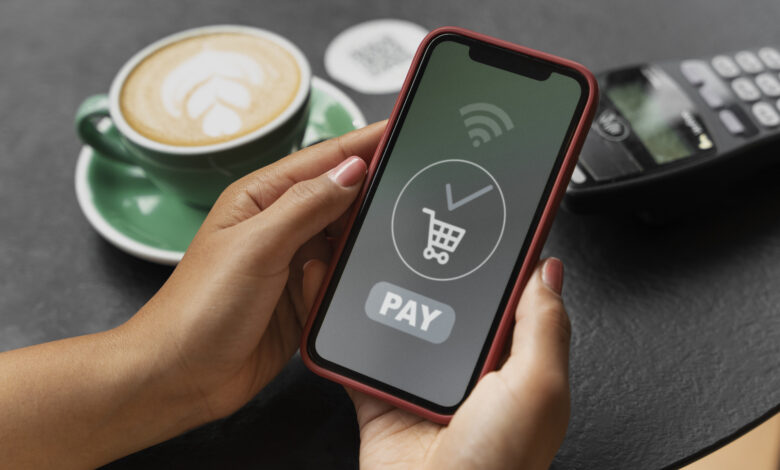
Top 10 Best Cross-Border Payment Companies in India in 2027
India’s cross-border payments industry has emerged as one of the most important components of the country’s rapidly expanding digital financial ecosystem. With international trade, software exports, freelance services, overseas education, global e-commerce, and international business transactions increasing, the demand for efficient, secure, and affordable cross-border payment solutions has grown considerably. Businesses and individuals increasingly require payment infrastructure that supports international currencies, simplifies regulatory compliance, improves transaction visibility, and reduces the complexity traditionally associated with transferring money between countries.
Cross-border payments involve transferring funds between individuals, businesses, or financial institutions located in different countries. Unlike domestic transactions, international payments typically involve currency conversion, foreign exchange regulations, intermediary banking arrangements, identity verification, and country-specific financial requirements. Conventional international bank transfers can involve multiple financial institutions, resulting in additional charges, processing delays, and limited transparency regarding the final amount received by beneficiaries.
Financial technology companies are addressing these challenges through digital payment gateways, international collection accounts, automated currency conversion, global payment networks, application programming interfaces, and integrated financial management platforms. These solutions allow Indian exporters, technology companies, online merchants, freelancers, and multinational enterprises to receive international payments and manage overseas financial operations more efficiently.
India’s regulatory framework also plays an important role in shaping the industry. The Reserve Bank of India oversees foreign exchange transactions under the Foreign Exchange Management Act, while payment aggregators, authorised dealer banks, and other regulated financial institutions operate within applicable regulatory arrangements. The development of international payment connectivity, including initiatives involving India’s Unified Payments Interface, has further expanded opportunities for cross-border digital transactions.
The following companies represent some of the most prominent cross-border payment service providers serving Indian businesses, exporters, merchants, and individuals.
1. PayPal
PayPal is one of the most widely recognised international digital payment companies, providing cross-border payment solutions for businesses, freelancers, online sellers, and service exporters in India. Founded in 1998 and headquartered in the United States, PayPal has developed a global payments network that enables businesses to accept payments from international customers through digital checkout solutions, payment links, invoicing capabilities, and merchant payment infrastructure.
For Indian businesses, PayPal primarily functions as an international payment acceptance platform. Merchants can receive payments from eligible overseas customers, making the service particularly relevant for software developers, graphic designers, consultants, digital marketing professionals, online educators, and businesses selling products or services internationally. Its international recognition can be beneficial for merchants seeking to establish payment confidence among customers unfamiliar with Indian payment providers.
One of PayPal’s important features is its integration with international e-commerce platforms and business websites. Merchants can incorporate PayPal checkout into supported online stores, allowing international buyers to complete transactions without manually initiating bank transfers. The platform supports multiple currencies and provides currency conversion functionality, although applicable exchange rates and conversion charges influence the final settlement value.
PayPal also provides invoicing tools that allow businesses to create professional invoices, specify payment amounts, and request payments from international customers. Freelancers and service exporters can use these capabilities to organise client billing, monitor outstanding payments, and maintain transaction records. Payment notifications and transaction histories help businesses track incoming funds and reconcile international revenue.
Security remains an important component of PayPal’s services. The platform employs encryption, transaction monitoring, authentication controls, and risk management systems designed to identify suspicious payment activity. Its buyer and seller protection arrangements are subject to transaction eligibility and applicable terms, making it important for merchants to understand the circumstances under which protection applies.
For Indian merchants, PayPal’s services operate within the country’s foreign exchange and payment regulations. Domestic person-to-person transfers are not supported through Indian PayPal accounts, and international receipts are subject to applicable verification, settlement, and documentation requirements. Indian users generally receive eligible export proceeds through settlement into their linked bank accounts rather than maintaining unrestricted balances in a domestic PayPal wallet.
PayPal’s extensive international acceptance, established merchant infrastructure, and familiarity among overseas customers make it particularly useful for small businesses and independent professionals seeking access to international markets. Businesses should nevertheless evaluate transaction fees, foreign exchange conversion costs, dispute handling procedures, and settlement requirements when determining whether PayPal suits their transaction volumes and customer locations.
2. Wise
Wise, formerly known as TransferWise, is a financial technology company specialising in international money transfers, currency conversion, and cross-border financial services. Founded in 2011, the company developed its business around making international transfers more transparent and reducing the costs associated with conventional banking arrangements.
Wise provides international transfer services through a technology-driven infrastructure designed to move money efficiently between supported countries and currencies. Its operating model uses local payment systems and international liquidity arrangements where available, reducing dependence on traditional correspondent banking routes for certain transactions.
One of Wise’s distinguishing features is its emphasis on transparent currency conversion. The platform generally uses the mid-market exchange rate as its reference rate and separately displays applicable transfer fees. This approach allows customers to understand the cost of currency conversion and compare the amount sent with the amount expected to reach the beneficiary.
For Indian users, Wise offers supported international remittance and business payment services within applicable regulatory arrangements. The availability of individual transfers, business accounts, international collection details, and specific currency features depends on the customer’s country of residence, account eligibility, and the relevant payment corridor.
Wise Business provides features designed for companies conducting international financial operations. Depending on jurisdiction and eligibility, these include international transfers, payment scheduling, accounting integrations, batch payments, and access to supported currency balances or receiving details. Businesses can use these capabilities to manage overseas suppliers, international contractors, and operational expenses.
Batch payment functionality is particularly relevant for companies that regularly pay multiple overseas beneficiaries. Instead of processing every transaction separately, eligible businesses can upload payment instructions and manage several transfers through a consolidated workflow. This can improve efficiency for organisations handling international payroll, contractor payments, and vendor settlements.
Wise also provides application programming interfaces that allow eligible businesses and financial platforms to integrate international payment functionality into their existing systems. Such integrations can automate payment initiation, retrieve transaction information, and support financial reconciliation.
Transaction tracking is another important capability. Customers can monitor transfer progress and receive information about estimated delivery times, exchange rates, and applicable charges. Actual processing times depend on the currencies involved, banking infrastructure, compliance checks, and payment methods.
For Indian businesses, Wise is particularly relevant when transparent foreign exchange pricing and international transfer efficiency are priorities. However, its services should not be treated as identical across all countries. Certain features available to businesses in Europe, the United Kingdom, or other markets may not be available to Indian residents.
Wise’s combination of currency conversion transparency, international transfer infrastructure, digital account management, and business payment automation makes it an important participant in the cross-border financial services industry.
3. Razorpay
Razorpay is one of India’s prominent financial technology companies, offering digital payment acceptance, business banking technology, payment automation, and international payment solutions. Founded in 2014 by Harshil Mathur and Shashank Kumar, Razorpay has developed a broad payments ecosystem serving startups, small and medium-sized enterprises, digital businesses, and large organisations.
Razorpay’s international payment capabilities are particularly relevant for Indian merchants seeking to accept payments from overseas customers. Its payment gateway supports international card acceptance for eligible merchants, subject to activation, business verification, supported payment methods, and applicable banking requirements.
A significant advantage of Razorpay is the integration of international payment acceptance with domestic payment infrastructure. Businesses that already use Razorpay for Indian transactions can manage eligible international payments through a familiar merchant ecosystem, reducing the need to operate completely separate payment platforms.
Razorpay provides checkout solutions that can be incorporated into websites, mobile applications, and digital commerce platforms. These integrations allow customers to complete payments through supported payment methods while merchants access transaction information through centralised dashboards.
The company’s payment links and invoicing capabilities are also useful for businesses providing services to international clients. Consultants, software development firms, online educators, digital agencies, and other service exporters can generate payment requests without necessarily operating complex e-commerce websites.
Razorpay has also developed international payment offerings under its MoneySaver Export Account proposition, designed to simplify the collection of overseas business payments through supported banking arrangements. Such solutions can help eligible exporters receive payments from international customers while obtaining relevant settlement and transaction documentation.
Documentation is especially important for Indian exporters because foreign exchange receipts may require purpose codes, banking records, and other compliance-related information. Payment solutions that integrate transaction reporting and settlement records can reduce administrative work for businesses receiving frequent international payments.
Razorpay’s wider ecosystem includes payment analytics, subscription management, automated payment workflows, and financial operations tools. Subscription functionality can be particularly useful for software-as-a-service companies and digital businesses selling recurring services to international customers, although supported international recurring payment arrangements depend on payment networks and regulatory conditions.
Security capabilities include transaction monitoring, fraud prevention measures, merchant verification, and controls designed to protect payment information. Businesses can also use transaction dashboards to monitor payment status, identify unsuccessful transactions, and reconcile collections.
Razorpay’s appeal lies in its ability to combine Indian payment infrastructure with international merchant acceptance. It is particularly suitable for businesses that require domestic and international payment functionality within a connected technology environment.
4. Cashfree Payments
Cashfree Payments is an Indian financial technology company providing payment gateway services, payment disbursement infrastructure, identity verification solutions, and cross-border payment capabilities. Founded in 2015, the company has established itself as a payment infrastructure provider for online businesses, technology platforms, exporters, and enterprises.
Its international payment solutions are designed to help Indian businesses receive payments from overseas customers through supported collection and settlement arrangements. Cashfree’s cross-border offering, including its Global Collections capabilities, addresses the needs of exporters seeking simplified international payment acceptance.
One of the important aspects of Cashfree’s cross-border services is the ability to support international collections while integrating payment information into business workflows. Exporters often face operational difficulties when matching overseas receipts with invoices, identifying the purpose of remittances, and obtaining documentation required for accounting and regulatory reporting.
Cashfree’s international collection infrastructure seeks to simplify these activities through digital payment management and supported banking partnerships. Depending on the payment method and corridor, businesses may be able to collect overseas payments using local payment arrangements, international bank transfers, or other supported mechanisms.
The platform is relevant for software exporters, information technology service providers, digital marketing agencies, consulting firms, and businesses that receive payments from international clients. These companies frequently handle multiple invoices, recurring client relationships, and payments denominated in foreign currencies.
Cashfree also provides payment gateway capabilities for online merchants. Its domestic payment infrastructure supports multiple Indian payment methods, while international acceptance features can help eligible merchants serve overseas customers.
Application programming interfaces are central to Cashfree’s technology offering. Businesses can integrate payment initiation, transaction status updates, reconciliation information, and automated workflows into their internal applications. This reduces manual processing for organisations handling large transaction volumes.
Cashfree’s payout infrastructure is another important part of its wider business. It enables businesses to automate supported disbursements, including vendor payments, refunds, and other operational transfers. These capabilities are distinct from its international collection products but can contribute to a more integrated financial operations environment.
The company also provides verification services that assist businesses with customer and beneficiary validation. Identity and account verification can be particularly valuable in payment operations where incorrect beneficiary details, fraudulent instructions, or incomplete documentation may cause delays.
Transaction reporting and reconciliation capabilities help finance teams monitor payment flows, identify outstanding settlements, and maintain organised financial records. For exporters, this visibility can be especially important when international payments are received against numerous invoices.
Cashfree Payments is particularly relevant for Indian businesses seeking API-driven payment infrastructure, international collection services, and automated financial operations. Its suitability depends on the supported currencies, payment corridors, settlement arrangements, and business eligibility requirements.
5. Payoneer
Payoneer is a global financial technology company specialising in international business payments, cross-border collections, and financial services for businesses operating across international markets. Founded in 2005, Payoneer has developed a payment network serving freelancers, online sellers, digital service providers, agencies, and businesses engaged in international commerce.
Payoneer’s services are particularly relevant for Indian exporters and professionals who receive payments from overseas clients or international digital marketplaces. Its platform enables eligible users to receive business payments through supported international payment arrangements and manage transaction information digitally.
One of Payoneer’s notable capabilities is its receiving account functionality. In supported circumstances, eligible customers can obtain local receiving details for selected foreign currencies, allowing overseas clients or marketplaces to make payments through familiar domestic banking mechanisms in their respective markets.
For Indian customers, the availability and operation of receiving accounts depend on applicable regulations and account eligibility. Funds received through supported arrangements are generally subject to settlement requirements governing export proceeds and foreign exchange transactions.
Payoneer has established integrations with several international marketplaces and digital commerce platforms. This makes it useful for online merchants selling products through global marketplaces and service providers receiving income through international freelance or business platforms.
The platform also offers payment request functionality, enabling eligible businesses to request payments from international customers. Businesses can generate payment requests, monitor their status, and maintain records of completed transactions.
Payoneer’s business payment capabilities extend to supported international supplier and contractor payments. Depending on account eligibility and jurisdiction, businesses can use the platform to manage payments to overseas partners, service providers, and vendors.
For Indian software companies, design agencies, marketing firms, and other service exporters, Payoneer can simplify the operational challenges associated with collecting international revenue. Instead of relying exclusively on individually arranged international bank transfers, businesses can use supported payment collection channels and centralised transaction reporting.
Currency conversion is another important component of Payoneer’s offering. Businesses receiving payments in foreign currencies should consider the applicable conversion arrangements, transaction charges, withdrawal costs, and settlement rules when calculating their net revenue.
Payoneer also provides transaction histories and account reporting tools that help businesses track incoming payments and reconcile revenue from multiple international sources. Such capabilities are valuable for online sellers operating across different marketplaces and countries.
Security measures include account verification, transaction monitoring, authentication controls, and compliance procedures designed to protect payment activity.
Payoneer’s combination of international marketplace integrations, business payment infrastructure, receiving account functionality, and cross-border transaction management makes it a significant option for Indian businesses participating in global digital commerce.
6. Skydo
Skydo is an Indian financial technology company focused on simplifying international payment collections for exporters, freelancers, and businesses providing services to overseas customers. Founded in 2022, Skydo has developed cross-border collection solutions aimed at reducing the operational complexity and foreign exchange costs associated with receiving international business payments.
The company primarily serves Indian businesses earning revenue from foreign clients. Its target customers include software developers, technology consultants, digital marketing agencies, designers, independent professionals, and small and medium-sized exporters.
One of Skydo’s important features is its international collection account infrastructure. Through supported arrangements, eligible Indian businesses can receive foreign payments using local collection details in selected overseas markets. This can make the payment process more convenient for international customers who prefer familiar domestic bank transfer methods.
For example, an Indian service exporter working with an American client may be able to provide supported US collection details rather than requiring the client to initiate a conventional international wire transfer directly to an Indian bank account. The funds are subsequently processed and settled according to the applicable payment arrangement.
Skydo places considerable emphasis on transparent payment charges and foreign exchange conversion. Its pricing approach is designed to help businesses understand the cost of receiving international payments and reduce uncertainty regarding the final amount credited.
Another important aspect of Skydo’s services is export payment documentation. Indian exporters frequently require Foreign Inward Remittance Advice or related banking documentation for accounting, tax, and regulatory purposes. Skydo’s payment workflows incorporate support for relevant remittance documentation through its banking arrangements.
The platform also provides digital transaction tracking, allowing users to monitor incoming payments and review settlement information. This can be useful for freelancers and small businesses that lack dedicated treasury or international finance departments.
Skydo’s services are designed around business-to-business international payments rather than functioning as a general-purpose domestic consumer wallet. Its product structure reflects the specific requirements of Indian exporters who regularly invoice overseas clients.
The company’s focus on reducing collection friction is particularly relevant for small businesses entering international markets. Such businesses often face difficulties understanding intermediary bank deductions, exchange rate margins, and documentation requirements.
Skydo offers a specialised alternative to conventional international bank transfers for supported export payment corridors. Businesses evaluating the platform should consider the countries and currencies supported, the types of payments permitted, the settlement process, and the total charges associated with their transactions.
Its exporter-oriented product design, local collection arrangements, digital payment tracking, and documentation support make Skydo an important emerging participant in India’s cross-border payments ecosystem.
7. BriskPe
BriskPe is an Indian financial technology company focused on international business payment collections and financial solutions for micro, small, and medium-sized enterprises. The company addresses the difficulties Indian exporters experience when receiving international payments through conventional banking channels.
Its services are designed for businesses that require efficient overseas payment collection, transaction visibility, and support for foreign exchange settlement processes. BriskPe’s target users include service exporters, freelancers, consultants, technology businesses, and smaller enterprises expanding into international markets.
One of BriskPe’s principal offerings is cross-border payment collection through supported international banking and payment arrangements. The platform seeks to simplify how Indian businesses receive money from overseas clients while reducing dependence on complicated manual payment procedures.
For small exporters, international collections can become challenging because payment instructions, intermediary bank charges, foreign exchange conversion, and settlement documentation may differ between countries. BriskPe addresses these operational issues through a digital payment management approach.
The company’s international collection capabilities are intended to help eligible businesses receive payments from supported overseas markets. Depending on the relevant corridor and banking arrangements, customers may be able to use local collection mechanisms that simplify the process for foreign buyers.
BriskPe also focuses on improving transparency around payment processing and settlement. Businesses can benefit from greater visibility into payment status, expected settlement amounts, and transaction records.
Foreign exchange management is another important consideration. Even relatively small differences in conversion costs can affect the profitability of exporters receiving regular international payments. Platforms that provide clear information about exchange rates and fees can help businesses plan their cash flows more effectively.
BriskPe’s services are particularly relevant for businesses that do not have the transaction volumes or banking relationships of large multinational corporations. Smaller exporters often require straightforward onboarding, digital documentation, and payment collection systems that can be operated without specialised treasury expertise.
The platform’s technology-driven approach can also support better payment reconciliation. Businesses receiving funds against multiple overseas invoices need to identify the corresponding customers, invoice amounts, and settlement records. Organised transaction reporting can reduce administrative work and improve financial recordkeeping.
Compliance with Indian foreign exchange regulations remains central to the operation of international payment collection services. Businesses using BriskPe must follow applicable requirements concerning export receipts, customer verification, and supporting documentation.
BriskPe represents the growing category of Indian fintech companies building specialised payment infrastructure for exporters and internationally active small businesses. Its relevance is strongest among enterprises seeking simplified international collections and more manageable cross-border financial operations.
8. Nium
Nium is a global financial technology company providing cross-border payment infrastructure, international payouts, and embedded financial services. Founded in 2014, the company has developed a technology platform designed to help businesses, financial institutions, and payment service providers move money across international markets.
Nium differs from many consumer-oriented remittance platforms because its services are primarily infrastructure-driven. Rather than focusing exclusively on individual users transferring money overseas, the company provides payment capabilities that businesses and financial institutions can integrate into their own products and operations.
One of Nium’s central capabilities is its international payout network. Through supported payment arrangements, businesses can send funds to beneficiaries in multiple countries using available banking and local payment infrastructure.
This is particularly relevant for companies managing international suppliers, overseas employees, contractors, marketplace sellers, and business partners. Organisations conducting frequent cross-border disbursements can benefit from automated payment processing and centralised transaction management.
Nium provides application programming interfaces that allow eligible businesses to embed international payment functionality directly into their systems. Financial institutions and fintech companies can use these integrations to develop cross-border payment services without independently establishing every international banking connection.
The company’s platform also supports foreign exchange capabilities, enabling businesses to manage currency conversion as part of supported international payment workflows. Currency availability, exchange rates, and settlement arrangements depend on the relevant market and payment product.
Another important feature is real-time or near-real-time payment capability in supported corridors. By using local payment networks and modern financial infrastructure, Nium can facilitate faster delivery for certain transactions compared with traditional international banking processes.
However, processing speed varies according to destination country, payment method, banking schedules, regulatory checks, and beneficiary institution capabilities.
Nium’s infrastructure is also relevant for international marketplaces and platform businesses. Such companies may need to distribute payments to large numbers of sellers or service providers operating across different jurisdictions. API-based payment automation can reduce operational complexity and support scalable payout workflows.
The company also provides card-related infrastructure and other embedded financial services in supported markets. These capabilities allow financial institutions and businesses to build payment products using external infrastructure rather than developing every component internally.
For Indian enterprises, Nium is particularly relevant where cross-border payments form part of a larger financial technology or business operations system. Its services can support companies requiring international payment automation, global payout connectivity, and integrated financial infrastructure.
Nium’s international network, API-first architecture, and enterprise-focused payment capabilities position it as an important provider of cross-border financial infrastructure.
9. Airwallex
Airwallex is a global financial technology company providing international business accounts, cross-border payments, foreign exchange services, payment acceptance, and financial infrastructure for businesses operating internationally. Founded in 2015, Airwallex has developed a broad platform intended to simplify global financial operations.
The company primarily serves businesses that need to collect, hold, convert, and transfer funds across supported currencies and jurisdictions. Its customers include technology companies, e-commerce businesses, digital platforms, professional service providers, and internationally expanding enterprises.
One of Airwallex’s important features is its global account infrastructure. In supported markets, eligible businesses can obtain local account details for selected currencies, allowing them to receive international business payments through local banking arrangements.
This can be particularly useful for businesses selling products or services in multiple countries. Instead of managing separate banking relationships for every market, eligible companies can use supported financial account infrastructure to centralise international collections.
Airwallex also provides foreign exchange conversion and international transfer services. Businesses can manage supported currency conversions and initiate overseas payments through a digital platform.
The company’s international payment infrastructure is designed to support payments to suppliers, contractors, employees, and commercial partners. Depending on the destination market, transfers may be routed through local payment systems or other supported banking arrangements.
Another important component of Airwallex’s offering is its payment acceptance technology. Eligible merchants can integrate online payment solutions into their websites and applications to accept payments from customers using supported international payment methods.
Airwallex also provides financial operations tools, including expense management, corporate cards, and payment automation in selected markets. These capabilities can help internationally active businesses manage operational spending alongside customer collections and supplier payments.
Its application programming interfaces allow companies to incorporate payment acceptance, international transfers, and other supported financial services into existing software systems. This is particularly valuable for digital platforms seeking automated financial workflows.
For Indian businesses, the availability of Airwallex products depends on the company’s supported jurisdictions, onboarding requirements, regulatory permissions, and applicable service arrangements. Its full international account and financial management suite should not be assumed to be available to every India-based entity.
Nevertheless, Airwallex remains relevant to Indian-founded companies, multinational businesses with Indian operations, and enterprises operating through eligible overseas entities.
Its integrated approach to international accounts, currency conversion, payment acceptance, and financial management makes Airwallex a notable provider for businesses seeking consolidated global payment infrastructure.
10. Western Union
Western Union is one of the world’s most established international money transfer companies, providing cross-border remittance services through a combination of digital platforms, banking relationships, and physical agent networks. Founded in 1851, the company has evolved from a communications business into a major participant in international consumer money transfers.
Western Union’s services are particularly relevant to India because of the country’s large international diaspora and substantial inflows of personal remittances. Overseas workers, expatriates, and families frequently require accessible channels for sending money to beneficiaries in India.
The company’s global money transfer network supports international remittances across numerous countries and territories. Customers can initiate eligible transfers through supported digital channels or physical agent locations, depending on the originating market.
One of Western Union’s distinguishing features is its combination of online and offline payment infrastructure. While many newer financial technology companies operate primarily through digital applications, Western Union maintains an extensive physical distribution network.
This can be valuable for customers who prefer cash-based transactions, have limited access to digital banking, or need assistance initiating international transfers.
For recipients in India, Western Union supports eligible inward remittances through available payout arrangements, which may include bank account deposits and other permitted delivery methods. The availability of cash collection and specific payout options depends on Indian regulations, transfer purpose, and the relevant service arrangement.
Western Union also provides transaction tracking functionality. Customers can monitor transfer status using transaction reference information, helping both senders and recipients understand payment progress.
Currency conversion is an important component of its services. The total cost of a transfer can include transaction fees and an exchange rate margin, with pricing varying according to the sending country, payment method, delivery channel, and transfer amount.
Western Union’s compliance infrastructure includes customer identification, transaction screening, fraud prevention, and monitoring processes. These controls are particularly important because international remittances operate across multiple regulatory jurisdictions.
The company also offers digital money transfer services through its website and mobile applications in supported markets. Customers can review available delivery methods, initiate eligible transactions, and monitor payment progress without necessarily visiting a physical agent.
For India, Western Union is primarily associated with personal inward remittances rather than the comprehensive international merchant payment infrastructure offered by several fintech companies on this list. Its strengths are particularly relevant for overseas individuals sending money to family members and other eligible recipients.
Western Union’s established international network, physical accessibility, digital remittance capabilities, and experience handling consumer money transfers make it an important participant in India’s cross-border payments landscape.
Conclusion
India’s cross-border payments industry is undergoing a significant transformation as financial technology companies introduce faster, more accessible, and increasingly automated solutions for international financial transactions. The growing importance of software exports, digital services, global e-commerce, international employment, and overseas remittances has created demand for payment infrastructure that goes beyond conventional international bank transfers.
PayPal and Payoneer provide established international payment acceptance and business collection capabilities, making them particularly relevant for freelancers, online merchants, and service exporters. Wise focuses on international transfer efficiency and transparent currency conversion, while Razorpay and Cashfree Payments combine cross-border capabilities with broader Indian merchant payment infrastructure.
Skydo and BriskPe address the specific requirements of Indian exporters seeking simplified overseas collections and better payment management. Nium and Airwallex provide technology-driven financial infrastructure for businesses operating across multiple international markets, while Western Union continues to serve an important role in personal remittances through its global distribution network.
The most suitable provider depends on the nature of the transaction. An Indian freelancer receiving payments from overseas clients may prioritise collection convenience, foreign exchange charges, and documentation. An e-commerce merchant may require international checkout integration and payment dispute management. A multinational enterprise may place greater emphasis on automated payouts, API connectivity, multi-currency operations, and financial reconciliation. An individual receiving money from relatives overseas may instead prioritise transfer accessibility, delivery speed, and the final amount received.
As international commerce becomes increasingly digital, cross-border payment providers will continue to play an important role in connecting Indian businesses and individuals with the global financial system. Companies that combine competitive pricing, reliable settlement infrastructure, regulatory compliance, transparent foreign exchange conversion, and efficient technology integration will remain central to the development of India’s international payments ecosystem in 2027.