How BLS International Has Cheated Millions Of Customers In US & Canada And Now Ready To Take Over Aadhaar Sewa Kendra Project In India

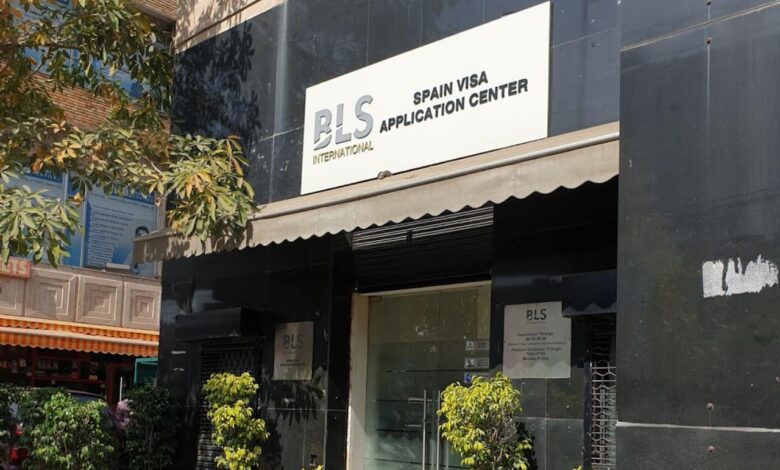
In the shadowy corridors of outsourced government services, few companies embody the perils of unchecked monopoly as starkly as BLS International Services Ltd. Founded in 2005 and headquartered in New Delhi, India, BLS has ballooned into a global behemoth, operating in over 66 countries with more than 50,000 application centers worldwide. It partners with governments and diplomatic missions to handle everything from visa applications to passport renewals, promising “transparency, compliance, and service excellence.” Yet, beneath this polished facade lies a trail of exploitation, where desperate expatriates and vulnerable citizens are squeezed for every last dollar through coercive tactics, fabricated fees, and relentless upselling.
This article delves into the heart of BLS‘s operations in the United States and Canada—markets where the company has held near-exclusive contracts for Indian consular services—exposing how it has allegedly defrauded millions. Drawing from thousands of customer complaints, investigative reports, former employee testimonies, and official petitions, we’ll uncover the mechanics of their alleged scams. But the story doesn’t end there. As of August 2025, BLS has clinched a massive ₹2,055 crore contract from India’s Unique Identification Authority (UIDAI) to establish and manage around 300 district-level Aadhaar Seva Kendras (ASKs) across the country. This six-year deal, projected to generate up to ₹2,000 crore in revenue, positions BLS to oversee Aadhaar enrollments, biometric updates, and citizen services for millions of Indians—the very backbone of the world’s largest biometric ID system. With a history of overcharging abroad, is India inviting the same predatory practices home? In This article, we’ll dissect BLS’s services, targets, extortion tactics, and the alarming implications for Aadhaar.
1. What Are the Services of BLS International in the USA & Canada?
BLS International’s footprint in North America is deeply intertwined with Indian diplomatic missions, leveraging exclusive outsourcing contracts to monopolize consular workflows. In Canada, since 2014, BLS has been the primary provider for the Indian High Commission in Ottawa and consulates in Toronto, Vancouver, and beyond, handling a suite of services that touch the lives of the 1.8 million-strong Indian diaspora. These include:
- Visa Applications: BLS processes various Indian visa types, such as Entry Visas (for those of Indian origin), Business Visas, Medical Visas, Conference Visas, and Student Visas. Services resumed fully on October 26, 2023, after pandemic disruptions, with applications submitted via BLS centers but processed without priority by consulates, even for premium submissions. Applicants must book appointments online, endure long queues, and pay base fees starting at CAD $106 for renewals, though totals often escalate.
- Passport Services: From renewals to emergency issuances, BLS manages submissions, verifications, and returns. The Consulate General of India in Toronto refers applicants to BLS for general passport info, emphasizing secure handling but noting no expedited processing guarantees. Fees hover around CAD $106–$166, but add-ons like couriers push costs higher.
- Overseas Citizen of India (OCI) Cards: BLS facilitates OCI applications, renewals, and conversions from PIO (Person of Indian Origin) cards. This includes document attestation, photo requirements, and biometric captures—processes rife for “error” spotting.
- Renunciation/Surrender Certificates and Police Clearance Certificates (PCC): Essential for dual citizenship renunciations or background checks, these services involve form scrutiny and fee collections, often bundled with extras.
- Other Consular Services: Attestation and Apostille services are streamlined, but BLS notes that Canadian-issued Apostilles require no further Indian validation. BLS also offers ancillary support like form filling and document uploads.
Premium services are the crown jewel of BLS’s revenue model, marketed as “optional” enhancements but allegedly weaponized for profit. The Premium Lounge Access (CAD $100 or USD equivalent) promises priority queuing, dedicated seating, faster processing, personalized staff attention, refreshments, and bundled perks like SMS updates and courier returns. Other add-ons include:
- Courier Services: CAD $20–$45 per document or address via Purolator, even for self-pickup opt-outs.
- Form Corrections and Printing: CAD $40–$87 for edits (e.g., capitalization) or single-page prints.
- Photo and Photocopy Services: CAD $10–$20 per set, with aggressive upselling.
In the United States, BLS’s role has waned since the 2023–2024 transition to VFS Global for most Indian services (e.g., New York and San Francisco consulates). From July 2013 onward, BLS handled visas, OCI/PIO, and renunciations, but now it’s limited to residual tasks like passport processing in New York and non-Indian services such as Spanish visas. The BLS USA website (blsindia-usa.com) offers scant details as of October 2025, reflecting this diminished presence—yet complaints linger from its heyday, with similar premium lounges (USD $70–$140) and couriers (USD $60–$130) cited in reviews.
These services, while ostensibly streamlining bureaucracy, create chokepoints where BLS’s monopoly—Indian nationals have no alternatives—breeds dependency. With over 50 centers in Canada alone (recent relocations in Brampton and Surrey), BLS processes millions annually, but at what cost?
2. Who Are Their Target Customers?
BLS’s North American clientele is a tapestry of vulnerability: the Indian diaspora, comprising students, professionals, families, and retirees navigating the complexities of cross-border identity. In Canada, the primary hunting ground, targets include:
- New Immigrants and Permanent Residents (PRs): Over 1.8 million Indian-origin residents, many fresh from India on study or work permits, face PR expiry deadlines. These newcomers, often on tight budgets (e.g., minimum-wage students), must renew passports or apply for OCI to maintain status—processes BLS gatekeeps.
- Students and Young Professionals: Tens of thousands apply for student visas or PCCs for job hunts. Harsh winters and long commutes (e.g., 120 km drives to Toronto centers) amplify desperation.
- Families in Crisis: Those dealing with births, deaths, or marriages abroad need emergency visas or renunciations. For instance, a family mourning a relative in India might rush for documents, only to hit BLS walls.
In the US, the 4.5 million Indian-Americans—tech workers in Silicon Valley, families in New Jersey—were prime targets during BLS’s peak. Post-transition, residual users include New York passport renewers or Spanish visa seekers, but the diaspora remains exposed to lingering habits.
Demographically, BLS preys on the middle-class diaspora: NRIs (Non-Resident Indians) aged 25–55, earning CAD $50,000–$100,000 annually, but stretched by remittances and high living costs. Women and elderly applicants report higher harassment, as do low-English-proficiency users confused by forms. Petitions highlight “exploitation of immigrants,” with over 7,000 signatures decrying tactics targeting the vulnerable.
This isn’t random; BLS’s monopoly, renewed despite complaints, ensures a captive audience. As one Reddit user noted, “Corruption by Indians targeting their own.” In India, the Aadhaar project targets 1.4 billion citizens, many rural and low-income—prime for similar predation.
3. How They Extort Money from Their Clients
Extortion at BLS isn’t overt theft but a insidious drip of coerced payments, inflating base fees by 50–200%. A standard CAD $106 passport renewal can balloon to $206+ through “unavoidable” add-ons. Core methods include:
- Upselling Premiums as Essentials: The $100 Premium Lounge is pitched as a “skip-the-line” savior for 3–5 hour waits, but staff reclassify corrections as lounge fees on receipts. One client paid $166 (renewal + correction) but received a receipt for $106 + $100 premium—despite no lounge use.
- Bundled and Hidden Charges: Couriers ($45/person) are charged even for pickups; family members at the same address face multiples. Notary services hit $130 for a $28 Power of Attorney.
- Incentive-Driven Sales: Staff on short-term contracts earn 15% commissions (~$15 per $100 sale), with “contests” for top upsellers (e.g., most photos sold) yielding gift baskets. Former Brampton employees admitted: “You need to find a reason to take money from a client.”
In the US, similar patterns emerged pre-transition: Yelp reviews decry “capped availability to force premiums,” with unexplained $87 printing fees. Collectively, these tactics have siphoned millions—petitions estimate thousands affected monthly in Canada alone.
4. What Are Their Modus Operandi?
BLS’s playbook is a masterclass in bureaucratic sabotage, blending artificial scarcity with psychological pressure. Key tactics:
- Artificial Scarcity and Queue Manipulation: Normal appointments are “full,” forcing walk-ins into 3–5 hour lines in -20°C Canadian winters. Premium slots are plentiful but costly, nudging 70% uptake per ex-staff estimates.
- Error Fabrication and Nitpicking: Staff invent “mistakes” absent from guidelines—lowercase postal codes, “ave.” vs. “Avenue,” duplicate cities like “Lucknow.” A $40 correction is demanded, or rebook in 3–6 weeks. Reddit threads document 3–4 return visits per applicant.
- Receipt Opacity and Bundling: Discrepancies abound—$99 + $40 = $139, but receipt shows $88 premium + $51 base (vs. listed $37). This muddies refunds.
- Escalation Threats: Refuse? Face blacklisting or consulate complaints. Ex-staff: “If you’re not selling, you’ll be kicked off.”
In the US, pre-2024 ops mirrored this: Low slots for standard services pushed VIPs. For Aadhaar, with mandatory biometrics for welfare, similar “update errors” could ensnare millions.
5. How Clients Are Compelled to Pay Extra
Compulsion is BLS’s art form, exploiting time poverty and fear. Walk-ins, after hours in line, face “errors” at counters—pay or restart. Deadlines (PR expiry, emergencies) amplify this: One client, rushing OCI for PR, paid $100 premium after four “mistake” visits: “Every time, these guys point out a different mistake.”
Harpreet Hora, a Toronto lawyer, endured repeated $45 couriers despite pickups, refunding only after consulate escalation: “Legalized plunder… a sort of harassment.” Students on minimum wage fork $200–$300 for $40 tasks, per ex-employees uncomfortable with “lying to vulnerable clients.”
Insults and threats seal it: One wife called “dumb,” another threatened blacklisting for receipts. In the US, scarcity forced premiums amid appointment droughts.
6. BLS International Taking Advantage of Clients’ Situations
BLS thrives on desperation. Prashant Vashista, grieving his mother’s death, paid $135 couriers ($45/person) despite pickups: “I was in dire need. So I had to pay.” Emergency visa seekers face rescheduling threats amid family crises.
Pandemic backlogs (2024–2025 peak) and diaspora growth exacerbated this—over 1.8 million in Canada, many PR-bound. Rural applicants drive hours, only to pay extras. Ex-staff: “We charged students $200–$300 for $40 tasks.”
In the US, similar exploitation hit during 2023 transitions, stranding applicants. For Aadhaar, imagine rural Indians denied rations over “biometric errors”—BLS’s monopoly could turn necessity into nightmare.
7. Where All These Tactics Are Reported
The outcry is deafening, spanning mainstream media, social platforms, and petitions:
- Mainstream Media: CBC Toronto’s July 18, 2025, exposé interviewed dozens and three ex-staff, branding it a “culture of upcharging.” Yahoo republished, amplifying reach. YouTube videos (e.g., Aug 1, 2025) expose “forced charges.”
- Petitions and Campaigns: Change.org’s June 28, 2025, petition (32+ signatures, goal 50) demands MEA probes for $130 overcharges and harassment. April 2024’s (43 signatures) highlights “fraudulent bills.”
- Social Media and Forums: Reddit (r/nri, r/Passports) threads with 70+ comments on Toronto “frauds”; Facebook groups like Delhiites in Toronto buzz with stories; Instagram reels (July 22, 2025) cite F-rated BBB. CanadaVisa.com threads document “scams” since 2023.
- Review Sites: Trustpilot (547 reviews) and Yelp (3.5/5 for NYC) slam rudeness and premium pushes. BBB’s “F” rating stems from unresolved complaints.
Oversight? BLS claims “alignment with standards” but dodges specifics. Consulates review but release no data; Canadian authorities defer to India. Users urge Madad Portal filings.
Conclusion: A Warning for India’s Aadhaar Future
BLS International’s North American saga—millions allegedly cheated through monopolistic extortion—serves as a stark cautionary tale. From nitpicking forms to preying on grief-stricken families, the company’s tactics have eroded trust in essential services, leaving a diaspora scarred and petitions unanswered. As BLS eyes the Aadhaar Seva Kendra helm, overseeing enrollments for subsidies, banking, and voting for 1.4 billion Indians, the stakes skyrocket. Without reforms—independent audits, fee caps, and anti-coercion training—history risks repeating on a national scale. The Indian government must heed the diaspora’s cries: Transparency isn’t a slogan; it’s a safeguard. For now, millions abroad paid the price—will India be next?