Top 10 Best Configure Price Quote Software in India in 2027
Configure Price Quote software, commonly known as CPQ software, has become an important business technology for organisations that sell products and services with multiple configurations, pricing structures, customisations and approval requirements. As businesses expand their product portfolios and serve customers across different markets, preparing accurate quotations manually can become increasingly complicated. Sales representatives often have to consider product specifications, optional components, discounts, taxes, customer-specific prices, bundled offerings and contractual conditions before sending a quotation. Managing these elements through spreadsheets and disconnected systems can result in pricing inconsistencies, incorrect product combinations, delayed approvals and lost business opportunities.
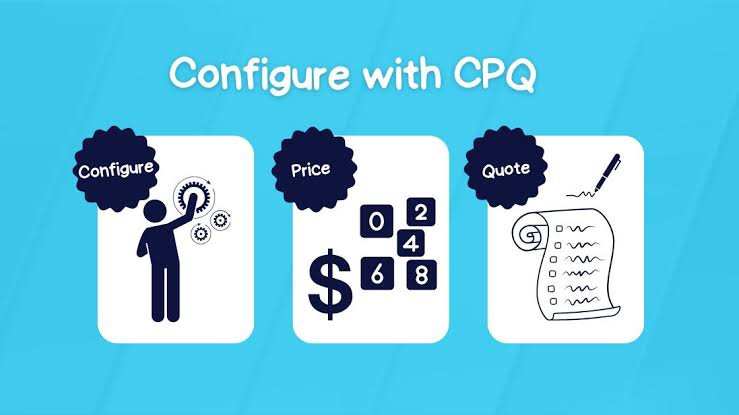
CPQ software addresses these challenges by bringing product configuration, pricing calculations and quotation generation into a structured digital workflow. It allows sales teams to select products, configure appropriate combinations, apply predefined pricing rules and generate professional quotations without repeatedly consulting different departments. Businesses can also establish discount limits, approval hierarchies and customer-specific pricing policies to ensure that commercial decisions remain consistent with organisational requirements.
The technology is particularly relevant to manufacturing companies, engineering businesses, automobile suppliers, technology providers, telecommunications companies, industrial equipment manufacturers, distributors and business-to-business service providers. Organisations selling subscription-based products can also use CPQ systems to manage recurring charges, product bundles, contract durations and customised commercial packages.
In India, businesses increasingly operate through combinations of direct sales teams, distributors, dealers, channel partners and digital sales platforms. This makes it important to maintain consistent product information and pricing across multiple sales channels. CPQ solutions integrated with customer relationship management, enterprise resource planning, inventory management, billing and contract management systems can help organisations establish a more connected sales process.
1. Salesforce Revenue Cloud
Salesforce Revenue Cloud is a comprehensive revenue management and configure price quote solution designed for businesses that want to manage product configuration, pricing, quotations, subscriptions and commercial transactions through a connected platform. It is particularly relevant to large enterprises, technology companies, telecommunications providers, financial services organisations and B2B businesses that already use Salesforce CRM to manage their sales operations. The platform helps organisations bring different stages of the revenue lifecycle together, reducing the dependence on disconnected applications and manual quotation processes.
One of the important capabilities of Salesforce Revenue Cloud is its product configuration functionality. Businesses can create detailed product catalogues containing individual products, services, bundles, optional components and configurable offerings. Sales representatives can select products according to customer requirements and use predefined configuration rules to ensure that the selected combinations are commercially and technically valid. This is particularly useful for organisations selling products with multiple variants, service packages, optional features and different subscription arrangements. By establishing product dependencies and configuration conditions, businesses can reduce errors that might otherwise occur when sales representatives prepare quotations manually.
Its pricing management capabilities allow organisations to establish pricing structures for different products, customer categories and commercial arrangements. Businesses can manage price lists, discounts, product bundles and pricing adjustments while maintaining greater consistency across their sales operations. This is important for enterprises that serve multiple geographical markets or operate through distributors and business partners. Organisations can establish commercial rules that determine how prices are calculated and which discounts can be offered under particular circumstances. This helps sales managers maintain control over pricing decisions without unnecessarily slowing down the quotation process.
Salesforce Revenue Cloud also supports quotation and order management processes. Sales representatives can prepare quotations using configured products and applicable pricing information, while the platform helps maintain consistency between customer opportunities and commercial proposals. The system supports subscription management and can be used by organisations with recurring revenue models. Businesses selling software subscriptions, communication services, maintenance packages and other recurring offerings can manage commercial arrangements more systematically.
The platform’s integration with the broader Salesforce ecosystem is another important consideration. Customer information, sales opportunities, product details and commercial activities can be connected within the same environment. This reduces repetitive data entry and allows sales teams to work with a more consistent view of customer relationships. Revenue Cloud also provides capabilities for connecting quotation processes with order capture, contracts and billing, depending on the selected edition and implementation.
For Indian businesses, Salesforce Revenue Cloud can be particularly useful for enterprises managing large sales teams, multiple product categories and geographically distributed customer relationships. Organisations operating in technology, telecommunications, manufacturing, professional services and subscription-based industries can use its capabilities to standardise their sales processes. However, implementation requires careful planning, particularly where businesses have complicated legacy pricing systems or multiple ERP applications. Companies should assess licensing, configuration requirements, implementation costs and integration needs before deployment.
2. Oracle CPQ
Oracle Configure, Price, Quote, commonly known as Oracle CPQ, is an enterprise-oriented software solution designed to simplify complex product configuration, pricing calculations, quotation preparation and order management. It is particularly suitable for large businesses that sell technically sophisticated products, customised equipment, industrial solutions, technology services and multi-component offerings. The platform helps organisations establish a structured sales process in which product selection, configuration rules, pricing policies and approval requirements are managed through a connected environment.
A major capability of Oracle CPQ is its product configuration engine. Businesses can define products through different attributes, components, options and dependencies. Sales representatives can use these predefined rules to create configurations that match customer requirements while avoiding combinations that are technically incompatible or commercially restricted. For manufacturers and engineering businesses, this functionality can be particularly important because products frequently contain multiple components that must work together. A quotation for industrial machinery, for example, may involve selecting equipment capacity, accessories, operating specifications, installation requirements and additional service packages. Oracle CPQ helps organise these selections within a controlled configuration process.
Its pricing engine allows businesses to establish detailed pricing structures based on product specifications, customer agreements, geographical markets and commercial policies. Organisations can manage discounts, markups, pricing adjustments and customer-specific arrangements while ensuring that quotations reflect approved pricing conditions. This becomes especially useful for companies that negotiate different prices with distributors, large enterprise customers and channel partners. The system can also support approval workflows for quotations that fall outside predefined discount or pricing limits.
Oracle CPQ provides quotation generation capabilities that allow sales representatives to create structured commercial proposals after completing product configuration and pricing. Businesses can develop quotation templates that include product descriptions, quantities, pricing information, commercial terms and other relevant details. This reduces the time spent preparing proposals manually and helps organisations maintain consistency in customer-facing documents. Automated approval processes can also help managers review exceptional transactions before quotations are finalised.
Another important aspect is its integration potential. Oracle CPQ can connect with enterprise applications, including Oracle’s wider cloud ecosystem, as well as other CRM and ERP environments through suitable integration arrangements. This enables businesses to connect customer opportunities, product information, pricing data and downstream order processes. Organisations using Oracle enterprise applications can benefit from a more connected commercial workflow, although integration architecture and implementation requirements must be evaluated carefully.
For Indian manufacturing companies, infrastructure providers, industrial equipment suppliers, telecommunications businesses and large B2B organisations, Oracle CPQ offers capabilities for managing complicated quotation requirements. Businesses with extensive product catalogues and multiple pricing arrangements can use it to reduce manual errors and improve sales governance. However, it is an enterprise-level platform that generally requires implementation planning, technical expertise and investment in system integration. Organisations should assess the complexity of their product models and expected return on investment before adopting it.
3. SAP CPQ
SAP CPQ is a configure price quote solution designed to help businesses manage complex sales processes, product configurations, pricing structures and quotation generation. It is particularly relevant to manufacturing companies, industrial suppliers, distributors and enterprises that operate with extensive product catalogues and established enterprise resource planning systems. The platform helps sales representatives prepare accurate commercial proposals while ensuring that product selections and prices follow predefined business rules.
Product configuration is one of the central capabilities of SAP CPQ. Businesses can create product models containing different specifications, components, optional features and configuration dependencies. Sales teams can use these models to identify suitable combinations according to customer requirements. The system helps ensure that only valid product combinations are selected, reducing the possibility of incorrect configurations reaching customers. This can be valuable for manufacturers selling machinery, electrical equipment, industrial components and customised technical solutions.
SAP CPQ also provides pricing management capabilities that help organisations manage different pricing conditions. Businesses can configure pricing based on customer categories, product specifications, sales channels and contractual arrangements. Discount structures and approval requirements can be incorporated into the quotation workflow, allowing organisations to maintain control over commercial decisions. Companies that negotiate customer-specific prices or operate through distributors can benefit from having centralised pricing policies instead of depending on individual sales representatives to calculate quotations manually.
Another important capability is the platform’s ability to manage large and complicated quotations. Businesses selling products with numerous line items can use automated configuration and pricing processes to prepare proposals more efficiently. SAP highlights support for generating quotations containing 10,000 or more line items, together with automated approval and exception workflows. This is particularly relevant to industrial businesses and large distributors that regularly prepare extensive commercial proposals.
The quotation process can also incorporate product descriptions, commercial information and customer-specific details. Sales representatives can prepare professional proposals without having to manually reconstruct product and pricing information for every transaction. By connecting quotation workflows with relevant business applications, organisations can improve the movement of information between sales and operational departments.
SAP CPQ’s relationship with the broader SAP ecosystem is particularly important. Organisations using SAP ERP and SAP S/4HANA can explore integrations that connect product, pricing and order information across enterprise systems. This can help reduce discrepancies between what sales representatives quote and what operational teams eventually process. Integration with other CRM, commerce and enterprise applications may also be possible depending on the deployment architecture.
Indian companies operating in automotive manufacturing, engineering, industrial equipment, chemicals, electrical systems and distribution can consider SAP CPQ when their sales processes involve complex product combinations and pricing conditions. It can help organisations standardise quotations across different teams and markets while supporting greater pricing control. However, the software requires proper product data management, configuration planning and integration expertise. Businesses should also examine the licensing and implementation requirements associated with their existing SAP environment.
4. Conga CPQ
Conga CPQ is a business-to-business configure price quote solution designed to help organisations automate product selection, configuration, pricing and quotation generation. It is particularly relevant to enterprises that sell complex products, bundled services, subscriptions and customised commercial offerings. The platform is designed to support businesses that require more sophisticated quotation workflows than those offered by basic CRM quoting tools.
One of its major capabilities is its product catalogue management functionality. Organisations can maintain centralised catalogues containing products, services, bundles, options and associated attributes. These catalogues help sales representatives identify appropriate offerings without searching through disconnected product databases. Businesses can also establish configuration rules that determine which products can be combined, which options are mandatory and which selections are restricted. This is particularly useful for companies offering products with numerous variations and dependencies.
Conga CPQ provides guided configuration functionality that helps sales teams select suitable products according to customer requirements. Its configuration engine can apply inclusion, exclusion, recommendation and validation rules. These rules help prevent invalid product combinations and reduce the need for repeated discussions between sales representatives, technical teams and product specialists. For example, a business selling hardware, software and installation services can configure these elements into a single commercial package while maintaining the appropriate dependencies between them.
Pricing management is another important feature. Businesses can establish price lists, contract-specific pricing, discount rules, tiered pricing, promotional adjustments and other commercial conditions. The platform can calculate prices based on selected product attributes and configuration options. Organisations can also establish margin controls and approval procedures to ensure that quotations remain consistent with their commercial policies. This is especially valuable for enterprises where discounts vary according to customer relationships, order volumes and contractual commitments.
The quotation and proposal generation capabilities allow businesses to convert configured products and calculated prices into professional customer-facing documents. Sales teams can use predefined templates to produce consistent quotations and proposals. Conga also supports collaboration between sales representatives and other stakeholders involved in complex transactions. This can help organisations where product specialists, commercial managers and finance teams must contribute to the preparation or approval of quotations.
A significant aspect of Conga’s offering is its broader revenue lifecycle functionality. Depending on the product edition and deployment, organisations can connect CPQ processes with contract lifecycle management, document automation, billing and other commercial workflows. This can help businesses maintain greater consistency between negotiated quotations, contracts and subsequent transactions. Its CRM-agnostic capabilities also make it relevant to companies operating different technology environments.
For Indian enterprises in IT services, manufacturing, healthcare technology, telecommunications, professional services and distribution, Conga CPQ can support complex commercial arrangements. It is particularly useful where companies need to combine products, services and subscriptions in a single quotation. Businesses should, however, evaluate the distinction between its different CPQ offerings, implementation requirements, integration capabilities and overall ownership costs before selecting a deployment model.
5. Tacton CPQ
Tacton CPQ is a specialised configure price quote platform developed primarily for manufacturers and businesses selling technically complex, configurable products. It is particularly relevant to industrial equipment manufacturers, engineering companies, machinery suppliers and organisations operating in configure-to-order and engineer-to-order manufacturing environments. Unlike simpler quotation applications that concentrate mainly on product selection and discount calculations, Tacton focuses extensively on the relationship between product configuration, engineering requirements and commercial quotation processes.
One of its most important capabilities is constraint-based product configuration. Manufacturing companies frequently sell products that can be customised according to dimensions, technical specifications, operating conditions, materials and customer requirements. However, not every combination of product features is technically possible. Tacton’s configuration approach helps businesses establish engineering constraints and product dependencies so that sales representatives can generate configurations that comply with technical requirements. This reduces the risk of quoting products that cannot be manufactured or delivered as specified.
The guided selling functionality helps sales teams identify appropriate product configurations through structured questions and predefined selection rules. Instead of requiring every salesperson to possess detailed engineering knowledge, the system can guide users through relevant product characteristics and available options. This can be particularly valuable for manufacturers that have large product portfolios and operate through dealers, distributors and regional sales teams. It allows sales personnel to prepare quotations with greater consistency while reducing dependence on engineering departments for routine configuration decisions.
Tacton also provides visual configuration capabilities. Depending on the product and implementation, customers and sales representatives can view product configurations through visual representations. This can improve the buying experience because customers can better understand the appearance and specifications of customised equipment before placing an order. Visualisation can also help sales teams identify incorrect selections and communicate product requirements more effectively.
Another important capability is its integration with engineering and enterprise applications. Tacton can connect with CRM, ERP, product lifecycle management, computer-aided design, product information management and other business systems. Such integrations are particularly important for manufacturers because product configurations created during sales discussions must eventually be transferred to engineering, production and order management teams. By connecting commercial and technical information, businesses can reduce repetitive data entry and improve coordination between departments.
The platform can also support the generation of quotations based on configured products and applicable commercial information. This helps manufacturers produce proposals that reflect actual product specifications rather than relying on generic descriptions. Sales teams can manage complicated product combinations while maintaining a more structured quotation process.
Indian businesses involved in industrial machinery, automotive equipment, energy systems, manufacturing technology, heavy engineering and customised industrial products can consider Tacton CPQ. It is particularly relevant where engineering accuracy is as important as pricing accuracy. However, organisations should evaluate the complexity of implementation, the availability of relevant integrations, the quality of their engineering data and the resources required to maintain configuration models. Tacton is most valuable when businesses have genuinely complicated product structures rather than straightforward catalogue-based selling requirements.
6. Infor CPQ
Infor CPQ is a configure price quote solution designed to support manufacturers and other businesses that sell configurable products and services. The platform combines product modelling, configuration rules, pricing processes and quotation management to help organisations simplify complicated sales operations. It is particularly relevant to manufacturing companies that need to translate engineering knowledge into a structured process that sales representatives and customers can use.
Product modelling is an important part of Infor CPQ. Businesses can create product models containing different components, attributes, dimensions, options and dependencies. These models establish the conditions under which particular products can be configured. When a sales representative selects a product, the system can use predefined rules and constraints to determine which options are available. This helps prevent incompatible combinations and reduces errors during the quotation and ordering process.
One of its distinguishing capabilities is visual product configuration. Infor CPQ supports dynamic visualisation, including three-dimensional representations of configured products. Customers and sales representatives can see how selected options influence the appearance of a product during the configuration process. This can be especially useful for businesses selling industrial equipment, customised machinery, furniture, engineered products and other offerings where physical specifications influence purchasing decisions.
The visual configuration process can also improve communication between sales and engineering teams. Instead of relying entirely on technical descriptions and manually prepared drawings, users can view a representation of the selected configuration. This can help identify incorrect selections earlier and reduce misunderstandings between customers and manufacturers. For businesses that offer numerous customisation options, such visual feedback can improve the overall buying experience.
Infor CPQ also supports pricing and quotation workflows. Once the product has been configured, relevant pricing information can be applied to generate a commercial proposal. Businesses can establish rules that determine how different product attributes and selections influence the final price. The platform can also be integrated with CRM and ERP systems, allowing organisations to connect customer information, product models, pricing details and order processes.
Infor’s broader enterprise software ecosystem can be relevant to companies already using its manufacturing, distribution and business management applications. Integrating CPQ with existing systems can help improve the movement of product and commercial information between sales and operational departments. However, businesses should assess the compatibility of their existing applications and the implementation requirements before proceeding.
In India, Infor CPQ can be considered by manufacturers operating in automotive components, industrial machinery, electrical equipment, furniture, engineering and customised manufacturing. It is particularly suitable for businesses where product visualisation and configuration accuracy are important elements of the sales process. Companies should evaluate the complexity of their product models, the availability of trained implementation professionals and the integration requirements associated with their ERP and CRM environments.
7. Epicor CPQ
Epicor CPQ is a configure price quote platform designed to help businesses manage the sale of complex and customised products through visual product configuration, automated pricing and quotation generation. It is particularly relevant to manufacturers that need to connect their sales operations with engineering and production processes. The platform supports businesses that sell products with multiple components, specifications, dimensions and customisation options.
One of its important capabilities is visual product configuration. Epicor CPQ supports two-dimensional and three-dimensional product visualisation, along with augmented reality capabilities. These features allow customers and sales representatives to interact with configured products and understand how different selections influence the final design. This can be particularly valuable for manufacturers selling customised equipment, industrial products, furniture, building materials and other products where appearance and technical specifications influence purchasing decisions.
Its configuration engine allows organisations to establish product rules that determine which combinations of components and options are permitted. Businesses can develop configuration logic to ensure that products meet technical and commercial requirements. The platform also provides a visual approach to building configuration rules, helping organisations manage complex product logic without depending exclusively on traditional programming methods. This can make it easier for businesses to update product models as their offerings change.
Epicor CPQ also supports automated quotation generation. Once a product has been configured and priced, the platform can generate professional commercial documents containing product information, pricing breakdowns, visual representations and other relevant details. Depending on the configuration, quotations can include bills of materials and supporting product documentation. This can help manufacturers provide more comprehensive proposals to customers and reduce the time required to prepare quotations manually.
Another important capability is its connection with engineering and manufacturing operations. Epicor CPQ can support workflows that connect configured products with relevant enterprise systems, including CRM, ERP and product lifecycle management applications. This is important because the information captured during the sales process must eventually be used by manufacturing and operational teams. Accurate transfer of product specifications can reduce discrepancies between what customers purchase and what manufacturers produce.
The platform also supports commercial requirements such as multi-currency pricing and dealer-specific workflows. These capabilities can be useful for businesses that sell through distributors and dealers or serve customers across different geographical markets. Organisations can establish appropriate sales processes for different channels while maintaining consistency in product configuration and quotation information.
Indian manufacturers in engineering, industrial equipment, automotive components, construction products and customised furniture can consider Epicor CPQ. Businesses that want to provide customers with an interactive buying experience may find its visualisation capabilities particularly useful. However, implementation should involve both commercial and technical departments. Companies must ensure that their product models, pricing information and engineering data are sufficiently organised to support reliable configuration and quotation processes.
8. DealHub CPQ
DealHub CPQ is a configure price quote and revenue management platform designed primarily for B2B organisations that want to streamline their sales and commercial operations. It is particularly relevant to software companies, technology providers, subscription-based businesses and organisations that manage complex commercial agreements. The platform brings product configuration, pricing, quotation generation and other revenue-related activities into a connected workflow.
One of its central capabilities is guided product configuration. Businesses can establish product catalogues, bundles, pricing structures and configuration rules that help sales representatives prepare suitable commercial offerings. This is particularly useful for software companies that sell different subscription packages, product editions, optional modules, implementation services and additional features. Sales teams can combine these elements into a customised offering without calculating every component independently.
DealHub also provides pricing and discount management capabilities. Organisations can establish price books, configure discount structures and apply commercial conditions according to customer requirements. This is important for B2B businesses where prices can vary according to subscription duration, customer size, number of users, product combinations and negotiated contractual terms. By establishing centralised pricing rules, organisations can reduce inconsistencies between different sales representatives and improve commercial control.
Quotation generation is another important feature. Sales representatives can prepare proposals that present selected products, pricing details and relevant commercial information in a structured format. The platform also offers digital deal room capabilities that allow buyers and sellers to collaborate around commercial proposals. Customers can review relevant information, engage with sales representatives and progress through the purchasing process in a more organised manner.
DealHub’s wider quote-to-revenue capabilities make it particularly relevant to subscription-oriented businesses. Its platform has expanded beyond conventional CPQ functionality to include subscription management and billing-related processes. These capabilities can support recurring revenue arrangements, contract changes, renewals and other commercial activities. This is useful for companies that need to manage customer subscriptions throughout their lifecycle rather than treating every quotation as an isolated transaction.
The platform supports integration with CRM systems and other business applications, allowing organisations to connect sales opportunities and quotation activities with their existing technology environment. Businesses can use these integrations to reduce manual data entry and improve visibility into the progress of commercial transactions. Its guided workflows can also help standardise sales processes across different teams.
For Indian SaaS companies, IT service providers, enterprise software businesses and subscription-based organisations, DealHub CPQ can be a useful option. It is particularly relevant for businesses that sell customised packages and recurring services rather than only physical products. Companies should evaluate its compatibility with their CRM and billing systems, the flexibility of its configuration capabilities and the total cost of implementation before adopting the platform.
9. Vistaar SmartCPQ
Vistaar SmartCPQ is a configure price quote and pricing optimisation solution designed for businesses that manage complex B2B pricing arrangements, industrial products and large product portfolios. It is particularly relevant to manufacturers and distributors that need to balance quotation speed, customer competitiveness and profitability. The platform combines product configuration, pricing guidance, approval workflows and commercial document generation to support a more structured sales process.
One of its important capabilities is automated product configuration. Businesses can establish product dependencies, compatibility requirements and configuration rules that guide sales representatives through the selection process. This is particularly valuable for manufacturers selling products with multiple technical specifications and optional components. The system can help ensure that the products being quoted are compatible with one another and meet the relevant commercial and operational requirements.
Pricing optimisation is another significant aspect of Vistaar SmartCPQ. In many B2B businesses, determining the correct quotation price is more complicated than applying a fixed discount to a list price. Prices can depend on customer segments, order volumes, product combinations, competitive conditions, profitability objectives and negotiated commercial arrangements. Vistaar incorporates AI and machine learning-based pricing guidance to help sales teams make informed pricing decisions.
The platform provides dynamic price guardrails that can establish starting, target and floor price recommendations for individual quotations. These recommendations can be aligned with business objectives and profitability requirements. Instead of allowing sales representatives to offer arbitrary discounts, organisations can provide structured pricing guidance that helps balance customer competitiveness with margin protection. This can be especially useful for businesses with large sales teams and multiple distribution channels.
Vistaar SmartCPQ also provides approval management capabilities. Organisations can establish approval requirements based on discount levels, deal sizes and margin considerations. Quotations that fall outside predefined commercial conditions can be routed to appropriate managers for review. Guided approval workflows can help reduce delays while maintaining visibility into exceptional pricing decisions. An audit trail can also help businesses monitor how quotations are reviewed and approved.
The platform supports quotation and contract document generation through configurable templates and automated workflows. Businesses can generate professional customer-facing documents while maintaining consistency in product descriptions, prices and commercial conditions. Its capabilities also extend to managing multi-year contracts, pricing tiers, renewals and contract modifications. This makes it relevant to businesses that negotiate long-term supply agreements and complex commercial arrangements.
Another important consideration is its ability to connect sales, pricing and finance functions. By providing a common view of commercial information, the platform can help organisations improve coordination between teams that are responsible for customer acquisition, pricing decisions and profitability management.
For Indian manufacturers, industrial distributors, automotive suppliers, engineering companies and large B2B organisations, Vistaar SmartCPQ can be particularly relevant where pricing complexity is a major challenge. Companies with extensive product catalogues and multiple customer-specific pricing arrangements can benefit from its pricing guidance and approval capabilities. Businesses should evaluate the quality of their existing pricing data, integration requirements and the suitability of its optimisation models before implementation.
10. Zoho CRM CPQ
Zoho CRM CPQ is a configure price quote capability within the Zoho CRM ecosystem, designed to help businesses automate product selection, pricing calculations and quotation preparation. It is particularly relevant to small and medium-sized businesses, growing enterprises, technology providers, distributors and organisations that want to manage their sales processes without immediately investing in a large enterprise CPQ implementation.
One of its important features is product rule-based configuration. Businesses can define conditions that determine which products should be added to a quotation and which additional products or services should be recommended. These rules can help sales representatives create more suitable customer offerings while reducing the need to remember every product combination manually. For example, a company selling software packages or electronic equipment can establish rules that recommend compatible accessories, complementary services or additional product components.
Zoho CRM CPQ also provides line-item automation. Sales representatives can add products to a quotation and allow predefined rules to determine applicable pricing and discounts. The system can consider product selections, quantities and configured conditions while calculating quotation values. This can help businesses that offer different quantities, product bundles and customer-specific commercial arrangements.
Variable pricing and discount calculation are important capabilities within the system. Businesses can establish pricing conditions that determine how discounts and prices are applied to selected products. By automating these calculations, organisations can reduce manual errors and improve consistency in customer quotations. Product rules can also be configured using multiple criteria, allowing businesses to establish more structured conditions for product recommendations and additions.
The platform also supports quotation management through the broader Zoho CRM environment. Businesses can manage customer information, sales opportunities, products, quotations, orders and invoices within a connected ecosystem. This can help sales representatives maintain visibility into customer interactions and commercial transactions without repeatedly switching between separate applications.
Zoho CRM includes quotation templates and inventory-related functionality that can help businesses manage different stages of their sales process. Its dashboards provide visibility into quotation-related activities, including quotation stages and other sales performance indicators. These capabilities can help managers monitor the progress of commercial proposals and identify quotations that require follow-up.
Another important consideration is its integration with the broader Zoho product ecosystem. Businesses can explore connections with other Zoho applications to manage customer relationships, financial operations, business workflows and related activities. This can be beneficial for organisations that want to develop a connected business management environment without adopting multiple unrelated platforms.
For Indian small businesses, distributors, IT service providers, software companies and growing B2B organisations, Zoho CRM CPQ offers an accessible approach to introducing configuration and quotation automation into sales operations. It can be particularly useful for businesses whose quotation requirements are relatively structured and do not involve highly complicated engineering constraints. However, organisations should assess the availability and maturity of CPQ functionality in their selected Zoho CRM edition. They should also evaluate the product’s early-access status, feature limitations and suitability for their intended deployment before making a purchasing decision.
Conclusion
Configure Price Quote software has become an important component of modern sales and revenue management because it helps businesses manage product configuration, pricing calculations, discount approvals and quotation generation through more organised workflows. For companies dealing with customised products, multiple pricing arrangements, large customer accounts and complicated commercial agreements, CPQ solutions can reduce manual work and improve the consistency of customer-facing proposals.
The platforms discussed above address different business requirements. Salesforce Revenue Cloud, Oracle CPQ and SAP CPQ offer extensive capabilities for enterprises managing complex revenue operations and large technology environments. Conga CPQ provides advanced product configuration and commercial workflow capabilities, while Tacton, Infor CPQ and Epicor CPQ are particularly relevant to manufacturers that require sophisticated product configuration and visualisation. DealHub CPQ is relevant to subscription-oriented B2B businesses, while Vistaar SmartCPQ addresses organisations with substantial pricing and profitability management requirements. Zoho CRM CPQ offers an option for businesses seeking configuration and quotation automation within a CRM environment.
Before selecting a CPQ platform, businesses should examine the complexity of their product catalogue, the number of pricing rules they need to manage, their discount approval requirements and the systems with which the software must integrate. It is also important to consider implementation costs, employee training, data migration, vendor support and long-term scalability. A suitable CPQ solution should not simply generate quotations faster. It should also ensure that the products being quoted are valid, the prices are commercially appropriate and the resulting proposals can be processed efficiently by the organisation’s operational and financial teams.