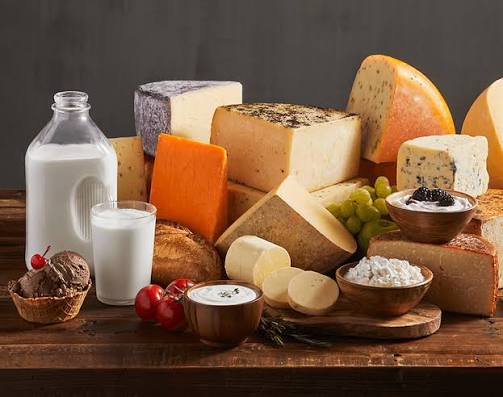
Top 10 Best Dairy Companies in India in 2027
India has one of the world’s largest and most diverse dairy industries, supported by an extensive network of milk producers, cooperative societies, private dairy processors, collection centres, chilling facilities and distribution networks. Dairy products form an essential part of everyday consumption in Indian households, with milk, curd, paneer, butter, ghee, cheese, ice cream and traditional milk-based sweets representing important segments of the food market. The industry also plays a significant role in rural employment, agricultural income generation, food processing and the development of organised supply chains.
The Indian dairy sector has evolved considerably through investments in processing infrastructure, cold-chain logistics, product innovation, quality control and modern retail distribution. While cooperative institutions continue to play a major role in connecting millions of milk producers with consumers, private dairy companies have expanded their presence through branded products, specialised dairy ingredients, value-added products and wider geographical distribution. Increasing demand for packaged milk, protein-rich dairy products, premium cheese, flavoured milk and convenient dairy formats has further encouraged companies to diversify their offerings.
Several established dairy businesses have developed strong consumer brands and large-scale procurement systems, while newer companies have focused on technology-enabled processing, premium products and direct distribution. The following companies represent some of the most prominent names in India’s dairy industry, with operations spanning milk procurement, processing, manufacturing, marketing and distribution.
1. Amul
Gujarat Cooperative Milk Marketing Federation Limited (GCMMF), which markets products under the Amul brand, is one of India’s largest and most influential dairy organisations. Headquartered in Anand, Gujarat, Amul has played a central role in the development of India’s organised dairy industry and the White Revolution. Its cooperative model connects millions of milk producers with consumers through a structured network of village-level dairy societies, district milk unions and a state-level marketing federation. This structure enables farmers to participate in milk procurement, processing and marketing while receiving an organised channel for selling their produce.
Amul’s business model is built around large-scale milk collection, centralised branding, extensive processing infrastructure and nationwide distribution. The cooperative sources milk from approximately 36 lakh dairy farmers and collects around 3.1 crore litres every day. Its network supports the production and marketing of a wide range of dairy products, making it a major supplier to households, retailers, hotels, restaurants and institutional customers. Its geographical reach also extends beyond India, with products distributed across more than 50 countries.
The brand has developed an extensive portfolio covering almost every major dairy category. Its offerings include fresh milk, toned milk, full-cream milk, skimmed milk, butter, ghee, cheese, paneer, curd, buttermilk, cream, milk powder, condensed milk, ice cream, chocolates, flavoured milk and traditional Indian dairy products. Amul also operates in specialised segments such as protein-rich dairy products, lactose-free milk and products designed for modern food-service requirements. This product diversity allows the company to serve different consumer groups, from everyday household buyers to commercial food manufacturers.
One of Amul’s major strengths is its ability to maintain a large distribution network across metropolitan cities, smaller towns and rural markets. Its products are available through supermarkets, neighbourhood grocery stores, exclusive outlets, institutional distributors and online grocery platforms. The company has also invested in digital distribution and e-commerce to improve product accessibility. Its established cold-chain infrastructure is particularly important for fresh milk, butter, cheese, paneer and other temperature-sensitive products.
Amul’s financial performance reflects the scale of its operations. During FY 2025-26, the brand’s total unduplicated turnover crossed Rs. 1 lakh crore, registering approximately 11% growth over the previous financial year. GCMMF itself reported a sales turnover of Rs. 73,450 crore, compared with Rs. 65,911 crore in FY 2024-25. The distinction between the brand’s overall turnover and the federation’s own sales is important because the cooperative structure also includes district-level organisations. Its extensive farmer network, diversified portfolio, established consumer trust and continued expansion into international markets make Amul a defining institution in India’s dairy industry. 
2. Mother Dairy
Mother Dairy Fruit and Vegetable Private Limited is one of India’s most recognised dairy companies, with a particularly strong presence in Delhi-NCR and several other major consumption markets. Established in 1974 under the Operation Flood programme, the company was created to strengthen the organised supply of milk to urban consumers while supporting dairy producers through structured procurement and distribution arrangements. Over the decades, Mother Dairy has expanded from a milk-focused organisation into a diversified food and dairy business with a significant presence in packaged consumer products.
The company operates under the broader institutional framework of the National Dairy Development Board and has developed an extensive network connecting milk-producing regions with urban consumption centres. Its procurement operations involve dairy farmers, producer institutions and milk-producing organisations across different states. This supply-chain structure enables it to procure, process, package and distribute milk while maintaining an organised system for quality testing and cold-chain management.
Mother Dairy’s product portfolio includes fresh milk in several variants, including full-cream, toned, double-toned and cow milk. The company also manufactures and markets curd, paneer, butter, ghee, cheese, cream, flavoured milk, buttermilk, ice cream and other value-added dairy products. Its products are designed to address the requirements of different consumer segments, including families, individual consumers, restaurants and institutional buyers. The company has also expanded its offerings in traditional Indian dairy categories, which remain important in the domestic market.
The company has developed a particularly strong retail presence through its Mother Dairy booths, milk distribution outlets, supermarkets, modern retail stores and e-commerce platforms. Its booth network has historically been an important feature of its Delhi-NCR operations, providing consumers with convenient access to packaged milk and other essential products. Its distribution system also supports regular deliveries, which are critical for maintaining the freshness and availability of perishable dairy products.
In addition to its core dairy business, Mother Dairy has developed its Safal brand in the fruits and vegetables segment. This diversification has helped the company establish a broader presence in the food retail market. Safal offers fresh fruits, vegetables, frozen products and processed food items, complementing Mother Dairy’s established dairy distribution network.
Mother Dairy reported a turnover of approximately Rs. 17,386 crore in FY 2024-25, representing growth of around 16% over the previous financial year. Its dairy segment also recorded approximately 15% growth. The company’s expansion efforts have included strengthening market operations and integrating sales networks associated with several milk-producing organisations. Its established reputation, urban distribution infrastructure, product diversification and connection with India’s cooperative dairy ecosystem make it one of the country’s most significant dairy businesses.
3. Hatsun Agro Product Limited
Hatsun Agro Product Limited is one of India’s largest private-sector dairy companies, with a substantial presence in southern India and an expanding distribution footprint in other markets. Headquartered in Chennai, Tamil Nadu, the company has built its business around milk procurement, large-scale dairy processing, branded consumer products and an extensive distribution network. It has developed a portfolio of dairy brands catering to household consumers, retail customers and institutional markets.
The company operates through several well-known brands, including Arokya, Hatsun, Arun Icecreams, Ibaco and HAP Daily. Arokya is particularly associated with packaged milk, while Hatsun offers a wider range of dairy products. Arun Icecreams and Ibaco strengthen the company’s position in the frozen dessert and premium ice cream categories. This multi-brand strategy allows Hatsun to address different consumer preferences and price segments without depending entirely on a single dairy category.
Its product portfolio includes fresh milk, curd, yoghurt, paneer, butter, ghee, milk-based beverages, ice cream and other value-added dairy products. The company has also developed products designed for commercial and institutional consumption, including dairy ingredients and bulk supplies. Its ice cream business is an important part of its operations, with products distributed through parlours, retail outlets and other sales channels.
Hatsun’s procurement model involves working with dairy farmers through milk collection centres and associated infrastructure. Milk is collected, tested, chilled and transported to processing facilities, where it undergoes pasteurisation and other processing procedures before being converted into different products. This integrated approach is important because the company operates in a category where freshness, quality, transportation efficiency and procurement costs directly affect profitability.
The company has invested in processing plants, chilling centres, transportation systems, automated production facilities and distribution infrastructure. Its logistics network supports the movement of fresh milk as well as frozen and packaged products. Maintaining separate handling and temperature requirements for different categories is an important part of its operating model.
Hatsun recorded revenue from operations of approximately Rs. 9,959 crore in FY 2025-26, compared with approximately Rs. 8,700 crore in the previous financial year. Its profit after tax increased to approximately Rs. 356 crore. These results demonstrate the scale of its business and the importance of branded dairy products in its operations.
The company’s expansion strategy includes increasing product penetration, strengthening procurement relationships, developing distribution channels and introducing new offerings in established categories. Its presence in both everyday dairy consumption and the ice cream market provides a diversified revenue structure. With established consumer brands, substantial processing capabilities and a strong procurement ecosystem, Hatsun remains an important private-sector participant in India’s dairy industry.
4. Karnataka Cooperative Milk Producers’ Federation Limited (Nandini)
Karnataka Cooperative Milk Producers’ Federation Limited, popularly known as KMF, is one of India’s largest state-level dairy cooperative organisations. It markets its products under the Nandini brand and has an extensive presence across Karnataka. The federation has played a significant role in connecting dairy farmers with organised milk procurement, processing and marketing systems. Its cooperative structure brings together village-level dairy societies, district milk unions and the state-level federation.
Nandini is among the most recognisable dairy brands in southern India. Its business covers milk procurement, processing, packaging, distribution and the marketing of a broad range of dairy products. The organisation works with a large network of dairy farmers who supply milk through cooperative societies. These societies provide an organised channel for milk collection and quality assessment, helping farmers access a structured market rather than depending entirely on informal intermediaries.
The federation’s product portfolio includes toned milk, standardised milk, full-cream milk, cow milk, curd, buttermilk, butter, ghee, paneer, cheese, milk powder, ice cream, flavoured milk, sweets and other dairy-based products. Nandini has also developed products suited to regional consumption patterns, including traditional sweets and dairy preparations that have a strong customer base in Karnataka.
One of the important features of KMF’s operations is its large-scale milk procurement network. The federation’s district milk unions collect milk from cooperative societies and process it through their respective facilities. Its operations support both liquid milk distribution and the manufacturing of value-added dairy products. The organisation has also invested in processing infrastructure, chilling facilities, packaging technology and product diversification.
Nandini has expanded beyond Karnataka through distribution arrangements and product availability in other Indian markets. It has also developed an international presence, with products reaching markets such as Dubai, Singapore, Qatar, the Maldives, the United States and parts of Europe. Its international expansion demonstrates the potential of regional Indian dairy brands to serve consumers outside their traditional domestic markets.
KMF’s procurement operations achieved an important milestone during FY 2025-26, with its milk unions recording average daily procurement of approximately one crore litres. Peak procurement reached 106.54 lakh litres on June 21, 2025. This scale reflects the importance of the cooperative network in Karnataka’s rural economy and its capacity to supply a substantial quantity of milk to organised processing facilities.
The Nandini brand has also invested in product innovation, packaging, retail distribution and brand visibility. Its extensive portfolio enables it to serve different customer requirements, ranging from affordable everyday milk to premium dairy products and traditional sweets. The combination of farmer participation, organised procurement, strong regional loyalty and growing geographical reach makes KMF one of India’s leading dairy institutions.
5. Heritage Foods Limited
Heritage Foods Limited is a prominent Indian dairy company with a strong presence in southern and eastern India. Established in 1992, the company has developed an integrated business model covering milk procurement, processing, packaging, distribution and the sale of value-added dairy products. Its operations are supported by a network of dairy farmers, procurement centres, processing plants, distributors and retail outlets.
The company’s business is primarily focused on dairy products marketed under the Heritage brand. Its product range includes fresh milk, curd, paneer, butter, ghee, flavoured milk, buttermilk, ice cream and other packaged dairy products. Heritage has also developed a range of value-added products that cater to consumers looking for convenient alternatives to traditional loose dairy products. The company serves both household consumers and institutional customers through different distribution channels.
Milk procurement is a central component of Heritage Foods’ business model. The company works with dairy farmers across multiple states and has established procurement infrastructure to collect milk from production centres. The milk undergoes testing and quality assessment before being transported to processing facilities. The company uses chilling and transportation infrastructure to maintain product quality and ensure that milk reaches processing plants in suitable conditions.
Heritage has invested in strengthening its processing capabilities and expanding its distribution network. Its operations are designed to support regular milk deliveries as well as the distribution of packaged curd, paneer, ghee and other products. The company’s proximity-based supply-chain approach helps reduce transportation distances between procurement centres, processing facilities and consumption markets.
The company’s value-added dairy segment has become an increasingly important part of its business. Products such as curd, paneer, ghee and butter offer opportunities for improved product differentiation and consumer engagement. These categories also allow the company to diversify beyond liquid milk, which is generally characterised by high-volume sales and comparatively demanding distribution requirements.
Heritage Foods reported consolidated revenue of approximately Rs. 4,526 crore in FY 2025-26, reflecting growth over the preceding financial year. Its dairy business accounted for the overwhelming majority of its revenue. The company has continued to focus on improving its product mix, strengthening procurement infrastructure and increasing its presence in value-added categories.
The company has also expanded its ice cream and dessert business. Its investments in new manufacturing capacity and the acquisition of the Get-A-Way brand have supported its ambitions in premium ice cream and frozen desserts. This diversification reflects the growing importance of convenience-oriented and indulgent dairy categories in the Indian consumer market.
Heritage Foods’ established procurement relationships, regional distribution strength, processing infrastructure and growing portfolio of value-added products make it an important participant in India’s organised dairy industry.
6. Dodla Dairy Limited
Dodla Dairy Limited is an established Indian dairy company engaged in the procurement, processing, manufacturing and distribution of milk and milk-based products. Headquartered in Hyderabad, Telangana, the company has developed a significant presence across southern India and has expanded its operations into other domestic and international markets. Its business model combines an organised milk procurement network with processing facilities, chilling centres, distribution infrastructure and a diversified branded product portfolio.
The company operates through the Dodla brand and offers several dairy products catering to everyday household consumption. Its portfolio includes fresh milk, curd, paneer, butter, ghee, flavoured milk, buttermilk, ice cream and other value-added dairy products. These offerings allow the company to serve different consumption requirements, including regular household purchases, retail demand and institutional customers. The company also participates in the sale of dairy commodities such as skimmed milk powder and butter, depending on milk availability and market conditions.
A major part of Dodla Dairy’s business is its milk procurement ecosystem. The company works with dairy farmers through village-level collection centres and chilling facilities. Milk is collected, tested for quality and transported to processing plants, where it undergoes pasteurisation, standardisation, packaging and other relevant processing procedures. The procurement network enables the company to maintain a consistent supply of raw milk while building long-term relationships with dairy producers.
Dodla has progressively invested in strengthening its processing capacity and distribution network. Its facilities are designed to handle fresh milk as well as products requiring additional processing and specialised packaging. The company’s operational structure allows it to supply both liquid milk and higher-margin value-added products. This is important in a competitive dairy market where companies need to balance high-volume milk sales with product categories that offer greater opportunities for differentiation.
The company has also pursued geographical expansion through acquisitions and investments in new facilities. Its acquisition of HR Food Processing Private Limited during FY 2025-26 strengthened its access to eastern Indian markets. The transaction provided access to operational processing plants and chilling centres, together with an established distribution network. Such acquisitions can help dairy companies enter new consumption markets without having to build every element of the supply chain from the beginning.
Dodla Dairy reported consolidated revenue from operations of approximately Rs. 4,125 crore in FY 2025-26, compared with Rs. 3,720 crore in FY 2024-25. Its average consolidated milk procurement was approximately 18.75 lakh litres per day, while average milk sales stood at around 17.59 lakh litres per day. Value-added products contributed approximately 29.2% of revenue, reflecting the company’s increasing focus on product diversification.
Another important aspect of Dodla’s business is its international presence. The company has established operations in selected African markets, where its activities include milk procurement, processing and distribution. These operations provide an additional geographical dimension to its business and reduce its dependence on a single domestic market.
Dodla’s continued investments in procurement infrastructure, processing facilities, branded products and geographical expansion position it as an important organised dairy company. Its combination of liquid milk distribution, value-added dairy manufacturing and international operations provides a diversified business structure suited to the evolving Indian dairy market.
7. Parag Milk Foods Limited
Parag Milk Foods Limited is a leading private-sector dairy company in India, known for its diversified portfolio of branded dairy products and its focus on value-added categories. The company has developed a business model that combines milk procurement, dairy processing, manufacturing, brand development and distribution. Its operations extend across multiple product segments, allowing it to serve both everyday dairy consumers and customers seeking premium and specialised dairy products.
The company operates several well-known brands, including Gowardhan, Go, Pride of Cows and Avvatar. Each brand is positioned to serve a different category of consumer demand. Gowardhan is associated with traditional dairy products such as ghee, paneer, butter and milk-based foods. Go offers a range of packaged dairy products, including cheese and other convenient dairy formats. Pride of Cows focuses on premium milk and dairy products, while Avvatar operates in the protein nutrition category.
Parag Milk Foods has developed a broad product portfolio covering fresh milk, ghee, paneer, cheese, butter, milk powder, yoghurt, dairy beverages and specialised nutrition products. Cheese is an important category for the company, particularly because of increasing demand from households, restaurants, hotels, quick-service restaurants and food-processing businesses. The company offers different cheese formats suited to retail consumption as well as commercial food applications.
Its ghee and paneer businesses also represent important components of its product strategy. These categories have considerable relevance in Indian food consumption, both in household kitchens and in the organised food-service sector. Parag’s product development approach focuses on packaging, convenience, quality consistency and brand recognition, enabling traditional dairy products to reach consumers through modern retail channels.
An important feature of the company’s business is its investment in dairy processing and manufacturing infrastructure. Its operations include facilities for handling milk and converting it into multiple product categories. The company also has a specialised dairy farm through its subsidiary, Bhagyalaxmi Dairy Farms, which supplies milk for its Pride of Cows brand. The farm uses automated milking systems and operates as part of the company’s premium milk supply chain.
Parag Milk Foods has also expanded into the nutrition and protein segment through Avvatar. This business includes whey protein and other nutrition-oriented products that target fitness-conscious consumers. The development of this category reflects a broader shift in the Indian dairy market, where companies are exploring opportunities beyond conventional milk, curd and ghee. Dairy-based protein products can attract a different consumer segment and provide opportunities for specialised product innovation.
The company reported consolidated revenue from operations of approximately Rs. 3,818 crore in FY 2025-26, representing growth of around 11.2% over the previous financial year. Its core categories, including ghee, cheese and paneer, recorded combined volume growth of approximately 8%. Its newer businesses, including Pride of Cows and Avvatar, registered substantial growth during the year.
Parag Milk Foods’ emphasis on brand building, specialised dairy manufacturing, cheese production, traditional dairy products and protein nutrition makes it a diversified participant in India’s dairy industry. Its business strategy demonstrates how dairy companies can develop additional growth opportunities by combining established consumption categories with emerging nutritional and premium product segments.
8. Milky Mist Dairy Food Limited
Milky Mist Dairy Food Limited is an Indian dairy company that has established a strong position in the value-added dairy products market. Based in Erode, Tamil Nadu, the company has developed its business around the processing and manufacturing of paneer, cheese, curd, yoghurt, ghee, ice cream and other dairy-based products. Unlike businesses that depend heavily on packaged liquid milk as their primary offering, Milky Mist has built considerable brand recognition through processed and value-added dairy categories.
The company has expanded its product portfolio to serve changing consumer preferences, particularly the growing demand for convenient, hygienically packaged dairy products. Its offerings include fresh paneer, processed cheese, cheese slices, cheese blocks, mozzarella cheese, curd, yoghurt, Greek yoghurt, butter, ghee, ice cream, milk-based sweets and other products. These categories are relevant to household consumption as well as restaurants, hotels, bakeries, catering businesses and institutional food-service customers.
Paneer is one of the company’s important product categories. The product has widespread consumption across Indian households and is also used extensively by restaurants and food-service businesses. Milky Mist has developed packaged paneer products designed to provide consistency, convenience and improved storage characteristics. Its cheese portfolio similarly caters to the requirements of consumers and commercial food businesses, including pizza outlets, restaurants and bakeries.
The company’s manufacturing operations involve milk procurement, processing, quality assessment, packaging and distribution. It has invested in modern dairy processing facilities and specialised manufacturing infrastructure to handle different dairy categories. These capabilities are particularly important for products such as cheese and yoghurt, which require controlled manufacturing processes and consistent quality standards.
Milky Mist has also invested in refrigeration, cold-chain transportation and distribution infrastructure. Since its products include several perishable categories, maintaining suitable storage and transportation conditions is essential. The company distributes its products through general trade, modern retail outlets, supermarkets, institutional channels and online grocery platforms. Its growing presence in urban markets has supported the adoption of branded paneer, cheese and yoghurt products.
The company has increasingly focused on product innovation and premiumisation. Its yoghurt and high-protein product offerings reflect changing consumption patterns among customers seeking convenient nutritional products. Its expansion into specialised dairy products also provides opportunities to serve consumers who are willing to pay for differentiated products and consistent quality.
Milky Mist reported standalone revenue from operations of approximately Rs. 3,137 crore in FY 2025-26, compared with approximately Rs. 2,328 crore in FY 2024-25. This represented growth of nearly 34.8%. Its consolidated profit after tax also increased to approximately Rs. 127 crore. The financial performance reflects the company’s expanding scale and growing demand across its product categories.
The company has also strengthened its corporate and manufacturing structure to support future growth. Its business strategy includes capacity expansion, greater distribution reach, brand development and investments in new product categories. The company represents an important example of the transition taking place in India’s dairy sector, where value-added products are becoming increasingly important alongside traditional liquid milk sales.
9. Creamline Dairy Products Limited (Godrej Jersey)
Creamline Dairy Products Limited is a major private-sector dairy company in southern India, operating under the Godrej Jersey brand. The company is part of Godrej Agrovet Limited and has developed a substantial presence in milk procurement, dairy processing, packaged milk distribution and value-added dairy products. Its business is supported by the wider Godrej corporate ecosystem, together with an established network of dairy farmers, collection centres, processing facilities and distribution partners.
The Godrej Jersey brand has a strong presence in several southern Indian markets. Its product portfolio includes fresh milk, curd, paneer, butter, ghee, flavoured milk, ice cream, buttermilk and other dairy products. The company caters to household consumers as well as commercial customers through its distribution channels. Its product range covers everyday consumption requirements while also addressing the growing demand for convenient packaged dairy products.
Creamline’s milk procurement operations are supported by relationships with thousands of dairy farmers. The company collects milk through organised procurement centres and uses testing and chilling facilities to manage quality before processing. Its processing infrastructure converts raw milk into different products, including liquid milk and value-added dairy categories. The company’s procurement network is particularly important in maintaining regular supplies to urban consumption markets.
One of its business strengths is its presence in multiple dairy categories. Liquid milk provides an important foundation for daily sales, while products such as curd, paneer, ghee and butter offer opportunities for product diversification. Ice cream also provides a separate consumption category with different seasonal and distribution requirements. This diversified portfolio allows the company to participate in several segments of the organised dairy market.
Godrej Agrovet has progressively strengthened its ownership and involvement in Creamline Dairy. During FY 2024-25, it increased its stake in the company, reflecting its intention to consolidate its dairy operations. Creamline’s financial performance during the same year included revenue from operations of approximately Rs. 1,585 crore, compared with around Rs. 1,573 crore in FY 2023-24.
The dairy business processed approximately six lakh litres of milk daily through its formal plants, according to Godrej Agrovet’s business disclosures. It also maintained relationships with more than 40,000 dairy farmers, supporting the company’s procurement ecosystem. The organisation’s operations include payments to farmers, milk collection, processing, manufacturing and distribution, connecting rural milk producers with urban consumers.
Creamline has also focused on increasing the contribution of value-added products to its business. Its investments in manufacturing and distribution infrastructure are intended to support categories with growing consumer demand. The company operates in a competitive environment where maintaining procurement efficiency, product quality, pricing and brand visibility is essential.
The Godrej Jersey brand benefits from its association with an established Indian corporate group and its regional understanding of dairy consumption. Its farmer network, processing capabilities and diversified product range make Creamline an important player in India’s private dairy market, particularly across southern India.
10. Vadilal Industries Limited
Vadilal Industries Limited is one of India’s established dairy and frozen dessert companies, with a particularly strong presence in the ice cream market. Founded in Gujarat, the company has developed a widely recognised consumer brand through its ice cream products and has expanded its business into frozen foods and other processed food categories. Its operations combine manufacturing, distribution, retail marketing and the development of products suited to changing consumer preferences.
Vadilal is particularly well known for its extensive ice cream portfolio. Its offerings include traditional Indian flavours, fruit-based ice creams, chocolate varieties, family packs, cones, cups, bars, frozen desserts and premium products. The company has developed products catering to different age groups, price points and consumption occasions. Its portfolio includes familiar flavours such as vanilla, chocolate, strawberry and butterscotch, alongside Indian-inspired varieties that appeal to consumers looking for traditional tastes.
The company’s product development strategy focuses on flavour innovation, packaging formats and product differentiation. Ice cream consumption in India is influenced by seasonal demand, changing urban lifestyles, the expansion of modern retail and the growing availability of frozen desserts through quick-commerce and online grocery platforms. Vadilal has responded to these developments by expanding its product range and strengthening its distribution capabilities.
Its business also extends beyond conventional retail ice cream sales. The company supplies products through parlours, distributors, supermarkets, hotels, restaurants and other commercial channels. Its institutional business provides opportunities to serve customers requiring bulk quantities and specialised frozen products. This multi-channel approach helps the company reach consumers across different markets.
Vadilal has developed manufacturing and cold-chain infrastructure to support the production and distribution of temperature-sensitive products. Ice cream requires careful handling throughout the supply chain, from manufacturing and storage to transportation and retail display. Maintaining the appropriate temperature is essential for preserving texture, consistency and product quality. The company’s investments in production facilities, refrigeration and logistics support its ability to distribute products across multiple geographical markets.
The company also operates in the frozen food segment through products such as frozen vegetables, ready-to-eat items and other processed food offerings. This diversification enables Vadilal to participate in the broader packaged food market rather than relying entirely on ice cream sales. Its frozen food business benefits from similar cold-chain requirements and provides additional opportunities through retail and institutional distribution.
Vadilal Industries reported revenue from operations of approximately Rs. 1,109.54 crore in FY 2025-26, compared with approximately Rs. 1,013.51 crore in FY 2024-25. Its EBITDA stood at approximately Rs. 169.70 crore, while profit after tax was approximately Rs. 98.01 crore. These figures reflect its established position in the organised ice cream and frozen food business.
The company’s continued focus on product innovation, distribution expansion, manufacturing efficiency and brand development supports its presence in India’s growing frozen dessert market. Its established consumer recognition, broad flavour portfolio and experience in cold-chain distribution make Vadilal an important name in the country’s dairy-based consumer products industry.
These ten companies represent different segments of India’s dairy industry, ranging from farmer-owned cooperative organisations and large-scale milk processors to private dairy manufacturers and specialised value-added product businesses. Their operations demonstrate how the sector is expanding beyond conventional liquid milk distribution into cheese, paneer, yoghurt, protein nutrition, ice cream and other processed dairy categories. Investments in procurement networks, processing technology, cold-chain infrastructure, product innovation and distribution are likely to remain important drivers of growth as India’s organised dairy market continues to evolve.