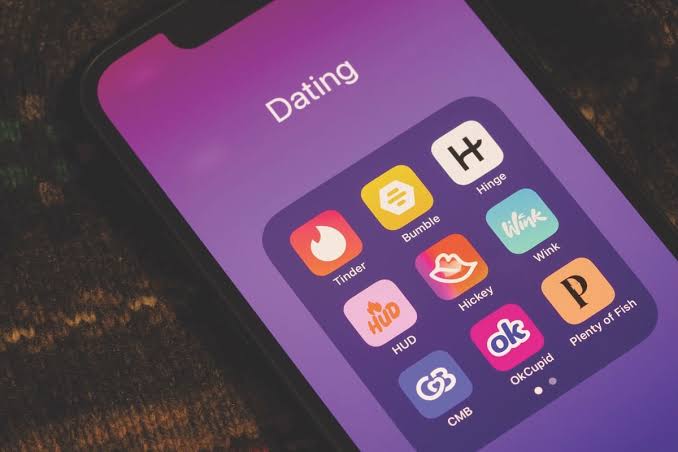
Top 10 Best Dating Apps in India in 2027
The online dating industry in India has undergone a significant transformation over the past decade, changing how individuals discover potential partners, establish meaningful relationships, and expand their social circles. With increasing smartphone penetration, affordable internet connectivity, greater digital literacy, and changing social attitudes towards relationships, dating applications have become increasingly popular among young professionals, university students, entrepreneurs, and individuals seeking companionship. Online dating is no longer restricted to metropolitan cities such as Delhi, Mumbai, Bengaluru, Hyderabad, Pune, and Chennai. It is gradually expanding across Tier II and Tier III cities, where digitally connected individuals are exploring alternative ways of meeting compatible partners.
The Indian dating application market has evolved considerably beyond conventional swipe-based matchmaking. Modern dating platforms incorporate artificial intelligence, personality assessments, compatibility algorithms, location-based recommendations, profile verification, video calling, advanced privacy controls, and personalised matchmaking features. Several applications have also introduced specialised services catering to individuals seeking long-term relationships, marriage-oriented companionship, casual dating, friendships, and meaningful conversations.
Safety and authenticity have emerged as particularly important considerations within the Indian online dating ecosystem. Leading dating applications increasingly provide identity verification, suspicious account detection, reporting mechanisms, blocking facilities, and communication controls. Premium subscription models have also become more sophisticated, offering users enhanced visibility, advanced search filters, unlimited interactions, and personalised recommendations.
The following are the top 10 best dating apps in India in 2027.
-
Tinder
Tinder remains one of the most widely recognised dating applications operating in India. Launched in 2012, Tinder revolutionised online dating through its distinctive swipe-based matchmaking system, allowing users to express interest in potential partners by swiping right or dismiss profiles by swiping left. Owned by Match Group, Tinder has developed a substantial international presence and continues to attract Indian users across different age groups, professional backgrounds, and geographical locations.
The application enables individuals to create personalised profiles containing photographs, biographies, interests, lifestyle preferences, educational qualifications, professional information, and relationship intentions. Tinder’s recommendation system considers geographical proximity, user preferences, profile activity, and interaction patterns to suggest potential matches. When two individuals express mutual interest, they can initiate conversations through the application’s messaging interface.
Tinder has expanded considerably beyond its original casual dating identity. Users can specify relationship goals, including long-term relationships, short-term dating, friendships, and exploratory connections. This functionality allows individuals to communicate their expectations more clearly before initiating conversations, reducing uncertainty surrounding potential matches.
The platform offers multiple premium subscription options, including Tinder Plus, Tinder Gold, and Tinder Platinum. Depending on the subscription, users can access features such as unlimited likes, Passport functionality, profile visibility controls, Rewind, priority likes, and the ability to discover individuals who have already expressed interest in their profiles. Passport allows users to explore potential matches in different geographical locations, making the application particularly useful for frequent travellers and individuals planning relocation.
Tinder also incorporates photo verification, blocking facilities, reporting mechanisms, and automated safety tools designed to identify potentially inappropriate interactions. Its extensive user ecosystem makes it particularly attractive for individuals seeking diverse dating opportunities across Indian metropolitan regions.
The application’s straightforward interface, extensive geographical coverage, flexible relationship preferences, and comprehensive subscription ecosystem continue to make Tinder a prominent choice within India’s competitive online dating industry.
-
Bumble
Bumble has established itself as one of India’s most prominent dating applications through its emphasis on respectful communication, user empowerment, and meaningful connections. Founded in 2014 by Whitney Wolfe Herd, Bumble introduced an alternative approach to conventional online dating by giving women greater control over initiating conversations in heterosexual matches.
The application has subsequently evolved its communication model through Opening Moves, a feature that allows women to establish conversation prompts to which their matches can respond. This functionality provides greater flexibility while retaining Bumble’s broader emphasis on creating a more comfortable and respectful dating environment.
Bumble allows users to create detailed profiles featuring photographs, interests, educational backgrounds, occupations, lifestyle choices, personality characteristics, and relationship intentions. Its matchmaking system recommends individuals based on location, preferences, and other relevant profile characteristics.
One of Bumble’s distinguishing features is its time-sensitive matching mechanism. Matches generally operate within a designated communication window, encouraging users to initiate conversations rather than accumulate inactive connections. Users can extend eligible matches through available features, depending on their subscription arrangements.
Bumble also offers premium services through subscription packages such as Bumble Boost and Bumble Premium. These services may include advanced filters, visibility into incoming likes, rematching capabilities, unlimited swipes, Travel Mode, and enhanced profile discovery. Advanced filters allow individuals to identify potential partners according to lifestyle habits, relationship preferences, educational backgrounds, and other compatibility factors.
The platform incorporates several safety-oriented features, including photo verification, inappropriate image detection, reporting mechanisms, and blocking functionality. Bumble’s Private Detector technology is designed to identify and blur potentially explicit images, giving recipients greater control over viewing sensitive content.
Bumble has become particularly popular among urban Indian professionals seeking a dating environment that prioritises communication quality and personal boundaries. Its contemporary interface, detailed profile structure, flexible conversation tools, and emphasis on user safety make it a comprehensive dating application for individuals seeking meaningful romantic connections.
-
Hinge
Hinge has emerged as a prominent dating application among Indian users seeking meaningful relationships and long-term companionship. Owned by Match Group, Hinge differentiates itself from traditional swipe-based dating platforms through its emphasis on detailed profiles, conversation prompts, personality expression, and compatibility-oriented interactions. Its widely recognised positioning as an application designed to be deleted reflects its focus on helping users establish lasting relationships.
Unlike conventional dating applications that primarily emphasise photographs, Hinge encourages individuals to communicate their personalities through written prompts, photographs, voice recordings, and other profile elements. Users can respond to questions concerning personal interests, relationship expectations, lifestyle habits, humour, ambitions, and memorable experiences. These responses provide potential matches with greater insight into an individual’s personality.
Hinge allows users to express interest in specific photographs or profile responses rather than simply liking an entire profile. Individuals can also attach comments to their likes, creating more personalised conversation opportunities. This interaction model encourages communication based on shared interests and individual characteristics.
The application’s recommendation system incorporates user preferences and interaction patterns to identify potentially compatible individuals. Its Most Compatible feature periodically recommends profiles that the platform considers particularly relevant based on available information and behavioural signals.
Hinge offers premium subscription options through Hinge Plus and Hinge X. These subscriptions provide features such as unlimited likes, advanced preference filters, enhanced recommendations, and additional visibility benefits. Users can also utilise Roses to communicate stronger interest in selected profiles.
The platform incorporates safety mechanisms such as selfie verification, reporting facilities, and account blocking. Its detailed profile structure also enables users to communicate important relationship preferences before establishing connections.
Hinge has gained considerable relevance among young Indian professionals who prefer personality-driven matchmaking over appearance-focused browsing. Its interactive prompts, personalised communication features, and relationship-oriented design make it particularly suitable for individuals seeking emotionally meaningful and potentially long-term romantic partnerships.
-
Aisle
Aisle is an Indian dating application developed specifically to address the relationship preferences and cultural expectations of Indian singles. Founded in 2014 by Able Joseph, Aisle has established a distinctive identity within the country’s online dating industry by focusing on intentional dating, meaningful relationships, and serious companionship. The platform operates within the broader ecosystem of Info Edge-backed dating businesses.
Aisle occupies a space between conventional dating applications and traditional matrimonial platforms. While matrimonial services frequently emphasise family participation and marriage-specific considerations, Aisle enables individuals to independently explore romantic compatibility while maintaining a focus on committed relationships.
The application allows users to create comprehensive profiles containing photographs, professional information, educational qualifications, personal interests, lifestyle preferences, and relationship expectations. Its matchmaking experience is designed to help individuals discover potential partners whose aspirations and values may align with their own.
Aisle’s India-centric positioning makes it particularly relevant for individuals who consider cultural familiarity, language, family values, and long-term compatibility important aspects of romantic relationships. Its ecosystem has also expanded through regional dating applications catering to different linguistic communities across India.
The platform provides premium membership options that offer additional communication opportunities, enhanced discovery capabilities, and greater flexibility when interacting with potential matches. Certain premium features allow individuals to communicate stronger interest or improve their visibility within the platform.
Aisle incorporates profile moderation, reporting mechanisms, and privacy-related controls intended to support a more trustworthy dating environment. Its profile-focused approach encourages users to provide meaningful information about themselves rather than relying exclusively on photographs.
The application appeals particularly to working professionals and individuals who are interested in committed relationships without immediately participating in conventional matrimonial arrangements. Its understanding of Indian relationship dynamics, culturally relevant matchmaking experience, and emphasis on intentional dating distinguish Aisle within the domestic online dating ecosystem.
-
happn
happn is an internationally recognised dating application that differentiates itself through its location-based matchmaking technology. Launched in 2014, the application enables individuals to discover potential romantic connections with other users whose geographical paths have crossed during their daily activities.
The platform’s central concept revolves around transforming everyday encounters into opportunities for digital connections. Individuals who frequent similar neighbourhoods, commercial districts, educational institutions, shopping destinations, or recreational areas may discover one another through the application’s recommendation system.
Users can create personalised profiles containing photographs, biographies, lifestyle preferences, interests, and relationship intentions. When individuals express mutual interest, a match known as a Crush is established, enabling them to communicate through the application’s messaging interface.
Unlike conventional location-based applications that simply display individuals within a specified radius, happn places particular emphasis on geographical overlap. This functionality can make potential matches more relevant for individuals who share similar commuting patterns, neighbourhood preferences, or social environments.
The application provides premium subscription features that may include access to incoming likes, enhanced visibility, additional discovery options, and greater control over profile interactions. These services provide users with more flexibility when exploring potential romantic connections.
Privacy is an important component of happn’s operating model. Although geographical information is used to facilitate matchmaking, the platform is designed to avoid directly displaying a user’s precise real-time location to other individuals. Users can also manage visibility settings, block unwanted accounts, and report suspicious behaviour.
happn is particularly relevant in densely populated Indian cities such as Mumbai, Delhi, Bengaluru, Pune, and Hyderabad, where individuals frequently encounter new people through professional activities, public transportation, shopping, and social engagements.
Its distinctive geographical matchmaking concept, straightforward communication tools, and integration of real-world proximity into digital dating provide an alternative to conventional compatibility-based and swipe-oriented dating applications.
-
TrulyMadly
TrulyMadly is an Indian dating application that focuses on compatibility, profile authenticity, and meaningful romantic relationships. Founded in 2014, the platform was developed to address the unique requirements of Indian singles while responding to concerns surrounding fake profiles, online harassment, and unreliable matchmaking experiences.
The application enables individuals to create detailed profiles incorporating personal interests, educational qualifications, professional information, photographs, lifestyle preferences, and relationship expectations. Its matchmaking system uses available profile information and compatibility-related factors to recommend potential partners.
TrulyMadly has historically distinguished itself through its Trust Score concept, which encourages users to establish greater profile credibility through available verification methods. The platform’s emphasis on authenticity is particularly relevant within an online dating environment where misleading photographs, impersonation, and fraudulent accounts remain significant concerns.
The application incorporates personality-oriented features that allow individuals to express their interests, preferences, and characteristics. Compatibility assessments and interactive profile elements can help users identify potential matches beyond physical appearance.
TrulyMadly also provides premium membership services that enhance the matchmaking experience through additional discovery opportunities, communication features, and profile visibility benefits. Depending on the available subscription, users may receive greater flexibility in expressing interest and discovering relevant profiles.
The platform’s India-focused approach enables it to address relationship expectations that may differ from those prevalent in international dating markets. Indian users frequently consider factors such as cultural compatibility, educational backgrounds, career aspirations, family expectations, and long-term relationship goals when evaluating potential partners.
Safety-related functionality includes account reporting, profile moderation, blocking tools, and verification-oriented features. These mechanisms are designed to reduce unwanted interactions and encourage more authentic participation.
TrulyMadly’s emphasis on trust, compatibility, and Indian relationship preferences makes it particularly relevant for individuals who prioritise serious dating and profile authenticity. Its domestic market understanding provides an alternative to international dating applications that may adopt more generalised matchmaking approaches.
-
OkCupid
OkCupid is an internationally recognised dating application known for its comprehensive compatibility assessment system and personality-oriented matchmaking approach. Established in 2004 and subsequently acquired by Match Group, OkCupid has developed an extensive digital dating ecosystem that accommodates diverse relationship preferences, identities, and lifestyles.
The platform differentiates itself through its extensive collection of compatibility questions covering subjects such as personal values, lifestyle habits, political perspectives, relationship expectations, communication preferences, family aspirations, and social interests. Users can answer questions and indicate the importance of particular responses when evaluating potential partners.
OkCupid uses these responses alongside other profile information to calculate compatibility indicators between users. This approach allows individuals to explore potential connections based on shared values and preferences rather than relying exclusively on geographical proximity or physical appearance.
The application enables users to develop comprehensive profiles containing photographs, written descriptions, interests, relationship goals, and personal characteristics. Its inclusive profile options accommodate individuals with different gender identities, sexual orientations, and relationship preferences.
OkCupid also offers premium subscription services that may provide enhanced search filters, access to incoming likes, increased visibility, and additional interaction capabilities. These features allow users to personalise their matchmaking experience according to their requirements.
The platform is particularly suitable for individuals who consider intellectual compatibility, lifestyle alignment, and shared perspectives important components of romantic relationships. Its questionnaire-based approach provides greater opportunities to understand potential partners before initiating detailed conversations.
OkCupid incorporates reporting mechanisms, blocking functionality, privacy controls, and profile moderation tools. Its emphasis on inclusivity and detailed self-expression enables individuals from different backgrounds to explore romantic connections according to their personal preferences.
Among Indian dating applications, OkCupid maintains a distinctive identity through its extensive compatibility assessments, inclusive profile architecture, and personality-driven discovery experience. It appeals particularly to individuals who prefer thoughtful conversations and value-based matchmaking over rapid profile browsing.
-
QuackQuack
QuackQuack is a homegrown Indian dating application that has developed a substantial presence across metropolitan, Tier II, and Tier III markets. Founded in 2010 by Ravi Mittal, the platform focuses on helping Indian singles discover potential romantic partners through accessible matchmaking and communication services.
The application allows users to create profiles containing photographs, personal descriptions, age information, geographical preferences, interests, and relationship expectations. Its discovery system enables individuals to browse potential matches according to relevant preferences and geographical considerations.
One of QuackQuack’s distinguishing characteristics is its focus on the broader Indian market rather than exclusively targeting affluent metropolitan professionals. The application caters to individuals from diverse educational, occupational, linguistic, and socioeconomic backgrounds.
QuackQuack’s presence beyond major metropolitan regions makes it particularly relevant for individuals living in smaller cities, where international dating applications may have comparatively limited local participation. Its India-centric approach addresses the growing demand for digital companionship and relationship discovery among emerging urban populations.
The platform offers premium membership services that can provide additional communication capabilities, enhanced profile visibility, and greater access to matchmaking opportunities. Its subscription-oriented model enables individuals to select services according to their interaction preferences.
QuackQuack also incorporates profile moderation, account reporting, and blocking functionality. These features help users manage unwanted interactions and maintain greater control over their dating experiences.
The application’s relatively straightforward interface makes it accessible to individuals who may be unfamiliar with more complex international dating platforms. Its emphasis on uncomplicated profile discovery and communication allows users to explore romantic connections without navigating extensive compatibility questionnaires.
QuackQuack’s domestic market understanding, geographical reach, and accessibility make it a relevant dating application for individuals seeking potential partners across different regions of India. Its focus on expanding online dating beyond metropolitan centres distinguishes it within the country’s increasingly competitive digital relationship industry.
-
Woo
Woo is an Indian dating application developed with an emphasis on meaningful relationships, compatibility, and privacy-conscious interactions. The platform has traditionally focused on helping educated professionals and urban singles discover potential romantic partners through shared interests, lifestyle preferences, and personal characteristics.
Woo enables users to create detailed profiles incorporating photographs, professional backgrounds, educational qualifications, interests, personal descriptions, and relationship expectations. Its discovery system uses available profile information and user preferences to recommend potentially relevant matches.
The application has historically introduced distinctive communication and privacy-oriented features designed to address concerns associated with online dating. Its Woo Phone functionality has enabled eligible users to communicate through voice calls without necessarily exchanging personal telephone numbers, helping individuals maintain greater control over their contact information.
Woo has also offered interest-based discovery through features that enable users to identify potential matches according to shared hobbies, personality characteristics, and lifestyle preferences. Such functionality encourages individuals to establish connections around common interests rather than depending entirely on physical attraction.
The platform’s premium membership services provide additional opportunities for profile discovery, enhanced visibility, and communication. Available benefits may vary depending on subscription arrangements and application updates.
Woo’s emphasis on privacy is particularly relevant for Indian users who prefer to maintain boundaries between their personal information and online dating activities. Its communication model provides opportunities for individuals to become familiar with potential partners before sharing external contact details.
The application incorporates profile reporting, blocking facilities, and moderation mechanisms intended to support responsible user participation.
Woo appeals particularly to individuals seeking a relatively personalised dating experience with greater emphasis on professional compatibility, shared interests, and communication quality. Its India-focused positioning and privacy-conscious features distinguish it from conventional swipe-based dating applications.
-
Coffee Meets Bagel
Coffee Meets Bagel is an internationally recognised dating application that focuses on curated matchmaking and intentional romantic connections. Founded in 2012 by sisters Arum, Dawoon, and Soo Kang, the platform was developed as an alternative to dating applications that encourage continuous profile browsing and high-volume interactions.
The application provides users with curated recommendations based on available profile information, preferences, and matchmaking signals. Rather than encouraging individuals to browse an unlimited number of profiles continuously, Coffee Meets Bagel emphasises selective discovery and thoughtful engagement.
Users can create comprehensive profiles containing photographs, personal descriptions, educational qualifications, professional backgrounds, interests, and relationship expectations. The platform encourages individuals to provide meaningful information that can support more informed matchmaking decisions.
Coffee Meets Bagel offers discovery functionality beyond its curated recommendations, allowing users to explore additional potential matches. Individuals can express interest in relevant profiles and establish conversations when mutual interest is identified.
The application’s premium subscription services may include access to incoming likes, additional recommendations, activity-related information, and enhanced discovery capabilities. Its virtual currency ecosystem also supports selected premium interactions.
Coffee Meets Bagel’s communication experience is designed to encourage users to move beyond passive matching and participate in meaningful conversations. Its selective matchmaking approach can be particularly appealing to working professionals who have limited time to browse extensive profile collections.
The platform incorporates privacy controls, account reporting, blocking functionality, and profile moderation mechanisms. Its relationship-oriented design appeals to individuals who prefer a more deliberate approach to online dating.
Although its Indian user ecosystem is comparatively more niche than that of several mainstream dating applications, Coffee Meets Bagel provides a distinctive experience for individuals seeking curated recommendations, thoughtful communication, and potentially long-term romantic relationships.
Conclusion
India’s online dating industry is becoming increasingly sophisticated as applications incorporate advanced matchmaking technologies, personalised recommendations, identity verification, privacy controls, and communication tools. The growing acceptance of digital relationships has created opportunities for both international dating platforms and homegrown Indian applications to address diverse relationship expectations.
Tinder and Bumble provide extensive matchmaking opportunities, while Hinge, Aisle, and Coffee Meets Bagel emphasise intentional dating and meaningful relationships. OkCupid focuses on personality compatibility, happn incorporates geographical proximity, and TrulyMadly prioritises profile authenticity. QuackQuack addresses the broader Indian dating market, while Woo offers privacy-conscious communication and interest-based discovery.
The suitability of a dating application ultimately depends on individual relationship goals, geographical location, communication preferences, privacy requirements, and expectations regarding compatibility. Users seeking committed relationships may prefer detailed personality-oriented platforms, while individuals interested in expanding their social circles may benefit from applications offering broader geographical coverage and diverse user communities.
With continued technological innovation, changing relationship dynamics, and increasing digital adoption across smaller Indian cities, dating applications are expected to play an increasingly important role in shaping how individuals discover companionship and establish romantic relationships in 2027.