Top 10 Best DevSecOps Platforms in India in 2027
India’s rapidly expanding digital economy, increasing cloud adoption and growing cybersecurity requirements have accelerated the demand for DevSecOps platforms. Organisations across banking, financial services, healthcare, manufacturing, telecommunications, e-commerce and information technology are increasingly integrating security into their software development and deployment processes.
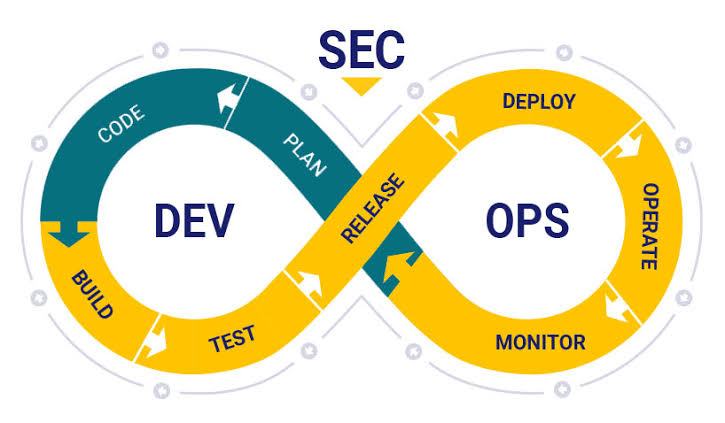
DevSecOps combines development, security and operations to establish a secure and automated software delivery lifecycle. Unlike conventional cybersecurity practices, where security assessments are frequently conducted after application development, DevSecOps incorporates vulnerability scanning, security testing, compliance monitoring and risk management throughout the development process.
Modern DevSecOps platforms offer capabilities such as static application security testing, software composition analysis, dynamic application security testing, container security, secrets detection, infrastructure-as-code scanning and software supply chain protection. These platforms help organisations identify vulnerabilities before applications reach production environments, reducing remediation costs and improving software reliability.
The growing adoption of Kubernetes, microservices, artificial intelligence, cloud-native applications and automated CI/CD pipelines has further strengthened the importance of integrated security platforms. India’s evolving data protection and cybersecurity requirements are also encouraging enterprises to implement comprehensive security governance across their technology infrastructure.
1. GitLab Ultimate
GitLab Ultimate is a comprehensive DevSecOps platform that integrates source code management, continuous integration, continuous delivery, application security and software development governance within a unified environment. Its integrated architecture makes it particularly attractive to Indian enterprises seeking to consolidate multiple development and cybersecurity tools.
GitLab Ultimate enables development teams to incorporate security assessments directly into CI/CD pipelines. Its security capabilities include static application security testing, dynamic application security testing, dependency scanning, container scanning, secret detection and infrastructure-as-code security assessments.
One of the platform’s biggest advantages is its ability to display security findings within merge requests. Developers can identify vulnerabilities introduced through proposed code changes and address them before merging code into production branches. This approach reduces the operational gap between cybersecurity professionals and software development teams.
GitLab also provides vulnerability management dashboards, security policy configurations, compliance frameworks and approval workflows. Security administrators can establish centralised policies across multiple software development projects, improving governance and consistency.
Its software supply chain security capabilities help organisations monitor dependencies, generate software bills of materials and identify vulnerabilities associated with third-party components.
GitLab supports cloud-hosted and self-managed deployment models, making it suitable for businesses with different infrastructure, security and data governance requirements.
Indian banking institutions, multinational technology companies, government technology contractors and global capability centres can benefit from its comprehensive security and development capabilities.
GitLab Ultimate is particularly suitable for organisations seeking an integrated DevSecOps environment rather than maintaining numerous independent security and software delivery applications.
2. GitHub Advanced Security
GitHub Advanced Security is a developer-focused application security solution designed to incorporate cybersecurity capabilities directly into software development workflows. Its integration with GitHub repositories makes it particularly relevant for Indian technology companies, startups and enterprises already using the GitHub ecosystem.
The platform’s code scanning capabilities utilise CodeQL, a semantic code analysis technology designed to identify potentially vulnerable coding patterns. Developers can receive security alerts through pull requests and repository interfaces, allowing them to investigate and remediate vulnerabilities during development.
Secret scanning is another major feature. The platform identifies exposed credentials, authentication tokens, API keys and other sensitive information within software repositories. Push protection can prevent supported secrets from being accidentally committed to repositories.
Dependency security capabilities help organisations understand their reliance on third-party software packages. Features such as dependency review and Dependabot support vulnerability detection and dependency updates within existing development workflows.
GitHub Advanced Security is available through security offerings including GitHub Code Security and GitHub Secret Protection, allowing eligible organisations to select capabilities according to their requirements.
Its integration with GitHub Actions enables businesses to incorporate security testing into automated software delivery pipelines. Organisations can establish repository protection rules, security policies and code review requirements across development teams.
The platform also provides AI-assisted vulnerability remediation capabilities through Copilot Autofix for supported code scanning findings.
GitHub Advanced Security is particularly suitable for Indian software-as-a-service companies, fintech startups, independent software vendors and enterprises seeking security tools closely integrated with their existing development environments.
3. Snyk
Snyk is a leading developer-focused cybersecurity platform specialising in application security, open-source dependency management, container security and infrastructure-as-code protection. Its emphasis on providing actionable security recommendations directly to developers makes it a prominent DevSecOps solution.
The platform’s product ecosystem includes Snyk Code, Snyk Open Source, Snyk Container and Snyk Infrastructure as Code. Together, these capabilities help organisations identify vulnerabilities across different layers of modern software applications.
Snyk Code analyses proprietary application source code for insecure coding practices and vulnerabilities. Its open-source security capabilities identify known vulnerabilities and licensing risks associated with third-party software dependencies.
Snyk Container enables development teams to evaluate container images for vulnerable operating system packages and application dependencies. Its infrastructure-as-code capabilities help identify security misconfigurations within cloud infrastructure definitions before deployment.
One of Snyk’s distinguishing features is its integration with development environments. Developers can access security information through integrated development environments, source code repositories and automated software delivery pipelines. Supported remediation workflows provide recommendations and dependency upgrade suggestions.
Snyk also offers application security posture management capabilities that help enterprises establish visibility across their software portfolios and prioritise security risks.
Its risk prioritisation approach incorporates contextual factors such as vulnerability severity, exploitability and application exposure. This helps organisations focus remediation efforts on security weaknesses presenting greater operational risks.
Snyk is especially relevant for Indian technology companies developing cloud-native applications, microservices, digital payment platforms and enterprise software products. Its developer-centric architecture helps integrate cybersecurity into everyday engineering activities.
4. Checkmarx One
Checkmarx One is an enterprise application security platform designed to provide comprehensive security testing throughout the software development lifecycle. Its integrated architecture combines multiple application security capabilities within a centralised environment.
The platform offers static application security testing, software composition analysis, dynamic application security testing and infrastructure-as-code security assessments. Additional capabilities address container security, API security and software supply chain protection.
Checkmarx’s static analysis technology evaluates application source code to identify vulnerabilities associated with insecure programming practices, authentication weaknesses, injection attacks and improper data handling.
Its software composition analysis capabilities enable organisations to identify vulnerable open-source dependencies and assess software licensing risks. This functionality is particularly important for enterprises developing applications incorporating numerous third-party libraries.
Checkmarx One integrates with source code repositories, integrated development environments, issue management systems and CI/CD pipelines. Developers can receive security findings within existing workflows, while security administrators maintain oversight through centralised dashboards.
The platform also provides risk prioritisation and security governance functionality. Large enterprises can establish standardised application security policies, monitor remediation progress and generate reports supporting internal security assessments.
Checkmarx’s comprehensive application security testing capabilities make it particularly suitable for Indian banking institutions, insurance companies, telecommunications providers and multinational corporations managing extensive software portfolios.
Organisations developing applications across multiple programming languages and technology environments can benefit from its consolidated security architecture. Its enterprise-level governance and application testing capabilities distinguish Checkmarx One within the DevSecOps industry.
5. Veracode
Veracode is a cloud-based application security platform providing comprehensive security testing, vulnerability management and software development governance. Its extensive application security capabilities make it particularly relevant for enterprises operating within regulated industries.
The platform supports static application security testing, dynamic application security testing and software composition analysis. These capabilities allow organisations to evaluate proprietary application code, running web applications and third-party software dependencies.
Veracode’s static analysis capabilities help identify security vulnerabilities within supported application binaries and software components. Its dynamic analysis technology evaluates running applications to identify externally observable security weaknesses.
The platform’s software composition analysis functionality provides visibility into open-source dependencies, associated vulnerabilities and licensing considerations. Organisations can incorporate dependency monitoring into their software development processes to manage emerging security risks.
Veracode also offers developer security training and remediation guidance. These capabilities help engineering teams understand the underlying causes of vulnerabilities and develop more secure programming practices.
Security administrators can configure application security policies, monitor compliance against established requirements and prioritise remediation activities. Centralised reporting supports organisations managing numerous applications across different business divisions.
Veracode’s integration capabilities allow businesses to incorporate security testing into development pipelines without creating entirely separate application assessment processes.
The platform is particularly suitable for Indian financial institutions, healthcare organisations, insurance companies and enterprises managing sensitive business information.
Its combination of application testing, developer education, managed security expertise and governance capabilities makes Veracode a prominent option for structured enterprise DevSecOps programmes.
6. JFrog Platform
JFrog is an enterprise software supply chain management platform that integrates artifact management, software distribution, vulnerability analysis and release security. Its security architecture focuses on protecting software packages, dependencies and application artifacts throughout the development lifecycle.
JFrog Artifactory serves as a central repository for managing software artifacts, container images and application dependencies. Organisations can establish controlled environments for storing, distributing and accessing software components.
JFrog Xray provides vulnerability scanning and software composition analysis capabilities. It examines software artifacts and their dependencies to identify known security vulnerabilities, licensing risks and potentially problematic components.
One of JFrog’s major advantages is its ability to associate security findings with the actual software artifacts used during development and deployment. This helps businesses understand which applications and software releases may be affected by identified vulnerabilities.
JFrog Advanced Security extends these capabilities through contextual vulnerability analysis, secrets detection and additional application security assessments, depending on the selected configuration.
The platform also provides software bill of materials capabilities and security policies that can support software supply chain governance. Organisations can establish controls governing the movement of software components through development, testing and production environments.
JFrog integrates with major CI/CD systems, cloud platforms, container technologies and development tools. Its universal artifact management approach supports organisations using multiple programming languages and package formats.
Indian software product companies, manufacturing enterprises, telecommunications businesses and large technology service providers can benefit from its software supply chain visibility.
JFrog is particularly suitable for organisations seeking to strengthen artifact integrity, dependency governance and secure software release management across complex development environments.
7. Aqua Security Platform
Aqua Security is a specialised cloud-native security platform focused on protecting containerised applications, Kubernetes environments, cloud infrastructure and software supply chains. Its comprehensive security architecture extends across application development, deployment and runtime operations.
The platform enables organisations to identify vulnerabilities within container images, application dependencies and cloud-native infrastructure configurations. Security assessments can be integrated into software development pipelines to identify potential weaknesses before applications reach production.
Aqua Security is also associated with Trivy, a widely used open-source security scanning tool. Trivy supports vulnerability detection across container images, filesystems, software repositories and infrastructure configurations.
A major differentiating feature of Aqua Security is its runtime protection capabilities. While conventional application security scanners primarily identify weaknesses during development, runtime security helps organisations monitor application behaviour and enforce security policies within operational environments.
Its Kubernetes security capabilities support workload protection, configuration assessment and infrastructure visibility. Organisations can monitor security risks associated with container orchestration environments and distributed cloud-native applications.
Aqua also provides cloud security posture management and software supply chain security capabilities within its broader cloud-native application protection ecosystem.
These features are particularly important for Indian companies operating large-scale digital platforms that rely on containers, microservices and distributed infrastructure. E-commerce companies, fintech businesses, telecommunications providers and software-as-a-service organisations can benefit from its cloud-native security approach.
Aqua Security is especially suitable for enterprises requiring security coverage extending beyond source code analysis to include container infrastructure, deployment environments and production workloads.
8. Harness Software Delivery Platform
Harness is a modern software delivery platform offering continuous integration, continuous delivery, security testing orchestration, software supply chain protection and engineering governance capabilities.
The company was co-founded by Indian-origin technology entrepreneur Jyoti Bansal in 2017 and has substantial engineering operations in India. Its platform is designed to help organisations improve software delivery speed while incorporating security and operational controls into automated pipelines.
Harness Security Testing Orchestration enables businesses to incorporate different security scanners into a coordinated software delivery process. Organisations can consolidate findings from supported security tools, reduce duplicate vulnerability records and establish security-related deployment policies.
Its software supply chain assurance capabilities provide visibility into application dependencies, software components and artifact-related security risks. Software bill of materials generation helps organisations understand the composition of their applications.
Harness also supports policy-as-code functionality, enabling enterprises to incorporate governance requirements into automated software delivery processes. Organisations can establish deployment restrictions, approval workflows and security gates according to internal requirements.
The platform’s continuous delivery capabilities include deployment automation, progressive delivery strategies and automated verification. These features help businesses manage application updates while maintaining operational reliability.
Harness also offers complementary capabilities in cloud cost management, infrastructure management and engineering productivity.
Unlike platforms primarily focused on vulnerability detection, Harness emphasises coordinating security and governance across the complete software delivery process.
Its combination of automated deployment, security orchestration and governance makes it particularly relevant for Indian organisations operating complex CI/CD environments, multiple applications and distributed engineering teams.
9. SonarQube
SonarQube is a widely used code quality and application security platform developed by Sonar. It helps organisations identify security vulnerabilities, programming defects, maintainability issues and unreliable coding practices within software applications.
The platform performs automated source code analysis across numerous programming languages, making it suitable for enterprises managing diverse application development environments.
SonarQube identifies coding issues associated with application security, software reliability and maintainability. Its security hotspot functionality highlights potentially sensitive coding patterns requiring additional developer review.
One of its most important features is the quality gate system. Organisations can establish specific code quality and security requirements that applications must satisfy before changes are approved or deployed.
SonarQube integrates with popular CI/CD systems and source code management platforms. Development teams can automatically initiate code analysis during builds and pull requests, receiving feedback before software changes progress further through the development lifecycle.
Its technical debt assessment capabilities help engineering teams understand the accumulated maintenance burden associated with inefficient or poorly structured code.
Depending on the selected edition and additional security capabilities, organisations can access more advanced vulnerability detection, dependency analysis and enterprise governance features.
SonarQube is available through self-managed and cloud-based offerings, providing deployment flexibility for organisations with varying infrastructure requirements.
The platform is particularly popular among Indian software development companies, IT service providers, educational technology businesses and enterprise engineering teams.
Its combination of automated code quality assessment, security analysis and enforceable development standards makes SonarQube a valuable component of a comprehensive DevSecOps technology stack.
10. Cycode
Cycode is an application security and software supply chain security platform designed to provide comprehensive visibility across software development environments. Its architecture combines security scanning, application security posture management and development infrastructure protection.
The platform helps organisations identify security risks associated with source code repositories, third-party software dependencies, exposed credentials, infrastructure configurations and CI/CD pipelines.
Cycode incorporates static application security testing, software composition analysis, secrets scanning and infrastructure-as-code security capabilities. Its application security posture management functionality consolidates security information from different sources to provide a more comprehensive view of organisational risks.
One of the platform’s distinguishing features is its contextual risk analysis. By examining relationships between software repositories, application components, development infrastructure and security findings, Cycode helps organisations understand which vulnerabilities require prioritised remediation.
The platform also provides software development infrastructure visibility. Security teams can evaluate risks associated with repository configurations, access permissions, automated pipelines and development tools.
Its integration capabilities enable organisations to consolidate findings from existing security products instead of replacing every component of their DevSecOps technology stack.
Centralised security dashboards and remediation workflows help businesses manage vulnerabilities across numerous applications and development teams.
Cycode is particularly relevant for large Indian technology companies, fintech enterprises, global capability centres and organisations managing complex software supply chains.
Its combination of application security testing, infrastructure visibility and contextual risk management makes it a competitive DevSecOps platform for enterprises seeking comprehensive development security governance.
Key Features of DevSecOps Platforms in India
Static Application Security Testing
Static application security testing, commonly known as SAST, evaluates application source code or compiled software representations to identify security vulnerabilities without executing the application.
It helps developers identify insecure coding practices, authentication weaknesses, improper input validation and other potential security issues during development. Integrating static analysis into automated software delivery pipelines enables earlier vulnerability detection and more efficient remediation.
Dynamic Application Security Testing
Dynamic application security testing evaluates running applications to identify security weaknesses observable during execution. These assessments can help organisations detect authentication vulnerabilities, insecure application configurations, injection-related weaknesses and other externally accessible security risks.
DAST is particularly valuable for organisations developing internet-facing applications, digital payment platforms, customer portals and enterprise web services.
Software Composition Analysis
Modern applications frequently incorporate numerous third-party libraries and open-source software components. Software composition analysis helps organisations identify vulnerabilities, licensing risks and outdated dependencies associated with these components.
Continuous dependency monitoring becomes particularly important when newly discovered vulnerabilities affect software packages already incorporated into production applications.
Container and Kubernetes Security
Container security capabilities help organisations identify vulnerabilities within container images, application dependencies and supporting infrastructure.
Kubernetes security extends these assessments to orchestration environments, workload configurations, access permissions and operational security controls.
Businesses developing cloud-native applications can benefit from security coverage extending across development, deployment and production environments.
Infrastructure-as-Code Security
Infrastructure-as-code security helps identify cloud configuration weaknesses before computing infrastructure is provisioned. Automated assessments can detect excessive permissions, insecure network configurations, improperly configured storage resources and other infrastructure-related security risks.
Integrating these assessments into development pipelines reduces the likelihood of insecure configurations reaching operational environments.
Software Supply Chain Security
Software supply chain security focuses on protecting the components, repositories, build systems and distribution processes involved in application development.
Software bills of materials, artifact verification, dependency monitoring and software provenance mechanisms help enterprises understand the origin and composition of their applications.
These capabilities are increasingly important for organisations relying on extensive open-source ecosystems and external technology suppliers.
Application Security Posture Management
Application security posture management enables businesses to consolidate security findings from multiple scanning technologies and development environments.
Contextual risk prioritisation, vulnerability deduplication, remediation tracking and centralised reporting help security teams focus on significant risks rather than managing disconnected vulnerability records across numerous applications.
How to Choose the Best DevSecOps Platform in India
Businesses should evaluate DevSecOps platforms according to their existing development infrastructure, programming languages, cybersecurity requirements, organisational size and application complexity.
Enterprises already using GitLab or GitHub may benefit from native security capabilities that integrate directly with their software development workflows. Organisations seeking specialised application security testing may find Snyk, Checkmarx and Veracode particularly relevant.
Businesses operating extensive containerised infrastructure should evaluate cloud-native security platforms such as Aqua Security, while organisations prioritising software artifact management and supply chain governance can consider JFrog.
Integration capabilities are equally important. A DevSecOps platform should work effectively with an organisation’s existing repositories, CI/CD pipelines, cloud infrastructure, issue management tools and development environments.
Indian enterprises should also assess data governance, role-based access controls, audit logging, deployment options and reporting capabilities in accordance with applicable cybersecurity and data protection requirements.
Pricing structures can vary according to developer numbers, application portfolios, scanning volumes and selected security modules. Organisations should consider implementation, maintenance, employee training and integration expenditure alongside subscription costs.
Conclusion
DevSecOps platforms are becoming increasingly important within India’s software development and cybersecurity ecosystem. As enterprises expand their digital operations, securing applications throughout the development lifecycle is essential for maintaining operational reliability, protecting sensitive information and reducing cybersecurity risks.
GitLab Ultimate and GitHub Advanced Security provide integrated development security environments, while Snyk, Checkmarx One and Veracode offer specialised application security capabilities. JFrog strengthens software supply chain governance, Aqua Security focuses on cloud-native protection, Harness integrates security into software delivery, SonarQube improves code quality and security, and Cycode provides comprehensive application security posture management.
The appropriate platform depends on an organisation’s technology environment and specific security priorities. In 2027, automated security testing, intelligent vulnerability prioritisation, software supply chain protection and integrated security governance will continue shaping the adoption of DevSecOps platforms across Indian enterprises.