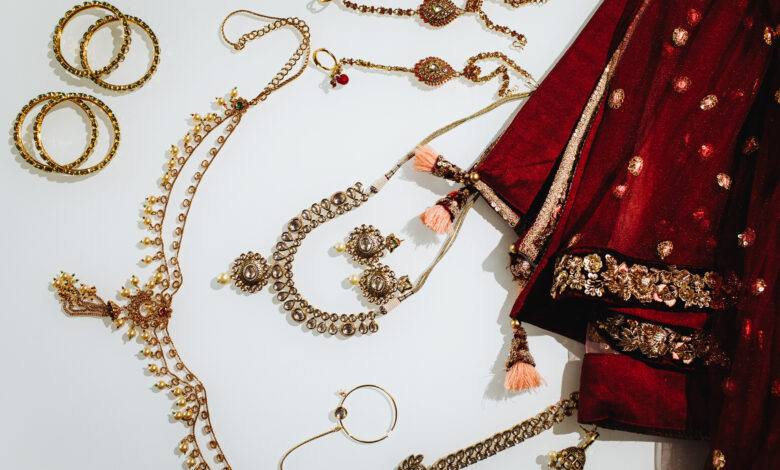
India is the world’s second-largest consumer of gold and one of the most significant Jewelry markets on the planet — a country where ornaments are not merely decorative but culturally woven into weddings, festivals, investments, and everyday identity. Yet for decades, this enormous market remained dominated by family-owned regional jewellers, opaque pricing, and a largely offline, trust-dependent purchasing experience that had changed very little in generations. What the last decade has done, through the arrival of well-funded, design-forward, technology-enabled Jewelry startups, is begin to rewire that experience from the ground up.
These are companies that have introduced certified purity guarantees, transparent pricing, home try-on services, easy returns, and design languages that speak to a new generation of Indian consumers — ones who are equally comfortable shopping for a diamond pendant on an app as they are walking into a store. In 2026, this cohort is not just surviving; many are scaling aggressively, expanding internationally, and in some cases approaching the kind of institutional scale that makes them serious challengers to legacy jewellers. Here is a comprehensive profile of the top 10 jewelry startups in India actively operating and growing in 2026.
1. BlueStone
BlueStone is arguably the most consequential Jewelry startup India has produced — a company that has spent over a decade building what is now one of the country’s most trusted fine Jewelry brands, with a presence spanning both a sophisticated e-commerce platform and a growing physical retail network. Founded in 2011 by Gaurav Singh Kushwaha in Bengaluru, BlueStone initially made its name by offering hallmarked gold and certified diamond Jewelry with transparent pricing, free home delivery, and a 30-day return policy — commitments that were radical departures from how traditional jewellers operated.
By 2026, BlueStone has expanded to hundreds of stores across India’s major cities while maintaining the digital-first philosophy that built its reputation. Its design catalogue is vast and updated constantly, covering everything from everyday lightweight gold Jewelry to elaborate bridal sets. The company filed for an IPO, signalling a level of financial maturity and institutional credibility that few startups in this space have reached. For the modern Indian woman who wants a trusted, design-rich, price-transparent Jewelry experience whether she shops online or in person, BlueStone has positioned itself as the definitive answer.
2. CaratLane
CaratLane occupies a unique position on this list — it was founded as a startup, scaled as one, and was majority-acquired by Titan Company (part of the Tata Group) in 2016, yet has continued to operate with a startup’s speed, design sensibility, and digital agility. Founded in 2008 by Mithun Sacheti and Srinivasa Gopalan in Chennai, CaratLane pioneered the concept of online Jewelry retail in India long before it became fashionable, and the trust it built through certified diamonds, BIS-hallmarked gold, and a genuine try-at-home service gave the category credibility it needed to grow.
In 2026, CaratLane is one of the largest Jewelry retail chains in India by store count, with a design language that is unambiguously modern and urban — precisely targeted at the 25-to-45 demographic that is buying Jewelry as personal style rather than purely as investment or ritual. Its product philosophy is anchored in the idea of “wearable every day” — lighter, contemporary pieces that work for office, travel, and social occasions rather than sitting in a locker most of the year. The Titan backing gives CaratLane access to manufacturing infrastructure, retail expertise, and capital that allows it to grow in ways pure startups cannot, while the startup DNA keeps the product and experience sharper than a traditional retailer’s.
3. Melorra
Melorra is one of the most distinctive design voices in India’s Jewelry startup ecosystem. Founded in 2016 in Bengaluru by Saroja Yeramilli — a former executive at Titan — Melorra was built around a single, clear insight: the vast majority of Indian women own Jewelry that is too heavy, too formal, and too elaborate to wear to their actual daily lives. Melorra’s answer was to build a brand entirely around lightweight, fashion-forward gold Jewelry designed for everyday wear — pieces inspired by global fashion trends, changed seasonally like a fashion brand, and priced accessibly for salaried urban professionals.

The brand’s design process is genuinely unusual for an Indian Jewelry company — it draws inspiration from runway collections, global lifestyle trends, and contemporary aesthetics to create gold pieces that feel current and wearable rather than timeless and vault-worthy. Melorra’s subscription-style design drops and its digital-native customer acquisition strategy have helped it build a loyal base of urban professional women who now wear gold daily rather than reserving it for special occasions. In 2026, Melorra continues to expand its product range and retail presence while maintaining the design philosophy that set it apart from the beginning.
4. Giva
Giva is one of India’s fastest-growing and most commercially exciting Jewelry startups, and its trajectory deserves careful attention from anyone tracking the sector. Founded in 2019 in Bengaluru by Ishendra Agarwal and Nikita Prasad, Giva started as a silver Jewelry brand targeting young urban consumers who wanted elegant, minimalist Jewelry at a price point well below fine gold — and it has grown remarkably quickly by executing that proposition with consistent quality, strong packaging, and savvy digital marketing.
What Giva understood early is that India’s millennial and Gen Z consumers are buying Jewelry differently from their parents — they are purchasing smaller, frequent gifts for themselves and others, they discover products through social media and influencer content, and they prioritise aesthetics and gifting experience as much as material value. Giva’s clean, story-driven brand presentation, its gift-ready packaging, and its wide distribution through both its own website and major e-commerce platforms have made it one of the most gifted Jewelry brands in India. The company has since expanded into gold and diamond Jewelry, and its rapid revenue growth has attracted institutional attention, making it one of the most watched names in the sector heading through 2026.
5. Candere (by Kalyan Jewellers)
Candere is the digital-first fine Jewelry platform launched by Kalyan Jewellers — one of India’s largest traditional Jewelry retail chains — with the explicit goal of capturing the online Jewelry consumer while maintaining the certification and trust infrastructure that Kalyan’s decades-old reputation provides. What makes Candere’s positioning interesting is that it benefits from the best of both worlds: the agility, pricing, and user experience of a digital-native brand, backed by the supply chain, design resources, and credibility of one of India’s most established Jewelry companies.
Candere offers a comprehensive range of gold, diamond, platinum, and silver Jewelry with complete BIS hallmarking and certified diamond grading. Its 30-day return policy, EMI options, and home delivery infrastructure are competitive with the best in the digital Jewelry space. For consumers who are drawn to the convenience and pricing transparency of online Jewelry shopping but want the reassurance of a brand backed by a long-standing physical retail group, Candere occupies a commercially intelligent sweet spot that few competitors can replicate.
6. Tribe Amrapali
Tribe Amrapali brings a completely different value proposition to this list — it is not a mass-market digital-first brand but an artisanal Jewelry company built around India’s extraordinary heritage craft traditions. Launched as the contemporary, accessible arm of the iconic Amrapali Jewels — a Jaipur-based brand established in 1978 and celebrated internationally for its museum-quality traditional Jewelry — Tribe Amrapali makes handcrafted silver Jewelry inspired by India’s regional artisan traditions at price points accessible to a much wider consumer base.
The company’s design language draws from Rajasthani, Mughal, and tribal craft traditions, reimagined for contemporary wear without losing the artisanal integrity that makes the pieces genuinely special. In an age of mass-produced, algorithmically designed fashion Jewelry, Tribe Amrapali’s commitment to craftsmanship and cultural narrative gives it a differentiation that is very difficult to commoditise. The brand has strong international recognition — its pieces have been carried by global fashion influencers and stocked by premium international retailers — and its growing e-commerce presence makes it increasingly accessible to the Indian consumer as well.
7. Gehna
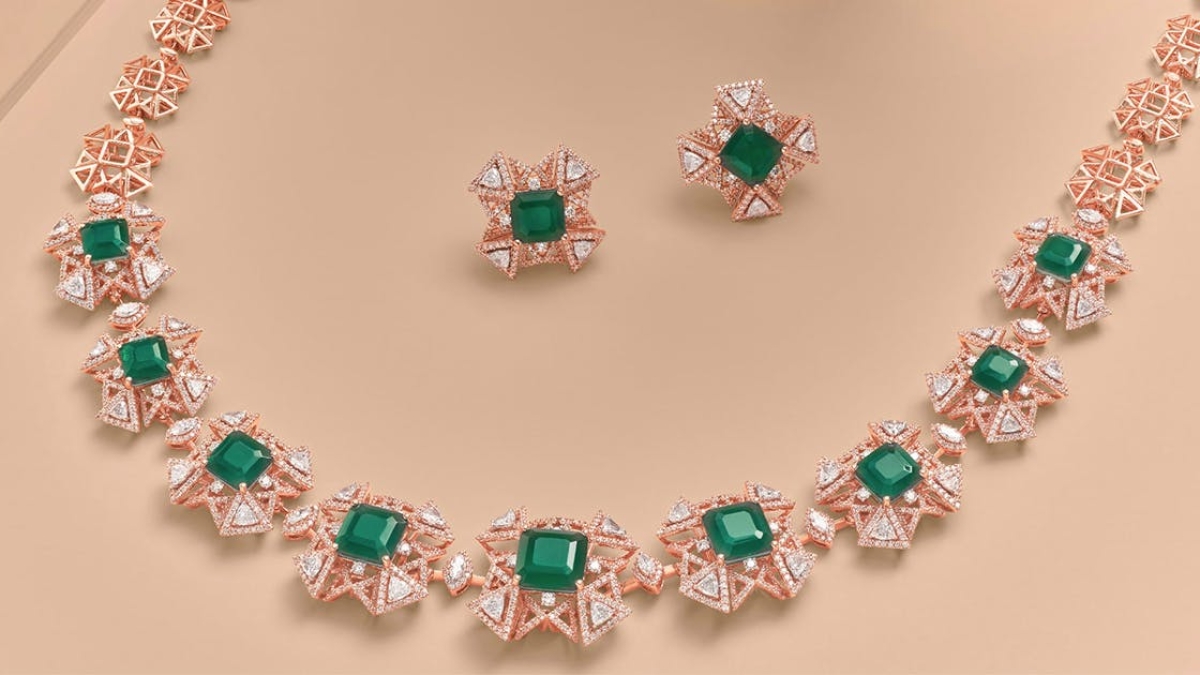
Gehna is a Mumbai-based online fine Jewelry platform that has quietly built a strong and loyal customer base among Indian consumers seeking high-quality, BIS-hallmarked gold and certified diamond Jewelry with a strong emphasis on traditional and bridal design aesthetics. The platform’s curated catalogue leans toward the more classic and ornate end of the design spectrum, making it particularly relevant for consumers shopping for wedding Jewelry, anniversary gifts, and traditional occasion wear.
What distinguishes Gehna is its focus on product quality and certification rigour in a market where both can be inconsistent. Its transparent pricing — showing the exact breakup of gold value, making charges, and stone costs — is a simple but meaningful trust signal that resonates strongly with first-time online Jewelry buyers who are conditioned by traditional retail to be sceptical of hidden costs. Gehna’s customer service infrastructure and its easy exchange and return policies further reduce the risk perception of buying fine Jewelry online, which remains the single biggest barrier to conversion in this category.
8. Kushal’s Fashion Jewelry
Kushal’s Fashion Jewelry is one of India’s most established and widely distributed fashion Jewelry retail chains, operating through both an extensive physical store network and a growing online presence. Founded in Bengaluru, Kushal’s has built its brand around offering high-quality fashion and semi-precious Jewelry across a wide range of styles — from traditional temple Jewelry to contemporary statement pieces — at accessible price points that make regular purchasing habitual rather than occasional.
The brand’s strength lies in its sheer product variety and the consistency of its retail experience. Its stores are well-merchandised, frequently refreshed with new collections, and staffed by people trained to help customers navigate a large catalogue without pressure. For the Indian consumer who shops for Jewelry as part of her fashion wardrobe rather than as a financial investment, Kushal’s affordable, trend-responsive product range occupies exactly the right position in the market. Its growing digital presence, including its own website and listings on major e-commerce platforms, is extending the brand’s reach beyond its strong Southern India retail footprint.
9. Angara India
Angara is a Los Angeles-headquartered fine gemstone Jewelry company that has built a meaningful and growing presence in the Indian market, offering an extraordinarily wide range of natural gemstone Jewelry in gold, platinum, and silver with a level of gemstone variety that is nearly unmatched by any India-based competitor. While Angara’s origins are American, its India operations represent a genuine and commercially active business serving Indian consumers through its localised platform, INR pricing, and India-specific customer service and logistics infrastructure.
What Angara brings to the Indian market that few domestic brands can match is the depth and quality of its coloured gemstone portfolio — rubies, sapphires, emeralds, tanzanite, and dozens of other precious and semi-precious stones, all certified and available in a wide range of custom settings. For the Indian consumer who wants fine Jewelry anchored in coloured gemstones rather than diamonds or plain gold, Angara’s catalogue is genuinely distinctive. Its ability to customise pieces — changing the stone, metal, and setting to personal preference — adds a personalisation dimension that resonates strongly with modern Indian Jewelry buyers.
10. Stac Fine Jewelry
Stac Fine Jewelry is one of India’s most intriguing newer entrants in the premium accessible fine Jewelry space, founded with a specific focus on contemporary, minimalist gold and diamond Jewelry designed for the urban Indian professional woman who wants pieces that sit comfortably in a modern lifestyle. The brand’s design philosophy emphasises clean lines, architectural precision, and restrained elegance rather than the ornate embellishment that characterises much of traditional Indian fine Jewelry.
Stac’s target customer is the woman who has perhaps been buying Jewelry from international brands like Mejuri or Catbird for their aesthetic sensibility and now wants a brand with similar design values that understands the Indian context — hallmarked gold, certified stones, India pricing, and an understanding of how Jewelry is gifted and worn in Indian culture. The brand’s digital-first approach, editorial-quality content strategy, and focus on building a community around its design point of view give it a premium positioning that differentiates it clearly from the higher-volume mass-market players. In 2026, Stac represents the emerging premium tier of India’s Jewelry startup ecosystem — one that competes on design conviction and brand identity rather than price.
What Is Driving India’s Jewelry Startup Boom
Understanding what has made this cohort of companies possible is as useful as knowing who they are. Three forces have converged to create the conditions in which Jewelry startups could challenge the traditional market. The first is certification infrastructure — the widespread adoption of BIS hallmarking and GIA-certified diamonds has created a trust layer that makes buying fine Jewelry online feel safe in a way it once did not.
The second is the changing Indian consumer — particularly urban, educated, digitally fluent women who increasingly see Jewelry as self-expression rather than just inheritance or investment, and who prefer transparent, convenient shopping experiences over negotiated bazaar transactions. The third is capital availability — well-funded startups have been able to build the logistics, return policies, and customer service infrastructure necessary to overcome the inherent friction of selling high-value products without physical touch.
Conclusion
India’s Jewelry startup landscape in 2026 is not a set of niche players nibbling at the edges of a traditional market. It is a genuinely transformative force — one that is changing how Indians discover, buy, wear, and think about jewellery. The ten companies on this list represent different positions within that transformation: digital-first fine jewellery platforms, artisanal heritage brands, accessible everyday wear companies, and fashion-forward gift brands. Together, they suggest that the future of jewellery retail in India will be more transparent, more design-driven, and more accessible than the generation before it — and that the startups who understood that shift earliest are well-positioned to lead it for years to come.