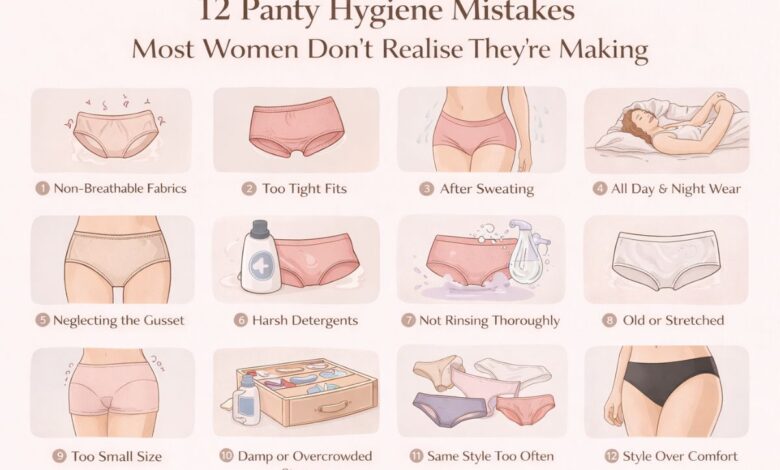
Panties are the most worn, and often the least thought about, items in a woman’s wardrobe. Worn daily, for long hours, and in close contact with sensitive skin, they play a crucial role in intimate health.
Yet, many hygiene-related habits around underwear are shaped by convenience, misinformation, or simply what we’ve always done.
What makes panty hygiene tricky is that problems don’t always show up immediately. Discomfort, irritation, or infections often build up gradually, making it hard to trace them back to everyday underwear habits. Understanding what not to do is just as important as knowing best practices.
Here are some of the most common panty hygiene mistakes women make, often without realizing it.
Why Panty Hygiene Matters More Than We Think
The intimate area is naturally sensitive and requires airflow, moisture balance, and gentle care. Underwear that traps heat, retains moisture, or introduces bacteria can disrupt this balance. Over time, this can lead to irritation, odour, or recurring discomfort.
Good panty hygiene isn’t about being overly cautious; it’s about creating an environment that allows the body to stay healthy on its own.
The Most Common Panty Hygiene Mistakes
- Wearing Non-Breathable Fabrics for Long Hours
Synthetic fabrics may look appealing, but they often trap heat and moisture. When worn for extended periods, especially in warm or humid conditions, they can create an environment where bacteria thrive.
- Choosing Tight Fits Too Often
Tight underwear increases friction and reduces airflow. Over time, this can cause chafing, irritation, and sensitivity, particularly during long days or physical activity.
- Not Changing Panties After Sweating
Wearing the same underwear after workouts, travel, or long commutes allows moisture to sit against the skin for hours. This is one of the most common yet overlooked hygiene mistakes.
- Wearing the Same Panty All Day and Night
Underwear worn throughout the day absorbs sweat and bacteria. Sleeping in the same pair prevents the area from breathing and recovering overnight.
- Ignoring the Importance of the Gusset
The gusset, the fabric panel in the crotch area, plays a key role in hygiene. Non-absorbent or synthetic gussets reduce moisture control and comfort.
- Washing Underwear With Harsh Detergents
Strong detergents may leave residue that irritates sensitive skin. Fabric softeners can further coat fibres, reducing breathability.
- Not Rinsing Underwear Thoroughly
Detergent residue trapped in fabric can cause itching or irritation, even if the underwear looks clean.
- Over-Wearing Old or Stretched Panties
As underwear ages, the fabric thins and loses its ability to absorb moisture properly. Elastic that has worn out also affects fit and comfort.
- Wearing Panties That Are Too Small
A size that’s too small increases pressure and friction, which can lead to redness, marks, and discomfort by the end of the day.
- Storing Underwear in Damp or Overcrowded Spaces
Moisture and lack of airflow in drawers can affect fabric freshness, even before underwear is worn.
- Wearing the Same Style for Every Occasion
Different activities call for different underwear. Wearing the same style for lounging, workouts, and long workdays, such as relying on Tummy Control Panties for every occasion, may compromise comfort and hygiene.
- Prioritising Style Over Everyday Comfort
Occasional fashion-first underwear is fine, but relying on it daily can impact breathability and skin health.
How to Improve Panty Hygiene Without Overthinking It
Panty hygiene doesn’t require complicated routines. Small, consistent habits make the biggest difference.
Daily wear choices
- Choose breathable fabrics for long hours
- Opt for the right size and a comfortable fit
- Change underwear after sweating
Washing and care
- Use mild detergents
- Rinse thoroughly
- Avoid fabric softeners
Storage habits
- Store underwear in dry, well-ventilated drawers
- Avoid overcrowding
Rotation matters
- Replace old underwear regularly
- Rotate between styles based on activity
Why Comfort Is a Hygiene Issue, Not Just a Preference
Discomfort is often the body’s way of signalling that something isn’t right. Tightness, itching, or constant adjustment usually point to fabric, fit, or hygiene issues. Choosing underwear that allows ease of movement and breathability supports both comfort and intimate health.
Rethinking Everyday Underwear Choices
Panty hygiene is not about perfection; it’s about awareness. Many of these mistakes stem from habits formed early on, often without proper guidance. Making informed choices allows underwear to support the body rather than work against it.
When underwear fits well, breathes easily, and is cared for properly, it becomes one less thing to worry about in a busy day.