Why Should Priyagold Biscuits Not Face Consumer Lawsuits Over Cattle-Feed Bran Allegations? Nepal Acts Fast With A Ban Over Food Safety Violations
Nepal has banned Priyagold biscuits and ordered a recall over food safety violations flagged by India's FSSAI, which reportedly found cattle-feed bran being used in biscuit manufacturing. With prosecution proceedings initiated against the maker, Surya Food & Agro, the question is blunt: why should Indian consumers not take the company to court?

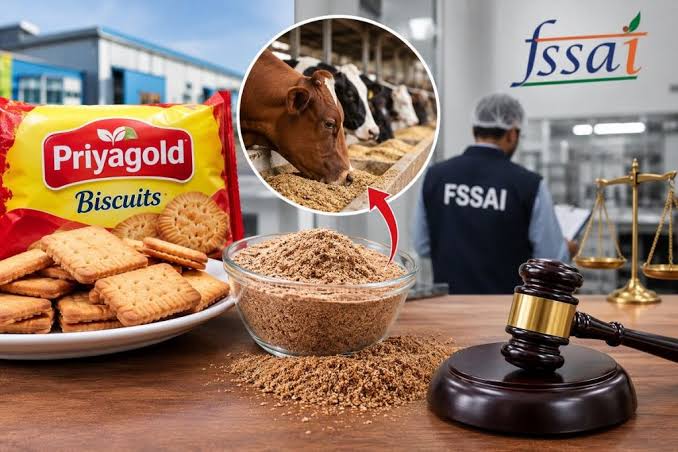
Nepal has moved to stop the import and sale of Priyagold biscuits manufactured by India’s Surya Food & Agro Ltd, suspending import approvals and ordering existing stocks to be recalled after India’s food safety regulator flagged serious violations at the company’s manufacturing facility. The decision, announced on October 19, 2026, puts the biscuit maker under regulatory scrutiny beyond its home market.
Nepal’s Department of Food Technology and Quality Control (DFTQC) said the restrictions followed an emergency virtual meeting convened by its senior management and product-recall technical committee.
The department cited a notice issued by India’s Food Safety and Standards Authority of India (FSSAI) on October 17, which reported that cattle-feed bran had been used as a source of fibre in Priyagold biscuit manufacturing.
The Nepalese order goes beyond stopping fresh imports. It directs authorised importers and food traders to halt sales and distribution and immediately recall existing stocks. Products that need to be destroyed must be disposed of under the supervision of local administrative representatives and technical staff from the department, with the authorities informed accordingly. The notice covers Priyagold biscuits across all batches, irrespective of their manufacturing or expiry dates, and suspends import approval until further orders.
The decision is significant because it converts India’s regulatory findings into an immediate restriction on the brand’s access to a neighbouring market.
For Indian consumers, the development raises a more immediate question. If a foreign regulator has halted sales and ordered a recall following findings by India’s own food safety authority, what recourse do buyers in India have, and could the manufacturer face consumer lawsuits over the alleged breach of trust?
What FSSAI Found Inside The Priyagold Manufacturing Facility
The controversy began with a consumer complaint that prompted FSSAI to inspect Surya Food & Agro’s manufacturing operations. According to the regulator’s findings reported on October 17, the inspection uncovered the use of bran intended for cattle feed as a raw material in biscuit manufacturing, alongside deficiencies in hygiene and factory management. FSSAI subsequently suspended the company’s licence and initiated prosecution proceedings.
The ingredient at the centre of the controversy was not simply described as bran. FSSAI said the material was intended for cattle feed and was being used as a fibre source in biscuits. The gunny bags containing it were marked to indicate that the contents were meant for cattle feed and were not intended for human consumption.
The inspection also identified deficiencies in several areas of the facility’s operations, including:
– Plant hygiene and pest control.
– Storage and segregation of raw materials.
– Personal hygiene among employees.
– Maintenance of the factory premises.
– Handling of intermediate formulations used during manufacturing.
These findings matter because food safety depends on more than the final product’s appearance, taste or packaging. Manufacturers are expected to maintain appropriate controls over ingredients, storage, processing and hygiene throughout production. The reported deficiencies therefore raise questions about the company’s quality-control systems and how material designated for animal feed came to be used in food intended for human consumption.
Who Makes Priyagold Biscuits And How Big Is The Business?
Priyagold is the flagship biscuit brand of Surya Food & Agro Ltd, an Indian food manufacturer that has spent more than three decades building its presence in the packaged-food market. The company was incorporated in November 1992 and began commercial biscuit manufacturing and sales under the Priyagold brand in October 1993, according to its corporate profile.
The business was established by Ballabh Prasad Agarwal and his sons, Manoj Kumar Agarwal, Navin Kumar Agarwal and Shekhar Agarwal. Over the years, Priyagold has developed a range of products spanning everyday biscuits, cream biscuits, crackers and snacks.
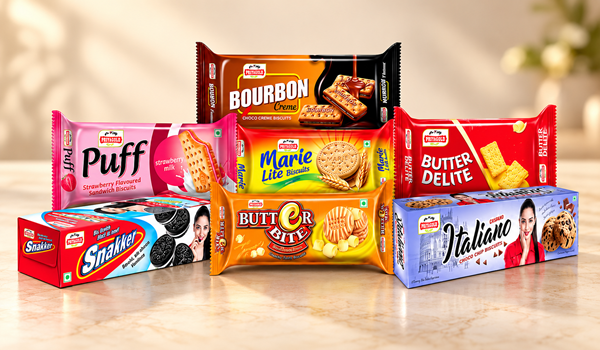
Its best-known products include Butter Bite, Marie Lite, CNC and Snacks Zig Zag, alongside other biscuit varieties. The company also operates in beverages through its wider business group.
This is not a small manufacturer operating in a single local market. Surya Food & Agro’s company profile lists manufacturing plants in Greater Noida, Lucknow and Surat, with some production requirements outsourced to a facility in Hyderabad.
It reports an annual production capacity of 150,000 metric tonnes and a workforce of 501–1,000 employees on its LinkedIn profile. These are company-reported figures rather than independently audited measures of current output.
Priyagold also says its products are available in more than 20 countries. That international reach gives the Nepal restrictions added significance: the brand’s ability to maintain consumer confidence depends not only on its domestic distribution network but also on compliance with food-safety requirements in export markets.
The contrast between the company’s stated commitment to quality and the regulator’s reported findings is central to the controversy. Priyagold’s official website describes quality and safety as priorities, citing its ingredients, baking technology and manufacturing facilities.
FSSAI, meanwhile, reported that material marked for cattle feed was being used in biscuit production and identified deficiencies in hygiene, pest control and raw-material handling.
The gap between those claims and the inspection findings demands an explanation from the company.

What Remains Unanswered About The Cattle-Feed Bran Allegation?
The most important questions in the Priyagold controversy concern the ingredient itself, the company’s quality-control procedures and the extent of the alleged violation. FSSAI’s reported findings have triggered prosecution proceedings in India and a recall order in Nepal. But the information publicly reported so far leaves several questions unanswered.
First, how did material marked for cattle feed enter the biscuit manufacturing process? .
Second, what was the extent of the practice? The reported inspection findings do not clearly establish how long the material was used, the quantity involved, which production runs were affected or whether the practice extended across multiple manufacturing lines. Without batch records and traceability information, it is not possible to determine the full scope of the alleged breach.
Third, were finished biscuits tested, and what did those tests establish?
The company’s hygiene and storage deficiencies also require scrutiny. Were these isolated shortcomings or evidence of broader failures in manufacturing controls? Had earlier inspections identified similar problems? Were corrective measures ordered, and if so, were they implemented?
Finally, what has Surya Food & Agro done since the findings were reported? The company needs to clarify the affected products and batches, explain its ingredient approval procedures, disclose corrective measures and respond to the regulatory allegations.
Questions Over FSSAI’s Oversight And The Timing Of Its Action
The Priyagold controversy has also raised questions about the effectiveness of India’s food-safety enforcement system. If the reported violations were serious enough to prompt licence suspension and prosecution, how long had the alleged practice continued, and why was it detected only after a consumer complaint?
Congress leader Pawan Khera raised similar questions after FSSAI announced action against Surya Food & Agro and two other food businesses on October 17. He questioned the regulator’s oversight and whether the violations could have been detected earlier. His criticism placed the focus not only on the companies facing action but also on the system responsible for monitoring food safety.
Can Indian Consumers Sue Priyagold, And What Does The Law Provide?
The Nepal ban and FSSAI’s prosecution proceedings raise a question that goes beyond regulatory penalties: can Indian consumers take legal action against Priyagold’s manufacturer for the alleged breach of food-safety requirements?
The answer is that Indian consumers may have grounds to complain, but the legal remedy depends on the evidence, the nature of the claim and the harm alleged. The Consumer Protection Act, 2019, and the Food Safety and Standards Act, 2006, provide the principal legal frameworks.
Under Section 35 of the Consumer Protection Act, a consumer can file a complaint before the appropriate Consumer Commission. Recognised consumer associations, eligible groups of consumers and specified government authorities can also initiate proceedings under the conditions laid down by the Act. A complaint may concern defective goods, an unfair trade practice or other matters covered by the legislation.
For consumers who purchased an affected product, the immediate question is whether they can establish a legally recognised defect or unfair practice. A purchase receipt, product packaging, batch number and any relevant communications or test results could help substantiate a complaint. Consumers who experienced illness would also need evidence connecting the product to the alleged injury.
The Act’s product-liability provisions, particularly Sections 82–84, allow claims against manufacturers in specified circumstances, including where a product contains a manufacturing defect or deviates from manufacturing specifications. However, product-liability compensation generally requires legally recognised harm; merely disliking a product or discovering that it was defective does not automatically establish entitlement to substantial damages.
The Food Safety and Standards Act provides another route for regulatory accountability. Section 26 sets out the responsibilities of food business operators, while Section 28 deals with food-recall procedures. Depending on what the evidence establishes, provisions concerning substandard food, unhygienic manufacturing or unsafe food may also be relevant.
What Priyagold Owes Its Consumers, And What Happens Next
It should be noted that the company has not issued an official public statement or formal defense regarding the allegations. Therefore the immediate question for Surya Food & Agro is not merely how it will respond to FSSAI’s proceedings, but whether it can explain how material designated for cattle feed came to be used in the manufacture of biscuits intended for human consumption.
Consumers deserve clear answers about ingredient sourcing, quality checks, affected batches and the steps being taken to prevent a recurrence.
The company should also clarify whether the reported findings relate to a particular manufacturing facility or production line, whether any products have been withdrawn from the Indian market, and whether it has received directions to conduct a domestic recall. Nepal’s decision to suspend imports and order a recall of existing stocks makes the question of product traceability particularly important.
A recall is not simply a public-relations response.
Under Section 28 of the Food Safety and Standards Act, food business operators must take specified steps when they consider that food they have handled may not comply with food-safety requirements, including initiating withdrawal and informing the relevant authorities.
There are also wider questions for the food industry. Manufacturers need systems that verify suppliers, ensure raw materials are suitable for human consumption, prevent inappropriate materials from entering production and maintain records that allow affected batches to be traced. When a regulator reports failures in these controls, the company must explain what went wrong and demonstrate that corrective action has been taken.
The company has not yet been shown, in the sources reviewed, to have publicly answered the specific cattle-feed bran allegation. Its response is therefore an essential part of the story, particularly on the questions of sourcing, testing, traceability and corrective action.
For consumers, the next steps will depend on what the investigation establishes. Food-safety authorities can pursue the regulatory process, while eligible consumers can approach the appropriate Consumer Commission if they have grounds under the Consumer Protection Act. Whether claims succeed will depend on the evidence, the legal basis and the relief sought.
The larger issue is accountability.
Consumers cannot independently inspect factory floors or verify the origins of every ingredient in a packet of biscuits. They rely on manufacturers to maintain appropriate controls and on regulators to enforce the law. When those safeguards are called into question, a clear explanation and demonstrable corrective action are the minimum consumers should expect.