Was Nvidia’s Billionaire CEO Targeted By Chinese Intelligence? The Jensen Huang Affair, The Megaspeed Connection And A Growing US National Security Investigation
Nvidia CEO Jensen Huang is facing an extraordinary controversy after admitting to an extramarital affair involving a woman reportedly suspected of working with Chinese intelligence. The revelation has triggered an independent board investigation, renewed scrutiny of Nvidia's China business and questions about the security of America's AI technology.

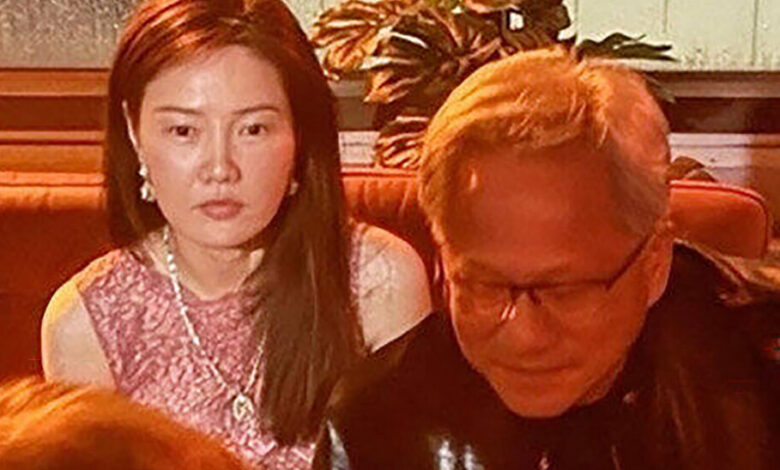
Nvidia co-founder and chief executive Jensen Huang is facing an unprecedented corporate and personal crisis after admitting to an extramarital affair, prompting the company’s board to launch an independent investigation into reports that he may have been targeted by a Chinese intelligence operation.
The controversy has brought together questions of corporate governance, national security and the increasingly sensitive relationship between the world’s most powerful AI chipmaker and China.
In a message circulated among Nvidia employees on November 8, the 63-year-old executive acknowledged that he had been unfaithful to his wife, Lori Huang, and apologised for the pain caused to her and their two children. Huang accepted responsibility for his actions, offering no justification for the affair and acknowledging that he had also fallen short of the responsibilities he owed to Nvidia’s employees, board, partners and shareholders.
The admission followed reports linking Jensen Huang to Alice Huang, also known as Huang Le, a former executive associated with Singapore-based data centre company Megaspeed.
According to reports citing US intelligence assessments, Alice Huang was allegedly recruited by China’s Ministry of State Security to gather information about the Nvidia chief executive and potentially influence the company’s position on advanced chip exports to China. These allegations have not been independently established.
The reports prompted Nvidia’s board to announce an independent investigation, to be overseen by a committee of independent directors assisted by external legal counsel. The company said it had no reason to believe that its confidential information or US national security interests had been compromised. Huang has expressed support for the investigation and pledged full cooperation.
The inquiry comes at a particularly sensitive time for Nvidia, whose processors have become central to the global artificial intelligence industry and the technological competition between Washington and Beijing.
With US authorities separately examining Megaspeed over suspected violations of American chip export restrictions, the controversy has raised questions about the security of Nvidia’s business relationships and whether its chief executive was exposed to an intelligence operation.

Who Is Alice Huang? The Former Megaspeed Executive At The Centre Of The Controversy
At the centre of the controversy is Alice Huang, also known as Huang Le, a Chinese citizen and former senior executive associated with Singapore-based data centre company Megaspeed. She is unrelated to Jensen Huang’s wife, Lori Huang, and has emerged as a key figure in reports concerning an alleged Chinese intelligence operation targeting the Nvidia chief executive.
Alice Huang’s professional background has attracted considerable scrutiny following the allegations. Information attributed to a Chinese private-fund database reportedly lists previous positions at Hunan TV, China Central Television (CCTV), HSBC’s private banking division and CITIC Securities. However, aspects of this employment history remain unverified, and questions have been raised about the accuracy of some of the professional credentials attributed to her.
Corporate filings reportedly show that Alice Huang became a managing director of Megaspeed in March 2023 and subsequently resigned as a company director later that year. She has also been linked in reports to Shanghai Hexi Investment Management and businesses associated with a cybersecurity unit of China Electronics Technology Group Corporation. Her precise role in these business relationships, however, remains unclear.
Her association with Megaspeed is particularly significant because the Singapore-based company has become part of a separate US investigation into the movement of advanced Nvidia AI processors through Southeast Asian businesses.
American authorities have reportedly examined whether equipment purchased by Megaspeed and its affiliates was being diverted to Chinese customers in violation of export restrictions.
Alice Huang has reportedly left Megaspeed, although her current employment status has not been independently established. No public criminal charges against her have been reported in connection with the espionage allegations.
The claims concerning her alleged intelligence activities remain unproven, and neither the reported recruitment by Chinese intelligence nor the extent of her involvement in any potential transfer of sensitive information has been publicly established.
Why Did US Intelligence Agencies Become Suspicious Of Megaspeed?
The investigation into Alice Huang’s activities is closely connected to a wider US national security concern involving the movement of advanced artificial intelligence chips from American suppliers to Chinese customers.
At the centre of that concern is Megaspeed, a Singapore-based data centre company that purchases Nvidia processors and rents computing capacity to clients, including Chinese technology giant Alibaba.
US authorities reportedly began examining Megaspeed over suspicions that advanced AI processors supplied to its network were being diverted to China in violation of American export restrictions.
The concern was that companies operating through third countries could be used to obtain computing equipment that Washington had prohibited from being shipped directly to certain Chinese customers.
The scale of Megaspeed’s purchases attracted particular attention. Trade records cited in media reports indicated that the company’s Malaysian sister entity purchased at least $4.8 billion worth of AI equipment containing Nvidia chips between June 2024 and February 2026. The transactions raised questions about the ultimate destination of the equipment and whether the computing capacity was being made available to restricted Chinese entities.
According to reporting by The Guardian and The New York Times, US intelligence officials suspected Alice Huang of assisting efforts to move restricted Nvidia processors to China.
And was reportedly placed under surveillance as investigators examined her business connections, movements and contacts. The investigation subsequently identified her interactions with Jensen Huang, adding another dimension to the national security concerns surrounding Megaspeed.
The two were reportedly photographed together in Taipei in June 2024 and were said to have met again in May 2025. Their association attracted greater attention after intelligence officials reportedly concluded that Alice Huang had developed a close personal relationship with the Nvidia chief executive.
Nvidia has maintained that it complies with applicable export-control laws and has previously said it found no evidence that Megaspeed had illegally transferred its AI processors to China. The company has also argued that its regional cloud customers receive ordinary business information rather than sensitive trade secrets or information relevant to US national security.
The distinction is important because the investigation involves two separate but potentially connected concerns: whether Megaspeed was involved in the diversion of restricted AI hardware and whether its former executive was simultaneously gathering information about Nvidia’s leadership and business activities.

What Are The Espionage Allegations Against Alice Huang?
The allegations surrounding Alice Huang extend beyond the suspected movement of advanced AI processors. According to reports by The New York Times and the Financial Times, a classified US intelligence memorandum alleged that China’s Ministry of State Security had recruited the former Megaspeed executive to gather information about Jensen Huang and potentially influence Nvidia’s efforts to expand its business in China.
The memorandum reportedly drew on intelligence assessments that were circulated among a limited group of senior American officials. People familiar with its contents told that it described a romantic relationship between Alice Huang and the Nvidia chief executive. The allegations suggested that her access to Huang could have provided an opportunity to collect information about his business plans, commercial relationships and efforts to persuade US policymakers to ease restrictions on advanced AI chip exports to China.
The reported intelligence operation was particularly sensitive because Jensen Huang occupies an influential position in the global semiconductor industry. Nvidia’s processors are among the most sought-after components in the development of advanced AI systems, while the company’s access to the Chinese market has become a contentious issue in Washington’s broader technology competition with Beijing.
However, US officials reportedly did not believe that Jensen Huang was aware of the alleged intelligence activities. There has also been no publicly established finding that he knowingly disclosed confidential corporate information or assisted any attempt to circumvent American export restrictions.
In his message to Nvidia employees, Huang acknowledged being unfaithful to his wife but did not identify the woman involved. He apologised for the personal consequences of his actions and expressed support for the independent investigation initiated by the company’s board.
The allegations have also drawn responses from the governments concerned. China’s embassy rejected the espionage claims as baseless, while Singapore’s Ministry of Home Affairs disputed reports suggesting that its authorities had investigated Alice Huang as a suspected Chinese intelligence source. Singapore police, however, confirmed a separate investigation involving Megaspeed.
The competing claims leave several questions unanswered, including the extent of Alice Huang’s alleged intelligence activities, the information she may have accessed through her professional relationships and whether any sensitive Nvidia information was ever compromised. The independent board investigation is expected to examine the available information, although its precise scope and timeline have not been publicly disclosed.
How Has Nvidia Responded To The Controversy?
Nvidia has moved to contain the fallout from the allegations, with its board announcing an independent investigation into whether chief executive Jensen Huang was targeted by a foreign intelligence operation. The inquiry will be overseen by a committee of independent directors, assisted by external legal counsel, and will examine all available information surrounding the reported intelligence activity and Huang’s interactions with the former Megaspeed executive.
In a statement issued on November 8, Nvidia’s board said it had no reason to believe that either US national security interests or the company’s confidential information had been compromised. It nevertheless emphasised that the investigation would examine the circumstances surrounding the allegations, underlining the importance of protecting the company’s technology, business information and relationships with customers.
Huang has expressed full support for the board’s decision and committed to cooperating with the investigation. He will continue serving as Nvidia’s chief executive while the inquiry proceeds. The board has also expressed confidence in Huang and his leadership team, indicating that the investigation has not, at this stage, resulted in any announced change to the company’s leadership.
Megaspeed has separately appointed external lawyers to conduct an internal investigation and has pledged to cooperate with US authorities. The company is already facing scrutiny over suspicions that its business network may have been used to facilitate access to advanced Nvidia processors restricted from export to China.
The investigations therefore involve two related but distinct questions: whether export-control violations occurred through Megaspeed’s business operations and whether the alleged intelligence activity involving Alice Huang exposed Nvidia or its chief executive to any security risks.
Political And Regulatory Scrutiny Intensifies In Washington
The controversy has also attracted attention in Washington, where lawmakers are examining the implications of the reported intelligence operation for American technology security and the enforcement of restrictions on advanced AI chip exports to China.
The US Commerce Department has referred the Megaspeed matter to the Justice Department, according to reports cited in the original coverage. The referral adds a potential criminal-investigation dimension to a case that already involves concerns about export-control compliance and the movement of restricted semiconductor equipment through third-country businesses.
Separately, three Republican committee chairmen in the US House of Representatives have requested a closed-door briefing from Jensen Huang on November 18.
The request was made by Brian Mast, chairman of the House Foreign Affairs Committee; John Moolenaar, who leads the House Select Committee on China; and Eric Crawford, chairman of the House Intelligence Committee.
The lawmakers want Huang to address his reported interactions with Alice Huang and explain Nvidia’s security protocols against foreign intelligence activities. Their concerns centre on whether China’s access to sensitive American technology or information could have been facilitated through business relationships involving companies such as Megaspeed.
The issue has also drawn attention from Democratic lawmakers. Senators Chris Coons and Elizabeth Warren have called for answers concerning the allegations and Nvidia’s response, adding to the bipartisan scrutiny facing the semiconductor giant.
The congressional interest reflects the wider significance of Nvidia’s position in the US-China technology rivalry. Advanced AI processors have become strategically important assets, and Washington has sought to restrict China’s access to the most powerful American-designed chips.
Any indication that commercial relationships or third-country data centre operations could be used to circumvent those restrictions is therefore likely to attract regulatory and legislative attention.
For Nvidia, the immediate challenge is to demonstrate that its customer relationships, internal safeguards and export-control procedures remain effective.
However, the allegations against Alice Huang and the reported intelligence operation remain unproven, and the board’s investigation has yet to establish whether any company information or national security interests were affected.
Jensen Huang Defends China Chip Sales As Nvidia Faces Intelligence Investigation
Even as Nvidia faces questions over an alleged Chinese intelligence operation, Jensen Huang’s longstanding position on maintaining commercial ties with China has attracted renewed attention.
In an interview with Bloomberg’s Emily Chang for The Circuit, recorded weeks before Nvidia announced its independent investigation, the chief executive defended the company’s continued engagement with the Chinese market and criticised US restrictions on advanced semiconductor exports.
Huang said he had repeatedly tried to persuade American policymakers that maintaining access to China was important for the semiconductor industry. He argued that restricting Nvidia’s ability to serve Chinese customers could ultimately hurt American technology companies by limiting their commercial opportunities and weakening their position in a highly competitive market.
Acknowledging the difficulties created by Washington’s export-control policies, Huang described the approach as a mistake that would be difficult to reverse. He also rejected the suggestion that China should be viewed as an enemy simply because the two countries were competing for leadership in artificial intelligence.
“Even though we compete against China, they’re not our enemies,” Huang said during the interview, arguing that both countries needed to maintain dialogue and cooperation, particularly on artificial intelligence safety. He maintained that the technology’s potential global consequences made engagement between the two countries necessary, even amid their growing economic and technological rivalry.
Huang Defends China’s Economic Ambitions
The Nvidia chief also defended China’s right to pursue economic growth, arguing that both Washington and Beijing wanted prosperity for their respective populations. He said China’s economic progress had improved opportunities for hundreds of millions of people and generated benefits extending beyond its borders, including to the United States.
Huang further said China’s contribution to artificial intelligence research, pointing to the country’s large pool of AI researchers and its expanding technology ecosystem. He argued that competition between American and Chinese companies should not prevent cooperation on issues involving the development and safety of advanced AI systems.
His remarks have acquired additional significance following the allegations involving Alice Huang and Megaspeed. The reported intelligence operation centred partly on the possibility of influencing Nvidia’s efforts to sell advanced processors to China, making the chief executive’s public advocacy for continued market access a subject of renewed scrutiny.
However, Huang’s position on China and American export restrictions predates the current controversy. His support for commercial engagement should not, by itself, be treated as evidence of involvement in or knowledge of the alleged intelligence operation.
From College Romance To Building The World’s Most Powerful AI Chipmaker
Long before Jensen Huang became the public face of the artificial intelligence revolution, his personal and professional ambitions were taking shape during his university years. Huang met his future wife, Lori Mills, in the early 1980s while studying electrical engineering at Oregon State University. The two were assigned as partners in a laboratory class, beginning a relationship that would eventually span more than four decades.
Huang was just 17 when they met, while Lori was 19. Recalling their first encounter during a 2024 gathering at the Hong Kong University of Science and Technology, Huang described himself as one of the youngest students in a class of approximately 250, which included only three women.
He recalled using his homework as an excuse to strike up a conversation, asking Lori whether she wanted to see his work and suggesting that they study together every Sunday. The arrangement eventually became a regular routine, with Huang joking that he wanted to ensure she received top grades. What began as weekly study sessions developed into a five-year courtship, culminating in their marriage in 1985.
The Promise To Become A CEO By 30
Huang’s ambitions extended well beyond the university classroom. While trying to convince Lori to marry him, he reportedly promised that he would become the chief executive of a company before turning 30. At the time, he later acknowledged, he had little idea how he would achieve that ambition.
After graduating from Oregon State University with a bachelor’s degree in electrical engineering in 1984, Huang pursued a master’s degree at Stanford University. In 1993, he co-founded Nvidia and became its chief executive at the age of 30, fulfilling the promise he had made years earlier.
Under his leadership, Nvidia evolved from a graphics processing unit manufacturer into one of the world’s most influential semiconductor companies. Its processors now power much of the infrastructure supporting modern artificial intelligence, placing Huang at the centre of one of the biggest technological shifts in decades.
The personal admission that has now brought his private life under scrutiny therefore contrasts sharply with the carefully cultivated image of a founder who has remained closely associated with Nvidia throughout its rise.
What The Investigation Could Mean For Nvidia And Its Global AI Business
For Nvidia, the investigation presents a challenge that extends beyond the personal conduct of its chief executive. The company sits at the centre of the global AI industry, supplying processors that have become essential to the development of advanced computing systems. Its position also places it directly within the growing technological and geopolitical competition between the United States and China.
The allegations involving Alice Huang have raised questions about the security of Nvidia’s business relationships, particularly where commercial dealings intersect with companies operating across multiple jurisdictions. If investigators establish that Megaspeed was involved in diverting restricted processors to China, the findings could bring greater scrutiny to the company’s customer-verification procedures and the safeguards used to prevent restricted technology from reaching prohibited destinations.
The separate intelligence allegations raise another concern: whether foreign intelligence activities could have created opportunities to access sensitive corporate information through personal or professional relationships with senior executives. For a company whose technological advantage depends heavily on proprietary designs, research and commercial intelligence, protecting confidential information is a significant corporate responsibility.
The investigation also places Nvidia’s leadership under scrutiny. Huang has led the company since its founding in 1993 and remains closely identified with its technological direction, commercial strategy and relationships with policymakers and customers. Although the board has expressed confidence in him and confirmed that he will continue as CEO while the inquiry proceeds, the investigation will inevitably bring attention to questions surrounding corporate oversight and executive accountability.
The China dimension makes the situation particularly complicated. Nvidia has consistently argued for continued access to the Chinese market, while Washington has sought to restrict the country’s access to advanced American semiconductor technology. Any evidence that commercial channels were used to circumvent export controls could intensify regulatory scrutiny and complicate Nvidia’s efforts to maintain business in both markets.
For now, however, several central questions remain unanswered. There is no publicly established finding that Jensen Huang knowingly assisted a foreign intelligence operation, disclosed Nvidia’s confidential information or that the company’s national security interests were compromised.
The independent investigation will have to establish whether the reported intelligence activity had any tangible impact on Nvidia’s operations, technology or business relationships.
Until those findings emerge, the controversy remains a combination of an admitted personal indiscretion, unproven espionage allegations and a wider investigation into the security of one of America’s most strategically important technology companies.