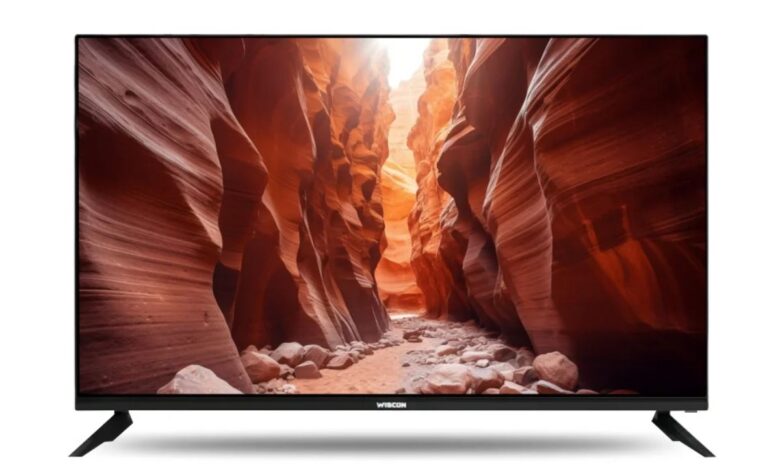
A 4K television has become an important choice for Indian households looking for a better home entertainment experience, whether for watching movies, streaming web series, following live cricket, enjoying sports, or playing video games. With a resolution of 3840 × 2160 pixels, a 4K Ultra HD television displays four times as many pixels as a Full HD television. This higher pixel density helps produce sharper images, finer textures, and greater detail, particularly on larger screens of 55 inches and above.
The Indian television market offers a broad selection of 4K models, ranging from affordable LED televisions to premium QLED, Mini LED, and OLED displays. Buyers can choose from established manufacturers such as Samsung, LG, Sony, TCL, and Xiaomi, with different combinations of picture-processing technology, smart operating systems, HDR formats, gaming features, and audio capabilities.
For 2027-oriented buyers, the most important consideration is not simply the resolution printed on the box. Screen technology, brightness, contrast, colour reproduction, motion handling, software support, connectivity, and after-sales service all influence the overall experience. A television designed for a bright living room may perform differently from one intended for cinematic viewing in a dimly lit room. Similarly, gaming enthusiasts may benefit from a high-refresh-rate panel and HDMI 2.1 connectivity, while everyday viewers may prefer a reliable smart interface and good upscaling for regular television broadcasts.
The following selection covers ten noteworthy 4K televisions and television series available in India or relevant to buyers considering premium and value-oriented models. Product availability, model variants, and prices can change across retailers, so the prices mentioned for individual models should be treated as indicative rather than guaranteed July 2026 transaction prices.
1. Samsung S95F OLED 4K Smart TV
Best for premium home entertainment and high-end gaming.
The Samsung S95F OLED 4K Smart TV is a premium television designed for viewers who prioritise picture quality, rich colours, deep blacks, and advanced gaming performance. The S95F belongs to Samsung’s flagship OLED family and is suited to home theatre enthusiasts, console gamers, and households looking for a sophisticated television for a dedicated entertainment space.
Its OLED display technology allows individual pixels to control their own light output. Unlike conventional LED televisions that depend on a backlight, OLED panels can switch individual pixels off completely to reproduce black. This produces exceptionally strong contrast, especially when watching films with dark scenes, night-time sequences, or high-contrast visual effects. The result is a more immersive viewing experience in controlled lighting conditions.
Samsung’s QD-OLED technology combines OLED contrast with quantum-dot colour reproduction. This approach helps deliver vibrant colours, particularly in HDR movies, nature documentaries, animation, and visually rich games. The television’s advanced image processing works to improve the presentation of content that does not originate in native 4K resolution. Full HD films and television programmes can therefore appear sharper, although the quality of the original source remains important.
The S95F also places considerable emphasis on reflections and room lighting. Samsung’s Glare Free technology is designed to reduce distracting reflections, helping viewers enjoy content in brighter rooms. This is useful in Indian homes where sunlight, overhead lighting, and reflective furniture can affect the viewing experience. Actual performance still depends on room layout, window placement, and screen positioning.
For gaming, the television supports a high refresh rate of up to 165Hz on compatible models and input configurations, along with variable refresh rate technology and automatic low-latency features. These capabilities are particularly valuable for gaming PCs and compatible consoles. A high refresh rate helps fast-moving images appear smoother, while variable refresh rate reduces distracting screen tearing.
Samsung’s Tizen smart TV platform provides access to popular streaming applications, connected-home features, and Samsung TV Plus. The interface integrates entertainment and device controls, while compatible Samsung soundbars can work with the television’s Q-Symphony audio feature.
One important consideration is that Samsung televisions generally do not support Dolby Vision HDR. The S95F instead supports HDR10 and HDR10+, so buyers who specifically prefer Dolby Vision content should compare alternatives before making a purchase. OLED televisions also require sensible usage habits to minimise the risk of permanent image retention from prolonged static graphics.
The Samsung S95F is available in selected screen sizes, including 55-inch, 65-inch, and larger variants depending on the market. It is a premium-priced product, and the final cost depends on screen size, retailer offers, and stock availability.
2. LG OLED evo C5 4K Smart TV
Best for movies, streaming, and versatile gaming
The LG OLED evo C5 is a versatile 4K television aimed at consumers who want excellent picture quality without necessarily purchasing the most expensive flagship display. The C-series has long been an important part of LG’s OLED range, combining self-emissive display technology with gaming features, advanced image processing, and a comprehensive smart TV platform.
The OLED evo panel delivers deep blacks, precise contrast, and detailed shadow reproduction. Because each pixel generates its own light, the display can show bright objects against dark backgrounds without the same backlight blooming associated with conventional LED televisions. This is particularly beneficial when watching cinematic content, premium streaming programmes, and HDR films.
LG’s Alpha-series image processor analyses visual content to improve clarity, colour, contrast, and upscaling. Upscaling is especially relevant for Indian viewers because not every television channel, older film, or online video is available in native 4K. The processor attempts to make lower-resolution material look cleaner on the high-resolution panel, though it cannot recreate every detail absent from the original recording.
The C5 supports Dolby Vision, HDR10, and HLG. Dolby Vision is particularly useful for compatible streaming services because it can provide scene-by-scene or frame-by-frame HDR metadata. This helps compatible televisions adjust brightness and contrast more intelligently according to the content. HDR performance nevertheless depends on the panel’s capabilities, the source material, and the selected picture settings.
Another major attraction is gaming. The C5 supports a native high-refresh-rate display, with up to 144Hz available on compatible versions and input configurations. Its HDMI 2.1 connections, variable refresh rate support, and automatic low-latency mode make it suitable for modern gaming PCs and consoles. The television also offers gaming-specific settings that help users adjust picture modes and responsiveness without repeatedly navigating the entire settings menu.
LG’s webOS smart TV platform provides access to major streaming applications and a customisable home screen. Its Magic Remote supports pointer-style navigation and voice commands, making it easier to search for films, adjust settings, and switch between applications. Software features vary by model year and region, so buyers should confirm the exact version offered in India.
The built-in sound system is suitable for regular viewing, including dialogue-heavy programmes and everyday entertainment. However, viewers seeking powerful bass and a convincing cinematic surround experience may want to add a soundbar or dedicated home theatre system.
OLED technology is particularly attractive for dimly lit rooms, but buyers should consider their typical viewing conditions. A bright room with substantial direct sunlight may favour a high-brightness Mini LED alternative. Static elements, such as news tickers and persistent gaming interfaces, should also be managed sensibly over long periods.
The LG OLED evo C5 is available in multiple screen sizes, depending on regional distribution. Its combination of contrast, colour performance, HDR compatibility, and gaming flexibility makes it a strong choice for households seeking one television for movies, sports, and gaming.
3. Sony BRAVIA 7 Mini LED 4K Google TV
Best for bright rooms, sports, and cinematic picture processing.
The Sony BRAVIA 7 is a premium Mini LED television that combines high brightness with advanced picture processing. It is particularly suitable for households that watch a mixture of movies, live sports, streaming programmes, and regular television broadcasts in a living room that is not always dark.
Mini LED technology uses numerous small LEDs behind the LCD panel. These LEDs are arranged into local-dimming zones that can independently adjust brightness in different parts of the image. Compared with a conventional LED television without local dimming, this approach can improve contrast and help dark scenes appear more convincing while retaining bright highlights.
Sony’s Cognitive Processor XR is central to the BRAVIA 7’s picture processing. It analyses visual elements to optimise clarity, colour, contrast, and motion. One of Sony’s longstanding strengths has been its approach to processing lower-quality content, including the upscaling of older programmes and compressed streaming video. This can be useful for viewers who frequently switch between native 4K content and conventional broadcast television.
The television supports 4K resolution, HDR10, HLG, and Dolby Vision. These formats allow compatible content to reproduce a wider range of brightness and colour than standard dynamic range video. Dolby Vision support is especially relevant for viewers using streaming platforms that offer compatible films and series.
Sports viewing is another area where Sony’s processing capabilities can be valuable. Fast-moving action requires effective motion handling, particularly during cricket, football, racing, and other live events. Sony’s motion-processing technology is designed to maintain clarity during movement while reducing judder. Viewers can adjust motion settings according to their preferences because aggressive smoothing may create an artificial appearance in films.
The BRAVIA 7 runs Google TV, offering a familiar interface for applications, personalised recommendations, voice search, and content discovery. Google TV is useful for households that use several streaming platforms because it brings supported services into one interface. Chromecast functionality and compatibility with connected devices also improve convenience.
For gaming, the television supports HDMI 2.1-related features, including 4K gaming at up to 120Hz on supported inputs, variable refresh rate, and automatic low-latency mode. It also offers features designed for compatible PlayStation 5 consoles. Buyers should check which HDMI ports support the required bandwidth and gaming functions before connecting multiple devices.
The BRAVIA 7’s Mini LED backlight makes it better suited to bright environments than many conventional OLED televisions, although reflections and viewing angles still depend on the panel and room. Local dimming can also produce some blooming around bright objects against dark backgrounds, especially when viewed from certain angles.
Its built-in speakers are suitable for everyday television, but a soundbar can improve bass, dialogue presence, and the sense of spatial audio. The television’s premium pricing means it is most appropriate for buyers who value picture processing, brightness, and a polished viewing experience over simply getting the largest screen for the money.
4. Samsung Neo QLED QN90D 4K Smart TV
Best for bright living rooms and sports enthusiasts.
The Samsung Neo QLED QN90D is a premium 4K television that uses Quantum Mini LED backlighting to improve brightness control and contrast. It is particularly appealing to viewers who watch television during the day, keep lights on in the evening, or want a versatile display for sports, films, and gaming.
Conventional LCD televisions use a backlight to illuminate the screen. Samsung’s Quantum Mini LED approach employs smaller light sources, allowing more precise control over different areas of the image. Combined with local dimming, this can help the television reproduce bright highlights while maintaining darker portions of the picture. The actual contrast performance depends on the screen size, panel characteristics, and dimming implementation.
Quantum-dot colour technology helps the QN90D reproduce a broad range of colours while maintaining brightness. This is valuable for HDR movies, colourful animated content, and sports broadcasts, where vibrant jerseys, stadium lighting, and natural scenery can benefit from stronger colour reproduction.
The television’s processing system also works to upscale lower-resolution material and optimise picture settings according to the content. While native 4K content offers the greatest potential for fine detail, upscaling helps maintain an acceptable presentation when watching older programmes or compressed video.
The QN90D supports HDR10 and HDR10+ but does not offer Dolby Vision. This is worth considering for people whose streaming libraries heavily feature Dolby Vision titles. HDR10+ provides dynamic metadata for compatible content, but the availability of compatible material varies between services.
Gaming is one of the model’s key strengths. Select QN90D configurations support refresh rates of up to 144Hz, together with variable refresh rate and automatic low-latency features. These capabilities can provide a responsive experience for compatible gaming PCs and consoles. The television’s Game Bar also allows users to access selected gaming settings quickly.
Samsung’s Tizen operating system supports popular streaming services, voice interaction, Samsung TV Plus, and connected-home features. The interface is designed to make it easy to move between entertainment apps and compatible smart devices. Users who already have Samsung smartphones or appliances may appreciate the broader ecosystem integration.
The television’s sound features include Dolby Atmos support and Samsung’s adaptive audio processing, although built-in sound performance will not replace a dedicated surround system. Buyers should also confirm the number of HDMI ports that support their preferred combination of high-refresh-rate gaming, eARC, and connected devices.
For Indian households with large windows, bright interiors, and varied viewing habits, the QN90D offers a useful combination of brightness, motion handling, and gaming capability. It is a premium purchase, so shoppers should compare it with newer Neo QLED and Mini LED models before deciding.
5. TCL C755 QD-Mini LED 4K Google TV
Best for feature-rich entertainment at a competitive price.
The TCL C755 is a QD-Mini LED television designed for buyers who want features commonly associated with more expensive premium models without necessarily spending flagship-level money. It combines quantum-dot colour technology, Mini LED backlighting, 4K resolution, and a smart TV platform in a package suited to movies, gaming, and everyday family entertainment.
The television’s QD-Mini LED system combines quantum-dot colour reproduction with a backlight made up of small LEDs and local-dimming zones. This allows the screen to control brightness more precisely than many basic LED models. Dark scenes can appear more defined, while bright highlights in compatible HDR content can stand out more effectively.
The extent of the benefit depends on the particular screen size and configuration. Mini LED performance is influenced by the number of dimming zones, brightness capabilities, processing quality, and the way the television manages blooming. Buyers should not assume every size in a series has identical specifications.
The C755 supports 4K resolution and HDR formats that include Dolby Vision and HDR10+, subject to the exact regional variant. Dolby Vision compatibility can be useful when streaming supported films and series. Quantum-dot technology also helps deliver rich colours, making the display suitable for animated films, colourful dramas, and sports.
TCL’s picture-processing features are designed to improve clarity and handle movement. Certain configurations offer a high-refresh-rate gaming experience, including support for up to 144Hz through compatible inputs. Features such as variable refresh rate and automatic low-latency mode are valuable for gamers who want smoother motion and reduced input delay. Buyers should verify the native refresh rate and the precise input specifications for their chosen size rather than relying only on a series-wide advertisement.
Google TV provides access to a broad selection of streaming services and applications. Its recommendation features and voice search can simplify content discovery, while Chromecast support helps users send compatible content from mobile devices to the television.
Audio support includes Dolby Atmos on compatible configurations. However, the effectiveness of spatial audio depends on speaker design, room acoustics, and processing. An external soundbar remains a worthwhile addition for viewers who want stronger dialogue clarity and deeper bass.
TCL’s pricing strategy has made feature-rich televisions accessible to more buyers, but after-sales service should be part of the purchase decision. Customers should check installation coverage, warranty terms, replacement policies, and the availability of service technicians in their city.
The C755 is worth considering for buyers who prioritise HDR, contrast, and gaming features over brand prestige. Because it is an older generation relative to newer television launches, its appeal in 2027 will depend heavily on remaining stock, discounted pricing, and whether newer TCL models offer better value.
6. Xiaomi TV S Mini LED 2026
Best for large-screen entertainment and value-focused buyers.
The Xiaomi TV S Mini LED 2026 series is aimed at consumers who want a large 4K television with advanced backlighting and modern smart features at a competitive price. It is particularly relevant to families planning to upgrade from a conventional LED television to a larger screen for streaming, sports, and shared entertainment.
Mini LED backlighting allows the television to control different parts of the screen more precisely than a basic LED model. This helps improve contrast and supports brighter HDR highlights. Depending on the particular variant, the television may also combine Mini LED with quantum-dot colour technology, providing a wider range of colours for compatible content.
The series is offered in multiple screen sizes, including 55-inch, 65-inch, and 75-inch versions. Larger screens are useful for living rooms where viewers sit farther away, but buyers should measure the available wall or cabinet space before choosing a size. A 75-inch television can create a more immersive experience, although it may overwhelm a compact room.
Xiaomi’s smart television experience is built around Google TV on relevant variants, giving viewers access to popular streaming services, application downloads, voice search, and personalised content recommendations. The platform is useful for households that switch regularly between films, live sports, children’s programming, and online video.
Picture processing and upscaling help improve the appearance of content that is not available in native 4K. The effectiveness of this feature varies with the quality of the original signal, so viewers should not expect low-bitrate broadcasts to look identical to premium 4K streaming content.
Certain models in the 2026 series advertise enhanced refresh-rate capabilities, with gaming performance depending on the exact panel and operating mode. Buyers interested in console gaming should verify native refresh rate, HDMI bandwidth, variable refresh rate support, and whether advertised higher refresh rates are achieved through a particular mode rather than being native across all resolutions.
HDR support, including Dolby Vision on compatible versions, can improve contrast and colour in supported content. However, HDR quality is not determined by format compatibility alone. Brightness, local dimming, tone mapping, and panel performance all affect the result.
Built-in speakers provide everyday audio, while compatible audio equipment can expand the system. Buyers should also consider the placement of speakers, connectivity for soundbars, and whether the television supports HDMI eARC.
The Xiaomi TV S Mini LED 2026 is worth examining for buyers who want a large screen with modern display technology without automatically moving into premium OLED pricing. Its final value will depend on the actual retail price, the chosen size, the local service experience, and the feature set of competing models at the time of purchase.
7. LG OLED evo C4 4K Smart TV
Best for discounted premium OLED performance.
The LG OLED evo C4 remains a relevant option for buyers considering a previous-generation premium television at a reduced price. Although newer C-series models are available, the C4 still offers a combination of OLED contrast, 4K resolution, strong gaming capabilities, and broad HDR compatibility that can make it attractive when sold at a substantial discount.
Its self-emissive OLED panel produces individual pixels that can turn off completely, allowing the display to reproduce deep blacks and high contrast. This gives films and series a cinematic appearance, particularly when viewed in a dark or moderately lit room. The panel also provides excellent pixel-level control, helping fine details stand out against dark backgrounds.
LG’s Alpha 9 AI Processor 4K Gen7 processes images to improve clarity, colour, and contrast. AI-assisted upscaling helps present lower-resolution material more cleanly, while picture modes allow viewers to adjust the appearance for cinema, sports, or gaming.
The C4 supports Dolby Vision, HDR10, and HLG. Dolby Vision is a useful inclusion for people who watch a large amount of compatible streaming content. Filmmaker Mode is also available, providing a viewing mode intended to preserve the original creative presentation by reducing certain forms of image processing.
Gaming is a major strength. Compatible C4 models offer a 120Hz native refresh rate, HDMI 2.1 connectivity, variable refresh rate, and support for gaming at 4K and up to 120Hz. These capabilities make the television suitable for PlayStation 5, Xbox Series X, and compatible gaming PCs. Its low input lag in gaming mode can also help make controls feel responsive.
The C4 uses LG’s webOS smart TV platform, which provides access to popular streaming applications and a customisable interface. The Magic Remote simplifies navigation through pointer-style controls and voice interaction. Software features and application availability may differ by region and software version.
The television’s built-in speakers support Dolby Atmos processing, but the thin design limits the depth of bass compared with a dedicated sound system. A compatible soundbar can improve dialogue clarity and the overall impact of action films.
As with other OLED televisions, buyers should consider the potential for image retention if the screen repeatedly displays static content for extended periods. Modern OLED models include protective features, but sensible usage remains advisable.
The C4 is most compelling when retailers offer meaningful discounts compared with newer models. If the price difference is small, a newer television may offer better brightness, processing, or software support. If the discount is substantial, the C4 can remain an excellent premium entertainment choice.
8. Sony BRAVIA 2 II 4K Google TV
Best for dependable everyday viewing and smart features.
The Sony BRAVIA 2 II is an entry-level 4K television designed for households that value straightforward operation, familiar smart features, and Sony’s image-processing approach. It is suitable for family living rooms, bedrooms, and smaller entertainment spaces where a reliable 4K screen matters more than premium OLED or Mini LED technology.
The television uses a conventional LED LCD panel with 4K Ultra HD resolution. Native 4K material can display fine detail, while Sony’s 4K Processor X1 and image-enhancement features help improve the presentation of compatible lower-resolution content. This is useful for viewers who alternate between streaming services, regular television channels, and older movies.
HDR support includes HDR10 and HLG, although the absence of Dolby Vision may matter to users who want the widest possible HDR-format compatibility. As with other televisions in the standard LED category, HDR performance depends on the panel’s peak brightness, contrast, and tone mapping. Buyers should keep expectations realistic when comparing this model with Mini LED and OLED televisions.
Sony’s motion-processing technology helps manage moving images in films and sports. The television is designed for everyday viewing rather than the advanced gaming performance of higher-end BRAVIA models. Depending on the exact configuration, buyers can expect features such as automatic low-latency mode, while native refresh rates and other gaming specifications should be verified for the specific model number.
Google TV is one of the BRAVIA 2 II’s major conveniences. The platform supports popular streaming applications, voice search, content recommendations, and access to compatible applications through the Google ecosystem. Chromecast functionality makes it easy to cast supported content from mobile devices, while compatibility with other connected devices can simplify a family entertainment setup.
Connectivity is another important consideration. The model’s ports can accommodate external streaming devices, gaming consoles, and audio equipment, but buyers should check the exact port configuration and which connections support eARC or other required functions.
The built-in speakers are designed for everyday television programmes and streaming. Viewers who watch a lot of action films or want a more immersive sports experience may benefit from an external soundbar.
Sony televisions often appeal to buyers who value picture processing and a familiar smart interface. The BRAVIA 2 II is not intended to compete with flagship models in black levels, HDR brightness, or high-refresh-rate gaming. Instead, it provides a more accessible entry into the brand’s 4K Google TV range.
For buyers considering a 43-inch or 50-inch television, the BRAVIA 2 II deserves attention when its pricing is competitive. The decision should depend on the actual price, screen size, warranty, and whether the buyer values Sony’s processing enough to pay more than for a similarly sized budget television.
9. Samsung Crystal 4K Vision AI Smart TV
Best for mainstream households and everyday streaming.
The Samsung Crystal 4K Vision AI television series is aimed at mainstream consumers who want a 4K smart TV without moving into the more expensive QLED, Neo QLED, or OLED categories. It is suitable for family entertainment, streaming applications, news, sports, and routine television viewing.
The television uses a 4K LED LCD panel, supported by Samsung’s Crystal Processor 4K technology on applicable models. The processor works to improve colour presentation and upscale compatible lower-resolution content. This is particularly relevant for households that watch a mixture of HD broadcasts, standard streaming video, and native 4K films.
Because the series uses conventional LED technology rather than OLED or advanced Mini LED backlighting, it does not provide the same pixel-level black control or sophisticated local dimming available on premium models. Dark scenes may therefore appear less dramatic, particularly in rooms with the lights switched off. For everyday viewing in a moderately lit living room, however, a good conventional LED panel can be entirely adequate.
The 2026 Vision AI range expands Samsung’s smart and AI-oriented features. Depending on the exact model, these may include picture optimisation, sound adjustments, content recommendations, and connected-home integration. Buyers should distinguish between features available throughout the Crystal range and those reserved for higher-end television families.
Samsung’s Tizen operating system offers access to popular streaming platforms and Samsung TV Plus. The interface is designed to bring together entertainment applications and supported connected devices. Samsung’s smart-home integration may be particularly useful for households already using compatible products from the brand.
The series is available in different screen sizes, including compact options for smaller rooms and larger versions for family living spaces. A 43-inch television may be suitable for a bedroom or modest room, while a 55-inch model can provide a more immersive experience when viewed from an appropriate distance.
Gaming support is more basic than on premium Neo QLED and OLED televisions. These televisions are generally designed around standard refresh rates, and buyers should not assume that every Crystal model supports native 120Hz or advanced variable refresh rate capabilities. They remain suitable for casual gaming and everyday console use, but serious gamers should examine higher-end alternatives.
Audio performance is intended for ordinary viewing, including dialogue and television programmes. A soundbar can provide better bass and clearer dialogue, especially in larger rooms.
The Crystal 4K Vision AI series is an option for buyers who prioritise brand familiarity, a simple smart platform, and a balanced set of everyday features. Its value depends on the specific model, because different variants may offer different refresh rates, speaker configurations, and smart functions. A discounted previous-generation model can also be worth comparing against the latest release.
10. Hisense U7N 4K Mini LED ULED Smart TV
Best for HDR-focused entertainment and gaming value.
The Hisense U7N is a Mini LED television designed for consumers seeking advanced picture features at a price below many flagship products. It combines 4K resolution with local dimming, quantum-dot colour technology on applicable variants, HDR support, and gaming-oriented capabilities.
Hisense uses the ULED name for a collection of picture-enhancement technologies rather than a separate panel technology equivalent to OLED. The U7N uses an LCD panel with a Mini LED backlight, enabling local dimming and improved control over brightness. This can help create stronger contrast than a basic LED television and make HDR highlights more noticeable.
Quantum-dot colour reproduction helps deliver vibrant colours in compatible content. When watching nature documentaries, animated films, and high-quality streaming programmes, the display can reproduce a broad colour range while maintaining good brightness. Performance will still depend on picture settings, panel characteristics, and the quality of the source.
The U7N supports advanced HDR formats, including Dolby Vision on compatible regional versions, and is designed to make use of HDR content from supported streaming services. Its local-dimming system helps balance bright highlights and darker areas, although some blooming may remain around bright objects against dark backgrounds.
Gaming features are a major attraction. Certain U7N configurations support a high refresh rate of up to 144Hz, alongside variable refresh rate and automatic low-latency mode. These functions can make movement smoother and reduce input delay when paired with compatible gaming hardware. Buyers should verify the precise specifications of the Indian model, including the number of high-bandwidth HDMI inputs and supported refresh rates.
The smart platform varies by region and model. Hisense televisions may use Google TV, VIDAA, or another platform depending on the market, so Indian buyers should confirm the operating system before ordering. Application availability, updates, casting features, and voice controls can differ considerably between platforms.
Audio support may include Dolby Atmos, but built-in speaker performance should be evaluated separately from the television’s picture quality. An external soundbar can improve the listening experience, especially for action films and sports.
One practical consideration is local after-sales support. Buyers should check whether the exact U7N variant is officially distributed in India, whether the desired screen size is available, and what warranty and service arrangements apply. Specifications from international reviews may refer to a different regional model.
The Hisense U7N can be an appealing choice when officially available at a competitive price. Its combination of Mini LED contrast, HDR compatibility, and gaming features makes it worth comparing with TCL’s Mini LED range and Xiaomi’s newer large-screen televisions.
What to Consider Before Buying a 4K TV in India
Choosing the right 4K television requires more than comparing screen resolution and advertised discounts. The panel technology, room lighting, screen size, streaming habits, gaming requirements, and after-sales service all affect long-term satisfaction.
Screen size and viewing distance: A 43-inch television may be suitable for a bedroom or smaller room, while 55-inch and 65-inch models are popular choices for living rooms. A 75-inch screen can be excellent for a larger space, provided the viewing distance and furniture layout are appropriate. Measure the available area before buying.
LED, QLED, Mini LED, or OLED: Standard LED televisions generally offer the most accessible prices. QLED televisions use quantum dots to improve colour reproduction, while Mini LED models add more precise backlight control. OLED televisions offer pixel-level light control and exceptionally deep blacks. For bright rooms, a high-brightness Mini LED model may be preferable; for cinematic viewing in dimmer rooms, OLED can be especially attractive.
HDR compatibility: Dolby Vision, HDR10+, HDR10, and HLG are different HDR formats. Compatibility matters, but it is not a guarantee of outstanding HDR performance. Brightness, contrast, local dimming, and processing also determine the final picture quality.
Refresh rate and gaming: Buyers who play competitive games should look for a genuine high-refresh-rate panel, HDMI 2.1 connectivity, variable refresh rate, and automatic low-latency mode. A 120Hz or 144Hz television can offer smoother motion than a standard 60Hz model when the source supports those rates. Always confirm the specifications of the exact model and screen size.
Smart TV operating system: Google TV, Tizen, and webOS all provide access to major streaming applications, but their interfaces and additional features differ. Consider application availability, software updates, ease of navigation, voice controls, and compatibility with devices already used at home.
Sound quality: Slim televisions often have limited bass because of their compact speaker enclosures. Dolby Atmos support does not automatically mean that a television delivers true cinematic surround sound. Buyers who watch many films or want stronger audio for sports should budget for a soundbar or home theatre system.
Connectivity and warranty: Check the number of HDMI and USB ports, eARC support, Wi-Fi capabilities, Bluetooth connectivity, and compatibility with external devices. Review the standard warranty, panel coverage, installation arrangements, and local service availability before completing the purchase.
Price and availability: Television prices fluctuate throughout the year because of retailer discounts, festive sales, bank offers, and the arrival of new models. A previous-generation premium television may offer better value than a newer entry-level model, but only if its remaining warranty, software support, and condition are satisfactory.
Conclusion
The best 4K TV in India for 2027 depends on the viewing experience a buyer wants and the amount they are prepared to spend. The Samsung S95F OLED and LG OLED evo C5 are compelling choices for premium picture quality and gaming. The Sony BRAVIA 7 and Samsung Neo QLED QN90D are worth considering for brighter rooms and demanding entertainment setups. TCL’s C755 and Xiaomi’s TV S Mini LED 2026 series appeal to value-focused buyers seeking more advanced display technology, while the LG C4 offers a potential bargain when discounted.
For mainstream households, the Sony BRAVIA 2 II and Samsung Crystal 4K Vision AI provide more accessible routes to 4K streaming and everyday entertainment. The Hisense U7N is also worth comparing where the relevant model is officially available and supported.
Before purchasing, compare the exact model number, screen size, panel type, HDR formats, refresh rate, connectivity, warranty, and current retail price. A television that fits the room, viewing habits, and budget will generally provide a better long-term experience than one chosen solely for its specifications or brand name.