Top 10 Best Cloud Computing Companies in India in 2027
Cloud computing has become an essential part of India’s digital economy, transforming how businesses store information, operate applications, manage infrastructure and develop technology products. From large multinational corporations and banking institutions to government departments, startups and small businesses, organisations are increasingly relying on cloud platforms to improve operational efficiency, reduce infrastructure costs and support digital transformation. The growing adoption of artificial intelligence, machine learning, big data analytics, Internet of Things (IoT) and enterprise automation has further increased the demand for reliable cloud computing services across the country.
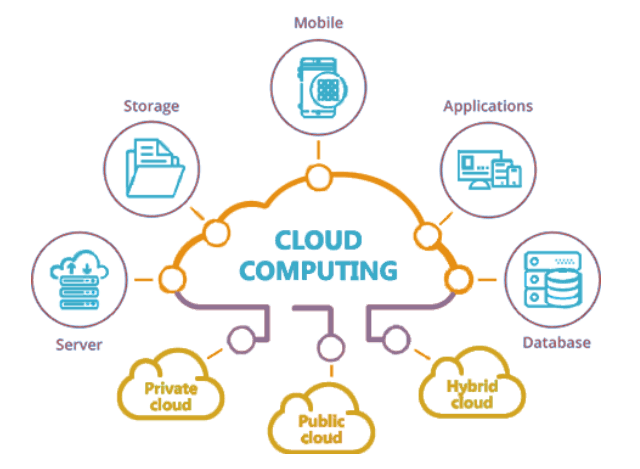
India’s cloud computing industry includes global technology companies, established Indian IT service providers and specialised domestic cloud infrastructure companies. These organisations offer a broad range of services, including Infrastructure as a Service (IaaS), Platform as a Service (PaaS), Software as a Service (SaaS), private cloud, public cloud, hybrid cloud, multi-cloud management, cloud migration, cybersecurity, data storage and managed cloud services. Their solutions help businesses access computing resources without having to purchase, operate and maintain extensive physical infrastructure.
The growing importance of data security, regulatory compliance and data residency has also encouraged Indian enterprises to explore domestic cloud infrastructure and sovereign cloud solutions. Companies are increasingly looking for providers that can combine scalable computing resources with local support, enterprise-grade security and flexible deployment models. At the same time, global cloud platforms continue to play a significant role by providing advanced computing capabilities, extensive developer ecosystems and sophisticated artificial intelligence services.
Several companies are investing in specialised cloud infrastructure to support high-performance computing and AI workloads. GPU-based cloud computing, containerisation, Kubernetes, serverless architecture and cloud-native application development are becoming increasingly important for organisations seeking to modernise their technology operations.
The following are ten prominent cloud computing companies operating in India, offering services across enterprise cloud transformation, infrastructure management, cloud hosting, artificial intelligence and digital technology.
1. Amazon Web Services (AWS)
Amazon Web Services India Private LimitedAmazon Web Services (AWS), the cloud computing division of Amazon, is one of the most established cloud service providers in India. The company offers a comprehensive portfolio of cloud infrastructure, computing, storage, networking, database, analytics, artificial intelligence, machine learning and cybersecurity solutions. Its platform enables businesses to build, deploy and operate applications without investing in extensive physical IT infrastructure. AWS serves organisations across several industries, including banking, financial services, healthcare, retail, manufacturing, telecommunications, media, education and government.
AWS provides a wide range of Infrastructure as a Service and Platform as a Service capabilities. Its Amazon Elastic Compute Cloud (EC2) allows organisations to access scalable virtual computing resources, while Amazon Simple Storage Service (S3) provides cloud-based object storage for applications, backups, archives and large datasets. Amazon Relational Database Service (RDS) simplifies database administration, and Amazon DynamoDB provides a managed NoSQL database service for applications requiring flexible and scalable data storage. Other important offerings include Amazon Elastic Kubernetes Service (EKS), AWS Lambda for serverless computing and Amazon CloudFront for content delivery.
Artificial intelligence and machine learning are important components of AWS’s cloud ecosystem. Amazon Bedrock provides access to foundation models and tools for developing generative AI applications, while Amazon SageMaker supports machine learning model development, training and deployment. AWS also provides analytics, Internet of Things, application integration and data processing services that help enterprises build connected digital systems.
AWS has established significant infrastructure in India through its Mumbai and Hyderabad cloud regions. These regions provide Indian organisations with access to local cloud infrastructure and multiple availability zones for designing resilient applications. Its services are also supported by a large network of technology partners, consultants, system integrators and independent software vendors.
Another important feature of AWS is its flexible pricing structure. Organisations can use pay-as-you-go resources, reserved capacity and other pricing arrangements depending on their computing requirements. This makes the platform suitable for startups with variable workloads as well as large enterprises operating complex technology environments. AWS also provides identity and access management, encryption, monitoring, security assessment and compliance-related capabilities.
For Indian businesses planning large-scale digital transformation, application modernisation, AI development or cloud migration, AWS offers an extensive technology ecosystem. Its combination of infrastructure, managed services, developer tools and global scalability makes it a major participant in India’s cloud computing industry.
2. Microsoft Azure
Microsoft Azure is one of the leading cloud computing platforms available to Indian businesses. Developed by Microsoft, Azure provides a broad portfolio of cloud infrastructure, enterprise software, database management, artificial intelligence, analytics, networking and application development services. Its integration with Microsoft’s existing business technology ecosystem makes it particularly relevant for organisations that already use Windows Server, Microsoft 365, SQL Server, Active Directory, Dynamics 365 and other Microsoft products.
Azure offers Infrastructure as a Service, Platform as a Service and a wide range of managed cloud capabilities. Azure Virtual Machines enable businesses to run applications and operating systems in virtual environments, while Azure Blob Storage provides scalable object storage for documents, media files, backups and enterprise datasets. Azure SQL Database offers managed relational database capabilities, and Azure Kubernetes Service helps organisations deploy and manage containerised applications.
One of the important features of Microsoft Azure is its support for hybrid cloud computing. Many large Indian organisations continue to operate applications and databases within their own data centres while gradually shifting selected workloads to public cloud infrastructure. Azure Arc helps organisations manage resources across different environments, while Azure Stack provides options for extending Azure services into customer-controlled infrastructure. These capabilities are relevant for businesses that require flexibility in managing sensitive information and legacy applications.
Microsoft has also expanded its artificial intelligence capabilities through Azure AI services and Azure Machine Learning. Azure OpenAI provides access to advanced generative AI models through Microsoft’s cloud ecosystem, allowing businesses to develop applications involving conversational AI, document processing, content generation and intelligent automation. Its data analytics and integration services also help enterprises process information across multiple systems.
Azure has a substantial infrastructure presence in India, with established cloud regions in Pune, Chennai and Mumbai. Microsoft announced the general availability of its India South Central region in Hyderabad in August 2026, expanding its local cloud infrastructure footprint further. The availability of regional infrastructure helps organisations evaluate application latency, disaster recovery, data residency and regulatory requirements.
Another significant advantage is Azure’s integration with enterprise identity, productivity and security tools. Microsoft Entra ID, Microsoft Defender and Microsoft Sentinel support identity management, threat protection and security monitoring across cloud environments. Organisations can also use Azure DevOps and GitHub-based development workflows to manage software development and deployment.
Microsoft Azure is used across industries such as banking, healthcare, retail, manufacturing, education, telecommunications and government. Its combination of hybrid cloud management, enterprise integration, AI capabilities and established Indian infrastructure makes it an important option for organisations modernising their technology operations.
3. Google Cloud
Google Cloud is a major cloud computing provider serving businesses, technology companies, startups and government-related organisations in India. Its cloud platform combines computing infrastructure, data storage, networking, database services, artificial intelligence, machine learning, cybersecurity and analytics. The company has developed a strong presence in data-intensive applications and cloud-native technologies, making its platform relevant to organisations seeking to build scalable digital products and modernise their technology infrastructure.
Google Cloud provides several computing and storage services. Compute Engine allows organisations to run virtual machines on Google’s infrastructure, while Google Cloud Storage provides scalable object storage for enterprise data, application files, backups and multimedia content. Google Kubernetes Engine is one of its important offerings for container orchestration and application deployment. Cloud Run enables developers to deploy containerised applications without managing the underlying server infrastructure.
Data analytics is another major area of Google Cloud’s expertise. BigQuery provides a serverless data warehouse environment that allows businesses to analyse large datasets using SQL and other supported tools. Organisations can combine information from different business applications, identify patterns and develop data-driven operational strategies. Dataflow and Dataproc support data processing and analytics workloads, while Looker provides business intelligence and data visualisation capabilities.
Artificial intelligence is an increasingly important part of the company’s cloud portfolio. Vertex AI provides a unified environment for developing, training, deploying and managing machine learning models. It also supports generative AI application development through Google’s foundation models and related tools. Organisations can use these capabilities for conversational applications, predictive analytics, intelligent search, document processing and automated business workflows.
Google Cloud also offers a broad selection of database technologies, including Cloud SQL, Spanner, Firestore and Bigtable. These services address different application requirements, ranging from traditional relational databases to globally distributed and scalable data systems. Its networking and security services help organisations establish protected communication between applications, users and infrastructure.
India is an important market for Google Cloud, with cloud regions in Mumbai and Delhi. The availability of local infrastructure helps Indian businesses deploy applications closer to their customers and evaluate regional hosting requirements. Google Cloud also works with technology partners and system integrators to support enterprise implementation, migration and managed cloud operations.
The platform is particularly relevant for organisations working with large datasets, digital applications, machine learning, analytics and cloud-native development. Its integration of computing, data engineering and artificial intelligence services makes Google Cloud a significant provider in India’s expanding cloud computing ecosystem.
4. Tata Consultancy Services (TCS)
Tata Consultancy Services is one of India’s largest IT services and consulting companies, with a substantial presence in enterprise cloud computing, digital transformation and infrastructure management. Headquartered in Mumbai, TCS serves clients across banking, insurance, retail, manufacturing, healthcare, telecommunications, energy and several other industries. Its cloud business focuses on helping organisations modernise existing IT environments, migrate applications, manage hybrid infrastructure and develop cloud-native business applications.
TCS offers a comprehensive range of cloud consulting and implementation services. Its capabilities include cloud strategy, infrastructure assessment, application migration, cloud architecture, platform engineering, enterprise application modernisation and managed cloud services. These services help organisations identify which applications should be migrated, modernised, retained within existing data centres or distributed across multiple cloud platforms.
The company’s cloud strategy includes working with major global cloud providers such as AWS, Microsoft Azure and Google Cloud. This enables TCS to support clients with different infrastructure preferences rather than limiting them to a single cloud ecosystem. Its services cover cloud adoption, workload optimisation, migration planning, infrastructure automation and ongoing operational management.
TCS also offers its SovereignCloud capabilities for organisations requiring greater control over their data environments and regulatory requirements. Its cloud-related offerings are particularly relevant for regulated sectors where data governance, security, availability and operational continuity are important considerations. The company also combines its infrastructure expertise with enterprise cybersecurity and risk management services.
Artificial intelligence and automation are becoming increasingly important in TCS’s cloud business. The company works with AI-enabled infrastructure, data platforms and application modernisation technologies to help enterprises improve operational efficiency. Its cloud engineering capabilities support the development of modern applications using microservices, containers, APIs and automated deployment processes.
Another important aspect of TCS is its industry-specific technology expertise. Financial institutions may require secure cloud environments for transaction processing and customer applications, while manufacturers may need cloud-connected systems for supply chain management, industrial automation and predictive maintenance. TCS uses its domain experience to design cloud solutions according to these requirements.
TCS also provides application support, infrastructure monitoring, disaster recovery, backup management and cloud cost optimisation. Its large workforce and international delivery network allow it to manage complex technology programmes for multinational organisations.
Rather than operating solely as a public cloud infrastructure provider, TCS primarily functions as a cloud transformation and managed services partner. Its ability to combine consulting, application engineering, enterprise integration and infrastructure operations makes it an important company in India’s cloud computing services market.
5. Infosys
Infosys is a leading Indian IT services and consulting company with an extensive portfolio of cloud computing, digital transformation and enterprise technology services. Headquartered in Bengaluru, the company works with organisations across banking, financial services, insurance, retail, manufacturing, healthcare, telecommunications and other industries. Its cloud business focuses on helping enterprises move away from traditional IT infrastructure towards scalable, flexible and automated cloud environments.
One of the company’s major cloud offerings is Infosys Cobalt, a comprehensive portfolio of cloud services, solutions, platforms and industry-specific blueprints. It is designed to help organisations accelerate cloud adoption, modernise applications and manage complex enterprise technology environments. The portfolio includes cloud consulting, migration, cloud-native development, infrastructure management, automation, security and multi-cloud services.
Infosys Cobalt supports organisations using different cloud platforms, including AWS, Microsoft Azure and Google Cloud. This multi-cloud approach is particularly relevant for large enterprises that operate applications across several technology environments. Businesses can use Infosys’ consulting and engineering expertise to assess their infrastructure, identify suitable migration strategies and develop cloud architectures that meet their operational requirements.
Cloud migration is an important part of the company’s services. Many established businesses operate legacy applications that were originally designed for traditional data centres. Moving these applications to the cloud requires more than transferring data and software. It may involve application restructuring, database modernisation, security upgrades, integration changes and performance optimisation. Infosys provides services across these areas to support enterprise modernisation programmes.
The company also focuses on hybrid cloud management, allowing businesses to manage public cloud, private cloud, on-premises infrastructure and edge computing environments. Its infrastructure management capabilities include monitoring, service management, workload automation and operational support. These services can help enterprises improve application availability while managing the complexity of multiple technology platforms.
Artificial intelligence is increasingly integrated into Infosys’ cloud services. Its Infosys Topaz portfolio focuses on AI and generative AI capabilities, while its automation technologies support more intelligent IT operations. These capabilities can be applied to predictive infrastructure monitoring, automated incident resolution, data analysis and enterprise application development.
Infosys also provides cloud security and compliance-related services. Its capabilities include identity management, vulnerability assessment, security monitoring, governance and risk management. These are particularly relevant for businesses operating in highly regulated sectors.
The company’s extensive international delivery network and established relationships with global technology providers make it a significant cloud services partner. Infosys is particularly relevant to enterprises looking for end-to-end cloud transformation, application modernisation, multi-cloud management and AI-enabled technology operations.
6. HCLTech
HCLTech is a prominent Indian technology company offering cloud computing, engineering, infrastructure management, cybersecurity and digital transformation services. Headquartered in Noida, the company works with large enterprises across several industries, including financial services, manufacturing, healthcare, telecommunications, retail and technology. Its cloud business focuses on helping organisations modernise their IT infrastructure, improve operational resilience and manage increasingly complex digital environments.
HCLTech provides a wide range of cloud services, including cloud consulting, migration, hybrid cloud management, application modernisation, cloud-native engineering and managed infrastructure operations. Its approach covers the entire cloud adoption process, beginning with infrastructure assessment and strategic planning and extending to implementation, optimisation and ongoing management.
Hybrid cloud is a particularly important area of its portfolio. Many enterprises cannot immediately migrate all their applications and information to public cloud platforms because of regulatory requirements, legacy technology, security considerations or performance needs. HCLTech helps such organisations establish integrated environments that combine private cloud, public cloud, traditional data centres and edge infrastructure.
The company’s services also include cloud-native application development. Businesses can modernise applications using microservices, containerisation, Kubernetes, automated testing and continuous integration and delivery processes. These technologies help development teams build applications that can be updated more efficiently and scaled according to changing demand.
HCLTech also offers cloud infrastructure management and automation services. These capabilities include server management, network operations, storage administration, performance monitoring, service management and incident resolution. The company uses automation and AI-driven operational tools to improve infrastructure reliability and reduce repetitive manual work.
Artificial intelligence and generative AI are becoming increasingly integrated into HCLTech’s cloud strategy. Its portfolio includes AI Factory, Private AI and LLMOps-related capabilities, which support organisations developing and operating AI workloads. These services can help businesses establish the infrastructure needed for machine learning, model deployment, data processing and enterprise AI applications.
Security is another important component of its cloud services. HCLTech supports cloud security architecture, identity and access management, threat monitoring, vulnerability management and cyber resilience. Organisations can use these capabilities to establish consistent security policies across different cloud environments.
The company also works with major cloud technology providers, allowing customers to choose platforms according to their technical and commercial requirements. Its engineering background and experience in managing large enterprise IT environments make it particularly relevant for organisations undertaking complicated infrastructure modernisation projects.
HCLTech is therefore an important participant in India’s cloud computing services industry, especially for enterprises seeking hybrid cloud solutions, infrastructure automation, cloud-native engineering and managed technology operations.
7. Wipro
Wipro is a major Indian IT services and consulting company with extensive capabilities in cloud computing, enterprise infrastructure management, cybersecurity and digital transformation. Headquartered in Bengaluru, the company serves clients across industries such as banking, healthcare, retail, manufacturing, telecommunications, energy and consumer services. Its cloud services are designed to help organisations modernise their IT systems, improve technology performance and develop scalable digital business operations.
Wipro’s cloud business is organised around its cloud services and transformation capabilities, including advisory, migration, modernisation, infrastructure management, cloud security and cloud-native application development. Its FullStride Cloud Services portfolio brings together consulting, engineering and operational expertise to support organisations throughout their cloud adoption journey.
Cloud advisory is an important starting point for Wipro’s enterprise engagements. Organisations often operate multiple applications, databases and technology platforms, making it difficult to determine the most appropriate cloud migration strategy. Wipro helps businesses assess their existing infrastructure, understand application dependencies and develop roadmaps for public cloud, private cloud and hybrid cloud adoption.
The company’s migration and modernisation services cover application restructuring, database migration, infrastructure transformation and cloud-native development. It works with major technology ecosystems, including AWS, Microsoft Azure and Google Cloud. These partnerships allow customers to select cloud environments according to their business requirements and existing technology investments.
Wipro also provides cloud infrastructure management and operations services. These include infrastructure monitoring, workload management, automation, service management and performance optimisation. Such services are important for organisations that operate business-critical applications and require continuous monitoring, high availability and effective disaster recovery arrangements.
Cloud security is another major area of its portfolio. Businesses moving sensitive information and applications to cloud environments need effective access controls, encryption, security monitoring and governance frameworks. Wipro offers services designed to address these requirements across cloud infrastructure, applications and enterprise networks.
The company is also expanding the use of artificial intelligence and automation in cloud operations. AI-based monitoring and operational tools can help organisations identify infrastructure issues, automate repetitive activities and improve service management. Its cloud-native capabilities also support containerised applications, microservices and modern software delivery practices.
Wipro’s industry-specific expertise allows it to address specialised business requirements. For example, financial institutions may need secure application environments and regulatory controls, while manufacturing companies may require connected industrial systems and data analytics platforms.
The company is particularly relevant for medium-sized and large enterprises seeking a combination of cloud consulting, migration, security, application modernisation and managed infrastructure services. Its international presence and technology partnerships strengthen its position in India’s enterprise cloud computing market.
8. Tata Communications
Tata Communications is an Indian digital infrastructure and communications technology company that has developed a significant presence in cloud computing, networking, cybersecurity and enterprise digital services. Headquartered in Mumbai, the company provides technology solutions to organisations that require secure connectivity, cloud infrastructure and reliable digital communication systems.
An important part of its cloud portfolio is Vayu Cloud, which brings together cloud infrastructure, platform services, security and connectivity. The platform is designed to help enterprises manage workloads, modernise infrastructure and operate applications across different computing environments. Its focus on integrating connectivity with cloud infrastructure is particularly relevant for organisations that operate across multiple geographical locations.
Tata Communications provides cloud infrastructure services that support enterprise applications, computing, storage and business workloads. Its offerings include public cloud, private cloud and hybrid cloud capabilities. Organisations can use these services to host applications, manage databases, store business information and support digital operations without depending entirely on their own physical infrastructure.
The company’s networking capabilities are an important part of its cloud proposition. As businesses increasingly distribute applications across public clouds, private data centres and remote locations, reliable network connectivity becomes essential. Tata Communications combines its international network infrastructure with cloud services to support communication between enterprise systems, users and cloud platforms.
Its services also include cloud migration, consulting, infrastructure management and cloud optimisation. Businesses can seek assistance in planning their cloud adoption, transferring applications, managing workloads and improving infrastructure performance. The company also provides enterprise connectivity and security solutions that support distributed technology environments.
Artificial intelligence and high-performance computing are becoming increasingly important components of its cloud portfolio. Vayu AI Cloud is designed to support AI development and deployment through specialised GPU infrastructure. These capabilities can help enterprises and technology developers undertake machine learning, generative AI and other computationally intensive workloads.
Cybersecurity is another important area of Tata Communications’ business. Its digital security services help organisations protect networks, applications and information through managed security capabilities and monitoring. This is particularly relevant for enterprises operating critical systems across multiple locations.
The company’s cloud services are relevant to banking, financial services, manufacturing, retail, healthcare, telecommunications and multinational corporations. Organisations with geographically distributed operations can benefit from the integration of cloud infrastructure and network services.
Tata Communications is an important option for businesses looking for a provider that combines cloud computing with enterprise connectivity, managed infrastructure, security and AI-related computing capabilities. Its Vayu portfolio further strengthens its presence in India’s evolving cloud infrastructure market.
9. Sify Technologies
Sify Technologies is an Indian ICT services and data centre company with an established presence in cloud computing, enterprise networking, cybersecurity and managed IT infrastructure. Headquartered in Chennai, the company serves businesses across several sectors, including banking, financial services, manufacturing, healthcare, retail, telecommunications and government-related organisations. Its integrated approach combines cloud infrastructure, data centres, connectivity and managed technology services.
One of its important offerings is Sify CloudInfinit, an enterprise cloud platform designed to provide scalable computing resources, storage and cloud management capabilities. It supports organisations that need reliable infrastructure for business applications, databases, enterprise software and data-intensive workloads. The platform is relevant to businesses seeking cloud services without having to build and maintain their own extensive server infrastructure.
Sify provides a range of cloud deployment models, including private cloud, public cloud and hybrid cloud. These options allow organisations to select infrastructure according to their security requirements, application architecture and operational needs. Businesses can also use the company’s cloud advisory and migration services to plan infrastructure transitions and modernise existing applications.
The company works with major hyperscale cloud providers, including AWS, Microsoft Azure and Google Cloud. Its hyperscale partner cloud capabilities allow enterprises to integrate external cloud platforms with their existing IT environments. This is particularly useful for businesses that operate applications across multiple cloud providers and need assistance with workload management, connectivity and infrastructure optimisation.
Sify’s data centre infrastructure is another important part of its cloud computing business. Cloud applications depend on reliable physical facilities, power availability, cooling systems, network connectivity and security arrangements. The company’s data centres provide the underlying infrastructure for hosting enterprise applications and supporting digital workloads.
Artificial intelligence and high-performance computing have also become important areas of development. Sify CloudInfinit AI focuses on GPU-powered infrastructure and AI-related computing capabilities. Its portfolio includes services for AI model training, inference and data-intensive applications. The company also offers modern data platform capabilities through its Infinit Aurora portfolio, which supports data engineering, analytics and AI application development.
Sify provides managed IT services that help organisations monitor, maintain and optimise their technology environments. These include infrastructure management, cloud operations, security management and application support. Its AIOps-related capabilities can assist businesses in identifying operational problems and improving infrastructure management.
Security is an important component of its enterprise services. The company provides cybersecurity, network security and managed security capabilities that help organisations protect their digital infrastructure and business information.
Sify is particularly relevant for enterprises looking for an integrated technology partner rather than a standalone cloud hosting provider. Its combination of cloud infrastructure, data centres, enterprise networking, managed services and AI-related capabilities makes it a notable Indian company in the cloud computing industry.
10. Yotta Data Services
Yotta Data Services is an Indian data centre and cloud infrastructure company that has established a presence in enterprise cloud computing, sovereign cloud services and artificial intelligence infrastructure. The company focuses on providing computing, storage, networking and data centre capabilities to businesses, government organisations, technology developers and research institutions.
One of its major offerings is Shakti Cloud, a sovereign AI cloud platform designed to support enterprise applications, artificial intelligence workloads and high-performance computing. The platform provides access to GPU infrastructure and cloud computing resources for organisations developing, training and deploying AI models. It is particularly relevant as businesses increasingly require specialised infrastructure for generative AI, machine learning and large-scale data processing.
Yotta’s cloud portfolio also includes infrastructure services that support virtual machines, storage, networking, databases and enterprise applications. Organisations can use these resources to host business-critical applications, manage large datasets and develop digital services without having to independently establish all the required computing infrastructure.
The company’s sovereign cloud capabilities are an important part of its market positioning. Organisations handling sensitive government, financial or enterprise information may require greater control over infrastructure location, data governance and operational arrangements. Yotta provides India-based cloud and data centre infrastructure that can support these requirements, subject to the applicable contractual and regulatory conditions.
Yotta also operates large-scale data centre infrastructure. Its facilities provide the physical foundation for cloud computing, including server infrastructure, power systems, cooling, network connectivity and security. Such facilities are important for organisations that require reliable hosting environments and access to scalable computing resources.
Artificial intelligence infrastructure has become a major focus for the company. Shakti Cloud is designed to support AI training, fine-tuning and inference workloads through GPU-based computing. The platform also offers integration with elements of the Microsoft Azure AI ecosystem, allowing organisations to access selected AI development technologies within its cloud environment.
Yotta has also been involved in projects supporting India’s public digital infrastructure. Its collaboration with BHASHINI, the government’s language technology initiative, demonstrated the use of sovereign cloud infrastructure for deploying large-scale language AI applications. Such deployments illustrate the growing importance of domestic computing capacity in supporting Indian language technologies and AI development.
The company’s services are relevant to enterprises, research organisations, public-sector institutions and startups that need high-performance computing and cloud infrastructure. Its focus on data centre operations, sovereign cloud and GPU-based AI computing gives it a distinct position in India’s cloud services market.
Yotta represents the growing domestic cloud infrastructure segment, where providers are investing in local computing capacity to support enterprise digital transformation and the increasing demand for artificial intelligence applications.
Conclusion
Cloud computing is becoming a fundamental component of India’s technology and business infrastructure. Organisations across industries are increasingly adopting cloud platforms to improve operational flexibility, manage information more effectively, modernise applications and support emerging technologies. The growing use of artificial intelligence, machine learning, automation, data analytics and connected digital applications is expected to further expand the requirement for scalable cloud infrastructure.
The companies operating in this sector offer different types of services. AWS, Microsoft Azure and Google Cloud provide extensive public cloud platforms with large technology ecosystems and advanced computing capabilities. TCS, Infosys, HCLTech and Wipro focus extensively on enterprise cloud transformation, migration, application modernisation and managed technology operations. Tata Communications and Sify combine cloud services with connectivity, data centres and enterprise infrastructure, while Yotta has developed a strong focus on domestic cloud infrastructure and AI computing.
The selection of a cloud computing company ultimately depends on an organisation’s infrastructure requirements, technology environment, security expectations, regulatory obligations and budget. Businesses should examine factors such as service availability, disaster recovery arrangements, data residency, scalability, technical support, interoperability and pricing before selecting a provider.
With growing investments in cloud infrastructure and specialised AI computing, India’s cloud computing industry is positioned to remain an important part of the country’s digital development. The continued expansion of domestic and international cloud providers will create more opportunities for businesses to modernise their operations, develop technology products and participate in the rapidly evolving digital economy.