CBI Searches 33 Locations Across Six States In Mahadev Betting App Case After Chandrakar’s Extradition
The Mahadev betting app investigation has entered a crucial phase, with the CBI conducting searches across six states following the extradition of promoter Sourabh Chandrakar from Oman. With the ED now questioning him over alleged money laundering, investigators are attempting to unravel a sprawling betting network, its financial trail and its alleged connections with public officials.

The Central Bureau of Investigation (CBI) has conducted searches at 33 locations across six states in connection with the Mahadev Online Book illegal betting app case, dismantling live betting and gambling panels and seizing digital devices, mobile phones and incriminating documents.
The searches, carried out over the past few days, targeted premises linked to the platform’s panel operators and followed disclosures made by Sourabh Chandrakar, one of its principal promoters, after his extradition from Oman.
According to the agency, its teams uncovered operational betting panels during the searches, while the seized material provided evidence of the use of mule bank accounts and hawala networks to collect betting proceeds and transfer money. The locations searched included premises in Punjab, Delhi, Rajasthan, Madhya Pradesh, Chhattisgarh, Gujarat and Maharashtra, with operations reported across cities including Amritsar, Nagaur, Dholpur, Bhopal, Raipur, Durg, Indore, Ahmedabad, Vadodara, Surat, Mumbai and Nagpur.
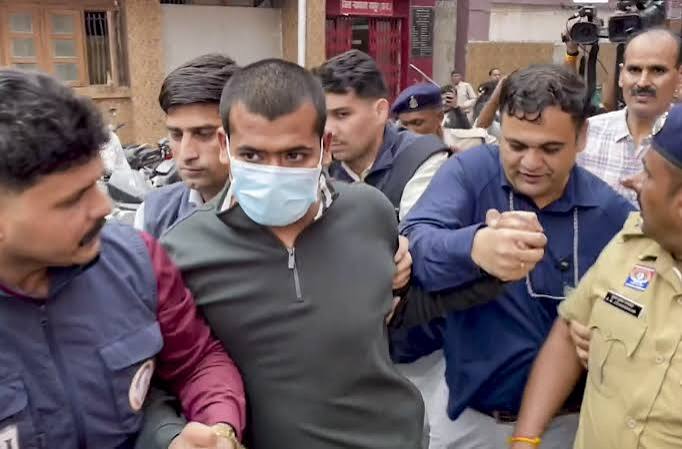
The searches followed Chandrakar’s return to India on November 1, after Omani authorities handed him over to Indian agencies pursuant to extradition proceedings. The CBI arrested him in connection with the betting syndicate and subsequently secured eight days of police custody from a special court in Raipur on November 4.
During his interrogation, Chandrakar allegedly disclosed details about the platform’s operations, its network of panel operators and the manner in which betting activities were coordinated across India. Investigators also confronted him with documentary and digital evidence gathered during the probe.
The CBI has registered two FIRs in the Mahadev Online Book case after the investigations were transferred from the Chhattisgarh government. Its probe has indicated that the platform was operated from overseas through a centralised head office, with a network of panel operators managing its activities in India.
These operators allegedly handled customer IDs, collected betting money through bank accounts opened or hired in the names of other individuals and transferred proceeds abroad through hawala channels. The agency is also examining the alleged involvement of public servants and other individuals who facilitated the syndicate’s operations.
After the expiry of his CBI custody, Chandrakar was produced before a special court in Raipur on November 12 and remanded to judicial custody until November 19.
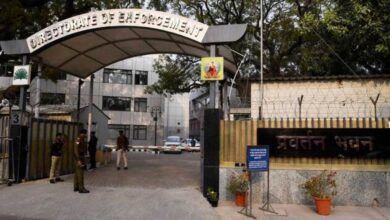
However, the investigation took another turn on November 13, when the Enforcement Directorate (ED) arrested Chandrakar under the Prevention of Money Laundering Act (PMLA) in connection with its separate money-laundering investigation into the betting syndicate. A special PMLA court subsequently granted the agency seven days of custody until November 19.
The ED intends to question Chandrakar about the alleged proceeds of crime, financial transactions and foreign entities linked to the operation. The agency is also examining statements made by his associates and digital evidence collected during the investigation.
The CBI has said its investigation remains ongoing, with efforts directed at identifying other accused, including those operating from overseas, alleged financial facilitators and public servants who may have helped the betting network function in India. Steps are also being taken to bring other absconding accused back to the country.
How Mahadev Online Book Grew Into A Nationwide Betting Syndicate
What made Mahadev Online Book particularly difficult to investigate was the way its operations were structured. It was not simply an online betting application run by a handful of individuals. Investigators describe an organised network in which the principal promoters operated from overseas while a large number of local operators managed betting activities across different parts of India.
Sourabh Chandrakar and Ravi Uppal were identified as the principal promoters of the platform. The two allegedly established their operations in Dubai, using an overseas headquarters to coordinate betting activities, manage the network and oversee the distribution of proceeds. Their business model relied on a franchise-like system through which local operators were given access to betting platforms and customer accounts.
These operators functioned through individual panels, which allowed them to manage customers, issue betting IDs and collect money. The system could also be expanded through smaller sub-panels, enabling the network to reach more users without requiring the principal promoters to directly manage every transaction or customer.
According to investigators, the arrangement helped Mahadev establish a presence across several Indian states, with local operators handling the day-to-day business while the larger operation remained under the control of its overseas promoters. The panel-based structure also made it harder to trace the entire network through individual betting accounts or isolated transactions.
The platform offered betting services across multiple categories, including cricket and other sports, as well as various online games. Users were provided access through IDs created by panel operators, who managed deposits, withdrawals and betting activity. The operators allegedly earned a share of the proceeds, while a larger portion was passed upwards through the network.
The ED has alleged that Chandrakar and Uppal retained around 70–80% of the proceeds generated through the operation, with the remaining share distributed among panel operators and other intermediaries. The arrangement created financial incentives for local operators to expand their customer base while allowing the promoters to exercise control over a much larger betting network.
The operation reportedly expanded significantly during the Covid-19 pandemic, when online gaming and digital transactions became increasingly common. Investigators have since examined thousands of betting panels and associated entities, seeking to establish how the network was organised, who controlled individual operations and how the proceeds were distributed.
The scale of the operation is reflected in the financial estimates emerging from the investigation. The ED has estimated that betting activities linked to Mahadev generated turnover of approximately ₹75,000–80,000 crore. When associated platforms are included, estimates of the combined betting turnover have been placed considerably higher.
The figures underline the reach of the operation, although betting turnover should not be confused with the promoters’ personal earnings or the total amount established as proceeds of crime. The distinction is important because investigators are still attempting to establish the precise flow of funds and the extent of the financial benefits received by different participants.
Following The Money Behind Mahadev And Its Alleged Hawala Network
Running a betting operation across multiple states was only one part of the alleged business. Moving the money generated through those activities, collecting payments from customers and transferring the proceeds to overseas operators presented a much larger challenge. This is where the alleged use of mule bank accounts, shell entities and hawala networks became central to the investigation.
According to the ED and other investigating agencies, money collected from customers was frequently routed through bank accounts opened in the names of third parties. These accounts, commonly described as mule accounts, were allegedly used to receive and transfer betting proceeds while obscuring the identities of the individuals ultimately controlling the money.
Some account holders were reportedly paid commissions for allowing their bank accounts to be used, while investigators also examined cases involving the alleged misuse of identity documents. The accounts enabled betting operators to distribute transactions across multiple banking channels instead of collecting all payments through accounts directly linked to the platform’s promoters.
The money was then allegedly moved through several layers of transactions, involving intermediaries and entities that investigators suspected were being used to disguise the origin of the funds. Hawala networks provided another route for transferring money outside conventional banking channels, allowing cash collected in India to be made available to recipients overseas.
The ED has also examined the alleged involvement of shell companies, financial intermediaries and businesses used to facilitate the movement or conversion of betting proceeds. The investigation has sought to establish how funds were channelled between India and the UAE, who coordinated the transfers and which individuals ultimately benefited from them.
The use of hawala was particularly significant because the alleged betting operation was largely controlled from outside India, while its customer base and collection network extended across the country. Investigators suspect that the informal transfer system helped bridge this geographical divide, allowing money collected through local betting panels to reach the overseas promoters.
The investigation has also examined the alleged acquisition of properties and other assets using proceeds generated through the betting business. Tracing these assets and establishing their connection with the alleged illegal activities has become an important part of the ED’s money-laundering probe.
For investigators, the challenge is no longer limited to identifying the people who operated betting panels or managed customer accounts. They are also attempting to reconstruct the larger financial chain, identify the beneficiaries of the transactions and establish how the proceeds were moved across jurisdictions.
The ₹200-Crore Dubai Wedding That Brought Mahadev Into The Spotlight
The scale of the alleged betting operation became more visible in February 2023, when Sourabh Chandrakar hosted an extravagant wedding celebration in Ras Al Khaimah, UAE. The event, which reportedly cost around ₹200 crore, attracted considerable attention after details emerged about the private aircraft, celebrity performances and extensive arrangements made for guests travelling from India.
The Enforcement Directorate subsequently examined the wedding as part of its investigation into the alleged laundering of betting proceeds. According to the agency, three chartered aircraft were arranged from Nagpur to transport family members and guests to the UAE, while private aircraft were also hired for celebrities and performers attending the celebrations.
What particularly interested investigators, however, was the manner in which the event had allegedly been financed. The ED traced approximately ₹112 crore transferred through hawala channels to an event management company responsible for organising the celebrations. Another ₹42 crore was reportedly spent in cash on hotel bookings.
Investigators also recovered financial records from the event management company, including a document detailing expenses of approximately ₹112.05 crore. The agency examined hotel records, payments to travel operators, aircraft arrangements and transactions involving intermediaries to establish the source of the funds.
The guest list also became an important investigative lead. According to reports citing the ED’s findings, the records categorised attendees under groups such as business associates, friends and members of the management team. This helped investigators identify individuals associated with the betting syndicate and examine their respective roles in the operation.
The wedding was not treated merely as an example of extravagant spending. For investigators, the transactions surrounding the celebrations provided an opportunity to trace the movement of large amounts of cash between India and the UAE, identify alleged hawala operators and establish possible links between the money spent and the proceeds generated by the betting business.
The episode also spotlighted the contrast between Chandrakar’s earlier financial circumstances and the wealth he allegedly accumulated through the betting operation. The investigation has since expanded to examine properties, investments and other assets suspected to have been acquired using proceeds generated by the syndicate.
The ₹508-Crore Political Allegation And The Question Of Official Protection
The Mahadev betting investigation took a significant political turn in November 2023, when the Enforcement Directorate alleged that the platform’s promoters had paid approximately ₹508 crore to then Chhattisgarh Chief Minister Bhupesh Baghel. The allegation emerged just days before the first phase of the Chhattisgarh Assembly elections and quickly became a major political controversy.
The ED’s claims followed the arrest of Asim Das, who was allegedly caught carrying ₹5.39 crore in cash. According to the agency, Das had been sent from the UAE to deliver the money for election-related expenditure. During questioning, he allegedly claimed that the cash had been provided by Shubham Soni, another individual linked to the Mahadev operation, and was intended for Baghel.
The agency subsequently referred to statements attributed to Das and communications allegedly received from Soni to claim that the betting syndicate had made payments totalling ₹508 crore to the former chief minister. The ED also alleged that money was being distributed among political figures and government officials to ensure that the betting operations continued without interference.
Baghel strongly denied the allegations, describing them as politically motivated and accusing the BJP of using central investigative agencies to damage his reputation ahead of the elections.
The statements surrounding the alleged cash delivery also became contentious. Das subsequently retracted his earlier statement when produced before a court, claiming that he had been framed. He later changed his position again, further complicating the claims being examined by investigators.
The matter did not end with the initial allegations. In April 2025, the CBI named Baghel as an accused in an FIR relating to alleged corruption and protection payments linked to the Mahadev betting syndicate. The agency’s investigation examined allegations that substantial amounts had been paid to police officers, administrative officials and influential political figures to prevent action against the illegal betting operations.
The CBI has also been examining the alleged role of intermediaries who facilitated these payments and the officials who may have helped the network operate across different parts of Chhattisgarh.
Baghel has continued to reject the allegations, maintaining that the case is politically motivated. No finding of guilt has been established against him in the matter.
The political dimension has nevertheless become an important part of the wider investigation. With Chandrakar now back in India and being questioned by both the CBI and the ED, investigators are seeking to establish who allegedly received protection money, how the payments were arranged and whether the betting syndicate had access to a wider network of official assistance.
From State Investigations To A Nationwide CBI Crackdown
As the Mahadev betting case expanded, the investigation moved beyond the initial cases registered by the Chhattisgarh Police and the Enforcement Directorate. What began as an inquiry into illegal online gambling gradually developed into a wider investigation involving alleged money laundering, financial fraud, corruption and the suspected involvement of public officials.
The Chhattisgarh government recommended transferring the investigation to the Central Bureau of Investigation in August 2024. The agency subsequently took over 13 FIRs registered at different police stations across the state, bringing several strands of the investigation under a central agency.
The CBI’s investigation focused not only on Chandrakar and Ravi Uppal but also on the individuals responsible for operating betting panels, collecting payments, transferring funds and allegedly providing protection to the syndicate.
By July 2026, the agency had filed additional chargesheets against several accused. In one corruption-related case, six individuals, including Ashim Das, Rohit Gulati, Vikas Chhaparia, Anil Dhammani, Vishal Ahuja and Dheeraj Ahuja, were chargesheeted under provisions of the Prevention of Corruption Act and the Indian Penal Code relating to cheating, forgery and criminal conspiracy.
In a separate case, the CBI had filed five chargesheets against 66 accused, including Chandrakar, Uppal and individuals allegedly associated with the betting panels through which money was collected and transferred.
The investigation continued to widen. By September 24, 2026, the CBI reported that it had filed eight chargesheets against 100 accused persons, including the platform’s principal promoters, panel operators, hawala operators and public servants.
The agency also reported progress in tracking individuals who had left India. Seven Interpol Red Corner Notices had been issued, while two extradition proposals had been sent to bring accused persons back to face proceedings.
One significant arrest came on September 24, when the CBI detained Abhishek Kumar at Hyderabad’s Rajiv Gandhi International Airport shortly after his arrival from Dubai.
Investigators alleged that Kumar played an important role in coordinating betting panels, collecting money and acquiring immovable properties in Dubai using suspected proceeds from the illegal operation. The agency also claimed that material recovered following his arrest indicated that he worked closely with Chandrakar and Shubham Soni, another accused associated with the syndicate.
The arrest provided investigators with another opportunity to examine the connections between the overseas promoters and the individuals who managed the betting operation in India.
Ravi Uppal’s Arrest And The Investigation’s Next Phase
The extradition of Sourabh Chandrakar was followed by another significant development when Ravi Uppal, the other principal promoter of Mahadev Online Book, was arrested in Dubai in early November 2026.
Uppal had been wanted by Indian investigating agencies in connection with the alleged betting and money-laundering operation. Following his arrest by authorities in the UAE, Indian agencies initiated proceedings to secure his extradition.
Bringing Uppal back to India would potentially allow investigators to question both principal promoters about the platform’s operations, its overseas financial arrangements and the individuals allegedly involved in managing and protecting the network.
Meanwhile, the Enforcement Directorate has continued its separate money-laundering investigation against Chandrakar and other accused. By November 13, the agency reported that it had arrested 15 people, attached assets worth approximately ₹1,885 crore and named 116 accused in six chargesheets filed in connection with the case.
The ED has also examined properties and other assets allegedly acquired through the betting operation, including high-value real estate in Dubai. Its investigation has focused on identifying the ultimate beneficiaries of the money collected through the platform and establishing whether those funds were used to acquire assets or finance other business activities.
The agency has additionally pursued proceedings under the Fugitive Economic Offenders Act against Chandrakar, seeking the confiscation of assets linked to the alleged offences. His extradition has brought a principal accused within the jurisdiction of Indian courts, although the financial investigation and proceedings against other accused remain ongoing.
With Chandrakar now in ED custody and efforts underway to extradite Uppal, investigators are attempting to establish the full extent of the operation and the financial arrangements that allegedly allowed it to function across international borders.
The investigation has already produced multiple chargesheets, arrests and asset attachments. Yet several questions remain unresolved, particularly concerning the final destination of the betting proceeds, the alleged involvement of public servants and the identities of those who may have benefited from the operation.
For the CBI and the ED, the challenge now is to connect the evidence collected from individual betting panels, bank accounts, financial intermediaries and overseas entities to the people who allegedly controlled and profited from the network. Whether the latest arrests and extradition efforts help establish those connections will be central to the next phase of the Mahadev betting case.