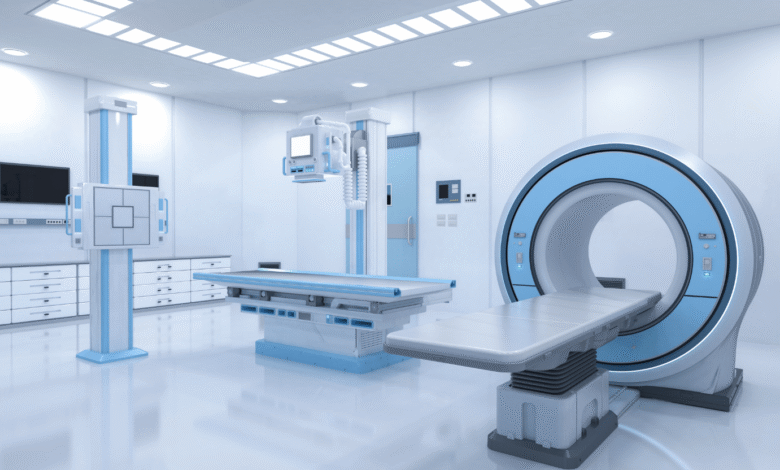
Top 10 Best Diagnostic Radiology Hospitals in Mumbai in 2027
Mumbai is one of India’s leading healthcare destinations, with an extensive network of multispeciality hospitals, advanced diagnostic imaging departments, medical research institutions and specialised treatment centres. The city’s diagnostic radiology infrastructure plays a fundamental role in the early detection of diseases, assessment of medical conditions, treatment planning and monitoring of patient recovery.
Diagnostic radiology involves the use of medical imaging technologies such as magnetic resonance imaging, computed tomography, digital X-rays, ultrasonography, mammography and fluoroscopy to examine internal anatomical structures and identify abnormalities. Advanced imaging techniques also support specialised investigations in oncology, cardiology, neurology, gastroenterology, orthopaedics and women’s healthcare.
Mumbai’s leading hospitals are increasingly adopting artificial intelligence-assisted imaging, high-resolution MRI systems, multidetector CT scanners, digital image processing and integrated radiology information systems. These technologies help radiologists improve image interpretation, streamline clinical workflows and support accurate medical decision-making.
Several hospitals also provide interventional radiology services, enabling specialists to perform image-guided biopsies, drainage procedures, tumour-directed interventions and minimally invasive vascular treatments. The availability of multidisciplinary medical teams further strengthens the role of hospital-based radiology departments, particularly for patients requiring comprehensive diagnosis and treatment.
1. Kokilaben Dhirubhai Ambani Hospital and Medical Research Institute
Located in Andheri West, Kokilaben Dhirubhai Ambani Hospital is one of Mumbai’s prominent multispeciality healthcare institutions, offering advanced diagnostic radiology, interventional radiology, nuclear medicine and specialised imaging services. Its radiology department supports complex medical investigations across multiple clinical specialties.
The hospital’s imaging infrastructure includes 3 Tesla MRI equipment, dual-source multidetector CT scanners, digital mammography systems and dedicated catheterisation laboratory facilities. The institution also introduced intraoperative MRI technology in India, enabling specialists to undertake imaging during selected surgical procedures.
Its neuroradiology capabilities support investigations involving brain tumours, neurological disorders, spinal abnormalities, epilepsy and cerebrovascular conditions. Advanced MRI techniques provide detailed information about brain structures, soft tissues and neurological abnormalities.
The hospital’s musculoskeletal imaging services assist orthopaedic specialists in evaluating ligament injuries, joint disorders, sports-related injuries and spinal conditions. Its oncology imaging infrastructure supports tumour detection, cancer staging, treatment planning and therapeutic response assessments.
Interventional radiology represents another important component of its clinical capabilities. Image-guided procedures can provide minimally invasive alternatives to conventional surgery for selected medical conditions.
The hospital uses a Picture Archiving and Communication System, commonly known as PACS, that facilitates digital storage, retrieval and sharing of medical images across clinical departments.
Its multidisciplinary approach enables radiologists to coordinate with neurologists, oncologists, cardiologists, orthopaedic surgeons and other specialists. This coordination is particularly valuable for patients requiring complicated diagnostic investigations and subsequent treatment.
The combination of advanced imaging equipment, specialised radiologists, surgical integration and comprehensive clinical infrastructure makes Kokilaben Dhirubhai Ambani Hospital a prominent destination for advanced diagnostic radiology in Mumbai.
2. P. D. Hinduja Hospital and Medical Research Centre
P. D. Hinduja Hospital and Medical Research Centre, situated in Mahim, is an established tertiary healthcare institution providing advanced diagnostic imaging, specialised clinical services and medical research facilities. Its Department of Imaging offers extensive radiological investigations supporting routine healthcare assessments and complicated medical diagnoses.
The hospital’s imaging infrastructure includes digital broadband MRI technology and an advanced 512-slice CT scanner. High-speed CT imaging is particularly useful for cardiovascular assessments, emergency investigations and examinations involving patients who may have difficulty remaining stationary for extended periods.
Its MRI services support neurological imaging, spinal examinations, abdominal assessments, musculoskeletal investigations and other specialised clinical applications. The hospital also provides ultrasonography, colour Doppler examinations, digital radiography, mammography, fluoroscopy and bone mineral density testing.
Cardiovascular imaging is an important component of its diagnostic portfolio. CT coronary angiography and other specialised examinations help medical professionals evaluate coronary arteries, vascular abnormalities and selected cardiovascular conditions.
The hospital’s nuclear medicine capabilities complement conventional radiology by providing functional and metabolic information relevant to oncology, cardiovascular medicine and other clinical specialties.
Its interventional radiology infrastructure supports vascular and non-vascular procedures, including selected image-guided biopsies and neurovascular interventions.
Emergency diagnostic services are another significant advantage. Patients presenting with traumatic injuries, suspected internal bleeding, neurological emergencies or other acute medical conditions can access hospital-based imaging alongside emergency medical assistance.
P. D. Hinduja Hospital’s established clinical expertise, sophisticated diagnostic infrastructure and multidisciplinary healthcare services make it a prominent institution for comprehensive radiological investigations in Mumbai.
3. Sir H. N. Reliance Foundation Hospital and Research Centre
Sir H. N. Reliance Foundation Hospital and Research Centre is an advanced multispeciality healthcare institution located in Girgaon, South Mumbai. The hospital provides comprehensive diagnostic and interventional radiology services supported by specialised medical professionals and modern imaging infrastructure.
The 360-bed hospital offers advanced clinical services across oncology, neuroscience, cardiovascular medicine, gastroenterology, orthopaedics, transplant medicine and critical care.
Its radiology department features a dual-source 384-slice CT scanner, 3 Tesla MRI equipment, digital mammography, ultrasonography, fluoroscopy, digital radiography and bone densitometry facilities.
The dual-source CT infrastructure supports rapid image acquisition, which is particularly useful for cardiovascular examinations, chest imaging and investigations requiring detailed evaluation of internal anatomical structures.
Its 3 Tesla MRI technology supports high-resolution imaging of the brain, spine, liver, heart, joints and other soft tissue structures. Specialised MRI examinations provide important diagnostic information in neurological disorders, orthopaedic conditions and cancer-related investigations.
Women’s diagnostic imaging services include mammography and stereotactic breast biopsy capabilities. These facilities assist medical professionals in evaluating suspicious breast abnormalities and obtaining tissue samples where clinically indicated.
The hospital also provides portable imaging equipment for patients admitted to intensive care units and other specialised inpatient departments.
Integrated digital imaging infrastructure enables medical professionals to retrieve and review radiological images while coordinating diagnosis and treatment. Its radiology department provides round-the-clock services, supporting both scheduled examinations and emergency investigations.
Sir H. N. Reliance Foundation Hospital’s combination of advanced imaging equipment, comprehensive clinical specialties and digitally integrated healthcare infrastructure makes it a prominent destination for diagnostic radiology in South Mumbai.
4. Nanavati Max Super Speciality Hospital
Nanavati Max Super Speciality Hospital is a prominent multispeciality healthcare institution situated in Vile Parle West. The hospital has developed advanced radiology and imaging infrastructure supporting diagnostic examinations, specialised medical investigations and minimally invasive image-guided procedures.
Its imaging centre extends across more than 10,000 square feet and incorporates sophisticated equipment, including a 32-channel, wide-bore 3 Tesla MRI scanner and a 64-slice cardiac-capable PET-CT system.
The MRI equipment supports advanced neurological, musculoskeletal, cardiovascular and abdominal imaging. Wide-bore configurations can also improve comfort for some patients who experience anxiety or discomfort within enclosed scanning environments.
The hospital’s breast imaging services include digital mammography, high-resolution ultrasonography and stereotactic breast biopsy procedures. These facilities support breast cancer detection and investigation of suspicious tissue abnormalities.
Its 3D and 4D ultrasound capabilities are relevant to obstetric imaging, fetal assessments and selected specialised examinations. Colour Doppler technology assists in evaluating blood circulation and vascular abnormalities.
The PET-CT infrastructure supports molecular imaging, particularly for cancer staging, assessment of metastatic disease and evaluation of treatment response.
Nanavati Max also offers magnetic resonance-guided focused ultrasound technology for selected therapeutic applications. Its interventional radiology department undertakes vascular and non-vascular procedures using imaging guidance.
Digital connectivity through PACS facilitates image sharing and coordinated interpretation across different medical specialties.
The hospital’s established imaging infrastructure, specialised oncology investigations and advanced MRI capabilities make Nanavati Max a significant diagnostic radiology institution in Mumbai’s western suburbs.
5. Lilavati Hospital and Research Centre
Lilavati Hospital and Research Centre, located in Bandra West, is one of Mumbai’s established private multispeciality hospitals. Its Department of Radiology and Imaging offers advanced diagnostic investigations, specialist consultations and interventional radiology services.
The hospital’s diagnostic infrastructure includes a 3 Tesla digital broadband MRI machine, a second-generation dual-source 256-slice CT scanner, digital radiography equipment, advanced ultrasound systems and digital mammography technology.
Its CT scanning capabilities support investigations involving internal organs, blood vessels, lungs, bones and complicated cardiovascular conditions. Rapid image acquisition is particularly relevant for emergency medicine and examinations requiring detailed anatomical information.
Lilavati Hospital’s MRI infrastructure supports neurological examinations, cardiac imaging, spinal investigations, orthopaedic assessments and oncology-related diagnostic procedures.
Breast imaging is another important area of its diagnostic services. The hospital offers 3D digital breast tomosynthesis, a technology that produces layered images of breast tissue and assists radiologists in evaluating abnormalities that may be difficult to assess using conventional mammography alone.
Its ultrasound services include abdominal imaging, vascular Doppler examinations, obstetric assessments and specialised fetal imaging.
The hospital also provides bone mineral density examinations, which help healthcare professionals evaluate osteoporosis and assess fracture-related risks.
Its dedicated interventional radiology team performs neurovascular, vascular and non-vascular procedures. These services complement conventional diagnostic radiology by enabling selected minimally invasive medical interventions.
Experienced radiology consultants, technical professionals and round-the-clock emergency support strengthen the department’s clinical capabilities.
Lilavati Hospital’s combination of modern imaging technology, women’s diagnostic services, specialised MRI investigations and interventional radiology makes it an established diagnostic healthcare destination in Mumbai.
6. Jaslok Hospital and Research Centre
Jaslok Hospital and Research Centre, established in 1973, is one of Mumbai’s oldest private tertiary care hospitals. Located on Peddar Road, the hospital has developed considerable expertise in diagnostic imaging, neuroradiology, interventional radiology and specialised medical investigations.
The hospital’s radiology services encompass magnetic resonance imaging, computed tomography, conventional radiography, digital subtraction angiography and ultrasound examinations. These technologies support medical professionals across neurology, oncology, cardiology, orthopaedics and other clinical specialties.
Jaslok Hospital has particularly established expertise in neurological imaging. MRI examinations assist specialists in evaluating brain tumours, spinal abnormalities, epilepsy, neurodegenerative disorders and cerebrovascular conditions.
Its body imaging services help investigate abnormalities involving the chest, abdomen, pelvis and internal organs. Detailed cross-sectional imaging is particularly important for identifying tumours, inflammatory conditions and complicated structural abnormalities.
The hospital also provides image-guided therapeutic procedures, including magnetic resonance-guided focused ultrasound for selected clinical indications. Interventional radiology services complement conventional diagnostic examinations by supporting minimally invasive medical procedures.
Digital subtraction angiography enables specialists to evaluate blood vessels and identify selected vascular abnormalities. This technology is particularly relevant to neurovascular investigations and interventional treatment planning.
Jaslok Hospital’s association with experienced medical specialists and academic healthcare professionals further strengthens its diagnostic capabilities. Coordination between radiologists and treating physicians supports comprehensive clinical assessment and treatment planning.
Its established expertise in neurological imaging, conventional radiology and image-guided medicine makes Jaslok Hospital a significant institution for specialised diagnostic radiology in Mumbai.
7. Tata Memorial Hospital
Tata Memorial Hospital, established in 1941 and located in Parel, is one of India’s foremost cancer treatment, research and diagnostic institutions. Its radiodiagnosis and nuclear medicine infrastructure plays a particularly important role in cancer detection, staging, treatment planning and monitoring.
The hospital provides advanced diagnostic imaging services encompassing computed tomography, magnetic resonance imaging, positron emission tomography and single-photon emission computed tomography.
Oncological imaging is one of the most important components of its diagnostic capabilities. Radiologists work alongside oncologists, surgeons, pathologists and nuclear medicine specialists to evaluate tumour characteristics, disease progression and treatment response.
CT examinations assist medical professionals in assessing tumour size, anatomical involvement and possible disease spread. MRI provides detailed soft tissue information, making it particularly valuable for selected brain, spinal, pelvic and musculoskeletal cancers.
PET imaging provides information about metabolic activity within tissues. When clinically indicated, this technology helps specialists evaluate cancer progression, identify possible metastatic disease and assess therapeutic response.
The hospital’s diagnostic imaging services support multidisciplinary cancer management involving surgical oncology, radiation oncology, medical oncology and specialised pathology.
Academic research and medical education are additional strengths of Tata Memorial Hospital. Its association with cancer research programmes contributes to the development of specialised diagnostic protocols and evidence-based imaging practices.
The hospital is particularly relevant for patients requiring cancer-specific investigations rather than routine general medical imaging. Its experience in managing complicated oncological cases makes it an important referral institution for patients from Mumbai and other parts of India.
Tata Memorial Hospital’s specialised cancer imaging infrastructure and multidisciplinary clinical expertise make it one of Mumbai’s most significant institutions for advanced oncological radiology.
8. Fortis Hospital Mulund
Fortis Hospital Mulund is a 400-bed multispeciality quaternary care hospital offering advanced diagnostic imaging, cardiovascular medicine, neurosciences, oncology, transplant services and critical care.
The hospital’s diagnostic imaging infrastructure includes advanced 3 Tesla MRI equipment, multidetector CT scanning technology and PET-CT systems. Its radiology services encompass diagnostic and interventional procedures supporting multiple clinical specialties.
The hospital’s MRI infrastructure incorporates BioMatrix technology designed to adapt to patient characteristics and support advanced imaging applications. Its capabilities are particularly relevant for cardiovascular imaging, neurological investigations and detailed soft tissue examinations.
Computed tomography services support emergency assessments, chest imaging, abdominal investigations and vascular examinations. CT imaging is particularly important for patients presenting with trauma, suspected internal injuries or acute medical complications.
Fortis Hospital Mulund’s PET-CT infrastructure provides specialised imaging support for oncology patients. These examinations help clinicians evaluate selected malignancies, determine disease extent and monitor responses to treatment.
Its dedicated stroke unit and emergency care infrastructure complement neurological imaging services. Coordinated diagnostic assessment is particularly important in time-sensitive neurological emergencies, including suspected stroke.
The hospital’s transplant programmes also benefit from sophisticated imaging technologies. Diagnostic examinations assist specialists in evaluating organ structures, vascular anatomy and selected post-transplant complications.
Interventional radiology provides additional capabilities for image-guided diagnostic and therapeutic procedures, complementing conventional surgical and medical management.
Fortis Hospital Mulund is particularly relevant for patients residing in Mumbai’s eastern suburbs who require advanced diagnostic imaging alongside comprehensive specialist treatment. Its integration of radiology, oncology, cardiovascular medicine and emergency healthcare makes it a prominent diagnostic radiology hospital.
9. Saifee Hospital
Saifee Hospital is an established multispeciality healthcare institution located near Charni Road in South Mumbai. Its Department of Imaging Sciences offers comprehensive radiological investigations supported by specialised consultants, modern diagnostic equipment and academic training programmes.
The department’s imaging infrastructure includes a 1.5 Tesla MRI scanner, a 256-slice multidetector cardiac CT scanner, advanced ultrasonography equipment, digital radiography systems, mammography and bone densitometry facilities.
The hospital’s cardiac CT equipment supports cardiovascular investigations, including examinations of coronary arteries and other vascular structures. High-resolution imaging enables medical professionals to evaluate anatomical abnormalities and selected cardiovascular conditions.
Its MRI services support diagnostic investigations involving the brain, spine, joints, abdominal structures and soft tissues. Neurological imaging is particularly important for evaluating stroke-related changes, multiple sclerosis, brain lesions and other disorders affecting the nervous system.
Saifee Hospital also provides 3D and 4D ultrasound examinations, colour Doppler imaging and specialised radiological assessments. These technologies are relevant to obstetric investigations, vascular assessments and abdominal diagnostics.
Its mammography department supports breast imaging and selected image-guided breast procedures. Bone mineral density examinations using DEXA technology assist medical professionals in evaluating osteoporosis and bone health.
Academic medical education is another important aspect of the department. Saifee Hospital offers postgraduate radiology training and fellowship programmes involving CT and MRI body imaging.
Its radiology professionals coordinate with specialists from medical and surgical departments, enabling diagnostic findings to contribute directly to clinical management.
The combination of advanced cardiac imaging, neurological radiology, women’s diagnostic services and academic expertise makes Saifee Hospital an established institution for comprehensive diagnostic imaging in South Mumbai.
10. Bombay Hospital and Medical Research Centre
Bombay Hospital and Medical Research Centre, established in 1950, is one of Mumbai’s longstanding tertiary care hospitals. Located in New Marine Lines, the institution offers specialised diagnostic imaging services alongside comprehensive medical and surgical treatment.
The hospital’s Department of CT Scan and MRI possesses two 3 Tesla MRI machines, providing advanced imaging capabilities for neurological, musculoskeletal, spinal and other specialised investigations.
Its high-resolution MRI technology supports detailed examination of brain structures, tumours, congenital abnormalities, spinal disorders and selected neurological conditions associated with seizures.
The department also operates a 64-slice multidetector CT scanner. Its CT imaging applications include vascular examinations, liver imaging, spinal assessments, dental imaging, bone-related investigations and image-guided procedures.
CT angiography assists healthcare professionals in evaluating blood vessels and investigating selected vascular abnormalities. Cross-sectional imaging also provides valuable information for surgical planning and assessment of internal organ conditions.
The department offers scheduled MRI and CT examinations between 7 am and 10 pm, with provision for emergency examinations beyond regular operating hours.
Bombay Hospital’s academic infrastructure includes postgraduate radiology education through the Bombay Hospital Institute of Medical Sciences. Its medical education programmes contribute to developing trained radiologists and strengthening clinical imaging expertise.
The hospital’s multidisciplinary healthcare infrastructure enables radiologists to coordinate with neurosurgeons, physicians, orthopaedic specialists, oncologists and other medical professionals.
Its combination of dual 3 Tesla MRI infrastructure, specialised CT imaging, experienced consultants and postgraduate medical education makes Bombay Hospital a prominent diagnostic radiology institution in Mumbai.
Major Diagnostic Radiology Services Offered by Hospitals in Mumbai
Magnetic Resonance Imaging
Magnetic resonance imaging, commonly known as MRI, uses magnetic fields and radio waves to generate detailed images of internal organs, soft tissues and anatomical structures without using ionising radiation.
MRI is particularly important for neurological examinations, spinal investigations, musculoskeletal disorders, cardiovascular assessments and cancer-related imaging.
Several leading Mumbai hospitals offer 3 Tesla MRI systems that provide higher signal strength and support advanced imaging techniques. Specialised applications include diffusion-weighted imaging, magnetic resonance angiography, cardiac MRI, magnetic resonance spectroscopy and functional brain imaging.
The appropriate MRI technique depends on the patient’s medical condition, clinical requirements and the recommendations of the treating physician.
Computed Tomography
Computed tomography, commonly called CT scanning, uses X-rays and computer-based image processing to produce detailed cross-sectional images of internal structures.
CT scans are particularly useful for emergency investigations, trauma assessments, lung examinations, cancer staging, abdominal disorders and vascular imaging.
Advanced multidetector CT scanners enable rapid image acquisition and detailed anatomical assessment. Dual-source CT technology is particularly relevant for selected cardiovascular examinations because of its ability to acquire images rapidly.
Mumbai’s leading diagnostic radiology hospitals offer specialised CT examinations, including coronary CT angiography, high-resolution chest CT, CT urography and image-guided diagnostic procedures.
Ultrasonography and Colour Doppler Imaging
Ultrasonography uses high-frequency sound waves to examine internal organs, soft tissues and blood vessels. It is widely used in obstetrics, gynaecology, abdominal medicine, vascular investigations and emergency healthcare.
Colour Doppler imaging enables radiologists to assess blood flow through arteries and veins. This technology is particularly valuable for investigating vascular obstruction, blood clots and circulation-related abnormalities.
Advanced ultrasound techniques, including 3D and 4D imaging, support specialised obstetric and fetal assessments where medically indicated.
Portable ultrasound systems also enable healthcare professionals to conduct selected investigations at patients’ bedsides, particularly within emergency departments and intensive care units.
Digital Mammography and Breast Imaging
Digital mammography is an important diagnostic technology used to examine breast tissue and identify suspicious abnormalities. Advanced breast imaging services may also include breast ultrasound, breast MRI and digital breast tomosynthesis.
Digital breast tomosynthesis generates multiple images of breast tissue from different angles, supporting detailed assessment of overlapping anatomical structures.
Specialised breast imaging departments also provide image-guided biopsy procedures, enabling medical professionals to obtain tissue samples from suspicious areas for pathological examination.
PET-CT and Molecular Imaging
PET-CT combines positron emission tomography with computed tomography to provide metabolic and anatomical information within a single examination.
This technology is particularly important in cancer diagnosis, staging, treatment planning and monitoring. Selected PET-based investigations also support neurological and cardiovascular medicine.
Molecular imaging complements conventional radiology by providing information about biological processes occurring within tissues rather than focusing exclusively on anatomical structures.
Leading cancer treatment hospitals and multispeciality medical institutions in Mumbai provide specialised PET-CT examinations according to clinical requirements.
Interventional Radiology
Interventional radiology uses medical imaging technologies to guide minimally invasive diagnostic and therapeutic procedures.
Common procedures include image-guided biopsies, abscess drainage, vascular interventions, selected tumour-directed treatments and embolisation procedures.
These procedures frequently involve CT, ultrasound, fluoroscopy or angiographic guidance. Depending on the medical condition, interventional radiology may provide alternatives to conventional surgical procedures, potentially reducing recovery periods and hospitalisation requirements.
How to Choose the Best Diagnostic Radiology Hospital in Mumbai
Selecting an appropriate diagnostic radiology hospital requires consideration of imaging infrastructure, radiologist expertise, clinical specialisation, equipment safety, reporting efficiency and diagnostic expenditure.
Patients requiring complicated neurological investigations should consider hospitals with specialised neuroradiology capabilities. Similarly, oncology patients may benefit from institutions offering integrated cancer imaging, molecular diagnostics and multidisciplinary cancer treatment.
Equipment specifications are important, but the strength of an MRI magnet or the number of CT scanner slices alone does not determine diagnostic quality. Appropriate scanning protocols, experienced radiologists, equipment maintenance and clinical interpretation are equally significant.
Radiation safety should be another important consideration. Hospitals using ionising radiation for diagnostic examinations must comply with applicable Atomic Energy Regulatory Board requirements and maintain appropriate radiation protection protocols.
Patients should also consider report availability, digital image accessibility, insurance coverage and additional charges associated with contrast administration, sedation or specialised imaging techniques.
Emergency imaging availability is particularly important for patients with acute neurological symptoms, traumatic injuries or suspected internal complications.
Future of Diagnostic Radiology in Mumbai
Mumbai’s diagnostic radiology sector is expected to experience continued technological advancement through artificial intelligence, automated image analysis, cloud-connected healthcare systems and precision imaging technologies.
Artificial intelligence is increasingly being incorporated into radiology workflows to assist specialists in identifying abnormalities, prioritising urgent examinations and improving image reconstruction. These technologies can complement radiologists’ clinical expertise and support more efficient diagnostic processes.
Advanced MRI systems are improving imaging capabilities while introducing techniques designed to reduce scanning durations and enhance patient comfort. Similarly, modern CT technologies are supporting detailed anatomical assessments with greater emphasis on radiation dose management.
Teleradiology is another important development enabling medical images to be securely transmitted to specialists for interpretation. This technology can improve access to subspecialty radiology expertise and support hospitals requiring additional reporting capacity.
Interventional radiology is also expanding as medical professionals increasingly adopt minimally invasive diagnostic and therapeutic procedures. Its growing integration with oncology, neurology, vascular medicine and cardiovascular healthcare is strengthening the clinical significance of radiology departments.
Conclusion
Mumbai remains one of India’s most advanced healthcare destinations for diagnostic radiology, supported by sophisticated medical imaging equipment, experienced radiologists and multidisciplinary hospital infrastructure.
Kokilaben Dhirubhai Ambani Hospital, P. D. Hinduja Hospital, Sir H. N. Reliance Foundation Hospital and Nanavati Max offer extensive advanced imaging capabilities. Lilavati Hospital and Jaslok Hospital provide specialised diagnostic and interventional radiology services, while Tata Memorial Hospital possesses significant expertise in cancer imaging.
Fortis Hospital Mulund, Saifee Hospital and Bombay Hospital further strengthen Mumbai’s diagnostic healthcare infrastructure through advanced MRI technology, cardiovascular imaging, specialised radiological investigations and coordinated clinical services.
The ranking reflects available information on imaging infrastructure, specialised services and clinical capabilities rather than independently measured diagnostic outcomes. The growing adoption of artificial intelligence, precision imaging, molecular diagnostics and minimally invasive radiological procedures will continue shaping Mumbai’s diagnostic radiology sector in 2027.