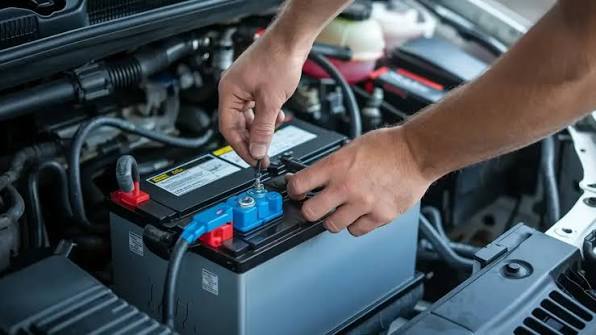
Top 10 Best Car Battery Brands in India in 2027
Car batteries play an essential role in a vehicle’s electrical and starting systems. From starting the engine and powering headlights to supporting infotainment systems, air conditioning controls, electronic sensors and other onboard equipment, a reliable battery is necessary for the smooth functioning of modern cars. With vehicles increasingly incorporating advanced electronics, start-stop technology, automatic transmission systems and sophisticated safety features, choosing the right battery has become more important than ever.
The Indian automotive battery market offers a wide range of options, including conventional lead-acid batteries, maintenance-free batteries, enhanced flooded batteries and advanced absorbed glass mat batteries. Different manufacturers cater to different vehicle categories, driving conditions and customer requirements. Factors such as battery capacity, cold cranking performance, reserve capacity, warranty, durability, maintenance requirements and after-sales support are important when evaluating a car battery.
India’s diverse climate and driving conditions also influence battery performance. High temperatures, frequent traffic congestion, short-distance driving and long periods of vehicle inactivity can affect battery life. Consequently, motorists should consider not only the purchase price but also the battery’s compatibility with their vehicle, its expected service life and the availability of replacement and warranty support.
Some of the established names in this segment include Exide, Amaron, Tata Green Batteries, SF Sonic, Bosch, Livguard, Luminous, HBL, ACDelco and Yuasa. These brands offer different battery technologies and product ranges for passenger cars and other automotive applications.
1. Exide
Exide is one of India’s most established automotive battery manufacturers, with a long-standing presence in the passenger vehicle, commercial vehicle and industrial battery segments. The company has built its reputation through a broad automotive battery portfolio, an extensive distribution network and a strong presence in the replacement market. Its products cater to several vehicle categories, ranging from small hatchbacks and sedans to SUVs and commercial vehicles. Exide is particularly relevant for Indian motorists who prioritise product availability, established service infrastructure and multiple battery options.
Exide offers different automotive battery series designed to meet varying vehicle requirements. Its Matrix, Mileage, EPIQ and other automotive ranges provide choices across different capacities and performance requirements. These products are designed to deliver reliable engine starting, electrical power and operational stability under regular driving conditions. The company’s maintenance-free battery offerings are particularly useful for motorists who prefer convenience and do not want to undertake frequent electrolyte-level checks. Depending on the product category, customers can also find batteries with different warranty structures and replacement arrangements.
The company’s automotive batteries are designed to support the electrical demands of modern passenger vehicles, including ignition systems, headlights, air conditioning, infotainment equipment and other electrical accessories. Buyers can select batteries according to their vehicle’s original equipment specifications, including ampere-hour capacity, terminal configuration and physical dimensions. Exide also has options for different vehicle applications, making it a widely recognised name in the Indian automotive replacement market.
One of Exide’s significant advantages is its distribution and service reach. Battery replacement often requires immediate assistance, particularly when a vehicle refuses to start unexpectedly. A well-established dealer and service network can make battery testing, replacement, installation and warranty-related assistance more convenient. Exide’s presence across India’s automotive retail ecosystem makes it a familiar choice for individual car owners as well as workshops and fleet operators.
Exide is suitable for motorists looking for an established battery manufacturer with a wide product portfolio and accessible replacement support. However, customers should compare individual battery models rather than assuming that every product offers identical performance or warranty coverage. The correct battery capacity, technology and compatibility with the vehicle should remain the primary considerations.
2. Amaron
Amaron, the automotive battery brand associated with Amara Raja Energy and Mobility, is another prominent name in India’s replacement battery market. The brand is widely recognised for its maintenance-free automotive batteries and emphasis on durability, starting performance and convenience. Its product portfolio caters to a broad range of passenger vehicles, including hatchbacks, sedans, utility vehicles and SUVs. Amaron has developed a strong consumer presence through its automotive battery offerings and distribution partnerships.
The company offers multiple battery series, including Amaron GO, Amaron PRO and other automotive product lines. These ranges are designed to address different vehicle requirements and customer preferences. Amaron GO caters to everyday automotive applications, while the PRO range offers options for customers looking for batteries suited to particular vehicle specifications and electrical requirements. The availability of different capacities allows buyers to identify a compatible battery for their car without necessarily moving to a more expensive category.
A notable feature of Amaron’s automotive battery portfolio is its focus on maintenance-free technology. Such batteries are designed to reduce the need for routine electrolyte topping and make ownership more convenient. This can be particularly useful for urban motorists who frequently drive in congested conditions and prefer a battery that requires minimal regular attention. The brand also focuses on corrosion resistance, dependable starting power and battery construction suited to Indian operating conditions.
Amaron batteries are relevant for vehicles with different electrical requirements, although the precise model must be selected according to the manufacturer’s specifications. A battery with an inadequate capacity or incorrect terminal arrangement can create operational problems even when it belongs to a reputed brand. Therefore, customers should check the recommended ampere-hour rating, dimensions, polarity and starting requirements before purchasing.
Warranty is another important consideration when comparing Amaron products. Different models may have different free-replacement and pro-rata warranty periods. Customers should understand the distinction between the free-replacement period and the subsequent pro-rata coverage, if applicable. The purchase invoice, warranty registration and installation documentation should also be retained.
Amaron is a suitable option for motorists seeking maintenance-free convenience, a recognised automotive battery brand and a choice of products across different passenger vehicle categories. Its presence in the replacement market also makes it a familiar option for workshops and battery retailers.
3. Tata Green Batteries
Tata Green Batteries is an established automotive battery brand associated with Tata AutoComp Systems and Japan’s GS Yuasa. The brand benefits from the automotive industry experience of its parent organisations and focuses on supplying batteries for passenger vehicles, commercial vehicles and other automotive applications. Its presence in India’s replacement battery market makes it a relevant option for car owners looking for alternatives to the country’s largest battery manufacturers.
Tata Green’s automotive portfolio includes product categories such as Silver and Premio, among other battery offerings. These ranges cater to different vehicle requirements and capacity specifications. The products are designed to provide starting power and support the electrical systems of vehicles under regular operating conditions. Depending on the application, buyers can find batteries suitable for smaller passenger cars as well as larger vehicles with higher electrical requirements.
A key consideration in Tata Green’s product positioning is its focus on battery construction and performance under varied driving conditions. Indian motorists frequently encounter rough roads, high ambient temperatures, heavy traffic and irregular driving patterns. Battery construction, vibration resistance, charging behaviour and thermal performance can all influence service life under these conditions. Tata Green’s association with GS Yuasa also brings international battery manufacturing experience into its product portfolio.
The brand offers options across different capacities, allowing customers to select products according to the original specifications of their vehicles. This is particularly important because a small hatchback and a diesel SUV may have significantly different starting and electrical requirements. Customers should not select a battery merely on the basis of its physical appearance or price. The recommended capacity, dimensions and terminal arrangement must be checked before installation.
Tata Green also competes in the value and mid-range segments of the automotive battery market. This provides customers with additional choices when comparing purchase price, warranty coverage and product specifications. Its automotive presence is supported by distribution and retail channels that help customers access batteries and replacement services.
For buyers who want an established Indian automotive battery brand with an international technology association, Tata Green is worth considering. Its product range offers options for different vehicle categories, while the backing of Tata AutoComp and GS Yuasa strengthens its position in the automotive battery segment.
4. SF Sonic
SF Sonic is a recognised automotive battery brand in India and operates within the Exide Industries ecosystem. It has developed a presence in the replacement market by offering batteries for passenger vehicles, commercial vehicles and other automotive applications. The brand is associated with practical performance, starting power and product options across different vehicle categories.
The company’s automotive portfolio includes the Flash Start range and other batteries designed for different vehicle capacities. These products are intended to provide the electrical power required for engine starting and regular vehicle operation. Different models cater to different battery specifications, making it important for customers to identify the correct product for their particular car.
SF Sonic batteries are relevant for motorists who want an alternative within the established Exide battery ecosystem. Its products are available through automotive battery retailers and replacement channels, helping customers access batteries for common vehicle applications. The brand’s market positioning also makes it a consideration for customers comparing the purchase price and warranty arrangements of different battery manufacturers.
A car battery must deliver sufficient cranking power to start the engine, particularly in vehicles with larger engines or diesel powertrains. SF Sonic’s automotive offerings cater to varying starting requirements through different capacity options. However, customers should compare the actual specifications of individual models instead of relying only on brand-level claims. Ampere-hour capacity, starting performance, reserve capacity and compatibility should be evaluated together.
The brand’s association with Exide also provides an established manufacturing and distribution ecosystem. This can be useful when customers need assistance with product selection, installation or warranty-related requirements. Buyers should nevertheless confirm the authorised dealer, manufacturing date and warranty terms before completing a purchase.
SF Sonic is an option for motorists who want a familiar automotive battery brand with a range of products for different vehicles. Its portfolio is particularly relevant to buyers comparing mainstream replacement batteries and looking for a balance between product availability, specifications and cost.
5. Livguard
Livguard has established itself as a significant participant in India’s battery market through its automotive, inverter and energy storage product categories. The brand is associated with SAR Group and has expanded its presence through a portfolio that caters to residential, commercial and automotive requirements. Its car battery range offers motorists additional choices in the replacement market, particularly when comparing maintenance requirements, warranty coverage and pricing.
Livguard’s automotive batteries are available in different capacities and product categories. Its Zing series is among the brand’s recognised battery offerings, with products designed to support engine starting and vehicle electrical systems. The brand focuses on maintenance convenience, battery performance and suitability for Indian driving conditions. Different models are intended for different vehicle specifications, allowing customers to choose according to the requirements of their cars.
One of the important considerations when evaluating Livguard batteries is the availability of maintenance-free options. Such products are designed to reduce routine maintenance requirements and offer convenience to motorists who do not want to regularly monitor electrolyte levels. Battery technology and internal construction can influence charging efficiency, service life and performance, so buyers should examine the specifications of the exact model they intend to purchase.
Livguard also competes in a market where customers increasingly compare warranty duration and total ownership costs. A battery with a competitive purchase price may offer good value, but the warranty structure, replacement conditions and local service availability should also be considered. Buyers should check whether the advertised warranty includes a free-replacement period, pro-rata coverage or other conditions.
The brand’s wider battery business provides it with experience across different energy storage applications. However, automotive batteries have specific starting and charging requirements and should not be confused with inverter or stationary storage batteries. Customers should select only products specifically designed and approved for their vehicle category.
Livguard is worth considering for motorists who want another established option in the Indian automotive battery market. Its product variety, maintenance-oriented offerings and competitive positioning make it relevant for customers comparing mainstream car battery brands.
6. ACDelco
ACDelco is an automotive components and replacement parts brand with an established international presence. It is associated with General Motors and offers products across several automotive categories, including batteries, filters, lubricants and other replacement components. In India, ACDelco batteries are available through automotive retail and distribution channels and provide another option for customers looking for replacement batteries for passenger vehicles.
The brand’s automotive battery portfolio includes maintenance-free battery options designed for different vehicle applications. Its HMF battery range is among the products available in the Indian market. These batteries are designed to provide the starting power required by passenger vehicles and support their electrical systems. Different capacities and specifications are available depending on the particular model and application.
Maintenance-free construction is an important aspect of ACDelco’s battery offerings. Such batteries are designed to minimise the need for regular electrolyte maintenance and provide convenience during everyday use. This is particularly useful for motorists who use their cars for daily commuting and prefer products that require limited routine attention. The battery’s ability to maintain dependable starting performance, however, depends on its specifications, vehicle compatibility and overall operating conditions.
ACDelco batteries can be considered by owners of different passenger vehicle categories, provided that the selected model meets the vehicle manufacturer’s recommended requirements. Buyers should examine the battery’s ampere-hour rating, physical dimensions, terminal configuration and warranty conditions. They should also verify the manufacturing date and ensure that the product has been purchased from an authorised or reliable dealer.
An important factor for customers considering ACDelco is the availability of replacement and warranty assistance in their locality. International brand recognition does not automatically guarantee identical service coverage across every Indian city. Customers should confirm the authorised distribution channel and understand the warranty claim process before purchasing.
ACDelco is a useful alternative for buyers comparing maintenance-free automotive batteries from different manufacturers. Its association with the wider automotive components industry and its range of replacement battery products make it a brand worth examining when selecting a suitable battery for a passenger car.
7. Okaya
Okaya is an Indian battery and energy solutions brand that has developed a presence across multiple battery categories. The company is known for its involvement in automotive, inverter and other energy storage products. Its automotive battery offerings provide customers with additional options in the Indian replacement market, particularly those looking for competitive products across different vehicle requirements.
Okaya’s Wheelz range is associated with its automotive battery segment. The brand’s product portfolio includes batteries intended for vehicle starting and electrical support. Different specifications are available for different automotive applications, making it important for customers to check the exact compatibility of a particular model before purchasing.
Battery performance depends on several factors, including the quality of internal components, plate construction, charging behaviour and the ability to withstand temperature variations. In India, batteries are exposed to challenging conditions, particularly in cities where vehicles spend considerable time in traffic and experience repeated starting cycles. A suitable automotive battery should be able to provide consistent starting performance while supporting the electrical requirements of the vehicle.
Okaya’s presence in the wider Indian battery industry gives it an established position among alternative battery brands. Customers comparing replacement batteries can examine its available models alongside those from Exide, Amaron, Tata Green and Livguard. Price, capacity, warranty and dealer support should be evaluated together rather than considering the purchase price alone.
Another important consideration is the availability of the correct battery specification for the vehicle. Different models of the same car can have different electrical requirements depending on the engine, transmission and equipment configuration. Buyers should consult the owner’s manual or an authorised service centre before selecting an Okaya battery. The replacement should match the original equipment requirements, especially when the vehicle uses a specialised battery technology.
Okaya is suitable for customers who want to explore alternatives in the domestic automotive battery market. Its Wheelz branding and broader battery industry presence make it a name worth considering when comparing available car battery products.
8. Bosch
Bosch is a globally recognised automotive technology and components manufacturer with a presence across vehicle systems, mobility solutions, electronics and aftermarket products. The company has built its reputation through automotive engineering and component manufacturing, serving vehicle manufacturers, workshops and replacement markets across several countries. Its battery-related offerings make it relevant to customers who are looking at internationally established automotive brands.
Bosch’s automotive battery portfolio includes different technologies and specifications for conventional vehicles and vehicles with more demanding electrical requirements. Depending on the market and product availability, its battery offerings include conventional starter batteries and advanced technologies such as absorbed glass mat and enhanced flooded batteries. These technologies are particularly relevant to modern vehicles equipped with start-stop systems and advanced electrical equipment.
AGM batteries use a glass-fibre separator to hold the electrolyte, supporting a design suited to particular demanding automotive applications. They are commonly used in vehicles requiring higher cycling capability and compatibility with specific start-stop systems. EFB batteries are an enhanced form of flooded battery technology designed to provide improved cycling performance compared with conventional flooded batteries. Both technologies have specific applications and are not interchangeable without checking the vehicle manufacturer’s requirements.
Bosch’s automotive engineering background is an important part of its brand identity. Modern vehicles depend on multiple electronic systems, including engine management, safety equipment, navigation, infotainment and driver assistance technologies. The battery must support the vehicle’s electrical architecture and charging system. Selecting the appropriate battery technology is therefore particularly important for vehicles equipped with advanced features.
However, availability of Bosch automotive batteries can differ across Indian locations and vehicle categories. Customers should confirm the availability of the exact battery model, its compatibility with the vehicle and the applicable warranty. Premium AGM and EFB batteries can also cost considerably more than conventional replacement batteries.
Bosch is worth considering particularly when a vehicle requires a specialised battery technology or a specific replacement specification. Buyers should prioritise compatibility and authorised installation rather than choosing a battery solely because of its international brand reputation.
9. Base
Base is an automotive battery brand available in India’s replacement market. It offers battery products for different vehicle applications and provides an additional choice for customers comparing alternatives to the country’s larger battery manufacturers. The brand is relevant to buyers looking at replacement batteries across different price categories and automotive requirements.
The automotive battery segment requires products that can deliver sufficient starting current while supporting the electrical equipment installed in a vehicle. Base batteries are offered through automotive retail channels for different applications. Customers should examine the specifications of the available models to determine whether a particular product is suitable for their vehicle.
One of the most important factors in choosing a Base battery is matching its capacity to the manufacturer’s recommended requirements. A vehicle’s battery specification depends on its engine size, fuel type, electrical equipment and original battery configuration. The ampere-hour rating alone does not provide a complete picture of battery suitability. Starting performance, reserve capacity, dimensions and terminal position also need to be considered.
Base can be included in comparisons for motorists who want to evaluate additional brands in the replacement battery market. However, buyers should carefully examine the warranty offered with the specific model. They should also confirm whether warranty support is available through the retailer or an authorised service channel in their city. The manufacturing date and condition of the battery should be checked before installation.
The purchase of a replacement battery should also include proper testing of the vehicle’s charging system. An alternator problem, loose electrical connection or parasitic power drain can cause repeated battery discharge. Replacing an otherwise functional battery without identifying the underlying problem may result in another premature failure.
Base is an option for customers who want to compare a wider selection of automotive battery brands. Its products should be assessed on their individual technical specifications, pricing, warranty and local availability.
10. Hella
Hella is an internationally recognised automotive technology brand known for lighting systems, electronic components and other vehicle-related products. The company has a long-standing association with the automotive industry and supplies technologies for original equipment manufacturers and the aftermarket. Its automotive product portfolio extends beyond lighting, making it a familiar name in the wider vehicle components segment.
Hella-branded battery products are available in certain automotive retail channels, although their availability and selection in India may be more limited than those of major domestic battery manufacturers. Customers should therefore verify the exact model, application and local distribution support before considering a purchase.
A car battery must provide dependable engine-starting power and support the electrical demands of the vehicle. Its performance is influenced by battery capacity, starting current, construction quality, charging compatibility and operating temperature. For this reason, the selection of a Hella battery should be based on the specifications required by the vehicle rather than the brand name alone.
Modern cars also have increasingly complex electrical systems. Electronic control units, security systems, infotainment equipment, sensors and other accessories require a stable electrical supply. Vehicles equipped with start-stop technology may require specialised battery systems that can withstand repeated charge and discharge cycles. Customers should check whether the particular Hella battery is designed for conventional starting applications or a more advanced electrical configuration.
Warranty and after-sales support are especially important when considering a brand with a more limited replacement presence in certain locations. Buyers should verify the warranty documentation, dealer authorisation, replacement arrangements and availability of the correct model. They should also confirm that the product is intended for the Indian market and is compatible with the vehicle’s charging system.
Hella is an additional name for motorists exploring international automotive component brands. Its inclusion in the battery comparison makes it important to distinguish between overall automotive brand reputation and the actual availability and specifications of individual battery products.
Important Factors to Consider Before Buying a Car Battery
Choosing a car battery requires more than comparing manufacturers and prices. A battery must be compatible with the vehicle’s engine, electrical architecture and charging system. Even a reputed manufacturer may offer several battery models, and not every model will be appropriate for every car. Buyers should therefore consider the following factors before making a purchase.
Battery Capacity
Battery capacity is generally measured in ampere-hours (Ah). It indicates the amount of electrical charge a battery can supply over a specified period under defined testing conditions. Passenger vehicles have different battery capacity requirements depending on engine size, fuel type and electrical equipment. Small hatchbacks may use batteries with lower capacities, while larger SUVs and diesel vehicles may require higher-capacity options.
The owner’s manual or original battery specification should be consulted before purchasing a replacement. Selecting a battery with an unsuitable capacity can affect performance and compatibility. Customers should also consider the vehicle manufacturer’s recommended starting-current specifications.
Cold Cranking Amps
Cold Cranking Amps (CCA) indicate a battery’s ability to deliver starting current under specified low-temperature testing conditions. This measurement is particularly relevant in colder regions, where starting an engine can become more difficult because engine oil becomes more viscous and chemical reactions within the battery slow down.
Although Indian cities generally experience warmer temperatures, CCA remains an important specification when comparing automotive batteries. Diesel engines and vehicles with higher starting requirements may need batteries capable of delivering sufficient cranking current. Customers should follow the vehicle manufacturer’s recommended rating rather than selecting an arbitrary higher figure.
Reserve Capacity
Reserve capacity refers to the amount of time a fully charged battery can supply a specified electrical load under standardised testing conditions. It is an important consideration because a vehicle may continue to require electrical power when the alternator is not supplying sufficient output.
A battery with appropriate reserve capacity can provide additional support for essential electrical systems in certain situations. However, reserve capacity should not be treated as a substitute for a properly functioning alternator or charging system.
Maintenance Requirements
Automotive batteries are available in different maintenance categories. Conventional flooded batteries may require periodic electrolyte-level checks and topping up with distilled water, where specified by the manufacturer. Maintenance-free batteries are designed to minimise routine maintenance requirements and are popular among modern car owners.
Maintenance-free construction offers convenience, particularly for people who use their cars regularly and do not want to undertake frequent battery maintenance. However, maintenance-free does not mean that a battery never needs inspection. Terminal corrosion, loose connections, charging problems and physical damage should still be checked periodically.
Battery Technology
Conventional flooded lead-acid batteries remain widely used in Indian passenger vehicles. However, modern cars may require enhanced flooded batteries or absorbed glass mat batteries, depending on their electrical systems and start-stop functionality.
EFB batteries are designed to provide improved cycling performance compared with conventional flooded batteries. AGM batteries use an absorbent glass-mat separator and are designed for particular demanding applications, including vehicles with advanced start-stop systems.
Customers should never replace an AGM battery with a conventional flooded battery simply because the latter is cheaper. The replacement technology must meet the original equipment requirements of the vehicle.
Warranty Coverage
Warranty is one of the most important considerations when purchasing a car battery. Manufacturers offer different warranty structures depending on the model, battery technology and capacity. Some batteries have a free-replacement period followed by pro-rata coverage, while others have different arrangements.
Customers should carefully read the warranty terms before purchasing. They should understand what happens if the battery fails during the warranty period and whether replacement is provided without additional payment or subject to a pro-rata calculation.
The purchase invoice, warranty card and registration details should be retained. Buyers should also confirm whether warranty claims can be processed through a nearby authorised dealer.
Manufacturing Date
Battery age is another important factor. A battery may lose some of its charge during prolonged storage, depending on its construction and storage conditions. Purchasing a recently manufactured battery from a reliable retailer is generally preferable to selecting an older product that has remained in inventory for an extended period.
Customers should inspect the manufacturing date, product condition and warranty activation details before accepting the battery. The battery should also be checked for signs of damage, leakage or improper storage.
After-Sales Support
After-sales service can significantly influence the overall ownership experience. A battery may require testing, replacement or warranty assistance during its service life. Therefore, customers should consider the availability of authorised dealers, installation facilities and customer support in their city.
Brands with established distribution networks can make it easier to access replacement products and warranty assistance. However, service availability should be checked locally rather than assumed to be identical across the country.
Conclusion
The Indian car battery market offers several established manufacturers catering to different vehicle categories, performance requirements and budgets. Exide and Amaron remain prominent choices for motorists looking for established automotive battery manufacturers and extensive replacement-market presence. Tata Green and SF Sonic provide additional options, while Livguard and ACDelco cater to customers comparing maintenance-free products and alternative battery ranges. Okaya, Bosch, Base, Hella and Dynex further expand the choices available to Indian motorists.
Ultimately, the best car battery depends on the vehicle’s original specifications, battery technology, driving conditions and local service availability. Buyers should compare capacity, cranking performance, reserve capacity, warranty coverage and manufacturing date before making a decision. Choosing a compatible battery from a reliable manufacturer and ensuring professional installation can help improve starting reliability and reduce unexpected vehicle breakdowns.