
Top 10 Best Buy Now Pay Later Companies in India in 2027
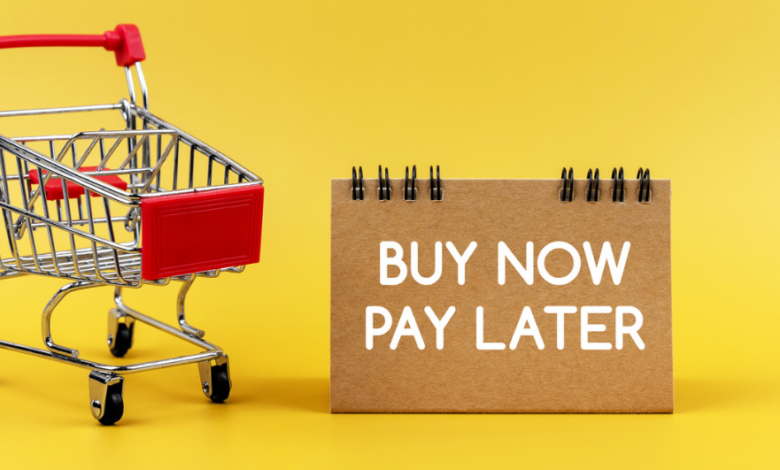
Buy Now Pay Later (BNPL) has become an increasingly popular payment option in India’s digital commerce and consumer finance sectors. It allows customers to purchase products and services immediately while postponing payment or dividing the purchase amount into smaller instalments. Instead of paying the entire amount upfront, eligible consumers can access short-term credit through digital platforms, banks and non-banking financial companies.
The growing popularity of online shopping, UPI payments, smartphones and digital lending has contributed to the expansion of flexible payment solutions. E-commerce platforms, electronics retailers, travel companies, food delivery services and other merchants have explored BNPL facilities to provide customers with additional payment flexibility.
India’s BNPL industry has also undergone significant changes following regulatory developments. The Reserve Bank of India’s digital lending framework has increased the importance of regulated banks and NBFCs in providing consumer credit. Consequently, customers must consider the actual lending institution, interest rates, repayment schedules, processing fees and other conditions before selecting a pay-later service.
Several companies operate dedicated BNPL products, while others provide short-term credit lines, cardless EMI financing and checkout-based consumer loans. Although these products have different structures, they serve the broader requirement of making purchases more affordable through deferred payments.
1. Amazon Pay Later – Axio
Amazon Pay Later, powered by Axio, is one of the prominent buy now pay later offerings in India’s e-commerce sector. It enables eligible Amazon customers to purchase products without making an immediate payment and settle their outstanding bills later. Axio, formerly known as Capital Float, is a digital lending company specialising in consumer credit, checkout financing and other digital financial services. Amazon completed its acquisition of Axio in September 2025 after receiving regulatory approval, strengthening its position in India’s digital lending ecosystem.
The service is integrated directly into the Amazon shopping experience, making it convenient for customers who regularly purchase electronics, smartphones, household appliances, fashion products, groceries and other merchandise through the platform. Once an eligible customer completes registration and KYC verification, Amazon Pay Later becomes available as a payment option during checkout. Customers can use the sanctioned credit facility to complete eligible purchases without entering credit card details. The facility generally provides options to pay the outstanding amount in the following month or convert eligible purchases into monthly instalments.
One of the important features of Amazon Pay Later is its consolidated billing system. Purchases made during a billing cycle are reflected in the customer’s account, with repayment generally scheduled for the fifth day of the following month. Customers can monitor transactions, repayment schedules, outstanding balances and other account information through the Amazon application. The service also offers EMI options for eligible transactions, with tenures depending on the applicable offer and purchase value.
Axio’s lending infrastructure supports credit assessment, loan servicing and repayment management. The company uses customer information, KYC documentation and credit bureau records to determine eligibility and the credit limit that can be sanctioned. The actual credit facility is subject to the lender’s assessment rather than being automatically available to every Amazon customer. Depending on the applicable arrangement, Axio may also work with banking partners to fund the facility.
Amazon Pay Later is particularly useful for consumers who prefer an integrated shopping and payment experience. Customers do not have to move between multiple applications to complete a purchase, check their outstanding balance or review repayment information. However, users should examine the applicable interest rate, EMI charges, repayment dates and other conditions before accepting a credit facility. Its combination of e-commerce integration, digital onboarding and established lending infrastructure makes it an important participant in India’s BNPL market.
2. LazyPay – PayU
LazyPay is a digital credit and deferred payment platform operated within the PayU financial services ecosystem. It has developed a presence in India’s digital payments market by providing short-term credit and flexible repayment options for online purchases. The platform is designed to simplify transactions for customers who want to complete purchases immediately and settle the amount later rather than paying the entire bill upfront.
LazyPay provides a checkout-based payment experience across participating online merchants. Its merchant ecosystem has covered categories such as food delivery, grocery shopping, entertainment, travel, fashion and other consumer services. Customers can select LazyPay at supported checkout pages, subject to availability and their individual credit eligibility. This integration makes the service useful for consumers who frequently make smaller digital purchases across different platforms.
An important feature of LazyPay is its short-term pay-later facility. Eligible users can receive a sanctioned credit limit and use it for supported transactions. Depending on the product and customer eligibility, repayment may be scheduled through a 15-day or 30-day billing cycle. Customers can review their transactions, outstanding dues and repayment requirements through the application. The platform also offers longer-duration financing through products such as LazyPlus, which provides credit for eligible merchant transactions and EMI-based purchases.
PayU Finance plays an important role in the lending structure behind LazyPay. Its product disclosures describe LazyPlus as a sanctioned transactional credit facility provided by PayU Finance, with the LazyPay application functioning as the digital lending interface. The disclosed product structure includes repayment options that can extend beyond a simple next-billing-cycle arrangement, depending on the facility selected. Interest rates, processing fees and repayment schedules vary according to the specific credit product.
LazyPay’s technology-led approach is intended to make credit accessible at the point of purchase. Customers can complete eligible transactions without using a conventional credit card, while merchants can offer another payment option to shoppers. Its established payment infrastructure and integration with online businesses give it relevance across several consumer categories.
The platform is also useful for customers who want to track their short-term credit obligations digitally. Nevertheless, users should distinguish between interest-free deferred payments and interest-bearing credit or EMI facilities. The two products may have different costs, eligibility conditions and consequences for delayed repayment. Customers should examine the applicable loan agreement and Key Fact Statement before accepting an offer. LazyPay remains a significant name in India’s digital consumer financing industry because of its merchant integrations and its association with PayU’s lending operations.
3. Flipkart Finance – Flipkart Pay Later
Flipkart Finance has expanded the Flipkart Group’s presence in consumer lending through its digital financing products. Its Flipkart Pay Later offering provides customers with flexible repayment options integrated into the group’s shopping ecosystem. The service is designed to make purchases more accessible by allowing eligible shoppers to defer payments or divide purchase amounts into instalments.
Flipkart Pay Later was introduced as a new credit offering in July 2026, with PayU Finance serving as its initial lending partner. The service is integrated across Flipkart, Myntra and Flipkart Minutes, bringing deferred payment facilities to different shopping categories. Customers can use the available credit options for eligible everyday purchases as well as selected higher-value products.
The product offers three principal repayment arrangements. The first is a pay-later facility that provides up to 30 days for repayment. The second is a Pay in 3 option, which divides eligible purchases into three payments. The third is an EMI facility with repayment periods ranging from three to twelve months for eligible purchases. The availability of each option depends on the transaction, customer’s credit eligibility and applicable lending terms.
One of the important aspects of Flipkart Pay Later is its integration with the group’s wider digital commerce infrastructure. Consumers can access financing while shopping rather than arranging a separate loan before making a purchase. The service is relevant to categories such as smartphones, electronics, home appliances, fashion, furniture, beauty and general merchandise. The integration with Myntra also extends its potential reach into fashion and lifestyle purchases, while Flipkart Minutes provides access to eligible transactions in quick commerce.
Flipkart Finance uses commerce-related information and customer relationships as part of its broader credit infrastructure. The company’s approach combines the shopping platform’s transaction ecosystem with lending expertise from financial partners. PayU Finance, as the initial lending partner, provides the regulated lending component, while Flipkart Finance manages the customer-facing commerce and credit experience.
The service is designed to simplify checkout and offer repayment flexibility to eligible customers. However, the terms of a 30-day credit facility are different from those of an EMI loan. Customers should check whether an option carries interest, processing charges, convenience fees or other costs. They should also understand the consequences of missing repayment deadlines.
Flipkart Pay Later is relevant to the changing Indian BNPL market because it connects consumer credit directly with one of the country’s large e-commerce ecosystems. Its presence across multiple group platforms provides opportunities for customers to access flexible financing in different shopping categories without having to navigate a completely separate payment application.
4. Paytm Postpaid – One 97 Communications
Paytm Postpaid is a digital credit offering from One 97 Communications, the company behind the Paytm payment application. The product provides eligible customers with access to a short-term credit line that can be used for UPI transactions and supported online payments. Unlike traditional checkout-based BNPL services that are restricted to selected merchants, its credit-line-on-UPI structure is designed to provide wider payment flexibility.
Paytm introduced its updated Postpaid offering in September 2025 in partnership with Suryoday Small Finance Bank. The facility uses the UPI ecosystem to enable customers to make payments through participating merchant QR codes and online platforms. Customers can activate the service through the Paytm application, subject to eligibility and the lender’s approval.
One of the central features of Paytm Postpaid is the ability to spend using a sanctioned credit limit and repay the outstanding amount in the following billing cycle. The offering advertises up to 30 days of interest-free credit, although a convenience fee may apply to transactions. The credit limit is determined by the lending institution and individual customer eligibility. Paytm’s published product information also describes limits that can extend up to Rs. 1 lakh for eligible customers.
The facility can be useful for customers who regularly make payments through UPI. For example, an eligible user may be able to scan a merchant QR code, complete a purchase and repay the amount later rather than immediately deducting the money from a savings account. It can also be used for eligible online transactions and other supported payment categories.
Paytm provides the digital interface through which customers activate the facility, make payments and monitor their outstanding amounts. Suryoday Small Finance Bank provides the credit facility. This distinction is important because Paytm functions as the technology and customer-facing platform, while the regulated lending institution is responsible for the underlying credit arrangement.
The service also supports repeat usage, allowing customers to repay their outstanding balance and access the available credit line again, subject to the terms of the facility. Its integration with UPI gives it a different positioning from BNPL services that operate only within a specific e-commerce marketplace.
Customers should understand the applicable convenience fee before using the service. Interest-free credit does not necessarily mean that every transaction is completely free of charges. They should also ensure that the monthly bill is paid within the specified period because delayed payments can attract charges and affect credit records. Paytm Postpaid is an important development in India’s consumer financing market because it combines digital payments with short-term bank-backed credit.
5. HDFC Bank – FlexiPay
HDFC Bank is one of India’s established private-sector banks and offers several digital banking and consumer financing facilities. Its FlexiPay product provides a buy now pay later arrangement through which eligible customers can access short-term credit for supported online purchases. The service is designed primarily for existing HDFC Bank customers who have received a pre-approved credit offer.
FlexiPay provides a digital credit facility that allows customers to complete eligible purchases without paying the full amount immediately. The facility is available through participating merchant checkout pages, where customers can select HDFC Bank FlexiPay as their payment method. Its integration with existing banking relationships makes the service relevant to customers who already maintain savings or current accounts with the bank.
The product offers repayment periods of 15, 30, 60 and 90 days. The 15-day option is advertised as a no-extra-cost facility, while the longer repayment periods carry interest. HDFC Bank’s published pricing information specifies an annual interest rate of 28% for the 30-day, 60-day and 90-day options. Customers should check the applicable repayment structure because interest and principal may be collected at different points during the selected tenure.
Another feature is the relatively straightforward activation process for eligible customers. Users can select FlexiPay during checkout, enter their registered mobile number, verify their details using an OTP and complete the transaction according to the bank’s instructions. The amount utilised is linked to the customer’s sanctioned credit facility.
The bank’s published product information describes a credit limit ranging from Rs. 1,000 to Rs. 20,000. This makes FlexiPay more suitable for smaller purchases and short-term payment requirements than large-ticket consumer financing. The product is not universally available to all customers because eligibility depends on the bank’s internal assessment and pre-approved offers.
Repayment is generally collected through the customer’s linked HDFC Bank savings or current account. This arrangement can simplify the process for people who prefer automatic repayment rather than manually settling bills through separate applications. However, customers should maintain adequate account balances to prevent failed auto-debit transactions and additional charges.
FlexiPay is particularly relevant to consumers who want a short repayment window and already have an established banking relationship with HDFC Bank. Its direct banking integration provides an alternative to independent BNPL applications. Customers should nevertheless evaluate the interest rate, applicable penalties and pre-closure conditions before using the facility.
6. Bajaj Finance – Insta EMI Card
Bajaj Finance is one of India’s major consumer financing companies, with an extensive presence in retail lending, consumer durable financing and personal loans. Its Insta EMI Card, also known as the EMI Network Card, is a popular financing product that allows eligible customers to purchase products and repay the amount through monthly instalments. Although it is not a conventional short-term BNPL product, it competes in the same flexible consumer financing segment by allowing purchases without requiring customers to pay the entire amount upfront.
The Insta EMI Card is designed for customers who want to finance purchases across online and offline merchant networks. It can be used for eligible products such as smartphones, laptops, televisions, refrigerators, washing machines, furniture, kitchen appliances and other consumer durables. Bajaj Finance has developed an extensive merchant network, allowing customers to access financing at participating retail outlets and online shopping platforms.
One of its important features is the availability of pre-approved financing limits. Eligible customers can receive a sanctioned purchase financing facility of up to Rs. 6 lakh, depending on their credit profile and the company’s assessment. This provides flexibility for both smaller purchases and higher-value consumer products. Customers can select an available repayment tenure depending on the product, merchant and financing scheme.
The Insta EMI Card supports repayment periods ranging from three to 60 months under applicable financing arrangements. Selected products and merchant offers may also provide zero-down-payment or no-cost EMI facilities. Under a no-cost EMI arrangement, the interest component is generally adjusted through the applicable merchant discount or promotional structure. Customers should examine the final transaction amount and repayment schedule rather than assuming that every purchase is automatically interest-free.
Bajaj Finance has also invested in digital customer onboarding and account management. Customers can apply for the facility through the company’s digital platform, complete identity verification and access their available financing details. Once activated, the card can be used at participating merchants without requiring a conventional credit card.
Another important advantage is the company’s established presence in consumer durable financing. Its financing network covers thousands of cities and a substantial number of retail partners. This makes the product relevant to customers who prefer purchasing electronics and household appliances from physical stores rather than relying exclusively on online shopping.
The Insta EMI Card also offers repayment management features that allow customers to monitor their outstanding loans and instalment schedules. However, customers should review joining fees, processing charges, foreclosure conditions and other applicable expenses. A zero-down-payment offer does not necessarily mean that a loan is completely free of additional charges.
Bajaj Finance is an important participant in India’s buy now pay later and consumer financing industry because of its established lending operations, extensive distribution network and ability to finance purchases across multiple categories. Its Insta EMI Card is particularly relevant for consumers seeking longer repayment periods and financing options beyond conventional short-term BNPL facilities.
7. Fibe – E-commerce Pay Later
Fibe, formerly known as EarlySalary, is an Indian digital lending and consumer finance company that provides personal loans, EMI financing and other credit products. The company has developed its digital lending platform around simplified loan applications, technology-based credit assessment and flexible repayment arrangements. Its expansion into e-commerce financing has brought it into India’s growing buy now pay later market.
Fibe introduced its e-commerce Pay Later offering through a strategic partnership with Flipkart in January 2026. The integration allows eligible Flipkart customers to access financing at checkout and purchase products without paying the entire amount immediately. The product extends Fibe’s consumer credit capabilities into online shopping, providing another payment option to customers who may not have access to traditional credit cards.
The company’s e-commerce Pay Later facility is designed to make online purchases more manageable through instalment-based repayment. Customers can select the financing option where it is available, complete the required verification and repay the purchase according to the approved loan schedule. The service does not require customers to possess a credit card, making it relevant to people who prefer digital financing through bank-account-based repayment arrangements.
Fibe’s wider financing ecosystem includes purpose-driven loans and EMI facilities for categories such as healthcare, education, travel and other consumer requirements. Its purpose-driven financing products allow eligible customers to access funding for selected services and repay the amount through monthly instalments. Depending on the product, the financing amount can extend to Rs. 10 lakh, with repayment tenures of up to 36 months.
The company’s digital infrastructure is another important aspect of its operations. Customers can access loan-related information through its application, complete digital verification and monitor repayment schedules. Its lending arrangements involve regulated financial institutions that sanction and provide loans, depending on the specific product and partnership.
Fibe’s focus on customer onboarding and digital credit assessment is intended to simplify access to consumer finance. The platform is particularly relevant to salaried individuals seeking financing for purchases without relying on conventional credit cards. Its e-commerce integration also provides merchants with another financing option to offer eligible shoppers.
The company has reported substantial activity across its broader lending business. Its published company information indicates that it had served more than 3.3 million customers and disbursed over Rs. 48,000 crore in loans by March 2026. These figures relate to its overall lending operations rather than its e-commerce BNPL product alone.
Customers considering Fibe should understand that its Pay Later facility may operate differently from a simple 30-day deferred payment arrangement. Depending on the offer, the transaction may be structured as a loan with monthly instalments, interest or processing charges. Reviewing the applicable loan documents and repayment obligations is therefore essential.
Fibe’s combination of digital lending experience, merchant partnerships and consumer financing products makes it a notable company in India’s flexible payment market. Its e-commerce expansion also demonstrates how established digital lenders are increasingly entering checkout-based consumer financing.
8. Snapmint – Snapmint Financial Services
Snapmint is an Indian fintech company specialising in consumer purchase financing and EMI-based shopping. Its business model focuses on helping customers purchase products without requiring them to pay the entire amount upfront or necessarily possess a traditional credit card. The company operates through Snapmint Financial Services Private Limited, an RBI-registered non-deposit-taking NBFC, which provides financing for eligible consumer purchases.
Snapmint offers a digital platform through which customers can access financing for smartphones, electronics, fashion products, furniture, household appliances, kitchen equipment and other merchandise. Its shopping and financing ecosystem includes a broad selection of participating brands and merchants. The company has positioned its services around affordability and flexible instalment payments, particularly for consumers who prefer using digital payment methods.
One of its key features is cardless EMI financing. Customers can select an eligible product, choose Snapmint as the financing option at a participating merchant and complete the required verification. Depending on the transaction and customer eligibility, the purchase can be converted into monthly instalments. This allows customers to finance purchases without depending on an existing credit card limit.
The platform also promotes zero-down-payment and no-cost EMI options on selected products. Such offers can make higher-value purchases more manageable by distributing the payment over several months. However, these offers are subject to merchant arrangements, product eligibility and the applicable loan terms. Customers should verify the final payable amount and any processing charges before accepting the financing arrangement.
Snapmint’s technology infrastructure is designed to support digital customer onboarding and credit assessment. The company uses technology and data analytics to assess customers, including individuals with limited formal credit histories. Its objective is to simplify the purchase financing process and extend credit access to consumers who may not be adequately served by traditional banking products.
The company also provides a wider range of financial products, including personal loans and other secured and unsecured financing facilities. Its lending operations are supported by its NBFC structure, while its digital platform and merchant partnerships help customers access financing at the point of purchase.
Snapmint has also expanded its payment ecosystem through UPI-related services. Its application supports shopping-related financing and digital payment facilities, creating a more integrated experience for customers who prefer using UPI instead of credit cards.
For merchants, the platform provides an opportunity to offer instalment-based purchasing options to customers. Flexible financing can help reduce the immediate payment burden associated with expensive products and improve accessibility across different consumer categories.
Customers should evaluate the interest rate, processing fee, repayment tenure and late-payment conditions associated with each loan. The availability of no-cost EMI on one product does not guarantee that all purchases will carry the same financing terms.
Snapmint is a notable participant in India’s BNPL and cardless EMI market because it combines an NBFC lending structure with a digital shopping platform. Its focus on consumer durable financing, merchant integrations and customers who do not necessarily possess credit cards gives it a distinct position in the industry.
9. IDFC FIRST Bank – Digital Buy Now Pay Later Financing
IDFC FIRST Bank has expanded its digital lending ecosystem through partnerships with technology companies, e-commerce platforms and other financial service providers. Its consumer financing operations include buy now pay later facilities and digital lending arrangements that allow customers to access credit through partner applications.
The bank’s BNPL ecosystem is particularly relevant because it combines the regulated lending infrastructure of a banking institution with the digital distribution capabilities of consumer technology platforms. Instead of requiring customers to approach a bank branch for every financing requirement, the bank can offer eligible credit facilities through participating digital partners.
IDFC FIRST Bank’s digital lending partner disclosures identify companies including Flipkart Advanz, One MobiKwik Systems and Amazon Pay India in its BNPL category. Under these arrangements, the partner platforms act as loan sourcing or service providers, while IDFC FIRST Bank provides the underlying credit facility. The exact product, availability and customer experience depend on the individual partnership.
The bank’s partnership with Flipkart is particularly relevant to e-commerce financing. Through the arrangement, eligible customers can access buy now pay later credit facilities through the partner platform. This enables customers to complete supported purchases and repay the borrowed amount according to the agreed terms.
Its relationship with MobiKwik also provides access to a digital consumer base through a familiar payment application. MobiKwik acts as a service provider for sourcing customers for the bank’s BNPL facility. The arrangement illustrates how digital wallets and payment applications can function as distribution channels for bank-backed consumer credit.
Another important aspect of IDFC FIRST Bank’s lending ecosystem is its focus on digital documentation and customer account management. Customers can access loan-related documents, sanction letters and repayment information through the bank’s digital banking services or the relevant partner platform. Its customer support infrastructure also provides channels for addressing loan closure, KYC and repayment-related concerns.
The bank’s wider consumer financing operations include consumer durable loans and other digital credit products. It has partnerships with platforms such as Flexmoney for consumer durable financing, providing additional access to instalment-based purchasing arrangements.
IDFC FIRST Bank’s role in BNPL is different from that of an independent fintech application. It provides regulated banking infrastructure and lending capabilities, while partner platforms manage customer acquisition and parts of the digital purchasing experience. This distinction is important when customers want to understand which institution is actually providing the loan.
The availability of BNPL facilities is subject to credit assessment, product eligibility and the specific partner arrangement. Customers should identify the lending bank before accepting a credit offer and review the applicable interest rate, repayment schedule and charges.
IDFC FIRST Bank is an important name in India’s digital consumer credit ecosystem because its partnerships extend BNPL financing across e-commerce, payment applications and consumer purchasing platforms. Its bank-backed lending model provides an alternative to standalone deferred payment services.
10. MobiKwik – ZIP and Digital Consumer Credit
MobiKwik is an Indian digital payments and financial services company that has developed an ecosystem covering mobile wallets, UPI payments, bill payments, investments and credit-related products. Its ZIP brand has historically been associated with buy now pay later services, allowing eligible customers to access short-term credit for purchases and repay the outstanding amount later.
MobiKwik’s original ZIP offering was designed to provide a convenient alternative to immediate payment. Customers could access an approved credit facility, complete eligible transactions and settle their outstanding bills according to the repayment schedule. The service was aimed at consumers who wanted short-term purchasing flexibility without necessarily relying on conventional credit cards.
Over time, the company has expanded its financial services business and developed a broader range of digital payment and credit-related offerings. Its ecosystem provides an integrated experience for customers who use the application for everyday payments, recharges, shopping and other financial transactions.
An important development in its consumer lending operations is its partnership with IDFC FIRST Bank. The bank’s digital lending partner disclosures identify One MobiKwik Systems Private Limited as a service provider for sourcing customers for its BNPL facility. Under this arrangement, IDFC FIRST Bank provides the underlying credit facility, while MobiKwik serves as the digital distribution platform.
This partnership is important because it reflects the increasing role of regulated financial institutions in India’s BNPL ecosystem. Rather than relying solely on a payment application to provide deferred payment services, customers can access credit through a banking institution operating within the applicable regulatory framework.
MobiKwik’s existing digital payment infrastructure provides a useful foundation for distributing financial products. Its customer-facing application allows users to access multiple payment services within a single platform. The integration of lending facilities into such an ecosystem can simplify the process of discovering and accessing credit for eligible consumers.
The company’s digital payment capabilities also provide merchants with access to a large base of consumers who are familiar with mobile-based transactions. This creates opportunities to combine payments, shopping and financing through a common interface.
However, customers should distinguish between the historical MobiKwik ZIP brand and currently available lending products. The availability of an individual ZIP facility should not be assumed merely because the company has maintained a presence in the digital payments market. Its current credit products, lending partners and eligibility conditions should be verified within the application before applying.
Customers should also review the actual lender’s name, interest rate, repayment obligations, processing charges and credit bureau reporting conditions. A digital wallet balance, a postpaid payment facility and a bank-funded BNPL loan are different financial products and should not be treated as interchangeable.
MobiKwik remains relevant to India’s flexible consumer payment ecosystem because of its established digital payments platform and its partnerships with regulated lenders. Its bank-backed lending arrangements demonstrate how payment companies can participate in the BNPL market without necessarily being the institution that directly provides the credit.
Conclusion
India’s buy now pay later industry is gradually evolving from a market dominated by standalone fintech applications into a more regulated consumer financing ecosystem involving banks, NBFCs, payment companies and e-commerce platforms. The availability of short-term credit at checkout has created additional purchasing flexibility, while EMI-based financing has made higher-value products accessible to a wider range of consumers.
Companies such as Amazon Pay Later, LazyPay and Flipkart Finance have integrated financing into online shopping experiences. Paytm has combined short-term credit with UPI payments, while Bajaj Finance and Snapmint have developed substantial consumer purchase financing businesses. Fibe, HDFC Bank, IDFC FIRST Bank and MobiKwik also participate through digital lending products and partnerships.
The distinction between conventional BNPL and EMI financing remains important. A 30-day deferred payment facility may have a different cost structure from a loan repayable over six or twelve months. Similarly, a no-cost EMI offer may involve merchant discounts or other commercial arrangements. Consumers should therefore compare the total repayment amount rather than relying only on promotional descriptions.
Regulatory compliance is another essential consideration. The Reserve Bank of India’s digital lending framework establishes requirements concerning regulated entities, lending service providers, borrower disclosures, creditworthiness assessment, loan servicing, data protection and grievance redressal. Customers should identify the actual bank or NBFC providing the credit and review the Key Fact Statement before accepting a loan.
BNPL facilities can also affect credit histories. Missed repayments, overdue balances and defaults may be reported to credit information companies, depending on the underlying credit arrangement. Customers should maintain sufficient funds for scheduled repayments and avoid using several credit facilities simultaneously without understanding their combined repayment obligations.
The future of India’s BNPL industry is likely to depend on responsible lending, transparent pricing, merchant partnerships and convenient digital experiences. Companies that combine accessible financing with sound credit assessment, reliable customer service and clear repayment conditions will remain important participants in the country’s evolving digital consumer finance market.