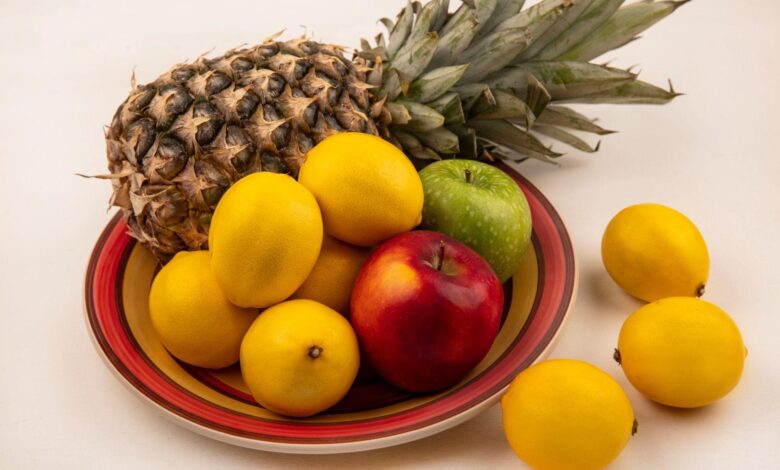
The summer is an ideal time to present children with colorful, refreshing fruits, which are healthy and very delicious. Healthy, naturally growing fruits consumed during hot summers keep the body well-hydrated and lively.
Most parents use summer season fruits in India to teach kids about nutrition, healthy eating, and the significance of seasonal foods. But how can you help make fruits more interesting to kids? By transforming them into learning experiences, discuss their colors, taste, and benefits while your child is consuming them.
Top summer fruits to educate children on nutrition
Which fruits would you offer your children first in the summer? Learning about nutrition can be fun by explaining the value of fruits while children continue eating them.
Mango
Mango is referred to as the “king of fruits” and is very popular among children. It includes vitamin A, vitamin C, and antioxidants, which support vision, support immunity, and give energy. The study of Indian nutritional habits reveals that the average fruit consumption is 15-29 g per day, which is below the recommended amount for good nutrition. Fruits such as mangoes can enhance your child’s nutrient level because they are rich in essential vitamins.
Watermelon
One of the refreshing summer fruits is watermelon. It contains more than 90% water, keeping children hydrated on hot days. It is also a source of vitamin C and antioxidants, which boost immunity and safeguard the body against heat fatigue.
Litchi
Litchi is a sweet and juicy fruit that children like. It contains vitamin C, potassium, and antioxidants that help in metabolism and immunity. Several studies also demonstrate that one in every ten adolescents who consume fruits and vegetables falls short of the recommendation, indicating a necessity to support and encourage early development of fruit eating.
Papaya
Papaya stimulates digestion because it is an enzyme-rich fruit, containing papain enzymes that aid in the digestion of food. It is also a source of fiber, vitamin A, and vitamin C, and maintains intestinal health and immunity. To make fruit bowls and fruit smoothies healthier, you can add papaya cubes, making them more exciting and nutritious snacks for children.
Muskmelon
Muskmelon is full of vitamin A, potassium, and hydrating nutrients. It is rich in water, which cools down the body and keeps children refreshed. During the hot summer, the chilled pieces of muskmelon can be a refreshing snack in the afternoons.
Jamun
Jamun is rich in iron and antioxidants, which help in the digestive system and overall health. However, on the other hand, the rich purple color captivates the children. Its sweet-tangy flavor is interesting to all children as they try to learn about its seasonal fruits.
Guava
Guava contains a lot of vitamin C and fiber that uplifts immunity and promotes healthy digestion. It is very common in India and is usually served with a sprinkling of salt or chaat masala. Cut guava into slices and add them to lunchboxes or fruit salads to make healthy eating more enjoyable and engaging for kids.
Why should children eat seasonal fruits in summer?
Have you wondered why nutritionists advise taking seasonal fruits for children? Naturally grown fruits contain fructose, vitamins, and antioxidants that make the body cool and more vital.
The following are some reasons why you should include them in the everyday meals of your child:
- They provide natural hydration in hot seasons.
- The vitamins and antioxidants found in seasonal fruits boost the body’s immunity.
- They are healthier and naturally sweet, unlike processed snacks.
- They expose children to nutritional values and tastes.
Education on fruits during the summer seasons in India allows children to develop healthy eating habits early in life.
Conclusion
Healthy eating is best taught to kids in the summer by showing them colorful and delicious fruits. Summer season fruits in India, such as mangoes and watermelon, are hydrating, vitamin-rich, and natural sources of energy for growing children.
So, why not start today? Incorporate these fruits into your child’s snack and discuss their benefits, making ordinary snacks more interesting nutrition lessons that form healthy habits throughout their lives.