Supreme Housing Wins Lenders’ Nod For ₹522 Crore Settlement After Years Of Debt Disputes And Failed Deals
After years of insolvency proceedings, failed settlement attempts and mounting creditor pressure, Supreme Housing and Hospitality has secured lenders' approval for a ₹522-crore debt settlement. The 95% lender vote marks a crucial step towards resolving nearly ₹700 crore in legacy liabilities and bringing its prolonged debt dispute closer to closure.

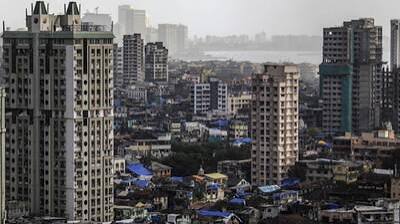
Mumbai-based real estate company Supreme Housing and Hospitality (SHH) has secured approval from a consortium of lenders for a ₹522-crore one-time settlement (OTS), bringing it closer to resolving legacy liabilities of nearly ₹700 crore. The proposal, approved with a 95% lender vote, is expected to deliver a recovery of just under 75% to the participating banks, following years of insolvency proceedings and unsuccessful settlement attempts.
Supreme Housing’s ₹522 Crore Settlement And What Lenders Stand To Recover
The latest settlement proposal covers both fund-based and non-fund-based liabilities of Supreme Housing, including obligations arising from corporate guarantees issued in favour of its subsidiary companies. The arrangement involves a consortium led by Canara Bank, with State Bank of India (SBI), Punjab National Bank (PNB), Indian Bank, Union Bank of India and Bank of India also among the participating lenders.
Of the total ₹522 crore settlement amount, approximately ₹475 crore will go to Canara Bank, which holds the company’s only fund-based exposure. Supreme Housing owes the lender around ₹593 crore, translating into a recovery of approximately 80% of its outstanding dues.
The other participating banks have non-fund-based exposure to Supreme Housing through corporate guarantees extended to its subsidiaries, Supreme Infrastructure and Supreme Ahmednagar Karmala Tembhurni Tollways. The settlement therefore addresses a wider set of lender claims rather than just the company’s direct borrowing from Canara Bank.
According to people familiar with the development, lenders have approved the offer with a 95% vote. The proposal will now be placed before the National Company Law Tribunal (NCLT) for approval.
The company has also confirmed the development, describing the resolution as a major milestone in its financial restructuring. In its statement, Supreme Housing said the arrangement addresses its entire legacy debt and that, following implementation, it received full and final no-dues certificates from the respective creditors, confirming closure of their settled claims under the scheme.
The settlement process began after the company deposited ₹200 crore in July 2026. Indore-based Kalyan Group is also likely to invest in Supreme Housing, which could help fund the debt resolution, according to the media reports.
The Debt Behind The Dispute And Canara Bank’s Exposure
The dispute between Supreme Housing and Canara Bank goes back several years and centres on a ₹390-crore lease rental discounting (LRD) term loan sanctioned in 2014.
According to the lender’s submissions before the NCLT, Supreme Housing had approached Canara Bank for the facility in January 2014. The bank sanctioned the ₹390-crore loan in March that year and disbursed the amount in May 2014.
The account subsequently turned into a non-performing asset (NPA) on September 29, 2017, after the borrower defaulted on its repayment obligations.
The size of the outstanding liability increased substantially over the years as interest accumulated. In its insolvency application, Canara Bank claimed a default of ₹567.43 crore as of October 31, 2025. This comprised principal dues of approximately ₹175.83 crore and interest of ₹391.60 crore.
The bank’s exposure was therefore not limited to the original principal borrowed by the company. The accumulated interest had become a substantial component of the amount claimed.
Meanwhile, the exposure of the other lenders arose through guarantees provided by Supreme Housing for obligations of its subsidiaries. These guarantees brought the banks into the settlement process even though Canara Bank remained the only lender with direct fund-based exposure to the developer.
The distinction is important because the latest OTS is intended to resolve both categories of claims, allowing the company to address its direct borrowing as well as liabilities arising from guarantees.
Earlier Settlement Attempts Failed To Resolve The Dispute
The latest agreement follows several attempts by Supreme Housing to negotiate a settlement with its lenders, particularly Canara Bank. The company had previously entered into settlement arrangements, but its inability to complete the agreed payments repeatedly brought the insolvency dispute back before the tribunals.
Canara Bank first initiated insolvency proceedings against Supreme Housing in 2020. The lender secured admission of its petition in November 2022, after which the proceedings were closed following a one-time settlement between the two sides.
However, that arrangement did not bring the dispute to a lasting conclusion.
In 2024, ICICI Bank also initiated corporate insolvency resolution proceedings against Supreme Housing. Those proceedings were subsequently withdrawn after a settlement was reached under Section 12A of the Insolvency and Bankruptcy Code (IBC).
The dispute with Canara Bank resurfaced in June 2025, when Supreme Housing submitted another OTS proposal to settle its outstanding dues for ₹460 crore.
Canara Bank accepted the proposal. Under the arrangement, approximately ₹24.2 crore available in escrow accounts and fixed deposits was to be adjusted upfront. The remaining ₹437 crore was to be paid within 90 days after the company exited the insolvency process.
However, Supreme Housing allegedly failed to honour the payment commitment. The company did not pay the outstanding balance by October 28, 2025, the stipulated deadline.
Following the breach, Canara Bank issued a notice recording the failure to comply with the settlement terms and initiated fresh recovery proceedings. These included an e-auction notice for secured assets.
The failed arrangement effectively reopened the dispute between the lender and the real estate company, setting the stage for another round of insolvency proceedings.
NCLT Admits Canara Bank’s Insolvency Petition As Recovery Efforts Intensify
With the earlier settlement failing, Canara Bank returned to the NCLT with another insolvency application against Supreme Housing.
The lender filed its petition on November 13, 2025, seeking initiation of the corporate insolvency resolution process (CIRP) under Section 7 of the IBC. The Mumbai bench of the NCLT admitted the application on May 13, 2026, over the alleged default of ₹567.43 crore.
Supreme Housing opposed the insolvency proceedings, arguing that separate insolvency proceedings against its personal guarantors had triggered an interim moratorium under Section 96 of the IBC. The company contended that this prevented parallel insolvency proceedings against the corporate debtor for the same debt.
The tribunal, however, rejected this argument. It held that the liabilities of personal guarantors and those of the borrower company arose from separate contracts, and that the moratorium applicable to the guarantors did not prevent insolvency proceedings against Supreme Housing.
The NCLT also observed that the existence of debt and default had been established through loan and security documents, account statements, balance sheet acknowledgements and settlement proposals exchanged between the parties.
The admission of the insolvency petition placed Supreme Housing back under the corporate insolvency resolution framework, increasing the urgency of reaching an agreement with its lenders.
The company subsequently approached the National Company Law Appellate Tribunal (NCLAT), seeking another opportunity to settle its dues rather than allow the insolvency process to continue.
NCLAT Gives Promoters Another Opportunity As ₹200 Crore Is Deposited
In June 2026, the NCLAT gave Supreme Housing’s promoters another opportunity to resolve the dispute with Canara Bank.
The appellate tribunal directed the promoters to deposit ₹460 crore in a no-lien account with the bank by June 13, 2026. It described this as the final opportunity for the company to discharge its debt, making it clear that failure to deposit the amount would allow the insolvency resolution process to proceed.
At the time, Canara Bank had also been exploring the sale of its loan exposure to asset reconstruction companies (ARCs). The lender had previously attempted to sell the exposure, setting a reserve price of ₹470 crore in February 2026. A subsequent sale process involved a lower asking amount of ₹460 crore.
The promoters’ proposed settlement was therefore broadly aligned with the amount the bank was seeking through the loan sale process, although the two transactions were different in nature.
By July, Supreme Housing had deposited ₹200 crore in a no-lien account as part of the settlement process. An earlier proposal reported by the Economic Times valued the settlement at ₹518 crore, with approximately ₹475 crore earmarked for Canara Bank.
At that stage, the arrangement still required individual lender approvals. Since the company was undergoing insolvency proceedings, the settlement also required the prescribed lender voting threshold to be met.
The involvement of the Indore-based Kalyan Group emerged as another important development. The group was reported to be a likely investor in Supreme Housing, with its investment expected to help the company arrange funds for the settlement.
The latest agreement has now received a 95% lender vote, taking the proposal considerably closer to resolution.
What The Settlement Means For Supreme Housing And Its Lenders
The ₹522-crore agreement could bring an end to a prolonged debt dispute that has kept Supreme Housing entangled in insolvency proceedings, settlement negotiations and recovery action for several years.
For Canara Bank, the arrangement offers a recovery of approximately ₹475 crore against its outstanding exposure of ₹593 crore. This represents a recovery of close to 80%, providing the lender with a negotiated exit from a loan account that had remained under stress since 2017.
For the other participating banks, the settlement addresses their non-fund-based exposure arising from corporate guarantees issued for Supreme Housing’s subsidiaries. Resolving these claims is significant because the liabilities extend beyond the company’s direct borrowing and involve obligations linked to other entities within the group.
For Supreme Housing, the agreement could finally clear its legacy debt burden and allow it to move beyond the prolonged creditor dispute. The company’s statement indicates that the resolution is intended to address its entire legacy debt, with full and final no-dues certificates to follow implementation of the arrangement.
However, the proposal still has to go before the NCLT for approval. The lender vote is an important step, but the tribunal’s approval and implementation of the settlement remain central to formally concluding the insolvency proceedings and closing the creditors’ claims.
The potential investment by Kalyan Group also assumes importance in this context, given the substantial amount required to complete the settlement. While the group’s reported interest could provide the financial backing needed for the resolution, the precise investment structure and funding arrangements have not been disclosed in the latest report.
After multiple settlement attempts, a failed ₹460-crore arrangement and renewed insolvency proceedings, Supreme Housing has finally secured broad support from its lenders for a negotiated resolution. Whether this marks a lasting end to its debt troubles will depend on the completion of the settlement and the company’s ability to move forward without the burden of its legacy liabilities.