Top 10 Best Allergy and Immunology Hospitals in India in 2027
Allergy and immunology have become increasingly important areas of specialised healthcare in India. Changing environmental conditions, air pollution, dietary patterns, urban lifestyles, genetic predisposition and increased exposure to allergens have contributed to the growing demand for advanced allergy diagnosis and treatment. Conditions such as allergic rhinitis, bronchial asthma, food allergies, drug allergies, eczema, chronic urticaria, anaphylaxis and immune system disorders can affect people across different age groups and may require long-term medical supervision.
Allergy and immunology are closely connected but address different aspects of the body’s response to external and internal triggers. Allergy specialists diagnose and manage hypersensitivity reactions caused by substances such as pollen, dust mites, foods, medicines, insect stings and environmental pollutants. Clinical immunologists investigate disorders involving the immune system, including primary immunodeficiency, autoimmune diseases, recurrent infections and abnormalities in immune function.
The treatment of these conditions requires more than prescribing medication for immediate symptoms. Accurate diagnosis, identification of allergens, specialised laboratory investigations, lung function assessment, skin testing, immunotherapy, biological medicines and coordinated medical care can be important components of treatment. Patients with complicated conditions may also require support from pulmonologists, dermatologists, paediatricians, ENT specialists, gastroenterologists, rheumatologists and emergency medicine departments.
India has several established medical institutions offering specialised services in allergy, clinical immunology, paediatric immunology and related disciplines. These hospitals provide different levels of diagnostic and therapeutic support, ranging from dedicated allergy clinics to advanced tertiary-care facilities equipped to investigate complex immune disorders.
1. Sir Ganga Ram Hospital, New Delhi
Sir Ganga Ram Hospital is one of India’s prominent destinations for specialised allergy diagnosis and treatment, particularly for children and adolescents experiencing persistent or complicated allergic conditions. Its Institute of Child Health houses a dedicated Department of Pediatric Allergy that provides specialised clinical services, diagnostic investigations and treatment for a wide range of allergic disorders. The hospital has developed a strong presence in paediatric allergy care through its focus on clinical management, research, specialist training and multidisciplinary treatment.
The hospital’s Department of Pediatric Allergy has received recognition as a Centre of Excellence from the World Allergy Organization. This recognition reflects its contribution to allergy-related patient care, research and professional education. The department has been providing allergy services since 2015 and has developed specialised facilities for evaluating patients with different types of allergic conditions.
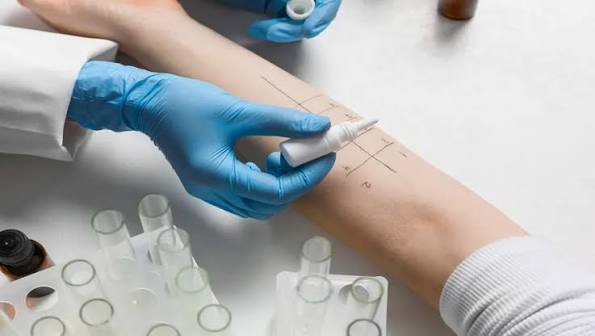
One of the important features of Sir Ganga Ram Hospital is its specialised allergy diagnostic laboratory. The facility offers several in-vitro and in-vivo diagnostic techniques. These include ImmunoCAP testing, molecular allergy diagnostics, skin prick testing, patch testing, intradermal testing and supervised challenge procedures. These investigations can help specialists identify the substances responsible for allergic reactions and distinguish between different types of allergic sensitivities.
The hospital provides diagnostic and treatment support for food allergies, drug allergies, respiratory allergies, allergic rhinitis, asthma, eczema, recurrent skin reactions and other hypersensitivity disorders. Food allergy assessment is particularly important because reactions can range from mild gastrointestinal or skin symptoms to severe and potentially life-threatening anaphylaxis. Specialist-supervised food challenges can help establish whether a suspected food genuinely triggers an allergic reaction.
Another important area of the department’s work is respiratory allergy assessment. The hospital has facilities for spirometry, fractional exhaled nitric oxide assessment, oscillometry and other respiratory investigations. Flexible bronchoscopy and rhinoscopy are also available when clinically indicated. These facilities help doctors investigate persistent respiratory symptoms, recurrent wheezing, unexplained cough and breathing difficulties associated with allergic conditions.
Treatment options include allergen immunotherapy, drug desensitisation and supervised food and drug challenges. Immunotherapy is particularly relevant for selected patients with persistent allergic conditions where conventional symptom-control medication may not provide adequate long-term relief. The treatment is planned according to the patient’s clinical history, identified allergen and medical suitability.
The hospital also follows a multidisciplinary approach. Its allergy specialists can coordinate with paediatric pulmonologists, adult pulmonologists, gastroenterologists, ENT specialists, ophthalmologists, geneticists, immunologists and critical-care teams. This is important because allergic diseases frequently affect multiple organ systems. A child experiencing asthma, eczema and food allergies, for example, may require coordinated assessment rather than separate treatment for each symptom.
The availability of emergency medicine and critical-care support is another important consideration for patients with a history of severe allergic reactions. Drug desensitisation and challenge procedures require appropriate clinical supervision because certain patients may experience significant reactions during testing.
Sir Ganga Ram Hospital also undertakes allergy awareness activities and educational initiatives. Its specialist team has contributed to the development of allergy-related academic programmes and research. The hospital is particularly relevant for families seeking comprehensive paediatric allergy evaluation, advanced allergy testing and long-term management of complicated allergic disorders.
2. Postgraduate Institute of Medical Education and Research, Chandigarh
PGIMER Chandigarh is among India’s established institutions for specialised allergy, immunology and paediatric immune-system care. Its Advanced Pediatrics Centre houses a dedicated Pediatric Allergy and Immunology Unit that deals with allergic diseases, primary immunodeficiency disorders and other complicated immune-related conditions.
The institution has an important role in the diagnosis and management of inborn errors of immunity, commonly referred to as primary immunodeficiency disorders. These conditions are generally caused by genetic abnormalities affecting the development or functioning of the immune system. Children affected by such disorders may experience recurrent infections, unusual infections, persistent illnesses, poor growth and complications involving multiple organs.
PGIMER’s Pediatric Allergy and Immunology Unit has developed specialised facilities for investigating these conditions. Its clinical services include outpatient consultations, inpatient treatment, daycare facilities and specialised follow-up clinics. The unit also has facilities for paediatric immunodeficiency assessment and paediatric rheumatology.
The institution is particularly relevant for children suspected of having conditions such as severe combined immunodeficiency, common variable immunodeficiency, X-linked agammaglobulinemia, chronic granulomatous disease, Wiskott-Aldrich syndrome and other inherited immune disorders. These diseases can require detailed immunological investigations, genetic testing, infection monitoring and long-term specialist supervision.
Its diagnostic capabilities include specialised laboratory investigations such as flow cytometry, ELISA, nephelometry, indirect immunofluorescence, nitroblue tetrazolium testing and molecular genetic investigations. Next-generation sequencing and other genetic diagnostic approaches can help specialists identify abnormalities associated with inherited immune disorders.
The availability of specialised laboratory facilities is particularly important because primary immunodeficiency disorders are not always easy to identify through routine blood investigations. A child who repeatedly develops serious infections may initially be treated for individual infections without the underlying immune abnormality being recognised. Detailed immunological assessment can help establish whether the immune system is functioning normally.
PGIMER also has facilities for the management of patients requiring advanced treatment for certain immunodeficiency conditions. These include inpatient and daycare care, as well as access to bone marrow transplantation services where indicated. Haematology, oncology, infectious disease and other paediatric specialists can contribute to the management of complex cases.
The unit has been recognised for its contribution to paediatric immunology education and research. It has been associated with a World Health Organization Collaborating Centre for Education, Research and Training in Pediatric Immunology for the 2022–2026 period. It has also been identified as a Centre of Advanced Research in Primary Immunodeficiency Diseases by Indian medical research authorities and as a regional centre for the diagnosis and treatment of primary immunodeficiency disorders.
For children with hereditary angioedema and other specialised immune conditions, the institution offers an important referral pathway. Its clinical and laboratory capabilities support investigations into conditions that may otherwise remain undiagnosed for extended periods.
Apart from immunodeficiency disorders, the hospital also provides paediatric allergy and asthma-related services. Children with persistent respiratory symptoms, suspected allergic conditions and complicated immune-mediated illnesses can be evaluated through the relevant specialist units.
PGIMER’s academic environment is another important feature. As a major postgraduate medical and research institution, it contributes to specialist training, clinical research and the development of expertise in paediatric allergy and immunology. Its facilities make it a significant destination for families seeking advanced evaluation of childhood immune disorders, recurrent infections and complex allergic conditions.
3. Jawaharlal Institute of Postgraduate Medical Education and Research, Puducherry
JIPMER is a major government medical institution with an established Department of Clinical Immunology that provides specialised care for adults and children with immune-mediated diseases. The department has been functioning since July 2009 and has developed clinical, diagnostic, academic and research capabilities in the field of immunology.
The Department of Clinical Immunology is particularly relevant for patients experiencing complicated autoimmune and immune-mediated disorders. These conditions arise when the immune system mistakenly attacks the body’s own tissues or develops an abnormal inflammatory response. Depending on the disease, different organs, including the joints, kidneys, skin, lungs, blood vessels and nervous system, may be affected.
The department offers outpatient services, specialised clinics, daycare treatment and inpatient facilities. Its structure allows patients with complex conditions to receive medical assessment and continued monitoring through a dedicated clinical immunology service.
One of the important strengths of JIPMER is its immunodiagnostic laboratory infrastructure. The department offers specialised investigations using techniques such as immunofluorescence, ELISA, nephelometry, flow cytometry and PCR. These tests support the evaluation of different immunological and autoimmune conditions.
The availability of flow cytometry is especially useful in assessing immune-cell populations and investigating certain immune abnormalities. Immunofluorescence and related antibody investigations can help doctors evaluate autoimmune diseases, while other laboratory techniques support the diagnosis and monitoring of immune-mediated conditions.
JIPMER has developed considerable academic expertise in autoimmune rheumatic disorders. Patients with conditions such as systemic lupus erythematosus, inflammatory arthritis, vasculitis and other immune-mediated diseases can benefit from specialist evaluation and long-term management.
The department also undertakes research into the causes of immune-mediated diseases, treatment failure, disease relapse and differences in individual responses to medication. Its research activities include immunogenetics, pharmacogenomics and the immunopathogenesis of autoimmune rheumatic disorders.
A further important development is the strengthening of its clinical immunology laboratory infrastructure. In July 2026, a newly established state-of-the-art Clinical Immunology Laboratory was inaugurated at JIPMER. This development adds to the institution’s diagnostic and research capabilities in the field.
The department’s services are not limited to diagnosis. Patients with complicated immune-mediated conditions may require long-term medication, immunomodulatory treatment, regular laboratory monitoring and coordinated medical care. The availability of daycare and inpatient services helps facilitate treatment for patients whose conditions require closer supervision.
JIPMER also contributes to the training of medical professionals through its DM and PhD programmes in Clinical Immunology. Its academic activities support the development of specialists who can diagnose and manage complicated immune-system disorders.
For patients, the advantage of seeking treatment at JIPMER lies in the availability of specialised immunology services within a major tertiary-care government institution. The hospital is particularly relevant for people experiencing autoimmune conditions, unexplained inflammatory disorders, suspected immune abnormalities and diseases requiring advanced immunological investigations.
Although clinical immunology and allergy medicine are closely related, patients seeking treatment specifically for environmental allergies, food allergies or allergen immunotherapy should confirm the availability of the relevant allergy service before scheduling an appointment.
4. Sanjay Gandhi Postgraduate Institute of Medical Sciences, Lucknow
Sanjay Gandhi Postgraduate Institute of Medical Sciences, commonly known as SGPGIMS, is an established tertiary-care medical institution with a specialised Department of Clinical Immunology and Rheumatology. The department has a significant history in the development of clinical immunology as a medical speciality in India.
Established in 1987, the department was among the earliest dedicated clinical immunology departments in the country. It also introduced specialised DM-level training in Clinical Immunology in 1989, contributing to the development of specialist medical education in this discipline.
The department combines clinical services, laboratory investigations, academic training and research. Its work is particularly relevant for patients suffering from autoimmune diseases, systemic inflammatory conditions and other disorders involving abnormal immune-system activity.
Clinical immunology is essential in diagnosing diseases where the immune system attacks healthy tissues or produces abnormal inflammatory responses. These conditions may initially present with vague symptoms such as persistent fever, joint pain, unexplained fatigue, skin abnormalities, swelling and organ dysfunction. Specialist evaluation is important because several autoimmune diseases can produce overlapping symptoms.
SGPGIMS provides specialist care for a broad range of rheumatological and immune-mediated conditions. These include rheumatoid arthritis, systemic lupus erythematosus, systemic sclerosis, vasculitis, inflammatory myopathies and other connective tissue disorders.
The department’s laboratory and clinical infrastructure supports the investigation of complicated autoimmune diseases. Immunological investigations can help doctors identify disease-associated antibodies, assess inflammatory activity and monitor organ involvement. Such assessments are important when deciding treatment strategies and evaluating responses to medication.
Patients with systemic lupus erythematosus, for instance, may require regular assessment of kidney function, blood counts, complement levels and disease-specific autoantibodies. Similarly, patients with vasculitis may need investigations to determine whether blood vessels and vital organs are affected.
The department also has an important academic role. It has trained numerous DM students, postgraduate specialists and research scholars. Its graduates have contributed to the establishment and development of clinical immunology departments in other medical institutions across India.
Research is another important component of its activities. The department has undertaken work involving clinical and laboratory aspects of rheumatic diseases and has organised academic workshops and professional conferences. Such activities contribute to improving awareness, diagnostic practices and treatment approaches in the field.
For patients, SGPGIMS is particularly relevant when an illness involves complicated autoimmune manifestations, multiple-organ involvement or an uncertain diagnosis requiring specialised immunological assessment.
Its multidisciplinary hospital infrastructure also allows patients to receive coordinated support from other departments when autoimmune diseases affect the kidneys, lungs, heart, nervous system or other organs.
It is important to distinguish between clinical immunology and conventional allergy services when choosing this hospital. SGPGIMS has a particularly established profile in clinical immunology and rheumatology. Patients primarily seeking skin prick testing, food allergy assessment or environmental allergen immunotherapy should verify the availability of those specific services.
5. Manipal Hospitals, Bengaluru
Manipal Hospitals is a major private healthcare network offering specialised allergy and immunology services, including diagnostic assessment and treatment for children and adults. Its Bengaluru facilities provide an integrated approach to managing allergic diseases, respiratory allergies, immune deficiencies and other immune-related conditions.
The hospital’s Allergy and Immunology Department focuses on identifying the underlying causes of allergic reactions and developing treatment plans according to the patient’s clinical history, symptoms and diagnostic results.
Allergic diseases can present in several forms. Some patients experience persistent sneezing, nasal congestion and watery eyes, while others develop skin rashes, eczema, food-related reactions or respiratory symptoms. In more serious cases, exposure to a particular allergen can trigger anaphylaxis, a potentially life-threatening allergic reaction requiring immediate medical attention.
Manipal Hospitals offers evaluation and management for food allergies, respiratory allergies, skin allergies and suspected drug allergies. Its diagnostic approach includes skin prick testing and blood investigations to identify potential allergens.
Drug allergy evaluation is an important part of its clinical services. Patients sometimes develop reactions after taking antibiotics, painkillers or other medications. However, not every adverse reaction represents a genuine allergy. Specialist assessment can help distinguish between allergic reactions, medication side effects and other forms of intolerance.
The hospital also offers immunotherapy for selected patients. Allergen immunotherapy involves controlled exposure to specific allergens under medical supervision, with the objective of reducing the immune system’s sensitivity over time. Depending on the allergen and the patient’s suitability, treatment may involve injections or sublingual preparations.
Respiratory allergy management is another important component of its services. Patients suffering from allergic asthma may require lung function testing, medication adjustment and long-term monitoring. The hospital has pulmonary function assessment facilities that support the evaluation of respiratory symptoms.
The availability of emergency services is particularly important for people with a history of severe allergic reactions. Anaphylaxis can progress rapidly and may involve breathing difficulties, low blood pressure, swelling of the throat and circulatory complications. Such patients require a clear emergency management plan and appropriate access to emergency medical care.
Manipal Hospitals also provides paediatric allergy services. Children with food allergies, eczema, allergic rhinitis and asthma may require specialised evaluation because their nutritional requirements, growth patterns and medication needs differ from those of adults.
Its multidisciplinary structure allows allergy specialists to coordinate with dermatologists, pulmonologists, paediatricians and other medical professionals. This is useful when a patient has multiple conditions or experiences symptoms affecting several organs.
The hospital’s wider clinical immunology services also include evaluation of immune deficiencies and consultations for selected autoimmune conditions. Patients with recurrent infections or suspected immune-system abnormalities may therefore benefit from specialist assessment.
Another important feature is the emphasis on patient education. Allergy management often requires changes in daily routines, environmental precautions, dietary planning and appropriate medication use. Understanding the specific triggers responsible for a reaction can help patients reduce unnecessary exposure and manage symptoms more effectively.
Manipal Hospitals is particularly suitable for individuals seeking private-sector allergy consultation, diagnostic testing, immunotherapy and coordinated treatment for allergic disorders in Bengaluru.
6. Kanchi Kamakoti CHILDS Trust Hospital, Chennai
Kanchi Kamakoti CHILDS Trust Hospital, commonly known as KKCTH, is a specialised paediatric healthcare institution in Chennai with dedicated services for childhood allergy disorders. The hospital is particularly relevant for parents seeking specialist evaluation of children experiencing recurrent allergic reactions, persistent asthma, food allergies, eczema and other hypersensitivity conditions.
Its Department of Pediatric Allergy provides diagnostic and treatment services for a wide range of allergic diseases. Childhood allergies require careful assessment because symptoms may affect nutrition, sleep, respiratory health, physical activity and overall development. Children with persistent allergic conditions may also require long-term monitoring to prevent repeated flare-ups and complications.
The department treats allergic rhinitis, refractory asthma, allergic conjunctivitis, atopic dermatitis, chronic urticaria, angioedema, food allergies, drug allergies and insect-bite allergies. These conditions can present independently or occur together, making specialist assessment particularly important.
One of the hospital’s important diagnostic facilities is skin prick testing. This investigation helps identify potential allergens responsible for allergic reactions. During the procedure, small quantities of selected allergens are introduced into the superficial layers of the skin, and the resulting reactions are assessed by the specialist.
Blood-based allergy investigations are also available. These tests can support the evaluation of suspected allergies and help doctors investigate cases where clinical history and other diagnostic findings indicate the need for further testing.
The hospital also offers respiratory function assessment for children with suspected respiratory allergies. Its diagnostic facilities include fractional exhaled nitric oxide testing, impulse oscillometry and spirometry. These investigations can help specialists evaluate airway inflammation, breathing patterns and lung function.
Spirometry is particularly useful in the assessment of asthma because it provides information about airflow limitation and lung function. Impulse oscillometry can be useful in evaluating respiratory function in younger children who may find conventional lung function testing difficult.
The hospital provides allergen immunotherapy or desensitisation for selected patients with persistent IgE-mediated allergic conditions. This treatment aims to reduce the immune system’s sensitivity to particular allergens through controlled and carefully supervised exposure.
Biological medicines are another important treatment option for selected children with severe or difficult-to-control allergic diseases. These therapies target specific components of the immune response and may be considered when conventional treatment does not adequately control symptoms.
The hospital’s approach also includes personalised treatment plans. A child with persistent allergic asthma, for example, may require respiratory assessment, medication optimisation, environmental control measures and regular follow-up. A child with suspected food allergy may require dietary evaluation, allergy testing and nutritional counselling.
Food allergy management deserves particular attention in paediatric patients because unnecessary dietary restrictions can affect growth and nutrition. Specialists can help families distinguish between confirmed food allergies and suspected food intolerances, thereby avoiding inappropriate elimination diets.
KKCTH’s paediatric focus is an important advantage for families seeking care specifically for children. Its medical infrastructure is designed around childhood healthcare requirements, allowing patients to receive support from paediatric specialists when allergic conditions overlap with other medical problems.
The hospital is especially relevant for children with recurrent allergic symptoms, persistent asthma, severe eczema, food-related reactions and suspected drug allergies. Families should consult the department regarding the specific diagnostic procedures and treatment options available for their child’s condition.
7. Bai Jerbai Wadia Hospital for Children, Mumbai
Bai Jerbai Wadia Hospital for Children is an established paediatric healthcare institution in Mumbai with specialised services in paediatric immunology and related medical disciplines. The hospital is particularly relevant for children experiencing complex immune-system disorders, recurrent infections and conditions requiring coordinated paediatric specialist care.
Its Department of Pediatric Haemato-Oncology and Immunology provides a specialised pathway for children with complicated blood-related and immune-system conditions. The hospital is also recognised within India’s primary immunodeficiency care network, making it an important institution for families seeking evaluation of certain inherited immune disorders.
Primary immunodeficiency disorders are conditions in which the immune system does not function properly because of inherited or genetic abnormalities. Children affected by these disorders may experience repeated respiratory infections, severe bacterial infections, persistent fungal infections, unusual infections and complications involving several organs.
Early identification is important because recurrent infections may be treated individually for years without the underlying immune-system abnormality being recognised. Specialist evaluation can help determine whether the frequency, severity and nature of infections indicate a possible immune deficiency.
Wadia Hospital provides access to paediatric specialist services that can support the investigation and management of complicated childhood illnesses. Its broader medical infrastructure includes paediatric intensive care, neonatal intensive care, paediatric surgery, paediatric neurology, nephrology, dermatology, cardiology and other specialised departments.
This multidisciplinary structure is important because immune disorders can affect more than one organ system. Children with inherited immune deficiencies may experience respiratory complications, gastrointestinal problems, growth abnormalities, blood disorders and other associated conditions. Coordinated care can help address these problems while investigating the underlying disease.
The hospital’s paediatric haemato-oncology and immunology services are particularly relevant for patients who require specialist assessment of immune abnormalities associated with blood disorders or other complicated medical conditions.
Treatment requirements vary considerably depending on the diagnosis. Some children may require infection prevention, antimicrobial treatment, immunoglobulin replacement or regular monitoring. Others with severe inherited immunodeficiency disorders may need evaluation for advanced therapies, including haematopoietic stem cell transplantation at an appropriately equipped specialist centre.
The hospital’s paediatric intensive-care and emergency infrastructure is also important for children who develop severe infections or other acute complications.
For families, the availability of different paediatric specialities within one institution can simplify the management of children with complicated medical histories. A child with suspected immune deficiency may require consultations involving immunology, infectious diseases, haematology, genetics and other specialities.
Wadia Hospital is particularly relevant for paediatric immunology rather than routine adult allergy management. Parents seeking evaluation for recurrent infections, suspected primary immunodeficiency or complex immune-related childhood conditions can consider the institution for specialist consultation.
It is advisable to carry previous infection records, hospital discharge summaries, blood investigations, vaccination records and details of previous treatments when attending an immunology consultation. Such information can help specialists understand the pattern of illness and determine whether further immune-system investigations are necessary.
8. Aster CMI Hospital, Bengaluru
Aster CMI Hospital in Bengaluru has developed specialised paediatric services covering allergy, respiratory medicine, immunology and rheumatology. Its Child and Adolescent Health Centre provides multidisciplinary healthcare for children with routine and complex medical conditions, including allergic and immune-mediated disorders.
The hospital’s paediatric services include dedicated expertise in paediatric clinical and interventional pulmonology, allergy and sleep medicine. This combination is particularly useful for children who experience respiratory allergies, persistent asthma, recurrent wheezing and sleep-related breathing difficulties.
Allergic respiratory conditions can significantly affect children’s daily activities and quality of life. Repeated episodes of wheezing, breathlessness, coughing and nasal congestion may interfere with school attendance, physical activity and sleep. Identifying the underlying triggers and developing an appropriate treatment plan are important for long-term management.
Aster CMI provides paediatric allergy testing and immunotherapy services. These facilities support the identification of potential allergens and the development of treatment strategies for children with persistent allergic conditions.
Its paediatric respiratory services also include child-friendly lung function testing and asthma clinics. These facilities help specialists investigate respiratory symptoms and monitor the effectiveness of treatment.
Another important component is the hospital’s Paediatric Immunology and Rheumatology Department. This unit manages children with immune-system disorders, autoimmune diseases and rheumatological conditions.
Aster CMI is also identified within India’s primary immunodeficiency care network. Its paediatric immunology services include diagnostic evaluation and advanced treatment options for children born with primary immunodeficiency disorders. The hospital has highlighted its association with the Foundation for Primary Immunodeficiency Diseases in the United States and its capabilities in offering stem cell transplantation for selected children.
Stem cell transplantation can be an important treatment option for certain severe inherited immune deficiencies. The procedure involves replacing defective blood-forming and immune-system cells with healthy donor cells. However, its suitability depends on the particular genetic disorder, the patient’s condition, donor availability and several other medical considerations.
The hospital’s broader paediatric infrastructure includes neonatal intensive care, paediatric intensive care, emergency services, paediatric haematology, oncology, infectious disease management and medical genetics. These facilities are important because complicated immunological conditions frequently require the involvement of multiple specialities.
Children with suspected inherited immune disorders may require genetic testing, immune-cell analysis, infection assessment and long-term monitoring. Access to specialists from different disciplines can help coordinate these investigations and subsequent treatment.
Aster CMI also offers services for paediatric autoimmune and inflammatory conditions. These include disorders affecting the joints, skin, eyes and other organ systems. Such diseases may require immunomodulatory medication, regular laboratory investigations and careful monitoring of treatment responses.
The hospital’s child-centred approach is another feature of its paediatric services. Children undergoing prolonged treatment may require psychological and emotional support alongside medical care. Aster CMI provides Child Life Services to support hospitalised children and their families.
For families in Bengaluru and surrounding regions, Aster CMI is a relevant option for childhood allergies, asthma, primary immunodeficiency, paediatric autoimmune disorders and complicated respiratory conditions.
9. All India Institute of Medical Sciences, New Delhi
All India Institute of Medical Sciences, New Delhi, is one of India’s major tertiary-care medical institutions and provides specialised services for patients with complicated immune-mediated diseases. Its Department of Rheumatology has an established clinical immunology laboratory that supports the investigation and management of several autoimmune and immunological disorders.
Although AIIMS New Delhi is not exclusively an allergy hospital, its clinical immunology capabilities make it an important destination for patients requiring advanced investigations into immune-system abnormalities and autoimmune diseases.
The Department of Rheumatology manages conditions involving abnormal immune responses and inflammation. These include rheumatoid arthritis, systemic lupus erythematosus, systemic sclerosis, vasculitis, inflammatory myositis and other connective tissue disorders.
Such conditions can be difficult to diagnose because their symptoms often overlap with those of infections, metabolic disorders and other inflammatory illnesses. Patients may experience joint pain, unexplained fever, skin changes, fatigue, muscle weakness and abnormalities involving internal organs.
AIIMS has a clinical immunology laboratory that performs a range of specialised investigations. These include rheumatoid factor, antinuclear antibody testing, extractable nuclear antigen profiles, complement levels, antineutrophil cytoplasmic antibodies, immunoglobulin measurements and anticardiolipin antibody testing.
The laboratory also uses techniques such as ELISA, indirect immunofluorescence, line immunoassay and latex agglutination. Nail-fold capillaroscopy and polarised microscopy are among the additional diagnostic techniques available through the department.
These investigations are useful in evaluating patients with suspected autoimmune and inflammatory disorders. For example, antinuclear antibody testing can support the evaluation of certain connective tissue diseases, while complement measurements can help assess disease activity in selected autoimmune conditions.
The hospital’s clinical immunology laboratory serves the wider institute, supporting diagnostic requirements across different medical specialities. This is particularly valuable for patients with complicated conditions involving multiple organs.
AIIMS also has extensive medical infrastructure covering dermatology, pulmonology, paediatrics, nephrology, gastroenterology, neurology, haematology and other disciplines. Patients with immune-mediated diseases can therefore receive consultations from relevant specialists when their condition requires multidisciplinary management.
The institution’s academic and research environment is another important feature. Its Department of Rheumatology contributes to postgraduate education and specialist training, helping develop medical professionals in the field of rheumatology and clinical immunology.
For patients with unexplained inflammatory conditions, suspected autoimmune diseases and complicated immunological abnormalities, AIIMS provides access to specialised medical evaluation and laboratory investigations.
Patients should understand that allergy medicine and clinical immunology are not interchangeable specialities. Someone experiencing seasonal sneezing, dust allergy or food-related allergic reactions may need a dedicated allergist or allergy clinic. In contrast, someone experiencing suspected lupus, vasculitis, inflammatory arthritis or another autoimmune disorder may benefit from the Department of Rheumatology and its clinical immunology laboratory.
AIIMS is particularly relevant for patients requiring specialist evaluation of complicated autoimmune and immune-mediated diseases within a major government medical institution.
10. Nizam’s Institute of Medical Sciences, Hyderabad
Nizam’s Institute of Medical Sciences, commonly known as NIMS, is an established tertiary-care medical institution in Hyderabad with specialised expertise in clinical immunology and rheumatology. Its Department of Clinical Immunology and Rheumatology provides services for patients with autoimmune diseases, inflammatory disorders and other conditions involving abnormal immune-system functioning.
The institution is particularly relevant for patients who require specialist assessment of complicated rheumatological and immunological conditions. These diseases can affect multiple organs and often require long-term medical supervision, specialised investigations and carefully monitored treatment.
Autoimmune disorders occur when the immune system mistakenly identifies the body’s own cells and tissues as targets. The resulting inflammatory response can damage joints, connective tissues, blood vessels and internal organs. Depending on the condition, patients may experience joint swelling, prolonged fever, skin abnormalities, fatigue, muscle weakness and organ-related complications.
Clinical immunology specialists play an important role in identifying the underlying disease and differentiating autoimmune disorders from other medical conditions. Diagnosis may involve a combination of clinical examination, antibody testing, inflammatory markers, imaging and organ-specific investigations.
NIMS is also identified by the Indian Society for Primary Immune Deficiency as an institution with facilities relevant to primary immunodeficiency care. This is significant for patients with suspected immune deficiencies and complicated immune-system abnormalities.
Primary immunodeficiency disorders can produce recurrent and unusual infections, poor responses to certain infections and other complications. Early diagnosis is important because some conditions require lifelong treatment, infection prevention and regular specialist monitoring.
The institute’s tertiary-care infrastructure provides access to different medical specialities that may be required during the management of complicated immune disorders. Patients with autoimmune diseases can require coordinated assessment by rheumatologists, nephrologists, pulmonologists, dermatologists and other specialists depending on the organs affected.
Clinical immunology services are particularly important in cases where routine treatment has failed to control symptoms or where the diagnosis remains uncertain. Patients may require specialised investigations to identify autoimmune markers, assess inflammatory activity and determine whether the disease is affecting internal organs.
Treatment can involve disease-modifying antirheumatic drugs, corticosteroids, immunosuppressive medication and biological therapies, depending on the diagnosis and clinical condition. Such medicines require specialist supervision because they can influence immune function and increase the risk of infections or other adverse effects.
NIMS also contributes to specialist medical education and research. Its clinical immunology and rheumatology department forms part of the institution’s broader super-speciality medical structure, supporting the management of complicated medical conditions.
For patients in Telangana and neighbouring regions, the institute provides an important option for specialised clinical immunology and rheumatology consultations. It is particularly relevant for individuals with suspected autoimmune diseases, persistent inflammatory conditions, unexplained immune abnormalities and certain primary immunodeficiency disorders.
Patients seeking treatment specifically for allergic rhinitis, food allergies, asthma, skin allergies or allergen immunotherapy should confirm the availability of dedicated allergology services before visiting, as the institute’s established speciality focus is clinical immunology and rheumatology.
Choosing the Right Allergy and Immunology Hospital in India
Selecting an allergy and immunology hospital should depend on the patient’s diagnosis, age, medical history and the type of treatment required. Not every hospital offering clinical immunology services necessarily provides comprehensive allergy testing or allergen immunotherapy. Similarly, a hospital specialising in paediatric immunology may not offer the same services for adult patients.
Patients with respiratory allergies, allergic asthma, food allergies, drug allergies and allergic skin conditions should look for hospitals offering specialist allergy consultations, skin prick testing, specific IgE investigations and immunotherapy where clinically appropriate.
Individuals experiencing recurrent infections, suspected primary immunodeficiency or inherited immune disorders should prioritise institutions with specialised immunology laboratories, genetic testing capabilities and access to advanced treatment facilities. PGIMER Chandigarh, Aster CMI Bengaluru and Bai Jerbai Wadia Hospital Mumbai are particularly relevant institutions to consider for paediatric immunology.
Patients with autoimmune disorders such as lupus, rheumatoid arthritis, systemic sclerosis and vasculitis should seek hospitals with established clinical immunology and rheumatology departments. AIIMS New Delhi, SGPGIMS Lucknow, JIPMER Puducherry and NIMS Hyderabad provide specialised services in these areas.
It is also important to examine the availability of diagnostic facilities, emergency support, inpatient care, follow-up consultations and multidisciplinary treatment. Patients undergoing immunotherapy or receiving immunosuppressive medication may require regular monitoring and access to emergency medical services.
Before selecting a hospital, patients should verify the current availability of the relevant specialist, appointment schedules, diagnostic procedures, treatment facilities and insurance coverage. These details can change and should be confirmed directly with the hospital.
Conclusion
India has several established medical institutions offering specialised services in allergy, immunology and related medical disciplines. From advanced paediatric allergy testing and immunotherapy at Sir Ganga Ram Hospital to specialised primary immunodeficiency management at PGIMER Chandigarh and Aster CMI Bengaluru, patients have access to a growing range of diagnostic and therapeutic facilities.
Institutions such as JIPMER, SGPGIMS, AIIMS and NIMS also play an important role in the diagnosis and management of complicated autoimmune and immune-mediated diseases. Meanwhile, KKCTH and Bai Jerbai Wadia Hospital provide specialised paediatric healthcare for children requiring allergy and immunology-related treatment.
The appropriate hospital ultimately depends on the nature of the condition and the expertise required. Early diagnosis, accurate identification of underlying triggers, appropriate specialist treatment and consistent follow-up remain essential for effective management of allergic and immunological disorders.