Top 10 Best Cloud Kitchen Management Software in India in 2027
The growth of food delivery platforms, virtual restaurant brands and delivery-only food businesses has increased the need for specialised cloud kitchen management software in India. Unlike conventional restaurants, cloud kitchens operate primarily through online orders, delivery aggregators and direct digital ordering channels. Many businesses also operate multiple food brands from a single kitchen, making technology an important part of their daily operations.
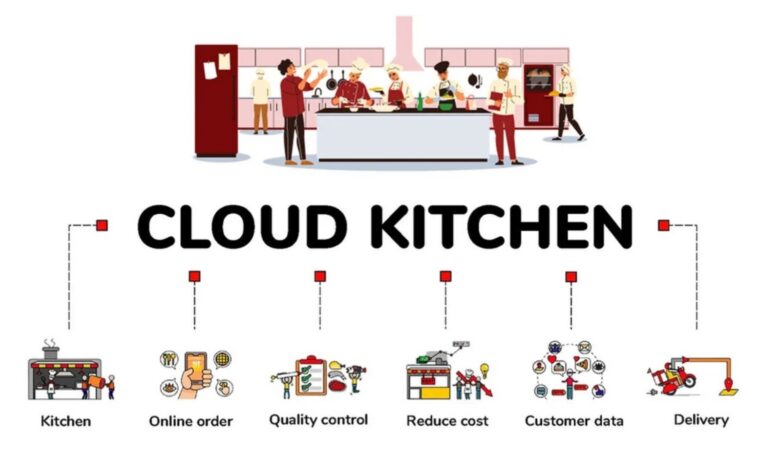
Cloud kitchen management software helps food businesses manage orders, kitchen production, inventory, procurement, billing, food costs, menu updates and business performance through a centralised system. These platforms reduce the need for manual coordination between different applications and help kitchen teams process orders more efficiently. They also provide business owners with information about sales, ingredient consumption, order cancellations, delivery performance and outlet-level profitability.
Another important requirement is integration with food delivery platforms such as Swiggy and Zomato. When orders from different channels are consolidated into a single interface, kitchen staff can manage incoming orders without repeatedly switching between devices. Features such as kitchen display systems, automated kitchen order tickets, recipe management and real-time stock monitoring further improve operational efficiency.
Indian cloud kitchen businesses range from independent entrepreneurs operating a single delivery kitchen to established food companies managing several virtual brands and multiple production facilities. Consequently, their software requirements differ considerably. While smaller businesses may prioritise affordable billing and order management, larger operators generally require centralised inventory, supply chain management, multi-brand reporting and integration with multiple business systems.
The following are ten notable cloud kitchen management software platforms available to businesses in India.
1. Petpooja
Petpooja is one of the prominent restaurant technology platforms in India, offering point-of-sale software and operational management solutions for restaurants, quick-service restaurants and cloud kitchens. Its cloud kitchen solution is designed to help businesses manage multiple food brands, online orders, inventory and billing through a connected platform. The software is particularly relevant for operators running different virtual restaurant brands from the same kitchen, where managing separate menus and incoming orders can otherwise become complicated.
One of Petpooja’s important capabilities is central kitchen management. Businesses can monitor inventory across their kitchen operations, manage raw material requirements and track stock levels through a centralised system. This is useful for cloud kitchen operators that prepare food for multiple brands using common ingredients. Instead of maintaining separate inventory records for every virtual brand, operators can manage shared resources while keeping track of consumption and requirements. The platform also supports monitoring item conversion costs, helping businesses understand how raw materials are being utilised in food preparation.
Petpooja offers virtual brand management capabilities that allow multiple cloud kitchen brands to operate within the same software environment. Businesses can organise their different brands through separate sections and manage their orders without maintaining completely independent billing systems. This arrangement is particularly useful for entrepreneurs who operate several cuisines from one production facility. For example, a single kitchen can manage separate brands specialising in biryani, burgers, Chinese food and desserts while maintaining a unified operational structure.
Order management is another important part of the platform. Petpooja enables cloud kitchens to handle online orders from different channels through a single interface, reducing the requirement to switch between multiple aggregator applications. Orders can be processed through the POS system, with billing and kitchen order tickets generated as part of the workflow. Staff members can manage order preparation and update the status of orders from the same operational environment.
The platform also offers online order reconciliation capabilities. Cloud kitchens frequently face differences between gross sales, aggregator deductions, commissions, discounts, cancellations and final settlements. Petpooja provides transaction-level reporting to help businesses examine these differences and understand the financial outcome of their online orders. This information is important for operators who depend heavily on third-party delivery platforms and need to monitor the actual revenue received after deductions.
Petpooja also provides reporting capabilities covering sales, inventory, taxation and outlet performance. Its kitchen display system helps kitchen employees monitor incoming orders and update preparation statuses. The software can be useful for independent cloud kitchen owners as well as businesses expanding into multiple outlets. Its combination of POS billing, virtual brand management, inventory monitoring and online order reconciliation makes it a comprehensive option for Indian food businesses.
2. Restroworks
Restroworks, formerly known as Posist, provides restaurant management technology designed for food service businesses ranging from individual restaurants to large restaurant chains. Its solutions cover several operational areas, including point-of-sale billing, kitchen management, inventory, procurement, customer management and business analytics. The platform is particularly relevant to cloud kitchen companies that require centralised control over multiple outlets and virtual restaurant brands.
Cloud kitchen operations often involve several brands sharing the same production infrastructure. Restroworks provides capabilities for managing multiple brands within a common operating environment. Businesses can maintain brand-specific menus and manage orders through a central dashboard. This arrangement allows kitchen employees to handle different food concepts without having to maintain separate operational systems for every brand.
The platform’s kitchen display system is an important component of its operational offering. Incoming orders can be displayed digitally, allowing kitchen staff to monitor preparation requirements and track order progress. Orders can be routed to relevant kitchen stations, helping teams coordinate activities across different preparation areas. For example, orders requiring frying, grilling, baking or beverage preparation can be directed to the appropriate stations. This helps reduce confusion when several brands are receiving orders simultaneously.
Inventory management is another important capability. Food businesses need to monitor ingredient consumption, purchasing requirements and stock availability because fluctuations in raw material costs can significantly affect profitability. Restroworks offers inventory and supply chain management functionality that helps operators monitor their procurement and stock-related activities. Recipe management also helps businesses connect food preparation with ingredient consumption and costing.
The software’s multi-outlet management capabilities are relevant to companies operating cloud kitchens in different cities or neighbourhoods. Business owners can use centralised management tools to monitor operations across locations and examine outlet-level performance. Central kitchen management is particularly useful for businesses that prepare ingredients or semi-finished products at a central facility before distributing them to individual outlets.
Restroworks also provides reporting and analytics tools that help management examine business performance. These include operational and financial information that can assist with identifying sales trends, monitoring food costs and evaluating outlet efficiency. For growing food businesses, access to consolidated information can make it easier to compare the performance of different locations and brands.
Its restaurant technology ecosystem also includes integration capabilities for connecting different operational systems. This is important for cloud kitchens that use third-party delivery services, payment platforms and accounting applications. Businesses considering the platform should examine the availability of specific integrations and modules required for their operations.
Restroworks is particularly relevant to established cloud kitchen companies, restaurant groups and multi-location food businesses that need more than basic billing software. Its combination of POS, kitchen display, inventory, supply chain and centralised reporting capabilities makes it suitable for businesses with comparatively complex operational requirements.
3. UrbanPiper
UrbanPiper is a restaurant technology platform specialising in digital ordering, delivery channel integration and restaurant operations. It is particularly relevant to cloud kitchens because online delivery platforms are central to their business models. Managing orders from several aggregators independently can create operational difficulties, especially when a kitchen operates multiple brands or receives a large volume of orders throughout the day.
One of UrbanPiper’s major offerings is its order aggregation capability. The platform connects restaurant businesses with supported online ordering and delivery channels, allowing incoming orders to be consolidated into a common operational interface. Instead of employees manually checking multiple tablets and transferring order information into another system, connected orders can flow into the restaurant’s technology setup. This helps reduce repetitive work and the possibility of manual entry errors.
Menu management is another important feature. Cloud kitchens frequently update their menus based on ingredient availability, customer demand, pricing decisions and promotional activities. When a restaurant operates across multiple digital platforms, updating every menu individually can become time-consuming. UrbanPiper provides menu management and synchronisation capabilities that help businesses coordinate menu information across supported channels. Changes to item availability and other menu details can be managed through a centralised workflow, subject to the integrations configured for the business.
The platform is also useful for businesses managing multiple online ordering channels. A cloud kitchen may receive orders through food delivery applications, its own website and other digital ordering services. UrbanPiper helps connect these channels with restaurant systems, making order processing more organised. Its integration-focused approach can be especially useful for businesses that already have an existing POS system but need stronger connectivity with delivery platforms.
UrbanPiper also offers Prime, its restaurant POS solution. This gives businesses an additional option for managing restaurant operations within its technology ecosystem. However, its principal distinction remains its focus on connecting ordering channels and simplifying digital restaurant operations.
Inventory and menu availability are important considerations for delivery-led businesses. When a food item becomes unavailable, the information needs to be reflected across relevant ordering channels to avoid accepting orders that the kitchen cannot fulfil. Channel synchronisation can help reduce such discrepancies, although businesses should verify the exact stock management capabilities available in their selected configuration.
UrbanPiper is particularly suitable for cloud kitchens and restaurant brands receiving orders through multiple delivery channels. It can also be considered by businesses that want to retain their existing POS while introducing a dedicated integration layer for online orders. Operators should evaluate integration compatibility, supported aggregators, pricing and the need for additional inventory or accounting software before implementation.
4. GoFrugal
GoFrugal provides business management and point-of-sale software for retail, restaurant and food service businesses. Its restaurant technology solutions include billing, inventory management, purchasing, kitchen operations and reporting features. For cloud kitchens, the platform offers a broader operational approach that combines front-end order processing with back-office business management.
Inventory management is an important component of GoFrugal’s restaurant software. Cloud kitchen businesses regularly purchase vegetables, dairy products, meat, spices, packaging materials and other consumables. Keeping track of these materials is necessary to maintain production continuity and control operating expenses. The software helps businesses manage stock records, monitor consumption and organise purchasing activities.
Recipe management is also relevant to food businesses because the cost of a prepared dish depends on the quantity and price of its ingredients. By maintaining recipe-related information, operators can obtain a better understanding of ingredient requirements and food costs. This can help businesses evaluate menu prices and identify products where raw material expenses are affecting margins.
GoFrugal also supports restaurant billing and online order management. Businesses can process customer orders through the POS system and manage operational information through connected modules. For delivery-oriented kitchens, integration with supported online ordering channels can help reduce manual order entry and improve coordination between order acceptance and preparation.
The software’s centralised management capabilities are useful for businesses operating multiple outlets. Management teams can monitor information from different locations and maintain greater control over inventory, purchasing and sales-related activities. This becomes important when a cloud kitchen business expands beyond its original location and needs consistent operating procedures across multiple facilities.
Another relevant area is supply chain management. Cloud kitchens that operate several locations may purchase raw materials centrally and distribute them to individual kitchens. Managing these transactions manually can create problems involving stock discrepancies, procurement delays and inaccurate reporting. Enterprise-oriented management tools can help businesses maintain better visibility over these processes.
GoFrugal also provides reporting capabilities that help business owners examine sales, stock and financial information. The software can be relevant to businesses that want to connect restaurant operations with broader enterprise management requirements. Its availability in different deployment configurations also gives businesses options depending on their infrastructure and operational preferences.
GoFrugal is worth considering for cloud kitchen operators that need a combination of POS, inventory, procurement and multi-location management. Businesses should evaluate its aggregator integrations, recipe costing functionality and specific cloud kitchen workflows during a product demonstration to establish whether the selected package meets their requirements.
5. Rista
Rista is a restaurant management platform developed by DotPe, designed to bring different restaurant operations together through a centralised technology system. Its solutions cover POS billing, inventory, purchasing, production, online order management and business reporting. The platform is particularly relevant to cloud kitchen businesses because it supports the management of multiple virtual brands operating from a shared kitchen.
One of Rista’s important capabilities is its centralised cloud kitchen management system. Businesses can manage different food brands through a common dashboard rather than maintaining separate software environments for every brand. This makes it easier for kitchen managers to monitor incoming orders, coordinate production and maintain visibility over business activities. For entrepreneurs operating multiple cuisine-based brands, this arrangement can simplify daily operations.
Rista also offers integration with food delivery platforms, including Swiggy and Zomato. Its two-way integration capabilities allow businesses to manage orders and coordinate information such as menus, inventory and deals through a centralised interface. This is important because cloud kitchens often depend on multiple digital ordering channels to generate revenue. Consolidating these channels can reduce repetitive administrative work and improve the accuracy of order processing.
Inventory management is another important part of Rista’s offering. The platform connects purchasing, production, stock management and consumption with online sales information. This relationship between orders and inventory helps businesses understand how ingredients are being utilised. It can also assist managers in identifying stock requirements and monitoring operational costs.
The software’s purchasing and production management capabilities are useful for businesses that prepare ingredients centrally or operate several kitchens. Cloud kitchen companies may purchase raw materials in bulk, process them at a central facility and distribute them to different locations. Having connected purchasing and inventory information can help businesses maintain better control over this process.
Rista also offers POS functionality for billing and restaurant operations. Sales information can be used alongside inventory and reporting data to provide management with a broader understanding of business performance. Businesses can monitor different operational activities without relying entirely on disconnected applications.
Another advantage is its integrated approach to restaurant technology. Rather than focusing exclusively on delivery aggregation, Rista connects several back-office and front-end functions. This can be useful for businesses looking for a unified system that covers online orders, inventory, purchasing and sales management.
Rista is suitable for independent cloud kitchen businesses as well as growing restaurant brands that operate multiple delivery-only concepts. Its multi-brand management, aggregator integrations and inventory-linked operational features make it a relevant option for businesses looking to manage several food brands through one technology platform.
6. LimeTray
LimeTray offers restaurant technology solutions covering online food ordering, POS, order management, digital marketing, inventory management and customer engagement. Its cloud kitchen software is designed for delivery-oriented food businesses that want to manage third-party orders alongside their own digital ordering channels. The platform is particularly relevant to operators looking to establish an independent online presence while continuing to receive orders through food delivery aggregators.
One of LimeTray’s key capabilities is third-party order automation. Cloud kitchens listed on multiple delivery platforms frequently need to monitor several applications simultaneously. This can create delays and increase the possibility of incorrect order entries. LimeTray provides an order management solution that consolidates incoming orders and sends them into the kitchen workflow. Its automated order acceptance functionality can help businesses reduce manual intervention during busy operating periods.
Menu management is another important feature. Cloud kitchens regularly modify prices, remove unavailable dishes and introduce new menu items. LimeTray enables businesses to manage menus across supported aggregator channels through a centralised dashboard. This can make menu administration more efficient, particularly when a business operates multiple food brands or sells through several online platforms.
The platform also offers POS integration, allowing businesses to manage online and offline orders through a connected system. This is useful for cloud kitchens that receive direct orders through their websites or other channels in addition to aggregator orders. Having consolidated order information can help kitchen staff coordinate preparation and reduce the administrative burden associated with multiple ordering interfaces.
LimeTray also provides its own online food ordering solutions. A cloud kitchen can develop a branded website or mobile application through which customers can place orders directly. Direct ordering channels are important because businesses may want to build customer relationships beyond third-party delivery platforms. They can also provide greater control over customer communication, promotional campaigns and repeat-order strategies.
The software ecosystem includes a kitchen display system, which helps kitchen employees view and manage order information digitally. Digital kitchen tickets can improve coordination between different preparation activities and reduce dependence on paper-based processes. The availability of order information through a connected system also helps managers monitor incoming demand.
LimeTray’s marketing and customer relationship management capabilities provide additional functionality. Businesses can use customer information and marketing tools to communicate with customers, promote their menus and encourage repeat purchases. This is particularly useful for cloud kitchen brands that want to develop their own customer base rather than depend exclusively on aggregator visibility.
Its cloud kitchen offering also addresses businesses operating single-brand and multi-brand kitchens. By combining online ordering, aggregator management, POS integration and marketing tools, LimeTray provides a connected technology ecosystem for delivery-led food businesses.
7. Sapaad
Sapaad is a cloud-based restaurant management and POS platform offering solutions for quick-service restaurants, food delivery businesses, cafés, food trucks and multi-location restaurant operations. Its technology combines order processing, inventory management, reporting, payment integration and kitchen management. The platform also caters to cloud kitchens that require a centralised system for managing online orders and production activities.
One of its important features is online order integration. Sapaad supports connections with food delivery platforms, including Swiggy and Zomato in India. Orders received through supported delivery channels can be transferred into the POS system and directed towards the kitchen. This reduces the requirement for employees to manually enter information from separate aggregator applications.
The platform’s order management functionality is useful for businesses handling multiple types of orders. A cloud kitchen may receive orders through delivery platforms, its own website, telephone bookings and other digital channels. Sapaad helps bring these activities into a connected restaurant management environment. This makes it easier for employees to monitor incoming orders and coordinate food preparation.
Inventory management is another significant component. The software provides tools for tracking ingredients, monitoring stock movements and managing food-related costs. Recipe costing can help businesses understand the raw material requirements of individual dishes. This is particularly important for cloud kitchens where menu profitability depends on controlling ingredient consumption, wastage and procurement expenses.
Sapaad also supports purchasing and stock management activities. Businesses can manage supplier-related purchases, conduct stock counts and organise inventory transfers between locations. For cloud kitchen operators with centralised production facilities, these functions can help coordinate the movement of ingredients and other materials across different outlets.
Its kitchen display system allows orders to be communicated digitally to kitchen employees. Orders can be directed towards relevant preparation areas, helping staff coordinate activities and reduce missed tickets. This becomes especially useful when a kitchen receives several orders simultaneously and needs to manage preparation priorities.
The platform also offers analytics and reporting capabilities. Managers can examine sales performance, staff activity and stock information through its reporting tools. Multi-location businesses can use central reporting and menu management features to maintain operational consistency across their outlets.
Another useful feature is its compatibility with different devices and operating systems. Sapaad provides access through web, Android and iOS environments, offering flexibility to restaurant operators who need to monitor business activities from different locations. Its offline functionality also helps businesses continue certain operations when internet connectivity is interrupted, with data synchronisation taking place after connectivity is restored.
Sapaad is suitable for cloud kitchens looking for an integrated POS and restaurant management system. Its combination of aggregator integration, kitchen display, recipe costing, inventory management and multi-location capabilities makes it relevant to both smaller food businesses and expanding restaurant groups.
8. Torqus
Torqus is a restaurant technology platform associated with Inresto and the restaurant management ecosystem that followed Dineout’s acquisition of the business. It has historically focused on providing software for restaurants, quick-service outlets and food service companies. Its technology portfolio has included POS, head office management, supply chain management and other operational solutions.
For cloud kitchens, one of the most relevant aspects of Torqus is its focus on connecting front-end restaurant activities with back-end business management. A delivery-only kitchen needs to manage more than incoming orders. Purchasing, inventory, production, food costing and sales monitoring are equally important for maintaining operational efficiency. Torqus has offered an integrated approach to these functions.
Its POS capabilities are designed to support order processing and billing. In a cloud kitchen environment, the POS system can form the central point for managing sales information and coordinating order-related activities. The platform’s restaurant-oriented approach also makes it relevant to quick-service businesses that handle high volumes of takeaway and delivery orders.
Supply chain management is another important area associated with Torqus. Cloud kitchen businesses frequently purchase raw materials in bulk and distribute them across different outlets. Managing these processes manually can create problems involving procurement records, stock movement and production planning. Supply chain management tools help businesses organise these activities and maintain better visibility over their operations.
The platform has also been associated with inventory and recipe management. Recipe-level information can help operators calculate ingredient requirements and understand food costs. This is particularly useful when a company operates multiple brands with overlapping ingredients. Businesses can examine consumption patterns and identify differences between expected and actual stock utilisation.
Its head office management functionality is relevant to restaurant groups and multi-outlet businesses. Centralised management allows business owners to monitor different locations and maintain consistency in areas such as menus, operational information and reporting. For cloud kitchen companies expanding into several markets, this can provide a more organised management structure.
Torqus has also offered reporting and analytics capabilities. Restaurant operators need reliable sales and operational information to evaluate performance and identify areas requiring attention. Centralised reporting can help management teams examine business activities without depending exclusively on individual outlet records.
The platform’s historical association with established restaurant and food service businesses demonstrates its relevance to larger food operations. However, prospective customers should confirm the current availability, support arrangements and precise feature configuration of the Torqus product offering before making a purchase decision, particularly because its ownership and product ecosystem have evolved over time.
Torqus is worth examining for businesses that require restaurant POS functionality combined with supply chain, inventory and central office management. Its suitability depends on the availability of the required modules and integrations for the particular cloud kitchen operation.
9. DotPe
DotPe provides digital commerce and restaurant management technology for food and beverage businesses, including cloud kitchens, quick-service restaurants and multi-outlet food brands. Its product ecosystem combines restaurant POS, digital ordering, payment solutions, inventory management and marketplace integrations. The platform is designed to connect online and offline business activities through a centralised technology environment.
For cloud kitchens, DotPe offers POS capabilities that help businesses manage billing, orders and kitchen operations. Its system also supports kitchen display integration, allowing order tickets to be communicated to kitchen employees digitally. This helps staff monitor incoming orders and coordinate preparation activities without depending entirely on manually printed tickets.
Online ordering is another important part of its technology offering. Cloud kitchens can use digital storefronts to receive orders and provide customers with an alternative to third-party delivery platforms. Having an independent ordering channel can help food businesses build their own brand presence and develop direct relationships with customers.
DotPe also offers integrations with food delivery platforms, including Swiggy and Zomato. Its two-way integration capabilities allow businesses to manage orders, menus, pricing, inventory and promotional deals through a centralised dashboard. This can be useful for operators who receive orders through multiple platforms and want to reduce the administrative work involved in managing each channel separately.
Inventory and supply chain management are additional components of its restaurant technology ecosystem. Businesses need to monitor raw material availability, purchasing requirements and stock consumption to maintain consistent kitchen operations. A connected inventory system can provide better visibility into these activities and help managers coordinate procurement with business demand.
The platform also offers customer relationship management and marketing-related capabilities. Food businesses can use customer information and promotional tools to develop marketing activities, encourage repeat purchases and improve customer engagement. This can be particularly useful for virtual restaurant brands that want to establish a recognisable identity in competitive food delivery markets.
Reporting and analytics provide additional visibility into business operations. By bringing different restaurant functions together, DotPe can help businesses monitor ordering, payments, inventory and sales-related information through connected systems. Its technology is relevant to businesses looking to reduce dependence on disconnected applications.
DotPe is suitable for cloud kitchen businesses that want to combine POS billing, online ordering, kitchen display systems and delivery platform integrations. Its wider digital commerce ecosystem also makes it relevant to food brands interested in building direct ordering channels alongside their aggregator-based business.
10. SlickPOS
SlickPOS is a cloud-based restaurant point-of-sale software platform designed for restaurants, cafés, quick-service outlets, food trucks and other food businesses. Its product offering combines billing, online order integration, kitchen management, inventory, recipe management and business reporting. The platform is relevant to smaller and growing cloud kitchen businesses looking for restaurant-specific operational software.
One of the key features of SlickPOS is its billing and POS functionality. Businesses can process orders and maintain sales records through a centralised system. For cloud kitchens, this provides a structured way to manage takeaway and delivery transactions without requiring a conventional dine-in restaurant setup. The software can also be accessed through different devices, including web browsers, desktop systems, Android devices and Apple devices.
SlickPOS supports online order integration with platforms such as Swiggy and Zomato. Its integrations are intended to relay online orders directly into the restaurant POS system, reducing the need for staff to manually enter order details. Consolidated sales reporting can also help businesses examine transactions from different ordering channels.
Kitchen order management is another important feature. The platform supports kitchen order printing and display functionality, helping kitchen employees receive and process orders. This can improve communication between order management and food preparation teams, particularly during busy periods when multiple orders arrive simultaneously.
Inventory and recipe management provide additional operational functionality. Cloud kitchen operators need to monitor ingredients and understand how much raw material is required to prepare individual dishes. Recipe-related inventory management can help businesses maintain stock records and examine ingredient consumption. This is important for operators trying to control food costs and reduce unnecessary wastage.
SlickPOS also provides reporting and analytics tools. Sales reports can help business owners understand order volumes, revenue patterns and overall business activity. These reports can be useful for identifying popular menu items and examining performance across different operating periods.
The platform offers customer engagement features, including digital receipts, customer feedback and loyalty-related functionality. Such capabilities can help businesses maintain customer information and encourage repeat purchases. For cloud kitchens that operate without a conventional customer-facing dining space, digital customer engagement can be particularly important.
Another relevant feature is its multi-outlet and franchise management functionality. Businesses expanding into different locations can benefit from centralised management and consolidated operational information. This allows owners to monitor their business beyond the individual kitchen where orders are prepared.
SlickPOS can be considered by independent cloud kitchens and growing food businesses that need billing, kitchen order management, inventory and online order integration. However, businesses operating several virtual brands from shared kitchens should specifically verify brand-level menu separation, aggregator connectivity, recipe costing and central inventory functionality during a demonstration. The availability and commercial terms of individual integrations should also be confirmed before implementation.
Free Trial & Demo+1
Conclusion
Cloud kitchen management software has become an important technology requirement for food businesses operating in India’s increasingly digital food service market. Managing orders, inventory, kitchen production, delivery channels and food costs through disconnected applications can make daily operations difficult, particularly when a business operates multiple virtual brands from the same location.
Platforms such as Petpooja, Restroworks and Rista offer broader restaurant management capabilities covering different aspects of cloud kitchen operations. UrbanPiper and LimeTray are particularly relevant to businesses that want to streamline online ordering and delivery platform integrations. GoFrugal, Sapaad and Torqus provide additional options for businesses requiring inventory, procurement and centralised restaurant management. DotPe and SlickPOS offer combinations of POS, ordering and kitchen management capabilities.
The choice of software ultimately depends on the size of the cloud kitchen, the number of brands being operated, daily order volumes and the complexity of inventory and procurement activities. Businesses should also examine whether the software supports their existing delivery partners, offers reliable order synchronisation, provides accurate ingredient-level costing and generates useful financial reports.
For a small cloud kitchen, an affordable POS system with basic order aggregation and inventory tracking may be sufficient. However, businesses operating multiple virtual brands or several production facilities generally need more advanced capabilities, including centralised menu management, brand-wise reporting, recipe management, kitchen display systems and supply chain coordination.
A suitable cloud kitchen management platform can help food businesses organise their operations, improve order processing, monitor costs and build a more scalable business model.