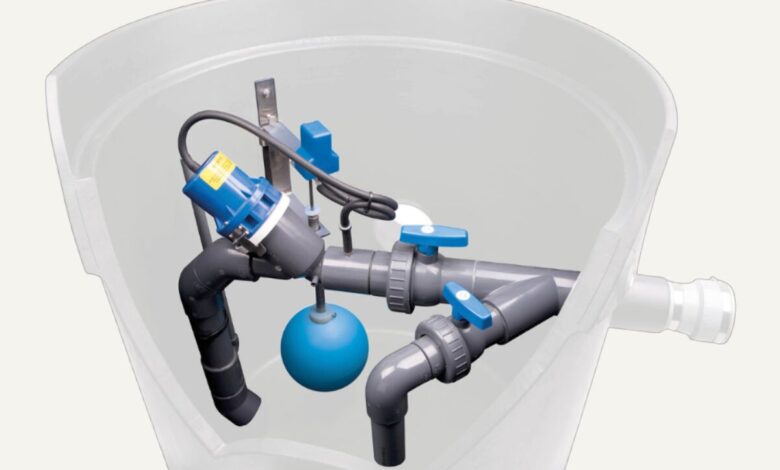
Have you ever heard of vacuum sewerage? It may sound like something from a science fiction movie, but it is an innovative and environmentally friendly way to manage wastewater. Instead of traditional gravity-based sewer systems, vacuum sewerage uses negative pressure to transport wastewater through the system. This results in a more efficient and sustainable solution for wastewater management.
How does vacuum sewerage work?
The basic principle of vacuum sewerage is quite simple. The system consists of a network of pipes connected to vacuum pumps. When wastewater enters the system, it is sucked through the pipes by negative pressure and transported to a central collection unit. Here, the wastewater is further processed and treated.
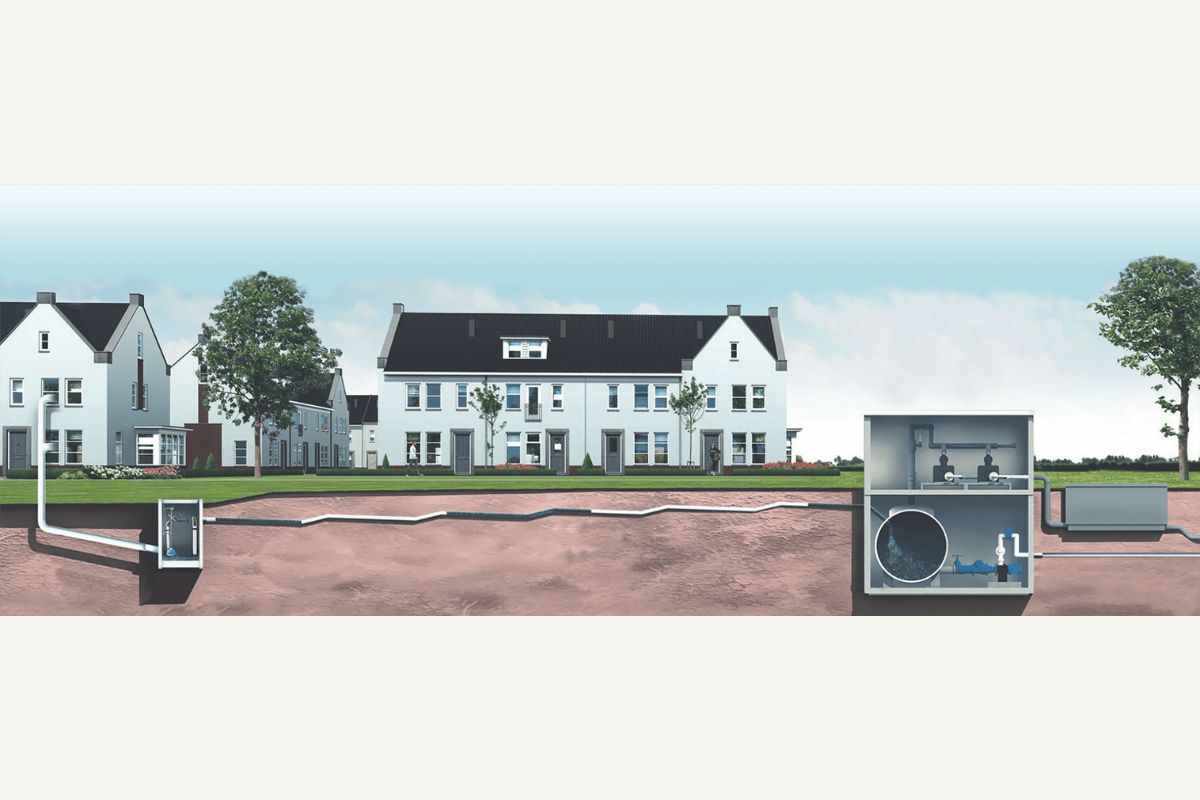
Advantages of vacuum sewerage
Vacuum sewerage offers numerous benefits compared to traditional systems. One of the biggest advantages is sustainability. Because the system uses less water and operates more efficiently, it contributes to water conservation and reduces the ecological footprint. In addition, vacuum systems are often cheaper to maintain and have a longer lifespan.
Environmental friendliness
An important aspect of vacuum sewerage is its environmental friendliness. Traditional sewer systems can leak, leading to pollution of groundwater and surface water. Vacuum systems, however, are much better sealed, meaning there is less risk of leaks and contamination.
Efficiency
By using negative pressure instead of gravity, vacuum systems can move wastewater faster and more efficiently. This is particularly useful in urban areas where space is limited and traditional systems often fail to perform well.
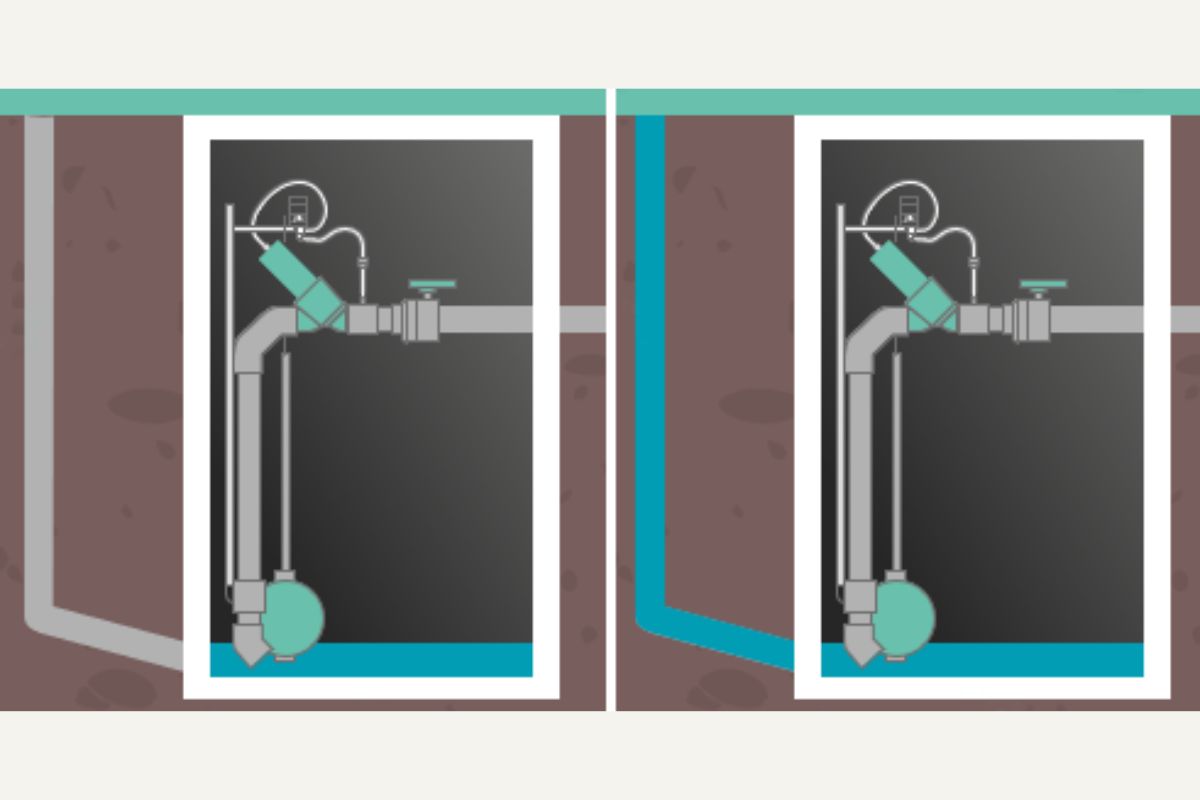
Innovations in vacuum technology
The technology behind vacuum sewerage continues to evolve. Innovations such as smart sensors and advanced control systems make these systems even more efficient and reliable. These technological advances ensure that vacuum systems are increasingly applied in both new and existing infrastructures.
Smart sensor technology
Smart sensors can collect real-time data on system performance. This data can be used to predict maintenance needs and detect problems early, helping to prevent failures and extend the system’s lifespan.
Advanced control systems
Advanced control systems make it possible to precisely regulate the operation of the vacuum system. This ensures optimal performance and minimizes energy consumption, contributing to the system’s sustainability.
Applications in urban development
With increasing urbanization, there is a growing need for efficient sewerage systems that take up less space. Vacuum sewerage provides an excellent solution here. Thanks to their compact design, these systems can easily be integrated into densely populated urban areas without requiring extensive excavation.
Space efficiency
A major advantage of vacuum systems is that they occupy less space than traditional sewer systems. This makes them ideal for use in urban areas where space is scarce.
Flexibility
Vacuum systems are highly flexible and can be easily adapted to changing conditions or expansions in urban areas. This makes them a future-proof solution for wastewater management.
Long-term cost savings
Although the initial installation costs of a vacuum system may be higher than those of traditional systems, they offer significant long-term cost savings. With lower maintenance and operating costs, a vacuum system can ultimately be more cost-effective than traditional solutions.
Lower maintenance costs
Because vacuum systems have fewer moving parts and are more resistant to blockages, maintenance costs are generally lower than those of traditional systems.
Energy savings
Vacuum systems consume less energy because they operate more efficiently than gravity-based systems. This not only results in lower energy costs but also contributes to a reduced ecological footprint.
If you want to learn more about how these systems work, you can look up for more information about vacuum sewer system.
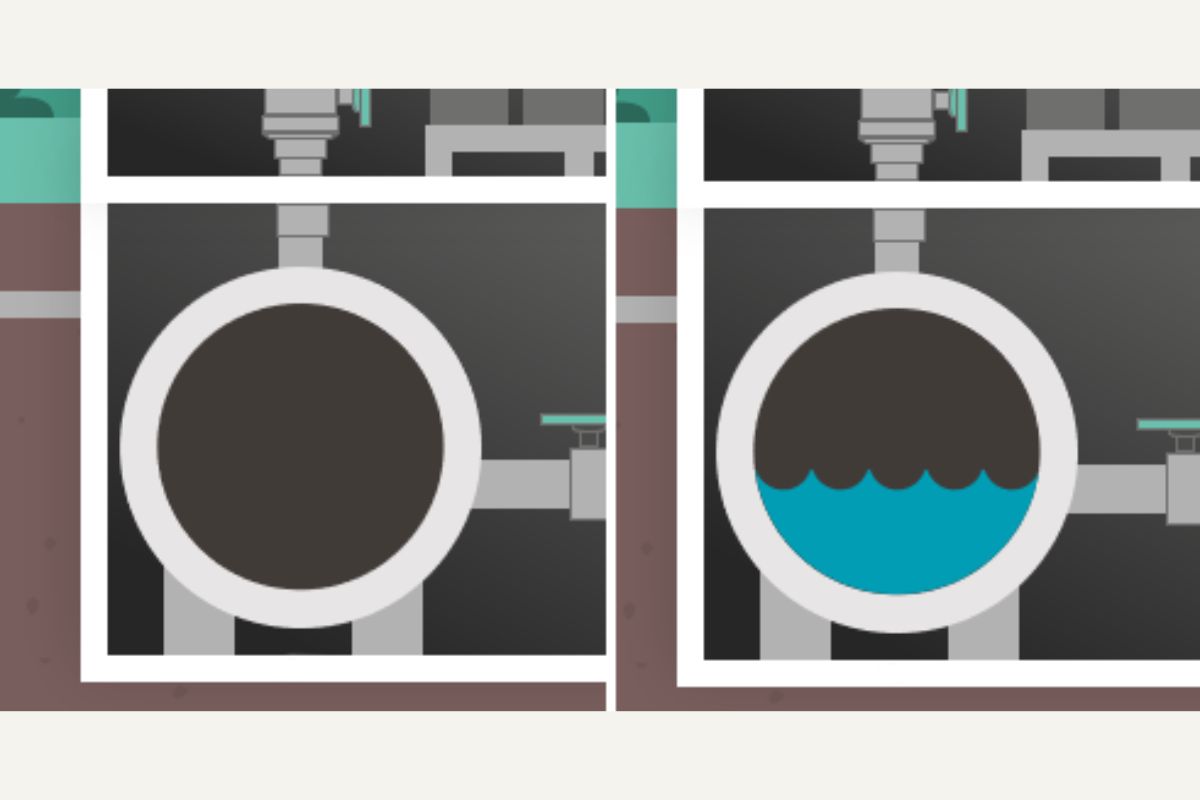
Sustainable vacuum sewerage truly represents the future of wastewater management. With their eco-friendly features, efficiency advantages, technological innovations and cost savings, these systems offer a robust solution for both current and future challenges in urban development and environmental responsibility.
So whether you are involved in urban planning, infrastructure development, or simply interested in sustainable technologies, vacuum sewerage offers numerous benefits that are hard to ignore.