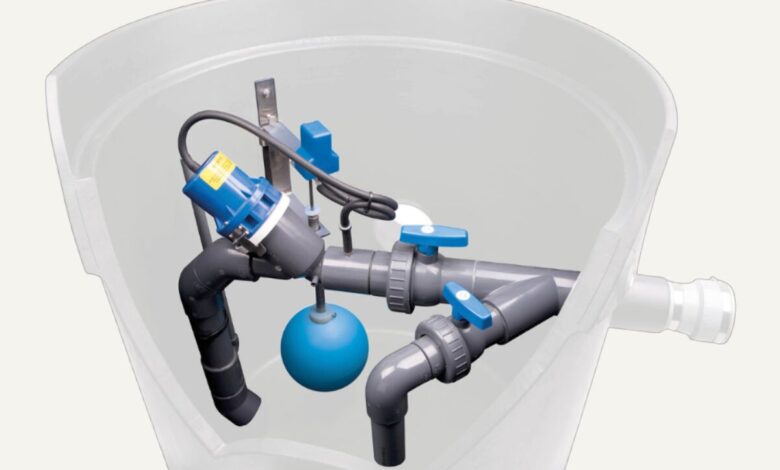
What is vacuum sewerage?
Vacuum sewerage is a revolutionary way to manage wastewater. Instead of the traditional gravity-driven system, vacuum sewerage uses negative pressure to transport wastewater through the system. This provides a more efficient and environmentally friendly solution for collecting and treating wastewater.
How does it work?
The system operates through vacuum pumps that create negative pressure in the pipes. When a valve opens, the wastewater is sucked through the pipes at high speed to a central collection unit. This process minimizes water usage and prevents leaks, contributing to sustainability.
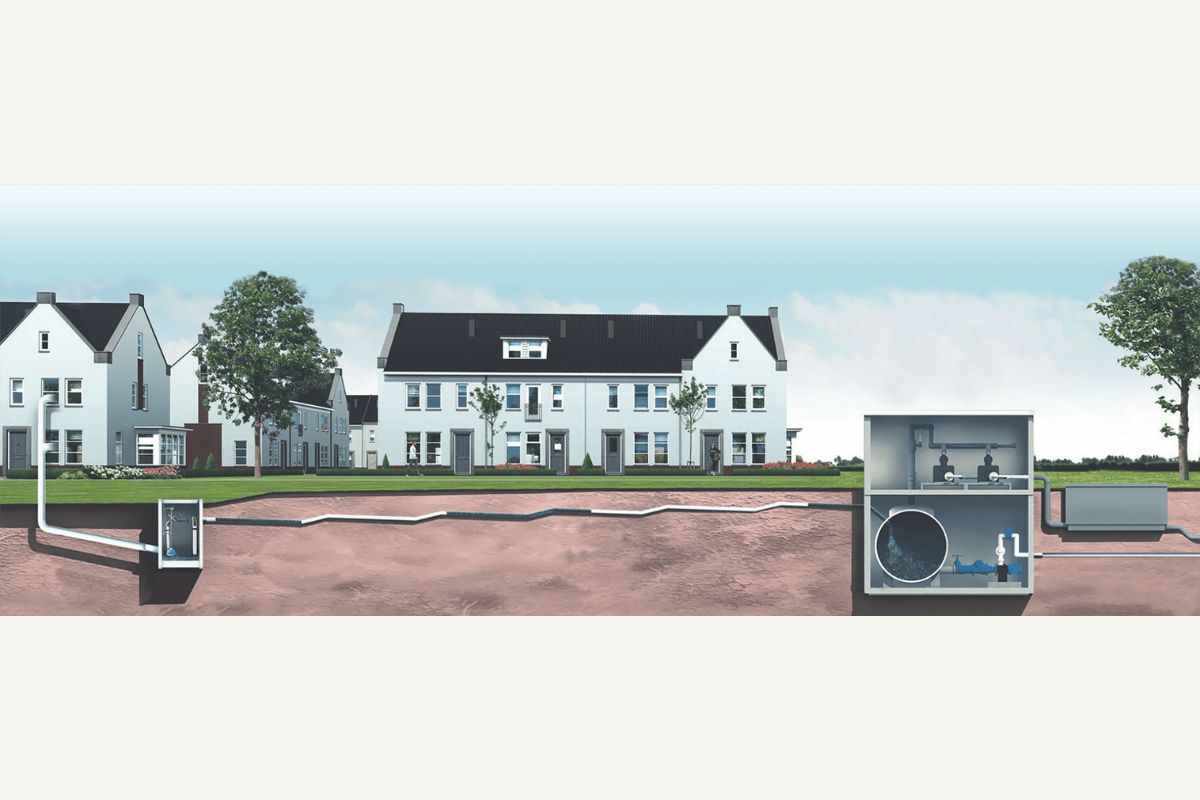
Sustainability and environmental friendliness
One of the biggest advantages of vacuum sewerage is its sustainability. Traditional sewer systems can often lead to water loss and groundwater contamination. With vacuum sewerage, you significantly reduce these risks.
Reduced water usage
Since the system uses negative pressure, less water is needed to transport the wastewater. This means you not only save water but also reduce your ecological footprint.
Preventing leaks
Leaks are a common problem with traditional sewer systems. Thanks to the closed nature of vacuum sewerage, leaks are virtually eliminated, resulting in less pollution and lower maintenance costs.
Cost savings and efficiency
In addition to environmental benefits, vacuum sewerage also offers financial advantages. The system can save money in the long run through more efficient water management and lower maintenance costs.
Lower maintenance costs
Because vacuum sewerage is less prone to blockages and leaks, maintenance costs are lower compared to traditional systems. This means you spend less money on repairs and upkeep.
Efficiency in water management
The efficient use of water in vacuum sewerage systems leads to lower operational costs. This makes it an attractive option for both urban and rural areas looking for cost-effective wastewater management solutions.
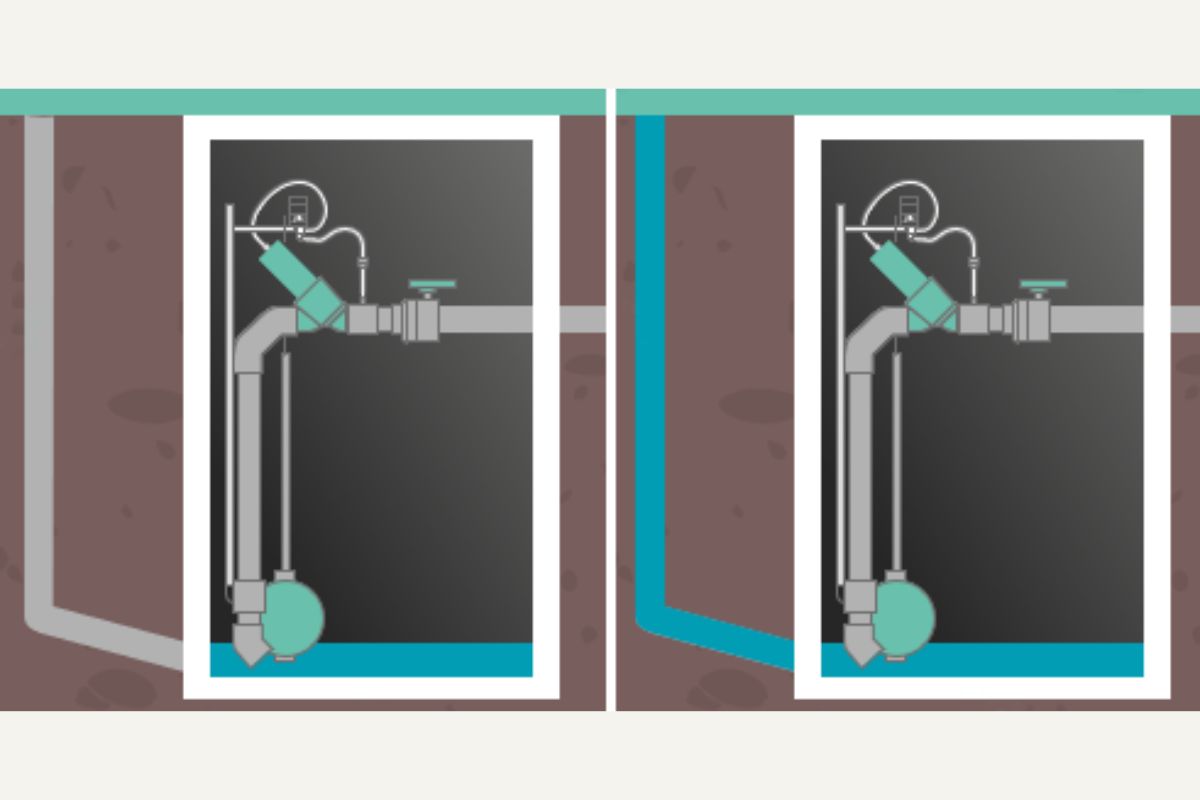
Technological innovation
Technological advancements have made vacuum sewerage systems increasingly sophisticated and reliable. New materials and designs make these systems even more efficient and durable.
Innovative materials
Modern vacuum sewerage systems use innovative materials that resist corrosion and wear. This extends the system’s lifespan and reduces the need for frequent replacements.
Advanced designs
Thanks to advanced designs, these systems can be easily installed in both new and existing infrastructures. This makes them flexible and adaptable to various urban environments.
Urban expansion and regulations
With growing urban areas, the demand for innovative wastewater systems is increasing. Stricter environmental regulations also encourage the adoption of sustainable sewer solutions like vacuum sewerage.
Need for space-saving solutions
Cities are expanding rapidly, meaning space is becoming increasingly scarce. Vacuum sewerage systems take up less space than traditional systems, making them ideal for densely populated urban areas.
Meeting environmental guidelines
Stricter environmental regulations force cities to seek more sustainable solutions for wastewater management. Vacuum sewerage meets these requirements by using less water and preventing leaks, contributing to a cleaner environment.
Vacuum sewerage offers an innovative solution for modern challenges in wastewater management. By combining sustainability, cost savings, and technological innovation, this system represents a future-proof choice for both urban and rural areas. If you want to learn more about how vacuum sewer systems work, you can read further on specialized websites that delve deeply into these technologies.
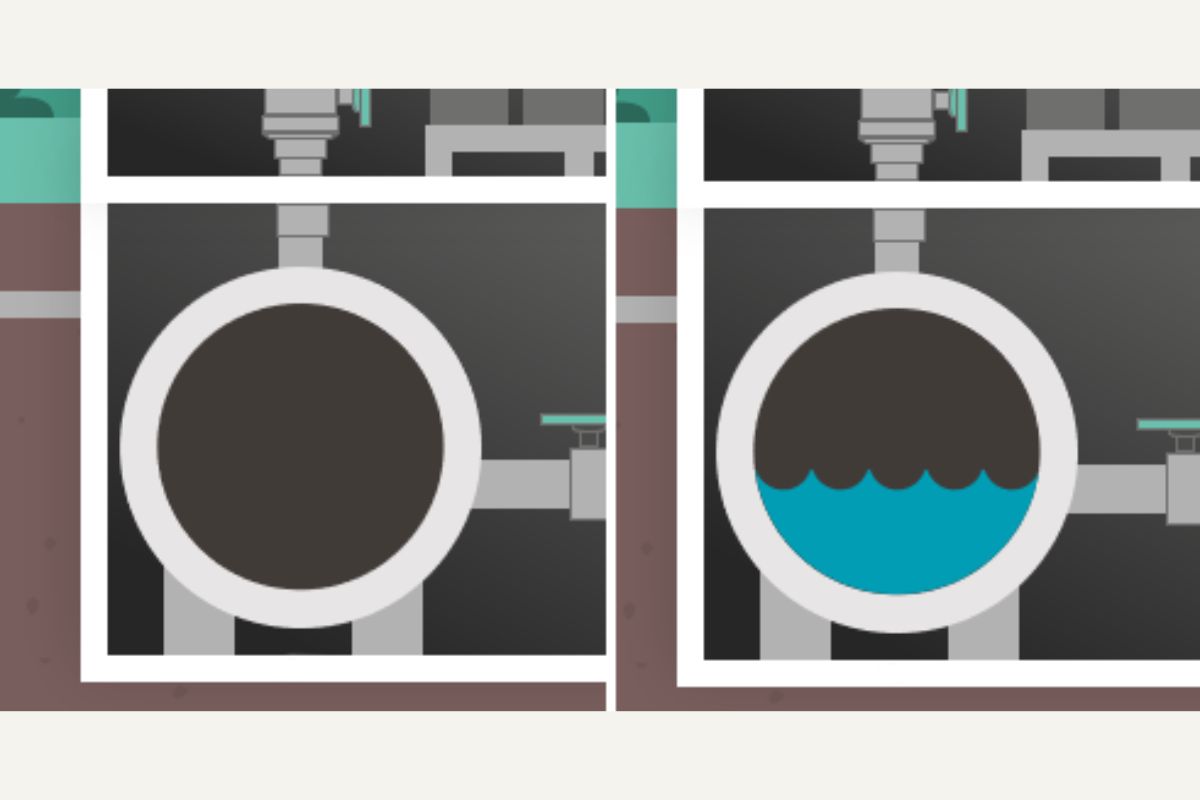
By choosing vacuum sewerage, you not only contribute to a more sustainable world but also benefit from lower costs and higher efficiency in water management. It’s clear that this technology will play an important role in the future of urban infrastructure and wastewater management.