The Story Of BPTP Harassing Home Buyer Continues, Why Justice Is Far Away From Common Man. When Will Government Take A Landmark Action Against BPTP Directors
Despite ED Raids, CBI FIR & Police FIR Kabul Chawla & Other Directors Of BPTP Were Never Arrested, Till When They Will Play Around With Legal System

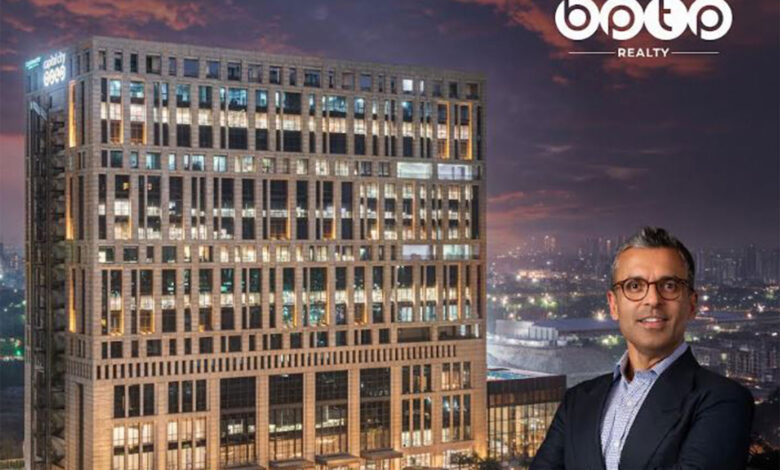
BPTP’s Unfinished Legacy in Greater Faridabad: A Decade of Incomplete Infrastructure, Resident Burden and Delayed Accountability
In the sprawling residential sectors of Greater Faridabad developed by BPTP, thousands of homebuyers who paid substantial sums for plotted and floored properties continue to live with broken roads, irregular water supply, overflowing sewage, incomplete street lighting and uncertain electricity connections. What was marketed as modern, integrated living has, for many residents across sectors 75 to 89, become a prolonged struggle for basic civic amenities that should have been delivered years ago.
This is not a sudden crisis. It is the accumulation of years of unresolved grievances that have forced residents into repeated protests, electoral boycotts and political escalation, culminating in the recent formation of an official investigation committee.
A Pattern of Persistent Complaints
Public records and contemporary reporting show a consistent pattern. In May 2024, residents representing approximately 12 Resident Welfare Associations and around 8,000 voters publicly announced an electoral boycott. Their stated reasons included unresolved civic problems, particularly road-repair charges and lack of transparency in maintenance collections. BPTP’s then-vice-president responded that the company was ready to discuss and resolve issues and denied collecting unjustified maintenance charges. The underlying problems did not disappear.
Through 2025 and into 2026, residents continued to report:
- Water supply arriving at intervals of 25–40 hours in several blocks.
- Sewerage systems marked by overflowing sewage, blockages, and reliance on tanker extraction.
- Roads that deteriorate rapidly, with residents later billed for repairs.
- Incomplete or non-functional street lighting and electricity infrastructure in parts of the colonies.
- Parks and common areas left in inadequate condition.
Protests at BPTP offices, marches, and formal complaints to local administration and elected representatives became recurring events. In multiple instances, residents explicitly demanded that the infrastructure be handed over to the Municipal Corporation so that civic services could be regularised under public authority rather than remaining under the developer’s control.
The Critical Distinction: Development Obligation versus Maintenance Charge
At the heart of the dispute lies a fundamental question of responsibility. Development works — construction of internal roads to specified standards, sewerage networks with proper gradient and connectivity, water pipelines of adequate capacity, electrical distribution infrastructure, street lighting and community facilities — form part of the original obligations of a licensed coloniser under the Haryana development framework and the terms of licences and layout approvals.
Once these works are completed, certified and validly handed over, subsequent cleaning, horticulture, security and minor upkeep may legitimately fall under maintenance. Residents allege that fundamental deficiencies are being treated as routine maintenance expenses and recovered through recurring charges or special bills for road repairs. BPTP has maintained that the charges relate to legitimate expenditure and are not unjustified.
The distinction is not academic. If works that should have been completed as part of the developer’s original obligation remain incomplete or sub-standard years after possession, shifting the cost of completion or repeated repair onto residents raises serious questions of contractual fairness, transparency and statutory compliance. The absence of clear public documentation showing when each component was completed, by whom it was certified, and whether it was formally handed over to any competent authority has fuelled the prolonged conflict.
Political Escalation and Formal Investigation
The grievances moved beyond private complaints. Residents approached their elected representative. Rajesh Nagar, MLA from the Tigaon segment and later Haryana Minister for Food, Civil Supplies and Consumer Affairs, became actively involved. Meetings were held between BPTP representatives and RWA office-bearers. Some issues reportedly saw progress toward agreement; others remained unresolved, leading to calls for higher-level departmental examination.
On 4 August 2026, the matter reached a formal administrative stage. At a meeting held at the Mini Secretariat in Faridabad, a five-member joint committee comprising officials of the Faridabad Metropolitan Development Authority (FMDA) and the Faridabad Municipal Corporation was constituted on the directions of Minister Rajesh Nagar. The committee has been tasked with conducting a survey of the entire BPTP area and submitting a detailed report within 15 days identifying:
- which development works remain incomplete,
- the extent of pending work at specific locations, and
- whether construction has been carried out according to prescribed standards.
The Minister stated that strict action would be taken as per rules against any contractor or agency found negligent, and that departments would be directed to act on the findings so that residents receive better basic facilities.
This development is significant. It converts long-standing resident complaints into an official inter-departmental examination with a defined timeline. Yet the committee’s present mandate, as publicly described, focuses primarily on physical incompleteness and standards. The deeper questions of contractual obligations, the legal basis of charges collected from residents, the status of Completion Certificates, and the reasons for delayed handover to municipal authorities remain critical and may require parallel documentary scrutiny.
The Larger Accountability Question
BPTP developed a substantial residential footprint in Greater Faridabad. Licences were obtained, layouts approved, and projects registered under RERA in various phases. Homebuyers paid for plots and floors on the understanding that the promised internal infrastructure would be delivered. Years later, large numbers of residents still report living with incomplete or deficient basic services while continuing to pay maintenance and special charges.
The persistence of these issues across multiple years, the scale of resident mobilisation, the involvement of elected representatives, and the eventual constitution of a formal investigation committee together indicate that the problems cannot be dismissed as isolated maintenance lapses. They raise systemic questions about the fulfilment of development obligations, the transparency of financial collections, and the effectiveness of regulatory oversight in ensuring timely completion and handover.
Any serious resolution requires more than statements of willingness to discuss. It requires clear answers to precise questions: What was contractually and statutorily promised? What was actually constructed and certified? Who paid for it? Under what authority were subsequent charges levied? Why has formal handover to public authorities been delayed? And who bears the residual responsibility for completing deficient works?
Until these questions are answered through transparent documentation, independent technical verification and administrative accountability, the residents of BPTP’s Greater Faridabad sectors will continue to bear the daily cost of incomplete infrastructure that should have been finished long ago. The newly constituted committee is a necessary step. Whether it becomes a genuine instrument of accountability or remains limited to surface inspection will determine if the long-suffering residents finally receive the civic amenities for which they paid.