Mukesh Kumar Pukhraj Jain Arrested In Digital Arrest Case
Enforcement Directorate Panaji Zonal Office arrests Mukesh Kumar Pukhraj Jain alias Mukesh Bhai under the Prevention of Money Laundering Act as the sixth accused in a digital arrest cyber fraud network. A Goa resident transferred 2,60,00,000 into accounts described as Secret Supervision Accounts after prolonged video coercion. The same accounts surface in more than 300 victim complaints and over 160 FIRs across more than 20 states and union territories with reported losses of 417 Crore. Jain arranged bank credits through brokers, received cash commissions, and admitted knowledge that the funds originated from cyber fraud including digital arrest scams. Records and mobile handsets were destroyed after searches. How does one video call expand into organised conversion of proceeds into cash and foreign currency across the country.

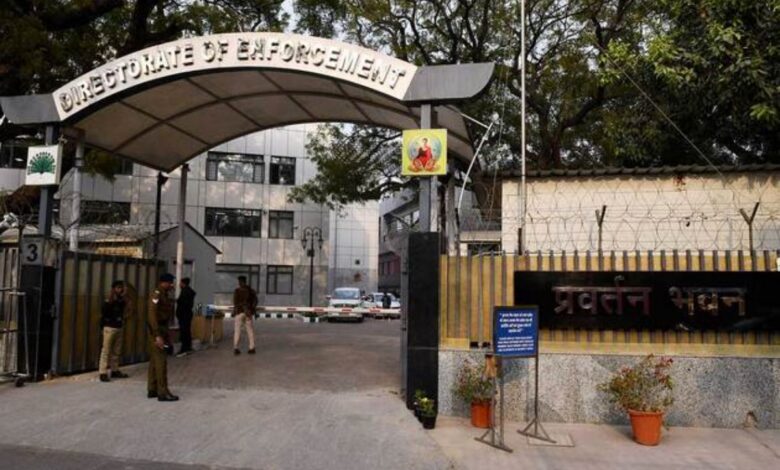
The Directorate of Enforcement Panaji Zonal Office has arrested Mukesh Kumar Pukhraj Jain also known as Mukesh Bhai on 16.10.2026 under the Prevention of Money Laundering Act 2002 in the case relating to the digital arrest cyber fraud upon a resident of Goa. The Honble Special Court PMLA Goa has remanded him to ED custody up to 19.10.2026. He is the sixth person to be arrested in this case.
ED investigation was initiated on the basis of an FIR registered by the Cyber Crime Police Station North Goa. The victim was kept on a video call made to believe that she was under criminal investigation and coerced into transferring about 2.6 Crore into accounts falsely described as Secret Supervision Accounts.
ED investigation has revealed that the money entered a network of companies set up to receive the proceeds of cyber fraud by bank transfer convert them into cash and then into foreign currency. The accounts of this network figure in over 300 victim complaints and more than 160 FIRs across over twenty States and Union Territories with reported losses of about 417 Crore.
Mukesh Kumar Pukhraj Jain worked as an RTGS agent for the network.
Through brokers he arranged bank credits into the networks accounts and in return received cash from the persons controlling the network keeping a commission. In his statements under PMLA 2002 he has admitted that he knew the money in this chain came from cyber frauds including digital arrest frauds. After the ED searches he destroyed records and mobile handsets that held evidence of this business. He did not appear on the date fixed for his statement and gave evasive replies when he did appear. Further investigation is under progress.
A single video call in Goa that extracted 2.6 Crore has opened a window into a financial network whose accounts appear in more than 300 victim complaints and over 160 FIRs across more than 20 states and union territories with reported losses of 417 Crore. Mukesh Bhai stands as the sixth person arrested in the investigation. The numbers raise immediate questions about how digital arrest fraud has evolved into organised movement of proceeds through bank transfers cash and foreign currency.
The Goa victim was held on a continuous video call and made to believe she faced criminal investigation. Under that pressure she transferred 2.6 Crore into accounts presented as Secret Supervision Accounts. No such legal procedure exists. The invented official language created the appearance of authority while preventing independent verification. That transfer did not stay isolated. The same accounts surface repeatedly in complaints from other victims. The aggregate reported losses linked to the network reach 417 Crore. The geographic spread covers more than 20 states and union territories. More than 160 FIRs have been registered. The pattern points to reusable financial infrastructure rather than isolated incidents.
Mukesh Bhai operated as an RTGS agent. He arranged bank credits into the network accounts through brokers received cash in return and retained a commission. He admitted knowledge that the funds originated from cyber fraud including digital arrest scams. His role was not to make the threatening calls. It was to move the money into a form that could later be converted. Bank accounts leave records. Repeated credits from unrelated victims attract attention. An intermediary who arranges credits through brokers creates distance between the original deception and the ultimate controllers. Each additional layer reduces the risk that one arrest will expose the entire chain.
Conversion into cash breaks the ordinary trail of account to account transfers. Investigators then depend on withdrawal records CCTV branch statements and communications between participants. Further conversion into foreign currency adds another level of opacity. The sequence of bank transfer to cash to foreign currency is not accidental. It is structured to make recovery harder and accountability more difficult to establish.
The destruction of records and mobile handsets after ED searches is particularly concerning. Devices often contain the communications linking brokers account holders and cash collectors. They may hold transaction alerts payment instructions and commission records. Destroying them after searches suggests awareness of their evidentiary value. The investigation must now rely more heavily on independent banking records documents seized from other premises and material recovered from other participants.
Six arrests do not mean six people performing the same function. Different roles exist for callers account openers transfer arrangers cash collectors and currency converters. Mukesh Bhai as an intermediary who connected accounts and brokers may help map links between otherwise separate transactions. Yet the controlling minds and final beneficiaries may still sit further away. The 417 Crore figure measures reported losses associated with the network accounts. It does not establish that every rupee passed through Jain. The 2.6 Crore from the Goa victim is a distinct transaction that opened the larger probe. Confusing the two distorts both the individual case and the network scale.
The companies that received the funds remain largely unidentified in public disclosures. Their incorporation records directors beneficial owners and actual business activity form the documentary core of the inquiry. Whether they conducted genuine commercial operations or existed primarily to receive and move funds remains open. Who controlled the accounts how quickly money moved after receipt and who ultimately obtained the proceeds are questions that require the underlying banking and corporate records.
The commission structure explains the incentive for participation. Mukesh Bhai retained a commission for arranging credits. The precise rate and total amount earned are not disclosed. Knowledge of the criminal origin turns ordinary facilitation into conscious handling of proceeds of crime. Statements under the Prevention of Money Laundering Act in which he admitted that knowledge place his state of mind at the centre of the case.
Digital arrest fraud isolates victims through prolonged video calls and invented official procedures. Fear of arrest overrides ordinary caution. Money is demanded for verification or supervision. Once transferred the funds enter the network and begin conversion. Recovery becomes progressively harder with each additional layer. The existence of a ready intermediary who can arrange credits shows that the operation has moved beyond opportunistic fraud into organised financial processing.
Victims lose more than money. The Goa resident transferred 2.6 Crore. Across the network the reported losses reach 417 Crore. Each amount represents savings and livelihoods. When funds leave the banking system as cash the practical chance of restitution shrinks. Rapid reporting can improve the chance of interception but once conversion occurs the trail grows more difficult.
The Prevention of Money Laundering Act allows examination of the movement of proceeds rather than only the original deception. The original fraud concerns how the victim was tricked. The money laundering inquiry concerns what happened to the funds who handled them and who benefited. Arresting an RTGS agent focuses attention on that second stage.
Further investigation continues. The identities of remaining participants the precise volume of transactions arranged by Mukesh Bhai the commission totals the destinations of foreign currency and any assets still linked to the proceeds remain open. The sixth arrest expands the map of the network. Each new connection between accounts brokers and cash movements can identify additional beneficiaries and additional victims. The scale already disclosed more than 300 complaints more than 160 FIRs more than 20 states and reported losses of 417 Crore shows that the infrastructure was neither small nor temporary.
The questions that remain are practical. Who controlled the companies. Who supplied the brokers. Who collected the cash. Who converted it into foreign currency. Which assets can still be traced. How many additional participants remain outside the six already arrested. The answers will determine whether the network is dismantled or only disrupted. The numbers already on record demand that those answers be pursued.