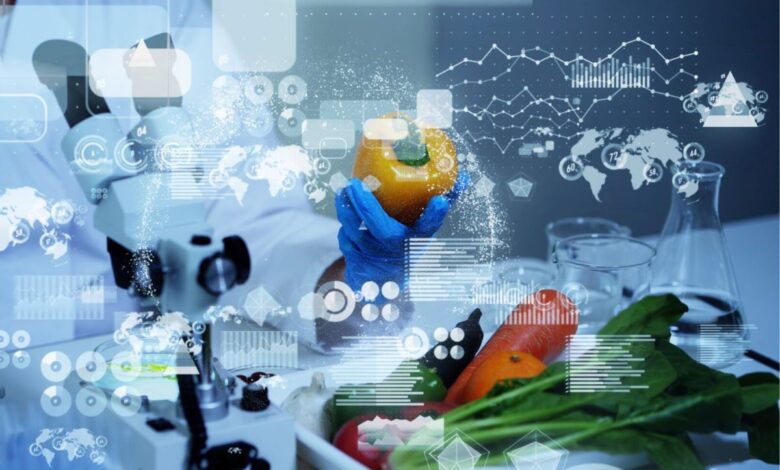
India stands at an extraordinary inflection point in its food industry evolution, witnessing a technological revolution that is fundamentally transforming how food is produced, processed, distributed, and consumed across the subcontinent. The Indian food processing sector, valued at approximately three hundred and fifty-four billion dollars in 2024, represents one of the largest such industries globally, yet it has historically operated with significant inefficiencies, waste, and food safety challenges that technology is now poised to solve. As we progress through 2026, the convergence of artificial intelligence, robotics, blockchain, Internet of Things sensors, and advanced automation technologies is creating a new paradigm where food systems become smarter, safer, more transparent, and dramatically more efficient than anything previously possible.
The global food processing automation market has grown from twenty-seven billion dollars in 2025 to a projected thirty-eight point five eight billion dollars by 2030, expanding at a compound annual growth rate of seven point four percent. India’s food automation market specifically is evolving swiftly, driven by the pressing need to address post-harvest losses that cost the country an estimated one point five three trillion rupees annually, growing consumer demand for traceable and safe food products, and government initiatives like the Production Linked Incentive Scheme supporting technology adoption in food manufacturing.
This comprehensive guide examines the ten most transformative food tech innovations reshaping India’s food landscape in 2026, exploring how each technology works, its real-world applications, and the impact it is having on farmers, food processors, retailers, and consumers across the nation.
1. AI-Powered Robotics in Food Processing and Manufacturing
Artificial intelligence-powered robotics has emerged as the cornerstone innovation revolutionizing food processing operations across India. The India food robotics market reached eighty-eight point six million dollars in 2024 and is projected to nearly double to one hundred and ninety-eight million dollars by 2033, expanding at a compound annual growth rate of nine point four percent.
These sophisticated robotic systems equipped with AI algorithms and computer vision capabilities are now handling complex tasks that previously required extensive manual labor, including packaging operations where robots precisely position products into containers at speeds far exceeding human capabilities, sorting and grading where vision systems analyze size, color, ripeness, and quality parameters to separate produce into different categories, and quality control where AI algorithms detect defects, contamination, or irregularities that human inspectors might miss.
What makes these robotic systems particularly valuable is their consistency and precision. Unlike human workers who may experience fatigue, distraction, or variability in performance throughout the day, robots maintain identical performance levels continuously, ensuring that product quality remains constant across millions of units. Companies like Cybernetik Technologies, Yaskawa India, Shubham Automation, and Clearpack Automation are leading exhibitors showcasing advanced automation technologies that Indian food manufacturers are adopting to improve efficiency and product safety. The technology has proven especially transformative in handling repetitive tasks that are physically demanding yet require precision, freeing human workers to focus on supervisory roles, maintenance, and decision-making activities that leverage uniquely human capabilities like judgment and problem-solving.
2. Blockchain-Based Food Traceability Systems
Blockchain technology has matured from an experimental concept into a practical solution for one of the food industry’s most persistent challenges: establishing reliable traceability from farm to fork. The global blockchain in agriculture market is projected to grow at a remarkable forty-eight percent compound annual growth rate through 2030, with food traceability solutions accounting for sixty-eight percent of implementations.
In India, companies like TraceX Technologies are pioneering blockchain platforms that create immutable digital ledgers recording every transaction and movement of food products throughout the supply chain. When a farmer harvests produce, the details including farm location, harvest date, and quality parameters get recorded on the blockchain. As the product moves through aggregators, processors, distributors, and retailers, each transfer gets logged with timestamps and verified by multiple parties.
The power of blockchain lies in its transparency and tamper-proof nature. Because the ledger is distributed across multiple computers and each transaction must be verified by network participants, it becomes virtually impossible to falsify records or introduce fraudulent information without detection. Consumers can now scan QR codes on product packaging to instantly view the complete journey their food has taken, including which specific farm grew the vegetables, when they were harvested, how they were transported, and what quality checks they passed through.
This transparency addresses growing consumer concerns about food safety, authenticity, and ethical sourcing. Beyond consumer benefits, blockchain enables rapid response during food safety incidents, allowing companies to precisely identify and isolate affected product batches within minutes rather than the days or weeks traditional systems required, thereby minimizing health risks and economic losses from recalls.
3. IoT-Enabled Smart Cold Chain Management
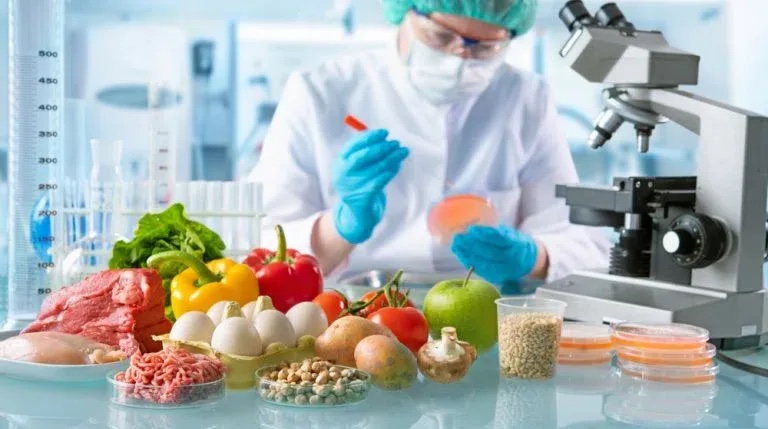
The Internet of Things revolution has transformed cold chain logistics through networks of interconnected sensors that monitor temperature, humidity, and other environmental conditions throughout the journey of perishable foods from farms to retail outlets. Advanced automated monitoring systems now track environmental conditions in real-time to maintain product integrity, addressing one of India’s most costly problems where an estimated forty percent of fruits and vegetables perish before reaching consumers due to inadequate cold chain infrastructure. Modern IoT systems deploy wireless sensors inside refrigerated trucks, warehouses, and storage facilities that continuously measure conditions and transmit data to cloud platforms where AI algorithms analyze patterns and predict potential failures before they occur.
When temperatures deviate from safe ranges, the system automatically alerts logistics managers who can take corrective action immediately, whether that means adjusting refrigeration settings, rerouting shipments, or prioritizing delivery of products at risk. This predictive maintenance capability prevents catastrophic failures where entire truckloads of produce might spoil, translating into substantial cost savings. The technology has proven particularly valuable for temperature-sensitive products like dairy, meat, seafood, and pharmaceuticals where maintaining the cold chain is absolutely critical for safety and quality. Companies are discovering that IoT-enabled cold chain management not only reduces spoilage but also extends shelf life, enables longer-distance distribution, and provides documentation of proper handling that meets regulatory requirements and customer expectations for quality assurance.
4. Vertical Farming and Controlled Environment Agriculture
Vertical farming represents a radical reimagining of agricultural production, growing crops in vertically stacked layers inside controlled indoor environments rather than traditional horizontal fields. This innovation has gained tremendous momentum in India where urbanization has reduced available agricultural land while simultaneously concentrating consumers in cities far from farming regions. By 2026, the global urban vertical farming market value has reached twenty-one point two billion dollars, doubling from 2022 levels, with India emerging as a significant adopter of this technology. Vertical farms utilize hydroponic, aeroponic, or aquaponic growing systems where plants receive nutrients through water solutions rather than soil, combined with LED lighting systems optimized to specific wavelengths that maximize photosynthesis and growth rates.
What makes vertical farming particularly compelling for India is its dramatic efficiency in resource utilization. These systems use up to ninety-five percent less water than conventional farming by recirculating nutrient solutions in closed loops with minimal evaporation, consume substantially less land by stacking growing surfaces vertically, and eliminate pesticide requirements because the controlled environment prevents pest infiltration.
AI-powered climate control systems continuously adjust temperature, humidity, carbon dioxide levels, and lighting to optimal parameters for each crop variety, while blockchain-based traceability systems ensure consumers can verify the origin and growing conditions of their produce. Cities like Bangalore, Mumbai, and Delhi are seeing increasing numbers of vertical farms established in converted warehouses or purpose-built facilities that supply fresh leafy greens, herbs, and microgreens to nearby restaurants and supermarkets, dramatically reducing transportation distances and ensuring superior freshness compared to produce shipped from distant rural farms.
5. AI-Driven Demand Forecasting and Inventory Management
Artificial intelligence has revolutionized how food retailers and processors manage inventory and predict consumer demand, addressing the twin problems of food waste from overstocking and lost sales from understocking. AI systems analyze historical sales data spanning years, seasonal trends, weather patterns, festival calendars, local events, and even social media sentiment to predict demand with extraordinary accuracy. These predictions enable retailers to stock optimal inventory levels, ensuring popular items remain available while minimizing excess stock that might spoil. The impact on food waste has been substantial, with AI systems helping retailers reduce wastage by identifying slow-moving products that should be discounted or donated before expiration and optimizing order quantities based on predicted demand rather than intuition or simple historical averages.
Beyond retail applications, food manufacturers use AI-based demand forecasting to optimize production schedules, reducing the need to maintain large inventories of finished goods while ensuring they can meet demand spikes. The technology considers factors that human planners might miss, such as correlations between weather conditions and consumption of particular product categories or the impact of competitor promotions on demand patterns. This precision in planning translates into reduced costs throughout the supply chain, from raw material procurement through manufacturing to distribution, while simultaneously improving product freshness and availability for consumers who benefit from better in-stock rates and fresher products with longer remaining shelf life.
6. Collaborative Robots in Food Manufacturing
Collaborative robots, commonly called cobots, represent an evolution in industrial robotics specifically designed to work safely alongside human workers rather than in isolated cages. Unlike traditional industrial robots that pose safety hazards requiring physical barriers, cobots incorporate force-sensing technology that immediately stops movement when encountering unexpected resistance, enabling them to operate in close proximity to people. In food manufacturing facilities across India, cobots are gaining traction for tasks such as ingredient handling where they pick and transport components to assembly stations, quality control where they hold products for human inspection or operate testing equipment, and secondary packaging where they assist in placing products into boxes or arranging items on pallets.
The appeal of cobots lies in their flexibility and ease of deployment. Traditional industrial robots require extensive programming by specialized engineers and significant facility modifications, making them practical only for very high-volume operations. Cobots can be programmed through intuitive interfaces where operators physically guide the robot through desired motions, which the system records and replicates. This approachability means small and medium food manufacturers can now afford automation that previously only large corporations could justify. Companies find that cobots handle the physically demanding or repetitive aspects of jobs while human workers focus on tasks requiring judgment, dexterity, or customer interaction, creating hybrid workflows that leverage the strengths of both humans and machines.
7. Three-Dimensional Food Printing Technology
Three-dimensional food printing has transitioned from science fiction to practical reality in commercial food applications. This technology works by depositing edible materials layer by layer to create three-dimensional structures, similar to how plastic 3D printers build objects. In food applications, the printer extrudes pastes, gels, or powders made from ingredients like chocolate, fruit purees, dough, meat alternatives, or vegetable mixtures through specialized nozzles that precisely position each layer according to digital design files. The result can be intricate shapes, personalized portions, or structures impossible to create through traditional food preparation methods.
India’s food industry is exploring 3D printing for several compelling applications including customized nutrition where the technology can create meals with precise nutritional profiles tailored to individual dietary requirements or health conditions, innovative restaurant experiences where chefs design unique presentations and textures that differentiate their offerings, and alternative protein products where plant-based or cultured meat formulations can be structured to mimic the texture and appearance of conventional meat products. While 3D food printing remains more expensive and slower than traditional manufacturing for high-volume production, it excels in customization, creating small batches of specialized products, and enabling experimentation with novel food structures that would be impractical or impossible using conventional techniques.
8. Autonomous Delivery Systems Including Drones and Robots
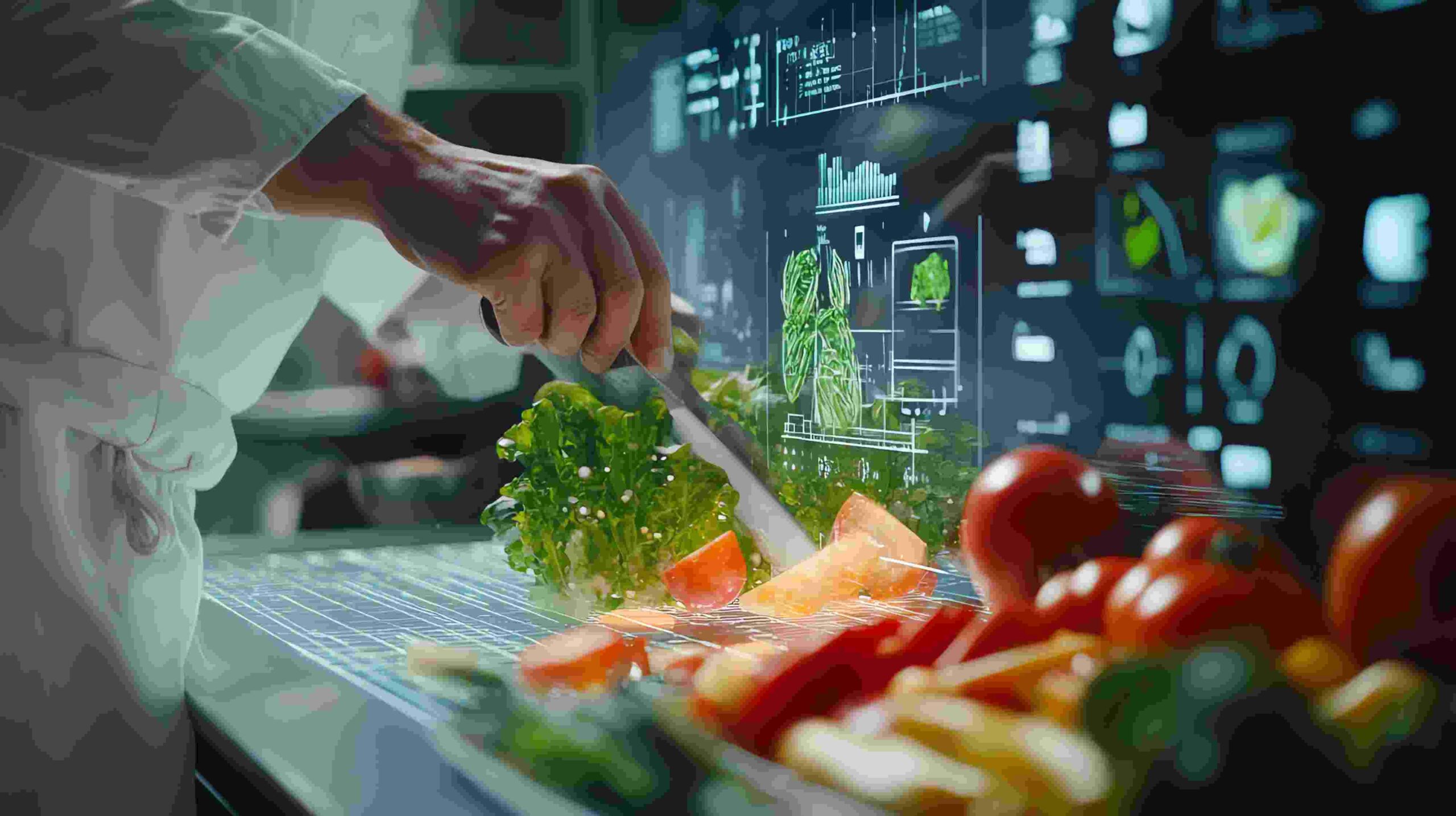
The last mile of food delivery is undergoing dramatic transformation through autonomous delivery systems that promise to overcome urban congestion, reduce delivery costs, and improve speed and reliability. In August 2025, Rapido launched food delivery trials aiming to compete with established players like Swiggy and Zomato by leveraging its bike taxi network, while companies across India invest in drone delivery pilots, delivery robots navigating sidewalks, smart lockers for contactless pickup, and AI-powered dispatch systems that optimize routing. Autonomous vehicles and delivery drones create new user experiences around convenience and safety, particularly valuable in dense metropolitan areas where traffic congestion makes traditional delivery challenging.
Automated micro-warehouses with robotics already picking, packing, and sorting orders are becoming increasingly standard in cloud kitchen and quick-commerce supply chains, allowing for ultra-fast order processing that ensures food freshness and efficient delivery. These systems can fulfill orders in minutes rather than the thirty to forty-five minutes typical of traditional operations. However, significant challenges remain including regulatory approval for drone operations, airspace management coordination, urban infrastructure compatibility with ground-based delivery robots, and balancing automation with labor economics given India’s large workforce dependent on delivery jobs. Companies are actively engaging with policymakers to facilitate development of frameworks for safe, packaged, and ultimately scalable autonomous food logistics systems that can coexist with human delivery partners.
9. Smart Packaging with Active and Intelligent Features
Food packaging has evolved far beyond simply containing products to become an active participant in preserving food quality and communicating condition to consumers and supply chain participants.
Smart packaging incorporates technologies like modified atmosphere packaging that controls oxygen levels inside packages to extend shelf life by slowing oxidation and microbial growth, time-temperature indicators that change color to show whether products have been exposed to unsafe temperatures during storage or transport, freshness indicators that detect chemical compounds released as food spoils and alert consumers before consumption, and QR codes linked to blockchain systems that provide complete traceability and authenticity verification. These innovations address critical challenges in India’s food supply chain where maintaining quality during distribution through varying climatic conditions and infrastructure quality has historically proven difficult.
Automated packaging systems incorporating AI-powered vision inspection, automated sealing, and robotic pick-and-place solutions ensure consistent quality while reducing wastage through precision that minimizes product damage and packaging material use. The technology enables real-time quality assurance where defective packages get identified and removed before reaching consumers. Smart packaging also facilitates supply chain transparency, with automated labeling and traceability systems improving logistics coordination and regulatory compliance. For consumers, smart packaging provides valuable information and confidence that products have been properly handled, while for manufacturers and retailers it reduces losses from spoilage and enables more accurate inventory management through real-time visibility into product condition throughout the distribution network.
10. Alternative Protein Technologies and Cultivated Meat
Alternative protein technologies represent perhaps the most revolutionary innovation in food production, offering sustainable substitutes for conventional animal-based proteins that address environmental, ethical, and food security concerns. In January 2025, Bangalore-based Nosh Robotics introduced Nosh, an AI-powered robo-chef designed to deliver freshly prepared meals across various cuisines, demonstrating how technology enables accessibility of diverse food options.
The alternative protein sector encompasses plant-based meat substitutes that use proteins from soy, peas, lentils, or other plant sources to mimic the taste, texture, and nutritional profile of conventional meat, cultivated or cell-based meat grown from animal cells in bioreactors without raising and slaughtering animals, fermentation-derived proteins where microorganisms produce specific proteins through controlled fermentation processes, and insect-based proteins that offer highly efficient conversion of feed into protein.
India’s large vegetarian population combined with growing environmental awareness creates favorable conditions for alternative protein adoption. Investment in alternative protein startups has accelerated as the technology matures and production costs decline toward parity with conventional proteins. These innovations address the environmental impact of livestock farming which contributes fourteen point five percent of global greenhouse gas emissions while using enormous amounts of land, water, and feed resources.
Alternative proteins offer the potential to dramatically reduce the environmental footprint of feeding India’s growing population while providing nutritious, affordable protein options. The sector combines biotechnology, food science, and sophisticated manufacturing processes that India’s technical talent and entrepreneurial ecosystem are well-positioned to advance, potentially establishing the country as a global leader in sustainable food production technologies.
The Convergence Creating India’s Food Future
The ten innovations profiled here are not developing in isolation but rather converging to create integrated food systems that are fundamentally different from what existed even five years ago. A modern food company in 2026 might use IoT sensors and AI to optimize growing conditions in vertical farms, employ blockchain to create transparent traceability as products move through the supply chain, utilize collaborative robots in processing facilities to ensure consistent quality, package products in smart containers that monitor freshness, and deliver through autonomous systems that optimize routing in real-time. Each technology amplifies the benefits of others, creating synergies where the combined impact far exceeds what any single innovation could achieve independently.
Looking ahead, India’s journey toward becoming a developed and self-reliant economy is being closely shaped by the transformation of its food processing ecosystem. The opportunities are immense, from reducing the one point five three trillion rupees lost annually to post-harvest waste, to creating new employment in high-skilled technology sectors, to establishing Indian companies as global leaders in food technology innovation. However, realizing this potential requires continued investment in research and development, supportive regulatory frameworks that enable innovation while ensuring safety, infrastructure development particularly in rural areas where connectivity and power supply can limit technology deployment, and workforce training to build the skills needed to operate and maintain advanced food systems.
The democratization of these technologies through platforms that make sophisticated capabilities accessible to small and medium enterprises will prove critical in ensuring that innovation benefits the entire food sector rather than only large corporations. Government initiatives like the Production Linked Incentive Scheme for Food Processing Industry provide crucial support by making technology adoption financially viable for companies that might otherwise struggle to justify the initial investment.
As India progresses through 2026 and beyond, the food technology innovations transforming the sector today will become the foundation for a food system that is more productive, sustainable, transparent, and responsive to consumer needs than anything previous generations could have imagined, positioning India not just as a major food producer but as a global innovator in how humanity feeds itself in the twenty-first century.