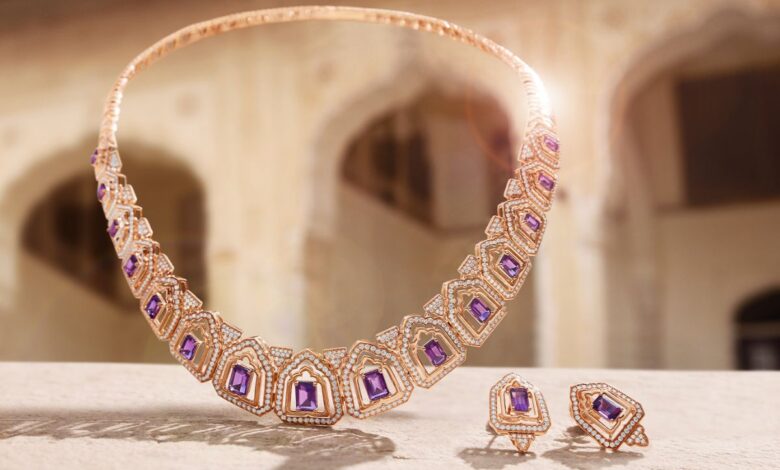
India reigns as the world’s largest consumer of gold jewellery, with a market that seamlessly blends ancient traditions with modern retail excellence. The Indian jewellery industry has evolved from traditional family-run shops to sophisticated organized retail chains offering certified quality, transparent pricing, and contemporary designs. In 2026, the organized retail segment is experiencing impressive growth, with revenues projected to increase fourteen to sixteen percent, driven by strong rural demand, wedding season purchases, and increasing preference for branded, hallmarked jewellery.
1. Tanishq (Titan Company Limited)
Tanishq stands as India’s undisputed leader in organized jewellery retail, backed by the Tata Group’s sterling reputation. Founded in 1994, Tanishq operates over five hundred stores across India and internationally in the UAE, US, Singapore, and Qatar. In the third quarter of fiscal 2026, Titan’s jewellery division achieved remarkable growth with domestic revenue reaching over twenty-one thousand crores, marking forty percent year-over-year growth.
Tanishq’s strength lies in its comprehensive brand portfolio. Mia targets working women with contemporary jewellery, Zoya represents luxury designer pieces, Rivaah specializes in bridal collections, while Aveer caters to men. The brand’s recent launch of beYon enters the lab-grown diamond market, demonstrating innovation leadership. Tanishq’s commitment to transparency, hallmark certification, ethical sourcing, and attractive exchange programs have made it India’s most trusted jewellery brand.
2. Malabar Gold & Diamonds
Malabar Gold & Diamonds has emerged as a global jewellery powerhouse, ranking as the sixth-largest jewellery retailer globally and second-largest in India. Founded in 1993 by M.P. Ahammed in Kozhikode, Kerala, the company has expanded to over three hundred ninety showrooms across thirteen countries, including significant presence in the UAE, Middle East, Singapore, Malaysia, United States, United Kingdom, Canada, and Australia.
With an annual turnover exceeding seven and a half billion dollars, Malabar operates eleven manufacturing facilities in India and five international units, ensuring world-class craftsmanship at competitive prices. The brand emphasizes ethical sourcing and quality assurance, with every diamond passing twenty-eight internal quality tests certified by IGI and GIA. Malabar offers one hundred percent value for gold exchanges, lifetime maintenance, and flexible return policies. The company maintains aggressive expansion plans, targeting sixty new showrooms throughout 2025-2026, reinforcing its global ambitions.
3. Kalyan Jewellers
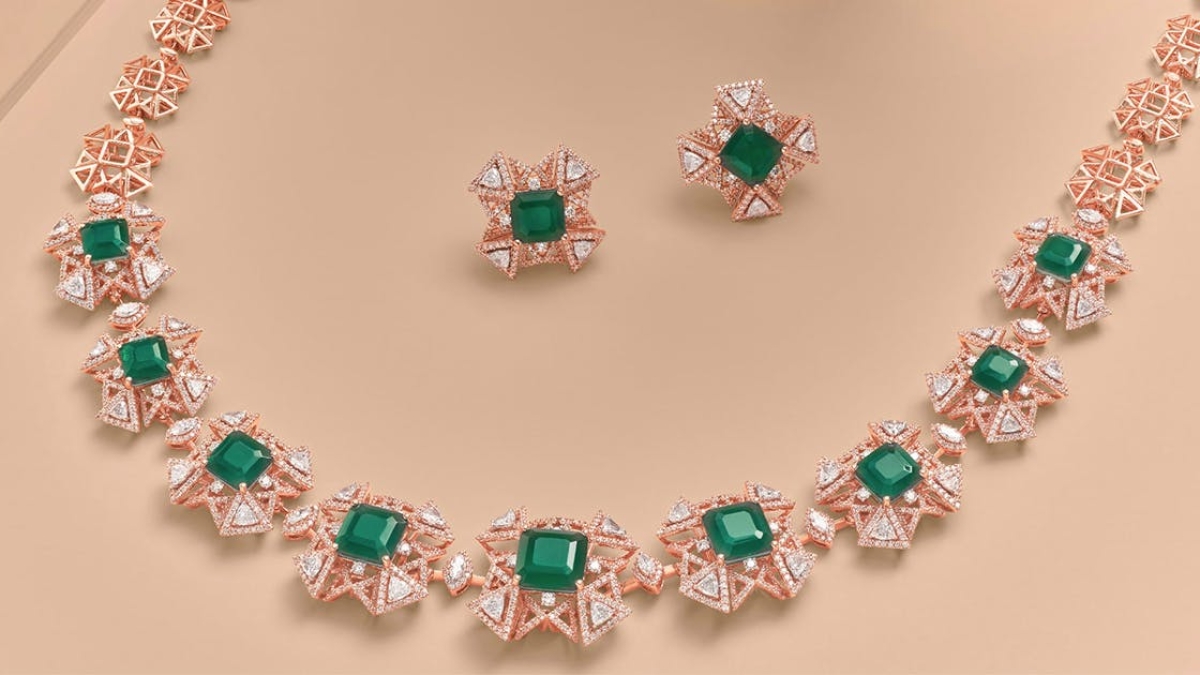
Kalyan Jewellers has established itself as one of India’s fastest-growing organized retailers, operating over four hundred thirty-six showrooms across India, the Middle East, and the United States. Founded in 1993 by T.S. Kalyanaraman, the brand combines traditional craftsmanship with modern retail excellence.
The third quarter of fiscal 2026 showcased exceptional performance with consolidated revenue reaching ten thousand three hundred forty-three crores, representing forty-two percent growth. Profit after tax surged ninety percent to four hundred sixteen crores. The India business generated nine thousand forty-eight crores while international operations contributed one thousand seventy-three crores. Kalyan’s success stems from balanced geographical presence, with non-South markets contributing fifty-eight and a half percent of India revenue and posting twenty-nine percent same-store growth.
The brand’s product mix has evolved with studded jewellery reaching thirty-one percent of sales, improving margins significantly. Kalyan’s digital platform Candere recorded one hundred forty-seven percent revenue growth and turned profitable. The company plans to add eighty to ninety stores annually through its asset-light franchise model, targeting net debt-free status by fiscal 2027.
4. CaratLane (A Tanishq Partnership)
CaratLane represents India’s pioneering success in online jewellery retail. Founded in 2008 by Mithun Sacheti and Srinivasa Gopalan, the company was acquired by Titan in 2016, transforming into one of India’s most profitable direct-to-consumer jewellery brands.
The third quarter of fiscal 2026 demonstrated remarkable momentum with revenue reaching one thousand five hundred thirty-seven crores, marking forty-two percent growth. Operating profit surged fifty-seven percent to two hundred crores, achieving thirteen percent margins. Annual revenue for fiscal 2025 exceeded four thousand two hundred thirty crores, establishing CaratLane as a leader in contemporary jewellery.
CaratLane operates three hundred sixty-five stores across India, having added twenty-four stores in Q3 FY2026 alone. The brand’s technology-first approach includes augmented reality virtual try-on features, allowing customers to experience jewellery before purchase. Every piece carries hallmark and GIA certification, building trust in online transactions. CaratLane targets millennials seeking contemporary, lightweight jewellery for everyday wear, differentiating itself from traditional heavy bridal pieces.
5. Senco Gold & Diamonds
Senco Gold & Diamonds represents heritage jewellery excellence, particularly dominant in eastern India. Founded by Shri Sankar Sen, the company operates approximately one hundred sixty-four stores across India, making it one of the fastest-growing brands in its core markets. Senco’s reputation is built on traditional craftsmanship, intricate designs reflecting Bengali and eastern aesthetics, and comprehensive bridal collections.
The brand successfully balances heritage appeal with contemporary designs, offering diverse products spanning gold, diamond, platinum, and gemstone jewellery. Senco has invested significantly in manufacturing capabilities and design innovation while maintaining competitive pricing. The company’s customer-centric approach includes gold savings schemes, exchange programs, and buyback policies. Senco has embraced digital transformation, developing online platforms while maintaining its strong regional brand equity, making it a formidable player in India’s organized sector.
6. PC Jeweller
PC Jeweller emerged as a leading brand in North and Central India, known for modern designs and extensive wedding collections. Operating approximately eighty stores across sixty-six cities, PC Jeweller has established strong recognition in Delhi, Uttar Pradesh, and surrounding regions. The brand’s offerings encompass comprehensive gold and diamond collections catering to traditional and contemporary tastes.
PC Jeweller positions itself as a destination for young buyers seeking modern interpretations of classic designs, with particular strength in engagement rings and wedding sets. The brand’s competitive advantage lies in understanding North Indian preferences, with collections designed for regional festivals and cultural celebrations. While facing operational challenges requiring restructuring, PC Jeweller remains a recognized name with extensive retail presence providing foundation for renewed growth as organized retail expands.

7. Joyalukkas
Joyalukkas represents a global jewellery brand with strong South Indian roots and significant international expansion. The brand operates numerous showrooms across India and maintains presence in the UAE, UK, US, and other countries, making it one of India’s most internationally recognized retailers.
Known for luxurious bridal collections and fine craftsmanship, Joyalukkas targets customers seeking elegant, high-end jewellery. The brand’s design philosophy emphasizes intricate detailing and traditional motifs combined with contemporary aesthetics. Joyalukkas excels in South Indian traditional styles including temple jewellery, Kundan work, and polki designs. In January 2026, the brand announced plans for a twenty-four thousand square foot flagship store in Dubai’s new Gold District, demonstrating commitment to premium positioning. Joyalukkas offers comprehensive product ranges and serves as a bridge between traditional craftsmanship and global luxury retail standards.
8. Tribhovandas Bhimji Zaveri (TBZ)
Tribhovandas Bhimji Zaveri, known as TBZ, represents over one hundred sixty years of jewellery heritage since its establishment in 1864. TBZ has built an unparalleled reputation for exquisite craftsmanship, heritage-inspired designs, and unwavering commitment to quality. The brand is particularly renowned for Kundan jewellery, traditional gold pieces, diamond necklaces, and bridal collections blending classical aesthetics with contemporary wearability.
TBZ’s designs draw inspiration from Indian royal heritage, temple architecture, and traditional art forms, creating timeless pieces. The brand operates showrooms in major metropolitan cities, serving customers who value heritage and artisanal quality. TBZ jewellery is characterized by meticulous attention to detail and superior finishing. The brand has successfully navigated retail transformation by embracing modern practices while preserving heritage positioning, maintaining stringent quality standards with comprehensive certification and transparent pricing.
9. Bhima Jewellers
Bhima Jewellers represents a century of tradition since its founding in 1925 in Kochi, Kerala. The brand has maintained its position as one of South India’s most respected retailers, known for traditional gold jewellery and unwavering commitment to purity. Operating over one hundred stores across India, Bhima expanded significantly beyond Kerala origins. In February 2026, the brand inaugurated a showroom in Noida, marking strategic North Indian expansion as it enters its centenary phase.
Bhima’s portfolio emphasizes twenty-two karat gold with one hundred percent hallmark certification. The brand excels in traditional South Indian styles including temple jewellery and elaborate bridal sets, while expanding into contemporary designs and diamonds. Bhima distinguishes itself through transparent pricing, ethical sourcing, and customer-focused experience. The expansion strategy targets markets where organized retail gains traction and where the brand’s values of purity and transparency resonate strongly.
10. GRT Jewellers
GRT Jewellers represents six decades of excellence since its 1964 establishment in Tamil Nadu. The brand operates over fifteen stores across India, maintaining strong South Indian presence while expanding to new markets. GRT is known for extensive collections spanning traditional to contemporary designs, serving diverse preferences.
The brand’s Tamil Nadu legacy created deep customer loyalty and recognition. GRT specializes in traditional South Indian jewellery including temple designs, antique pieces, and elaborate bridal collections reflecting regional aesthetics. The brand offers comprehensive solutions across gold, diamond, platinum, and precious stones with hallmark certification. GRT’s retail experience combines traditional service with modern facilities. The company embraces omnichannel retail with online platforms complementing physical stores. Gold savings schemes and loyalty programs provide financial planning tools for customers preparing for life events.
The Indian Jewellery Market in 2026
The Indian jewellery industry is experiencing remarkable transformation in 2026. The organized segment’s fourteen to sixteen percent revenue growth significantly outpaces overall market rates, reflecting consumer preference for branded jewellery with guaranteed purity and transparent pricing. Several key trends shape the industry. Premiumization continues as rising incomes enable investment in higher-value pieces and designer collections. Studded jewellery sales grow faster than plain gold, with ratios increasing from thirty to over thirty-five percent, improving margins.
Digital transformation accelerates with omnichannel strategies becoming essential. CaratLane demonstrates online profitability while traditional retailers invest heavily in e-commerce and technology integration. Virtual try-on, online consultations, and seamless channel integration become standard. Geographic expansion accelerates beyond traditional markets, with brands entering each other’s territories and penetrating tier-two and tier-three cities rapidly.
The franchise-owned, company-operated model gains prominence, enabling capital-efficient expansion. This asset-light approach allows rapid store additions without proportional capital expenditure, improving returns. Approximately half of some brands’ revenue originates from franchise showrooms, validating effectiveness.
Challenges persist, particularly gold price volatility impacting purchasing patterns and working capital. Forecasts suggest ten to fifteen percent gold price increases in 2026. Brands manage this through exchange programs, innovative lower-carat offerings, coin promotions, and inventory optimization. Wedding seasons continue driving the market, with brands optimizing around peak periods. Sustainability and ethical sourcing emerge as differentiators as consumers become conscious of supply chains.
Government support through favorable export policies, one hundred percent FDI allowance, and infrastructure development provides industry tailwinds. India’s position processing seventy-five percent of the world’s polished diamonds creates significant export opportunities and employment.
Conclusion
India’s gems and jewellery industry in 2026 represents a dynamic sector combining ancient traditions with cutting-edge retail innovation. The top ten brands exemplify diverse approaches, from Tanishq’s unmatched trust and scale to CaratLane’s digital innovation, Malabar’s global ambitions, Kalyan’s balanced growth, and heritage brands like TBZ and Bhima bridging tradition with modernity.
The organized segment’s sustained growth reflects economic progress, rising aspirations, and preference for branded retail offering transparency and quality assurance. As incomes rise and younger generations embrace jewellery as adornment and investment, India’s brands are positioned for continued expansion. The diversity of top brands ensures customers across geographies, preferences, and budgets find trusted retailers offering certified quality and comprehensive collections.
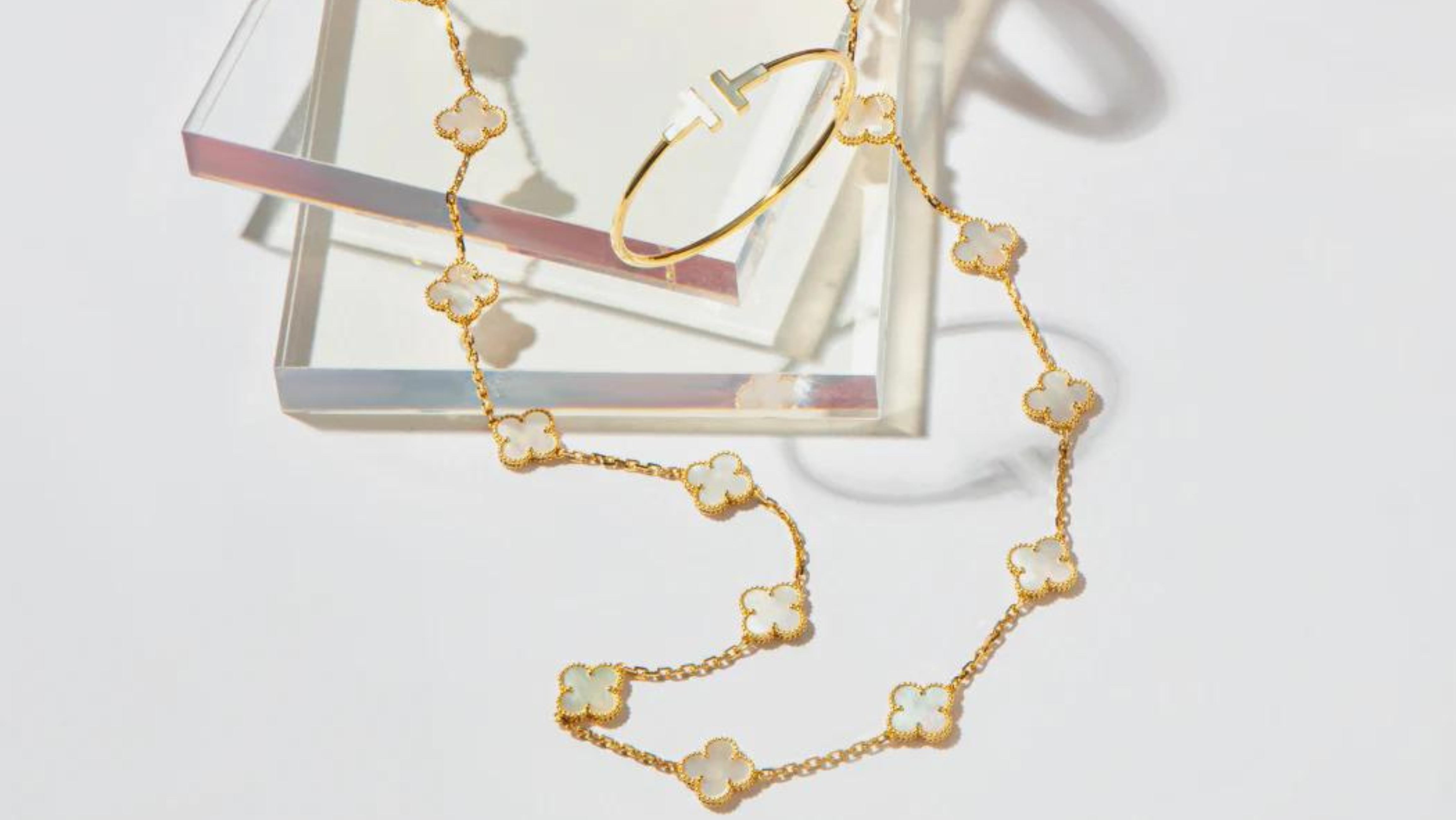
The industry’s trajectory appears exceptionally promising. Continued infrastructure improvements, technology adoption, design innovation, and international expansion will enable Indian brands to compete globally while serving the vast domestic market. The combination of cultural heritage, craftsmanship excellence, competitive pricing, and modern retail practices positions India’s jewellery sector as a critical component of the country’s retail ecosystem. As 2026 progresses, these brands continue shaping India’s jewellery landscape, creating customer value, employment opportunities, and contributing to India’s position as a global gems and jewellery hub.