
Understanding how India’s commercial transportation operates requires looking beyond the visible trucks, delivery vans, and taxis that crowd our highways and city streets. Behind this massive moving infrastructure lies a sophisticated digital ecosystem that most people never think about but which fundamentally enables modern logistics and transportation. These are fleet management systems, and the companies that provide them represent some of India’s most critical but least celebrated infrastructure providers. As we examine the landscape in 2026, the fleet management industry has matured into an essential component of India’s economic machinery, touching everything from the food arriving at your doorstep to the materials building our cities.
Fleet management encompasses far more than simply knowing where vehicles are located. The term refers to comprehensive systems that track vehicles in real time using GPS technology, monitor driver behavior to improve safety and efficiency, optimize fuel consumption to reduce costs and emissions, schedule preventive maintenance to avoid breakdowns, ensure regulatory compliance with transportation laws, and analyze operational data to identify improvement opportunities. Think of fleet management software as the nervous system of commercial transportation, constantly gathering information from thousands of vehicles and processing that data into actionable insights that help businesses operate more efficiently.
India’s commercial vehicle ecosystem presents unique challenges that make sophisticated fleet management particularly valuable. The country operates over five million commercial vehicles traversing diverse terrain from Himalayan mountain roads to coastal highways, experiencing extreme weather from monsoon flooding to desert heat, navigating traffic conditions ranging from rural roads to congested metropolitan areas, and working within regulatory frameworks that vary across state boundaries. Additionally, Indian logistics companies operate on razor-thin profit margins where even small efficiency improvements can determine business survival, making every rupee of fuel savings and every hour of reduced downtime critically important.
The fleet management market in India has grown substantially as businesses recognize that visibility into operations drives profitability. Companies that once managed fleets using paper logbooks and phone calls to drivers now deploy sophisticated software platforms that provide minute-by-minute visibility into every vehicle’s location, performance, and status. This transformation accelerated dramatically during the pandemic years when supply chain disruptions made operational efficiency paramount, and this momentum has continued into 2026 as more businesses across logistics, e-commerce, manufacturing, and services sectors recognize fleet technology as essential rather than optional infrastructure.
1. Watsoo: IoT-Enabled Comprehensive Fleet Intelligence
Watsoo has established itself as one of India’s leading fleet management solution providers by focusing intensively on Internet of Things integration and comprehensive vehicle monitoring capabilities designed specifically for Indian operational challenges. The company distinguishes itself through in-house manufacturing of tracking devices and sensors rather than relying entirely on third-party hardware, giving them tighter control over product quality and the ability to customize solutions for specific Indian requirements. This vertical integration from hardware through software enables Watsoo to deliver complete fleet management ecosystems rather than requiring customers to assemble solutions from multiple vendors.
The company’s platform encompasses real-time GPS tracking that shows vehicle locations with high accuracy, automated vehicle and goods management systems that reduce manual coordination overhead, expense analytics delivered through centralized dashboards that illuminate cost drivers, fuel monitoring solutions using specialized sensors that detect theft and wastage, video monitoring capabilities that record driver behavior and road conditions, and compliance management tools ensuring vehicles maintain required documentation and certifications. This comprehensive approach means businesses can manage their entire fleet operation through Watsoo’s unified platform rather than juggling separate systems for tracking, fuel monitoring, maintenance scheduling, and compliance documentation.
What makes Watsoo particularly relevant for Indian businesses is their deep understanding of the specific challenges facing fleet operators in this market. Indian roads present unique stresses on vehicles through poor surface conditions in many areas, extreme temperature variations across seasons and regions, and unpredictable traffic that makes route timing difficult. Watsoo’s solutions account for these realities by providing robust hardware that withstands harsh conditions, analytics that help optimize routes considering Indian traffic patterns, and cost tracking that helps businesses understand the true operating costs of vehicles in Indian conditions where fuel theft and maintenance issues significantly impact profitability.
The platform integrates with existing enterprise systems including warehouse management software, enterprise resource planning systems, and accounting packages, ensuring that fleet data flows into broader business operations rather than existing in isolation. This integration capability proves particularly valuable for larger organizations that have invested in multiple business systems and need fleet management to work harmoniously with existing infrastructure rather than requiring wholesale replacement of operational platforms. Watsoo serves industries spanning logistics and transportation companies managing hundreds of trucks, manufacturing firms coordinating raw material and finished goods movement, construction companies tracking heavy equipment, and service businesses managing field technician vehicles.
2. Fleetx: Artificial Intelligence Meets Real-Time Fleet Data
Fleetx has carved a distinctive position in India’s fleet management landscape by emphasizing artificial intelligence and machine learning capabilities that transform raw operational data into predictive insights and automated recommendations. Rather than simply reporting what happened, Fleetx’s platform anticipates problems before they occur and suggests optimal actions fleet managers should take. This shift from reactive reporting to proactive management represents a fundamental evolution in how sophisticated fleet operators approach their work, moving from constantly firefighting issues toward systematically preventing problems.
The company’s AI capabilities manifest in several practical applications that deliver tangible business value. Predictive maintenance diagnostics analyze vehicle sensor data to identify patterns indicating impending component failures, allowing maintenance to occur before breakdowns rather than after expensive roadside incidents. Route optimization algorithms process real time traffic data, historical patterns, and current vehicle locations to suggest routing that minimizes fuel consumption and maximizes on-time delivery rates. Driver behavior analysis uses telematics data to identify risky driving patterns including harsh braking, rapid acceleration, and excessive speeding, enabling targeted coaching that reduces accident rates and vehicle wear. Load dispatch planning intelligently matches available vehicles with pending shipments considering vehicle capacity, location, driver hours, and delivery windows to maximize fleet utilization.
Fleetx’s multi-modal transportation management system accommodates the reality that many logistics operations involve more than just trucks, including combinations of road, rail, and sometimes air transport for comprehensive supply chain visibility. Their platform provides unified tracking across different transport modes, consolidated billing and documentation, and analytics showing the performance and cost structure of each transportation type. This capability proves particularly valuable for larger logistics providers managing complex supply chains where shipments transition between different carriers and transportation modes during their journey from origin to destination.
The company serves large enterprises that require scalable solutions handling thousands of vehicles and complex operational requirements including multi-location fleet management, sophisticated reporting for different business units, and integration with customer systems for real-time shipment visibility. Fleetx counts prominent Indian corporations among its clients, organizations that demand enterprise-grade reliability, security, and support rather than basic tracking capabilities sufficient for smaller operators. This enterprise focus means Fleetx typically serves larger, more sophisticated fleet operations rather than small businesses with modest fleets where simpler solutions may prove more cost-effective.

3. Fleetly: Video Telematics and Driver Safety Focus
Fleetly has built its market position by emphasizing video telematics and comprehensive driver safety programs rather than treating video monitoring as merely an optional add-on feature. The company recognizes that driver behaviour represents one of the largest variables affecting fleet costs through its impact on fuel consumption, vehicle maintenance needs, accident frequency, and insurance premiums. By making video monitoring and driver coaching central rather than peripheral to their offering, Fleetly appeals particularly to fleet operators who have identified driver behavior as their primary operational challenge requiring systematic intervention.
The platform’s dashcam integration provides high-definition video recording of road conditions and driver actions, triggered recording during harsh events like hard braking or collisions, cloud storage of video footage for review and analysis, and automated event detection using computer vision that identifies potentially risky situations. This video evidence proves invaluable when accidents occur by providing objective documentation of circumstances, often protecting drivers from false claims while also identifying when drivers acted inappropriately and require additional training. Beyond accident investigation, regular review of recorded footage helps identify persistent poor driving habits that might not cause immediate incidents but increase long-term risk and costs.
Fleetly’s driver behavior monitoring systems track multiple parameters including excessive speeding beyond posted limits, harsh braking indicating inadequate following distance or inattention, rapid acceleration that wastes fuel, aggressive cornering, and excessive idling. The platform generates driver scorecards that quantify behavior across these dimensions, enabling fleet managers to identify which drivers require coaching and track improvement over time. Many organizations implementing video telematics and driver scoring systems report substantial reductions in accident rates, fuel consumption, and vehicle maintenance costs as drivers modify behavior knowing their actions are monitored and measured.
The company offers Usage-Based Insurance partnerships that leverage telematics data to provide more favorable insurance rates for fleets demonstrating safe driving patterns. Traditional commercial vehicle insurance prices policies based primarily on vehicle type and historical claims, creating situations where carefully managed fleets with excellent safety records subsidize poorly managed operations with frequent accidents. Usage-Based Insurance changes this dynamic by monitoring actual driving behavior and adjusting premiums accordingly, rewarding safe fleets with lower costs while charging higher rates to risky operations. This creates powerful financial incentives for implementing systematic driver safety programs beyond the obvious goal of avoiding accidents and injuries.
4. Everest Fleet: Physical Fleet Operations and Driver Partnership
Everest Fleet represents a different model compared to purely software-focused fleet management companies. Rather than providing technology platforms that businesses use to manage their own vehicles, Everest operates physical fleets that businesses can lease or partner with for their transportation needs. Founded in 2016 and based in Mumbai, the company has grown to operate over eighteen thousand vehicles across seven major Indian cities including Mumbai, Delhi, Bangalore, Hyderabad, Chennai, Pune, and Kolkata. This physical fleet operation model particularly appeals to businesses that prefer outsourcing vehicle management entirely rather than handling the complexities of fleet ownership in-house.
The company’s business model serves multiple market segments with distinct requirements. They supply vehicles to ride-hailing platforms including major taxi aggregators, providing the physical cars that drivers use to serve passengers while Everest handles vehicle acquisition, financing, maintenance, and insurance. They operate temperature-controlled logistics fleets with refrigerated and freezer vans for transporting perishable goods including food products and pharmaceuticals that require cold chain maintenance. They provide inter-city ride services for passengers traveling between cities, competing with traditional bus services and personal vehicles. They offer corporate employee mobility solutions including dedicated vehicles for executive transportation and shuttle services for employee commutes.
What distinguishes Everest Fleet is their focus on driver partnership and community development rather than treating drivers as mere labor resources. The company implements driver empowerment programs that help driver-partners establish sustainable income sources, career development pathways that enable drivers to progress toward fleet ownership or management roles, skill enhancement training that improves driving safety and customer service capabilities, and entrepreneurship programs helping drivers eventually become fleet operators themselves. This driver-centric approach acknowledges that in service businesses like ride-hailing and logistics, driver satisfaction directly impacts customer experience and business sustainability.
Everest Fleet has demonstrated commitment to sustainable transportation by transitioning vehicles toward cleaner fuels including compressed natural gas and electric vehicles, responding to both environmental concerns and economic pressures from rising petroleum prices. The company’s scale enables them to negotiate favorable terms with vehicle manufacturers and financing institutions, cost advantages they can pass through to business customers while maintaining profitable operations. For companies evaluating whether to own vehicles or partner with fleet operators like Everest, the decision often hinges on comparing the total cost and management complexity of ownership against the flexibility and reduced capital requirements of leasing arrangements.
5. Ayvens India: Enterprise Fleet Leasing Excellence
Ayvens India operates at the premium end of India’s fleet management market, managing over forty-four thousand vehicles for more than eighteen hundred corporate customers across the country. The company’s scale and corporate focus distinguish it from smaller operators, positioning Ayvens as the choice for large enterprises requiring professional fleet management partnerships rather than basic vehicle tracking software. Ayvens brings international fleet management best practices to India, combining global expertise with local market understanding to serve sophisticated corporate clients whose fleet requirements exceed what purely domestic providers can deliver.

The company provides comprehensive fleet leasing solutions that encompass vehicle procurement through relationships with major automotive manufacturers, fleet financing arrangements that preserve customer capital for core business activities, complete maintenance management including preventive servicing and breakdown repairs, insurance administration handling all claims and renewals, replacement vehicle provision during maintenance or accidents ensuring business continuity, and end-of-lease vehicle disposition maximizing residual value recovery. This full-service approach means corporate customers essentially outsource all vehicle-related responsibilities to Ayvens, allowing them to focus on core business operations while Ayvens handles the complexity of fleet management.
Ayvens particularly appeals to multinational corporations and large Indian enterprises that require standardized fleet management across multiple locations with consistent service levels regardless of where vehicles operate. The company’s national coverage ensures that a vehicle maintained in Delhi receives the same service quality as one in Bangalore, critical for organizations that cannot tolerate service inconsistency based on location. Their established relationships with automotive manufacturers enable access to favorable pricing and preferred service arrangements that smaller fleet operators cannot match, cost advantages that Ayvens shares with customers while maintaining healthy business margins.
The company’s commitment to sustainable mobility aligns with increasing corporate emphasis on environmental, social, and governance considerations. Ayvens helps clients transition toward electric and hybrid vehicles, providing expertise in managing the unique requirements of electric fleet operations including charging infrastructure planning, range optimization, battery health monitoring, and total cost of ownership analysis comparing electric versus conventional vehicles. For corporations establishing sustainability goals that include fleet electrification, Ayvens provides practical pathways toward those objectives rather than leaving customers to navigate electric vehicle adoption independently without specialized fleet electrification knowledge.
6. Geotab: Hardware-Agnostic Open Platform Approach
Geotab brings a fundamentally different philosophy to fleet management compared to companies offering proprietary closed systems. The Canadian company’s hardware-agnostic open platform approach prioritizes data sovereignty and interoperability, allowing customers to own their fleet data completely and integrate it with whatever business systems they choose rather than being locked into vendor ecosystems. This philosophy particularly appeals to sophisticated enterprises and government organizations that treat fleet data as valuable business assets requiring permanent ownership and control rather than merely renting access through software subscriptions.
The platform’s openness manifests in several important ways that differentiate Geotab from closed proprietary systems. Customers can export all their data at any time in standard formats, ensuring they never become captive to Geotab’s platform if better alternatives emerge. The system integrates with over five hundred third-party applications spanning various business functions, enabling customers to connect fleet data with accounting systems, customer relationship management platforms, warehouse management software, and countless specialized applications. Geotab provides extensive application programming interfaces allowing customers and third-party developers to build custom applications and integrations addressing specific business requirements not met by standard functionality.
This openness creates particularly compelling value for large organizations with complex existing technology ecosystems where fleet management must integrate harmoniously with numerous other business systems. Rather than forcing businesses to adapt their operations to rigid software constraints, Geotab adapts to customer requirements through its flexible integration architecture. The company’s marketplace model has spawned an ecosystem of specialized applications built on their platform, including industry-specific solutions for construction, utilities, government, transportation, and other verticals with unique fleet management requirements beyond what general-purpose platforms address.
Geotab’s electric vehicle fleet management capabilities position them strongly as Indian businesses increasingly electrify their fleets. The platform provides specialized monitoring for battery health tracking, charging session optimization, range prediction considering vehicle load and driving conditions, and total cost of ownership analysis comparing electric versus conventional vehicles. These electric vehicle specific capabilities become increasingly critical as Indian businesses navigate the transition from internal combustion engines toward electric propulsion, a transformation that fundamentally changes fleet economics and operational patterns requiring new analytical approaches and expertise.
7. Samsara: Global Market Leader with Indian Presence
Samsara represents the global gold standard in fleet management, having achieved number one rankings on independent review platforms including G2’s Overall Grid Report for five consecutive quarters through 2025 and maintaining that leadership position into 2026. This consistent recognition stems from verified customer reviews measuring satisfaction, usability, and market presence across thousands of fleets worldwide. While Samsara originates from the United States and serves global markets, their expansion into India brings world-class fleet management capabilities to Indian businesses willing to invest in premium solutions delivering measurable returns through operational improvements.
The company’s Connected Operations Cloud platform provides comprehensive integration of video telematics, artificial intelligence-driven safety analytics, and real-time operational data to simplify fleet management across increasingly complex operations. Samsara’s AI-powered dash cameras deliver superior video quality with 1440p front-facing resolution, high dynamic range imaging, and infrared night vision enabling clear footage regardless of lighting conditions. More importantly, these cameras analyze video using deep learning models trained on over one hundred eighty billion minutes of footage and ninety billion miles traveled, enabling sophisticated detection of risky behaviors including drowsiness, distraction, and following too closely.
The platform’s safety analytics have demonstrated remarkable effectiveness according to aggregated data from over twenty-six hundred Samsara customers. Fleets implementing Samsara’s AI safety solution report reducing crash rates by nearly seventy-five percent, a transformative improvement that directly impacts lives saved, vehicles preserved, insurance costs reduced, and business continuity maintained. Customers see forty-eight percent decreases in harsh events including hard braking and rapid acceleration, four percent decreases in speeding violations, and eighty-four percent decreases in mobile phone usage while driving within the first six months of implementation. These measurable safety improvements translate directly into lower insurance premiums, reduced vehicle damage, and most importantly, protecting drivers from injury.
Samsara’s commitment to ninety-nine point ninety-nine percent uptime reflects understanding that fleet management systems function as mission-critical infrastructure rather than optional convenience tools. When tracking systems fail, businesses lose visibility into operations, drivers cannot receive route updates, and customers lack shipment status information. The company’s investment in reliability infrastructure including redundant data centers and failover systems ensures continuous operation even during infrastructure failures that would cripple less robust platforms. For Indian businesses managing time-sensitive deliveries or operating in sectors where tracking visibility determines customer satisfaction, this reliability justifies Samsara’s premium pricing despite numerous lower-cost alternatives in the market.
8. Motive: AI-Powered Operations and Compliance Excellence
Motive, formerly known as KeepTruckin before its 2021 rebranding, has built strong market position by emphasizing artificial intelligence-powered fleet operations and comprehensive regulatory compliance capabilities. The company particularly appeals to businesses operating in heavily regulated transportation sectors where maintaining compliance with hours-of-service rules, electronic logging device mandates, and vehicle inspection requirements creates substantial administrative burden. Motive automates much of this compliance work, reducing the management overhead required while ensuring consistent adherence to regulations that can trigger significant penalties when violated.
The platform’s electronic logging device capabilities ensure drivers maintain legally compliant hours-of-service records automatically rather than through error-prone manual logbooks. The system tracks when vehicles operate, automatically calculates remaining drive time based on hours-of-service regulations, alerts drivers when they approach limits requiring mandatory rest breaks, and generates inspection-ready logs that satisfy regulatory requirements. This automation proves particularly valuable for trucking companies where driver hour compliance represents both safety imperative and legal obligation, with violations triggering fines and potentially disqualifying drivers from operating commercial vehicles.
Motive’s vehicle tracking capabilities provide real-time location visibility, historical route playback, geofencing alerts when vehicles enter or exit designated areas, and automated arrival notifications eliminating manual communication overhead. The platform’s dashboard cameras capture road and driver views, triggered recording during harsh events, and cloud storage for later review. Integration with maintenance systems enables automated service scheduling based on vehicle mileage or engine hours, parts inventory tracking, and vendor management consolidating maintenance records regardless of which service providers perform work.
The company serves trucking companies, logistics providers, e-commerce delivery operations, freight brokers, and various commercial transportation businesses that require robust compliance capabilities alongside operational visibility. Motive’s pricing typically charges per vehicle monthly, with costs varying based on selected features and fleet size. Their focus on North American markets means certain features may emphasize United States or Canadian regulatory requirements more than India-specific compliance needs, potentially limiting value for purely domestic Indian operations compared to providers focused exclusively on Indian regulatory frameworks and operational requirements.
9. FleetOnGo: Maintenance and Compliance Specialization
FleetOnGo has built its market position by focusing intensively on maintenance scheduling and compliance tracking rather than attempting to provide every possible fleet management feature. This specialized approach particularly appeals to fleet operators who have identified vehicle maintenance and regulatory compliance as their primary operational challenges, often because they have experienced expensive breakdowns from inadequate preventive maintenance or faced penalties from compliance lapses that could have been prevented through better documentation systems. FleetOnGo recognizes that for many fleet operators, sophisticated routing algorithms or advanced analytics matter far less than simply keeping vehicles roadworthy and legally compliant.
The platform’s maintenance management capabilities encompass automated service scheduling based on vehicle mileage, engine hours, or time intervals, vendor management tracking which service providers perform work and their performance quality, parts inventory monitoring ensuring required components remain in stock, service history documentation providing complete records of all maintenance performed, and cost tracking illuminating true maintenance expenses often hidden in cash payments and informal arrangements. This comprehensive maintenance focus helps fleet operators shift from reactive maintenance responding to breakdowns toward preventive maintenance that reduces unexpected failures through systematic attention to vehicle health.
FleetOnGo’s compliance management addresses the reality that commercial vehicles in India must maintain numerous documents and certifications that require periodic renewal and proper storage. The platform tracks permit expiration dates, insurance policy renewals, fitness certificate validity, pollution certificates, driver license expirations, and various other compliance requirements that vary across states. Automated alerts notify fleet managers when renewals approach, preventing lapses that could result in vehicles being grounded or facing penalties during roadside inspections. Digital document storage ensures required paperwork remains accessible when needed rather than being lost in physical files or incompletely maintained.
The company offers fourteen-day free trials requiring no credit card, demonstrating confidence that fleet operators who test the system will recognize its value and convert to paid subscriptions. This low-risk evaluation approach appeals particularly to smaller fleet operators skeptical of software claims who prefer hands-on experience before financial commitment. FleetOnGo’s pricing model targets affordability for small and mid-size fleets, typically charging between two hundred to five hundred rupees per vehicle monthly compared to enterprise solutions exceeding two thousand rupees per vehicle. For cost-conscious fleet operators requiring solid maintenance and compliance capabilities without elaborate features they will never use, FleetOnGo provides appropriate functionality at accessible pricing.
10. Zoho Corporation: Enterprise Integration Excellence
Zoho Corporation brings their extensive enterprise software expertise to fleet management, positioning their offering as part of broader business management ecosystems rather than standalone fleet tracking. This integration philosophy appeals particularly to businesses already using Zoho’s customer relationship management, accounting, project management, or other business applications who want fleet management seamlessly connecting with existing operational systems. Rather than treating fleet management as isolated function, Zoho enables it to flow naturally within comprehensive business workflows spanning sales, operations, finance, and customer service.
The platform’s fleet management capabilities include real-time vehicle tracking showing current locations and movement history, driver management tracking licenses, certifications, and performance metrics, fuel monitoring identifying consumption patterns and potential theft or wastage, maintenance scheduling ensuring preventive service occurs before breakdowns, and expense tracking providing visibility into total fleet operating costs. These core functions integrate with Zoho’s broader suite of business applications, enabling scenarios like automatically generating customer delivery notifications from vehicle tracking data, triggering service work orders in project management systems when maintenance becomes due, or flowing fleet expense data directly into accounting systems without manual data entry.
Zoho’s Indian heritage and continued strong presence in India means their platform inherently understands Indian business requirements, regulatory frameworks, and operational patterns rather than adapting international products for Indian markets. The company’s local development teams build features addressing specifically Indian needs including support for Indian languages, integration with Indian government systems and databases, and pricing structures aligned with Indian willingness to pay rather than simply converting Western pricing into rupees. This localization extends beyond surface translation into deep understanding of how Indian businesses operate and what fleet management capabilities they actually need versus features that sound impressive in international markets but provide limited value in Indian contexts.
For businesses requiring fleet management as one component of comprehensive business software ecosystems rather than specialized standalone tracking, Zoho provides particularly compelling value. Their pricing typically offers better economics for businesses licensing multiple Zoho applications compared to assembling best-of-breed point solutions from different vendors. The unified user experience across Zoho’s application suite reduces training requirements and improves adoption compared to employees learning completely different interfaces for each business system. However, businesses not otherwise using Zoho applications may find specialized fleet management providers offer deeper functionality within the fleet domain compared to Zoho’s broader but potentially less specialized approach.
Trimble: Advanced Telematics and Navigation Expertise
Trimble brings decades of experience in GPS technology, mapping, and telematics to fleet management, positioning them uniquely among providers whose heritage lies more in software than in positioning technologies. The company’s expertise in accurate location tracking, sophisticated mapping, and navigation systems translates into particularly strong route optimization, geofencing, and vehicle tracking capabilities compared to companies treating GPS functionality as commodity features implemented through third-party components. This technical depth particularly appeals to fleet operators where routing efficiency and location accuracy directly impact business success, including logistics providers with complex delivery routes and field service operations requiring precise technician dispatching.
The platform’s route optimization algorithms process multiple variables including customer delivery windows, vehicle capacity constraints, driver hours-of-service limitations, traffic patterns, and road conditions to generate efficient routes that minimize driving distance and time while satisfying delivery commitments. This optimization becomes critically valuable for fleets making numerous stops daily where even small per-stop efficiency improvements accumulate into substantial fuel savings and increased delivery capacity. Trimble’s navigation expertise means their routing considers not just straight-line distance but actual road networks, restrictions on commercial vehicles, and real-world driving conditions that simpler routing systems ignore.
Trimble’s telematics integration enables sophisticated vehicle monitoring beyond basic location tracking, including engine diagnostics detecting potential mechanical problems, fuel consumption monitoring at granular levels, driver behavior analysis identifying harsh braking and acceleration, and vehicle utilization metrics showing how effectively fleets use available capacity. This comprehensive telematics data enables fleet managers to understand not just where vehicles are but how they perform, how drivers operate them, and whether operational patterns align with efficiency goals. The platform’s reporting and analytics capabilities transform raw telematics data into actionable insights rather than overwhelming users with information they lack time or expertise to interpret.
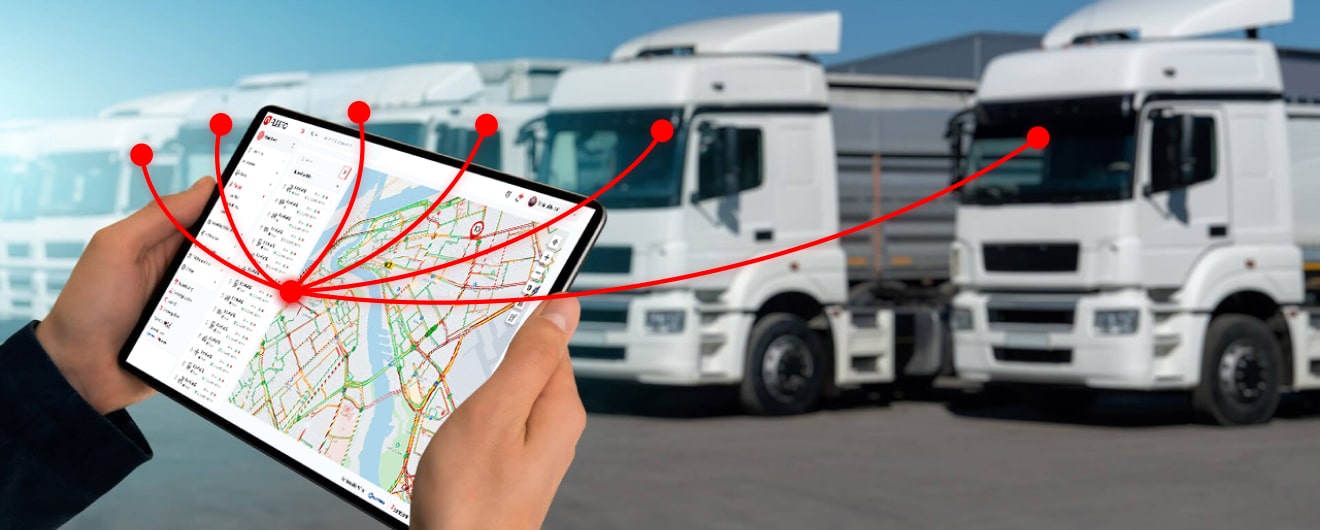
The company serves diverse industries including transportation and logistics, field service operations, construction, utilities, and government fleets, adapting their core platform to address specific requirements these different sectors present. Trimble’s global presence means they bring international best practices to Indian operations while maintaining local support and implementation capabilities. For fleet operators requiring sophisticated route optimization, precise location tracking, or deep telematics integration, Trimble provides specialized expertise that generalist fleet management providers may not match despite offering broader feature sets across other dimensions of fleet management.
Choosing the Right Fleet Management Partner
Selecting among these fleet management providers requires careful evaluation aligned with specific business requirements, operational priorities, and organizational capabilities. Different providers excel in different dimensions, meaning the optimal choice depends entirely on which capabilities matter most for your particular situation. Small operators with basic tracking needs make dramatically different decisions than large enterprises requiring sophisticated multi-location management with extensive integration into existing business systems.
Fleet size significantly influences appropriate provider selection. Fleets under twenty vehicles often find simpler, lower-cost solutions adequate, with elaborate enterprise features representing unnecessary complexity and expense. Mid-size fleets from twenty to two hundred vehicles benefit from professional fleet management platforms offering good feature depth without enterprise-level complexity or pricing. Large fleets exceeding two hundred vehicles require robust platforms handling scale, providing sophisticated reporting for different business units, and integrating with enterprise systems. Your current fleet size matters less than your trajectory, since migrating fleet management systems proves disruptive and expensive.
Budget constraints obviously impact vendor selection, with monthly costs ranging from thousands of rupees for basic tracking to several lakhs for comprehensive enterprise solutions. However, evaluating purely on subscription cost misses operational savings that effective fleet management delivers through reduced fuel consumption, lower maintenance costs from preventive service, improved vehicle utilization, and decreased insurance premiums from safety improvements. Fleet management that costs more but delivers measurably superior results often proves more economical than cheaper alternatives that save subscription fees while allowing expensive inefficiencies to persist.
Integration requirements deserve careful evaluation, particularly for businesses operating multiple enterprise systems that fleet management must coordinate with. Companies using specific accounting software, warehouse management systems, customer relationship management platforms, or enterprise resource planning systems need fleet management integrating smoothly rather than creating disconnected data silos requiring manual reconciliation. Providers like Zoho and Geotab emphasizing integration naturally suit businesses where fleet operations must flow within broader business workflows, while specialized providers focusing depth within fleet domain may prove better for businesses where fleet management operates relatively independently from other systems.
Technical support quality often receives insufficient attention during vendor selection yet significantly impacts long-term satisfaction. Fleet management systems qualify as mission-critical infrastructure, meaning downtime or unresolved issues directly impact business operations rather than merely inconveniencing users. Evaluating vendor support quality through existing customer references, reviewing support terms in proposed contracts, and assessing vendor financial stability protecting against future support degradation or business failure helps avoid situations where initially attractive offerings deteriorate into frustrating relationships when problems arise without adequate vendor response.
Conclusion: India’s Maturing Fleet Management Ecosystem
India’s fleet management landscape in 2026 reflects remarkable maturity compared to even five years ago, with sophisticated solutions now accessible to businesses across size spectrums from small operators through massive enterprise fleets. The companies profiled here represent diverse approaches from pure software platforms enabling businesses to manage owned vehicles, through physical fleet operators providing complete vehicle solutions, to enterprise leasing organizations handling all vehicle lifecycle aspects. This diversity ensures appropriate options exist regardless of whether businesses prefer managing vehicles in-house using software tools, outsourcing to fleet operators, or comprehensive leasing arrangements.
The technology underlying fleet management continues advancing rapidly, with artificial intelligence and machine learning transforming systems from passive reporting tools toward proactive management assistants that predict problems and recommend optimal actions. Video telematics has evolved from optional luxury toward essential capability for businesses serious about driver safety and behavior improvement. Electric vehicle fleet management has emerged as specialized discipline as Indian businesses navigate transportation electrification requiring new expertise around charging infrastructure, battery health, and range optimization fundamentally different from conventional vehicle management.
For Indian businesses managing vehicle fleets, the question has shifted from whether to adopt fleet management technology toward which provider best suits specific requirements, operational priorities, and budget constraints. The companies described here collectively serve the vast majority of India’s commercial fleets, each bringing distinct capabilities, market positioning, and value propositions. Understanding what distinguishes these providers enables intelligent selection aligned with actual needs rather than being influenced by marketing claims disconnected from operational reality.
The fleet management investments businesses make today shape operational capabilities for years ahead, making vendor selection consequential beyond immediate cost considerations. Choosing providers committed to continuous innovation, maintaining financial stability ensuring long-term support viability, and demonstrating genuine understanding of Indian operating conditions positions businesses for success as transportation continues evolving through technology adoption, regulatory changes, and shifting economic pressures. The remarkable progress India’s fleet management ecosystem has demonstrated suggests continued advancement ahead, with today’s sophisticated capabilities representing merely the foundation for even more intelligent systems emerging through ongoing innovation across this critical infrastructure layer enabling India’s commercial transportation.