
India’s consumer electronics market has evolved into a powerhouse valued at approximately USD 91 billion in 2026, emerging as one of the fastest-growing electronics manufacturing and consumption hubs globally. With rising disposable incomes, rapid urbanization, government manufacturing incentives like the Production Linked Incentive scheme, and increasing digital connectivity, Indian consumers are embracing premium electronics products across all categories from smartphones and televisions to home appliances and smart devices.
The Indian electronics industry is witnessing a transformative phase where global giants compete with homegrown champions to capture market share in this diverse and price-sensitive market. Consumer preferences have evolved beyond just affordability, with quality, energy efficiency, smart features, and brand trust becoming critical factors influencing purchase decisions. The market is projected to grow at a compound annual growth rate of approximately 6.8 percent through 2030, reaching USD 125 billion, driven by technological innovation and expanding middle-class consumption.
This comprehensive analysis explores the top 10 electronics brands that have established dominance in India’s electronics landscape in 2026, examining their product portfolios, market strategies, innovations, and what makes them the preferred choices for millions of Indian consumers.
1. Samsung Electronics
Samsung Electronics continues to reign as the undisputed leader in India’s consumer electronics market in 2026, commanding a significant market share across multiple product categories. The South Korean technology giant has established itself as India’s most trusted electronics brand through decades of consistent innovation, quality manufacturing, and extensive distribution networks.
In the television segment, Samsung holds approximately 16 percent market share as of early 2024, having overtaken previous leaders through its premium Neo QLED and OLED offerings. The company’s 2024 AI television lineup, including Neo QLED 8K, Neo QLED 4K, and OLED TVs, showcases cutting-edge features like AI picture technology, AI upscaling, AI motion enhancement, and smart home integration. Samsung’s QLED technology has become synonymous with premium viewing experiences, offering superior brightness exceeding 1000 nits and comprehensive color gamut coverage.
Samsung operates India’s largest mobile manufacturing facility in Noida, demonstrating its commitment to the Make in India initiative. Beyond televisions, Samsung dominates the refrigerator market with its Side-by-Side ranges specifically designed for Indian households, and maintains strong positions in washing machines, air conditioners, and microwave ovens. The company’s focus on localized product development, competitive pricing across segments, and unmatched after-sales service network spanning urban and rural India ensures its continued leadership. Samsung’s revenue in India exceeded substantial figures, reinforcing its position as the most valuable electronics brand in the country.
2. LG Electronics
LG Electronics holds the second position in India’s electronics market with a comprehensive product portfolio spanning televisions, home appliances, and air conditioning systems. The company has built its reputation on technological innovation, particularly in display technology where it remains the global leader in OLED televisions with a 52.4 percent market share globally and maintaining strong presence in India.
In the Indian smart TV market, LG commands approximately 15 percent share, closely trailing Samsung. The company’s 2025 OLED evo TV lineup, featuring the G5 and C5 models, represents the pinnacle of home entertainment technology with self-lit OLED pixels providing infinite contrast, perfect blacks, and stunning color accuracy. LG’s webOS operating system offers one of the most intuitive smart TV experiences, with integrated support for major OTT platforms, voice control, and smart home connectivity through LG ThinQ AI.
LG’s strength extends beyond televisions into refrigerators, where its Nano Cell range and frost-free technologies cater to Indian climate requirements. The company’s washing machines feature AI Direct Drive technology that detects fabric texture and load size to optimize wash motions, while its air conditioners incorporate energy-efficient inverter compressors. LG has successfully introduced features like integrated Chromecast and Apple AirPlay in its smart TVs, enabling seamless content casting. The brand’s consistent focus on premium quality combined with competitive pricing in mid-range segments has cultivated strong consumer loyalty across India.

3. Xiaomi
Xiaomi has emerged as a disruptive force in India’s electronics market since entering the country in 2014, establishing itself as the leading brand in the affordable smart TV segment and a major player in consumer electronics. The Chinese technology company has captured approximately 23 percent of India’s smart TV market through aggressive pricing and feature-rich offerings that democratize technology access.
Xiaomi’s success story in India revolves around its value proposition of delivering flagship-level features at mid-range prices. The company dominates both HD and Full HD television segments while maintaining strong presence in 4K TVs. Xiaomi’s PatchWall operating system offers content recommendations powered by IMDb integration, extensive live TV channels, and unified search across multiple OTT platforms, creating a comprehensive entertainment ecosystem. The brand has expanded beyond televisions into air purifiers, water purifiers, air conditioners, washing machines, and a vast ecosystem of smart home devices.
The company’s commitment to local manufacturing under the Make in India initiative, combined with its extensive online and offline retail presence through partnerships with major e-commerce platforms and Mi Home stores, ensures widespread accessibility. Xiaomi’s ability to integrate AI and IoT features even in budget products, coupled with regular software updates that enhance functionality over time, has resonated strongly with tech-savvy Indian millennials and Gen Z consumers. The brand’s focus on community engagement and customer feedback further strengthens its market position.
4. Sony Corporation
Sony India represents the premium end of India’s electronics market, synonymous with superior build quality, cutting-edge technology, and immersive entertainment experiences. The Japanese electronics giant maintains approximately 5 percent market share in televisions, deliberately targeting discerning consumers who prioritize performance over price. Sony’s revenue in India reached Rs 7,664 crore with 20 percent growth, reflecting strong demand for its premium offerings.
Sony’s Bravia lineup, particularly the Bravia XR series, exemplifies technological excellence with XR Backlight Master Drive in Mini LED TVs, cognitive intelligence processors that analyze content like the human eye and ear, and dedicated gaming features including 4K 120fps support, variable refresh rate, auto HDR tone mapping, and auto low latency mode. These specifications make Sony TVs the preferred choice for PlayStation gamers and home theater enthusiasts. In August 2023, Sony launched the BRAVIA XR 86X95K 4K Mini LED TV, showcasing its commitment to large-screen premium experiences.
Beyond televisions, Sony maintains strong presence in audio products including soundbars, headphones, and home theater systems, cameras for photography professionals and enthusiasts, and PlayStation gaming consoles with their ecosystem of entertainment. The company’s recent launch of BRAVIA Theatre-U home theater system in September 2024 demonstrates its focus on complete entertainment solutions. Sony’s brand equity in India rests on decades of innovation, uncompromising quality standards, and creating products that deliver professional-grade performance for home users.
5. Panasonic Corporation
Panasonic India operates as a comprehensive electronics solutions provider with presence across consumer products, wiring devices, and B2B solutions. The Japanese multinational has successfully adapted its global expertise to Indian market requirements, achieving revenue of Rs 10,500 crore in FY23 with projections reaching approximately Rs 11,000 crore for FY25, representing consistent 9-10 percent growth.
Consumer products constitute 40 percent of Panasonic’s total revenue, encompassing televisions, refrigerators, washing machines, air conditioners, and kitchen appliances. In October 2021, Panasonic significantly expanded its home appliance portfolio by launching 43 new refrigerator models and 24 new washing machine models, demonstrating aggressive market expansion strategy. The company’s refrigerators feature technologies adapted for Indian conditions including larger vegetable compartments, robust cooling in high ambient temperatures, and energy-efficient compressors.
Panasonic’s washing machines incorporate features like StainMaster technology for Indian stains, Aqua Spin Rinse for water conservation, and large capacity drums suitable for Indian family sizes. The brand’s air conditioners feature PM 2.5 filters addressing air quality concerns in Indian cities, while its televisions offer reliable performance at competitive price points. Panasonic’s extensive service network across India, combined with its reputation for durable products requiring minimal maintenance, has built strong trust particularly in tier-2 and tier-3 cities where reliability matters more than cutting-edge features.
6. Whirlpool Corporation
Whirlpool of India stands as a leading manufacturer and marketer of major home appliances, leveraging its parent company’s century-old global expertise while catering specifically to Indian household needs. As a subsidiary of Whirlpool Corporation, the American appliance giant has established strong brand presence in refrigerators, washing machines, air conditioners, microwave ovens, and kitchen appliances.
Whirlpool’s strength lies in understanding Indian homemaking requirements and engineering products that simplify daily routines. The company’s refrigerators feature technologies like Active Fresh Keeper that maintains optimal humidity levels for vegetables, Intellifresh inverter compressors that adapt cooling based on usage patterns, and Zeolite technology for preserving food freshness longer. These innovations address practical Indian household challenges like frequent power fluctuations, high ambient temperatures, and storage of diverse food items.
The brand’s washing machines incorporate 6th Sense technology that automatically adjusts wash programs based on load size and fabric type, hard water wash programs addressing India’s water quality challenges, and large capacity top-loading and front-loading variants catering to different household preferences. Whirlpool’s BloomWash feature uses active oxygen bubbles for enhanced cleaning with reduced detergent consumption, appealing to environmentally conscious consumers. The company’s extensive distribution network reaching deep into semi-urban and rural markets, combined with competitive pricing and reliable after-sales service, positions Whirlpool as a trusted household name across economic segments.

7. Godrej Appliances
Godrej Appliances, a division of Godrej & Boyce established in 1958, represents one of India’s most trusted homegrown electronics brands with deep understanding of Indian consumer needs. The Mumbai-headquartered company has demonstrated remarkable growth momentum, planning to reach Rs 10,000 crore revenue by FY26, driven by its consumer-centric innovation approach.
Godrej’s competitive advantage stems from its purely Indian perspective on product development. The company’s Eon refrigerators pioneered technologies like large vegetable compartments essential for Indian cooking habits, fresh lock technology for maintaining optimal humidity, and robust performance in extreme Indian summer temperatures exceeding 50 degrees Celsius. Godrej’s washing machines feature technologies addressing hard water problems prevalent across India, quick wash programs for daily Indian clothing, and energy-efficient operations reducing electricity consumption.
The brand has expanded into air conditioners with inverter technology models offering energy savings crucial for Indian households concerned about electricity bills. Godrej’s acquisition of foreign technology combined with localized manufacturing gives it competitive pricing advantages while maintaining quality standards. The company’s strong distribution network across India, emphasis on sustainability through eco-friendly refrigerants and energy-efficient technologies, and reputation built over six decades makes Godrej a preferred choice for Indian middle-class families seeking reliable, affordable electronics that understand their lifestyle requirements.
8. Bajaj Electricals
Bajaj Electricals Limited, part of the renowned Bajaj Group, has been a household name in Indian electronics since 1938, operating across consumer products including appliances, fans, and lighting solutions, along with engineering and projects business. The company maintains presence in top 2-3 positions in appliances and top 5 in fans and lighting categories, serving as a truly Indian electronics brand with deep market penetration.
Bajaj’s product portfolio spans ceiling fans, table fans, tower fans, water heaters, air coolers, room heaters, mixer grinders, food processors, air fryers, induction stoves, and comprehensive lighting solutions. The company also markets premium brands Morphy Richards for home appliances and Nirlep for cookware, targeting different consumer segments. Bajaj ceiling fans have been synonymous with reliability for generations of Indian households, while its water heaters offer affordable solutions for every budget.
The company reported trailing twelve-month revenue of USD 548 million, though facing challenges from intense competition and sluggish demand in certain segments. Bajaj’s strength lies in its extensive distribution network reaching the remotest corners of India, brand trust accumulated over eight decades, affordable pricing making electronics accessible to lower-middle-class households, and comprehensive service infrastructure. The company’s lighting solutions business showed resilience with revenue growth even during challenging quarters, indicating its strong position in commercial and residential lighting segments.
9. Voltas
Voltas, a Tata Group company formed through the 69-year-old collaboration between Tata Sons and Volkart Brothers, has emerged as India’s leading air conditioning brand and a significant player in commercial refrigeration and engineering services. Under the leadership of Noel Tata, this Mumbai-based company has achieved extraordinary milestones including becoming India’s first brand to sell over 2 million air conditioner units in a single financial year (FY24).
Voltas commands a dominant 20.5 percent market share in India’s room air conditioner segment, a testament to its deep understanding of Indian cooling requirements. The company registered remarkable 35 percent volume growth in FY24, demonstrating its market leadership during intense competition. Voltas air conditioners are engineered specifically for Indian climate conditions, with robust performance in extreme temperatures, features like mosquito-away technology, air purification systems addressing pollution concerns, and energy-efficient inverter models reducing electricity consumption.
Beyond residential air conditioning, Voltas maintains strong presence in commercial refrigeration serving retail chains, hospitality sector, and food service industry, water coolers and dispensers ubiquitous in Indian offices and public spaces, and engineering projects including electro-mechanical contracting and building management systems. The Tata Group’s reputation for quality and integrity translates into consumer trust for Voltas, while its extensive service network ensures customers receive prompt support. The brand has won multiple industry awards including Best AC Brand from Gadgets360, Smart AC of the Year from Gadgets Now, and AC Brand of the Year from MySmartPrice, validating its market leadership through rigorous quality standards including over 400 tests per unit.
10. Havells India
Havells India Limited represents a quintessentially Indian success story, evolving from an electrical goods company into a leading FMEG company with global presence. Headquartered in Noida, Havells enjoys enviable market dominance across circuit protection devices, cables and wires, motors, fans, modular switches, home appliances, air conditioners, and lighting solutions for residential, commercial, and industrial applications.
Havells’ revenue reached Rs 22,366 crore (approximately USD 2.7 billion) with market capitalization of Rs 84,755 crore, reflecting its position as one of India’s largest and most valuable electrical goods companies. In Q3 FY26, the company posted revenue of Rs 5,573 crore with 14.1 percent year-on-year growth and net profit of Rs 301 crore, demonstrating resilient performance. Cables contribute approximately 34 percent of net revenue, making it the largest product segment, followed by home appliances including the Lloyd brand acquired in 2017.
Havells’ comprehensive product portfolio spanning over 20 product categories across 20,000+ active SKUs positions it as a one-stop electrical solutions provider. The company’s fans are synonymous with quality and durability in Indian households, while its modular switches have revolutionized electrical fittings aesthetics. Havells water heaters, air conditioners under the Lloyd brand, kitchen appliances, and premium lighting solutions cater to diverse consumer segments. The company’s commitment to Make in India through integrated manufacturing facilities, focus on consumer-centric innovation through substantial R&D investments evidenced by 77 patent applications and 211 design registrations in recent years, and extensive distribution network ensuring availability across urban and rural India establishes Havells as a truly Indian champion competing successfully against multinational giants.
Key Factors Driving India’s Electronics Market Growth
Multiple interconnected factors are propelling India’s electronics market expansion in 2026. Rising disposable incomes across India’s expanding middle class have transformed electronics from luxury items to essential household purchases, with consumers willing to invest in quality products that enhance lifestyle and convenience. The market witnessed consumer demand growing by approximately 15 percent in 2025, reflecting this purchasing power increase.
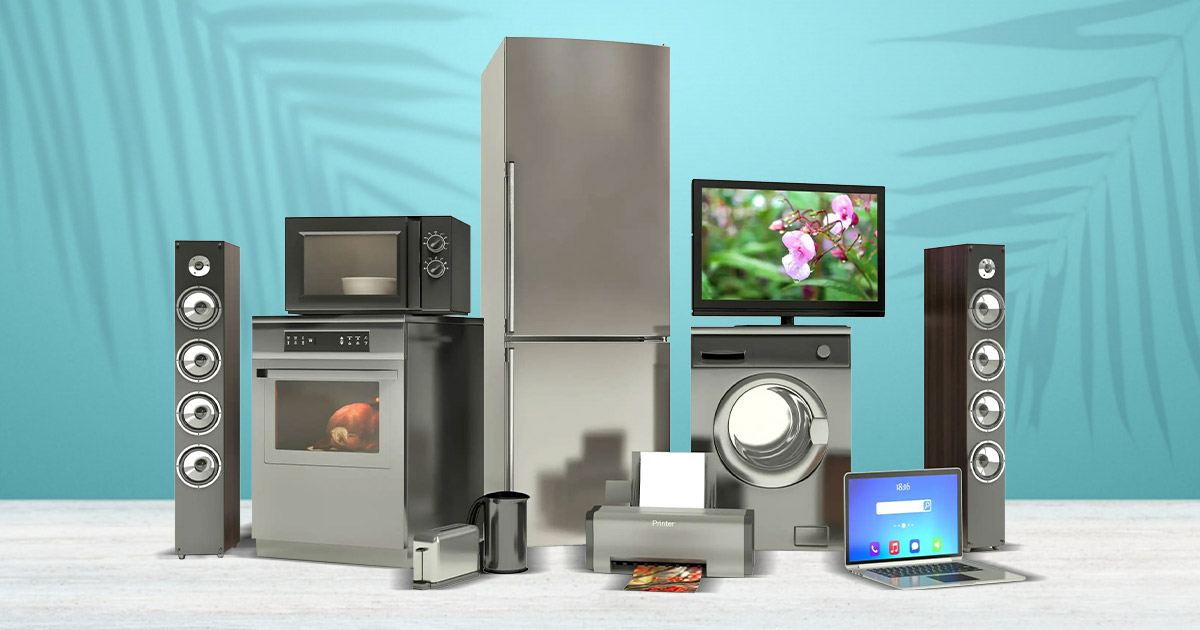
Government initiatives have played crucial roles through the Production Linked Incentive scheme boosting domestic electronics manufacturing, reducing import dependence and creating a robust local supply chain ecosystem. The Modified Special Incentive Package Scheme provides capital expenditure subsidies of 15-20 percent for electronics manufacturers, incentivizing investment in production facilities. The Electronic Development Fund Policy rationalizes duty structures, making local manufacturing more competitive against imports.
Technological advancements have made modern electronics increasingly attractive, with 4K and 8K displays, AI-powered features, smart home integration, and IoT connectivity becoming standard even in mid-range products. E-commerce penetration has democratized access to electronics across India, with platforms like Amazon and Flipkart, along with brand-owned direct-to-consumer websites, enabling consumers in tier-2 and tier-3 cities to access latest products with doorstep delivery and easy payment options including EMIs.
Urbanization continues accelerating with more Indians moving to cities seeking improved lifestyles, naturally increasing demand for modern electronics. Enhanced awareness about energy efficiency driven by rising electricity costs and environmental consciousness is pushing consumers toward inverter technologies and star-rated appliances. The COVID-19 pandemic’s lasting impact includes permanent adoption of work-from-home and online education models, creating sustained demand for laptops, tablets, monitors, and home entertainment systems.
Choosing the Right Electronics Brand
Indian consumers considering electronics purchases in 2026 should evaluate several critical factors. Brand reputation and trust matter significantly in a market with both genuine products and counterfeit alternatives, making established brands with proven track records safer investments. After-sales service network accessibility is crucial, as even the best electronics occasionally require repairs, maintenance, or warranty service. Brands with extensive authorized service centers across India ensure hassle-free support.
Product features should align with actual usage requirements rather than just specifications, as advanced features add costs that may not justify the investment if unused. Energy efficiency directly impacts long-term ownership costs, with star ratings indicating annual electricity consumption. Higher initial investment in energy-efficient products often recovers through reduced electricity bills over the product lifecycle.
Build quality and durability determine longevity, with premium materials and robust construction reducing replacement frequency despite higher initial costs. Warranty coverage varies significantly between brands and product categories, with comprehensive warranties indicating manufacturer confidence in product reliability. Price considerations should evaluate total cost of ownership including energy consumption, maintenance costs, and expected lifespan rather than just purchase price.
Smart features and connectivity options are increasingly important as homes become more integrated, with compatibility across devices and platforms ensuring future-proofing. Local manufacturing credentials under Make in India often correlate with better after-sales support, availability of spare parts, and contribution to national economic development. Reading independent reviews and expert assessments before major purchases helps identify real-world performance beyond marketing claims.
Future Outlook for India’s Electronics Market
India’s electronics market trajectory through 2030 appears strongly positive, with projections suggesting growth to USD 125 billion by 2030 from the current USD 91 billion. Several trends will shape this evolution including premiumization as rising affluence drives consumers toward high-end products with advanced features, larger sizes, and superior build quality. The premium television segment, refrigerators with smart features, and inverter air conditioners will see disproportionate growth.
Smart home integration will accelerate with electronics increasingly interconnected through common platforms, voice control becoming standard, and AI-powered automation making homes more responsive to occupant preferences. 5G network expansion will enable new product categories and usage scenarios, particularly in augmented reality, cloud gaming, and real-time content streaming, transforming how Indians interact with electronics.
Sustainability concerns will influence product development and consumer choices, with brands investing in eco-friendly materials, recyclable packaging, circular economy principles, and carbon-neutral manufacturing. Government regulations on e-waste management and energy efficiency will become stricter, favoring responsible manufacturers. Make in India initiatives will mature, reducing import dependence while making India an electronics manufacturing hub for global markets, creating employment and enhancing technological capabilities.
Direct-to-consumer brands leveraging online distribution will challenge traditional players, offering competitive pricing and innovative products. Indian startups in consumer electronics will gain market share through agile product development, understanding local needs, and digital-first marketing strategies. Omnichannel retail strategies blending online convenience with offline experience will become standard, with brands investing in experiential stores showcasing their complete ecosystems.
Conclusion
India’s electronics market in 2026 showcases vibrant competition between global giants and homegrown champions, each contributing to making quality electronics accessible to a billion-plus consumers. The top 10 brands including Samsung, LG, Xiaomi, Sony, Panasonic, Whirlpool, Godrej, Bajaj Electricals, Voltas, and Havells have earned their positions through consistent innovation, understanding Indian consumer needs, building trust through quality and service, and adapting to the market’s unique dynamics.
For consumers, this competitive landscape translates to unprecedented choice across all price segments, rapid technological innovation trickling down to affordable products, improving quality standards as brands compete on reliability, and expanding service networks ensuring support accessibility. Whether seeking premium cutting-edge technology, reliable mid-range performance, or affordable entry-level products, Indian consumers today have options that were unimaginable just a decade ago.
The electronics industry’s growth mirrors and catalyzes India’s broader economic development, creating manufacturing jobs, fostering technological capabilities, encouraging innovation ecosystems, and improving quality of life through products that bring comfort, convenience, and connectivity. As India marches toward becoming a developed nation by 2047, its electronics industry will play crucial roles both as a manufacturing powerhouse and a sophisticated consumer market demanding and driving global innovation. The brands leading this transformation today are not just selling products but participating in India’s technological and economic renaissance.