India stands at a pivotal moment in its journey toward sustainable transportation. With the electric vehicle market experiencing exponential growth and the government’s aggressive push toward net-zero emissions by 2070, electric vehicle fleet startups have emerged as critical enablers of this transformation. These innovative companies are not merely providing vehicles but are creating comprehensive ecosystems that address the unique challenges of electric mobility in the Indian context, including charging infrastructure limitations, high upfront costs, range anxiety, and the need for specialized fleet management solutions. The Indian EV startup ecosystem currently comprises nearly 2,000 companies, with 399 focused specifically on electric vehicles, demonstrating the sector’s vibrant energy and potential.
The climate-tech sector in India, which includes electric mobility solutions, attracted approximately $657 million in venture capital funding during 2025, despite a decline from the previous year’s $1.17 billion. This sustained investment reflects the enduring confidence that investors and policymakers place in electric mobility as a cornerstone of India’s sustainable growth strategy. The government’s Faster Adoption and Manufacturing of Hybrid and Electric Vehicles (FAME) scheme, along with various state-level incentives, has created a fertile environment for fleet startups to flourish and scale their operations across the nation.
1. Zypp Electric: The Last-Mile Delivery Revolution
Zypp Electric has established itself as India’s leading electric mobility platform for last-mile delivery, operating a sophisticated fleet of over 20,000 electric two-wheelers across major Indian cities. Co-founded by Akash Gupta and Rashi Agarwal in 2017, the company pioneered the Electric Vehicle-as-a-Service model in India, providing electric scooters on subscription plans to delivery executives and partnering businesses. This asset-light approach allows e-commerce companies, food delivery platforms, and logistics providers to transition to sustainable delivery solutions without bearing the burden of vehicle ownership and maintenance.
The company’s ambitious expansion trajectory is remarkable. In its Series C funding round, Zypp Electric raised $15 million led by Japanese major ENEOS, as part of a larger $50 million round that includes $40 million in equity and $10 million in debt. These funds are specifically earmarked to expand the fleet from 21,000 vehicles to an impressive 200,000 electric scooters across 15 Indian cities by 2026. This represents nearly a tenfold increase in fleet size within a single year, demonstrating both the scalability of the business model and the enormous demand for sustainable last-mile delivery solutions.
What truly distinguishes Zypp Electric is its technological sophistication. In December 2025, the company launched FleetEase.ai, touted as India’s most advanced artificial intelligence-driven fleet management platform. This next-generation system consolidates all fleet operations onto a single dashboard, integrating real-time data from GPS devices, drivers, delivery trips, vendors, electric vehicle batteries, and payment systems. The platform provides predictive maintenance alerts, battery optimization tools, driver behavior analytics, and automated digital settlements. According to the company, FleetEase.ai has already supported more than 30,000 vehicles and facilitated over 500,000 daily deliveries, delivering measurable impact including a 30 percent reduction in downtime, 25 percent cost savings, and significantly higher daily delivery capacity.
Zypp Electric’s smart battery swapping technology addresses one of the most significant barriers to electric vehicle adoption in commercial operations. The battery-swapping system enables riders to replace drained batteries within minutes rather than waiting hours for charging, ensuring uninterrupted deliveries without long charging downtimes. This innovation has made Zypp particularly attractive to gig economy workers and delivery companies that operate on tight schedules and thin margins. The company has partnered with Battery Smart, India’s largest battery swapping network, to integrate 2,000 Zypp Electric two-wheelers onto Battery Smart’s network, further expanding operational flexibility.
The startup’s collaborative approach extends to major ride-hailing platforms. Zypp has partnered with Uber to deploy 10,000 electric two-wheelers for UberMoto by 2024, with over 1,000 vehicles already operational in Delhi. This partnership demonstrates how fleet startups are becoming indispensable partners to established mobility platforms seeking to meet sustainability commitments while maintaining service quality. With major clients including Zomato, Amazon, and Grofers, Zypp Electric has positioned itself at the intersection of e-commerce growth and sustainable logistics, serving as a crucial infrastructure provider for India’s booming digital economy.
2. Everest Fleet: The Uber-Backed Mobility Giant
Everest Fleet Private Limited represents one of the most significant success stories in India’s electric fleet sector, having secured a $20 million investment led by global ride-hailing giant Uber in June 2023. Based in Mumbai, this fleet management company operates over 10,000 vehicles running on rideshare platforms Uber and Ola throughout India, making it one of the nation’s largest commercial fleet operators. The company’s co-founder Siddharth Ladsariya has articulated a clear vision for the organization’s electrification journey, stating that by 2026, Everest aims to have 10,000 electric vehicles as part of its overall fleet, representing a fundamental transformation from its current compressed natural gas-dominated composition.
Everest Fleet’s strategic importance becomes evident when examining Uber’s broader electrification strategy for India and South Asia. Uber has set an ambitious target of bringing more than one million electric vehicles to its platform in the region, viewing this as a key component of its regional growth strategy.
To achieve this goal, Uber signed a memorandum of understanding with Tata Motors in February 2023 to bring 25,000 electric vehicles into its fleet through partnerships with fleet providers including Everest, Lithium Urban Technologies, and Moove. Everest’s role in this ecosystem is critical because fleet management companies are better positioned to tackle challenges like battery charging at scale and securing bulk commitments from electric vehicle manufacturers at a time when electric vehicles remain unaffordable for many individual Indian drivers.
The company’s geographic footprint is impressive and strategically chosen. Everest currently operates fleets in seven major Indian cities including Mumbai, Delhi, Bangalore, Hyderabad, Chennai, Kolkata, and Pune. These cities represent India’s primary economic centers and technology hubs, where demand for ride-hailing services is highest and environmental regulations are becoming increasingly stringent. The Uber investment will enable Everest to expand its footprint to other major Indian cities and potentially even globally, as the company looks to replicate its asset utilization benchmarks in new markets.
What sets Everest apart is its operational excellence and asset utilization metrics. The company has set new industry benchmarks in asset utilization, meaning its vehicles spend more time generating revenue and less time sitting idle compared to competitors. This efficiency is crucial in the capital-intensive fleet management business, where the ability to maximize returns on vehicle investments directly translates to profitability and sustainability. Everest currently employs over 10,000 drivers, providing stable employment and income opportunities while facilitating the transition to cleaner urban transportation.
Managing director Anirudh Damani at Artha Venture Fund, which invested $2 million in Everest Fleet, predicts that supply constraints will ease with strong government support and the emergence of the battery-as-a-service model, where car batteries are leased at a fixed cost per kilometer. This approach would significantly reduce the upfront cost barrier for electric vehicle adoption in commercial fleets, potentially accelerating Everest’s transition timeline and enabling even more aggressive expansion plans.
3. Battery Smart: The Battery Swapping Infrastructure Pioneer
Battery Smart has emerged as a critical infrastructure enabler for India’s electric two-wheeler and three-wheeler fleet ecosystem by focusing exclusively on battery swapping technology. Founded in 2019 by Pulkit Khurana and Siddharth Sikka, this New Delhi-based startup allows customers to swap electric vehicle batteries at its stations rather than waiting for traditional charging. This approach addresses one of the most significant barriers to electric vehicle adoption in commercial applications where downtime directly translates to lost revenue.
The company’s network has grown impressively since its inception. Starting operations in June 2020, Battery Smart now operates more than 175 live battery swapping stations across Delhi, Gurgaon, and Noida. The company has completed over seven lakh (700,000) battery swaps and services more than 2,500 electric two-wheelers and three-wheelers daily. This daily throughput demonstrates the viability and necessity of battery swapping infrastructure in urban areas where space for charging stations is limited and time is valuable for commercial vehicle operators.
Battery Smart’s business model targets a specific segment that has proven particularly receptive to electric vehicles: electric rickshaw owners and commercial two-wheeler operators. These vehicle owners operate on extremely thin margins and cannot afford extended downtime for charging. The ability to swap a depleted battery for a fully charged one in minutes rather than waiting hours for traditional charging represents a fundamental operational advantage. This has made Battery Smart particularly popular among gig economy workers, delivery personnel, and auto-rickshaw drivers who need to maximize their time on the road to generate income.
The strategic partnership between Battery Smart and Zypp Electric exemplifies how different players in the electric vehicle ecosystem are collaborating to create comprehensive solutions. Under their partnership agreement, 2,000 Zypp Electric two-wheelers have been integrated onto Battery Smart’s network, allowing Zypp’s delivery fleet to access battery swapping stations across the National Capital Region. This collaboration enables both companies to leverage their respective strengths—Zypp’s fleet management and vehicle deployment expertise combined with Battery Smart’s charging infrastructure and energy management capabilities.
Battery Smart’s infrastructure approach represents an asset-light model for fleet operators. By providing battery swapping as a service, the company allows fleet operators like Zypp to expand their vehicle numbers without incurring the large capital expenditure associated with batteries and charging stations. This is particularly important given that batteries typically represent 35 to 40 percent of an electric vehicle’s total cost. The subscription-based or pay-per-swap model makes electric vehicle adoption more financially accessible for individual operators and small fleet owners who might otherwise be priced out of the electric mobility market.
4. Lithium Urban Technologies: India’s B2B Fleet Service Leader
Lithium Urban Technologies holds the distinction of being India’s largest business-to-business fleet service provider, playing a pivotal role in Uber’s electric vehicle deployment strategy across the country. The company has been specifically identified by Uber as a key partner in deploying 25,000 electric vehicles across India’s top seven cities, working alongside Everest Fleet and Moove to catalyze the push into electric vehicle-led shared mobility. This recognition from one of the world’s largest mobility platforms underscores Lithium’s operational capabilities and strategic importance in India’s electric vehicle ecosystem.
Unlike consumer-facing electric vehicle startups, Lithium Urban Technologies focuses exclusively on providing fleet solutions to businesses. This business-to-business approach allows the company to work directly with corporations, ride-hailing platforms, and logistics companies that need large numbers of vehicles but prefer not to manage the complexities of fleet ownership themselves. The company handles vehicle procurement, maintenance, charging infrastructure, driver management, and all other operational aspects, allowing client companies to focus on their core business while accessing electric mobility solutions.
The company’s role in Uber’s electrification strategy demonstrates the growing importance of specialized fleet management companies in India’s electric vehicle transition. Uber signed a memorandum of understanding with Tata Motors for the delivery of electric vehicles, but the actual deployment and management of these vehicles is being handled primarily through fleet partners like Lithium. This reflects a broader industry trend where ride-hailing platforms are moving away from individual driver-owned vehicles toward professionally managed fleets that can ensure consistent service quality, reliable availability, and systematic electrification.
Lithium Urban Technologies benefits from India’s evolving regulatory landscape, which increasingly favors electric vehicles through various incentives and mandates. Many state governments have introduced policies requiring ride-hailing platforms to transition a certain percentage of their fleet to electric vehicles by specific deadlines. For example, Delhi’s electric vehicle policy mandates that all new commercial aggregator permits be for electric vehicles only. These regulations create strong tailwinds for companies like Lithium that can provide turnkey electric fleet solutions to platforms scrambling to meet compliance requirements.
The company’s business model addresses several pain points that have historically slowed electric vehicle adoption in commercial fleets. By aggregating demand across multiple clients, Lithium can negotiate better prices with vehicle manufacturers, secure preferential access to limited electric vehicle supply, and invest in charging infrastructure that serves multiple fleets simultaneously. This economies-of-scale advantage makes electric vehicles financially viable for commercial applications where they might not be for individual operators, accelerating the overall pace of electrification in India’s mobility sector.

5. BluSmart Mobility: The Premium Electric Ride-Hailing Pioneer
BluSmart Mobility holds a unique position in India’s electric vehicle landscape as the nation’s first fully electric ride-hailing platform. Founded on January 14, 2019, by Anmol Singh Jaggi, Puneet Singh Jaggi, and Punit K Goyal, the company set out to revolutionize urban transport by offering a clean, reliable alternative to traditional cabs. Operating a fleet that grew to between 7,000 and 8,000 electric vehicles across Delhi NCR, Bengaluru, and even international expansion to Dubai, BluSmart distinguished itself through its asset-heavy business model where the company owns and operates its entire fleet rather than relying on individual driver-partners.
The company’s value proposition centered on solving several pain points that frustrated users of traditional ride-hailing services. BluSmart guaranteed zero ride cancellations—a chronic complaint about competitors where drivers frequently rejected rides they deemed unprofitable. The platform also eliminated surge pricing, instead implementing a flat rate structure that provided pricing predictability for users. BluSmart’s electric vehicles were consistently described as clean and well-maintained, with amenities like bottled water and mints, creating a premium experience that attracted environmentally conscious users and those seeking reliable, comfortable urban transportation.
BluSmart’s fleet composition reflected strategic partnerships with major automakers. As of 2025, the company operated vehicles including the Mahindra e-Verito, Tata e-Tigor, Tata Xpres-T EV, Hyundai Kona Electric, MG ZS Electric, and Citroen e-C3. In 2022, Tata Motors signed a memorandum of understanding with BluSmart to deliver 10,000 electric vehicles, demonstrating the automaker’s confidence in the platform’s growth trajectory. The company also established extensive charging infrastructure, owning 5,000 chargers and operating its own maintenance teams, creating a vertically integrated operation that controlled the entire customer experience.
However, BluSmart faced significant challenges that illustrate the difficulties of scaling electric ride-hailing services in India. The company originally planned to deploy 100,000 electric cabs by 2025 but later scaled down this ambitious target to 10,000 vehicles by early 2024, ultimately achieving approximately 8,000 vehicles. Supply constraints proved to be a major obstacle—Tata Motors’ order backlog far exceeded production capacity, and the lack of government subsidies for commercial electric vehicles limited both the speed and volume of manufacturing. The company’s expansion also faced infrastructure challenges, as the hub-to-hub operating model depended on adequate charging infrastructure, which remained patchy outside major metropolitan areas.
The company’s financial journey reflects both investor enthusiasm and operational challenges. BluSmart raised significant capital from prominent investors including BP Ventures, Green Frontier Capital, MS Dhoni’s family office, and Responsability Investments. In July 2024, the company raised $24 million in a funding round that brought total Series A funding to approximately $50.7 million, representing one of the largest Series A rounds in the global ride-hailing and smart mobility sectors. The company expected to achieve EBITDA profitability by March 2026, according to statements by co-founder Punit K Goyal.
However, in April 2025, BluSmart faced severe legal and financial difficulties. The Securities and Exchange Board of India barred the company’s promoters, Anmol Singh Jaggi and Puneet Singh Jaggi, from holding directorships in the group’s listed company Gensol Engineering Limited and from accessing public markets. SEBI’s investigation revealed that funds from Gensol’s term loans worth ₹977 crore raised from IREDA and Power Finance between 2021 and 2024—intended for leasing 6,400 electric vehicles to BluSmart—had been diverted and misappropriated.
Only ₹567 crore was actually used to purchase 4,704 electric vehicles, while at least ₹400 crore was either unaccounted for or siphoned off by the promoters. On April 17, 2025, BluSmart suspended all ride bookings and extended the refund window for user wallet balances from six days to ninety days, effectively halting operations.
6. Moove: The Global Fleet Partner
Moove represents an international dimension to India’s electric fleet ecosystem as Uber’s global fleet partner now operating in the Indian market. The company is part of Uber’s strategic partnership network to deploy 25,000 electric vehicles across India’s top seven cities, working alongside Lithium Urban Technologies and Everest Fleet to accelerate the transition to electric shared mobility. Moove’s involvement brings global best practices and international capital to India’s emerging electric fleet sector, potentially accelerating the adoption of proven operational models from more mature markets.
Moove’s business model focuses on providing vehicle financing and fleet management solutions specifically designed for mobility platforms. The company addresses a critical gap in the market where traditional banks and financial institutions have been hesitant to provide vehicle financing to ride-hailing drivers due to perceived credit risks and the absence of formal employment documentation. By understanding the specific cash flow patterns of mobility platform drivers and using platform data to assess creditworthiness, Moove can extend vehicle financing to drivers who would otherwise be excluded from formal financial systems.
The company’s entry into India reflects the growing maturity of the country’s ride-hailing market and the emergence of electric vehicles as a viable option for commercial transportation. Moove brings experience from operating in other emerging markets, including several African countries, where it has refined its model of providing revenue-based financing tied to driver earnings on mobility platforms. This approach aligns the interests of the financing provider with the driver’s success, as repayment terms adjust based on actual earnings rather than fixed installments that might become unaffordable during periods of low demand.
For Uber, partnering with specialized fleet financing companies like Moove solves several challenges simultaneously. It expands the pool of drivers who can afford electric vehicles, it ensures these vehicles are properly maintained to preserve customer experience, and it provides Uber with a scalable path to electrification without requiring the platform itself to own and manage vehicles. This asset-light approach for Uber, combined with Moove’s asset-heavy approach, creates an ecosystem where each party focuses on its core competencies while collectively advancing electric vehicle adoption.
Moove’s involvement in India also signals the internationalization of electric fleet financing, bringing competition and innovation to a sector historically dominated by local players. International fleet management companies often bring superior technology platforms, data analytics capabilities, and operational efficiencies learned from global deployments. As Moove scales in India, it will likely introduce innovations in driver support, maintenance management, and charging infrastructure that could raise standards across the entire Indian fleet management sector.
7. Yulu: The Micro-Mobility Revolution
Yulu has carved out a distinctive niche in India’s electric mobility ecosystem by focusing on shared electric two-wheeler rentals for short-distance urban travel. The company operates an online platform offering dockless, low-speed electric bikes designed specifically for first-mile and last-mile connectivity in congested urban areas. Yulu’s battery-as-a-service subscription model and app-based unlocking system have made it a popular choice for both daily commuters and delivery riders seeking affordable, convenient, and environmentally friendly transportation options.
The company’s approach addresses a fundamental challenge in Indian cities: the need for flexible, point-to-point transportation for short distances where auto-rickshaws are expensive, public transportation is inconvenient, and personal vehicle ownership is impractical. Yulu’s electric bikes offer a practical middle ground—users can locate, unlock, and pay for rides entirely through a smartphone application, with vehicles available at strategic locations throughout participating cities. The dockless model means users aren’t constrained to returning vehicles to specific stations, providing maximum flexibility for one-way trips.
Yulu’s micro-mobility model demonstrates significant environmental benefits when scaled across urban populations. By providing an attractive alternative to auto-rickshaws and short car trips, the company reduces urban congestion and emissions while offering users a cost-effective transportation option. The electric bikes produce zero tailpipe emissions and operate at a fraction of the cost per kilometer compared to motorized alternatives. This combination of environmental sustainability and economic advantage has proven appealing to environmentally conscious users and budget-conscious commuters alike.
The company serves dual markets: general commuters seeking convenient urban transportation and delivery riders working for food delivery and e-commerce platforms. For delivery riders, Yulu’s subscription model provides predictable costs and eliminates vehicle maintenance responsibilities, allowing gig workers to focus on earning rather than vehicle upkeep. This B2B component of Yulu’s business has proven particularly resilient, as delivery platforms increasingly seek sustainable last-mile solutions to meet their own environmental commitments.
Yulu’s growth trajectory has been supported by investors recognizing the potential of micro-mobility in dense Indian cities. The company is among the more than 2,000 electric vehicle-related startups currently operating in India, with 164 new companies launching annually on average over the past decade. Notable investors include several alumni from premier institutions like IIT Bombay, BITS Pilani, and IIT Kharagpur, reflecting the technology-focused nature of the company’s platform and operations.
8. BaaZ Bikes: The Gig Worker’s Electric Partner
BaaZ Bikes represents the convergence of electric mobility and the gig economy, having been founded specifically to address the transportation needs of delivery workers in India’s booming on-demand delivery sector. Established in 2019 by Karan Singla, Abhijit Saxena, and Shubham Srivastava, this New Delhi-based startup provides affordable, in-house designed electric bikes to gig workers who make deliveries for platforms like Zomato, Amazon, and Grofers. The company’s mission centers on helping delivery workers earn more by reducing their transportation costs while simultaneously advancing environmental sustainability.
The company’s value proposition is straightforward but powerful: by providing electric scooters that can cover 60 kilometers on a single charge at minimal operating costs, BaaZ Bikes enables delivery workers to keep more of their earnings rather than spending them on petrol. For workers operating on thin margins where every rupee matters, this cost saving can mean the difference between a viable livelihood and unsustainable work. The electric bikes also require less maintenance than traditional combustion engine vehicles, further reducing the total cost of ownership for workers who might lack the mechanical knowledge or resources to maintain conventional motorcycles.
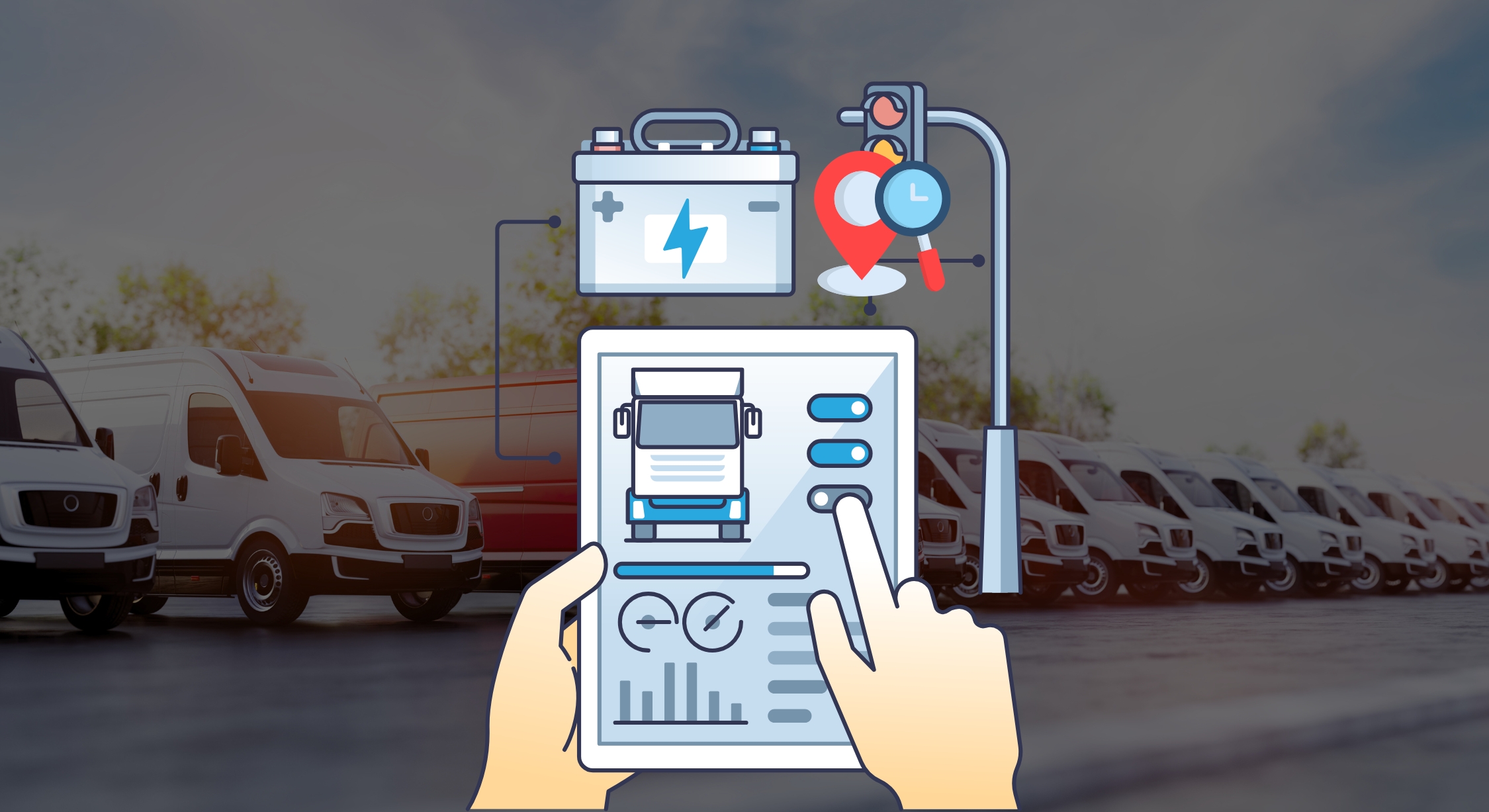
BaaZ Bikes has recognized that providing vehicles alone is insufficient to support gig workers’ needs. The company has invested in creating battery swapping infrastructure across India, addressing the critical challenge of charging access for workers who might live in areas without reliable electricity or dedicated parking spaces for charging. Battery swapping stations allow delivery workers to quickly exchange depleted batteries for fully charged ones, maintaining productivity without multi-hour charging breaks that would reduce their earning potential. This infrastructure investment demonstrates BaaZ Bikes’ commitment to creating a comprehensive ecosystem rather than simply selling or leasing vehicles.
The company operates a mobility platform rather than merely a vehicle provider, helping gig workers connect with delivery opportunities while ensuring they have reliable, efficient transportation to fulfill those deliveries. This platform approach creates network effects where more vehicles on the platform attract more delivery opportunities, which in turn makes the platform more attractive to additional gig workers. BaaZ Bikes benefits from India’s rapidly expanding e-commerce and food delivery sectors, which have created enormous demand for last-mile delivery capacity.
The startup’s focus on affordability reflects the reality of the Indian gig economy, where many workers come from economically disadvantaged backgrounds and lack access to traditional vehicle financing. By designing bikes in-house specifically for delivery applications rather than repurposing consumer vehicles, BaaZ Bikes can optimize for the specific duty cycles, durability requirements, and cost constraints of commercial delivery work. This specialization allows the company to offer better value to gig workers than they could obtain from general-purpose electric scooters designed for consumer applications.
9. Kazam: The Charging Management Software Specialist
Kazam represents a different approach to the electric vehicle fleet ecosystem, focusing not on operating vehicles but on providing the software infrastructure that makes large-scale electric vehicle charging operations viable. The company develops software platforms for managing electric vehicle charging stations, helping operators monitor load balancing, uptime, and payments across charging networks. As India faces major infrastructure challenges in supporting electric vehicle adoption, Kazam addresses operational issues that prevent charging networks from scaling smoothly, positioning itself as the digital backbone of India’s electric vehicle charging ecosystem.
In December 2025, Kazam secured $6 million in fresh funding, reflecting investor confidence in the critical role that charging management software will play as India’s electric vehicle fleet expands. The company’s platform serves fleet operators, real estate developers, and municipalities that need to manage charging infrastructure efficiently. For fleet operators managing dozens or hundreds of electric vehicles, Kazam’s software provides visibility into which vehicles are charging, which chargers are available or malfunctioning, how much energy is being consumed, and how costs should be allocated across different vehicles or departments.
The company’s load balancing capabilities are particularly valuable for large depot charging operations where many vehicles need to charge simultaneously. Without intelligent load management, connecting numerous vehicles to the grid simultaneously could trigger demand charges from utilities that make electric vehicle operations economically unviable. Kazam’s software distributes available power across vehicles intelligently, potentially prioritizing vehicles that will be needed soonest while ensuring no single vehicle overwhelms the electrical infrastructure. This optimization can significantly reduce electricity costs while ensuring fleet readiness.
Kazam’s payment management functionality addresses the complexity of billing in multi-tenant charging environments. When charging infrastructure serves vehicles from multiple fleet operators, individual drivers who use company vehicles for personal trips, or pays-per-use customers, accurately tracking usage and allocating costs becomes essential. The software automates this process, tracking which vehicle used which charger for how long and at what rate, then generating appropriate invoices or internal cost allocations. This automation reduces administrative overhead while providing transparency and accountability.
The company’s uptime monitoring capabilities help charging infrastructure operators identify and resolve issues before they impact operations. The software can alert operators to chargers that are offline, malfunctioning, or operating at reduced capacity, enabling proactive maintenance that minimizes disruption to fleet operations. For commercial fleet operators where a vehicle unable to charge might miss scheduled deliveries or ride-hailing assignments, this reliability is crucial. Kazam claims its monitoring tools help operators achieve uptime rates exceeding 98 percent, substantially higher than what many operators achieve without specialized management software.
10. Refex eVeelz: The Corporate EV Solution
Refex eVeelz, operated by Refex Green Mobility Limited under the Refex Group umbrella, provides comprehensive electric vehicle fleet solutions specifically designed for corporate and commercial applications. The company offers a complete package including a 100 percent electric vehicle fleet, drivers, charging infrastructure, and technology platforms for corporate commuting and business transportation needs. This turnkey approach appeals to companies seeking to meet sustainability commitments without building in-house expertise in electric vehicle operations.
The company has secured strategic partnerships that validate its operational capabilities. Refex eVeelz partnered with Uber to deploy 1,000 electric vehicles across India by 2026, with the collaboration aimed at increasing the availability of electric rides on the Uber platform and supporting the transition to zero-emission mobility. This partnership allows Refex to leverage Uber’s massive rider network while contributing to Uber’s electrification targets for India and South Asia. The company now operates across several Indian cities, providing electric transportation solutions to both individual riders through platform partnerships and corporate clients through direct contracts.
Refex eVeelz’s corporate focus differentiates it from consumer-oriented ride-hailing services. Many companies have sustainability goals that include reducing emissions from employee transportation, client visits, and other business travel. However, most organizations lack the expertise, infrastructure, or desire to operate electric vehicle fleets themselves. Refex eVeelz provides a complete solution where corporations can outsource their transportation needs to a specialized operator that handles vehicle procurement, driver hiring and training, maintenance, charging infrastructure, and all operational complexities.
The company’s technology platform enables corporate clients to manage their transportation requirements efficiently. Features typically include ride booking and scheduling systems, real-time vehicle tracking, usage reporting and analytics, driver performance monitoring, and integration with corporate expense management systems. This technology layer provides the visibility and control that corporate finance and operations teams need while eliminating the burden of direct fleet management. Companies can track transportation costs, measure emission reductions for sustainability reporting, and ensure policy compliance without maintaining internal transportation departments.
Refex eVeelz benefits from the Refex Group’s broader capabilities and resources. The parent group’s experience in energy and industrial sectors provides access to capital, operational expertise, and potentially advantageous relationships with utilities and charging infrastructure providers. This corporate backing provides stability and credibility that can be crucial when negotiating large corporate contracts where clients need assurance that their transportation provider will remain viable and capable of meeting commitments over multi-year contract periods.
The Road Ahead: Challenges and Opportunities
India’s electric vehicle fleet startup ecosystem faces substantial challenges alongside its tremendous opportunities. Charging infrastructure remains inadequate, with insufficient public charging stations and limited grid capacity in many areas creating operational constraints for fleet operators. High production costs driven by expensive components like lithium batteries keep electric vehicle prices elevated compared to conventional alternatives, requiring fleet operators to either accept longer payback periods or secure subsidized financing. Policy variations across different Indian states create complexity for fleet operators seeking to expand nationally, as each region may have different incentive programs, registration requirements, and operational regulations.
Consumer awareness and acceptance present additional hurdles. Many potential customers remain hesitant about electric vehicle reliability, concerned about range limitations, uncertain about maintenance costs, and unfamiliar with charging procedures. For fleet operators, this translates to additional education and reassurance costs when attracting both drivers and passengers to electric vehicle services. Supply chain constraints, particularly the limited domestic manufacturing capacity for electric vehicles suitable for commercial fleet applications, create bottlenecks that prevent fleet operators from scaling as rapidly as market demand would otherwise support.
However, these challenges are counterbalanced by substantial opportunities that make India one of the world’s most promising electric vehicle markets. Government incentives through programs like FAME-II make electric vehicles more affordable and fuel continuous innovation in the sector. The policies provide subsidies for electric vehicle purchases, support for charging infrastructure development, and increasingly stringent emission regulations that favor zero-emission vehicles. Many state governments have established targets for electric vehicle adoption in commercial fleets, creating guaranteed demand for fleet operators who can meet these requirements.
Export potential represents another significant opportunity. Indian startups developing cost-effective electric vehicle fleet solutions for Indian conditions could find substantial markets in other developing countries facing similar challenges of urbanization, air pollution, and limited infrastructure. The competitive pricing that Indian manufacturers and service providers can achieve through frugal innovation and economies of scale could prove attractive in markets throughout Asia, Africa, and Latin America.
The increased environmental awareness among Indian consumers and businesses creates favorable conditions for electric vehicle fleet growth. Rising concerns about air quality in major cities, greater understanding of climate change impacts, and growing corporate emphasis on environmental, social, and governance factors all contribute to consistent growth in demand for sustainable transportation options. This awareness translates into consumer preference for electric ride-hailing options when available and corporate willingness to pay premium prices for clean transportation solutions that align with sustainability commitments.

Technology integration offers opportunities for differentiation and value creation. Fleet operators leveraging artificial intelligence for route optimization, Internet of Things sensors for predictive maintenance, and blockchain for transparent energy trading can enhance vehicle performance, reduce operational costs, and create competitive advantages. Companies like Zypp Electric with their FleetEase.ai platform demonstrate how technology can transform fleet operations from reactive management to predictive optimization, fundamentally improving unit economics while delivering superior service.