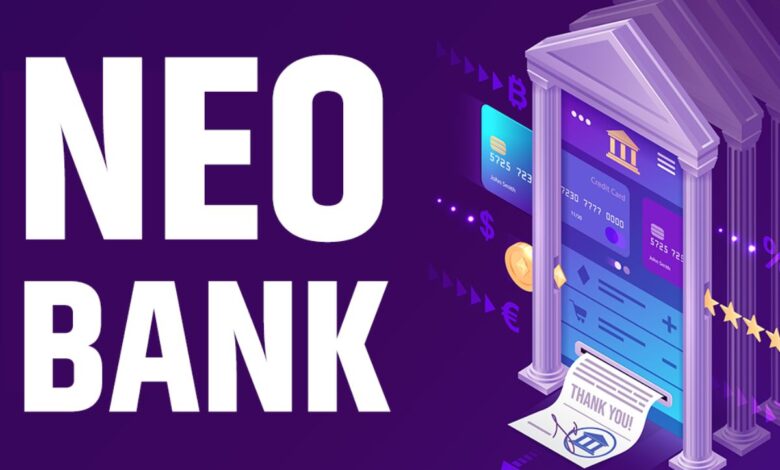
Understanding how money works in the modern digital age requires looking beyond traditional bank branches and into the world of neobanks, which represent one of the most significant transformations in how Indians manage their finances. In 2026, India’s neobanking market stands at a fascinating crossroads between extraordinary growth potential and serious profitability challenges, with the sector expanding from approximately Rs 1,59,439 crore in 2018 toward an estimated Rs 33,85,940 crore by the end of this year according to industry projections.
This remarkable growth trajectory of forty-six point five percent annually reflects a fundamental shift in how millions of Indians, particularly millennials and Gen Z, approach banking in an increasingly digital economy where smartphones have become the primary interface for financial transactions.
1. Jupiter
Jupiter has emerged as one of India’s most popular neobanks since its founding in 2019 by fintech veteran Jitendra Gupta, who previously founded Citrus Pay and sold it to PayU in a landmark transaction worth one hundred thirty million dollars. The platform has amassed approximately eight million users and processed over two billion dollars in transactions, establishing itself as a major force in consumer-focused digital banking. Jupiter operates through a partnership with Federal Bank, which means customers opening Jupiter accounts are simultaneously establishing Federal Bank savings accounts with full Deposit Insurance and Credit Guarantee Corporation coverage protecting deposits up to Rs 5 lakh.
What distinguishes Jupiter in a crowded marketplace is its rewards-focused approach that gives customers one percent cashback on every transaction made using Jupiter debit cards or UPI payments. These rewards, called jewels, never expire and convert directly to cash whenever users choose to redeem them, providing tangible benefits that accumulate with regular usage. Jupiter offers zero-balance savings accounts with competitive interest rates reaching up to two point five percent, along with automated savings features called pots that help users segregate money for specific goals. The platform also provides portfolio analyzers for tracking mutual fund investments and networth calculators for comprehensive wealth monitoring.
Jupiter emphasizes community engagement through forums where users share features, identify bugs, and participate in beta testing new capabilities. This collaborative approach to product development has cultivated strong user loyalty and generated valuable feedback that shapes platform evolution. Account opening happens through video KYC processes requiring minimal documentation, with new users depositing Rs 3,000 initially to access all features. However, like many neobanks, Jupiter faces profitability challenges, reporting a net loss of INR 276 crore against revenue of just INR 35.8 crore in FY24. The company has also undergone workforce reductions, with reports suggesting more than seventy employees were laid off over seven months as Jupiter navigates toward sustainable business models.
2. Fi Money
Fi Money was founded by Sujith Narayanan and Sumit Gwalani, the co-founders of Google Pay India who brought deep expertise in digital payments and user experience design to the neobanking space. Partnering with Federal Bank like Jupiter, Fi Money offers zero-balance savings accounts with interest rates up to five point one percent, significantly exceeding rates typically available through traditional bank savings accounts. The platform has attracted over two point five million users who appreciate its intelligent money management approach and AI-powered assistance.
Fi Money’s platform centers on helping users manage money better through multiple savings account options catering to different purposes, enabling customers to segregate funds for specific goals without maintaining separate bank relationships. The platform charges one percent of the interest rate for premature withdrawals from certain account types, ensuring transparency in fee structures. Account holders receive Visa debit cards enabling transactions across India and internationally, with comprehensive transaction tracking and spending analytics that provide insights into financial behaviors.
The Fi Money assistant responds to user queries efficiently through conversational interfaces, providing information about transactions, account balances, and available features without requiring navigation through complex menu structures. This natural language approach simplifies banking for users who may find traditional banking applications overwhelming or confusing. However, Fi Money has faced challenges similar to other neobanks in the profitability journey. The company laid off more than fifty employees over three months in 2025 according to reports, reflecting the difficult economics of building sustainable neobanking businesses without independent banking licenses and in an environment where free UPI payments have commoditized basic transaction services.
3. Niyo
Founded in 2015 by banking industry veterans Vinay Bagri and Virender Bisht, Niyo operates under the tagline making banking smarter, safer and simpler and has served over two point five million customers as of recent reporting. What distinguishes Niyo from more generalist neobanks is its focus on specialized products tailored to specific customer segments rather than pursuing one-size-fits-all approaches. This strategic positioning has allowed Niyo to build strong value propositions for niche audiences that appreciate targeted features.
Niyo’s product suite includes NiyoX, which provides efficient savings and wealth management facilities in partnership with Equitas Small Finance Bank, offering interest rates up to seven percent on savings balances. Niyo Global specifically targets international travelers with benefits including zero forex markup on international transactions, airport lounge access, and up to five percent interest on savings accounts. The platform supports conversion between Indian rupees and over one hundred fifty currencies at zero charges, making it exceptionally valuable for frequent travelers and those with international financial commitments. Niyo Bharat focuses on salary accounts for employees, while Niyo Money employs robo-advisory technology to help customers grow and manage wealth effectively.
The success of NiyoX demonstrates Niyo’s ability to execute rapid customer acquisition, having opened five hundred thousand Equitas Bank accounts within one hundred fifty days of launch. The platform provides twenty-four seven app-based customer support with monthly interest payouts that help customers visualize returns on their savings more tangibly than quarterly payouts common with traditional banks. However, despite generating revenue of INR 93.8 crore in FY24, Niyo reported steep losses of INR 144 crore, highlighting the profitability challenges facing even well-established neobanks with significant user bases and revenue streams.
4. Open
Open achieved unicorn status as India’s one hundredth unicorn in 2023 and has raised over two hundred fifty million dollars in lifetime funding, establishing itself as a leader in business-focused neobanking. Backed by prominent investors including Google and Tiger Global, Open positions itself as Asia’s first neobanking platform specifically designed for businesses, blending banking, payments, accounting, expense management, and tax compliance into unified platforms that simplify financial operations for small and medium enterprises.

Open targets businesses, startups, and freelancers who require sophisticated financial management tools without the complexity and high costs associated with traditional corporate banking relationships. The platform provides business current accounts, Visa business cards, integrated invoicing capabilities, automated expense tracking, and reconciliation features that dramatically reduce manual accounting workload. Open’s API-first architecture enables seamless integration with popular accounting software like Zoho and Tally, e-commerce platforms, and business management tools, creating comprehensive financial ecosystems for entrepreneurial ventures.
The platform claims to serve over five hundred thousand customers and process more than fifteen billion dollars in annualized transactions, demonstrating significant market penetration in the business banking segment. Despite this impressive scale and substantial venture capital backing, Open faces the same profitability challenges affecting consumer neobanks. The company reported revenue of just INR 24.8 crore against net losses of INR 169.6 crore in FY24, highlighting the difficulty of achieving sustainable unit economics while investing heavily in customer acquisition and platform development. In 2021, Open acquired fellow neobank Finin in a cash and stock deal valued at ten million dollars, demonstrating consolidation trends in the sector as stronger players absorb weaker competitors.
5. RazorpayX
RazorpayX operates as the business banking arm of Razorpay, one of India’s leading payment gateway providers that has achieved profitability and processed over seven point four billion transactions in 2025. Unlike pure neobanks that struggle with revenue generation, RazorpayX benefits from integration with Razorpay’s broader fintech ecosystem, providing business banking services including current accounts, payroll management, vendor payments, tax compliance, and working capital solutions. The platform partners with established banks including RBL Bank, Yes Bank, and Axis Bank to deliver comprehensive business banking experiences.
RazorpayX Payroll serves over forty thousand businesses as of 2025, enabling automated salary disbursement, tax filing, compliance management, and employee self-service portals. The platform automates calculations for TDS, PF, ESI, and PT while providing real-time compliance reports and alerts that help businesses stay updated with regulatory changes. RazorpayX also offers corporate cards with credit limits up to Rs 20 lakh based on business performance rather than fixed deposits or collateral security, making working capital more accessible for startups and small businesses.
What makes RazorpayX particularly successful compared to consumer-focused neobanks is its ability to generate revenue through multiple streams including subscription fees for premium features, transaction charges on payouts, and interest income from lending products. The broader Razorpay platform generated revenue of Rs 3,930 crore for the financial year ending March 2025 with healthy profitability, demonstrating that business-focused fintech platforms can achieve sustainable economics when they solve high-value problems and charge appropriately for services. RazorpayX processes approximately one billion dollars in payouts monthly, streamlining vendor and employee payments for businesses across India.
6. Freo
Freo operates as a promising neobank partnering with Equitas Small Finance Bank to offer the Freo Save savings account with integrated credit facilities. The platform emphasizes one hundred percent guaranteed security for user data and transactions, with associations including Visa, NPCI, and regulatory oversight through partner banks registered with the RBI. Freo targets young professionals, freelancers, and gig economy workers whose variable income patterns and immediate credit needs align poorly with traditional banking products designed primarily for salaried employees.
Freo provides competitive interest rates on savings accounts and fixed deposits, with returns reaching up to nine point one percent on fixed deposits and eight point seven percent on certain savings products, significantly exceeding rates available through traditional banking channels. The platform combines savings and borrowing capabilities, allowing customers to access credit lines without the complex documentation and lengthy approval processes typical of traditional banks. This integrated approach addresses a common pain point for customers who maintain savings accounts but struggle to access quick credit when financial needs arise.
Freo’s mobile application delivers intuitive experiences for account management, goal-based savings, investment in digital gold, and tracking of reward points across various transactions. The platform has made notable progress toward profitability compared to many neobanking peers, reporting revenue of INR 111.4 crore with net losses of INR 14.1 crore in FY24. This relatively modest loss compared to revenue demonstrates better unit economics than competitors burning larger amounts of cash, suggesting Freo’s integrated savings and credit model may offer more sustainable paths to profitability than pure savings-focused neobanks.
7. FamPay
FamPay has carved a unique niche as India’s first neobank specifically designed for teenagers and young adults, founded by recent IIT Roorkee graduates Kush Taneja and Sambhav Jain. The platform has raised over forty-two point nine million dollars in lifetime funding from prominent investors including Y Combinator, Sequoia India, Venture Highway, and individual investors like Kunal Shah and Vladimir Tenev. FamPay addresses the reality that traditional banks generally do not offer accounts or cards to individuals under eighteen years of age, leaving millions of teenagers without access to formal financial services.
FamPay provides virtual and physical debit cards that teenagers can use for online and offline purchases without requiring traditional bank accounts. Parents can top up FamPay accounts and monitor spending, providing supervised financial independence that helps young people learn money management skills. The platform supports UPI payments and includes social features like feeds where users can post updates, gamifying the financial experience and making it more engaging for younger audiences. FamPay also offers educational content and community discussions about financial systems and policies, helping teenagers build financial literacy.
The platform partners with IDFC Bank for card issuance and regulatory compliance while maintaining full control over the user experience and feature development. FamPay reported getting over twenty thousand installs within seven days of launch and ranking as the fifth most trending app on Google Play Store during its initial release. By targeting a previously underserved demographic and building age-appropriate features, FamPay has differentiated itself in a crowded neobanking market. However, like other neobanks, the path to profitability remains challenging as the company must balance growth investments with sustainable revenue generation from young users who typically have lower income and spending capacity than working professionals.
8. Mahila Money
Mahila Money represents a unique approach in the neobanking space by focusing exclusively on female entrepreneurs from all walks of life. Founded by Sairee Chahal in partnership with Capital Trade Links Limited, which operates as a Non-Banking Financial Company, Mahila Money provides collateral-free loans without requiring guarantors at interest rates of twenty percent per annum. While this interest rate may seem high compared to secured loans from traditional banks, it reflects the risk profile of unsecured lending to early-stage entrepreneurs who may lack traditional credit histories or business track records.
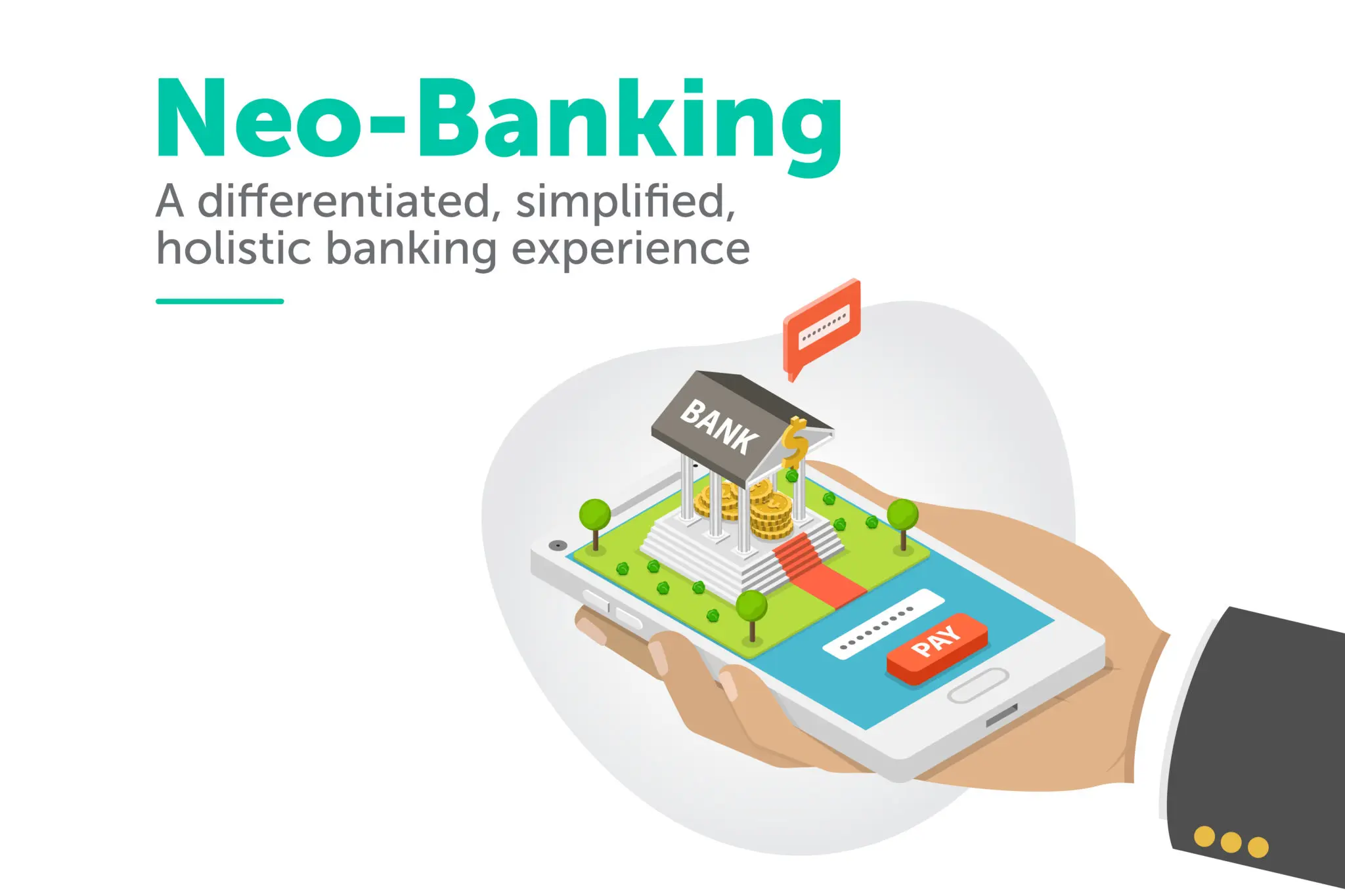
The platform goes beyond basic lending to create a community where women can communicate with each other about their unique experiences regarding work, study, and entrepreneurship. This community dimension addresses the reality that many women entrepreneurs face isolation and lack access to networks that could provide guidance, support, and business connections. By combining financial services with community building, Mahila Money creates value that extends beyond pure transaction processing into enabling entrepreneurial success through peer learning and mutual support.
Mahila Money demonstrates how neobanks can differentiate by serving specific demographic segments with tailored products and services rather than competing in the crowded general consumer banking market. Women entrepreneurs face unique challenges in accessing capital from traditional banking systems that often require collateral or male co-borrowers, making Mahila Money’s approach particularly relevant. However, operating as an NBFC rather than partnering with a traditional bank creates different regulatory requirements and potentially higher costs of capital that must be reflected in lending rates.
9. ChqBook
ChqBook focuses on empowering small business owners and budding entrepreneurs by offering personalized financial services and security tailored to the unique needs of micro-enterprises. The platform raised approximately twelve point three million dollars in funding, including a Series A round led by Aavishkaar Capital. ChqBook provides business current accounts, insurance coverage, rewards on transactions, digital ledgers called Khata to track business transactions, and loans with competitive fee structures designed for small businesses that often struggle to access formal credit.
The platform addresses pain points experienced by small business owners who find traditional banking relationships complex, expensive, and poorly suited to their variable cash flows and informal business structures. Many small businesses in India operate with minimal documentation and may not meet the strict requirements imposed by traditional banks for business accounts and credit facilities. ChqBook simplifies these processes through digital-first approaches that reduce documentation burdens while maintaining necessary risk management and compliance standards.
ChqBook’s digital Khata feature proves particularly valuable for small businesses that need simple tools to track customer transactions, credit extended, and payments received without investing in expensive accounting software or hiring dedicated bookkeeping staff. By integrating lending, insurance, transaction banking, and business management tools into unified platforms, ChqBook creates value propositions that address multiple pain points simultaneously. The focus on small businesses also provides clearer paths to profitability than consumer neobanks, as business customers generally accept fees for value-added services more readily than consumers accustomed to free banking.
10. InstantPay
InstantPay operates as a neobank known for executing numerous transactions per day through its website and mobile application platforms. The company has established partnerships with ICICI Bank, Axis Bank, Yes Bank, and IndusInd Bank, providing diverse banking options and redundancy that ensures service continuity even if one partner faces technical issues or capacity constraints. InstantPay serves both individual consumers and business clients with comprehensive digital banking capabilities spanning payments, savings, and basic lending products.
The platform emphasizes transaction processing speed and reliability, recognizing that in digital banking, execution performance directly impacts customer satisfaction and retention. InstantPay has built infrastructure capable of handling high transaction volumes without degradation in processing times or service availability, which proves critical during peak usage periods or market events that drive sudden transaction surges. The multi-bank partnership strategy also provides flexibility in product offerings and potentially better negotiating leverage compared to neobanks dependent on single banking partners.
While less prominent in consumer awareness than some other neobanks, InstantPay’s focus on transaction reliability and multi-bank partnerships creates competitive advantages in operational stability. The platform serves customers who prioritize consistent service delivery over the flashiest user interfaces or most aggressive marketing campaigns. However, like all neobanks without independent banking licenses, InstantPay must navigate the challenges of building sustainable profitability while remaining dependent on partner banks for core banking functions and competitive positioning on interest rates and product features.
The Regulatory Landscape And Profitability Challenges
Understanding the neobanking sector in 2026 requires acknowledging the fundamental regulatory reality that shapes every aspect of how these platforms operate. The Reserve Bank of India does not issue banking licenses to purely digital entities without physical presence, which means neobanks cannot operate as independent banks. Instead, they must function as technology companies that partner with licensed banks, creating dependency relationships that limit autonomy in product development, pricing, and strategic decision-making. This regulatory structure protects the stability of India’s financial system by ensuring that only well-capitalized institutions with proven risk management capabilities can accept deposits and extend credit.
The profitability challenges facing Indian neobanks stem directly from this structural limitation combined with the commoditization of basic banking services. When the National Payments Corporation of India made UPI transactions free for consumers, it eliminated a major potential revenue source for neobanks that might otherwise have charged small fees per transaction. Similarly, fierce competition has pushed interest rates on savings accounts to levels that provide minimal spreads over the rates neobanks must pay to their partner banks. Most neobanks earn money primarily through distributing loans, insurance, and investment products rather than through core banking services, essentially functioning as distribution channels for other financial institutions.
The funding environment for neobanks has shifted dramatically from the post-pandemic boom when billions of dollars poured into the sector. Neobanking startups in India raised approximately one billion dollars between 2018 and 2023, with major platforms like Open, Jupiter, Niyo, and Fi Money collectively receiving hundreds of millions in venture capital. However, as investors demand clearer paths to profitability and sustainable unit economics, the easy funding has dried up. Neobanks that cannot demonstrate revenue growth alongside user growth face difficult choices about workforce reductions, strategic pivots, or potential acquisition by larger players.
The industry has witnessed consolidation as predicted in competitive markets, with Open acquiring Finin and other neobanks quietly shutting down or pivoting to different business models. The neobanks that survive and eventually thrive will likely be those that either achieve sufficient scale to negotiate better economics with partner banks, successfully differentiate through specialized services commanding premium fees, or integrate with broader fintech ecosystems that provide multiple revenue streams like Razorpay has done with RazorpayX. Pure consumer-focused neobanks offering commodity savings accounts and payment services face the most challenging path to profitability.
The Future Of Neobanking In India
Despite the current challenges facing many neobanks, the fundamental drivers of digital banking adoption in India remain extraordinarily strong. The country’s young population increasingly expects banking services to work like other digital services they use daily, with instant account opening, intuitive mobile interfaces, and immediate access to features without branch visits or paperwork. Traditional banks have improved their digital offerings significantly, but many still carry legacy system constraints and organizational cultures that slow innovation compared to nimble fintech startups.
The regulatory environment may evolve to enable new business models for digital banking. Some industry observers expect that the RBI might eventually create new licensing categories specifically for digital banks that meet certain capital and operational requirements without maintaining physical branches. Such regulatory evolution could transform the neobanking landscape by enabling successful platforms to graduate from technology companies partnering with banks into independently licensed digital banks with full control over product offerings and pricing. However, any such regulatory changes would likely come with substantial capital requirements that only the best-capitalized neobanks could meet.
Technology innovation will continue driving differentiation opportunities for neobanks that invest in superior user experiences and valuable features beyond commodity banking services. Artificial intelligence applications in personalized financial advice, automated savings optimization, and fraud detection could create genuine value that customers willingly pay for either directly through subscription fees or indirectly through profitable lending and investment activities. Neobanks that successfully deploy AI while maintaining transparency and user trust may build sustainable competitive advantages that justify premium valuations.
The integration of banking with other aspects of digital life will likely accelerate, with financial services becoming embedded within e-commerce, social media, gaming, and other platforms where consumers spend time. Neobanks that position themselves as infrastructure providers enabling embedded finance for other platforms may find larger revenue opportunities than trying to build direct consumer relationships in crowded markets. The partnership model that currently constrains neobanks could potentially become an advantage if they successfully sell their technology and user experience capabilities to traditional banks seeking digital transformation.
Conclusion
India’s top neobanks in 2026 represent an industry at an inflection point between extraordinary growth potential and sobering profitability realities. Platforms like Jupiter, Fi Money, and Niyo have successfully attracted millions of users by offering superior digital experiences, competitive interest rates, and innovative features that traditional banks struggle to match. Business-focused neobanks including Open and RazorpayX have built significant customer bases by addressing the unique financial management needs of entrepreneurs and small businesses underserved by traditional corporate banking.
However, the harsh reality confronting most neobanks is that user growth without sustainable revenue models leads to mounting losses that eventually force difficult choices about workforce reductions, strategic pivots, or exits. The financial results from FY24 show major neobanks burning hundreds of crores while generating relatively modest revenues, highlighting the challenge of monetizing digital banking services when basic transactions have become commoditized through free UPI and intense competition has compressed interest rate spreads to razor-thin margins.
The neobanks most likely to succeed in the coming years will be those that either achieve massive scale enabling better economics through partner banks, successfully differentiate through specialized services commanding sustainable fees, or integrate with broader fintech ecosystems providing multiple revenue streams. The regulatory environment may eventually evolve to enable digital banking licenses that would transform successful neobanks into independently licensed banks, though such changes likely remain years away and would require substantial capital that only the strongest players could marshal.

For consumers and businesses choosing among neobanking platforms, the current landscape offers genuine innovation and valuable services that often exceed what traditional banks provide in digital experiences. Platforms like Jupiter and Fi Money excel for tech-savvy individuals seeking smart money management tools, while Niyo serves travelers particularly well with specialized international banking features. Business customers find comprehensive solutions through RazorpayX and Open that integrate banking with accounting and compliance. Specialized platforms including FamPay for teenagers and Mahila Money for women entrepreneurs demonstrate how neobanks can create differentiated value by deeply understanding and serving specific demographic segments.
As India’s digital banking landscape continues evolving through 2026 and beyond, the neobanks that successfully navigate the difficult path from growth to profitability while maintaining the innovative spirit and superior user experiences that attracted customers initially will emerge as enduring players in the financial services ecosystem. The industry’s ultimate success depends not just on technological capabilities but on solving the fundamental business model challenges that have proven so difficult for digital-only banks worldwide. Whether through regulatory changes, consolidation, integration with larger fintech platforms, or breakthrough innovations in revenue generation, the neobanking sector will continue transforming how millions of Indians access and experience financial services in the digital age.