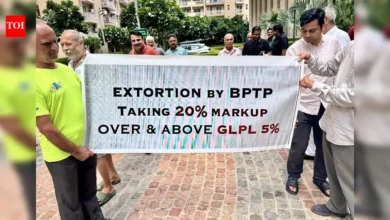
Cashify- Selling Simplified, But Not For Customers?
The Cashify Conundrum: India's Unicorn-Aspiring Re-Commerce Giant Faces Growing Consumer Discontent

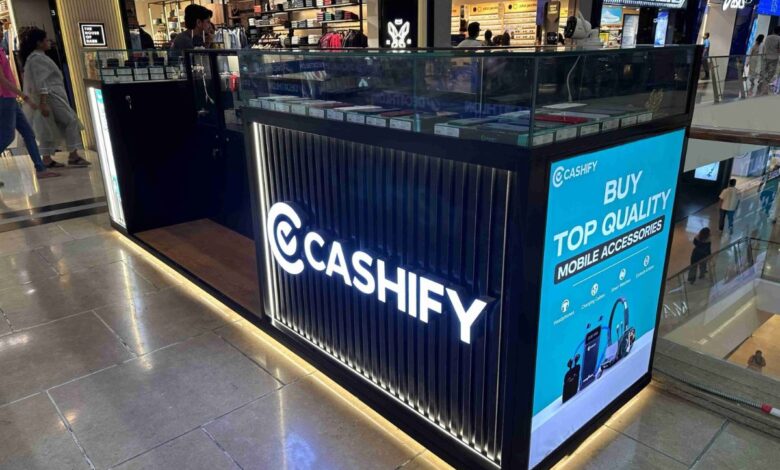
In the gleaming headquarters of Cashify in Gurugram, executives of India’s leading gadget re-commerce platform are preparing for what they hope will be a landmark initial public offering by fiscal year 2028. The company, founded in 2009 and having raised over $140 million from prestigious investors including Prosus, Bessemer Venture Partners, and Amazon, has positioned itself as India’s most trusted platform for buying and selling used electronics. With reported revenues of ₹1,120 crore in FY25 and a valuation approaching ₹2,000 crore, Cashify represents a rare success story in India’s challenging re-commerce sector.
But beneath the polished surface of this unicorn-in-waiting lies a troubling pattern of consumer complaints that raises fundamental questions about business practices, operational integrity, and whether the company’s growth trajectory has come at the expense of customer trust. This article, based on hundreds of documented consumer complaints, reviews across multiple platforms, and analysis of the company’s business model, reveals systemic issues that any prospective investor—or customer—should carefully consider.
The Promise: Simplifying the Chaos of Gadget Resale
To understand the complaints against Cashify, one must first understand the problem the company set out to solve. India’s used electronics market has traditionally been fragmented, opaque, and rife with information asymmetry. Selling a used smartphone typically meant haggling with local shops, accepting whatever price they offered, and having little recourse if the transaction went wrong. The market lacked standardization, transparency, and consumer protection.
Cashify promised to change all that. The platform’s value proposition was elegant: users could get an instant quote online by answering questions about their device’s condition, schedule a free doorstep pickup, and receive immediate payment once the pickup agent verified the device matched the described condition. No haggling, no uncertainty, no risk. The company marketed itself with slogans like “India’s #1 App to Sell Phones” and “#SellingSimplified.”
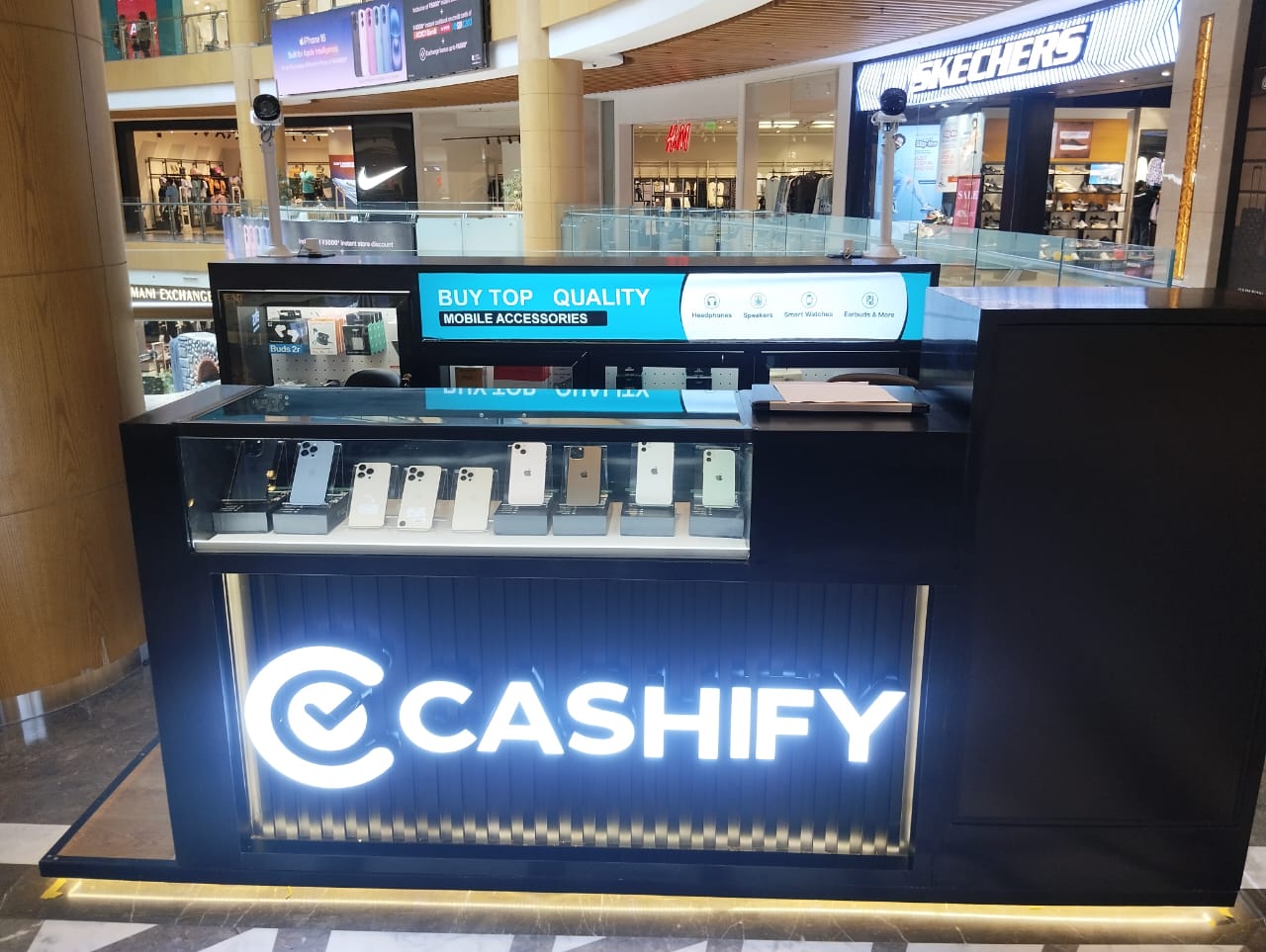
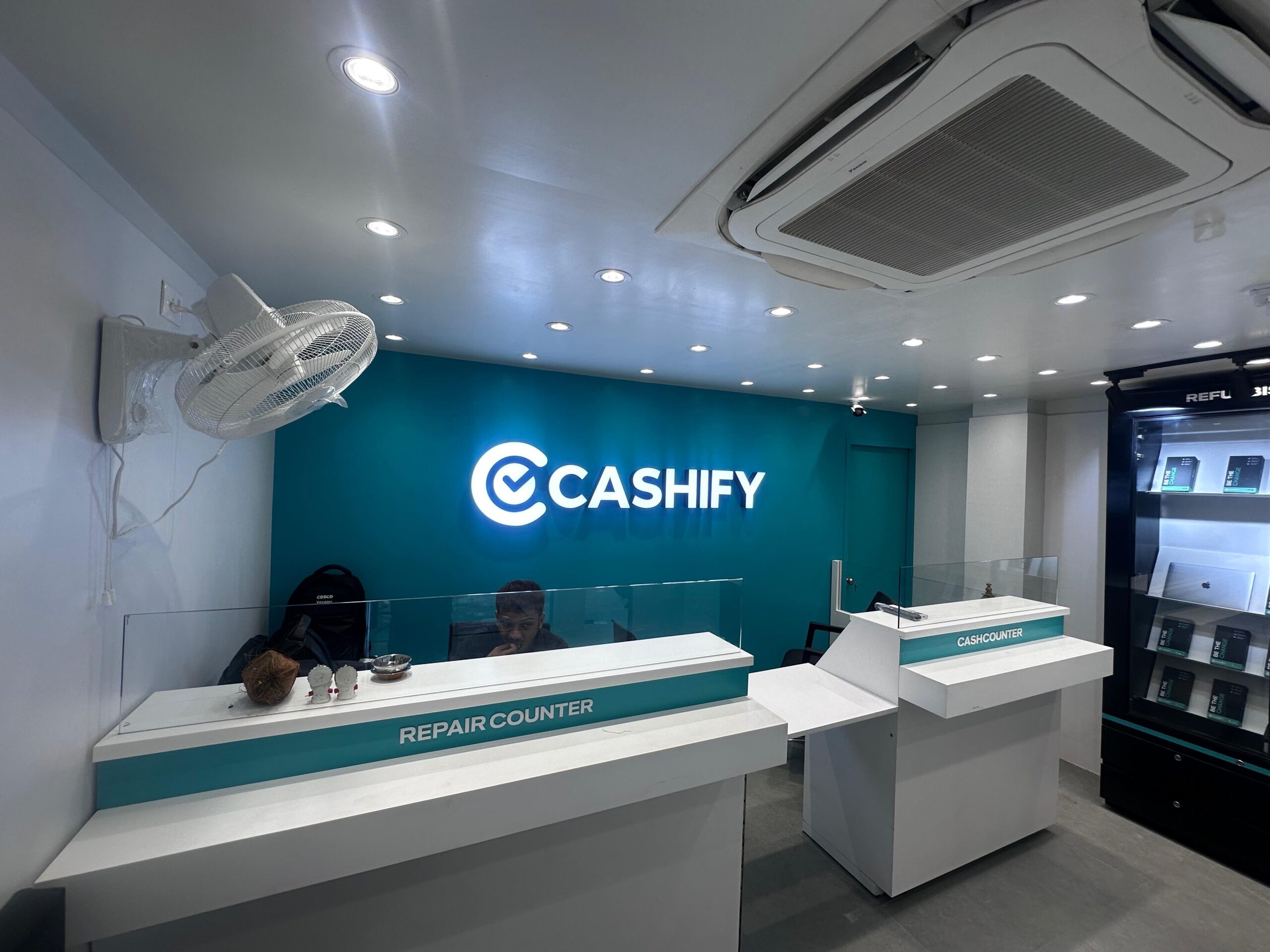
This promise resonated powerfully with Indian consumers. The company claims to have served over 14 million customers and handles approximately 100,000 smartphones per month. Major brands including Apple, Samsung, Xiaomi, OnePlus, Oppo, and Vivo have partnered with Cashify to power their trade-in and buyback programs. The company has expanded beyond phones to handle laptops, tablets, smartwatches, gaming consoles, and other electronics. It has also launched a retail arm selling refurbished devices and established over 250 physical stores across India.
From a business perspective, the model appeared sound. Cashify operates on both C2B (consumer-to-business) and B2B2C models. It purchases used devices from consumers, refurbishes them, and sells them through its own channels or to other retailers. It also provides white-label services to OEMs and e-commerce platforms, handling their exchange programs on a commission basis. The company has made strategic acquisitions, including MobiBing, Teksolvr, and UniShop, to build vertical integration across the value chain.
This growth has attracted serious capital. The company’s Series E round in June 2022 raised $90 million led by Prosus and NewQuest Capital Partners, increasing the valuation by 2.5 times from the previous round. Amazon invested through its Amazon.com NV Investment Holdings LLC. The funding was earmarked for technology development, team expansion, and preparing for an eventual public listing.
Bu Then Comes The Reality: A Pattern of Pricing Disputes!
But the consumer experience documented across multiple complaint platforms tells a starkly different story from the company’s marketing materials. An analysis of reviews on Trustpilot, India’s leading consumer complaint forums, Reddit discussions, and social media posts reveals a consistent pattern of grievances that have remained remarkably persistent over several years.
The Core Complaint: The Vanishing Quote
The single most common complaint against Cashify follows a predictable script. A customer visits the Cashify website or app, carefully enters detailed information about their device—model, age, physical condition, functional status, and accessories. The platform’s algorithm generates a quote, often appearing competitive with or better than local shop offers. Encouraged by the promise of convenience and transparency, the customer schedules a pickup. “Then reality intrudes.”
When the pickup agent arrives, a different process begins. Despite the customer having accurately described their device online, the agent finds reasons to reduce the quoted price—often dramatically. Scratches that were disclosed become “heavy damage.” Batteries at 85% health become “degraded.” Functional issues that were honestly reported somehow justify larger deductions than the online tool suggested. Most tellingly, even devices in pristine condition with “perfect” scores from Cashify’s own diagnostic tool see their prices slashed at pickup.
A representative complaint on Trustpilot captures the pattern: “Online quote was Rs. 16,790 for an S21 FE in mint condition. Cashify Diagnose tool gave a perfect score as well. The executive who came to pick up was very polite and respectful. However he kept tinkering with the phone for more than 30 minutes and then spoke to someone on the phone and offered 11K. When I refused the offer and asked him to leave, the offer changed to 11K plus some vouchers. After repeated haggling, I received 15K.”
This complaint reveals several troubling elements. First, the diagnostic tool—Cashify’s own technology—validated the device’s condition, yet the human agent offered 35% less than the quoted price. Second, the agent spent extensive time looking for problems, suggesting a systematic search for justifications to reduce payment. Third, the agent consulted with someone (presumably a supervisor) by phone, indicating the pricing reduction was not based solely on the agent’s assessment. Fourth, when the customer resisted, the offer immediately increased by more than a third, suggesting the initial low offer was a negotiation tactic rather than a true valuation. Finally, after “repeated haggling”—the very thing Cashify promises to eliminate—the customer received roughly 90% of the original quote.
Another complaint documents an even more egregious example: “I was quoted 6500 for IPhone SE, after doorstep delivery amount was reduced to 4500 when pickup person checked with the manager. Despite cancelling the order, he took images and IMEI number.” Here the reduction was 30%, and the complaint includes an additional concerning detail: even after the customer cancelled the transaction, the agent collected sensitive information (IMEI numbers can be used to track or potentially blacklist devices). This raises questions about data collection practices and potential misuse of customer information.
The pattern appears so consistent that multiple reviewers explicitly compare it to used car buying scams. One reviewer writes: “If you have sold your car thru Car selling portals, it works like this…firstly online calculator will collect few info of the car and offer you an attractive price, when their agent visits for inspection a completely low price is offered with immediate settlement. The same strategy is used by Cashify..First assessment will be an attractive price, actual physical assessment will offer prices which will be 50-75% lesser than initial assessment estimate.”
The comparison to car buying is apt and damning. The car sales industry’s “bait and switch” tactics—advertise high, deliver low—are widely recognized as exploitative. Yet here is a venture-capital-backed technology company with blue-chip partners apparently employing similar strategies.
The Magnitude of the Discount
The scale of the price reductions is particularly significant. The analysis of dozens of complaints reveals that price cuts at pickup typically range from 20% to 50% of the online quote, with some cases exceeding 60%. These are not minor adjustments for genuinely undisclosed damage—they represent systematic repricing that effectively renders the online quote meaningless.
Consider the economics from the customer’s perspective. A seller quoted ₹16,000 has made plans based on that amount—perhaps purchasing a new device, paying bills, or covering expenses. When the agent arrives and offers ₹10,000, the seller faces a difficult choice: accept a 37.5% reduction or restart the selling process, potentially through local shops that may offer even less. The sunk cost of time and the convenience of immediate payment create pressure to accept. The platform has effectively created a captive transaction where the customer’s negotiating power has been dramatically reduced from the point when they scheduled the pickup.
This is not a pricing error or algorithm failure—it is, according to numerous complaints, a systematic feature of how the business operates.
Agent Behavior and Systemic Issues
Multiple complaints describe specific behaviors that suggest agents are trained or incentivized to reduce payouts. These include:
Extended “Inspection” Periods: Numerous complaints mention agents spending 20-40 minutes examining devices, far longer than necessary to verify condition. One complaint describes an agent “tinkering with the phone for more than 30 minutes” before announcing a lower price. This extended period serves multiple purposes: it creates time pressure on the customer (who may have other commitments), allows the agent to manufacture justifications for price reductions, and psychologically wears down resistance.
Photo Documentation Theater: Multiple complaints describe agents taking extensive photographs, which appears to serve little practical purpose since devices are supposedly already assessed online. One complaint alleges an agent “started clicking multiple photos with the camera, keeping the flash on for extended periods,” potentially creating visual artifacts to justify claiming screen damage. Another describes an agent who “poked my screen to try to show me that the screen was damaged and lowered the offer price.”
Manager Consultation: A recurring pattern involves agents calling or messaging their “manager” during the inspection, after which they announce a lower price. This creates the impression that higher authority has deemed the device worth less, making it harder for customers to argue. However, some complaints suggest this may be theater: “The agent kept finding points to reduce as much as possible…kept talking on whatsapp to manager who advised marking it as heavy scratches to lower the price originally offered.”
Negotiation Revival: When customers reject low offers and ask agents to leave, offers frequently and immediately increase—sometimes by thousands of rupees—suggesting the initial offer was artificially deflated. If the agent could instantly offer ₹15,000 after initially offering ₹11,000, why wasn’t the higher amount offered first? The only logical explanation is that the lower offer was a negotiation tactic to test the customer’s knowledge or resistance.
Data Collection Despite Cancellation: Several complaints note that agents collected device information (photos, IMEI numbers) even after customers cancelled the transaction. This is particularly concerning given the sensitive nature of IMEI data and raises questions about what Cashify does with this information for devices it doesn’t purchase.
The Impact on Specific Customer Segments
The pricing practices appear to disproportionately affect certain customer groups:
Elderly or Non-Tech-Savvy Users: Multiple complaints describe vulnerable customers being pressured into accepting heavily reduced offers. One complaint from a Reddit thread describes an elderly parent who was “duped” after accepting a significantly lower price than quoted.
First-Time Sellers: Customers unfamiliar with used device pricing have no reference point to evaluate whether Cashify’s reduced offer is fair. They may assume the lower price reflects genuine condition issues they hadn’t noticed rather than a negotiation tactic.
Rural or Semi-Urban Customers: Users in areas with fewer alternative selling options face stronger pressure to accept Cashify’s terms, as traveling to urban areas to shop around may not be practical.
Apple Product Owners: Multiple complaints specifically mention iPhone owners receiving particularly large discounts. One reviewer bluntly advises: “Never sell apple products on cashify, you will get 30% more on olx.” This is notable because iPhones retain value better than most devices and have more transparent secondary markets, suggesting Cashify may take advantage of information asymmetry even when market prices are well-established.
Beyond Pricing: The Refurbished Phone Problem
While pricing disputes dominate complaints about Cashify’s selling process, a parallel stream of grievances concerns its buying process—specifically, the quality of refurbished phones sold to customers.
Quality Control Failures
Cashify markets its refurbished phones as having passed “32 quality checks” and offers warranties on devices. Yet numerous complaints describe receiving devices with significant undisclosed problems:
Activation Lock: Multiple complaints describe receiving iPhones still locked to previous owners’ Apple IDs, rendering them completely unusable. As one complaint states: “I purchased a refurbished iPhone 11 from Cashify (Order Date: 30 May 2024). When I received the phone, it was locked with someone else’s Apple ID (Activation Lock), making it completely useless.”
An Activation Locked iPhone is essentially a paperweight—it cannot be set up, activated, or used in any way without the previous owner’s credentials. This is not a minor defect but a fundamental failure that suggests Cashify either didn’t test the device before sale or knowingly sold a non-functional product. Given that checking for Activation Lock takes seconds and is part of basic iPhone evaluation, systematic failures of this type suggest inadequate quality control or worse.
Battery Issues: Numerous complaints describe batteries that drain rapidly despite being advertised as having high capacity. One complaint states: “Bought a Mi 11t pro with faulty battery which was draining very fast. Absolutely no help from customer care. They kept saying that it was refurbished so battery issue is expected.”
Cashify’s response—essentially arguing that refurbished means accepting defective batteries—contradicts its own marketing about quality checks and warranties. If customers should expect defective batteries, this should be prominently disclosed before purchase, not used as an excuse after the fact.
Component Fraud: Perhaps most seriously, multiple complaints allege that Cashify swaps genuine parts with cheap replacements. One customer describes: “I purchased phone worth 25k, but what i got is the phone with new body and old parts, faulty battery and slow charging.” Another states: “I ordered purple phone…we told apple service center to check if this original they said whole body including battery is changed…sim tray was golden.”
These allegations suggest that some refurbished phones are essentially Frankenstein devices—original branded exteriors housing replacement internals that don’t meet OEM specifications. If true, this would constitute fraud, as customers pay premium prices for branded phones believing they’re getting genuine components.
The Warranty Illusion
Cashify advertises warranties on refurbished devices, but numerous complaints describe warranty claims being rejected or delayed indefinitely. Common patterns include:
Pass-the-Buck Customer Service: Customers report being told to visit physical stores for warranty service, only to have stores refer them back to online support, creating circular runarounds that exhaust customers into giving up.
Unreasonable Documentation Requirements: Some complaints describe being asked for documentation that wasn’t mentioned at the time of purchase or that customers cannot reasonably provide.
Extended “Processing” Times: Multiple complaints describe warranty repairs taking weeks or months beyond promised timelines, with little communication and no recourse for customers whose devices remain non-functional.
One complaint captures the frustration: “I booked a repair service at Cashify. They were supposed to do the repair in three days. When I didn’t get any update after three days, I approached the customer care service. They said that it would take another three days, but I didn’t get any update even after that. Finally, after 15 days, when I asked them to return my phone without repair, they promised that the phone would be delivered to me without repair. But the very next day, they started telling me it has been repaired.”
This describes a complete breakdown of operational accountability. Promised timelines mean nothing, customer requests are ignored, and the status of devices becomes unclear. For a technology company with sophisticated tracking systems, this level of operational dysfunction suggests either systemic management failure or deliberate obstruction of warranty claims.
Payment and Refund Issues
A third category of complaints centers on Cashify’s handling of money—both payments to sellers and refunds to buyers.
Delayed Payments
While Cashify promises immediate payment upon device pickup, multiple complaints describe delays:
“I had sold a phone. But its been 2 days the money is not credited in my account. I keep calling the customer care but they keep telling me to keep waiting more and more days. Now they have started to ignore my calls and messages and there is not reply or response of any kind.”
For customers who may have sold their device to cover immediate expenses, payment delays of even a few days can cause significant problems. The fact that customer service initially responds but then begins ignoring follow-ups suggests a pattern of avoidance rather than technical payment processing issues.
Refund Quagmire
For customers who purchase refurbished devices and discover defects, obtaining refunds appears extraordinarily difficult:
“They have bad refund process. I requested to cancel a item on 22 Nov and its 13 Dec. Did not got refund still doing conversation.”
Three weeks without a refund for a cancelled order is unacceptable by any reasonable standard. Indian e-commerce regulations require refunds within specific timelines, yet Cashify appears routinely to ignore these requirements.
Multiple complaints describe even more egregious refund situations:
“I cancelled my order on cashify after ordering Iphone 12…but they have not refunded. Actually my father hospitalization, I need some money. Pls help me Order Id: ESODMJS68GGQ”
Here a customer facing a family medical emergency cancelled an order but could not get their money back—money they desperately needed. This exemplifies how Cashify’s refund practices can cause real hardship.
Coercive Tactics
Perhaps most disturbing are complaints describing what appear to be attempts to coerce additional purchases as a condition for processing owed payments:
“Dreadful experience I gave my phone on Cashify at 27/09/2025. The payment was stuck and they asked me to buy boat ear phones and then they will transfer the payment.”
This complaint, if accurate, describes a scheme where Cashify holds customer payments hostage unless they make additional purchases. This would not only violate consumer protection law but potentially constitute criminal extortion. Even if the instruction came from an individual employee rather than company policy, the fact that it occurred at all suggests inadequate oversight and controls.
The Customer Service Black Hole
Underlying many complaints is a consistent theme: Cashify’s customer service appears systematically unable or unwilling to resolve problems.
The WhatsApp Bot That Doesn’t Work
Multiple complaints mention that Cashify’s WhatsApp-based customer service bot fails to handle actual problems:
“The complaint bot of Cashify on WhatsApp is not working. I have been worried for 4 days and still, there’s no resolution.”
Automated chatbots can handle simple queries efficiently, but routing complex complaints through non-functional bots creates a barrier that prevents escalation to humans who might actually solve problems. When the bot is the primary or only customer service channel, its failure effectively denies customers any recourse.
Broken Escalation Paths
Cashify’s customer service policy nominally provides escalation paths: Level 1 support, Level 2 (Nodal Officer/CEO), and ultimately external complaint mechanisms through India’s National Consumer Helpline or Consumer Courts. However, complaints describe these paths as largely ceremonial:
No Response to Escalations: Multiple complaints describe emailing or calling supervisors, nodal officers, or even the CEO ([email protected]) with no response.
Repeated Apology-Promise-Fail Cycles: Some complaints describe receiving acknowledgments and promises of resolution, followed by no action, forcing customers to repeatedly escalate the same issue.
Selective Response: Interestingly, some complaints note that Cashify becomes responsive only after customers file formal complaints with consumer courts or post negative reviews on visible platforms, suggesting the company responds primarily to reputational threats rather than systematic commitment to service.
The Resolution Rate
According to complaint platform Voxya, Cashify has a consumer satisfaction score of just 61.11%, with only 11 of 18 complaints on that platform being resolved. This is a troubling metric for a company that markets itself as India’s most trusted gadget platform. For comparison, companies with genuinely customer-centric cultures typically resolve well over 90% of legitimate complaints.
Industry Context: The Re-Commerce Challenge
To be fair to Cashify, the re-commerce industry faces genuine structural challenges that make perfect customer satisfaction difficult:
Subjective Valuation
Unlike new products with fixed prices, used electronics involve subjective assessments of condition. What one person considers “minor wear” another might see as “heavy scratches.” Battery health percentages can be measured but their impact on usability varies by user. This inherent subjectivity creates inevitable gaps between seller expectations and buyer offers.
However, this explanation only goes so far. Cashify created an automated online evaluation tool specifically to standardize assessments and eliminate subjectivity. When that tool and human agents consistently diverge, the problem isn’t subjective valuation—it’s that the tool and the actual buying practices are misaligned.
The Race to the Bottom
Re-commerce operates on thin margins. Companies must pay enough to attract sellers while paying little enough to profitably refurbish and resell devices. In a competitive market with companies like 2GUD, Mobilegoo, InstaCash, and local shops, there’s pressure to quote high online to attract leads but pay low at pickup to maintain margins.
But again, this doesn’t justify the practices documented in complaints. Many industries operate on thin margins without systematically misleading customers about pricing. The solution to margin pressure is not consumer deception but more efficient operations, better refurbishment processes, or clearer communication about how final pricing works.
The Informal Sector
India’s electronics resale market includes a massive informal sector—small shops, individual traders, and gray market operators who don’t pay taxes, don’t provide warranties, and operate with minimal overhead. Formal companies like Cashify must compete with these operators while maintaining higher cost structures. This creates incentive to push prices toward informal sector levels even while marketing premium service.
Yet Cashify has raised $140 million specifically to build a formal, transparent alternative to the informal sector. If the company’s competitive strategy is to operate at informal sector price levels while charging informal sector-style surprise reductions, it negates the entire value proposition that justified that investment.
The IPO Question: What Are Investors Buying?
Cashify reportedly plans to pursue an IPO by fiscal year 2028. The company’s financial metrics appear strong on the surface: revenues growing from ₹498 crore in FY22 to ₹816 crore in FY23 to approximately ₹1,120 crore in FY25 (estimated). The company has attracted investment from sophisticated investors including Prosus (which backed companies like Tencent and Flipkart), Bessemer (known for enterprise software investments), and Amazon.
But the complaints documented in this investigation raise fundamental questions about the sustainability and ethics of that growth:
Unit Economics vs. Customer Lifetime Value
If Cashify grows revenues by systematically under-paying sellers and over-representing device values at pickup, these revenues may be artificially inflated in the short term at the expense of long-term customer relationships. In industries where customer lifetime value matters—and re-commerce should be one, as satisfied customers will sell multiple devices over the years—optimizing for one-time transaction extraction rather than relationship building is strategically short-sighted.
The evidence suggests customers rarely return to Cashify after negative experiences. Trustpilot reviews frequently include statements like “Never selling to them again” or “Would have been better off at a local shop.” If each customer represents a one-time extraction opportunity rather than a repeated relationship, the addressable market is finite and the business eventually runs out of first-time customers to disappoint.
Operational Competence
The customer service failures, refund delays, warranty avoidance, and quality control problems documented across hundreds of complaints suggest deeper operational issues. Public companies require operational excellence because minor failures get amplified in shareholder scrutiny and regulatory oversight. A company that cannot competently handle warranty claims or refunds as a private company is unlikely to suddenly develop those capabilities as a public entity.
More concerning is what these failures suggest about management priorities. Either leadership doesn’t know about these systemic problems (suggesting poor internal reporting and oversight), or they know and have decided the cost of fixing them exceeds the benefit (suggesting values misalignment with customer-centric culture). Neither scenario inspires confidence in prospective public market investors who must trust management’s capital allocation and strategic judgment.
Regulatory and Reputational Risk
India’s consumer protection framework is increasingly robust. The Consumer Protection Act, 2019 strengthened consumer rights, made e-commerce platforms more accountable, and created clearer paths for consumers to seek redress. Consumer courts have been empowered to hear complaints efficiently and levy significant penalties for violations.
If Cashify’s practices attract sustained regulatory scrutiny, the company could face substantial fines, required operational changes, or even restrictions on business activities. In one potential scenario, the Consumer Affairs Ministry could require Cashify to honor online quotes with limited deviation, guarantee refund processing timelines, or meet specific warranty service standards. Such requirements would likely compress margins and require significant operational investment.
Even absent regulatory action, sustained negative publicity can be devastating for consumer brands. The complaints documented here are scattered across multiple platforms, but a coordinated media investigation or social media campaign could consolidate them into a broader narrative that seriously damages Cashify’s brand. For a company whose value proposition is trust—”India’s Most Trusted” platform, per its marketing—reputational damage directly threatens the core business model.
The Timing Question
Why is Cashify rushing toward an IPO despite these unresolved issues? Several possibilities exist:
Investor Returns: Venture investors typically seek exits within 7-10 years. Cashify’s earliest institutional investors (Bessemer, Blume) came in during 2015. Nine years later, they’re approaching the end of typical fund lifecycles and likely seeking liquidity. An IPO provides the cleanest exit path, allowing early investors to sell shares while maintaining the company’s independence.
Market Window: India’s IPO market has been hot in recent years, with technology companies achieving strong valuations. But market conditions change quickly. If Cashify’s management believes current market receptivity to technology IPOs is unusually favorable, they may be racing to access public markets before that window closes, even if operational issues remain unresolved.
Competitive Pressure: The re-commerce space is attracting increasing competition, including from larger e-commerce platforms like Amazon and Flipkart that have integrated buyback services. Cashify may need public market capital to compete effectively with these better-funded rivals. But this creates a chicken-and-egg problem: the company may need to go public to compete, but its operational issues may make it unready for public market scrutiny.
Growth at All Costs: Like many venture-backed companies, Cashify may be prioritizing growth metrics over profitability or customer satisfaction, believing that scale will eventually enable margin improvement. This “grow now, fix later” mentality has worked for some technology companies (Amazon famously lost money for years) but failed spectacularly for others (WeWork’s growth hid fundamental business model problems). The question is which category Cashify falls into.
The Vendor Question: A Missing Piece
This investigation began with a question about vendor payment issues. Interestingly, while consumer complaints about buying and selling personal devices are abundant, complaints specifically about Cashify failing to pay business vendors (suppliers, service providers, contractors) are largely absent from the public record.
This is worth noting because vendor payment issues and consumer-facing complaints often cluster—companies that treat customers poorly often treat vendors similarly, and vice versa. The fact that vendor complaints aren’t prominent suggests one of several possibilities:
Vendors Are Being Paid: The most optimistic explanation is that Cashify maintains proper payment discipline with business vendors even while customer-facing operations have serious issues. This would suggest the problems are specific to consumer operations rather than systemic company-wide financial distress or ethical culture.
Vendor NDAs: Many B2B relationships include non-disclosure agreements that prevent vendors from publicly discussing business terms, including payment disputes. Vendors may be reluctant to complain publicly about a major client for fear of losing future business or facing legal action.
Different Power Dynamics: Business vendors have more negotiating power than individual consumers. Large vendors can threaten to stop service, demand advance payment, or file legal claims that consumers might not pursue. Cashify may treat vendors better simply because vendors have more effective recourse.
The Issue Hasn’t Emerged Yet: If Cashify’s growth is being funded by investor capital, vendor payments may currently be fine. The risk would emerge post-IPO if growth slows, investor patience ends, and the company must achieve profitability from operations rather than funding rounds. At that point, vendor payment terms might become stressed.
Without access to Cashify’s accounts payable records, vendor contracts, or industry sources willing to speak on record, this remains an open question. However, the absence of vendor complaints should not be confused with confirmation that no issues exist—it may simply mean such issues, if they exist, aren’t yet visible in public records.
What Should Cashify Do?
If Cashify’s leadership is serious about building a sustainable, ethical business worthy of public market trust, several reforms appear necessary:
Align Online Quotes with Pickup Pricing
The core credibility problem is the gap between quoted and delivered pricing. Solutions include:
Conservative Quoting: Adjust algorithms to quote more conservatively, building in cushion for condition assessment variance. Better to pleasantly surprise customers with higher final payments than disappoint them with reductions.
Binding Quotes: For devices that pass diagnostic tool assessment, make the quoted price binding subject only to verification that entered information was accurate. If a customer says their phone has no cracks and diagnostic confirms no cracks, honor the quote. Period.
Transparency About Variance: If final pricing must differ from quotes, clearly explain the assessment process, document reasons for adjustments, and provide customers with information showing how their device compared to the initial description.
Agent Incentive Restructuring: If agents are currently incentivized on margins (rewarded for paying less), shift to incentives based on completed transactions or customer satisfaction scores. This would align agent interests with customer experience rather than extraction.
Fix Quality Control
For refurbished device sales:
Actual 32-Point Checks: If you market 32 quality checks, actually perform all 32 rigorously. Selling an Activation Locked iPhone means the most basic check wasn’t performed.
Parts Disclosure: If phones contain non-genuine parts, disclose this clearly before sale and price accordingly. Customers may accept third-party batteries if the price reflects that reality.
Photography Documentation: Before selling any refurbished device, photograph it comprehensively and make images available to buyers. This protects both Cashify (by documenting condition at sale) and customers (by showing exactly what they’re buying).
Real Warranties: A warranty means nothing if claims are denied or delayed indefinitely. Establish clear warranty terms, defined processing timelines, and accountability when timelines are missed.
Overhaul Customer Service
Human Escalation: Automated systems should route to humans quickly when they can’t resolve issues. No customer should be stuck in bot hell for days.
Response SLAs: Commit publicly to responding to complaints within defined timelines (e.g., 24 hours for acknowledgment, 5 business days for resolution). Track and report compliance.
Empower Frontline Staff: Give customer service representatives authority to resolve common issues without multi-level approvals. The current system of referring everything to managers creates delays and frustration.
Executive Accountability: Make senior leaders personally responsible for handling escalated complaints that frontline staff can’t resolve. Nothing focuses executive attention like having to personally respond to angry customers.
Financial Operations
Payment Promptness: When a customer sells a device, payment should process immediately or within hours, not days. The technology exists to make this seamless.
Refund Guarantees: For cancelled orders or returned devices, commit to refund processing within a maximum timeframe (e.g., 7 business days) and provide automatic compensation (e.g., 1% of refund amount per day delayed) if missed.
No Coercive Tactics: Make it absolutely clear to all employees that holding payments hostage to force additional purchases is forbidden and will result in termination.
What Should Consumers Do?
Until Cashify demonstrates sustained improvement, consumers should take protective measures:
Document Everything: Screenshot your online quote, photograph your device comprehensively before pickup, and keep all communication records.
Shop Around: Get quotes from multiple platforms (OLX, local stores, competing services) before committing. Don’t assume Cashify’s quote is competitive.
Negotiate From Knowledge: Know your device’s market value from multiple sources. If an agent offers substantially less than quoted, you have every right to decline and pursue alternatives.
Use Protection Mechanisms: When buying refurbished devices, pay with credit cards that offer dispute resolution. File complaints promptly if issues arise—don’t let time elapse.
Leverage Public Forums: Companies often respond more urgently to public complaints on social media or review sites than private customer service requests. Document your issue publicly if private channels fail.
Know Your Rights: India’s Consumer Protection Act provides substantial rights. If Cashify violates those rights, file complaints with Consumer Forums. The threat of legal action often motivates resolution.
What Should Investors Consider?
For prospective IPO investors evaluating Cashify’s offering documents:
Due Diligence on Complaints: Any sophisticated institutional investor should be analyzing complaint patterns. The issues documented here are in public forums—they’re not hidden. Ask management directly about complaint volume, resolution rates, and systemic remediation plans.
Customer Satisfaction Metrics: Request data on repeat customer rates, net promoter scores, and satisfaction measurements. If these metrics don’t exist or management won’t share them, that’s a red flag.
Operational Metrics: Ask about warranty claim denial rates, refund processing times, agent turnover, and quality control failure rates. Companies with operational excellence can produce these numbers instantly. Companies that can’t may not be measuring what matters.
Regulatory Compliance: Inquire about consumer protection compliance programs, complaint resolution policies, and any regulatory inquiries or actions. Has the company been contacted by consumer protection authorities? Are there pending lawsuits?
Management Priorities: Most importantly, assess whether management acknowledges these issues and has credible plans to address them, or whether they deny, minimize, or deflect. The latter would suggest a culture unwilling to confront uncomfortable truths—a dangerous trait in public company leadership.
Conclusion: The Path Forward
Cashify’s story encapsulates broader questions about India’s technology startup ecosystem. The company has achieved genuine accomplishments: building a national platform in a fragmented industry, attracting serious capital, partnering with major brands, and creating a category that benefits consumers and the environment through electronics reuse.
But growth achieved through practices that systematically disappoint customers is unsustainable. The hundreds of complaints documented across multiple platforms represent more than isolated incidents—they represent a pattern that suggests systemic issues in how the company operates.
The path to a successful IPO and long-term sustainable business requires confronting these issues honestly. That means:
- Acknowledging that the gap between online quotes and pickup pricing has damaged trust
- Recognizing that quality control for refurbished devices hasn’t met promised standards
- Accepting that customer service has failed to resolve problems adequately
- Committing to genuine operational reforms, not just better PR
Companies can change. Amazon built its early reputation through ruthless customer focus, prioritizing customer satisfaction even at the expense of short-term profitability. That investment in trust paid enormous dividends as the company scaled. Conversely, companies that prioritize growth over customer satisfaction often find that growth unsustainable—negative word of mouth eventually constrains the addressable market.
Cashify faces a choice. It can continue its current path, extract maximum short-term value from each transaction, achieve an IPO based on revenue growth, and hope public market investors don’t notice or care about the customer experience issues. Or it can take the harder path: slow growth temporarily to fix operational problems, invest in customer service excellence, and build a business model that prioritizes customer lifetime value over transaction extraction.
The former path may work in the short term but carries enormous long-term risk. The latter path is difficult but offers the only sustainable foundation for the company Cashify claims to want to be: India’s most trusted platform for electronics re-commerce. For a company preparing to ask the public to invest their savings in its future, the choice it makes will say everything about whether it deserves that trust.

This investigation is based on publicly available information including consumer complaints on Trustpilot, consumer complaint forums, Reddit discussions, social media posts, company financial disclosures, and business news reports. All claims made by consumers are attributed as such and represent their stated experiences. Readers are encouraged to conduct their own due diligence before making business decisions involving Cashify.