Understanding what makes a brand “fast-growing” requires looking beyond simple revenue figures to examine the underlying dynamics of business acceleration. When we talk about fast-growing D2C brands in India, we’re referring to companies that have demonstrated exceptional compound annual growth rates, typically exceeding fifty percent year-over-year, often doubling or tripling their revenues within just two to three years. These brands represent not just commercial success but fundamental shifts in consumer behavior, successful identification of underserved market needs, and execution excellence that allows them to scale rapidly while maintaining quality and customer satisfaction.
1. Mosaic Wellness
Mosaic Wellness represents a fascinating case study in category-focused D2C brand building, having achieved one of the highest growth rates in India’s health and wellness sector. The company operates distinct brands targeting specific demographics with health concerns that traditional pharmaceutical and wellness companies had largely overlooked or addressed inadequately. Man Matters serves men dealing with hair loss, sexual wellness, and dermatological issues, while Bodywise focuses on women’s health including hormonal balance, PCOS management, and reproductive wellness. Little Joys addresses children’s nutrition and health needs. This multi-brand strategy allows Mosaic to build deep expertise in specific health areas while maintaining clear brand identities that resonate with target audiences.
The company’s financial performance demonstrates exceptional scaling capability. In fiscal year 2025, Mosaic Wellness more than doubled its revenue to seven hundred thirty-six crore rupees from three hundred thirty-three crore rupees in the previous year, representing a growth rate exceeding one hundred twenty percent. This explosive growth occurred while the company simultaneously narrowed its losses significantly, moving closer to profitability. Such performance is particularly impressive given that many D2C brands struggle to maintain growth rates while improving unit economics, often facing tradeoffs between expansion and profitability. Mosaic’s ability to accelerate revenue growth while tightening operations suggests strong underlying business fundamentals.
What drives Mosaic Wellness’s rapid growth is its clinical approach to wellness products combined with digital accessibility. Rather than selling generic supplements with vague benefits, Mosaic offers targeted solutions for specific conditions based on medical consultations conducted through its platforms. Customers complete detailed health assessments, receive personalized recommendations from licensed doctors, and purchase customized product regimens designed for their particular needs. This medical legitimacy differentiates Mosaic from wellness brands making aspirational lifestyle claims without clinical backing, building trust with health-conscious consumers who want evidence-based solutions.
The company has raised sixty-eight million dollars from prominent investors including Peak XV Partners (formerly Sequoia Capital India), Elevation Capital, and Z47, achieving a valuation of four hundred million dollars. This substantial funding enables aggressive customer acquisition, product development, and geographic expansion while the brand builds sustainable revenue streams. Mosaic’s growth trajectory suggests it is capturing a significant portion of India’s digital health market, estimated to exceed ten billion dollars by 2030, by addressing sensitive health concerns that consumers prefer managing privately through digital channels rather than discussing face-to-face in traditional retail settings.
2. Wakefit
Wakefit has revolutionized India’s mattress and furniture market through a direct-to-consumer model that delivers premium quality at mass-market prices, achieving one of the highest growth rates in the home furnishings category. The company recorded revenue of approximately four hundred ten crore rupees in its most recent fiscal year, representing more than doubling from one hundred ninety-seven crore rupees the previous year. This exceptional growth rate, exceeding one hundred percent year-over-year, positions Wakefit among India’s fastest-scaling home brands and demonstrates powerful product-market fit in a category traditionally dominated by unorganized local retailers and expensive international brands.
Understanding why Wakefit is growing so rapidly requires examining the mattress market dynamics in India. Traditionally, consumers purchased mattresses from local furniture stores or department stores offering limited selection, inconsistent quality, and pricing that varied dramatically based on negotiation skills rather than transparent value. Premium international brands like Sleepwell and Kurlon commanded high prices justified more by brand legacy than product innovation. Wakefit identified a massive gap between consumers’ willingness to invest in sleep quality and their access to affordable, scientifically-designed sleep solutions, creating an opportunity for a brand offering orthopedic memory foam mattresses at price points competitive with traditional spring mattresses.
The company manufactures all products in-house across nine factories located in Bangalore, Delhi, and Jodhpur, providing complete control over quality, costs, and supply chain efficiency. This vertical integration distinguishes Wakefit from competitors relying on third-party manufacturers and enables the rapid product iteration necessary for continuous improvement. Wakefit’s expansion beyond mattresses into complete bedroom furniture including beds, wardrobes, and accessories, plus living room furniture like coffee tables and storage solutions, transforms the brand from a single-product company into a comprehensive home solutions platform. This category expansion increases customer lifetime value by encouraging multiple purchases over time and positions Wakefit as a destination for all home furnishing needs.
The company’s distribution strategy balances online efficiency with accessibility, operating primarily through its website and as a top seller on Amazon while maintaining selective offline presence for customers who prefer experiencing products physically before purchasing. Wakefit’s generous trial periods, allowing customers to test mattresses for months before committing, reduce perceived risk for consumers purchasing substantial items sight unseen and demonstrate confidence in product quality that competitors cannot match. This customer-centric approach, combined with vertically integrated operations and clear pricing transparency, explains why Wakefit is capturing significant market share from both unorganized local retailers and established branded players.

3. Country Delight
Country Delight has disrupted India’s massive dairy market by eliminating intermediaries between farmers and consumers, achieving exceptional growth while addressing fundamental quality and freshness concerns that plague traditional milk distribution. The company generated revenue of one thousand three hundred eighty crore rupees in fiscal year 2024, marking a forty-six percent increase from nine hundred forty-three crore rupees in the previous year. This sustained high growth rate in the competitive dairy category, which has seen limited innovation despite being worth over ten billion dollars in India, demonstrates that consumers will pay premiums for products addressing genuine pain points around freshness, purity, and convenience.
Understanding Country Delight’s growth requires examining traditional dairy distribution in India. Most consumers purchase milk from local vendors or delivery services sourcing from unknown origins, often adulterated or diluted, with inconsistent quality and questionable hygiene. Large dairy brands like Amul and Mother Dairy provide packaged milk with better quality control but use ultra-high temperature processing that extends shelf life while affecting taste and nutritional value. Country Delight positioned itself between these options by offering farm-fresh milk that never undergoes high-temperature processing, maintained in complete cold chain control from farm to doorstep, delivered daily in reusable glass bottles that reduce plastic waste.
The company’s farm-to-doorstep model creates significant competitive advantages. By sourcing directly from farmers, Country Delight ensures quality control from source while providing farmers with fair prices by eliminating middlemen who traditionally captured substantial margins. This ethical sourcing appeals to urban consumers who value knowing where their food comes from and supporting farmer welfare. The company has invested in farmer education programs, veterinary support, and cattle management training, improving milk quality and yields while building loyalty among supplier farmers. These direct relationships create switching costs, as farmers receiving fair prices and support services resist moving to alternative buyers.
Country Delight’s subscription model generates predictable revenue streams and high customer lifetime value. Daily doorstep delivery creates consumption habits and switching costs, as customers rely on convenient early-morning deliveries and resist changing providers even if alternative options emerge. The company has expanded beyond fresh milk into curd, paneer, ghee, and other dairy products, increasing customer basket sizes and purchase frequency. This category expansion, combined with strong unit economics from subscription revenues and direct farmer relationships, positions Country Delight to maintain high growth rates while expanding into new geographies across India’s fragmented dairy market.
4. House Of EM5
House Of EM5 represents the new generation of hyperscaling D2C brands, having achieved the number one position in Inc42’s prestigious FAST42 2025 ranking of India’s fastest-growing D2C brands. Founded in August 2022, the perfume and fragrance brand grew fifty times in its first year according to the company’s statements, demonstrating explosive growth that captures investor and industry attention. In February 2025, House Of EM5 secured investment from Aman Gupta, co-founder of boAt, on Shark Tank India Season 4, bringing not just capital but strategic mentorship from one of India’s most successful consumer electronics entrepreneurs.
The company’s rapid ascent stems from identifying a significant gap in India’s fragrance market. International luxury perfume brands command premium prices often exceeding ten thousand rupees, putting quality fragrances beyond reach for most Indian consumers. Mass-market options offer affordability but compromise on fragrance complexity, longevity, and packaging aesthetics. House Of EM5 positions itself as providing luxury-quality perfumery experiences at accessible price points, typically ranging from one thousand to three thousand rupees, by focusing resources on formulation quality rather than expensive celebrity endorsements or luxury retail distribution.
Understanding fragrance market dynamics helps explain House Of EM5’s explosive growth trajectory. Perfumes represent aspirational purchases where consumers seek products that make them feel confident and sophisticated, creating emotional connections beyond functional benefits. Young Indian professionals and college students increasingly view fragrances as essential grooming products rather than occasional luxuries, expanding the addressable market dramatically. House Of EM5 captures this expanding demand by offering unique compositions and luxury formulations that compete with international brands on quality while undercutting them significantly on price.
The brand’s digital-first distribution strategy enables rapid scaling impossible for traditional fragrance brands relying on expensive retail partnerships. House Of EM5 sells primarily through its website and major e-commerce platforms, eliminating distributor markups and retail commissions that would consume margins. The company has built strong social media presence, partnering with lifestyle influencers and grooming content creators to build brand awareness and credibility among target demographics. This efficient customer acquisition, combined with products that generate positive word-of-mouth through genuine quality, creates a growth flywheel where satisfied customers become brand advocates, attracting new customers organically.
5. Pilgrim
Pilgrim has emerged as one of India’s fastest-growing beauty and personal care brands by bringing global ingredient inspiration to Indian consumers at accessible price points. The company achieved revenue of two hundred four crore rupees and aims to reach one thousand crore rupees by the end of 2025, representing nearly five-fold growth in a single year. Such ambitious targets, backed by aggressive distribution expansion and strong quarterly performance, position Pilgrim among the highest-growth beauty brands in India’s competitive personal care market.
The brand’s founder-led team brings strong credentials, with co-founders Anurag Kedia and Gagandeep Makker holding backgrounds from IIT Bombay and IIM Ahmedabad, combining technical and business expertise that proves valuable in building scalable consumer brands. Pilgrim has raised fifty million dollars across multiple funding rounds from prominent investors including Fireside Ventures, Vertex Ventures, and Rukam Capital, achieving a valuation of three hundred sixty-nine million dollars as of March 2025. This substantial funding enables the aggressive expansion and customer acquisition necessary to achieve stated revenue targets.
What distinguishes Pilgrim in the crowded beauty market is its positioning as a beauty globetrotter bringing time-tested ingredients from around the world. Products feature Korean volcanic ash, French vineotherapy extracts, Japanese camellia oil, and Australian tea tree, creating narratives around global beauty wisdom that appeal to aspirational Indian consumers. This international ingredient positioning differentiates Pilgrim from competitors focusing on Indian botanicals or clinical actives, creating a distinct brand identity that resonates with young consumers viewing beauty routines as part of a broader cosmopolitan lifestyle.
The company’s distribution strategy demonstrates sophisticated understanding of omnichannel retail. Pilgrim operates through its website, maintains strong presence on major e-commerce platforms, and has expanded aggressively into offline retail with presence in over ten thousand stores nationwide. Plans to double retail presence within twelve months demonstrate commitment to meeting customers wherever they prefer to shop, whether online, in modern retail chains, or through quick commerce platforms offering ten-minute delivery. The brand currently operates ten exclusive brand outlets with plans to expand this network, creating branded retail experiences that showcase the full product range and allow customers to experience products before purchasing.
6. The Souled Store
The Souled Store has sustained impressive growth in the competitive fashion market by focusing exclusively on pop culture merchandise, a niche that has expanded dramatically as entertainment franchises become increasingly central to consumer identity. The company achieved revenue of four hundred ninety-two crore rupees in fiscal year 2025, representing thirty-seven percent year-over-year growth from three hundred sixty crore rupees in FY24. This sustained high growth rate several years after founding demonstrates durable demand for themed merchandise and effective execution by the management team.
Understanding The Souled Store’s growth requires examining how pop culture has evolved from niche interest to mainstream identity marker. Fans of Marvel, DC Comics, Disney, Friends, and sports franchises increasingly express their passions through clothing and accessories, viewing themed merchandise as authentic self-expression rather than childish novelty. This cultural shift expands the addressable market from hardcore collectors to casual fans who appreciate subtle references and quality products featuring beloved characters and properties. The Souled Store captures this expanding demand by offering extensive catalogs across multiple franchises, ensuring fans can find products relevant to their specific interests.
The company’s licensing agreements with entertainment franchises represent both opportunity and competitive moat. These partnerships provide access to beloved intellectual property that drives consumer interest and willingness to pay premium prices compared to generic fashion items. Licensed products also enjoy authenticity guarantees that protect against counterfeiting concerns prevalent in pop culture merchandise. However, licensing fees and royalties impact margins, requiring careful management of product pricing and sales volumes to maintain profitability. The company’s acquisition of competitor Redwolf in April 2025 consolidated its position in the pop culture segment while eliminating a significant competitor and gaining access to Redwolf’s designs and customer base.

The Souled Store operates through comprehensive omnichannel distribution including its website, major e-commerce platforms, exclusive brand stores, and shop-in-shop formats within larger retailers. The company has raised approximately thirty million dollars in funding, including a sixteen million dollar round led by Xponentia Capital in 2023. This capital supports continued expansion into new product categories beyond apparel, including footwear, backpacks, mobile covers, and lifestyle merchandise, creating multiple purchase occasions and increasing average order values across the customer base.
7. Minimalist
Minimalist achieved one of the highest growth rates in India’s skincare category before its blockbuster acquisition by Hindustan Unilever, demonstrating that radically transparent, ingredient-first brands can scale exceptionally quickly when they address genuine consumer needs. The company’s revenue surged eighty-nine percent to three hundred forty-seven crore rupees in fiscal year 2024 from one hundred eighty-four crore rupees in FY23, while simultaneously improving profitability to eleven crore rupees from five crore rupees the previous year. This rare combination of accelerating revenue growth and improving profitability attracted HUL’s interest, culminating in a three hundred fifty million dollar acquisition for a ninety percent stake in January 2025.
Founded in 2020 by Mohit and Rahul Yadav in Jaipur, Minimalist disrupted skincare by naming products exactly by their active ingredients and concentrations, making it easy for consumers to understand what they’re buying and compare products based on actual efficacy rather than marketing claims. This breakthrough positioning emerged at a moment when Indian consumers were becoming increasingly sophisticated about skincare ingredients, searching online for actives like niacinamide, retinol, and hyaluronic acid rather than generic product categories like “anti-aging cream” or “brightening serum.” Minimalist captured this shifting consumer behavior by making ingredient transparency the core of its brand identity.
The brand’s rapid scaling demonstrates powerful product-market fit. Minimalist crossed one hundred crore rupees in annual revenue within just eight months of launch, a remarkable achievement reflecting strong consumer demand for science-backed skincare at fair prices. The company’s educational approach, featuring detailed ingredient information, research citations supporting efficacy claims, and realistic expectations about results timelines, builds trust with consumers tired of exaggerated marketing promises from traditional brands. This transparency resonates particularly with millennial and Gen Z consumers who research products extensively before purchasing and appreciate brands respecting their intelligence.
Minimalist’s success catalyzed an entire category of ingredient-focused brands in India, including Deconstruct, Foxtale, and Dr. Sheth’s, collectively educating consumers about active ingredients and shifting purchasing behavior away from brand legacy toward ingredient efficacy. The HUL acquisition validates not just Minimalist’s business model but the broader thesis that transparent, science-first brands represent the future of beauty in India. Under HUL’s ownership, Minimalist gains access to research capabilities, supply chain infrastructure, and distribution networks that will enable continued growth while maintaining the authentic brand identity that drove initial success.
8. What’s Up Wellness
What’s Up Wellness represents the emerging wellness gummies category, having achieved the number two position in Inc42’s FAST42 2025 ranking of fastest-growing D2C brands. Founded in 2021, the brand has scaled rapidly by making nutrition convenient and enjoyable through functional gummies that deliver vitamins, minerals, and botanical extracts in formats resembling candy rather than traditional pills or powders. This format innovation addresses a fundamental barrier to consistent supplement consumption: people dislike swallowing large pills or mixing powders into drinks, leading to inconsistent usage and poor outcomes.
The company’s positioning as simplifying nutrition for modern lifestyles resonates with young professionals and students who understand they should supplement their diets but struggle with compliance. What’s Up Wellness offers targeted gummy formulations for skin and hair health, sleep quality, gut health, digestion, and overall wellness, enabling consumers to address specific concerns without consulting nutritionists or researching complex supplement regimens. The brand’s tagline about meeting daily nutrition goals in under ten seconds captures the convenience value proposition that drives adoption among time-pressed consumers.
Understanding the wellness gummies category’s explosive growth helps explain What’s Up Wellness’s rapid scaling. Traditional multivitamins and supplements face consumer resistance around taste, difficulty swallowing, and perception as medicine rather than wellness. Gummies transform supplementation into an enjoyable ritual that feels more like treating oneself than taking medicine, increasing consistent usage and therefore improving outcomes. This format particularly appeals to women in their twenties and thirties who represent the core wellness supplement demographic in India, driving category growth that benefits well-positioned brands.
What’s Up Wellness’s digital-first distribution strategy enables efficient customer acquisition and rapid geographic expansion. The brand sells primarily through its website and major e-commerce platforms, avoiding traditional retail markups while accessing national audiences immediately. Strong social media presence, partnering with health and lifestyle influencers, builds awareness and credibility among target demographics. The company’s clean, colorful packaging and playful branding differentiate it from clinical-looking traditional supplements, creating shelf appeal in consumers’ homes and potentially in social media posts, generating organic marketing reach.
9. Slurrp Farm
Slurrp Farm has carved a distinctive position in India’s packaged food market by focusing exclusively on millet-based nutritious snacks and meals for children, achieving exceptional growth while addressing parental concerns about children’s nutrition and processed food consumption. The company generated revenue of seventy-three crore rupees in fiscal year 2024, representing significant growth in the healthy snacking segment and positioning Slurrp Farm as a leader in children’s nutrition products.
The brand’s founding story reflects authentic parental motivation rather than pure commercial opportunity. Founders Meghana Narayan and Shauravi Malik, both mothers seeking nutritious options for their children, created Slurrp Farm when they struggled to find packaged foods that met their standards for ingredients, nutrition, and taste appeal to children. This origin story provides authenticity that resonates with target customers, as parents trust brands created by other parents who faced identical challenges rather than corporations conducting market research to identify opportunities.
Slurrp Farm’s product portfolio centers on millets, ancient grains that offer superior nutrition to refined wheat and rice while being gluten-free and appropriate for children with sensitivities. Products include instant breakfast mixes, healthy pancakes, noodles, cookies, and snacks, all formulated to deliver nutrition children need while tasting good enough that they actually want to eat them. This balance between nutrition and palatability represents a critical challenge in children’s food products, where purely health-focused formulations often taste medicinal while kid-focused products prioritize taste over nutrition.
The company’s growth reflects broader trends around health consciousness among Indian parents. Rising awareness about childhood obesity, diabetes risk, and impact of processed foods drives parents to seek healthier alternatives for their children. Slurrp Farm captures this demand by offering products that don’t require parents to compromise between convenience and nutrition, addressing dual needs for busy families. The brand’s emphasis on clean ingredients, transparent labeling, and educational content about child nutrition builds trust with health-conscious parents willing to pay premiums for products aligned with their values.
10. Bewakoof
Bewakoof has sustained impressive growth in the competitive fashion category by understanding internet culture and creating clothing that reflects contemporary memes, humor, and youth identity. The company reported revenue of one hundred seventy-three crore rupees in fiscal year 2025 and aims to achieve two thousand crore rupees in sales by 2026, representing more than eleven-fold growth. Such ambitious targets demonstrate confidence in the brand’s ability to continue rapid scaling through category expansion and increasing customer lifetime value.
Founded in 2012 by Prabhkiran Singh and Siddarth Munot in Bangalore, Bewakoof recognized that millennials and Gen Z consumers wanted clothing expressing personality and humor rather than just functional garments. The brand’s name itself, which translates roughly as “crazy” or “foolish” in Hindi, signals its irreverent, youth-focused positioning. This self-aware playfulness extends throughout the brand experience, from product designs featuring clever wordplay and visual jokes to marketing communications that feel like conversations with friends rather than corporate messaging.
Understanding Bewakoof’s continued growth requires examining its product development agility. The brand operates with rapid cycles that respond to trending topics, viral memes, and cultural moments, keeping products feeling current and relevant to young consumers who value brands understanding internet culture. This speed distinguishes Bewakoof from traditional fashion brands operating with seasonal collections planned months in advance, allowing Bewakoof to capitalize on trending moments while competitors still plan. The company has expanded from graphic t-shirts to include jeans, joggers, hoodies, footwear, phone covers, bags, and backpacks, creating a comprehensive lifestyle brand rather than just a clothing company.
The company received a significant two hundred crore rupee investment from Aditya Birla Group’s house of brands business in December 2022, providing capital for expansion while bringing strategic expertise from one of India’s largest conglomerates. This partnership enables Bewakoof to accelerate its retail expansion and category development while maintaining the independent brand identity and creative freedom that drives its appeal. The brand operates through its website, major e-commerce platforms, and expanding offline retail including exclusive stores and partnerships, recognizing that omnichannel presence is essential for reaching customers wherever they prefer to shop.
Understanding the Common Growth Drivers
Examining these ten fast-growing brands reveals common strategic elements that enable exceptional scaling regardless of category differences. Understanding these shared success factors provides valuable insights for entrepreneurs building new D2C brands and investors evaluating opportunities in the sector.
First, all these brands identified genuine unmet needs rather than creating artificial demand through marketing. Mosaic Wellness addresses sensitive health concerns that consumers prefer managing privately through digital channels. Wakefit solves real sleep quality issues that traditional mattress retailers inadequately addressed. Country Delight provides farm-fresh dairy that tastes better and feels safer than conventional milk. This authentic problem-solving creates sustainable demand that doesn’t depend on continuous marketing stimulation, enabling efficient growth as satisfied customers become advocates attracting new buyers.
Second, these brands leverage digital channels for customer acquisition and engagement far more effectively than established competitors. Rather than investing in expensive television advertising or retail distribution, fast-growing D2C brands build communities through social media, partner with micro-influencers who have engaged audiences, and create content that educates consumers while building brand affinity. This digital-first approach provides targeting precision and measurement capabilities impossible with traditional marketing, enabling rapid optimization and efficient scaling of customer acquisition.
Third, successful fast-growing brands balance online efficiency with offline accessibility, recognizing that different consumers prefer different shopping experiences. Most of these companies started with pure online distribution to minimize capital requirements and maximize margins, but expanded into physical retail as they scaled to reach customers who prefer experiencing products before purchasing. This omnichannel evolution demonstrates sophistication about customer journey optimization rather than ideological commitment to direct-to-consumer purity.
Fourth, vertical integration or controlled manufacturing enables quality consistency and cost advantages that prove critical for scaling. Wakefit’s in-house manufacturing across multiple facilities gives it control over product quality and supply chain efficiency. Country Delight’s direct farmer relationships ensure consistent milk quality while capturing margins traditionally lost to intermediaries. This integration requires upfront capital investment but creates competitive moats that protect market position as brands scale.
The Future of Fast-Growing D2C Brands
Looking forward, several trends will shape which D2C brands achieve exceptional growth over the next three to five years. Understanding these emerging dynamics helps identify tomorrow’s fast-growth leaders.
First, category depth rather than breadth will increasingly define success. Early D2C brands often expanded horizontally across multiple categories to maximize customer lifetime value, but this approach dilutes brand identity and operational focus. Future fast-growth brands will likely follow Mosaic Wellness’s example of building deep expertise in specific categories or demographics, becoming category leaders rather than generalist lifestyle brands. This specialization enables superior products, stronger customer relationships, and pricing power that supports sustainable growth.
Second, profitability alongside growth will separate sustainable businesses from growth-for-growth’s-sake companies. As venture capital becomes more selective and public market investors demand clearer paths to profitability, brands must demonstrate they can grow efficiently with improving unit economics rather than just spending investor capital on customer acquisition. Minimalist’s ability to accelerate revenue growth while improving profitability before its acquisition exemplifies the performance profile investors increasingly seek.
Third, technology integration beyond basic e-commerce will enable differentiation. Future fast-growth brands will leverage artificial intelligence for personalization, augmented reality for product visualization, and data analytics for predictive inventory and demand forecasting. These capabilities, once limited to well-funded leaders, are becoming accessible through third-party platforms and services, creating opportunities for brands that implement them thoughtfully to enhance customer experience and operational efficiency.
Fourth, sustainability and ethical practices will transition from differentiators to table stakes. Consumers increasingly expect all brands to demonstrate environmental responsibility and ethical sourcing, not just niche eco-brands. Fast-growing brands that build sustainability into their core operations rather than treating it as marketing messaging will capture growing consumer segments who view purchasing decisions as value statements. This shift requires authentic commitment rather than greenwashing, as sophisticated consumers can distinguish genuine effort from performative sustainability.
Conclusion
India’s fast-growing D2C brands represent more than just commercial success stories. They demonstrate how digital infrastructure, changing consumer expectations, and entrepreneurial energy combine to reshape traditional industries and create entirely new categories. The brands profiled here achieved exceptional growth rates by identifying genuine unmet needs, executing with operational excellence, and building authentic connections with customers who view their brands as partners rather than vendors.
Understanding these growth trajectories provides valuable insights for the broader ecosystem. Entrepreneurs can identify successful patterns worth emulating while recognizing that copying tactics without understanding underlying strategy rarely succeeds. Investors can develop frameworks for evaluating which emerging brands have potential to become tomorrow’s fast-growth leaders. Consumers can discover innovative products from brands that often deliver superior value compared to established alternatives.
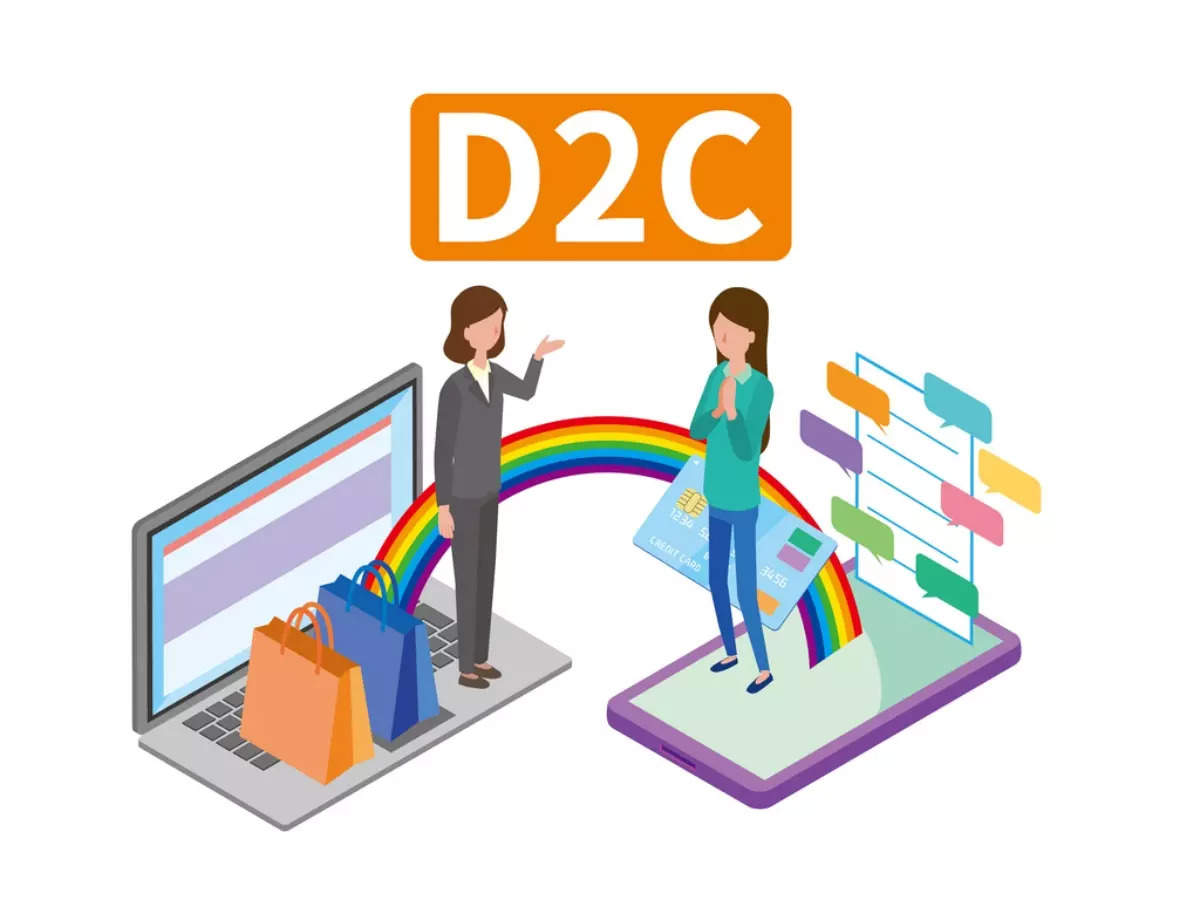
As India’s D2C market continues its trajectory toward one hundred billion dollars by 2030, the brands achieving exceptional growth will be those solving real problems with authentic solutions, building genuine communities rather than just customer databases, and maintaining operational excellence while scaling. The companies profiled here exemplify these qualities, positioning them not just for continued growth but for lasting impact on their categories and customers’ lives. Their success stories inspire the next generation of entrepreneurs while raising standards across industries, ultimately benefiting all consumers through better products, transparent practices, and authentic brand relationships.