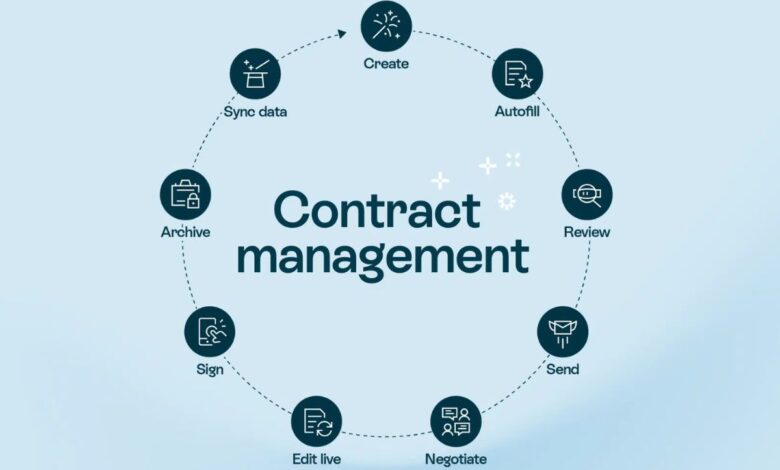
Contract lifecycle management has evolved from a back-office administrative function into a strategic imperative that directly impacts organizational success in 2026. The global CLM software market, valued at approximately one point five billion dollars in 2025, is projected to surge beyond four billion dollars by 2033, reflecting a compound annual growth rate exceeding twelve percent. This remarkable expansion is driven by increasingly complex regulatory environments, the proliferation of digital transformation initiatives, and growing recognition that contracts represent far more than legal formalities. They are strategic assets containing critical data about revenue commitments, compliance obligations, and business relationships that can make or break organizational performance.
To understand why contract lifecycle management platforms have become indispensable, consider the challenges organizations face without them. Contract data is typically fragmented across an average of twenty-four different systems, creating visibility gaps that lead to missed renewal deadlines, compliance failures, and revenue leakage. Industry research reveals that organizations experience an average of eight point six percent value erosion due to poor contract management, with underperforming organizations losing over twenty percent of potential contract value. Meanwhile, best-in-class organizations using sophisticated CLM platforms achieve erosion rates as low as three percent, demonstrating the tangible financial impact of proper contract governance.
Modern CLM platforms have transcended simple document storage and electronic signature capabilities to become comprehensive intelligence engines that automate workflows, extract actionable insights through artificial intelligence, ensure regulatory compliance across complex frameworks like GDPR and CCPA, and provide real-time visibility into contract portfolios worth millions or billions of dollars. Approximately seventy-eight percent of organizations have invested in CLM technology over the past five years, and twenty-six percent of the workforce is now actively involved in contracting processes, making the selection of the right platform a decision with far-reaching implications across legal, procurement, sales, and executive functions. Here are the ten platforms leading the contract lifecycle management revolution in 2026.
1. Icertis Contract Intelligence
Icertis has established itself as the premier enterprise CLM platform through its pioneering Contract Intelligence approach that transforms contracts from static documents into strategic assets generating business insights. Built on Microsoft Azure infrastructure, the platform manages millions of contracts globally across diverse industries, providing the scalability and security that large multinational organizations require. What distinguishes Icertis is its sophisticated AI-powered analytics that structures contract data to enable deep analysis, risk identification, and performance optimization across entire contract portfolios.
The platform excels at handling complex enterprise requirements including multi-language support, multi-jurisdictional compliance tracking, and integration with major ERP systems like SAP, CRM platforms like Salesforce, and procurement solutions across the enterprise technology stack. Icertis provides comprehensive risk dashboards that analyze contracts based on both internal data and third-party intelligence sources, enabling early detection of potential issues before they escalate into costly problems. This proactive risk management capability proves particularly valuable for organizations operating in highly regulated industries like pharmaceuticals, aerospace, and financial services where contract compliance carries significant consequences.
Recent enhancements focus on generative AI capabilities that accelerate contract creation, clause analysis, and obligation extraction while maintaining accuracy and consistency across thousands of agreements. The platform’s workflow automation eliminates manual bottlenecks in approval processes, redlining, and negotiation cycles, dramatically reducing time from contract initiation to execution. For global enterprises managing complex contract portfolios exceeding tens of thousands of agreements, Icertis represents the gold standard in contract intelligence platforms.
2. DocuSign CLM
DocuSign leveraged its position as the world’s most recognized electronic signature platform to build a comprehensive contract lifecycle management solution that seamlessly integrates pre-signature preparation with post-signature contract governance. The platform now forms part of DocuSign’s Intelligent Agreement Management ecosystem, powered by the Iris AI engine that brings advanced artificial intelligence across every stage of the agreement lifecycle. With integration capabilities spanning over nine hundred enterprise applications including Salesforce, Microsoft Office, Slack, and major procurement systems, DocuSign CLM fits naturally into existing technology environments.
Recent platform enhancements introduced in 2025 include sophisticated obligation management tools that track critical contract milestones like renewal dates, payment deadlines, and deliverable schedules through automated alerts and dashboard visibility. The new Workspaces feature enables collaborative contract creation where legal, procurement, sales, and business teams can work simultaneously on agreements while maintaining version control and audit trails. Agreement Desk functionality streamlines contract intake processes, ensuring requests flow efficiently to appropriate teams without bottlenecks or confusion about ownership and responsibility.
The platform’s AI-assisted review capabilities analyze contract language to identify risks, extract key terms automatically, and create structured data from unstructured agreements that may have been signed years ago. Multi-channel notification systems now include SMS and WhatsApp options alongside email, accelerating approval cycles by meeting stakeholders where they naturally communicate. For organizations prioritizing seamless integration between e-signature capabilities and comprehensive contract management, DocuSign CLM provides familiar branding combined with enterprise-grade functionality that scales from small businesses to Fortune 500 corporations.
3. Sirion
Sirion has positioned itself among the elite CLM platforms by specializing in managing multi-million dollar contracts for enterprises undergoing digital transformation. The platform’s AI-powered capabilities focus particularly on post-signature contract performance management, an area where many CLM solutions fall short by concentrating primarily on creation and execution phases. Sirion excels at extracting obligations, tracking supplier performance against contractual commitments, managing amendments and change orders, and ensuring organizations actually realize the value negotiated in their agreements.
The platform provides sophisticated analytics that identify patterns across contract portfolios, revealing opportunities for standardization, risk concentration issues, and negotiation leverage points that might otherwise remain hidden in thousands of individual agreements. Sirion’s performance in analyst assessments consistently ranks above industry benchmarks, particularly for functions requiring deep analytical capabilities and strategic contract oversight. The platform supports both buy-side and sell-side contract management, making it versatile for organizations managing diverse contract types from vendor agreements to customer contracts and partnership arrangements.
What makes Sirion particularly valuable for large enterprises is its focus on driving business outcomes beyond compliance and risk mitigation. The platform helps organizations optimize supplier relationships, identify cost-saving opportunities through contract renegotiation, and ensure that contracted service levels are actually delivered. For organizations where contract performance directly impacts operational efficiency and profitability, Sirion provides the visibility and control needed to transform contracts from legal documents into managed business processes.
4. Salesforce Revenue Cloud
Salesforce Revenue Cloud represents a fundamentally different approach to contract lifecycle management by integrating CLM deeply within a comprehensive revenue operations platform that spans product catalogs, quoting, pricing, ordering, contracting, billing, and revenue recognition. This unified architecture provides seamless information flow from initial sales quotation through contract execution to ongoing subscription management and renewal, creating a single source of truth for the entire customer revenue lifecycle.
The platform combines Salesforce CPQ for configure-price-quote functionality, Salesforce Billing for automated invoicing, Salesforce Subscription Management for recurring revenue optimization, and comprehensive CLM capabilities all accessible within the Salesforce ecosystem that many organizations already use for CRM. This integration eliminates the data silos that plague organizations using separate point solutions for sales automation, contract management, and billing operations. Sales teams can generate accurate quotes with appropriate pricing and contract terms, legal can review and approve agreements, and finance can recognize revenue properly without manual data transfer between systems.
Based on verified user reviews, Salesforce Revenue Cloud earns particularly high marks for its approval workflow automation, contract attachment management, and electronic signature integration. The platform’s satisfaction scores reflect strong adoption among organizations already invested in the Salesforce ecosystem who value the ability to manage contracts alongside customer relationships, opportunities, and revenue data within a unified platform. For B2B software companies, professional services organizations, and subscription businesses where revenue operations and contract management are inseparable, Revenue Cloud offers unmatched integration and visibility.
5. Ironclad
Ironclad has distinguished itself as a CLM platform specifically designed for modern, fast-moving businesses that cannot afford slow contract processes that delay revenue recognition and business execution. The platform emphasizes simplicity, speed, and user experience, recognizing that contract management tools fail when legal teams embrace them but business stakeholders find them too complex for daily use. Ironclad’s all-in-one AI-powered platform manages diverse contract types including sales agreements, HR contracts, NDAs, and vendor agreements through configurable workflows that adapt to each contract category’s unique requirements.
The platform’s innovation has earned industry recognition for advancing how organizations think about contract automation and collaboration. Rather than forcing business teams to work in legal’s systems, Ironclad brings contract capabilities to where business happens, through integrations with Slack, email, and the applications teams already use daily. This approach drives higher adoption rates and reduces the friction that often undermines CLM implementations despite significant investment in licensing and setup.
Ironclad’s AI capabilities accelerate contract creation through intelligent templates that adapt based on contract parameters, automate clause insertion based on negotiation patterns, and flag non-standard terms that require legal review before approval. The platform provides comprehensive analytics showing contract cycle times, bottleneck identification, approval delays, and process efficiency metrics that enable continuous improvement. For scaling technology companies, startups moving upmarket, and growth businesses where speed matters as much as control, Ironclad delivers the agility required while maintaining the governance that protects organizational interests.
6. LinkSquares
LinkSquares leverages its proprietary LinkAI engine built with both predictive and generative artificial intelligence to unlock contract insights and expedite contracting processes for over one thousand customers including major brands like Wayfair and TGI Fridays. The platform focuses particularly on helping legal and business teams extract maximum value from their existing contract repositories while accelerating new agreement cycles through intelligent automation. LinkSquares Finalize provides comprehensive contract analysis that extracts key data from all agreements, delivers real-time reports across entire legal portfolios, and securely stores every contract in a centralized online repository accessible to authorized stakeholders.
What sets LinkSquares apart is the depth of its AI-powered contract intelligence. The platform doesn’t simply store documents; it actively reads, analyzes, and structures contract data to answer business questions without requiring manual review of hundreds or thousands of individual agreements. Business leaders can query their contract portfolio to understand total committed spend with specific vendors, identify all agreements containing certain clauses or provisions, track upcoming renewals requiring attention, and analyze negotiated terms across similar contract types to identify optimization opportunities.
The platform excels at reducing the time legal teams spend searching for information and enabling self-service access to contract data for business stakeholders. Rather than business teams constantly interrupting legal with questions about contract terms, LinkSquares provides secure, role-based access to contract information with appropriate guardrails. This democratization of contract knowledge improves decision-making speed while reducing legal workload, allowing attorneys to focus on higher-value strategic counsel rather than functioning as contract librarians.
7. Juro
Juro positions itself as intelligent contract automation that represents an evolution beyond traditional CLM platforms. The platform specifically targets the dual audience of legal and commercial teams, recognizing that effective contract management requires tools that serve both constituencies rather than optimizing for one at the expense of the other. This balanced approach results in faster contracting cycles, lower operational costs, and reduced risk across organizations through collaboration rather than bottlenecks between departments with conflicting priorities and incentives.

The platform’s browser-based contract editor enables legal teams to create sophisticated contract templates incorporating conditional logic that adapts contracts based on deal parameters without requiring technical coding skills. This template intelligence ensures consistency across contracts while allowing appropriate flexibility for different deal structures, customer segments, or product types. Commercial teams can then self-serve contract generation for routine agreements within parameters legal has approved, dramatically accelerating sales cycles while maintaining compliance and risk management standards.
Juro’s real-time collaboration features allow multiple stakeholders to review and negotiate contracts directly in the platform through browser-based redlining visible to all parties. This eliminates the version control chaos that emerges when contracts circulate via email through multiple revision cycles with unclear ownership of the current version. The platform’s AI Assistant helps both legal and commercial teams draft contract language, summarize lengthy agreements, and review terms efficiently. For organizations seeking to empower business teams while maintaining legal control and oversight, Juro provides the flexibility and governance balance that makes contract management a business enabler rather than a bottleneck.
8. Conga CLM
Conga provides enterprise contract lifecycle management as part of its broader Conga Platform, emphasizing flexibility and automation throughout the contract process. The platform integrates with extensive enterprise ecosystems including major CRMs, ERPs, and procurement systems, supporting the diverse technology environments found in large organizations that have accumulated different systems across business units, geographies, and acquisitions over time. This integration breadth ensures Conga can serve as the contract hub even in complex heterogeneous technology landscapes.
Recent AI-driven enhancements introduced bulk document upload with automated clause extraction, multilingual contract analysis supporting global operations, and risk scoring that flags non-standard terms requiring additional scrutiny. The platform’s configurable workflows, extensive template libraries, and customizable dashboards enable organizations to tailor the system to their specific contract management processes rather than forcing process changes to accommodate inflexible software. This customization capability proves particularly valuable for organizations with unique compliance requirements, industry-specific contract structures, or established governance processes they want to preserve while digitizing.
Conga’s particularly strong integration with Salesforce makes it compelling for organizations heavily invested in that ecosystem who want contract management deeply connected to their CRM data. The platform also offers configure-price-quote capabilities, digital commerce tools, and automated billing alongside CLM, providing comprehensive revenue lifecycle support. However, user feedback indicates the platform’s extensive flexibility sometimes creates implementation complexity, and the interface design receives mixed reviews compared to newer competitors with more modern user experiences. For experienced enterprise buyers willing to invest in thorough implementation, Conga delivers powerful capabilities across the full contract lifecycle.
9. Agiloft
Agiloft positions itself as a data-first CLM solution with significant emphasis on AI capabilities through its AI on the Inside strategy. The platform integrates tools for AI-powered contract review, automated clause analysis, and customizable AI workflows through features like Prompt Lab that give users control over how generative AI assists their specific contract processes. This flexibility in AI application allows organizations to leverage automation for routine tasks while maintaining human oversight for complex negotiations and strategic decisions.
The platform’s strength lies in its customization capabilities that enable organizations to configure Agiloft to match their exact processes, approval hierarchies, and business rules without extensive custom development. This flexibility makes Agiloft theoretically suitable for businesses of all sizes, though user feedback reveals that this same flexibility creates complexity that larger organizations sometimes struggle to manage effectively. Some reviewers note that Agiloft’s licensing structure and extensive configuration options can make implementation longer and more complicated than initially anticipated, particularly for organizations attempting to leverage too many features simultaneously.
Despite these challenges, Agiloft delivers powerful no-code workflow automation, comprehensive approval routing, and deep analytics for organizations that invest appropriately in implementation planning and change management. The platform works particularly well for organizations with unique contract processes that don’t fit standard CLM workflow templates and need the ability to customize extensively. For mid-market companies with dedicated project resources and clear implementation scope, Agiloft provides enterprise-grade capabilities at competitive pricing.
10. Leah (formerly ContractPodAi)
Leah represents the cutting edge of agentic AI for legal operations, having recently rebranded from ContractPodAi to emphasize its expanded vision beyond contract management into orchestrating intelligent AI agents across legal, procurement, finance, and other enterprise functions. The platform combines the Leah Agentic Operating System with Leah Agentic CLM to provide both broad operational automation and specialized contract lifecycle capabilities. This dual approach reflects the company’s philosophy that AI should elevate human judgment rather than replace it, automating complex workflows while keeping humans in control of strategic decisions.
The platform’s agentic AI capabilities go beyond simple automation to actively manage processes, connect data across silos, and drive measurable return on investment at scale. Trusted by global enterprises, Leah provides competitive advantage through AI-driven automation that handles routine contract tasks while surfacing issues requiring human expertise and escalating decisions appropriately based on predefined rules and risk thresholds. The platform’s ethical approach to legal AI addresses unique challenges in applying artificial intelligence to legal practice where accuracy, explainability, and accountability matter intensely.
Recent enhancements include Summize Intelligent Agents that integrate next-generation CLM with agentic AI announced in April 2025, positioning Leah at the forefront of the shift from passive contract repositories to active contract intelligence systems. For organizations prioritizing innovation in AI-powered legal operations and willing to adopt emerging technologies that promise significant efficiency gains alongside implementation complexity, Leah offers a glimpse into the future of contract management where AI agents handle increasingly sophisticated tasks under appropriate human governance and oversight.
Selecting Your CLM Platform
Choosing the right contract lifecycle management platform requires careful assessment of your organization’s contract volume and complexity, existing technology ecosystem and integration requirements, compliance obligations and risk tolerance, team capabilities and change management capacity, and budget for both licensing and implementation services. Small and mid-sized businesses with straightforward contract processes might prioritize platforms emphasizing ease of use, quick implementation, and affordable pricing like Juro or modern cloud-native solutions. These organizations benefit from platforms that deliver value quickly without extensive customization or prolonged deployment timelines.
Large enterprises managing thousands of contracts across multiple jurisdictions, business units, and contract types require platforms offering sophisticated analytics, robust integration capabilities, comprehensive security and compliance features, and proven ability to scale like Icertis, DocuSign CLM, or Salesforce Revenue Cloud. These organizations must also consider vendor stability, long-term product roadmaps, and strength of customer support organizations that can provide ongoing assistance as contract management needs evolve with business growth and regulatory changes.
Industry-specific requirements also influence platform selection. Healthcare organizations need HIPAA compliance tracking, financial services firms require SEC reporting capabilities, and government contractors must manage FAR clause compliance. The most successful CLM implementations align platform capabilities with actual business processes rather than forcing process changes to accommodate software limitations. Organizations should evaluate platforms through proof-of-concept deployments testing real contract workflows, involve stakeholders from legal, procurement, sales, and IT in selection decisions, and budget adequately for change management and training that drives user adoption beyond merely licensing software.

The contract lifecycle management landscape in 2026 offers unprecedented opportunity to transform how organizations create, manage, and extract value from contractual relationships. The platforms highlighted represent industry leaders with proven capabilities, though the right choice depends entirely on your specific organizational context, priorities, and resources available for implementation success.