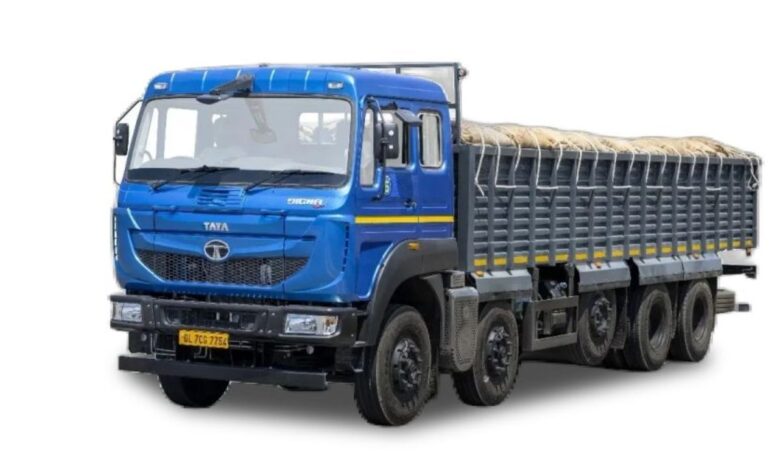
India’s commercial vehicle industry represents the backbone of the nation’s logistics, transportation, and infrastructure sectors. As we navigate through 2026, the market demonstrates remarkable resilience with over one million units in retail sales during calendar year 2025, reflecting robust demand across freight, passenger mobility, and construction segments. The commercial vehicle landscape has evolved dramatically, with manufacturers embracing advanced technologies, alternative fuel options, and digital solutions to meet the changing needs of Indian businesses.
The commercial vehicle market in India encompasses everything from lightweight pickup trucks serving last-mile delivery needs to heavy-duty trucks powering construction and mining operations. With growing infrastructure development, expanding e-commerce logistics, and government initiatives supporting cleaner transportation, the sector continues to witness innovation and competitive dynamics that shape the future of Indian mobility.
1. Tata Motors Limited
Tata Motors maintains its position as India’s leading commercial vehicle manufacturer despite experiencing competitive pressure in recent months. The company commands a market share of approximately 32 to 34 percent, having sold over 342,000 units in calendar year 2025. Founded by Jehangir Ratanji Dadabhoy Tata in 1945 and headquartered in Mumbai, Tata Motors represents more than seven decades of automotive excellence.
The manufacturer’s comprehensive product portfolio spans from the compact 500-kilogram micro trucks to robust military-grade vehicles, covering light commercial vehicles, medium commercial vehicles, and heavy commercial vehicles. Their popular models include the Tata Ace series, Prima, Signa, and Ultra range, each designed to address specific market requirements with reliability and strong resale value.
Tata Motors has been pioneering technological advancement in the sector, introducing connected vehicle technologies, telematics solutions, and smart fleet management systems. The company’s commercial vehicle division emphasizes alternative fuel technologies, including battery electric, fuel cell electric, and hydrogen internal combustion engines. Their trucks are renowned for solid diesel engine performance, durability across diverse terrains, and robust build quality that withstands demanding Indian road conditions. In 2023, Tata Motors secured a significant international contract to supply 1,400 school buses to the United Arab Emirates, demonstrating global recognition of Indian manufacturing capabilities.
2. Mahindra & Mahindra Limited
Mahindra & Mahindra has emerged as a formidable competitor in the commercial vehicle space, challenging Tata Motors’ traditional dominance. The company achieved a remarkable milestone in October 2025 by securing the top market position for the first time with a 34.48 percent market share. For calendar year 2025, Mahindra sold approximately 285,000 units, registering impressive growth of 13.86 percent year-over-year.
Founded in 1945 by J.C. Mahindra, K.C. Mahindra, and Malik Ghulam Muhammad, the company has established itself as India’s largest truck and bus manufacturer offering diverse products across light and heavy segments. Mahindra’s growth trajectory has been particularly strong in pickup trucks and light commercial vehicles, with consistent demand from both urban and semi-urban markets driving expansion.
The manufacturer serves transportation needs through popular models including Maxximo, Load King, Alfa, Gio, and Genio. Their recent innovation includes the Blazo smart truck series, designed to align with Indian customer budgets while incorporating advanced features. Mahindra has also introduced vehicles like the Furio 8 and Bolero MaXX Pik-Up HD 1.9 CNG, addressing the growing demand for alternative fuel options. The company’s automotive segment encompasses light, medium, and heavy commercial vehicles, jeep-type vehicles, and passenger cars, reflecting diversified manufacturing capabilities that extend beyond commercial transportation.
3. Ashok Leyland Limited
Ashok Leyland stands as India’s third-largest commercial vehicle manufacturer with a market share ranging between 15 to 18 percent. The company sold approximately 179,574 units in calendar year 2025, marking a 7.69 percent year-over-year increase. Established in 1948 as a collaboration between Ashok Motors (owned by the Hinduja Group) and Leyland Motors, the company has evolved into a trusted name synonymous with heavy-duty commercial vehicles.
Headquartered in Chennai, Ashok Leyland specializes in medium and heavy commercial vehicles, including buses, tractors, dumpsters, haulage trucks, fire engines, and defense sector vehicles. The company’s annual production capacity exceeds 60,000 vehicles and 7,000 engines, serving diverse applications from city transit to long-haul transportation. Their best-known products include the City Transit Bus, Twin Axle Lorry, and Titan Double Decker bus, delivering payload capacities ranging from 7.5 tons to 49 tons.

Ashok Leyland commands approximately 31 percent market share in the medium and heavy commercial vehicle segment, particularly excelling in heavy tippers and rigid trucks favored by construction and logistics industries. The company’s diesel engine technology is specifically engineered to handle heavy loads and long-distance routes, making their vehicles particularly popular for rugged highway use and demanding construction applications. Ashok Leyland also produces industrial and marine engines, ferrous castings, and spare parts for automobiles, demonstrating vertical integration in manufacturing. The company has formed strategic joint ventures with Nissan Motors for light commercial vehicles and John Deere for construction equipment, expanding their technological capabilities.
4. VE Commercial Vehicles Limited (Eicher-Volvo Joint Venture)
VE Commercial Vehicles Limited represents a strategic collaboration between Volvo Group and Eicher Motors Limited, focusing on medium and light vehicle segments. The company holds approximately 7 to 9 percent market share in the Indian commercial vehicle sector. In calendar year 2025, VECV sold 83,967 units, achieving an 11.47 percent year-over-year growth driven by improved traction in intermediate and heavy-duty trucks.
The joint venture leverages Volvo’s global engineering excellence and Eicher’s deep understanding of Indian market dynamics. VECV is known for frugal engineering approaches, considerable after-sales infrastructure, and cost-effective operations that resonate with Indian customers. The company has introduced driving modernization in India’s commercial transport business through well-defined processes and leadership in product technology recognized globally.
VECV’s product lineup emphasizes reliability, fuel efficiency, and driver comfort, addressing the specific needs of Indian logistics and transportation sectors. The company benefits from Volvo’s advanced safety features, including sophisticated braking systems and ergonomic cabin designs that reduce driver fatigue during long hauls. Their trucks find applications across various sectors including logistics, construction, and passenger transportation, with models designed to balance performance with operating economics that matter to Indian fleet operators.
5. Maruti Suzuki India Limited
While primarily known for passenger vehicles, Maruti Suzuki has carved a significant niche in the commercial vehicle segment, particularly in small commercial vehicles and last-mile delivery solutions. The company holds approximately 4 to 5 percent market share in the commercial vehicle sector. In calendar year 2025, Maruti Suzuki recorded 47,837 commercial vehicle units, registering 9.68 percent year-over-year growth.
Maruti Suzuki’s commercial vehicle offerings focus on small cargo vehicles that serve the booming e-commerce and urban logistics sectors. The demand for their lightweight commercial vehicles has remained strong, driven by last-mile delivery requirements and urban freight needs. As India’s leading car manufacturer with a passenger vehicle market share of 39.7 percent as of July 2025, Maruti Suzuki brings substantial brand recognition and extensive service network advantages to its commercial vehicle operations.
The company’s commercial vehicle strategy capitalizes on fuel efficiency, affordability, and widespread service availability that Indian small business owners value. Their vehicles are particularly popular among entrepreneurs and small fleet operators who require reliable, economical transportation solutions for urban and semi-urban delivery operations. The growing e-commerce sector and increasing urbanization continue to drive demand for Maruti Suzuki’s commercial vehicle offerings.
6. Force Motors Limited
Force Motors has established itself as a specialist in light commercial vehicles and passenger transport solutions. The company achieved remarkable growth with 25,901 units sold in calendar year 2025, representing a solid 23.15 percent year-over-year increase. Founded by N.K. Firodia and Abhay Firodia in 1958, Force Motors operates from Pune and holds approximately 2 to 3 percent market share in the commercial vehicle sector.
The manufacturer gained recognition for producing iconic vehicles including Tempo Traveller, Matador, and Minidor. Force Motors’ growth has been particularly strong in passenger vans and institutional transport vehicles, serving schools, corporate shuttle services, and tourist operators. The company entered technical collaboration with Tempo in the 1960s to manufacture three-wheelers and later expanded into commercial vehicle production.
Force Motors has formed a strategic joint venture with MAN AG of Germany, bringing European engineering expertise to their product development. Their focus on passenger-carrying commercial vehicles addresses a specific market segment often overlooked by larger manufacturers concentrating on goods transportation. The company’s vehicles are known for durability, passenger comfort, and suitability for Indian road conditions, making them preferred choices for organized transport operators across the country.
7. Daimler India Commercial Vehicles (BharatBenz)
Daimler India Commercial Vehicles operates the BharatBenz brand, established in 2011 as a wholly-owned subsidiary of Daimler Truck AG, Germany. The company sold 20,911 units in calendar year 2025, representing a marginal decline but maintaining a steady presence in the premium commercial vehicle segment. BharatBenz vehicles are known for incorporating technology from Daimler’s global Fuso and Mercedes-Benz commercial vehicle brands.

BharatBenz offers a range of medium to heavy commercial vehicles designed specifically for Indian conditions while maintaining global quality standards. Their trucks are manufactured with emphasis on fuel efficiency, durability, and the ability to withstand rough treatment that characterizes Indian transportation operations. The vehicles incorporate advanced safety features and robust engineering derived from Mercedes-Benz commercial vehicle expertise.
The price range for BharatBenz trucks typically starts from approximately Rs. 35 lakhs to Rs. 44 lakhs, positioning them in the premium segment of the Indian commercial vehicle market. The brand appeals to fleet operators seeking European engineering quality combined with localized manufacturing that understands Indian operating conditions. BharatBenz has introduced modern truck designs that emphasize driver comfort, operational efficiency, and total cost of ownership rather than just initial purchase price.
8. SML Isuzu Limited
Incorporated in 1983 and headquartered in Chandigarh, SML Isuzu Limited represents a successful blend of Japanese engineering excellence and Indian market understanding. The company operates with Sumitomo Corporation holding 44 percent stake and Isuzu Motors holding 15 percent, with the remaining ownership distributed among other investors. SML Isuzu reported a turnover of Rs. 1,824.71 crores as of March 2023.
The manufacturer focuses on light and medium commercial vehicles, producing trucks, buses, and other lightweight vehicles powered by Isuzu engines renowned for reliability and fuel efficiency. Their vehicles are utilized in both goods and passenger transportation applications across India. SML Isuzu has established a wide distribution network extending beyond India to countries including Nepal, Zambia, Tanzania, and Ivory Coast.
The company’s product range typically prices from approximately Rs. 14.61 lakhs to Rs. 23.71 lakhs, making them accessible to small and medium fleet operators. SML Isuzu emphasizes robust build quality and dependable performance that appeals to operators seeking Japanese engineering standards adapted for Indian operating conditions. The brand has built reputation for vehicles that deliver consistent performance with lower maintenance requirements, important factors for commercial vehicle operators managing tight operating margins.
9. Scania Commercial Vehicle India Private Limited
Scania Commercial Vehicle India Private Limited, incorporated in 2011, represents the Indian subsidiary of Swedish commercial vehicle giant Scania AB. While a niche player in the Indian market, Scania has brought world-class technology and premium commercial vehicle solutions to sectors where performance and efficiency are paramount. The company focuses on high-quality, long-lasting trucks and buses designed for rigorous applications.
Scania’s trucks are technologically advanced and particularly favored in mining, logistics, and large-scale construction operations that demand superior performance and reliability. The vehicles incorporate advanced safety features including sophisticated braking systems and ergonomic cabin designs that significantly reduce driver fatigue during extended operations. Scania trucks are engineered for fuel efficiency despite their powerful performance capabilities.
Though operating in a smaller market segment compared to mass-market manufacturers, Scania serves industries where total cost of ownership, uptime, and operational efficiency justify premium pricing. The company’s global expertise in commercial vehicle technology ensures that their Indian offerings meet international standards while adapting to local operating conditions. Scania’s presence in India demonstrates the market’s evolution toward accepting premium commercial vehicles for specialized applications where performance cannot be compromised.
10. Hino Motors Sales India Private Limited
Hino Motors Sales India Private Limited operates as part of Hino Motors Ltd., which is owned by the Hino Group and functions as a group company of Toyota Motor Corporation in Japan. As one of the world’s largest commercial vehicle manufacturers, Hino brings extensive global expertise to the Indian market. The company focuses on procurement and export of auto components while offering manufacturing and selling facilities for commercial vehicles, diesel engines, and automotive parts.
Hino’s commercial vehicle range emphasizes efficient diesel engines specifically tuned for long-distance transport while maintaining fuel economy, a critical consideration for Indian fleet operators. Safety represents a priority for Hino, with models featuring reinforced cabin structures and braking systems designed for challenging Indian road conditions. The vehicles incorporate Toyota’s legendary reliability and quality standards.
The price range for Hino commercial vehicles typically starts from approximately Rs. 35 lakhs to Rs. 44 lakhs, positioning them in the premium commercial vehicle segment. Hino’s expertise in commercial vehicle technology globally ensures that they bring international quality standards to India’s growing truck industry. The company’s strategy emphasizes reliability and the ability to withstand demanding operating conditions while consuming less fuel, addressing primary concerns of Indian commercial vehicle operators.
Conclusion
The Indian commercial vehicle industry in 2026 showcases remarkable diversity, with manufacturers ranging from established domestic giants to premium international brands serving different market segments. The market dynamics reveal interesting trends, including Mahindra & Mahindra’s recent challenge to Tata Motors’ traditional dominance, the steady growth of specialized players like Force Motors, and the emergence of technology-driven solutions across all manufacturers.
The sector has witnessed total retail sales exceeding one million units in calendar year 2025, with growth of 6.71 percent year-over-year demonstrating healthy market expansion. Major trends shaping the industry include the adoption of alternative fuel technologies, integration of telematics and connected vehicle solutions, emphasis on driver comfort and safety, and increasing focus on total cost of ownership rather than just initial purchase price.
_638671925085723184.jpg)
Looking ahead, the Indian commercial vehicle market appears poised for continued growth driven by infrastructure development, expanding logistics requirements from e-commerce, government initiatives supporting cleaner transportation, and increasing professionalization of fleet operations. The competition among manufacturers continues to drive innovation, benefiting customers with better products, improved financing options, and enhanced after-sales support that collectively strengthen India’s position as a major commercial vehicle manufacturing and consumption market globally.