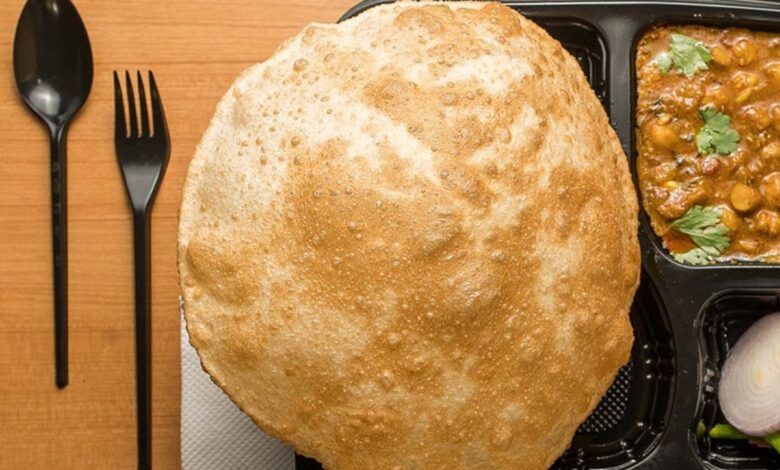
The Indian cloud kitchen industry has undergone a remarkable transformation, evolving from a pandemic-driven necessity into a fundamental pillar of the country’s food delivery ecosystem. In 2026, the market stands at an impressive valuation of approximately $1.1 billion and is projected to reach $2.95 billion by 2032, demonstrating a robust compound annual growth rate of around 12-16 percent. This explosive growth has created an intensely competitive landscape where technology, operational efficiency, and customer experience determine success.
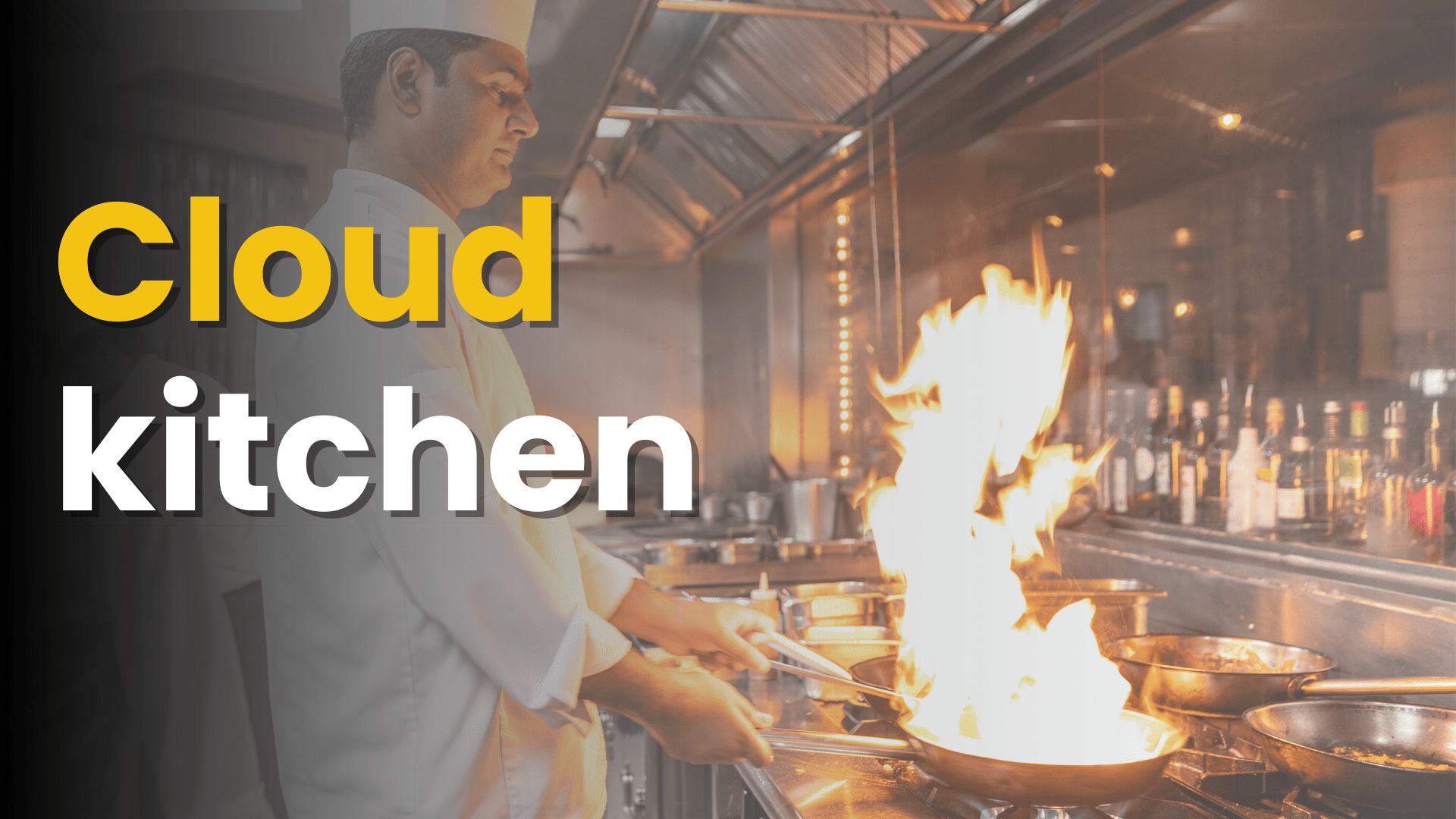
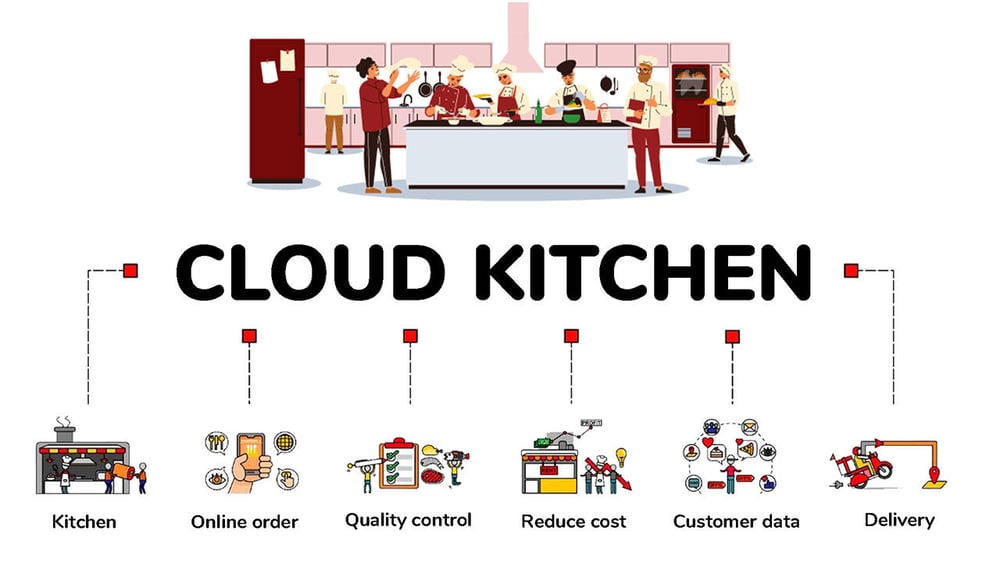
Cloud kitchens, also known as ghost kitchens or virtual restaurants, operate on a delivery-only model without traditional dining spaces. This approach dramatically reduces overhead costs associated with prime real estate locations, allowing brands to focus resources on food quality, kitchen operations, and delivery logistics. The model has proven particularly effective in India’s densely populated urban centers, where consumers increasingly prioritize convenience and variety over dining out experiences.
1. Rebel Foods
Rebel Foods stands as the undisputed leader in India’s cloud kitchen revolution and holds the distinction of being the world’s largest internet restaurant company. Founded in 2011 as Faasos by entrepreneurs Jaydeep Barman and Kallol Banerjee, the company has evolved into a multi-brand powerhouse operating more than 450 cloud kitchens globally, with over 350 kitchens across India alone.
The company’s portfolio includes highly successful brands such as Faasos, Behrouz Biryani, Oven Story Pizza, Mandarin Oak, The Good Bowl, and Sweet Truth. Each brand targets specific customer preferences and cuisines while leveraging shared kitchen infrastructure and technology platforms. This multi-brand strategy from single kitchen locations creates exceptional operational efficiency and capital allocation advantages.
Rebel Foods has pioneered the use of data analytics and artificial intelligence to optimize menu offerings, predict demand patterns, and reduce food waste. The company operates across multiple international markets including the UAE, Indonesia, and the United Kingdom, demonstrating the scalability of its cloud kitchen model beyond Indian borders. In 2026, Rebel Foods continues to expand into tier-two and tier-three cities where food delivery demand is experiencing rapid growth.
2. Curefoods
Curefoods has emerged as one of the fastest-growing cloud kitchen companies in India since its founding in 2020 by Ankit Nagori. The company operates an impressive network of over 500 kitchens spanning more than 70 cities, making it one of the most geographically diverse cloud kitchen operators in the country.
The Curefoods portfolio encompasses popular brands including EatFit, CakeZone, Nomad Pizza, Sharief Bhai Biryani, and Frozen Bottle. EatFit specifically focuses on health-conscious consumers with offerings like whole wheat burgers and multigrain pizzas, addressing the growing demand for nutritious convenience food. This health-forward positioning differentiates Curefoods in a market often dominated by indulgent cuisine options.
The company’s financial momentum remains strong, having raised $40 million in Series D funding in December 2024, followed by additional debt financing of approximately $6.8 million in early 2025. Leading investors include Iron Pillar, Chiratae Ventures, Shinhan Group, and BlackSoil Group. Curefoods emphasizes sustainable food practices alongside quality and scale, positioning itself as a responsible player in the rapidly expanding cloud kitchen sector.
3. EatClub Brands
EatClub Brands, formerly known as Box8, represents one of India’s most successful cloud kitchen evolution stories. Founded in 2012 by IIT graduates Anshul Gupta and Amit Raj, the company pioneered the full-stack cloud kitchen model in India, maintaining complete control from ingredient procurement to final delivery.
Today, EatClub Brands operates over 250 cloud kitchens across major metropolitan areas including Mumbai, Bangalore, Pune, Delhi-NCR, and Hyderabad. The company’s portfolio includes tremendously popular brands such as MOJO Pizza (India’s largest pizza delivery brand), Box8, Itminaan Biryani, Globo Ice Creams, NH1 Bowls, ZAZA Mughal Biryani, LeanCrust Pizza, and Mealful Rolls.
The company has raised approximately $97.7 million in total funding across fourteen rounds, with a recent Series D round in July 2025 bringing in $22 million led by Tiger Global Management. Other major investors include Mayfield and 360 One. EatClub’s multi-brand architecture running on shared infrastructure creates significant operational leverage, allowing the company to serve over 1.5 million meals monthly. The company employs approximately 3,650 people and continues to expand both its kitchen network and brand portfolio in 2026.
4. Biryani By Kilo
Biryani By Kilo has carved out a distinctive position as India’s largest biryani-focused cloud kitchen chain. Founded in 2015 by Vishal Jindal, Ritesh Sinha, and Kaushik Roy, the company operates in over 22 cities with more than 100 outlets combining delivery and dine-in options.
What sets Biryani By Kilo apart is its unwavering commitment to authenticity and traditional cooking methods. The brand prepares all its biryanis in earthen pots (handis) following age-old recipes from Lucknow and Hyderabad. The company sources premium branded rice and handpicked spices from Kerala, ensuring consistent quality that resonates with biryani enthusiasts across the country.
The company raised approximately $9 million in its Series C funding round in December 2023, led by Alpha Wave Ventures. Prior investments include a substantial $35 million Series B round from Falcon Edge Capital, SBI, and IvyCap Ventures in November 2021. With total funding exceeding $50 million, Biryani By Kilo competes directly with Rebel Foods’ Behrouz Biryani and demonstrates that category specialization can be equally effective as multi-brand diversification strategies.
5. FreshMenu
FreshMenu stands as one of India’s pioneering cloud kitchen innovators, having launched in 2014 in Bangalore under the leadership of founder Rashmi Daga. The company distinguished itself through chef-curated menus that change daily, offering premium fresh meals across multiple global cuisines including Oriental, Italian, and Continental options.
The company operates robust delivery networks in major metropolitan areas and has created in-house brands like Edesia and Donburi to cater to diverse customer preferences. FreshMenu promises delivery within 45 minutes, emphasizing freshness and quality over volume. This positioning has cultivated a loyal customer base among urban food enthusiasts willing to pay premium prices for consistently high-quality meals.
FreshMenu has secured over $37 million in total funding, with notable investors including Lightspeed Ventures, Zodius Capital, and Innoven Capital. The latest funding round brought in $6.5 million from Florintree Advisors in 2022. Despite intense competition from newer players and food aggregator platforms, FreshMenu has maintained profitability and market relevance by staying true to its quality-first approach and daily menu innovation strategy.
6. HOI Foods
HOI Foods operates over 150 cloud kitchens with a focus on affordable multi-cuisine daily meal combos that have proven especially popular for office lunches and home deliveries. The company offers a curated selection spanning Vietnamese, Korean, and American flavors, making international cuisines more accessible to Indian consumers seeking diverse dining experiences.
The brand has expanded rapidly across Delhi-NCR and Bangalore while also establishing partnerships with various food brands across its extensive kitchen network. This collaborative approach allows HOI Foods to offer customers greater variety while maintaining operational efficiency through shared infrastructure.
HOI Foods secured $2 million in pre-Series A funding led by 1Crowd, bringing its total fundraising to approximately $3 million. The company has positioned itself in the value-for-money segment, attracting budget-conscious consumers who still desire quality and variety in their daily meals. As work-from-home and hybrid work arrangements continue shaping consumer behavior in 2026, HOI Foods is well-positioned to serve the growing market for convenient, affordable meal solutions.
7. WarmOven
WarmOven has revolutionized the online bakery segment in India, establishing itself as the largest online bakery brand operating across 40 cities. Founded in 2013 by Sumit Gupta, Gautam Balijepalli, Mahesh Madiyala, and Rohankumar Rao, the company delivers freshly baked cakes, desserts, and confectionery items directly to customers’ doorsteps.
The company’s product range includes diverse cake varieties such as cupcakes, jar cakes, and eggless options with popular flavors ranging from chocolate and red velvet to black forest and beyond. WarmOven promises delivery within three hours in key cities including Bangalore, Pune, and Hyderabad, ensuring freshness that traditional bakeries struggle to match in the delivery model.
WarmOven has raised $1.55 million in funding, with participation from Force Ventures and seventeen angel investors in a funding round concluded in June 2020. The company claims involvement in nearly a million milestone celebrations, demonstrating its penetration into the special occasions market. As of 2025, WarmOven employs approximately 104 people and continues expanding its geographic footprint across Indian cities where demand for quality bakery products delivered conveniently continues growing.
8. Bigspoon
Bigspoon has positioned itself as a cloud kitchen startup focused on minimizing the gap between food delivery experiences and traditional fine dining restaurants. The company operates eight food brands under its umbrella and serves over 150,000 customers monthly, demonstrating significant market traction.
The company’s emphasis on delivering restaurant-quality food through a delivery-first model appeals to consumers who want upscale dining experiences without leaving their homes. This positioning targets the premium segment of the cloud kitchen market, where customers prioritize quality and presentation alongside convenience.
While specific funding details for Bigspoon remain less publicly disclosed compared to some competitors, the company’s ability to serve 150,000 monthly customers indicates substantial operational scale and customer acquisition success. In 2026, as consumers become increasingly sophisticated in their delivery expectations, Bigspoon’s fine-dining approach represents an important market segment between everyday meal delivery and special occasion dining.
9. Kaati Zone
Kaati Zone has carved a niche in the fast-food segment with its mission to blend convenience, health, and flavor. The brand specializes in wraps and rolls, offering a healthier alternative to traditional fast-food options while maintaining the quick service and affordability that consumers expect from the category.
The company’s focus on this specific food format allows for operational efficiency in kitchen design and food preparation processes. Wraps and rolls are particularly well-suited to delivery logistics, maintaining quality during transport better than many other food categories. This operational advantage has helped Kaati Zone establish a loyal customer base.
Kaati Zone represents the growing trend of category specialists within the cloud kitchen ecosystem. Rather than attempting to serve all cuisines and customer segments, the brand has chosen to excel in a specific niche where it can develop deep expertise and brand recognition. This focused strategy provides differentiation in an increasingly crowded market.

10. Travelkhana
Travelkhana occupies a unique position in India’s cloud kitchen landscape by specifically catering to Indian railway passengers. The Noida-based company addresses a traditionally underserved market segment where food quality and hygiene have long been consumer pain points.
Users can order fresh food via phone while at railway platforms or stations, with delivery coordinated to meet travelers at designated stops along their journey. This specialized service model requires sophisticated logistics coordination, partnerships with railway systems, and strategically located kitchen facilities near major railway routes.
Travelkhana’s success demonstrates how cloud kitchens can innovate beyond the traditional urban food delivery model. By identifying an underserved customer segment with specific needs and building operations around those requirements, the company has created a defensible market position. As railway travel continues recovering and expanding in India, Travelkhana’s specialized infrastructure positions it well for sustained growth.
The Road Ahead
India’s cloud kitchen industry in 2026 represents a mature yet still rapidly growing market. The sector has moved beyond the experimental phase into a period of consolidation, operational optimization, and geographic expansion. Leading players are increasingly focusing on unit economics, profitability at scale, and sustainable growth rather than pure market share acquisition.
Technology continues playing a central role, with artificial intelligence, data analytics, and automation improving demand forecasting, inventory management, and customer personalization. The expansion into tier-two and tier-three cities represents the next major growth frontier, as these markets develop the delivery infrastructure and consumer habits that metropolitan areas established years earlier.
Multi-brand strategies from shared kitchen infrastructure have proven the most capital-efficient approach, though specialized category leaders like Biryani By Kilo demonstrate that focused excellence can compete effectively. As the market evolves, successful cloud kitchen brands will likely be those that balance operational efficiency with genuine culinary quality, creating sustainable customer relationships rather than transactional delivery encounters.
The projected growth to nearly $3 billion by 2032 indicates substantial opportunities remain for both established players and innovative new entrants willing to identify underserved niches or pioneer new service models in India’s dynamic food delivery ecosystem.