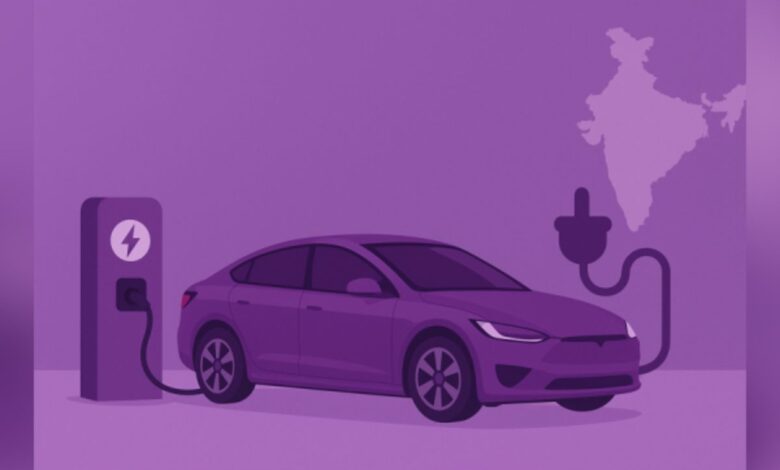
The clean mobility sector stands at a critical juncture in 2026, representing one of the most dynamic and transformative segments within the broader clean technology ecosystem. As the world grapples with climate change imperatives and the urgent need to decarbonize transportation systems that account for nearly one-quarter of global greenhouse gas emissions, mobility startups have emerged as catalysts for revolutionary change. These innovative companies are reimagining not merely the vehicles we drive but the entire transportation paradigm, encompassing everything from electric personal vehicles and micro-mobility solutions to intelligent fleet management systems and mobility-as-a-service platforms that make car ownership increasingly optional.
The landscape for clean mobility startups in 2026 reflects both tremendous opportunity and significant challenge. While the electric vehicle market has matured considerably since the early days of Tesla’s dominance, with nearly thirty new EV models launching in the United States alone this year, many startups face what analysts have termed an “EV winter” characterized by slower-than-anticipated adoption rates, high interest rates affecting vehicle affordability, and intensifying competition from established automakers finally bringing compelling electric products to market.
However, this challenging environment has also accelerated innovation and separated truly viable startups from those dependent solely on hype and venture capital enthusiasm. The companies thriving in 2026 demonstrate not merely technological innovation but also practical solutions to real transportation problems, sustainable business models, and the ability to scale operations while maintaining quality and reliability.
1. Rivian Automotive: Mass-Market Electric Adventure Vehicles
Rivian has emerged as one of the most closely watched clean mobility startups globally, having successfully launched its R1T electric pickup truck and R1S electric SUV to widespread critical acclaim while navigating the treacherous path from startup to manufacturing at scale. The company stands in a particularly strong cash position among EV startups as it approaches its pivotal R2 launch in the first half of 2026, with the company asserting it has adequate funds to support this crucial product introduction.
The R2 represents Rivian’s first mass-market vehicle with a starting price of approximately forty-five thousand dollars, significantly more accessible than its premium R1T and R1S models while maintaining the adventure-focused design philosophy and innovative features that built the brand’s reputation.
What distinguishes Rivian in the crowded EV startup landscape is its clear brand identity around outdoor adventure and its vertical integration strategy that includes developing its own software platforms, electric drive units, and even establishing its own charging network. The company has demonstrated ability to manufacture complex vehicles at reasonable quality levels and has built passionate customer loyalty through products that genuinely differentiate themselves from both traditional trucks and generic electric vehicles.
Rivian’s product roadmap extends beyond the R2 to include the R3 and R3X models planned for late 2026 or early 2027, both priced under fifty thousand dollars, creating a comprehensive lineup spanning multiple price points and vehicle configurations. The company’s partnership with Volkswagen, which involves the German automaker investing billions into a joint venture focused on software and electrical architecture, provides both capital cushion and validation of Rivian’s technological capabilities. The success of the R2 launch will likely determine whether Rivian can achieve the production volumes and operational efficiency necessary to reach profitability and establish itself as a sustainable independent automaker rather than eventual acquisition target.
2. Lucid Group: Technology-Forward Premium Electric Vehicles
Lucid has positioned itself as the technology leader among EV startups, with its Air sedan achieving industry-leading range exceeding five hundred miles and performance credentials that challenge even the fastest gasoline supercars. The company secured a three hundred million dollar partnership agreement with Uber to supply twenty thousand vehicles over six years for autonomous taxi applications, representing strategic validation of Lucid’s positioning as a technology company providing advanced electric vehicle platforms rather than merely another car manufacturer.
For 2026, Lucid is launching its first SUV, widely expected to be called the Earth, targeting the crucial mid-size crossover segment where Tesla’s Model Y has dominated electric vehicle sales and proven that this vehicle category represents the sweet spot for volume production.
What sets Lucid apart is the exceptional engineering pedigree brought by CEO Peter Rawlinson, who previously served as chief engineer for Tesla’s Model S, and the company’s focus on efficiency and technology integration that produces vehicles with smaller batteries achieving longer range than competitors with larger, heavier battery packs. Lucid benefits from substantial financial backing from Saudi Arabia’s Public Investment Fund, which recently provided an additional one billion dollar capital injection and holds majority ownership, providing runway that many startups lack. However, Lucid faces significant challenges including extremely high cash burn rates, production volumes that remain modest despite recent capacity expansion, and vehicle pricing that, while decreasing, still positions most models well above affordability for mainstream consumers.
The company’s current vehicles start between seventy and eighty thousand dollars and often exceed one hundred thousand dollars with options, limiting addressable market substantially. Analysts predict Lucid will achieve seventy-three percent sales growth in 2025 and another ninety-six percent growth expected in 2026, impressive percentages driven primarily by new model introductions expanding the product lineup beyond the single Air sedan that previously represented the entire portfolio. Success will ultimately depend on whether Lucid can translate its undeniable technology leadership into vehicles that combine sophisticated engineering with pricing, practicality, and production scale that enables sustainable profitability.

3. Cerebrum Sensor Technologies: Predictive Intelligence for Tire Safety
Cerebrum Sensor Technologies represents a different approach to clean mobility innovation, focusing not on manufacturing vehicles but on critical safety and efficiency infrastructure that enables electric and autonomous vehicle deployment at scale. The company develops advanced tire monitoring systems using artificial intelligence and sensor technology to provide predictive analytics that identify potential tire failures before they occur, optimize tire pressure for maximum efficiency, and extend tire life through data-driven maintenance recommendations. This technology proves particularly valuable for commercial fleets where tire-related downtime creates substantial operational costs and where the heavy batteries in electric vehicles create unique tire wear patterns requiring sophisticated monitoring.
Cerebrum’s solution integrates seamlessly with existing fleet management systems, providing real-time safety intelligence that scales across light-duty, heavy-duty, agricultural, and military vehicles, making it one of the most versatile safety technologies highlighted at major industry events including CES 2026. The company’s approach addresses a critical but often overlooked component of vehicle operations where improvements in tire management directly translate to reduced fuel consumption for conventional vehicles, extended range for electric vehicles, and enhanced safety through early warning of tire conditions that could lead to blowouts or loss of vehicle control.
For fleet operators managing hundreds or thousands of vehicles, the operational savings from optimized tire management and predictive maintenance can prove substantial, creating clear return on investment that facilitates adoption even among cost-conscious commercial customers. Cerebrum exemplifies how clean mobility innovation extends beyond propulsion systems to encompass every aspect of transportation efficiency and safety, with smart infrastructure and data analytics playing increasingly central roles in transportation transformation.
4. Soul Mobility: Inclusive Personal Mobility Innovation
Soul Mobility addresses a critical but frequently neglected aspect of clean transportation through its Power-Flex system, a lightweight power-drive attachment that converts manual wheelchairs into motorized mobility solutions without sacrificing portability or independence that manual chairs provide. This innovative approach bridges the gap between manual wheelchairs that offer portability and ease of transport but require significant physical effort, and bulky power wheelchairs that provide motorized assistance but prove difficult to transport and navigate in tight spaces. The Power-Flex attachment weighs substantially less than traditional power chairs while providing the assistance needed for navigating curbs, ramps, airports, and long distances where manual propulsion becomes exhausting or impractical.
Soul Mobility’s technology empowers wheelchair users to maintain the freedom and flexibility of manual chairs for situations where portability matters critically, such as air travel or automotive transport, while adding power assistance for daily commuting, urban exploration, and extended outings. The system’s compact design makes it ideal for the travel and transit environments where traditional power wheelchairs create substantial logistical challenges.
This startup exemplifies the broader definition of clean mobility that encompasses not merely environmental sustainability but also accessibility and inclusion, recognizing that truly sustainable transportation systems must serve all community members regardless of physical capabilities. The company’s focus on user-centric design that prioritizes real-world usability over technological complexity demonstrates mature understanding of how assistive technology succeeds or fails based on whether it integrates seamlessly into users’ daily lives rather than creating additional burdens or dependencies.
5. Devamapp Mobility: AI-Powered Urban Transportation Ecosystems
Devamapp Mobility has developed an artificial intelligence-powered platform that unifies charging stations, parking access, authorized service centers, and multi-modal transportation options into a comprehensive urban mobility application. The platform addresses the fragmented nature of urban transportation where drivers must juggle multiple applications for parking, charging, navigation, and various transportation services, creating friction that impedes adoption of sustainable mobility options. Devamapp’s technology supports route planning based on real-time traffic conditions and EV charging availability, while integrating additional mobility services that reflect broader smart city transportation trends toward seamless multi-modal journeys.
The platform proves particularly valuable for electric vehicle owners who must plan trips around charging infrastructure availability, with the application providing real-time information about charger locations, availability status, charging speeds, and pricing, then optimizing routes to minimize charging time and cost while ensuring sufficient range for intended destinations. Devamapp also incorporates payment systems that allow users to complete transactions for parking, charging, and various mobility services through a unified interface, eliminating the need to manage separate accounts and payment methods across multiple service providers.
The company’s approach recognizes that the success of electric vehicles and sustainable urban mobility depends not merely on vehicle technology but on the supporting infrastructure and digital services that make electric transportation convenient and reliable. As cities worldwide invest in smart infrastructure and pursue carbon reduction goals, platforms like Devamapp that integrate diverse transportation services into coherent systems become increasingly essential for realizing the potential of clean mobility at urban scale.
6. TRiDE: Connected EV Fleet Intelligence
TRiDE, an Indian startup, has built comprehensive Internet of Things sensors for electric vehicle fleet management combined with a connected vehicle platform called EVRides that addresses the unique challenges commercial operators face when transitioning fleets from internal combustion to electric propulsion. The company’s IoT sensors combined with advanced analytics enable driver behavior pattern analysis with video telematics that identifies aggressive driving, sudden stops, excessive acceleration, and other behaviors that reduce electric vehicle range and increase maintenance costs. TRiDE’s artificial intelligence-powered advanced driver assistance system detects objects on roads and alerts drivers to potential hazards, combining safety improvements with operational efficiency enhancements.
Commercial fleet operators face distinctive challenges with electric vehicle adoption including range anxiety amplified by the high-utilization patterns of commercial vehicles, driver training requirements as electric vehicles handle differently than conventional trucks and vans, and the need to optimize charging schedules around operational requirements and electricity pricing. TRiDE’s platform addresses these challenges through comprehensive data collection and analysis that provides fleet managers with actionable insights about vehicle performance, driver behavior, maintenance requirements, and charging optimization.
The company’s technology proves particularly valuable in emerging markets including India where electric vehicle adoption in commercial fleets could accelerate rapidly given the substantial operational cost savings electric vehicles offer compared to diesel-powered alternatives, combined with government incentives supporting fleet electrification. TRiDE represents the growing recognition that successful fleet electrification requires not merely swapping vehicle types but implementing sophisticated fleet management systems that optimize electric vehicle utilization while addressing the operational differences between conventional and electric powertrains.
7. Xplor: Multimodal Mobility-as-a-Service Integration
Xplor creates a multimodal mobility-as-a-service platform for everyday commuting that unifies different public transportation modes and providers under a single integrated application. The startup addresses fragmentation in urban transportation where commuters must navigate separate systems for buses, trains, shared bicycles, scooters, and ride-hailing services, each with distinct payment methods, route planning interfaces, and service areas. Xplor’s platform provides seamless journey planning that combines multiple transportation modes into optimized routes based on travel time, cost, convenience, and environmental impact, while enabling single-transaction payment that eliminates the friction of managing separate accounts across numerous service providers.
The company’s AI-enabled approach includes intelligent fleet and commuter management that predicts demand patterns, optimizes vehicle deployment, and provides commuters with reliable real-time information about service availability and journey times. This level of integration proves particularly valuable in cities pursuing sustainability goals where success depends on making alternatives to private car ownership sufficiently convenient that residents voluntarily choose shared and public transportation options. Xplor operates primarily in India where rapid urbanization creates both transportation challenges and opportunities for mobility-as-a-service platforms that can scale alongside growing cities.
The startup’s focus on public transportation integration distinguishes it from ride-hailing companies that often increase vehicle miles traveled and congestion rather than reducing them, positioning Xplor as genuinely contributing to more sustainable urban transportation systems. As cities worldwide recognize that solving transportation challenges requires systemic approaches rather than merely substituting electric for gasoline vehicles, platforms like Xplor that make sustainable transportation convenient and accessible become increasingly central to urban mobility strategies.
8. IZI Electric: African Electric Bus Innovation
IZI Electric, based in Rwanda, manufactures electric buses and coaches specifically designed for African markets, combined with integrated charging infrastructure and fleet management software called IZI Connect that addresses the unique operational requirements of public transportation in developing economies. The company’s focus on electric buses for mass transit represents particularly high-impact clean mobility innovation, as buses transport far more passengers per vehicle than private cars while replacing older diesel buses that produce substantial local air pollution affecting the communities they serve. IZI Electric’s integrated approach that combines vehicle manufacturing with charging infrastructure deployment and fleet management software addresses the ecosystem challenges that have historically impeded electric bus adoption in markets with less developed charging infrastructure and technical support systems.
The company’s buses are designed specifically for African operating conditions including rough roads, high temperatures, and service patterns that differ substantially from transit systems in developed markets where most electric bus technology has been optimized. IZI Electric’s business model emphasizes partnerships with municipal governments and transit operators, often structured around long-term service agreements that reduce upfront capital requirements while ensuring ongoing technical support and maintenance that proves critical for fleet reliability.
The startup exemplifies the growing recognition that clean mobility solutions must be adapted to local contexts rather than simply exporting technology developed for wealthy markets, with African startups increasingly leading innovation in sustainable transportation appropriate for their specific operational and economic environments. As African cities experience rapid population growth and seek to avoid the automobile-dependent development patterns that created massive challenges in other regions, electric public transportation represents particularly strategic investment that enables sustainable urban growth while improving air quality and accessibility for residents who cannot afford private vehicles.
9. Euler Motors: Purpose-Built Electric Commercial Vehicles
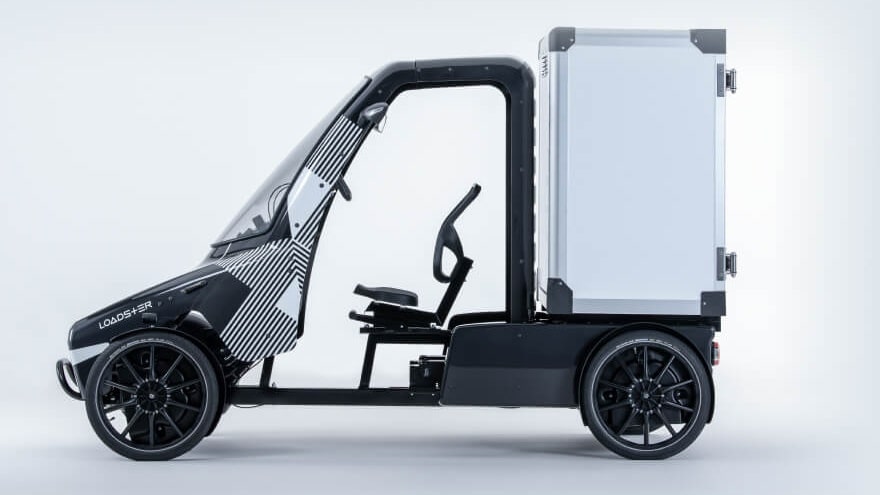
Euler Motors focuses exclusively on electric three- and four-wheeled commercial vehicles designed specifically for logistics and last-mile delivery applications, recognizing that commercial vehicles represent particularly attractive opportunities for electrification given their predictable routes, centralized charging locations, and operational cost sensitivity where electric vehicles’ lower operating costs create compelling return on investment. The company’s vehicles are purpose-built for commercial applications rather than adapted from passenger vehicle platforms, allowing optimization for cargo capacity, durability, and operational efficiency that matter most to commercial customers rather than features like acceleration or luxury amenities that add cost without value for delivery applications.
Euler’s commercial focus positions it within the rapidly expanding last-mile delivery segment where e-commerce growth has created exploding demand for urban delivery vehicles, while cities increasingly implement low-emission zones that restrict or prohibit conventional internal combustion vehicles. The company operates primarily in India where the three-wheeled cargo vehicle segment represents massive market opportunity with hundreds of thousands of vehicles sold annually, predominantly powered by polluting two-stroke engines or diesel.
Electric alternatives offer not merely environmental benefits but also substantial operational cost savings through reduced fuel and maintenance expenses that particularly matter to small business operators and individual owner-operators who dominate this market segment. Euler Motors demonstrates how clean mobility startups can succeed by identifying specific high-value niches where electric vehicles provide clear advantages rather than attempting to compete across all vehicle segments simultaneously. The company’s focus on commercial customers who make purchasing decisions based primarily on total cost of ownership rather than brand prestige or emotional factors creates more predictable sales cycles and customer relationships compared to consumer-focused EV startups that must invest heavily in brand building and navigate subjective purchasing preferences.
10. Ultraviolette Automotive: High-Performance Electric Motorcycles
Ultraviolette Automotive, also based in India, manufactures high-performance electric motorcycles that combine advanced battery technology with aviation-inspired design to create vehicles offering premium sustainable riding experiences for modern commuters and motorcycle enthusiasts. The company’s focus on performance and design distinguishes it from utility-focused electric two-wheelers that dominate many developing markets, instead targeting customers who view motorcycles as lifestyle products and prioritize riding experience, aesthetics, and brand image alongside practical transportation considerations. Ultraviolette’s technology emphasis includes developing proprietary battery systems and motor controllers that deliver the instantaneous acceleration and smooth power delivery that electric drivetrains enable while addressing thermal management and durability requirements for high-performance applications.
The electric motorcycle segment represents particularly strategic opportunity in markets like India where two-wheeled vehicles dominate transportation, with tens of millions of motorcycles and scooters sold annually creating massive potential market for electrification. Motorcycles and scooters also face less stringent range requirements compared to passenger cars, as most trips remain relatively short, reducing the battery size and cost needed to provide adequate range for typical usage patterns. This combination of large addressable market, favorable use case characteristics for electrification, and increasing environmental awareness among younger urban consumers creates compelling opportunity for startups like Ultraviolette that combine technology innovation with brand building that resonates with target customers.
The company’s aviation-inspired design language and focus on advanced technology positions it as premium alternative within the electric two-wheeler market, targeting customers willing to pay more for sophisticated engineering and distinctive styling rather than competing primarily on price in commodity segments where margins remain compressed. As environmental consciousness grows globally and cities implement increasingly strict emissions regulations, electric motorcycles transition from niche products to mainstream transportation options, with early movers like Ultraviolette positioned to establish brand recognition and customer loyalty as this market expands dramatically.
The Path Forward for Clean Mobility Startups
The clean mobility startup ecosystem in 2026 reflects both the tremendous progress achieved over the past decade and the substantial challenges that remain as the transportation sector undergoes its most significant transformation since the mass adoption of automobiles more than a century ago. The startups succeeding in this environment demonstrate several common characteristics including clear identification of specific customer needs and use cases where their solutions provide compelling value, realistic assessment of capital requirements and paths to profitability rather than relying on perpetual fundraising, technology that delivers genuine advantages rather than merely matching incumbent offerings, and business models that create sustainable competitive advantages through intellectual property, operational excellence, or network effects that become stronger as companies scale.
The trajectory for clean mobility startups over the coming years will likely involve continued consolidation as weaker players exit through bankruptcy or acquisition while stronger companies achieve the scale and profitability necessary for long-term independence. The window for new entrants attempting to compete in passenger vehicle manufacturing has likely closed or nearly so, as established automakers bring competitive electric products to market and the capital requirements for automotive manufacturing at scale prove prohibitive for most startups.
However, tremendous opportunities remain in adjacent spaces including charging infrastructure, fleet management software, battery technology, autonomous driving systems, mobility-as-a-service platforms, and specialized vehicles serving specific niches where incumbents lack focus or expertise. The most successful clean mobility startups going forward will likely be those that enable and accelerate the broader transition to sustainable transportation rather than attempting to compete directly with century-old automotive companies that are finally committing their full resources and capabilities to electrification.

For investors, customers, and stakeholders seeking to support clean mobility transformation, the diversity of approaches represented by these ten startups illustrates that decarbonizing transportation requires innovation across the full ecosystem rather than merely substituting electric for gasoline powertrains. Success depends on making sustainable transportation options convenient, affordable, and attractive enough that consumers and businesses choose them voluntarily rather than solely in response to regulatory mandates. The companies profiled here demonstrate that this transformation is well underway, driven by entrepreneurs worldwide who recognize that solving transportation’s climate challenge creates not merely environmental benefits but also substantial economic opportunities for those who can deliver the vehicles, infrastructure, and services that will define mobility for decades to come.