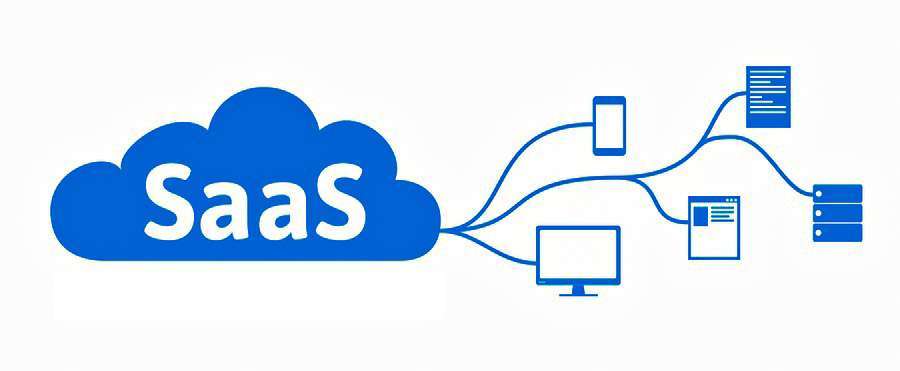
Business automation software as a service represents a fundamental shift in how companies access and deploy technology. Rather than installing software on their own servers, organizations access powerful automation capabilities through web browsers and cloud platforms maintained by software vendors. This delivery model has democratized sophisticated automation tools that were once available only to large enterprises with substantial IT budgets. As we explore business automation SaaS in 2026, we find a mature market offering solutions that transform operations across organizations of every size. This guide examines the ten leading SaaS platforms enabling businesses to automate workflows, eliminate manual tasks, integrate systems, and empower employees to focus on strategic work.
1. Zapier
Zapier represents the purest expression of SaaS automation, built from inception as a cloud service requiring no software installation or technical expertise to use productively. The platform has made automation accessible to anyone who understands basic cause-and-effect relationships. The concept is elegantly simple yet powerful: when something happens in one application, automatically do something in another application. When a customer submits a website form, Zapier can automatically create a CRM contact, send a welcome email, add them to your marketing list, notify your sales team via Slack, and create a follow-up task. This happens instantly without manual intervention.
The platform connects over six thousand applications, transforming isolated point solutions into integrated ecosystems where data flows seamlessly based on business rules you define. For organizations tired of endless copy-paste-update cycles, Zapier offers liberation through automation that is quick to set up and remarkably reliable once deployed. This extensive connectivity makes it the connective tissue allowing businesses to create integrated technology stacks from best-of-breed solutions.
2. Make (formerly Integromat)
Make approaches automation with a visual-first philosophy appealing to people who think in terms of processes rather than linear action sequences. While Zapier excels at straightforward trigger-action scenarios, Make provides a canvas for designing complex automation that branches, loops, filters data, and handles errors in sophisticated ways mirroring actual business processes. The platform uses a visual scenario builder where each step appears as a module connected by lines showing data flow, making it easy to understand what automation does and how parts interact.
This visual approach becomes valuable when building automation handling different conditions or processing data specific ways before passing it along. You might pull spreadsheet data, check if values meet criteria, branch into different processing paths, aggregate information from multiple sources, format according to requirements, then distribute results to different systems based on sophisticated rules. Make handles these elegantly through visual interfaces where you see entire automation flows spatially rather than buried in configuration screens.

3. Microsoft Power Automate
Microsoft Power Automate occupies a unique position through deep integration with the Microsoft ecosystem dominating enterprise computing. For billions using Microsoft 365 for email, documents, and communication, Power Automate provides automation feeling native to tools they use daily. The platform appears directly within Outlook, SharePoint, Teams, and Excel, allowing users to automate work without leaving familiar environments where they spend their time.
This integration lowers adoption barriers dramatically. Instead of learning entirely new tools, Power Automate meets employees where they work, making automation as simple as clicking buttons to automate tasks or use templates. The platform offers thousands of pre-built templates for approval workflows, data collection, notifications, and synchronization. Beyond cloud automation, Power Automate includes desktop capabilities interacting with Windows applications and websites, bringing robotic process automation to every Windows user without separate purchases. For Microsoft-invested organizations, Power Automate represents the easiest path to widespread automation adoption.
4. Workato
Workato targets the middle ground between simple integration automation and enterprise business process management. While platforms like Zapier excel at straightforward automations for individuals or small teams, Workato provides sophistication larger organizations need for complex processes spanning multiple departments and dozens of applications while maintaining IT-required governance and control. The platform achieves this through recipes, which are automation workflows incorporating sophisticated logic, error handling, and data transformation while remaining accessible to business analysts rather than requiring professional developers.
Workato particularly excels at scenarios requiring data synchronization across multiple systems or orchestrating processes touching many applications. Consider lead-to-cash processes beginning with marketing capturing leads, continuing through sales nurturing, involving finance for quotes and approvals, triggering fulfillment when deals close, and updating accounting for revenue recognition. Workato orchestrates this entire multi-week, multi-system process ensuring data flows correctly, approvals route appropriately, exceptions get flagged, and every system stays updated while providing audit trails and deployment management for enterprise IT oversight.
5. Tray.io
Tray.io has built its reputation providing enterprise-grade automation with strong emphasis on flexibility and customization. The platform recognizes that while pre-built templates serve many common cases well, sophisticated organizations often need automation adapting to unique business processes, data models, and system configurations. Tray addresses this through powerful visual workflow builders giving users fine-grained control over every automation aspect while remaining accessible to technical business users who understand processes deeply even without being professional programmers.
The platform provides particularly strong capabilities for complex data transformations, conditional logic, and error handling that sophisticated scenarios demand. Users can build automation parsing complex data structures, performing calculations and aggregations, making decisions based on multiple criteria, handling API pagination and rate limiting gracefully, and recovering intelligently from exceptions. Tray.io emphasizes performance and scalability, ensuring automation handles high data volumes and frequent execution without degradation. For organizations building automation processing thousands or millions of records or implementing sophisticated business logic, Tray.io provides required power while maintaining cloud-based SaaS delivery eliminating infrastructure management overhead.
6. Kissflow
Kissflow approaches business automation from process management and workflow orchestration perspectives rather than simple application integration. The platform is designed for organizations wanting to digitize and automate unique business processes without custom software development. Unlike general-purpose integration platforms focusing primarily on moving data between systems, Kissflow emphasizes creating structured workflows where tasks route to appropriate people, approvals follow defined hierarchies, forms collect information standardized ways, and processes move through defined stages with appropriate visibility and controls.
This process-centric approach makes Kissflow well-suited for automating internal operations like employee onboarding, purchase requisitions, travel approvals, IT service requests, and contract management where human tasks intersect with system automation. The platform provides form builders for data collection interfaces, workflow designers for process flows and approval chains, and reporting for tracking performance and identifying bottlenecks. Business users can design and deploy process automation without code while the platform handles routing tasks, sending notifications, enforcing deadlines, and maintaining audit trails.
7. Integrately
Integrately positions itself as an accessible alternative by focusing intensely on ease of use and rapid deployment. The platform recognizes many business users find even simplified automation tools intimidating and has worked to reduce friction through clear interfaces, extensive one-click automation template libraries, and helpful guidance throughout creation processes. Rather than presenting blank canvases requiring building from scratch, Integrately emphasizes browsing thousands of pre-built integration recipes users activate with minimal configuration, simply connecting accounts and specifying parameters.

This template-first approach dramatically accelerates time to value for common scenarios. Users connecting email marketing with CRM, syncing e-commerce orders with accounting, or automating social posting can typically find ready-made solutions working immediately without understanding underlying integration logic. The platform also provides competitive pricing attractive for smaller businesses operating with limited budgets. While lacking advanced customization capabilities of developer-focused platforms, Integrately’s strength lies in making automation genuinely accessible to broader business audiences simply wanting applications to work together.
8. n8n
n8n brings important dimensions to business automation SaaS by offering a fair-code approach combining cloud convenience with ownership and control options appealing to organizations concerned about vendor lock-in or data sovereignty. While offering fully managed cloud service like traditional SaaS platforms, n8n also provides self-hosting options on your own infrastructure if regulatory requirements, security policies, or preference dictate automation should run within your environment. This flexibility makes n8n particularly attractive to technology companies, data-sensitive industries, and organizations in jurisdictions with strict data residency requirements.
The platform provides sophisticated workflow automation through node-based visual interfaces familiar to users of other automation tools. What distinguishes n8n technically is its extensive integration library built by an active open-source community, support for custom code execution within workflows allowing developers to extend automation with JavaScript, and generous usage limits making it cost-effective for automation-heavy use cases. The platform appeals to technical teams appreciating full visibility into how automation works, ability to customize and extend connectors, and confidence in maintaining continuity even if commercial relationships change.
9. Automate.io
Automate.io has carved its niche by providing straightforward integration automation focusing on reliability and simplicity. The platform does not compete on having the most features or complex capabilities, but rather on delivering solid, dependable automation for common business integration scenarios without unnecessary complexity overwhelming users. This approach resonates particularly well with small to medium businesses needing core applications to work together reliably without requiring enterprise-grade governance features or highly customized workflows.
The platform connects several hundred popular business applications spanning marketing automation, CRM, project management, e-commerce, and communication. Users create multi-step automation workflows triggering based on events in one application and performing actions across multiple others, with support for basic filtering, data transformation, and conditional logic. Automate.io emphasizes reliability through automatic retries when API calls fail, detailed execution logs for troubleshooting, and error notifications alerting users when automation encounters problems.
10. Pabbly Connect
Pabbly Connect differentiates itself primarily through its pricing model and focus on delivering maximum value to cost-conscious businesses. While most automation platforms charge based on task or operation numbers creating unpredictable escalating costs, Pabbly Connect offers unlimited automation execution within each pricing tier. This approach removes significant adoption barriers by eliminating anxiety about whether increased automation usage triggers unexpected cost increases.
The platform provides solid integration automation connecting hundreds of popular applications through multi-step workflows including data filtering, formatting, and routing logic. Pabbly Connect particularly appeals to digital marketing agencies, e-commerce businesses, and organizations needing to process high transaction volumes through automation without incurring proportional cost increases. The platform includes useful features like automation folders for organization, detailed execution history for troubleshooting and auditing, and ability to share workflows with team members for collaborative development.
Conclusion
The business automation SaaS landscape in 2026 offers remarkable diversity in approaches, capabilities, and pricing models, ensuring organizations of virtually any size and technical sophistication can find tools matching their needs and constraints. The platforms examined represent different philosophies about what automation should be, from Zapier’s radical simplicity making automation accessible to everyone, to Workato’s enterprise sophistication orchestrating complex multi-system processes, to n8n’s fair-code approach providing flexibility between cloud convenience and self-hosted control. This variety reflects market maturation and recognition that different organizations have legitimately different requirements based on size, industry, technical capabilities, and strategic priorities.

Selecting the right automation platform requires looking beyond feature checklists to consider factors like how tools fit team technical skills, whether pricing models align with usage patterns and budget constraints, how well they integrate with specific applications your organization uses, and whether governance and security capabilities meet compliance requirements.
The most successful automation initiatives combine appropriate technology selection with clear governance frameworks establishing automation standards, training programs building organizational capability, and measurement systems tracking both operational efficiency gains and strategic outcomes. As these SaaS platforms continue evolving and incorporating more artificial intelligence capabilities suggesting automations, handling unstructured data, and adapting to changing conditions, organizations investing in strong automation foundations today position themselves to leverage increasingly sophisticated capabilities emerging in years ahead.