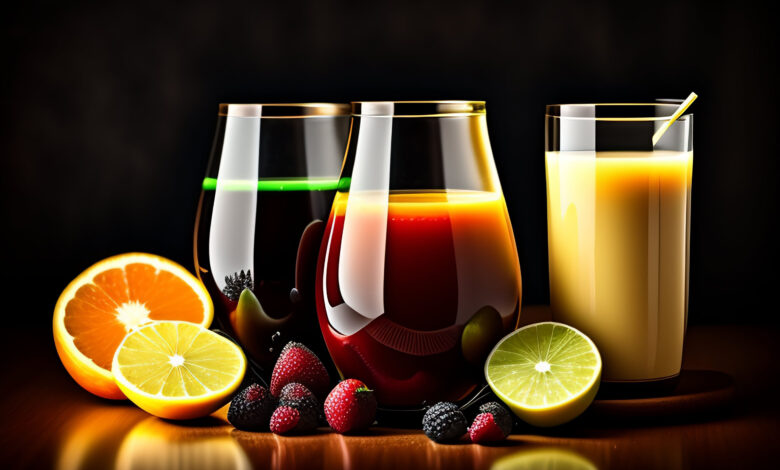
India’s beverage industry stands as one of the most dynamic and rapidly evolving sectors in the country’s consumer market. With a population exceeding 1.4 billion and rising disposable incomes, the Indian beverage market represents enormous potential for both domestic and international players. The industry has witnessed remarkable transformation over the past decade, with consumer preferences shifting toward healthier options, authentic Indian flavors, and innovative product formats while maintaining strong demand for traditional favorites.
The beverage sector in India encompasses diverse categories including carbonated soft drinks, fruit juices and drinks, dairy-based beverages, packaged water, tea and coffee products, and emerging segments like energy drinks and functional beverages. In 2026, the market continues to grow at an impressive pace, driven by expanding retail networks, increasing urbanization, the rise of quick commerce platforms, and growing health consciousness among consumers.
This comprehensive analysis examines the ten most influential Indian beverage brands that are shaping the industry landscape in 2026, representing a mix of legacy players and innovative newcomers that have captured consumer imagination across the country.
1. Coca-Cola India: The Market Leader with Iconic Local Brands
Coca-Cola India commands the largest share of India’s non-alcoholic beverage market in 2026, leveraging its powerful portfolio of both global and distinctly Indian brands. While the company is an American multinational, its success in India stems from its strategic acquisition and nurturing of beloved local brands that resonate deeply with Indian consumers.
Thums Up, acquired by Coca-Cola in 1993 from Parle, remains the largest-selling cola brand in India. Launched originally in 1977 as India’s answer to departing international cola brands, Thums Up captured 85 percent market share at the time of its acquisition. Its bold, masculine positioning with the tagline “Taste the Thunder” has made it particularly popular among young adults seeking intensity in their carbonated drinks. The brand’s stronghold in India demonstrates how understanding local preferences can create enduring market leadership even within a global corporation’s portfolio.
Maaza represents another jewel in Coca-Cola India’s crown. This mango drink brand leads the fruit-based beverage segment, claiming the highest share among soft drink brands when measured by sales volume. Maaza’s success reflects India’s love affair with mangoes, the country being the world’s largest producer of this fruit. The brand positions itself as containing pulp from Alphonso mangoes, known as the king of mangoes, creating a premium perception while maintaining mass-market appeal. Maaza faces competition from Frooti and Tropicana Slice but maintains its leadership position through consistent quality and widespread availability.
Limca, yet another acquisition from Parle, continues thriving as India’s favorite lemon-lime drink. Unlike its competitors, Limca offers a distinctly Indian interpretation of citrus beverages, with a flavor profile that many consumers prefer over international alternatives. The brand has transcended its beverage status to become a cultural institution, even operating the Limca Book of Records, which documents Indian achievements and statistics from a uniquely Indian perspective.
Coca-Cola India’s distribution network remains unparalleled, ensuring its products reach both metropolitan cities and the remotest villages. The company operates a sophisticated supply chain with numerous bottling partners, creating availability across millions of retail touchpoints. In 2026, the company continues investing heavily in sustainability initiatives, recycling programs, and local manufacturing capabilities while maintaining its position as the beverage market leader.
2. Parle Agro: The Indigenous Pioneer
Founded in 1929 and operating for nearly a century, Parle Agro stands as one of India’s most respected homegrown beverage companies. The company’s flagship brand Frooti has become synonymous with mango drinks across generations of Indian consumers. Launched in 1985, Frooti revolutionized the Indian beverage market by introducing tetra pack technology for the first time in the country, making fruit drinks portable and convenient.
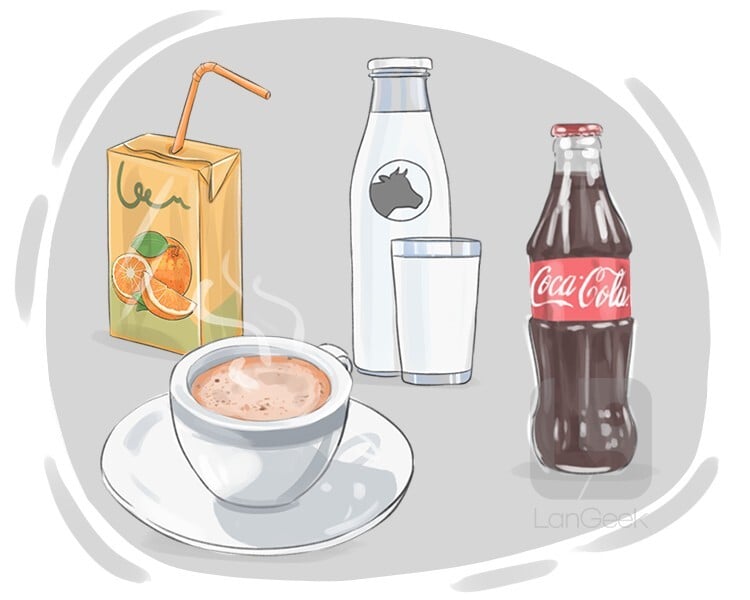
Frooti commands approximately 34 percent of India’s juice market share according to recent statistics, making it the largest juice brand in the country. Despite facing intense competition from multinational brands with deeper pockets, Frooti maintains its leadership through strong brand recall, consistent quality, and widespread distribution. The brand allocated a marketing budget of 100 crore rupees recently, investing across television, digital platforms, and experiential marketing to maintain relevance with younger consumers while retaining its core family audience.
Appy Fizz represents Parle Agro’s innovative spirit, creating an entirely new category of sparkling fruit drinks in India. Positioned between carbonated soft drinks and fruit juices, Appy Fizz carved out a distinctive niche among young adults seeking something different from traditional colas. The apple-flavored sparkling drink has achieved remarkable success, becoming a party favorite and establishing itself as a unique offering in the Indian beverage landscape.
The company also manufactures Bailley packaged drinking water, competing in the massive bottled water segment. Parle Agro’s strength lies in its understanding of Indian tastes, its ability to innovate within local preferences, and its extensive distribution network covering over 50 countries internationally. The company maintains strong rural and urban penetration, ensuring its products are accessible across India’s diverse geography.
3. Tata Consumer Products: Heritage Meets Innovation
Tata Consumer Products Limited represents the convergence of the Tata Group’s food and beverage interests under one powerful umbrella. Originally operating as Tata Global Beverages and focused primarily on tea, the company rebranded in 2020 to reflect its expansion across the broader consumer products spectrum. For fiscal year 2025-26, the company reported revenue reaching 17,811 crores with profit touching 1,380 crores, demonstrating robust financial performance.
Tata Tea stands as one of India’s most trusted tea brands, with approximately 20 percent market share in the Indian tea market. The brand benefits from the Tata Group’s unparalleled reputation for quality and integrity, translating into strong consumer confidence. One in three Indian households reportedly chooses Tata Tea to start their day, reflecting deep market penetration. The company operates 51 tea estates across India and Sri Lanka, producing around 30 million kilograms of black tea annually, ensuring complete control over quality from plantation to cup.
Beyond tea, Tata Consumer Products has built an impressive portfolio of beverage brands. Himalayan Natural Mineral Water, acquired in 2007, sources its water from the foothills of the Shivalik ranges in the Himalayas, positioning itself as a premium natural mineral water option. Tata Copper+ and Tata Gluco+ represent the company’s entry into functional beverages, offering health-focused hydration solutions with added minerals and electrolytes.
The company’s strategic acquisitions have significantly expanded its portfolio. In January 2024, Tata Consumer acquired Capital Foods, owner of the popular Ching’s Secret brand, for 5,100 crores, and Organic India for 1,900 crores. These acquisitions bring instant noodles, sauces, and organic wellness beverages into the Tata fold. The company also entered the energy drink segment with Say Never Energy Drink, marking its foray into this fast-growing category.
Tata Consumer Products’ joint venture with Starbucks, established in 2012 as Tata Starbucks Limited, operates Starbucks outlets across India under the branding “Starbucks Coffee – A Tata Alliance.” This partnership combines Starbucks’ global coffee expertise with Tata’s local market knowledge and distribution capabilities, sourcing coffee beans from Tata Coffee plantations. The company’s reach extends to 263 million households in India, providing unmatched scale for its diverse product portfolio.
4. Amul: The Dairy Giant’s Beverage Success
Amul, officially the Gujarat Co-operative Milk Marketing Federation, stands as India’s largest dairy cooperative and a household name representing quality dairy products. While primarily known for milk, butter, and cheese, Amul has successfully established a significant presence in the beverage segment through its dairy-based drinks.
Amul Kool represents the company’s flagship beverage brand, offering flavored milk in varieties like chocolate, butterscotch, cardamom, rose, and mango. These drinks tap into India’s traditional love for flavored milk while providing convenient packaging for modern consumption. Amul Kool competes in both the impulse purchase category at small retailers and the planned purchase segment in supermarkets.
Amul Masti Buttermilk brings traditional chaas into modern packaging, offering a healthy, probiotic-rich beverage option. In a market increasingly focused on wellness, buttermilk positions as a natural digestive aid and cooling drink, particularly popular in India’s hot climate. The brand has successfully modernized a traditional beverage without compromising authenticity, making it accessible to urban consumers who might not prepare it at home.
Amul’s cooperative structure, supporting millions of dairy farmers across India, creates a unique value proposition combining quality products with social impact. The brand commands tremendous consumer trust built over decades, translating into strong brand loyalty across categories. In 2025, Amul signed a non-binding MOU with the Ministry of Food Processing Industries at World Food India, alongside other major players, demonstrating its continued commitment to expanding its food and beverage operations.
5. Paper Boat: Nostalgia Meets Innovation
Paper Boat, owned by Bangalore-based Hector Beverages and launched in 2013, represents one of India’s most successful startup beverage brands. The company disrupted the traditional juice market by focusing on authentic Indian flavors packaged in contemporary formats, creating a unique positioning that resonates with consumers seeking connections to their cultural roots.
The brand offers ready-to-drink versions of traditional Indian beverages that previous generations might have prepared at home. Aam Panna (raw mango drink), Jaljeera (cumin-spiced drink), Chikki Milk (jaggery-flavored milk), Kokum, Aamras (mango pulp drink), and Jamun Kala Khatta represent flavors deeply embedded in Indian culinary tradition but largely absent from organized retail before Paper Boat’s arrival.
Paper Boat’s marketing brilliance lies in its emotional storytelling, evoking childhood memories and simpler times through its packaging and communication. The brand’s nostalgic positioning, combined with high-quality products using authentic recipes, created a powerful differentiator in a crowded market. The company has attracted significant funding from marquee investors including Sequoia Capital, validating its innovative approach to traditional beverages.
Despite operating in a market dominated by multinational giants, Paper Boat has carved out a profitable niche. The company generated revenue crossing 120 crores in recent years while maintaining healthy gross margins above 40 percent. The brand particularly appeals to urban, educated consumers who appreciate quality, authenticity, and emotional connection with their beverages. Paper Boat’s success has inspired numerous other brands to explore traditional Indian flavors, validating the market potential for culturally rooted innovation.
6. Dabur: Wellness-Focused Beverage Leadership
Dabur, founded in 1884, represents one of India’s oldest and most respected FMCG companies. While the company operates across multiple categories including healthcare, personal care, and food products, its beverage division, particularly Real Fruit Juices, has established strong market presence focused on health and wellness positioning.
Real Fruit Juices leads among domestic juice brands in India, occupying approximately 13 percent of the overall juice market. The brand positions itself as preservative-free and made from real fruit, appealing to health-conscious consumers seeking natural refreshment options. Real offers diverse variants including mixed fruit, orange, mango, grape, pomegranate, and other combinations, catering to varied taste preferences.

Real Activ represents Dabur’s premium range, featuring fortified juices with added fiber and no added sugar variants. This sub-brand targets wellness-focused consumers willing to pay premium prices for enhanced nutritional benefits. The products align with growing consumer trends toward functional beverages that offer health benefits beyond basic hydration and refreshment.
Dabur’s beverage portfolio extends to Ayurvedic and herbal drinks, leveraging the company’s heritage in traditional medicine. Products like Hajmola Fizz bring digestive benefits into a carbonated format, while other herbal drinks tap into India’s rich tradition of wellness beverages. The company’s credibility in health and wellness, built over more than a century, provides strong competitive advantage in positioning beverages with functional benefits.
7. Bisleri: Beyond Bottled Water
Bisleri stands as India’s most trusted packaged drinking water brand, synonymous with bottled water to the extent that many Indians use “Bisleri” generically to refer to any bottled water. Founded by Signor Felice Bisleri in 1965 and later acquired by Parle’s Ramesh Chauhan, the brand has dominated India’s packaged water market for decades.
While bottled water remains Bisleri’s core business, the company has diversified into carbonated beverages and flavored water segments. Bisleri Pop offers fruit-flavored carbonated drinks, competing in the soft drink category with established players. The brand leverages Bisleri’s reputation for purity and quality, attempting to transfer consumer trust from water into other beverage categories.
Bisleri Vedica represents the premium segment, positioned as natural Himalayan spring water sourced from the Himalayas. This product targets affluent consumers seeking premium hydration options and competes with other premium water brands. The company has also introduced functional water variants with added minerals and vitamins, responding to growing consumer interest in beverages offering health benefits.
Bisleri’s extensive distribution network, built over decades in the water business, provides significant competitive advantage in launching new beverage products. The brand’s presence across millions of retail outlets, from upscale restaurants to roadside vendors, ensures exceptional availability. The company continues investing in sustainability initiatives, including recycling programs and reducing plastic usage, addressing growing environmental concerns associated with bottled beverages.
8. PepsiCo India: Global Giant with Local Adaptation
PepsiCo India represents one of the largest and most influential players in India’s FMCG sector, operating across beverages and foods. The company commands approximately 21 percent of the juice market and significant shares in carbonated soft drinks, positioning as the primary challenger to Coca-Cola India’s market leadership.
Pepsi cola competes intensely with Coca-Cola and Thums Up in the cola segment, using aggressive marketing and youth-oriented branding with taglines like “Dil Mange More” (the heart wants more). Mountain Dew targets adventure-seeking young consumers with its high-energy positioning and sponsorships of extreme sports. The brand has achieved significant traction in the energy and citrus soda categories.
Tropicana represents PepsiCo’s premium juice offering, competing in the health-focused segment. In India, Tropicana operates through its partnership with Varun Beverages and offers two main lines: Tropicana Delight Juice Drink featuring multiple fruit flavors in carton packaging, and Tropicana Slice focusing on PET bottle mango juice drinks. Tropicana Slice, featuring actress Katrina Kaif as brand ambassador, has built strong recognition, though it trails Maaza and Frooti in overall market share.
Sting Energy Drink represents PepsiCo’s entry into the growing energy drink segment, targeting young adults seeking stimulation and enhanced performance. The brand has gained significant market share in India’s energy drink category, competing with international brands like Red Bull and domestic alternatives.
PepsiCo India’s strength lies in its sophisticated marketing capabilities, extensive distribution network, innovative packaging, and ability to leverage global resources while adapting to local preferences. The company continues investing heavily in India, recognizing the market’s long-term growth potential despite intense competition.
9. ITC Beverages: Diversified Conglomerate’s Beverage Play
ITC Limited, one of India’s most diversified conglomerates established in 1910, operates across hotels, packaging, agribusiness, and FMCG sectors. ITC Beverages represents the company’s entry into the beverage market, leveraging the group’s extensive distribution networks and brand credibility.
B-Natural stands as ITC’s flagship juice brand, positioned in the premium segment emphasizing natural ingredients and no preservatives. The brand targets health-conscious urban consumers willing to pay premium prices for perceived quality and wellness benefits. B-Natural offers diverse variants including mixed fruit, apple, orange, and other combinations.
Beyond juices, ITC has expanded into ready-to-drink tea and coffee segments, competing in the fast-growing convenience beverage category. The company’s “Make in India” focus aligns with growing consumer preferences for supporting local manufacturing and sustainable practices. ITC’s beverage division benefits from the conglomerate’s agricultural operations, ensuring quality sourcing of ingredients and vertical integration advantages.
While ITC Beverages operates at smaller scale compared to market leaders, the company’s long-term commitment to the FMCG sector, deep pockets for sustained investment, and proven capability in building brands across categories position it as a significant player with growth potential.
10. Raw Pressery: Cold-Pressed Juice Pioneer
Raw Pressery represents the new wave of health-focused beverage brands capturing urban India’s attention. Founded as a pioneer in the cold-pressed juice category, the brand offers nutrient-rich, preservative-free beverages targeting fitness enthusiasts and health-conscious consumers.
Cold-pressed juice technology preserves more nutrients, enzymes, and vitamins compared to traditional extraction methods, commanding premium pricing justified by superior nutritional benefits. Raw Pressery’s products include various fruit and vegetable juice combinations, smoothies, and functional beverages designed for specific health outcomes like immunity boosting, detoxification, or energy enhancement.
The brand’s commitment to purity extends to using no added sugars, preservatives, or artificial ingredients, appealing to consumers seeking clean-label products. Raw Pressery’s minimal processing approach and short shelf life differentiate it from conventional packaged juices, positioning it as a fresher, healthier alternative closer to homemade juice.
Raw Pressery’s growth reflects broader trends in the Indian beverage market toward wellness, premiumization, and willingness to pay more for perceived health benefits. The brand primarily targets metropolitan consumers with higher disposable incomes and strong health consciousness. Distribution focuses on modern retail formats, premium grocery stores, and increasingly quick commerce platforms that can maintain the cold chain required for these products.
Market Dynamics and Future Outlook
India’s beverage market in 2026 exhibits several defining characteristics shaping its evolution. Health and wellness considerations increasingly drive consumer choices, with growing demand for natural ingredients, reduced sugar content, functional benefits, and transparency in labeling. Traditional carbonated soft drinks face pressure while fruit juices, functional beverages, and wellness-focused products gain momentum.
Quick commerce platforms have emerged as significant distribution channels, with Blinkit, Zepto, and similar services enabling beverage brands to reach consumers within minutes. The beverage category on these platforms has grown threefold in recent quarters, reflecting consumer demand for instant gratification and convenience. Brands that optimize their products and marketing for quick commerce channels gain competitive advantages.
Premiumization represents another major trend, with consumers showing willingness to pay more for perceived quality, health benefits, authentic ingredients, or unique experiences. This creates opportunities for brands positioned at higher price points while maintaining the massive opportunity in value-focused segments serving price-sensitive consumers.
Sustainability concerns increasingly influence purchasing decisions, with consumers questioning plastic packaging, water usage, and environmental impact. Beverage brands investing in sustainable packaging, recycling programs, water conservation, and transparent environmental practices build competitive advantage and brand loyalty among conscious consumers.
Regional and traditional flavors continue gaining prominence, with brands like Paper Boat validating consumer appetite for authentic Indian beverages packaged in modern formats. This trend offers opportunities for innovation beyond international flavor profiles that dominated the market for decades.
Conclusion
India’s beverage industry in 2026 represents a fascinating blend of global multinational power, homegrown legacy brands, and innovative startups, all competing for share in one of the world’s most attractive consumer markets. The ten brands examined in this analysis demonstrate diverse approaches to success: Coca-Cola India’s strategy of nurturing local acquired brands, Parle Agro’s indigenous innovation, Tata Consumer Products’ diversified portfolio backed by group heritage, Amul’s cooperative model delivering dairy-based beverages, Paper Boat’s emotional storytelling, Dabur’s wellness focus, Bisleri’s diversification beyond water, PepsiCo’s aggressive marketing and youth orientation, ITC’s premium positioning, and Raw Pressery’s health-driven innovation.
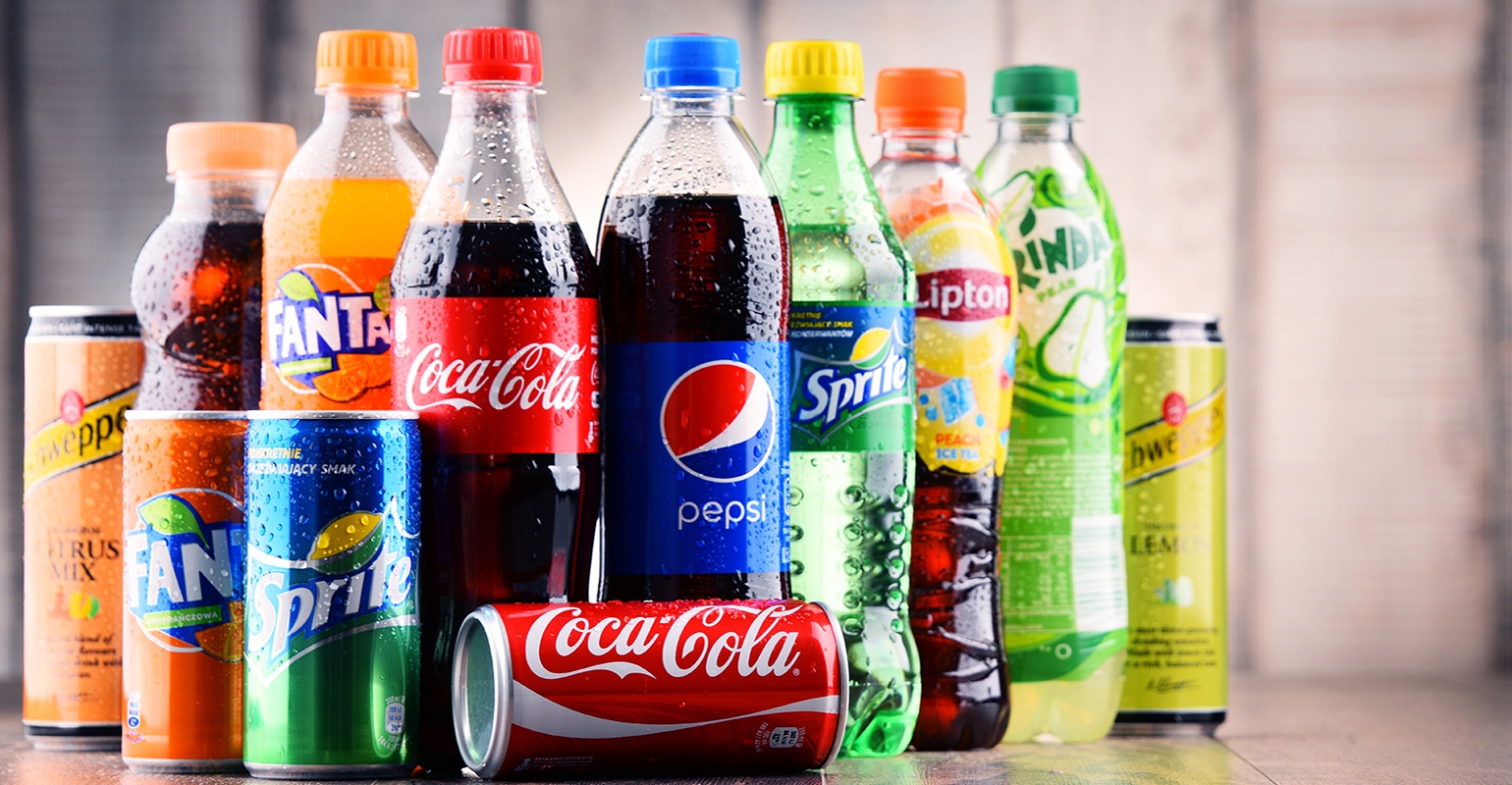
These brands collectively serve hundreds of millions of Indian consumers daily, shaping beverage consumption patterns, driving category growth, and continuously evolving to meet changing preferences. As India’s economy grows, urbanization expands, and consumer sophistication increases, the beverage market will continue offering enormous opportunities for brands that understand local preferences, deliver consistent quality, innovate thoughtfully, distribute effectively, and build authentic emotional connections with consumers.
The future belongs to beverage brands that can balance tradition with innovation, health with indulgence, premiumization with accessibility, and global scale with local relevance, creating products that resonate with India’s diverse, dynamic, and demanding consumer base.