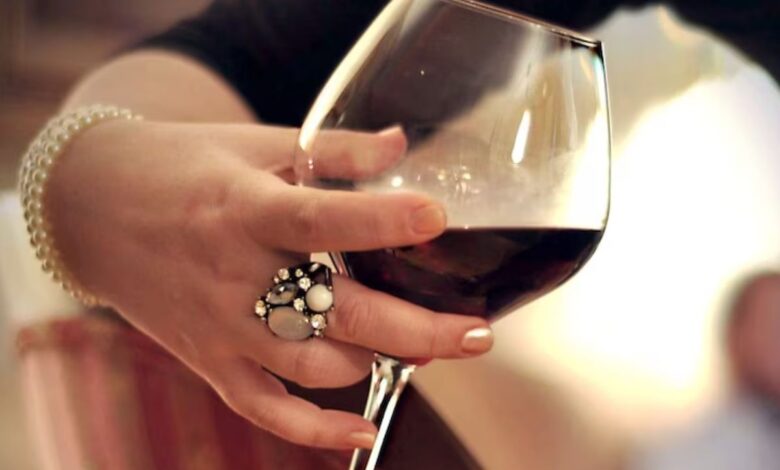
The global alcoholic beverage industry stands as one of the most dynamic and culturally significant sectors in consumer goods, with a market valuation exceeding 1.61 trillion dollars in 2025 and projected to reach 1.74 trillion dollars in 2026. This represents far more than mere commercial transactions. These brands embody centuries of craftsmanship, cultural heritage, and evolving consumer preferences across diverse markets from New York to New Delhi, from London to Lagos.
The industry faces fascinating tensions in 2026, as traditional consumption patterns meet modern health consciousness, premium products surge while overall volumes remain flat, and established giants compete with innovative craft producers. Understanding which brands dominate this complex landscape provides insight into global consumer behavior, marketing excellence, and the art of building enduring commercial legacies.
1. Johnnie Walker: The World’s Best-Selling Scotch Whisky
Johnnie Walker holds the position as the world’s number one Scotch whisky brand, a distinction it has maintained through remarkable consistency and strategic brand evolution. Owned by Diageo, the London-headquartered global beverage alcohol leader, Johnnie Walker represents the pinnacle of blended Scotch whisky craftsmanship and marketing excellence. Established in 1820 and now inspiring progress with their Keep Walking campaign, Johnnie Walker remains the world’s best-selling Scotch whisky.
The brand’s strength lies in its tiered portfolio strategy offering entry points for new whisky consumers through Red Label while providing luxury options like Blue Label for connoisseurs willing to invest hundreds of dollars per bottle. This segmentation allows Johnnie Walker to capture value across economic strata and drinking occasions, from casual mixing to special celebrations. The color-coded range including Red, Black, Double Black, Green, Gold, Platinum, and Blue creates clear progression paths that encourage consumers to trade up as their palates develop and incomes increase.
In November 2025, Johnnie Walker evolved its iconic Keep Walking campaign with new global creative that celebrates inspiring personal journeys of progress shaping culture and invites a new generation of whisky drinkers to find meaning in everyday moments that move them forward. This marketing sophistication demonstrates how premium alcohol brands must continually refresh their messaging to remain relevant across generations. The Keep Walking platform, which has powered the brand for more than two decades, adapts to contemporary values where people define progress on their own terms rather than through traditional life-stage milestones.
Recent financial reports show good growth in Scotch, notably Johnnie Walker, with the brand performing particularly well in markets like Brazil, Turkey, and parts of Europe. The brand benefits from Diageo’s massive global distribution network reaching nearly 180 countries, ensuring availability everywhere from airport duty-free shops to neighborhood liquor stores. Johnnie Walker’s packaging remains instantly recognizable with its distinctive square bottle and angled label, designed originally to prevent rolling during sea transport but now iconic brand assets. For 2026, Johnnie Walker continues introducing innovations like Johnnie Walker Blonde and Johnnie Walker Black Ruby, demonstrating that even heritage brands must innovate to maintain market leadership.
2. Smirnoff: The World’s Leading Vodka Brand
Established in 1864, Smirnoff is the world’s number one vodka, triple-distilled and filtered ten times, resulting in robust flavor and smooth finish. Also owned by Diageo, Smirnoff represents one of the most successful brand transformations in spirits history, evolving from Russian imperial origins through a complex journey to become a global icon of accessible quality. The brand’s dominance in vodka, which represents approximately 34 percent of all spirits cases sold globally, positions it at the center of the world’s largest spirits category.
Smirnoff’s success stems from versatility and value positioning. The brand serves equally well in simple mixed drinks like vodka sodas, classic cocktails like Moscow Mules, and straight consumption. This flexibility makes it appropriate for diverse occasions and consumer preferences, from college students creating punch for parties to bartenders crafting sophisticated cocktails at upscale lounges. The core Smirnoff No. 21 vodka remains the volume driver, but the brand has successfully extended into flavored vodkas with options ranging from classic citrus to contemporary fruit blends, capturing consumer preferences for variety and novelty.
The ready-to-drink segment has become increasingly important for Smirnoff’s growth trajectory. Smirnoff Ice and branded cocktails showed strong momentum in RTDs and ready-to-serve products, with particularly strong growth in markets like Brazil and South Africa. These convenient, pre-mixed options appeal to consumers seeking consistent quality without bartending expertise, particularly younger legal-drinking-age consumers and those in outdoor or casual settings where mixing drinks proves impractical. Smirnoff Ice has become a distinct brand in its own right, often consumed by people who might not purchase regular vodka.
The brand maintains relevance through strategic marketing that balances heritage with contemporary culture. Sponsorships of music festivals, partnerships with influencers, and presence in popular culture keep Smirnoff visible to target demographics. The accessible price point, typically lower than premium vodkas like Grey Goose or Belvedere, ensures Smirnoff remains the default choice for value-conscious consumers and high-volume accounts like bars and restaurants where pour cost matters significantly to profitability. Distribution through virtually every channel from corner stores to duty-free shops ensures availability wherever consumers shop for spirits.
3. Jack Daniel’s: America’s Iconic Tennessee Whiskey
Jack Daniel’s occupies a unique position as America’s best-selling whiskey brand and one of the most recognized alcohol brands globally. Owned by Brown-Forman Corporation, Jack Daniel’s is technically Tennessee whiskey rather than bourbon due to the Lincoln County Process, where the spirit is filtered through sugar maple charcoal before aging, imparting distinctive smoothness and character. This process differentiates Jack Daniel’s from Kentucky bourbons and creates a proprietary production method that competitors cannot replicate.
The brand’s black label and square bottle have become cultural icons recognized far beyond spirits enthusiasts. Jack Daniel’s appeals to a broad demographic spanning age groups, income levels, and drinking preferences. The flagship Old No. 7 serves as the entry point, offering familiar taste at accessible pricing, while extensions like Gentleman Jack, Single Barrel, and Tennessee Honey provide premiumization paths and flavor variations. The honey-flavored variant particularly succeeded in attracting consumers who might find traditional whiskey too strong or harsh, serving as a gateway product.
Jack Daniel’s benefits from powerful American cultural associations. The brand embodies independence, authenticity, and craftsmanship, values that resonate globally even among consumers with no connection to Tennessee or American South culture. Marketing emphasizes the Lynchburg, Tennessee heritage and the unchanged production methods since Jasper Newton “Jack” Daniel established the distillery in 1866, creating authenticity credentials in an era when consumers increasingly value provenance and tradition. The visitor experience at the Lynchburg distillery has become a pilgrimage site for brand enthusiasts, further deepening emotional connections.

International expansion has driven significant growth, with Jack Daniel’s performing strongly in markets including Germany, Australia, and increasingly in Asia where American whiskey gains traction among emerging middle-class consumers. The brand navigates the challenging whiskey category dynamics in 2026 where overall growth has moderated but premiumization continues, positioning itself as accessible premium rather than mass market or ultra-luxury. Brown-Forman’s focused portfolio strategy, concentrating resources on fewer brands rather than spreading across numerous products, allows intensive investment in Jack Daniel’s marketing, innovation, and distribution excellence.
4. Budweiser: The King of Beers
Budweiser represents one of the most globally recognized beer brands, produced by Anheuser-Busch InBev, the world’s largest brewer. The brand has achieved remarkable international reach despite originating as an American lager, demonstrating how effective marketing and quality consistency can transcend national boundaries. The “King of Beers” tagline reflects both aspirational positioning and historical market dominance, though the brand faces intense competition in contemporary markets from both craft beers and international lagers.
The Budweiser portfolio has expanded beyond the flagship lager to include Bud Light, which became America’s best-selling beer for decades, though recent years have seen market share challenges. Bud Light’s lighter calorie profile appealed to health-conscious consumers and those seeking refreshment without heaviness, making it particularly popular in warm climates and during extended drinking occasions like sporting events or barbecues. The brand’s stumbles in 2023 and 2024 related to controversial marketing decisions demonstrate how even dominant brands remain vulnerable to cultural and political dynamics.
Anheuser-Busch InBev’s global scale provides Budweiser with unmatched distribution capabilities and marketing resources. The company produces 585 million hectoliters of beer annually and controls approximately 40 percent of the U.S. beer market through its brand portfolio. This scale enables massive advertising spending including Super Bowl commercials, sports sponsorships, and international marketing campaigns that smaller competitors cannot match. The iconic Clydesdale horses and patriotic American imagery create emotional connections that transcend rational product differentiation in a category where taste differences between major lagers remain subtle to average consumers.
Budweiser faces the challenge of remaining relevant as consumer preferences shift toward craft beers, imports, and premium offerings. The brand has responded by introducing variants like Budweiser Reserve Copper Lager and emphasizing brewing heritage and quality control. The company’s innovation in alcohol-free beer with Budweiser Zero addresses the growing no-and-low-alcohol trend while maintaining the Budweiser brand equity. International markets, particularly China and Latin America, represent growth opportunities where Budweiser can position itself as an aspirational American brand rather than competing against established local favorites.
5. Guinness: The Iconic Irish Stout
Guinness is an iconic Irish stout brewed since 1759, now produced in 50 countries and enjoyed in 150, famously worth the 119.5-second pour. Owned by Diageo, Guinness represents perhaps the most distinctive major beer brand globally, with its dark appearance, creamy head, and unique flavor profile setting it dramatically apart from pale lagers dominating beer consumption worldwide. The brand has achieved the rare feat of being simultaneously a heritage product and a growth engine, appealing to both traditional consumers and younger drinkers seeking authentic, characterful beers.
The Guinness drinking ritual contributes significantly to its mystique and premium positioning. The two-part pour, allowing the beer to settle before topping off, creates theater around consumption and signals that Guinness deserves patience and respect rather than quick consumption. This ritual also provides training opportunities for bartenders and creates quality standards that enhance perceived value. The distinctive glassware, whether pint glasses in pubs or specially designed vessels in premium accounts, reinforces brand identity and ensures proper presentation. These elements combine to justify premium pricing despite beer being generally viewed as a commodity category.
Guinness showed strong performance with good growth in beer, particularly strong momentum in Europe, North America, and Africa. The brand’s success in Africa, where Guinness has been brewed locally for decades, demonstrates how authentically localizing production while maintaining core brand values creates sustainable competitive advantages. African consumers embrace Guinness as both an international premium brand and a familiar local product, allowing it to command premium pricing while achieving mass market volumes. The brand’s association with strength, masculinity, and celebration fits well with cultural values across multiple African markets.
Innovation has kept Guinness contemporary without diluting brand equity. Guinness Zero, the alcohol-free variant, achieved significant success by maintaining the taste profile and experience of regular Guinness while addressing health-conscious consumers and occasions where alcohol consumption is inappropriate or undesired. Flavored variants and limited editions create news and trial opportunities without cannibalizing the core brand. The Guinness Open Gate Brewery in Dublin serves as an innovation laboratory where experimental brews test new directions before potential broader rollout. For 2026, Guinness continues benefiting from craft beer trends that have educated consumers to appreciate characterful, full-flavored beers over bland mass-market lagers, positioning Guinness as an authentic craft beer at global scale.
6. Heineken: The World’s Second Largest Brewer
Heineken, founded in 1864 and based in Amsterdam, Netherlands, is the world’s second-largest brewer, with strong global footprint in over 190 countries. The green bottle with red star has become one of the most recognizable packages in consumer goods, synonymous with international quality and Dutch brewing heritage. Unlike Budweiser’s American associations or Guinness’s Irish identity, Heineken positions itself as a truly global brand, cosmopolitan and sophisticated, appealing to urban consumers who see themselves as world citizens rather than tied to specific national identities.
The Heineken brand strategy emphasizes premium positioning above mass market lagers, typically commanding 10 to 20 percent price premiums over local mainstream beers in most markets. This positioning is justified through consistent quality, distinctive slightly bitter taste profile from longer fermentation, and sophisticated marketing that associates the brand with sports, music, and urban nightlife. The UEFA Champions League sponsorship, Formula One presence, and music festival partnerships place Heineken in aspirational contexts that enhance brand perception beyond functional product attributes. The “Open Your World” campaign messaging encourages cultural exploration and connection, values that resonate with target demographics.

Heineken’s portfolio breadth provides resilience and relevance across occasions and preferences. While Heineken Lager remains the flagship, the company owns numerous local champion brands in markets worldwide including Amstel, Desperados, Sol, Tiger, and Birra Moretti. This multi-brand strategy allows the company to serve different price points and taste preferences while leveraging shared distribution, production, and purchasing scale. The portfolio also includes substantial non-alcoholic offerings with Heineken 0.0 becoming one of the most successful alcohol-free beer launches, capturing moderation trends without requiring consumers to switch away from the Heineken brand they know.
In 2025, Heineken continues to prioritize premiumization and digitalization to drive margin expansion, with pricing initiatives and strong growth in Asia and Africa supporting revenue despite slower European volumes. The company’s sustainability program addresses growing consumer and regulatory concerns about environmental impact, with ambitious targets for carbon neutrality, water efficiency, and sustainable agriculture. These commitments resonate particularly with younger consumers who increasingly factor corporate responsibility into purchasing decisions. For 2026, Heineken navigates the challenging balance between volume growth in emerging markets and value growth in mature markets where consumption occasions decline but premiumization opportunities remain strong.
7. Captain Morgan: The Leading Spiced Rum
Captain Morgan launched in 1982 as a premium Caribbean rum brand and is now enjoyed globally in over 100 countries, selling over 11 million cases annually. Owned by Diageo, Captain Morgan has achieved remarkable success by making rum accessible and fun for mainstream consumers who might find traditional dark rums too strong or unfamiliar. The brand personality, built around the swashbuckling Captain Morgan character, creates approachable rather than intimidating associations with rum consumption, appealing particularly to younger legal-drinking-age consumers discovering spirits categories.
The spiced rum category that Captain Morgan dominates represents a distinctly modern innovation rather than traditional Caribbean rum heritage. By adding vanilla, caramel, and warming spices to rum base spirits, Captain Morgan created a sweeter, smoother product that works well in mixed drinks or even consumed straight for those who find regular rum harsh. This flavor profile proved particularly successful in markets like the United States where sweet taste preferences differ from spirits traditions in Europe or Latin America. The lower price point compared to premium aged rums makes Captain Morgan appropriate for casual drinking occasions and volume consumption at parties or events.
Marketing emphasizes fun and adventure rather than sophistication or heritage. The Captain Morgan character, supposedly based on Welsh privateer Sir Henry Morgan who operated in the Caribbean during the 17th century, provides narrative hooks for advertising campaigns without demanding historical accuracy. The brand frequently appears in party contexts, beach settings, and casual social gatherings, reinforcing positioning as the spirit of good times rather than refined sipping. This contrast with whiskey or cognac marketing demonstrates how different spirits categories require distinct brand strategies based on consumption occasions and consumer motivations.
Captain Morgan has successfully extended beyond the original spiced rum into flavored variants including Coconut, Pineapple, and Sliced Apple, creating variety that keeps the brand interesting for regular consumers and provides seasonal rotation opportunities for retailers. Ready-to-drink products leveraging Captain Morgan equity tap into convenience trends while introducing the brand to consumers who might never purchase a full bottle of spirits.
The brand performs particularly well in warm-weather markets and during summer months when rum consumption peaks, though year-round presence in bars and restaurants maintains consistent visibility. For 2026, Captain Morgan benefits from rum’s position as the third largest spirits category globally, with approximately 12 percent market share by volume, while fending off competition from emerging spiced rum brands and premium rum products appealing to more sophisticated consumers.
8. Crown Royal: Canada’s Gift to the Whisky World
Crown Royal was created in 1939 as a gift for royalty, and its award-winning whiskies are expertly blended, patiently aged, and enjoyed by millions. Also part of Diageo’s portfolio, Crown Royal represents Canadian whisky’s most successful global brand, introducing consumers worldwide to Canada’s distinctive whisky tradition characterized by smoothness and approachability. The royal purple bag that packages every bottle has become an iconic brand asset, instantly recognizable and often repurposed by consumers for storing dice, jewelry, or other small items, creating ongoing brand presence even after the whisky is consumed.
Canadian whisky differs from American bourbon and Tennessee whiskey primarily through production methods allowing more flexibility in grain usage and blending approaches. This results in lighter, smoother profiles that some consumers prefer for mixed drinks or gentler sipping experiences. Crown Royal specifically uses a blend of multiple whiskies distilled separately then expertly combined to achieve consistent flavor profiles across batches. The flagship Crown Royal Deluxe offers accessible luxury, positioned slightly above mass market whiskeys but well below super-premium categories, occupying a sweet spot of affordable premium that drives volume.
Crown Royal achieved standout performance, with Crown Royal Blackberry helping drive growth for the Canadian whisky brand. The flavored whisky segment, particularly Crown Royal Apple and Peach, succeeded in attracting consumers who might not typically drink whisky straight, serving as entry points to the category. These flavored variants perform well in shot consumption at bars and in simple mixed drinks, creating high-velocity products for on-premise accounts. The strategy mirrors Captain Morgan’s approach of using flavoring to broaden appeal beyond category purists.
Crown Royal’s marketing emphasizes quality and heritage without pretension. The brand communicates premium positioning through packaging and presentation while maintaining approachable personality in advertising. Sports marketing, particularly football and hockey sponsorships, aligns with target demographic interests and reinforces masculine positioning common across brown spirits categories. The “Generosity” platform encourages consumers to give Crown Royal as gifts, leveraging the royal heritage and premium packaging to position the brand as appropriate for special occasions beyond regular consumption. For 2026, Crown Royal navigates whisky category challenges where traditional brown spirits face volume pressure from trending categories like tequila, maintaining relevance through innovation, marketing excellence, and the reliability of loyal consumer base that considers Crown Royal their regular whisky choice.
9. Baileys: The World’s Original Cream Liqueur
Baileys was created in 1974 and is the world’s first and most-loved cream liqueur, blending aged Irish whiskey with cream, cocoa, and vanilla. Owned by Diageo, Baileys pioneered an entire category and remains its unquestionable leader decades later, demonstrating how successful innovation creates sustainable competitive advantages. The brand solved a significant technical challenge by creating a stable emulsion that prevented cream from separating or spoiling despite alcohol content, enabling shelf stability without refrigeration before opening, crucial for global distribution and retail display.
Baileys occupies a unique position in the spirits landscape as neither a spirit for mixing cocktails nor a straight-sipping product like whiskey or cognac. Instead, it serves as an ingredient for coffee, desserts, and indulgent drinks while also being consumed neat over ice as a dessert replacement. This versatility creates multiple consumption occasions from morning Irish coffee to after-dinner digestif to ingredient in baked goods and desserts. The indulgent, dessert-like flavor profile appeals broadly across genders and age groups, making Baileys one of the few spirits brands with genuinely balanced male-female consumer bases.
The brand has carefully managed innovation to maintain category leadership without fragmenting equity. Extensions include Baileys Chocolat Luxe, Salted Caramel, Espresso Crème, and Strawberries & Cream, providing variety for regular consumers and trial opportunities for new users. Limited edition seasonal variants create news and urgency without permanent portfolio complexity. Non-alcoholic Baileys variants address the moderation trend for consumers who want the Baileys taste experience without alcohol content. Ready-to-drink products in smaller formats provide convenience and portion control for consumers concerned about calorie consumption.
Marketing emphasizes indulgence, treating yourself, and small pleasures rather than party contexts or social drinking occasions dominating most alcohol marketing. The “Treat Yourself” positioning acknowledges that Baileys consumption is often solitary or in intimate settings rather than large social gatherings. This positioning also helps justify premium pricing, as Baileys is positioned as an affordable luxury rather than everyday commodity.
The brand performs particularly strongly during holiday seasons when gift-giving and entertaining increase, with distinctive packaging making Baileys highly giftable. For 2026, Baileys benefits from its singularity, as cream liqueur remains largely synonymous with the Baileys brand itself, preventing commoditization that plagues categories where multiple similar brands compete primarily on price. The challenge lies in remaining relevant to younger consumers who may perceive cream liqueurs as old-fashioned compared to trending spirits categories.
10. Bacardi: The Legendary Caribbean Rum
Bacardi holds the distinction as one of the world’s largest privately held spirits companies and the owner of one of the most iconic rum brands globally. Founded in 1862 in Cuba, Bacardi survived revolution, exile, and numerous market shifts to remain synonymous with rum for multiple generations of consumers. The distinctive bat logo, originally chosen because bats lived in the original distillery rafters and were considered good luck in Spanish culture, has become one of the most recognized symbols in spirits, appearing on everything from t-shirts to bar accessories.
Bacardi Superior, the white rum that built the brand’s reputation, serves as the backbone of countless classic cocktails including Mojitos, Daiquiris, and Piña Coladas. This mixability creates consistent demand from both consumers and the on-premise channel where bartenders rely on high-quality, neutral-tasting white rum as a versatile ingredient. The brand’s association with Cuba and Caribbean culture, despite no longer being produced there following the revolution, provides authenticity credentials and tropical imagery that drives particular success in beach markets and warm climates. The aspirational Caribbean lifestyle positioning works globally, as consumers worldwide associate rum with vacation, relaxation, and escape from routine.
The Bacardi portfolio extends beyond white rum to include aged expressions like Reserva Ocho and Gran Reserva, positioned as sipping rums comparable to quality whiskeys or cognacs. These premium products address the increasing consumer sophistication in rum category and justify higher price points that drive profit margins. The success of these aged rums demonstrates that rum need not remain trapped in value pricing, as consumers will pay premium prices for quality and craftsmanship. Flavored rums including Limón, Coco, and Raspberry provide variety and appeal to consumers seeking less spirit-forward profiles.
Beyond rum, Bacardi Limited owns an impressive portfolio of spirit brands including Grey Goose vodka, Patrón tequila, Bombay Sapphire gin, Dewar’s Scotch whisky, and others, making it one of the most diversified spirits companies globally despite remaining family-controlled. This portfolio breadth provides resilience against category-specific challenges and allows cross-promotion opportunities. The company’s private ownership enables long-term strategic thinking unconstrained by quarterly earnings pressures facing public competitors.
For 2026, Bacardi navigates rum market dynamics where premiumization battles against the category’s historical value positioning, brand heritage provides competitive advantages while requiring continuous relevance with younger consumers, and global distribution demands balancing consistency with local market adaptation. The brand’s survival and success across 160-plus years of dramatic change demonstrates remarkable adaptability and resilience.
The Path Forward for Global Alcohol Brands
The alcohol brands dominating global markets in 2026 share common characteristics that explain their enduring success across changing consumer preferences, economic conditions, and regulatory environments. They maintain quality consistency ensuring consumers receive reliable experiences regardless of purchase location or time. They invest heavily in brand building through advertising, sponsorships, and cultural presence that creates emotional connections transcending functional product attributes. They leverage distribution scale reaching virtually all relevant retail and on-premise channels across multiple markets, ensuring availability wherever consumers shop or drink.
These brands also demonstrate adaptability, evolving products, packaging, and messaging to remain relevant across generations while maintaining core identity elements that provide continuity. They balance heritage and innovation, respecting tradition and provenance while embracing new technologies, flavors, and consumption occasions. They operate within massive corporate structures providing resources for marketing, innovation, and expansion while maintaining brand identities that feel authentic and personal rather than corporate and manufactured.
The trends reshaping alcohol consumption in 2026 present both challenges and opportunities for these brands. The moderation movement, with 49 percent of consumers trying to reduce drinking according to recent surveys, threatens volume growth but creates opportunities for premium positioning where fewer drinking occasions command higher prices. The explosion of ready-to-drink products offers convenient new formats capturing younger consumers and portable consumption occasions. The sustained interest in premium products supports margin expansion even if volumes remain flat. The growing importance of sustainability and corporate responsibility demands investments in environmental programs and transparent supply chains that become competitive differentiators.
Looking ahead, the brands that continue dominating global markets will be those that successfully balance tradition with innovation, scale with authenticity, and global reach with local relevance. They will need to speak authentically to younger consumers whose drinking patterns and preferences differ from previous generations while maintaining loyalty among core consumers who have supported brands for decades. They will need to expand into emerging markets where growing middle classes seek premium products while defending market share in mature markets facing volume pressures. They will need to deliver shareholder returns through margin expansion and efficiency while investing in brand building and innovation essential for long-term vitality.

The top ten global alcohol brands in 2026 represent more than commercial success. They are cultural institutions, social lubricants, celebration enablers, and symbols of heritage and craftsmanship. They provide employment for millions across agriculture, production, distribution, and hospitality. They generate substantial tax revenues funding government services. They spark controversy about health impacts, social costs, and marketing ethics while providing pleasure, tradition, and connection for billions of legal-drinking-age consumers worldwide. Understanding these brands means understanding human culture itself, with all its complexity, contradictions, and enduring fascination with the beverages that have accompanied civilization since ancient times.