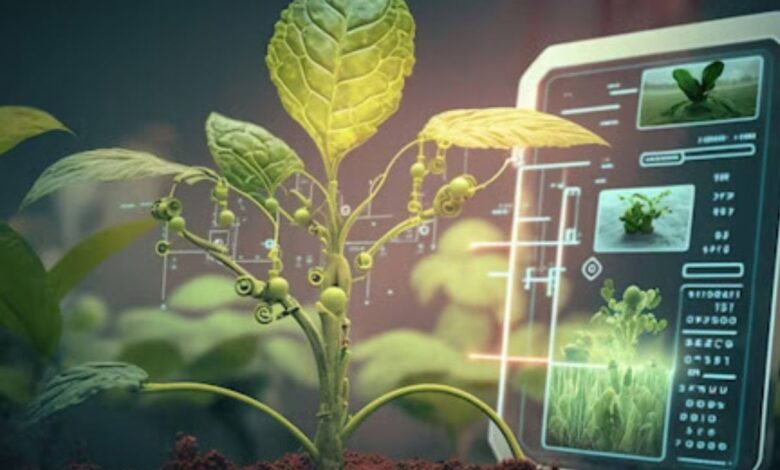
The AgriTech sector stands at a transformative crossroads as we move through 2025 and approach 2026.
With global population projections surpassing ten billion people by 2050 and climate change intensifying pressure on food production systems, the agriculture industry must rapidly evolve to meet these unprecedented challenges. Agricultural technology innovations are not merely enhancing efficiency anymore—they are fundamentally redefining how humanity grows, manages, and sustains its food systems. Over sixty percent of large farms worldwide will adopt smart farming systems powered by artificial intelligence by the end of 2025, marking a watershed moment in agricultural history.
The convergence of artificial intelligence, Internet of Things sensors, satellite technology, biotechnology, and blockchain has created a perfect storm of innovation that promises to make agriculture more productive, sustainable, and resilient than ever before. These technologies work together in increasingly sophisticated ways, creating integrated systems that can monitor crop health in real time, predict weather patterns with unprecedented accuracy, automate labor-intensive tasks, and ensure complete transparency throughout global supply chains. Understanding these innovations provides crucial insight into the future of food security and the strategies that will define successful farming operations in the coming decades.
1. AI-Powered Precision Agriculture: The Intelligence Revolution
At the core of major AgriTech innovations in 2025 is precision agriculture, which utilizes advanced sensors, satellite imagery, and AI-driven analytics to optimize every input and decision on the farm. This represents a fundamental shift from treating entire fields uniformly to managing them at a granular level, addressing the specific needs of different zones within the same plot of land. Precision agriculture deploys multispectral sensors and drones to monitor crop conditions, soil health, and growth anomalies with remarkable accuracy. These systems use real-time satellite imagery, enhanced via machine learning algorithms, to map field variability and moisture patterns that would be invisible to the human eye.
The practical applications of this technology are transforming daily farm operations in profound ways. Variable rate technology allows farmers to apply precise amounts of water, fertilizers, and pesticides in highly targeted zones, dramatically reducing waste while ensuring uniform crop health. AI-powered decision support systems integrate data from satellite imagery, weather forecasts, soil sensors, and historical records to generate actionable insights that optimize crop management, boost yields, and reduce waste. These systems deliver predictive analytics for disease and pest management, enabling targeted intervention and reducing harmful pesticide application by identifying problems before they become visible to farmers walking their fields.
The economic impact has been substantial, with precision automation projected to reduce agricultural input waste by up to thirty percent globally. This reduction translates directly into improved profit margins for farmers while simultaneously addressing environmental concerns about overuse of chemicals and water resources. Real-time satellite and AI-based advisory systems like those being deployed across farms worldwide are demonstrating that precision agriculture is no longer a futuristic concept but rather a mainstream practice that is fundamentally altering the landscape of modern farming.
2. Autonomous Farm Machinery and Agricultural Robotics
The integration of robotics and autonomous machinery represents one of the most visible transformations occurring in agriculture today. John Deere has introduced autonomous tractors equipped with advanced AI and computer vision technology that address labor shortages while enhancing farming efficiency. These machines navigate fields with centimeter-level accuracy using satellite guidance systems, avoiding obstacles and sensitive ecosystem zones while performing tasks ranging from plowing and planting to harvesting.
The sophistication of these systems has advanced considerably in recent years. Modern autonomous farm robots utilize machine learning algorithms that allow them to distinguish between crops and weeds, applying herbicides only where needed and dramatically reducing chemical usage. Some robots can even perform delicate tasks like fruit picking, using computer vision to assess ripeness and gentle robotic arms to harvest without damaging produce. SwarmFarm Robotics has developed autonomous farm robots specifically designed to reduce soil compaction and herbicide use, addressing two critical environmental concerns in modern agriculture.
The economic justification for these technologies extends beyond simple labor replacement. Autonomous machinery operates around the clock, unaffected by darkness or weather conditions that might limit human workers. This extended operating window allows farmers to complete time-sensitive operations like planting and harvesting within optimal periods, directly improving yields and quality. The robots also collect detailed data during their operations, creating comprehensive field maps that inform future management decisions and contribute to the broader precision agriculture ecosystem.
3. Satellite Monitoring and Advanced Drone Technology
The democratization of satellite technology has emerged as a game-changing force in agriculture, making capabilities once reserved for governments and large corporations accessible to individual farmers. High-resolution satellite imagery combined with geospatial analytics allows farmers to analyze field variability, assess historical changes, and adapt to changing conditions with precision-led interventions. This technology provides a bird’s-eye view of entire farm operations, identifying problems like irrigation failures, pest infestations, or nutrient deficiencies across hundreds or thousands of acres simultaneously.
Drones complement satellite systems by providing even higher resolution imagery and the flexibility to deploy on demand. Modern agricultural drones equipped with multispectral and hyperspectral cameras can detect early signs of crop stress caused by disease, water stress, or nutrient deficiency days or even weeks before these problems become visible to the naked eye. Companies like Pixxel are pioneering the use of hyperspectral imaging satellites to provide real-time environmental monitoring, allowing farmers to address challenges such as drought and pest infestations proactively rather than reactively.
The practical applications extend beyond simple monitoring. Drones are increasingly used for targeted interventions, carrying payloads of beneficial insects for biological pest control or precision-applying treatments to specific problem areas identified through imaging. This combination of monitoring and intervention capabilities represents a significant evolution from the surveillance-only role that drones initially played in agriculture. The integration of this aerial technology with ground-based sensors and AI analytics creates comprehensive farm management systems that provide farmers with unprecedented visibility and control over their operations.
4. Gene Editing and Biotechnology: CRISPR Revolutionizes Crops
Biotechnology and agrigenomics are making sustainable agriculture possible even in challenging climates, representing perhaps the most profound long-term innovation in this list. Gene editing technologies, particularly CRISPR, develop crops with enhanced resistance to drought, pests, and diseases while also improving nutritional profiles and supporting food security in resource-limited regions. Unlike traditional genetic modification techniques that involved inserting genes from other organisms, CRISPR allows for precise editing of a plant’s own genetic code, often producing results that could theoretically occur through natural selection but in a fraction of the time.

The applications of this technology span a remarkable range of agricultural challenges. Researchers have developed rice varieties with enhanced flood tolerance, wheat resistant to fungal diseases that devastate crops worldwide, and soybeans with improved oil profiles for healthier food products. Disease-resistant crops reduce the need for pesticide use and minimize yield loss, supporting sustainable practices while lowering costs for farmers. The technology also enables the development of regionally adapted varieties essential for resilient food systems as weather patterns become increasingly unpredictable due to climate change.
Kubota has introduced AI technology for disease detection in crops that works synergistically with biotechnology advances, reducing excessive chemical use through the combination of resistant varieties and early detection systems. This integration of biotechnology with other AgriTech innovations exemplifies the holistic approach emerging in modern agriculture. Beyond pest and disease resistance, gene editing is being employed to improve crops’ nutritional content, addressing malnutrition in regions where dietary diversity is limited. The ability to enhance vitamin content, improve protein quality, or reduce antinutrients represents a powerful tool for global health improvement alongside agricultural productivity.
5. Vertical Farming and Controlled Environment Agriculture
Vertical farming and controlled environment agriculture bring fresh AgriTech innovations to urban landscapes and regions with unreliable climate conditions, representing a radical reimagining of where and how food can be produced. By layering crops in vertical stacks within enclosed structures and using LED lighting, hydroponics, aeroponics, and AI-driven environmental controls, these systems minimize land and water use while creating year-round, local food supplies independent of external weather conditions. Controlled environment agriculture encompasses a range of systems from simple shade structures through sophisticated vertical farms, but all share the goal of optimizing growing conditions while minimizing environmental dependencies.
The environmental benefits of these systems are substantial and well-documented. Vertical farming can reduce water consumption by seventy to ninety-five percent compared to traditional field agriculture, utilizing recirculating hydroponic systems where water is continuously filtered and reused. When crops are stacked vertically inside purpose-built facilities, producers can generate the equivalent of four to six acres of traditional farmland in a single indoor acre. For certain crops like strawberries, the space savings are even more dramatic, with traditional farming requiring thirty acres to produce what one acre of vertical farming space can generate.
Recent technological innovations are addressing the primary challenge that has limited vertical farming adoption—energy consumption. Advanced LED lighting with photon efficacy surpassing 3.5 micromoles per joule delivers more photosynthetically active radiation per watt of input, dramatically reducing lighting-based energy costs per kilogram of crop yield.
Vertical farming can reduce energy use per kilogram by up to thirty percent with these advanced LED lighting innovations, while dynamically tuned spectra controlled by AI systems adjust color outputs to match crop growth cycles, maximizing efficiency and minimizing wasted photons. Integration with renewable energy sources including rooftop solar panels and energy storage systems is making these facilities increasingly sustainable and economically viable, particularly in urban areas where land costs make traditional agriculture impractical.
6. IoT Sensors and Smart Environmental Monitoring
The Internet of Things has emerged as a fundamental enabler of smart agriculture, creating networks of connected sensors that provide real-time data on virtually every aspect of farm operations. Modern IoT solutions collect data from soil moisture sensors, weather stations, equipment monitors, and livestock tracking devices, transmitting this information to centralized platforms where it can be analyzed and acted upon. Since site-specific management is an essential topic of AgriTech, soil mapping through big data provides precise information about farmlands that was simply impossible to obtain before these technologies became available.
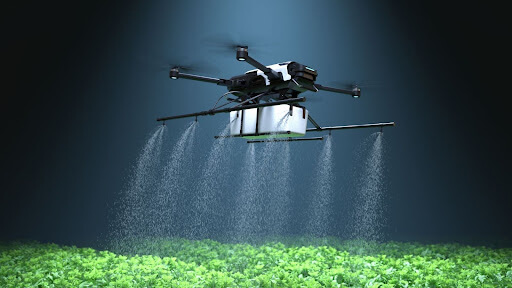
Smart environmental monitoring utilizing IoT devices and AI to regulate microclimates has become a vital component of controlled agriculture. Real-time sensing systems employ multi-sensor arrays that capture data on temperature, humidity, light, carbon dioxide concentration, and even plant stress signals indicated by subtle changes in leaf temperature or color. Predictive analytics powered by AI models can anticipate and address problems such as disease outbreaks or nutrient deficiencies before plants show visible symptoms, optimizing growth conditions proactively rather than reactively.
The implications for pesticide use alone are remarkable, with this proactive approach allowing pesticide applications to be greatly reduced or even eliminated in most controlled environments. Beyond controlled environments, IoT technology is revolutionizing field agriculture through precision irrigation systems that adjust water delivery based on real-time soil moisture measurements and weather forecasts. Automated nutrient management systems respond to sensor data about soil chemistry and crop needs, applying fertilizers with unprecedented precision. This granular control not only enhances crop yields and reduces input costs but also supports sustainable practices by preventing the runoff of excess nutrients into waterways.
7. Blockchain for Supply Chain Traceability and Transparency
Blockchain technology has transitioned from cryptocurrency applications to become a transformative force in agricultural supply chain management, addressing critical challenges in traceability, transparency, and trust. The integration of blockchain with supply chain management fundamentally changes how food moves from farm to consumer by creating immutable and tamper-proof records of every transaction and handling step. Once entered into the blockchain, data about products, processing steps, and shipments cannot be altered or deleted, protecting trust and preventing fraud throughout the supply chain.
The decentralized nature of blockchain means all stakeholders—from farmers and distributors to retailers and regulators—can input and verify data independently, eliminating information bottlenecks and single points of failure that plague traditional systems. Real-time transparency allows anyone, including end consumers, to track and verify the origin, movement, and certification status of food products instantly. Advanced blockchain architectures demonstrate remarkable efficiency in agricultural applications, with permissioned Hyperledger Fabric frameworks processing in excess of three thousand transactions per second under production-oriented configurations.
Smart contracts represent one of blockchain’s most powerful applications in agriculture, creating self-executing agreements that trigger automatically when specified conditions are met. When a shipment arrives at its destination with proper temperature maintenance verified by IoT sensors, payment can be released instantly without requiring manual approval or creating delays. This automation reduces transaction costs vital for smallholder producers and emerging economies struggling with conventional banking systems while minimizing disputes and fraud since fulfillment data is immutable and accessible by all chain participants.
The practical impact on consumer confidence and market access has been significant. The integration of AI-driven quality assessment with blockchain verification in Chilean wine exports has raised product authenticity confidence among international buyers from sixty-four percent to ninety-seven percent. Blockchain tokenization creates previously impossible incentive alignments, with smallholder cooperatives contributing quality data receiving micropayments through smart contracts that offset technology investment barriers. Analysis of twelve deployments shows eighteen to twenty-four month return on investment when blockchain-enabled traceability premiums are factored into the calculation.
8. Smart Irrigation and Advanced Water Management Systems
Water scarcity remains one of the most formidable challenges facing agriculture globally, and smart irrigation technologies have evolved from optional efficiency improvements to essential infrastructure for sustainable farming. Innovation and technology in agriculture have propelled digital and automation solutions that ensure every drop of water is used optimally. Smart irrigation controllers utilize cloud-based platforms, field sensors, and weather forecasts to automate irrigation only when and where it is genuinely needed, maximizing efficiency while maintaining optimal crop health.
The sophistication of these systems extends well beyond simple timers or manual controls. Soil moisture monitoring using advanced sensors and satellite imagery provides farmers with precise, field-level moisture data updated continuously. This information feeds into decision support systems that consider not just current conditions but also weather forecasts, crop growth stages, and even commodity prices to optimize irrigation scheduling. Drones and satellite analysis identify dry spots and areas with excess moisture within individual fields, enabling targeted watering that addresses localized variations rather than treating entire fields uniformly.
Variable rate irrigation technology represents the cutting edge of water management, adjusting application rates across a field in real time based on comprehensive data inputs. This approach can reduce water consumption by thirty to fifty percent compared to traditional irrigation methods while often improving yields by ensuring each zone receives optimal moisture levels. The economic and environmental benefits compound over time, as more efficient water use reduces energy costs for pumping, minimizes nutrient leaching into groundwater, and helps farmers maintain productivity even during drought conditions. In regions facing increasingly severe water restrictions, these technologies are becoming prerequisites for continued agricultural operations rather than optional upgrades.
9. Predictive Analytics and Integrated Data Platforms
The explosion of data generated by sensors, satellites, drones, and farm equipment would be overwhelming without sophisticated platforms to collect, integrate, and analyze this information. Big data and analytics solutions provide the computational power necessary to transform raw information into actionable insights that improve farm management decisions. Companies like AgMonitor offer software that integrates real-time farm data with machine learning algorithms to optimize water usage, reduce energy costs, and enhance crop yields through recommendations tailored to specific field conditions and farmer goals.
Weather and crop forecasting powered by AI models process historical weather data, soil chemistry information, and real-time conditions to generate highly accurate, hyperlocal forecasts unavailable from traditional meteorological sources. These forecasts extend beyond simple temperature and precipitation predictions to provide insights about optimal planting windows, disease risk, and harvest timing that directly impact profitability. Solinftec employs AI-driven predictive analytics to streamline crop management and pest control, reducing operational risks and improving efficiency by alerting farmers to potential problems days or weeks before they would otherwise be detected.
The value of these platforms multiplies as they accumulate historical data, enabling increasingly accurate predictions and recommendations over time. Machine learning algorithms identify patterns in how specific fields respond to different management practices under various weather conditions, essentially creating digital twins of real-world farms that can be used for scenario planning and optimization. The integration of market data alongside production information allows farmers to make economically optimized decisions, not just agronomically sound ones. For example, these systems might recommend adjusting planting dates or varieties based on projected commodity prices at harvest time, turning data analytics into a comprehensive farm management tool that addresses both production and business strategy.

10. Regenerative Agriculture Technologies and Carbon Management
The newest frontier in AgriTech focuses on not just sustaining agricultural productivity but actually restoring and improving the ecosystems that farming depends upon. Regenerative agriculture technologies enable practices that restore soil health, increase biodiversity, and sequester carbon while maintaining or even improving yields. Advanced robotic soil sampling and AI-powered soil analytics help farmers measure soil carbon content, optimize regenerative inputs, and enhance biodiversity with unprecedented precision.
The financial landscape supporting regenerative practices has evolved dramatically with blockchain-integrated carbon markets and ecosystem service payment schemes allowing farmers to monetize regenerative practices through carbon credits and sustainability-linked incentives. These innovations make regenerative agriculture not just an environmental necessity but a profitable and scalable farming approach that can compete economically with conventional methods. Companies are actively investing in biological fertilizers and microbial biostimulants that provide natural soil enrichment solutions replacing synthetic inputs while building long-term soil health.
Emission reduction technologies help farmers control carbon dioxide emissions by processing large datasets that identify opportunities to reduce fossil fuel use, optimize nitrogen application timing to minimize nitrous oxide release, and manage crop residues to maximize carbon sequestration. The integration of precision agriculture tools with regenerative practices creates powerful synergies—for example, using satellite imagery to identify areas where cover crops or reduced tillage would provide maximum benefit, or employing variable rate technology to apply biological amendments precisely where they will have the greatest impact on soil health improvement.
Conclusion: Agriculture’s Technological Renaissance
The agricultural sector is experiencing a technological renaissance as profound as the mechanization of the early twentieth century. The top ten AgriTech innovations explored in this article—AI-powered precision agriculture, autonomous machinery, satellite and drone technology, gene editing, vertical farming, IoT sensors, blockchain traceability, smart irrigation, predictive analytics, and regenerative agriculture technologies—represent interconnected advances that are collectively transforming how humanity produces food. These innovations address the urgent challenges of feeding a growing population while protecting environmental resources and adapting to climate change.
As we look toward 2026 and beyond, the continued evolution and integration of these technologies promise even more dramatic improvements in agricultural productivity, sustainability, and resilience. The farms of the future will be data-rich environments where decisions are informed by comprehensive real-time information, where resources are applied with surgical precision, and where farming practices restore rather than deplete natural systems.
Success in this transformation will require not just technological innovation but also attention to accessibility, education, and inclusive development that ensures farmers of all scales and regions can participate in and benefit from agriculture’s technological revolution. The stakes could not be higher, as these innovations will largely determine humanity’s ability to achieve food security in an era of unprecedented environmental and demographic challenges.