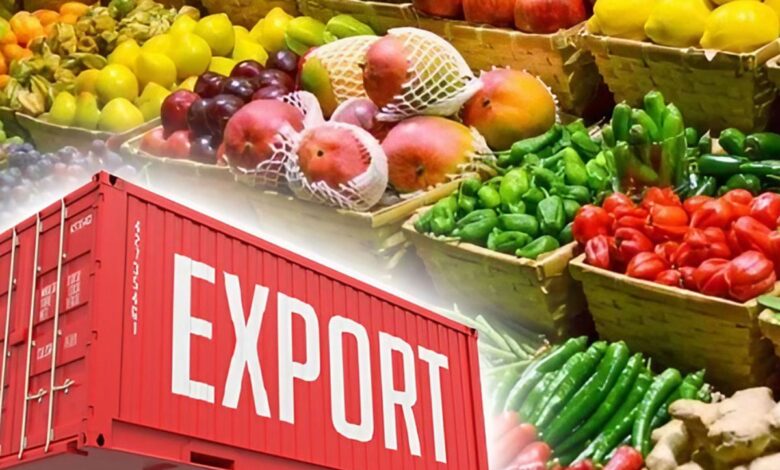
The global agricultural export industry represents a multi-trillion-dollar market that feeds billions of people worldwide.
As we approach 2026, agricultural exports reached historic highs surpassing $2 trillion in 2022, representing significant growth in the sector. The agricultural commodity trading landscape is dominated by a select group of multinational corporations that control the flow of grains, oilseeds, palm oil, and other essential agricultural products across continents.
Understanding which companies lead this critical industry provides insight into global food security, supply chain dynamics, and the future of sustainable agriculture. This comprehensive analysis examines the top 10 agricultural export firms based on their trade volumes, market influence, geographical reach, and strategic importance in the global food system.
1. Cargill, Incorporated
Headquarters: Minneapolis, Minnesota, USA
Founded: 1865
Estimated Annual Trade Volume: Over 217 million tonnes
Cargill stands as the world’s largest privately-held agricultural company and a dominant force in global commodity trading. With 155,000 employees across 70 countries, Cargill connects farmers with markets, customers with ingredients, and people and animals with the food they need to thrive. The company operates across the entire agricultural value chain, from farm to fork.
Cargill’s diverse portfolio includes grain trading, oilseed processing, animal nutrition, food ingredients, and meat processing. The company maintains an extensive network of storage facilities, processing plants, and port terminals strategically positioned in major production and consumption regions. Despite facing financial challenges in recent years due to market volatility, Cargill remains the undisputed leader in agricultural commodity trading.
The company’s expertise spans soybeans, corn, wheat, palm oil, cocoa, and numerous other commodities. Cargill’s strength lies in its integrated approach, controlling assets at multiple points in the supply chain, which provides competitive advantages in risk management and market access.
2. Archer Daniels Midland (ADM)
Headquarters: Chicago, Illinois, USA
Founded: 1902
Estimated Annual Trade Volume: Approximately 100 million tonnes
Stock Symbol: NYSE: ADM
ADM ranks among the world’s leading agricultural processors and food ingredient providers. The company operates an extensive global network of crop procurement facilities, ingredient manufacturing plants, and transportation assets. ADM reported revenue of $85.5 billion and net profit of $1.8 billion in 2024, though this represented a decline from previous years due to market conditions.
The company specializes in crushing and origination, carbohydrate solutions, nutrition, and other segments. ADM’s operations span oilseed processing, corn processing, agricultural services, and nutrition businesses. The company has invested heavily in plant-based proteins, alternative ingredients, and sustainable solutions to meet evolving consumer demands.
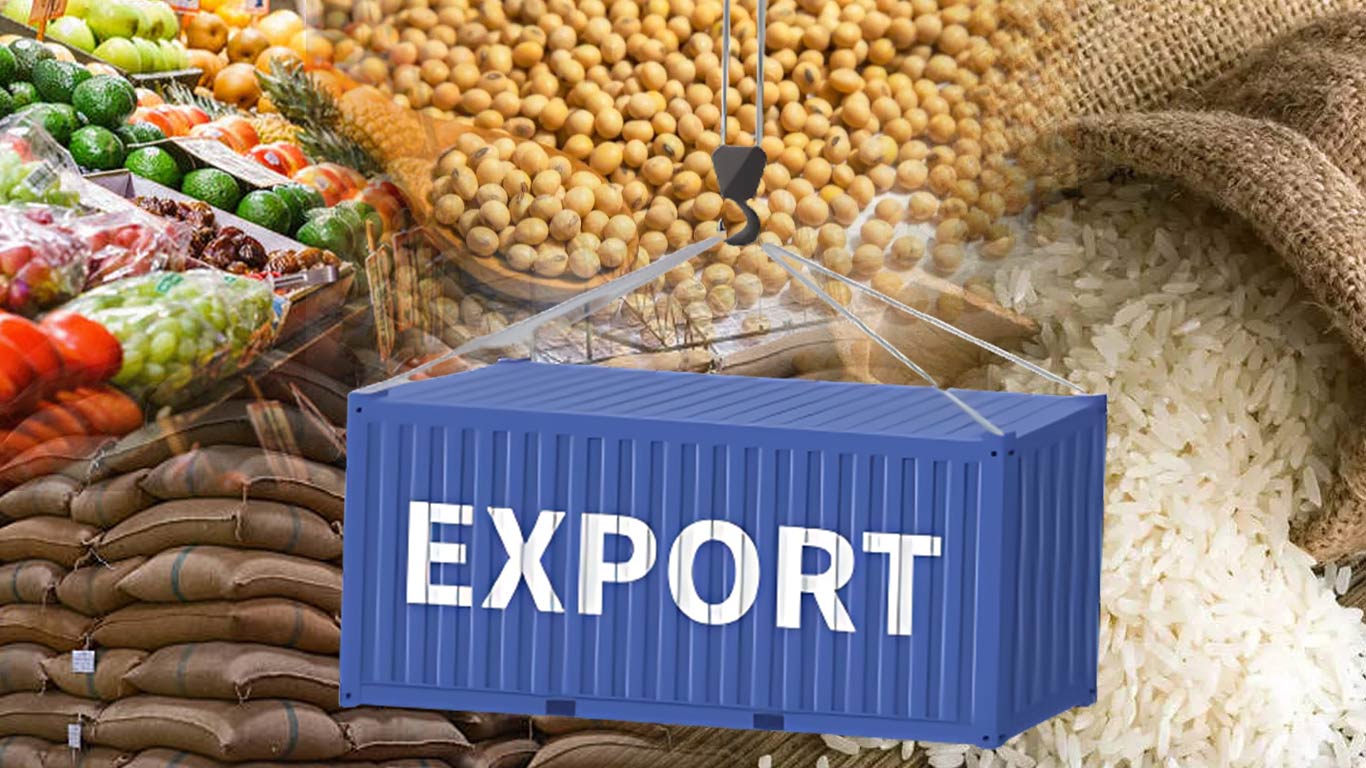
ADM maintains significant crushing capacity in North America, South America, Europe, and Asia, processing soybeans, sunflower seeds, canola, and other oilseeds into meal and oil for animal feed and human consumption. The company also operates extensive grain handling and storage facilities across major production regions.
3. Bunge Limited
Headquarters: St. Louis, Missouri, USA (incorporated in Switzerland)
Founded: 1818
Estimated Annual Trade Volume: Approximately 142 million tonnes
Stock Symbol: NYSE: BG
Bunge operates as an integrated agribusiness and food company with operations spanning the farm to consumer. The company’s core businesses include agribusiness (oilseed processing and grain trading), refined and specialty oils, milling, and sugar and bioenergy.
Bunge controlled 29% of Argentina’s soy crushing capacity in 2021, demonstrating its dominant position in key producing regions. The company maintains strong positions in South American origination, particularly in Brazil and Argentina, which are critical sources of global soybean and corn exports.
A significant development for Bunge is its pending acquisition of Viterra, expected to create a $34 billion agricultural giant. This merger will substantially enhance Bunge’s global footprint, particularly in grain handling and storage infrastructure across North America, South America, and Australia. The combined entity will become an even more formidable competitor in the global agricultural commodity space.
4. Louis Dreyfus Company (LDC)
Headquarters: Rotterdam, Netherlands
Founded: 1851
Estimated Annual Trade Volume: Approximately 83 million tonnes
Louis Dreyfus Company represents one of the oldest and most established names in agricultural commodity trading. LDC’s portfolio spans Oilseeds, Grains, Freight, Global Markets, Coffee, Cotton, Sugar, Rice, Dairy and Juice, processing and transporting approximately 81 million tons of products.
The company operates across 100 countries with approximately 17,000 employees globally. LDC maintains a strong presence in both traditional commodity trading and value-added processing. The company has been at the forefront of digitalization in agricultural trading, completing pioneering blockchain-enabled transactions to improve efficiency and transparency.
A notable development in LDC’s structure came in 2020 when a family heir sold a 45% stake to a state-owned holding company in the United Arab Emirates, reflecting the geopolitical dimensions of global agricultural trade. Despite ownership changes, LDC continues to operate as a major force in global commodity markets.
5. COFCO International (CIL)
Headquarters: Geneva, Switzerland (subsidiary of COFCO Corp, Beijing, China)
Founded: 2014 (as international division)
Estimated Annual Trade Volume: Approximately 127 million tonnes
COFCO International represents China’s ambitious expansion into global agricultural commodity trading. COFCO International has revenues second to Cargill in 2022, exceeding those of ADM, Viterra, Wilmar, Bunge, and other major agribusiness firms. This rapid growth reflects China’s strategic imperative to secure food supplies for its massive population.
The company has heavily invested in supply chain infrastructure including origination facilities, storage, ports, and shipping capacity in South America, Eastern Europe, and the United States. COFCO ships significant volumes to China while also serving global markets, positioning itself as a truly international player rather than merely an arm of Chinese state interests.
COFCO’s emergence has disrupted the traditional “ABCD” dominance (ADM, Bunge, Cargill, Dreyfus), leading to new terminology like “ABCCD” to acknowledge the company’s influence. The company benefits from China’s vast domestic market while leveraging its international assets to compete globally.
6. Viterra
Headquarters: Rotterdam, Netherlands
Former Name: Glencore Agriculture
Estimated Annual Trade Volume: Approximately 100 million tonnes
Viterra emerged as a major player following Glencore’s strategic reorganization of its agricultural assets. The company operates across 180 storage facilities, 31 processing facilities, and 25 ports, with shipping fleet and rail assets in strategic locations worldwide. Viterra’s strength lies in its integrated infrastructure connecting production regions to export terminals.
The company maintains strong positions in Canadian grain handling, Australian grain marketing, and South American oilseed processing and origination. As mentioned earlier, Viterra is in the process of being acquired by Bunge in a deal that will reshape the competitive landscape of global agricultural trading.

7. Wilmar International
Headquarters: Singapore
Founded: 1991
Estimated Annual Trade Volume: Significant volumes in palm oil and oilseeds
Stock Symbol: SGX: F34
Wilmar International stands as Asia’s leading agribusiness group and one of the world’s largest palm oil traders. The company operates an integrated business model spanning the entire palm oil value chain, from cultivation to consumer products. ADM and Wilmar, through their Olenex joint venture, controlled around 20-30% of refined bulk soybean oil and palm oil in the European Economic Area in 2016.
Beyond palm oil, Wilmar has diversified into oilseeds, grains, sugar, and specialty fats. The company operates processing facilities, refineries, and distribution networks across Asia, Africa, and Europe. Wilmar’s strength in Asian markets provides critical access to high-growth regions with increasing food demand.
The company has faced scrutiny over sustainability practices, particularly regarding deforestation concerns in palm oil production. In response, Wilmar has implemented traceability systems and sustainability commitments, though challenges remain in ensuring compliance throughout complex supply chains.
8. Olam Group (formerly Olam International)
Headquarters: Singapore
Founded: 1989
Stock Symbol: SGX: VC2
Olam began as a cashew trading company and evolved into a diversified agricultural commodity trader and processor. The company operates across the value chain for numerous commodities including cocoa, coffee, cotton, edible nuts, spices, grains, and animal feed.
Olam maintains strong positions in African agricultural sourcing, leveraging relationships built over decades. The company also operates significant rice businesses in Asia and has expanded into packaged foods and ingredients. In 2025, SALIC (Saudi Agricultural and Livestock Investment Company) acquired the remaining shares of Olam Agri, reflecting strategic investments by food-importing nations in agricultural supply chains.
Olam’s business model emphasizes sustainable sourcing and farmer partnerships, particularly in developing countries. The company has restructured into separate entities focusing on food ingredients and global agribusiness to optimize operations and unlock value.
9. Golden Agri-Resources (GAR)
Headquarters: Singapore
Founded: 1996
Market Capitalization: Approximately $2.34 billion USD
Stock Symbol: SGX: E5H
Golden Agri-Resources operates as one of the world’s largest palm oil plantation companies. The company maintains vertically integrated operations spanning cultivation, processing, and downstream refining. GAR operates approximately 383,000 hectares of oil palm plantations and runs 32 palm oil mills, three refineries, and four kernel crushing plants in Indonesia.
GAR also maintains operations in China with integrated facilities in Ningbo and Zhuhai, including deep-sea ports, storage, and oilseed crushing capabilities. This strategic positioning in both production and consumption markets provides competitive advantages.
The company has committed to sustainable palm oil production, including zero-deforestation policies and traceability initiatives. As a major participant in global palm oil markets, GAR plays a critical role in one of the world’s most widely used vegetable oils.
10. JBS S.A.
Headquarters: São Paulo, Brazil
Founded: 1953
Stock Symbol: B3: JBSS3
While the previous companies focus primarily on crops and vegetable oils, JBS dominates the global meat export sector. As the world’s largest meat processing company, JBS operates across beef, pork, poultry, and prepared foods. The company maintains operations in major production countries including Brazil, the United States, Australia, Canada, Mexico, and the UK.
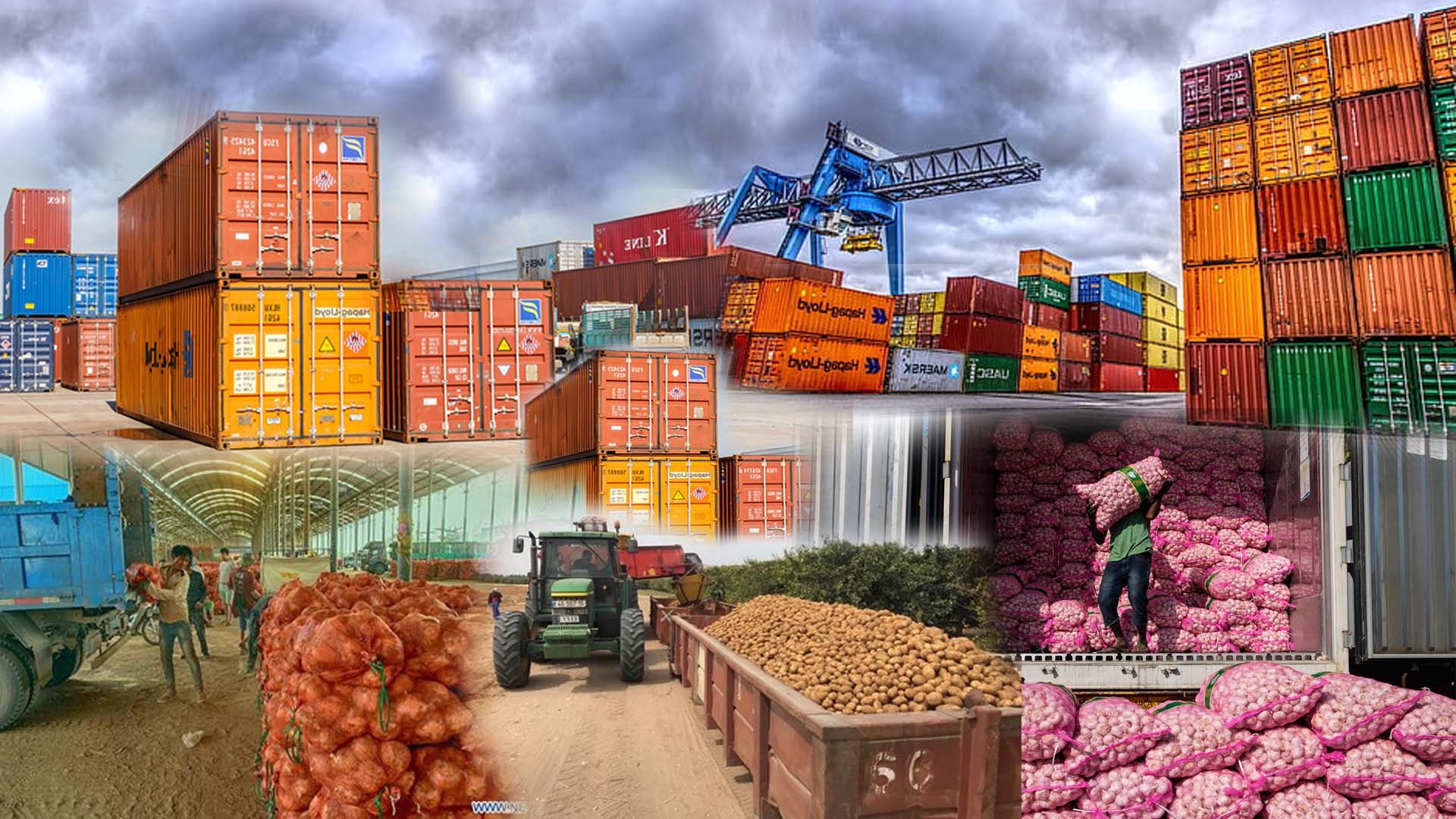
JBS exports meat products to over 150 countries, making it indispensable to global protein supply chains. The company has faced various controversies but remains a dominant force in animal agriculture. JBS has also announced ambitious sustainability commitments including net-zero emissions targets, reflecting growing pressure for environmental responsibility in livestock production.
The inclusion of JBS recognizes that agricultural exports extend beyond crops to include livestock products, which represent substantial export value and strategic importance for food security.
Conclusion
The ten companies profiled here represent the backbone of global agricultural trade, moving hundreds of millions of tonnes of commodities annually across continents. From the century-old giants of the ABCD group to emerging powerhouses like COFCO and established regional leaders like Wilmar and Golden Agri-Resources, these firms shape what we eat and how agricultural markets function.
Understanding these companies provides insight into the complex systems that connect farmers to consumers, influence commodity prices, and ultimately determine food availability worldwide. As the industry evolves through consolidation, sustainability imperatives, and technological change, these leading exporters will continue playing decisive roles in global food security.
For investors, policymakers, agricultural professionals, and anyone interested in global food systems, monitoring these companies offers a window into the future of agriculture and the challenges facing our food supply in an era of climate change, population growth, and geopolitical uncertainty.