The Chai Break Epidemic: How Indian Offices Trade Real Work For Tea, Sutta, And So-Called “Busy-Ness”


Ah, the chai break—that sacred moment of reprieve in Indian offices, where productivity takes a backseat to the clinking of cups and the blabbering of employees about absolutely nothing. I mean, who needs efficiency when you can have chai, right? It’s a culture, a tradition, a right of passage that every office-goer from the junior intern to the top-level manager swears by. But here’s the twist—those chai breaks, supposed to fuel our productivity, are doing the exact opposite. They’re systematically killing it.
And before you throw your cup of tea at me, let me clarify: I’m not some chai-hating monster. But, let’s face it, the sheer number of breaks taken during the workday is enough to make the productivity of an average office worker look like a tragic sitcom. I mean, how many times does one person need to “fuel up” with chai and sutta to finish a task that could be done in half the time?
The Tea-Time Treadmill: A Never-Ending Cycle of Breaks and Faux Productivity
Let’s take a journey into the typical day at an Indian office:
8:59 AM: You walk into the office, ready to conquer the day. You’ve got spreadsheets to crunch, emails to send, meetings to attend. But wait! First, you need to prepare yourself for the day. So what’s the first thing you do? Chai, of course. It’s like a morning ritual. You walk to the pantry, the elevator, or maybe even the nearest street corner, to get that one cup that’s going to keep you going. But here’s the catch: It’s not actually going to keep you going. You’re just getting started with the habit of procrastination.
10:30 AM: Oops. You’re back at your desk, trying to focus, but the phone rings. Your colleague asks if you want to join them for a “quick sutta break.” And like Pavlov’s dog, you say yes, without even thinking. After all, it’s been a whole 2 hours since your last break, and the body’s just aching for that nicotine rush.

12:30 PM: You return to your desk again, only to find your productivity has not improved in the slightest. You stare at the screen, then check your phone, then check Facebook, and then… Oh look, it’s time for lunch! But before lunch, there’s that second chai break. Because really, how can anyone work without that mid-morning fuel?
3:30 PM: By now, your brain is fried, but hey, there’s one more chance to refresh yourself. A “catch-up” chai break, this time with someone from another department. You exchange pleasantries, talk about the weather, and—voila—an hour has passed. But did you get anything done? Not really. Because let’s be honest, no one ever gets real work done while sipping tea and talking about their cousin’s wedding.
5:30 PM: And here it comes, the final sutta break before everyone heads out for the day. You’ve barely managed to skim through your to-do list, but at least you’ve made your rounds at every tea stall in the building. Mission accomplished!
Now, let’s talk about what really happened here. Productivity didn’t increase. You didn’t finish any real work. Instead, you participated in a series of breaks that have collectively become your office’s real work culture. Congratulations, you’re busy-looking but not actually busy. And this, my friends, is the core of the problem with Indian corporate culture.

The Chai Culture: Why Indian Offices Are “Busy” But Not Productive
Here’s the thing—busy doesn’t mean productive. There’s a big difference between looking like you’re working and actually getting work done. You might have spent 9-10 hours in the office, sipping chai, getting distracted by social chit-chat, and running errands for the boss, but did you actually move the needle on anything meaningful? Did you finish that report? Did you meet your deadline? Did you do something, anything, that could make a difference to your company’s bottom line? Probably not.
In India, the mantra isn’t “work hard” or “work smart,” it’s: “Look busy.” And don’t get me wrong—Indian employees are some of the hardest working people out there, but the real issue is focus. The modern Indian office environment breeds this strange, addictive culture where it’s less about doing the job and more about looking like you’re doing the job.
Think about it. Your boss will respect you not because you nailed that project, but because you managed to stay in the office till late, took 3 chai breaks, and gave off the vibe of being “always available.” Forget work-life balance. Forget mental health. Just show up, look exhausted, and pretend you’re grinding through deadlines that no one will remember next year.

The Curse of the Chai Breaks
It’s not just the juniors; the chai break epidemic has infected every level of the workforce. You’ll find managers, team leads, and even directors attending these tea-drinking sessions like it’s some kind of corporate ritual. I mean, what better way to prove you’re engaged than leaving work for 30 minutes to sip tea and gossip about someone else’s vacation plans?
This is not the culture of productivity. This is the culture of penny-pinching hustle. You are hustling not to get things done, but to look busy so that your bosses think you’re “working hard.” And why? Because at the end of the day, it’s not about impact. It’s about keeping up with appearances.
The International Comparison: Can We Ever Catch Up?
Meanwhile, in developed countries, employees are obsessed with efficiency, focus, and work-life balance. Gasp. No one’s spending half their day drinking tea, lamenting about their slow Wi-Fi, or trying to look like they’re super occupied. The focus is on productivity—not just the number of hours worked.
But in India, the bosses are happy as long as they’re seeing their employees putting in those 12-hour days. The result? You’re working longer hours for the sake of looking busy, but in reality, you’ve accomplished little. Because that chai break? It was the productivity killer you didn’t even realize was holding you back.
The “Impact” Crisis
You know what the real issue is? Impact. Companies need to stop rewarding employees just for showing up. Start appreciating results over hours worked. Let’s stop making “looking busy” the goal. Instead, let’s measure real output.
Imagine a world where employees were measured by how much they accomplish, not by how many cups of chai they consume in a day. Imagine if productivity was actually linked to impact instead of endless hours spent pretending you’re hard at work.
Time for Change?
It’s time for a corporate revolution, friends. We need to ditch the chai breaks, ditch the sutta breaks, and focus on one thing: work. Get your head in the game, and your hands on that keyboard. Stop hiding behind the excuse of “just one more chai,” because let’s face it, we all know you don’t need it.
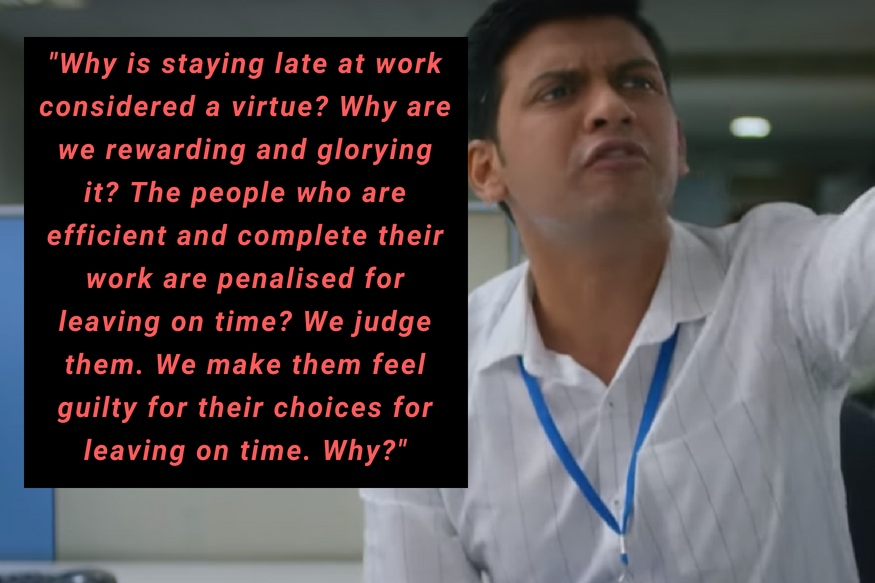
It’s not about the quantity of work you do; it’s about the quality. And if we can’t break free from the cycle of chai breaks and fake busyness, we’ll never escape the productivity trap we’ve created for ourselves. So, let’s all raise our cups (of actual productivity) and bid farewell to the chai break culture.
In the end, the choice is simple: fewer chai breaks, fewer excuses, and more real conversations about impact and efficiency. Or, you know, keep pretending to be busy while doing nothing. Your call.