Delhi’s Leadership Watershed: As Rekha Gupta Takes Helm, Capital’s Future Hangs In Balance

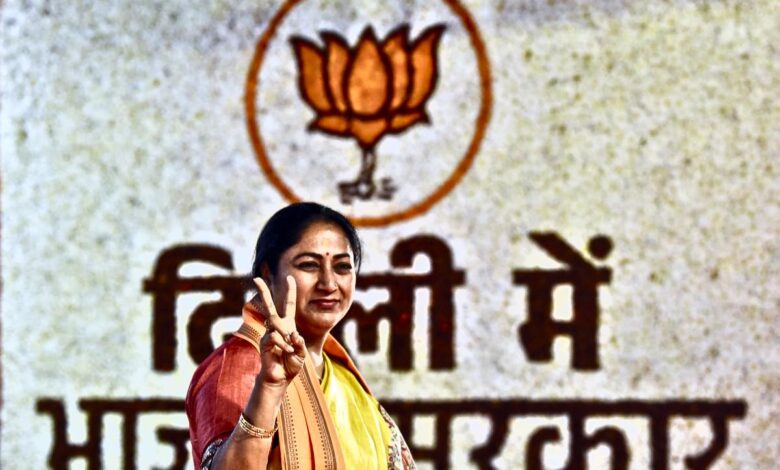
In Delhi’s labyrinthine corridors of power, a new page is being turned with Rekha Gupta all set to be sworn in as the Chief Minister, bringing the Bharatiya Janata Party back to the capital’s throne after a 27-year-long exile. But beneath the ritualistic pageantry and political drama, there lies a city that is suffocating on the smoke of its own unrealized potential.
The Inheritance of Broken Dreams in Delhi.
Delhi is a real-life example of how what goes on the ground and what the politicians utter could be entirely two different things. For almost three decades now, people living here have heard all these tall promises—each one bigger and more ridiculous than the previous one. Those free Wi-Fi spots that were supposed to cover the whole city are as likely to happen as clean air for everybody. Meanwhile, those fancy infrastructure projects just lie there gathering dust while millions have to deal with potholed roads and congested metros.
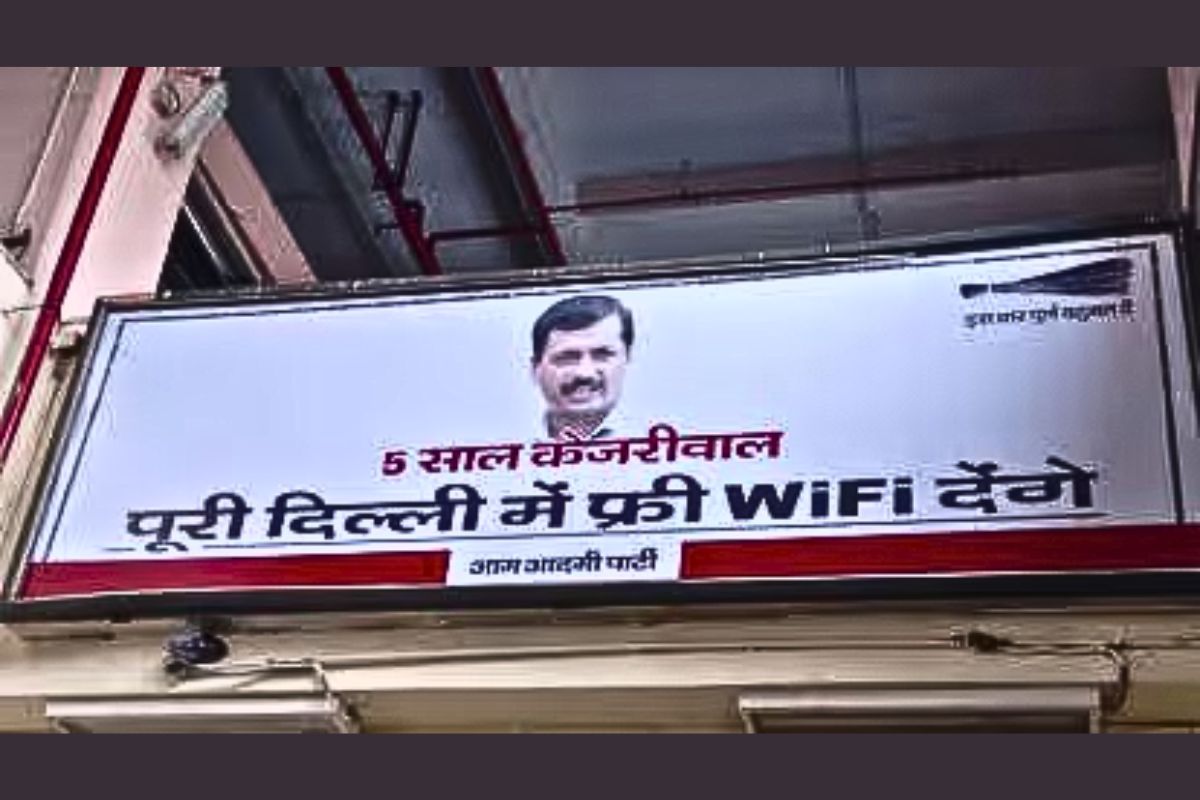
The irony is so obvious: in a capital city, where national power resides, elementary governance is an afterthought. Successive governments have perfected the skill of repackaging aged commitments in fresh packaging, but the underlying problems still linger like open sores on the conscience of the city.
The Symphony of Selective Amnesia
As Gupta enters the scene, we see an old political drama unfold. BJP’s return to power is being made out as if they are rescuing Delhi, completely forgetting their own role in ruining things the last time they were in power. The opposition, on the other hand, is just clutching at straws, attempting to spin their own recent governance—or non-governance—into a fresh angle.
The reality, however, lies behind complex layers of political manipulation. Delhi’s issues are not issues of administration; they’re symptoms of a deeper malaise—a political failure of vision and determination.
The Toxic Legacy
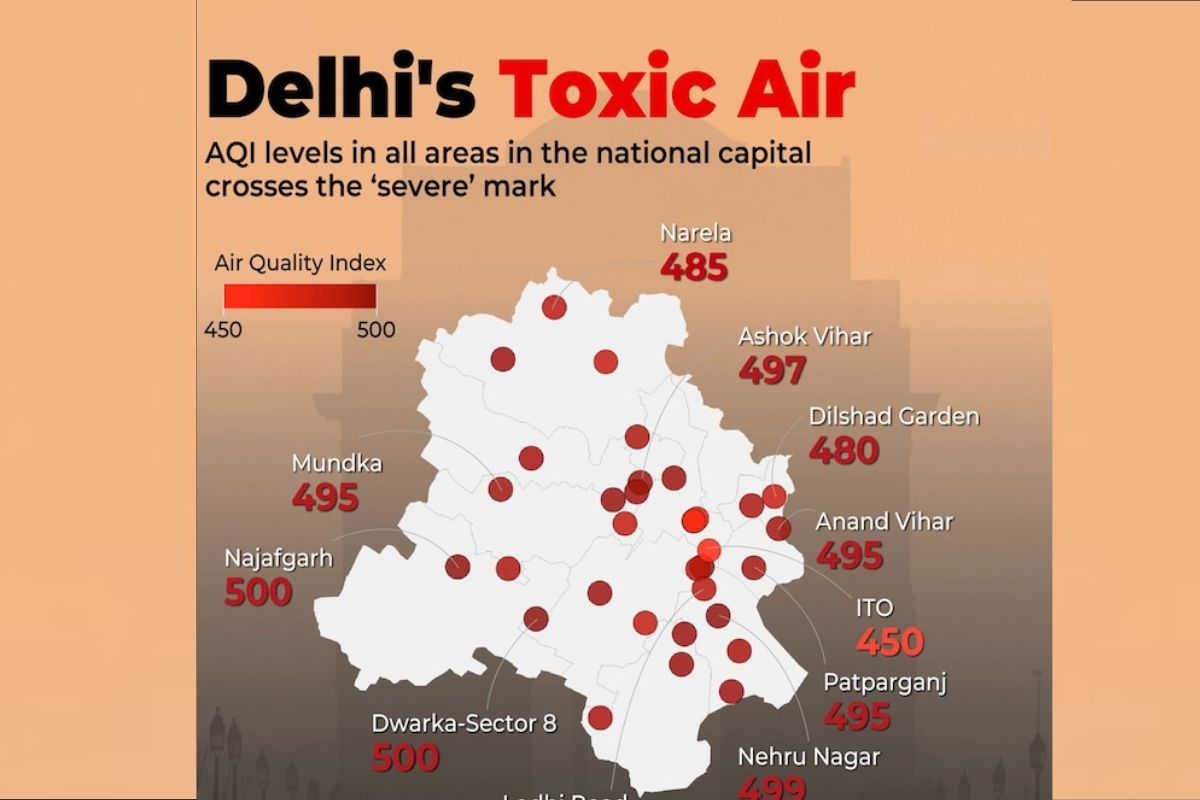
Perhaps nowhere is this failure more apparent than in the poisonous air of Delhi. Every winter, the capital is transformed into a gas chamber, with AQI readings that would have prompted emergency action in all but the most sophisticated countries. But year in and year out, the same is true: emergency sessions, rapid restrictions, and the obligatory empty promise that next time will be different.
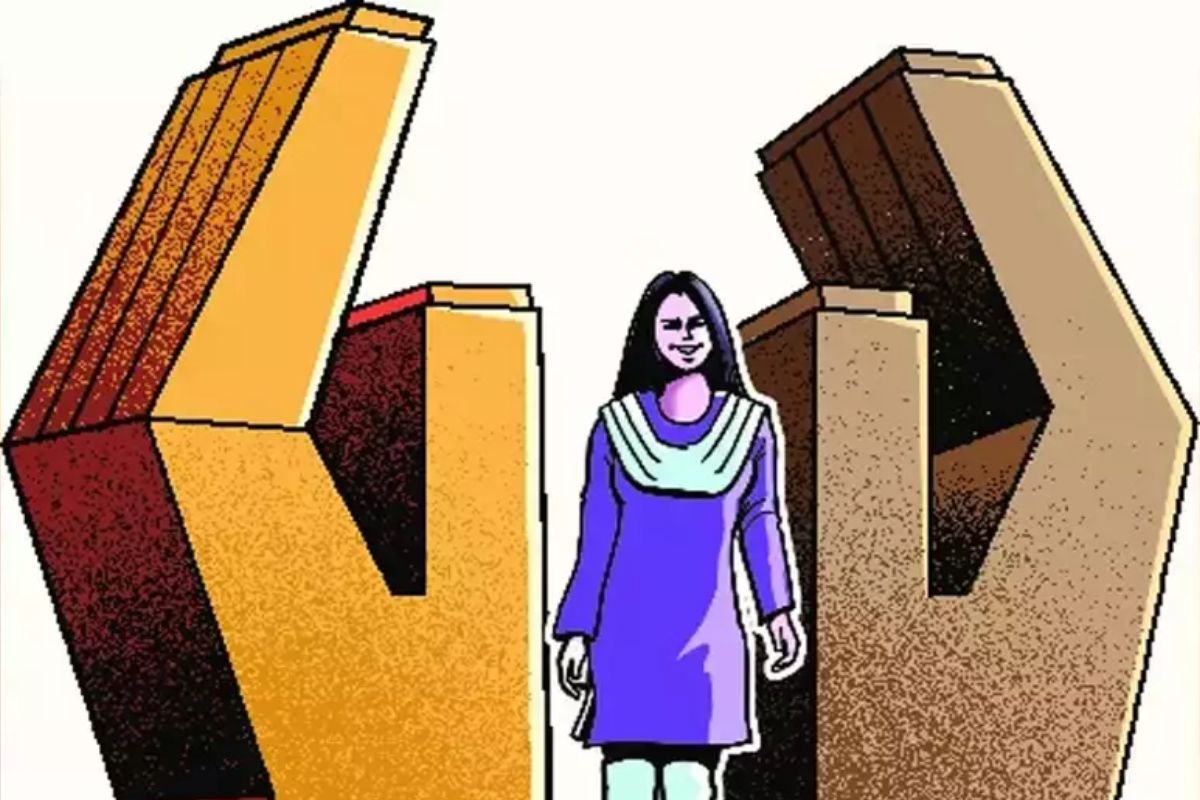
Women’s safety, another pressing concern, continues to be narrowed down to election-time slogans. In spite of repeated assurances and efforts, Delhi streets continue to be unsafe places after dark. The statistics may show marginal improvements, but ask any woman who navigates the city daily, and you’ll hear a different story—one of constant vigilance and normalized fear.
The Infrastructure Mirage
Delhi traffic jams have moved from being a nuisance to a reminder that the government can’t seem to get its act together. With every new government, they have these grand plans to sort out the congestion, but then they just stand idly by while more vehicles flood the roads that were designed for far fewer. The solution always seems to be just around the corner—much like those perpetually ongoing infrastructure projects that promise to make Delhi a world-class city.
Gupta’s Crucible
Rekha Gupta then arrives, diving into this mess not only with expectations of her party but also with a city utterly bored with all the broken promises. Her accepting this role is sort of a big thing, but for real, it just brings so many questions. Is she really going to be able to do some actual changes, or is she going to be another puppet in this entire political circus? Can she actually escape the blame game that’s been a big part of how Delhi runs, or will she just feel cozy blaming her predecessors like everyone else?
The Reality Check
Frankly, Delhi doesn’t need another politician who is talking heads only when it comes to change; what it needs is a leader who knows how complex things really are and will stay long enough to set them straight. The city needs someone who can rise above party politics in order to address issues that don’t care about party lines—pollution doesn’t care about BJP or Congress members, and traffic on the road doesn’t care about campaign promises.
A City at the Crossroads
As Gupta gets ready to take her oath, Delhi is at a familiar juncture. The event will be big, the speeches motivational, and the vows plentiful. But in the cramped alleys of Old Delhi, in the middle-class colonies of struggling East Delhi, and in the aspirational suburbs of Gurugram and Noida, the true test lies ahead.
The Delhiites, hardened by years of failed expectations, are observing all this with a mix of suspicion and lingering hope. They’ve been here before—fresh players, old script. The real question is not if Rekha Gupta can make a difference, but if she can shatter the political inertia that’s had Delhi going round and round in circles over lost opportunities.
So, as the city prepares for yet another “new era,” perhaps we should accept that actual change isn’t necessarily about replacing the guys at the top; it’s about transforming the nature of how those in authority interact with everyone else. Until then, Delhi’s gonna remain a city of contradictions—a city where the powerful succeed and the powerless struggle to stay alive, a seat of government where good governance is a luxury she can’t afford, and a beacon of democracy that hasn’t yet lived up to its potential.